The Triassic Period: Were Dinosaurs Just “Minor Players”? The Drama of the Changing of the Guard on a Harsh Earth with 11% Oxygen
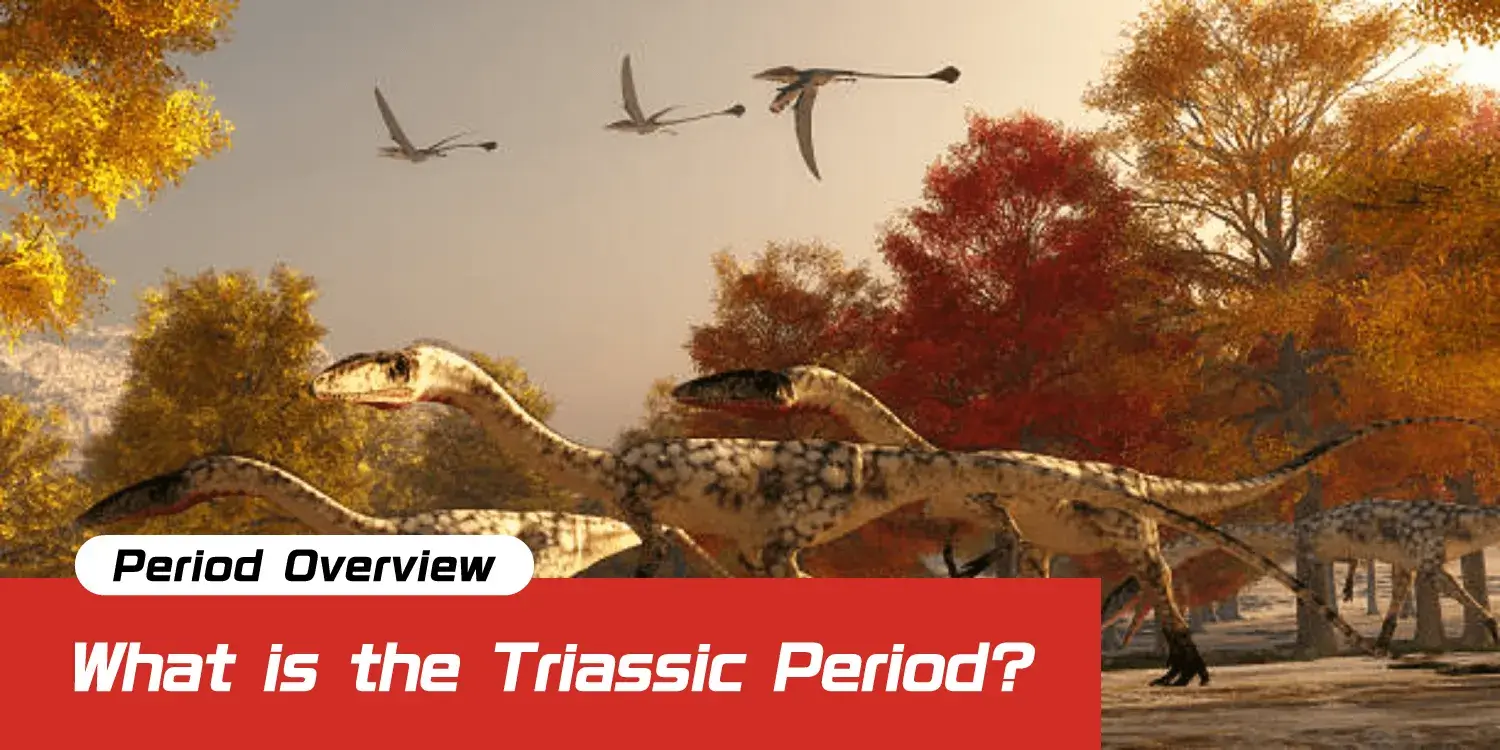
In the history of the Earth, the “Triassic Period” marks the opening of the Mesozoic Era.
Lasting from approximately 251 million to 199.6 million years ago, this era is known as the “time when dinosaurs first appeared.”
However, the reality was far from a hopeful beginning.
Starting from the worst mass extinction in Earth’s history, this era was a harsh world dominated by dryness and “low oxygen” levels that would cause immediate altitude sickness in modern times. Dinosaurs were merely “minor players” living in the corners of the ecosystem.
In this article, we explain the Triassic Period—the prologue to the age of dinosaurs—covering the harsh environment and the survival competition with their rivals.
Started from the Worst “Reset” in Earth’s History
The beginning of the Triassic was by no means peaceful.
The “P-T Boundary” Where 95% Perished
Just before the Triassic (end of the Permian), the worst mass extinction in Earth’s history, known as the “P-T Boundary,” occurred.
About 95% of species died out in this event.
The ecosystem collapsed.
The Triassic is a “story of regeneration” where life regained prosperity from this ruin-like state, taking about 10 million years to recover biological diversity.
11% Oxygen! A Harsh Environment That Would Cause “Altitude Sickness” Today
The global environment at the time was like hell for modern organisms.
A Suffocating “Low-Oxygen” World
Due to the fluctuations at the P-T Boundary, atmospheric oxygen plummeted.
From about 30% in the Permian, it dropped to a low of about 11% (compared to about 21% today).
If a modern person stood on the lowlands of that time, they would immediately suffer from altitude sickness.
This low-oxygen state lasted for about 100 million years until the Jurassic.
The Deserts of the Supercontinent Pangea
The climate was extremely hot and dry, and vast deserts and wastelands spread across the interior of the supercontinent “Pangea,” which connected the North and South Poles.
Only 5% Dinosaurs? The True Rulers Were “Ancestors of Crocodiles”
It is often thought that “Triassic = Age of Dinosaurs,” but the reality is different.
Dinosaurs Were “Nameless Minor Players”
From the early to middle period, dinosaurs made up only about 5% of the ecosystem.
Dinosaurs at that time were still small and few in variety, living quietly in the corners of the ecosystem.
The True Rulers: “Crurotarsans”
Dominating the land instead of dinosaurs were reptiles like “Crurotarsans” (including crocodile ancestors) and rhynchosaurs.
Also, synapsids (ancestors of mammals) that survived the extinction kept their power, making the Earth at that time a warlike world where relatives of crocodiles held hegemony.
The Beginning of the Turnaround: Birth of Dinosaurs and the 3 Major Groups
Entering the Late Triassic, animals unable to adapt to the harsh environment began to disappear, and dinosaurs began to evolve by filling those gaps (niches).
Establishment of the 3 Major Groups
During this period, the three groups forming the basis of current dinosaur classification appeared.
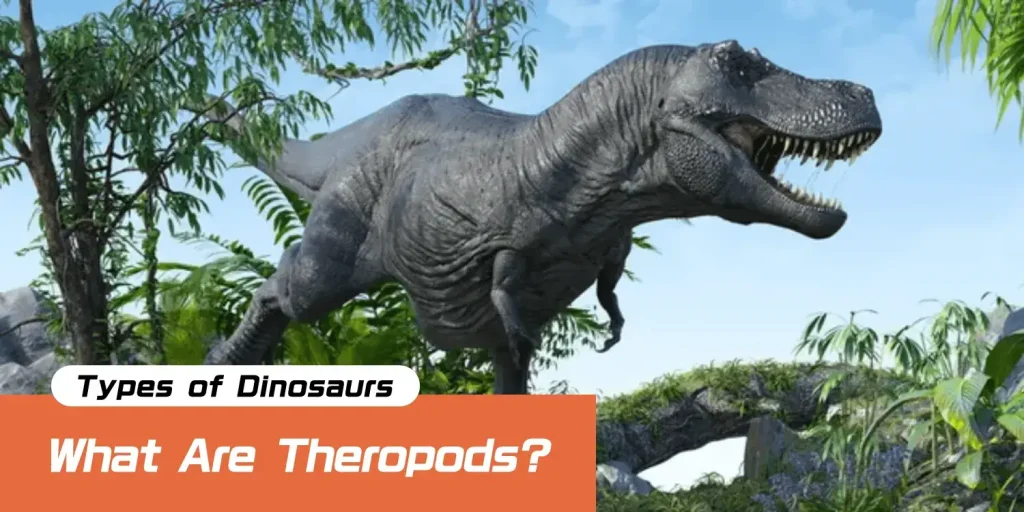
- Theropods: Ancestors of Tyrannosaurus, etc. (Carnivores).
- Sauropodomorphs: Ancestors of Apatosaurus, etc. (Long-necked herbivores).
- Ornithischians: Ancestors of Triceratops, etc. (Plant-eaters).
The Benefits of the Supercontinent Pangea
Because the continent was one massive landmass (Pangea) and not separated by oceans, the newly born dinosaurs were able to expand their habitat worldwide at once.
Sea, Sky, and Mammals Too! An Evolutionary Testing Ground
The Triassic was also an evolutionary testing ground for creatures other than dinosaurs.
Mammals
From the synapsid cynodonts, the “first mammals” were finally born.
Sky
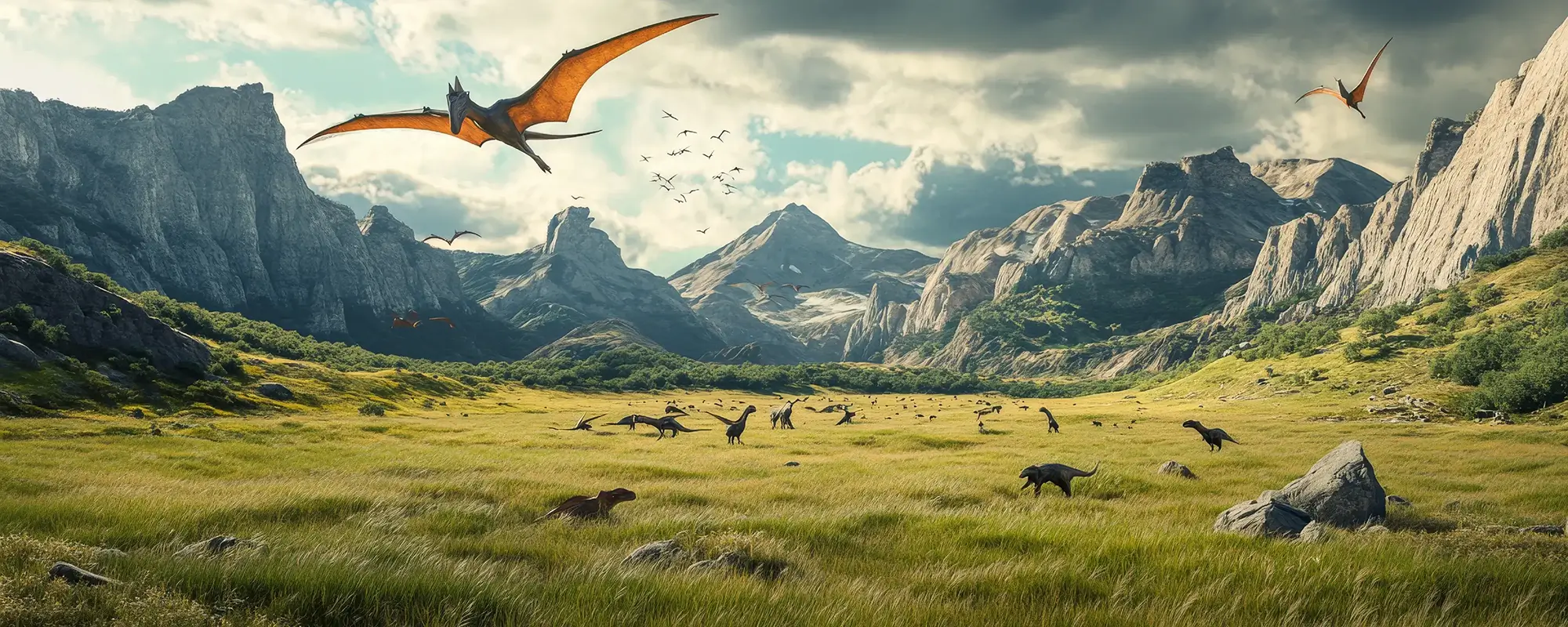
Some reptiles advanced into the sky, and “pterosaurs” appeared.
Sea
“Ichthyosaurs,” “plesiosaurs,” and ammonites flourished.
Land
While giant dragonflies disappeared, butterfly and moth relatives (Lepidoptera) appeared.
Disappearance of Rivals: The 4th Mass Extinction and Toward the “Golden Age”
At the end of the Triassic (about 200 million years ago), the fourth mass extinction occurred, triggered by volcanic activity and other factors.
Due to this, the ruling Crurotarsans (other than crocodile lineages) and many synapsids went extinct.
With powerful rivals vanishing all at once, a world without competitors opened up for the surviving dinosaurs.
Thus, having endured the harsh apprenticeship period, dinosaurs rushed into the explosive prosperity (Golden Age) of the following Jurassic and Cretaceous periods.

![[Asia's First] Globally Rare Selmasaurus Fossil Discovered on Koshiki Island, Kagoshima! 3 Reasons Why It Rewrites History](https://dinosaurmuseum.jp/wp/wp-content/uploads/eyecatch_selmasaurus-fossil-koshikishima_en-1024x512.webp)








![[Latest Research] What Was the Function of Spinosaurus's Giant "Sail"? Exploring the Mysteries of Thermoregulation and Underwater Locomotion](https://dinosaurmuseum.jp/wp/wp-content/uploads/eyecatch_spinosaurus-sail-function_en-1024x512.webp)
![[Latest Discovery] A Third Type of Skin, Neither Scales Nor Feathers? Meet "Haolong dongi," a New Dinosaur Species Covered Entirely in Spikes](https://dinosaurmuseum.jp/wp/wp-content/uploads/eyecatch_dinosaur-spiky-skin-discovery_en-1024x512.webp)