
Beipiaosaurus

Name Origin
Beipiao Lizard (Lizard from Beipiao)
Family
Therizinosauridae
Classification
Diapsida, Saurischia, Theropoda
Habitat (Discovery Location)
China
Period
Approximately 125 million years ago (Early Cretaceous)
Length
Approximately 2–2.2 meters
Weight
Approximately 100 kg
Diet
Herbivore
You might also like... 

-
 Eudimorphodon
- Classification
- Flying reptiles
- Characteristics
- Carnivorous
- Era
- Triassic period
- Shunosaurus
- Classification
- Sauropods
- Characteristics
- Herbivorous
- Era
- Jurassic period
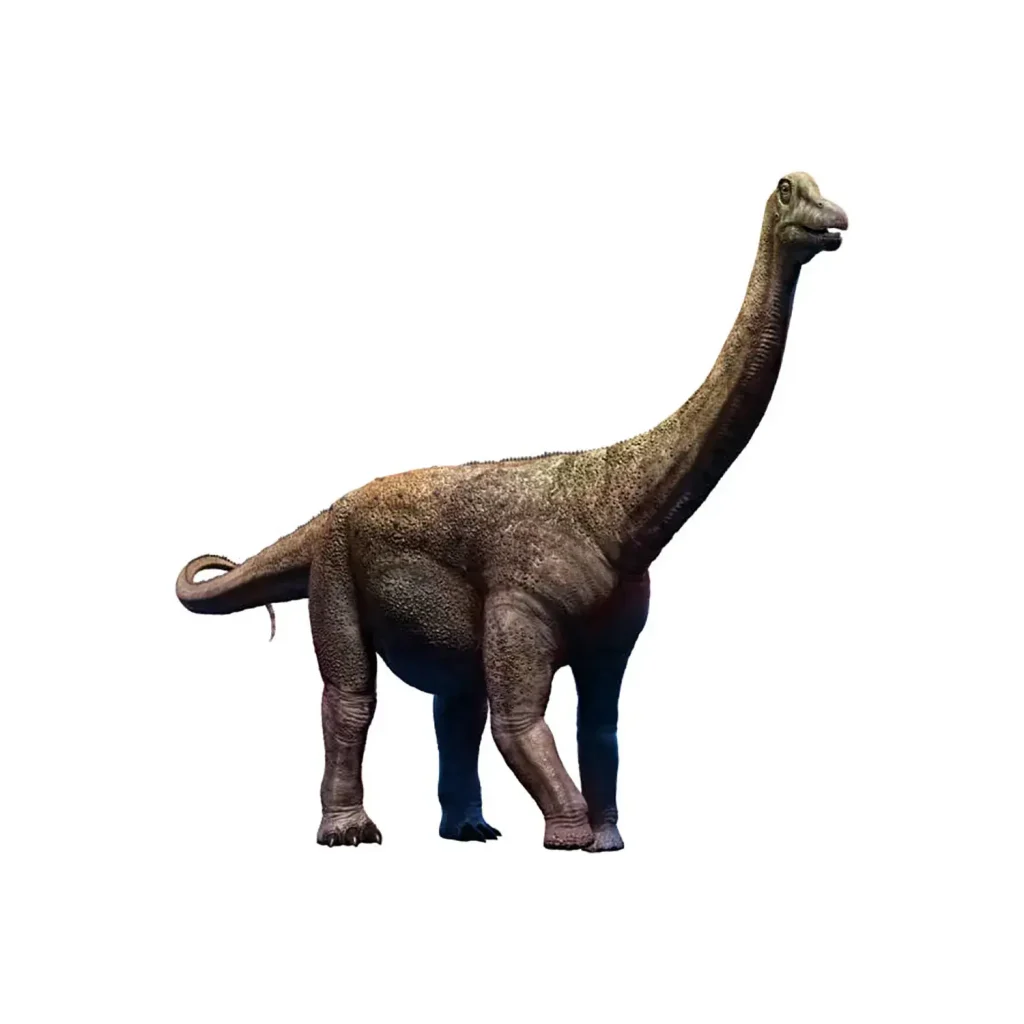
- Saltasaurus
- Classification
- Sauropods
- Characteristics
- Herbivorous
- Era
- Cretaceous period
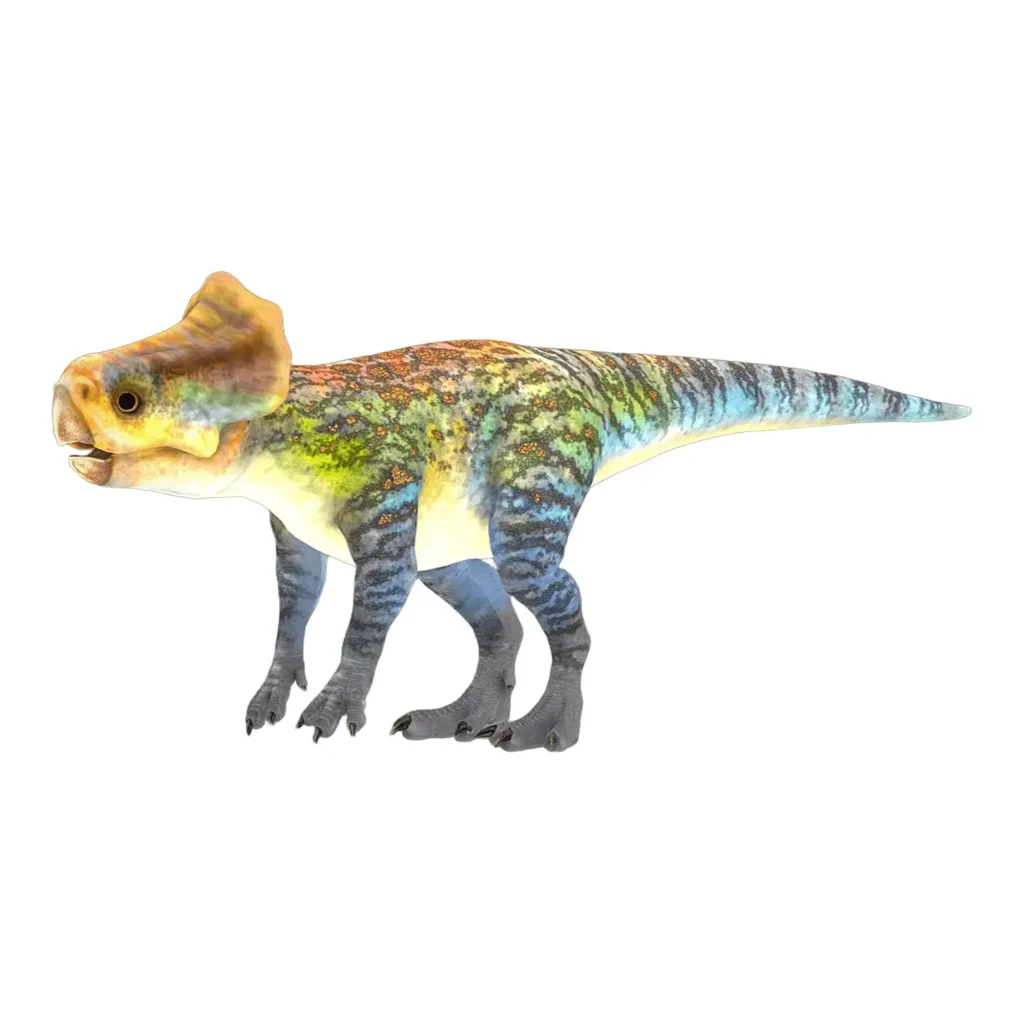
- Microceratus
- Classification
- Marginocephalia
- Characteristics
- Herbivorous
- Era
- Cretaceous period
-
Sponsored Links
-
Sponsored Links










Description
Liaoning Province, China, is renowned as a treasure trove of fossils demonstrating the evolution into birds.
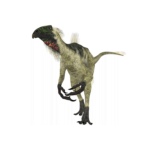
“Beipiaosaurus,” reported from this region in 1999, attracted attention in research circles at the time as a “large category among dinosaurs known to possess feathers.”
Belonging to the Therizinosaur group, this dinosaur was covered in feathers yet could never fly.
However, hidden within its body were “fused bones” akin to those of modern birds.
Like a Football Player? The Surprisingly Heavy “Lizard from Beipiao”
Origin of the Name and Classification
The scientific name Beipiaosaurus is derived from “Beipiao,” the place in China where it was discovered, meaning “Lizard of Beipiao.”
It is classified as a “Therizinosaur,” known for their long claws.
Among them, it is positioned as a primitive species that lived in a particularly early era (Early Cretaceous).
A Sturdy Physique
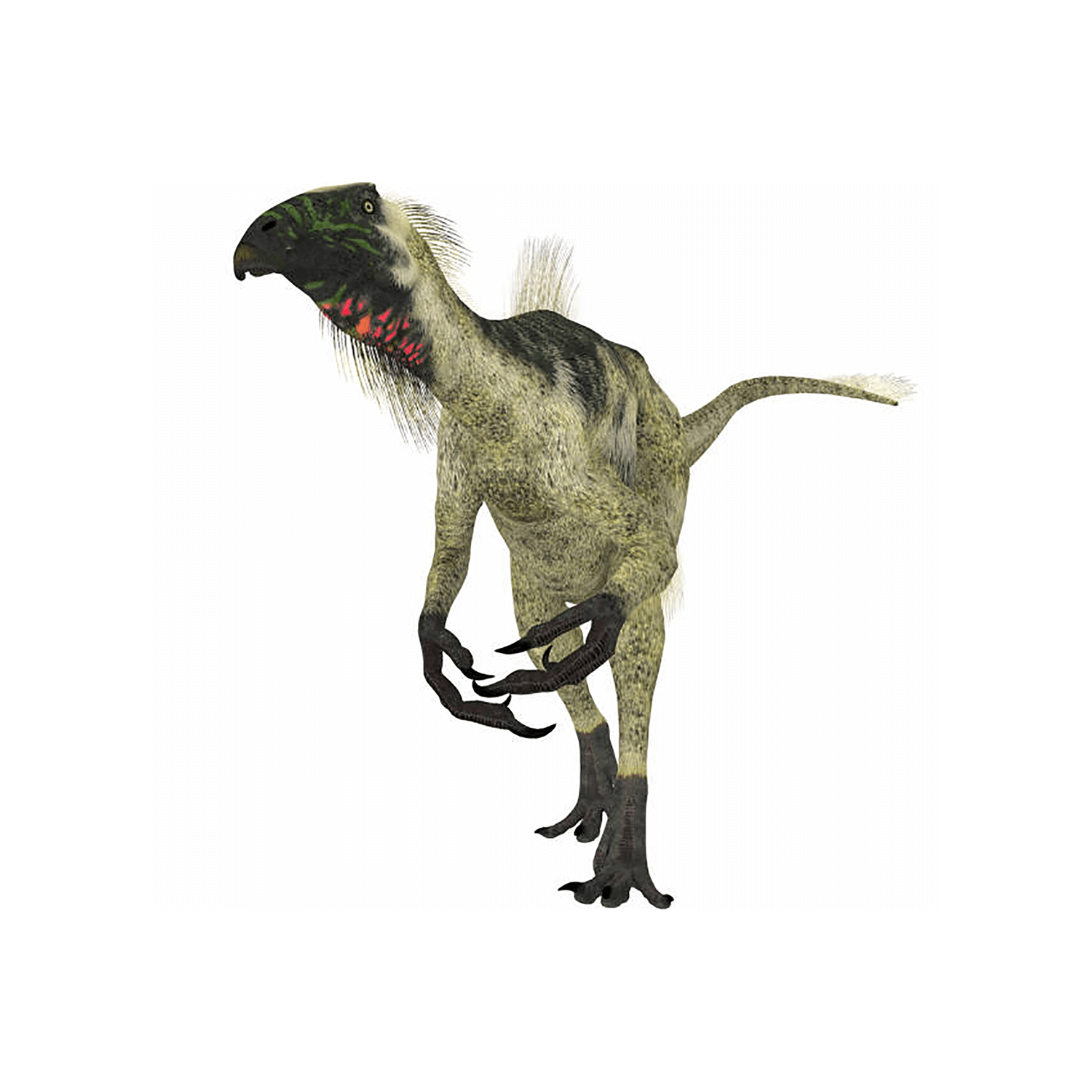
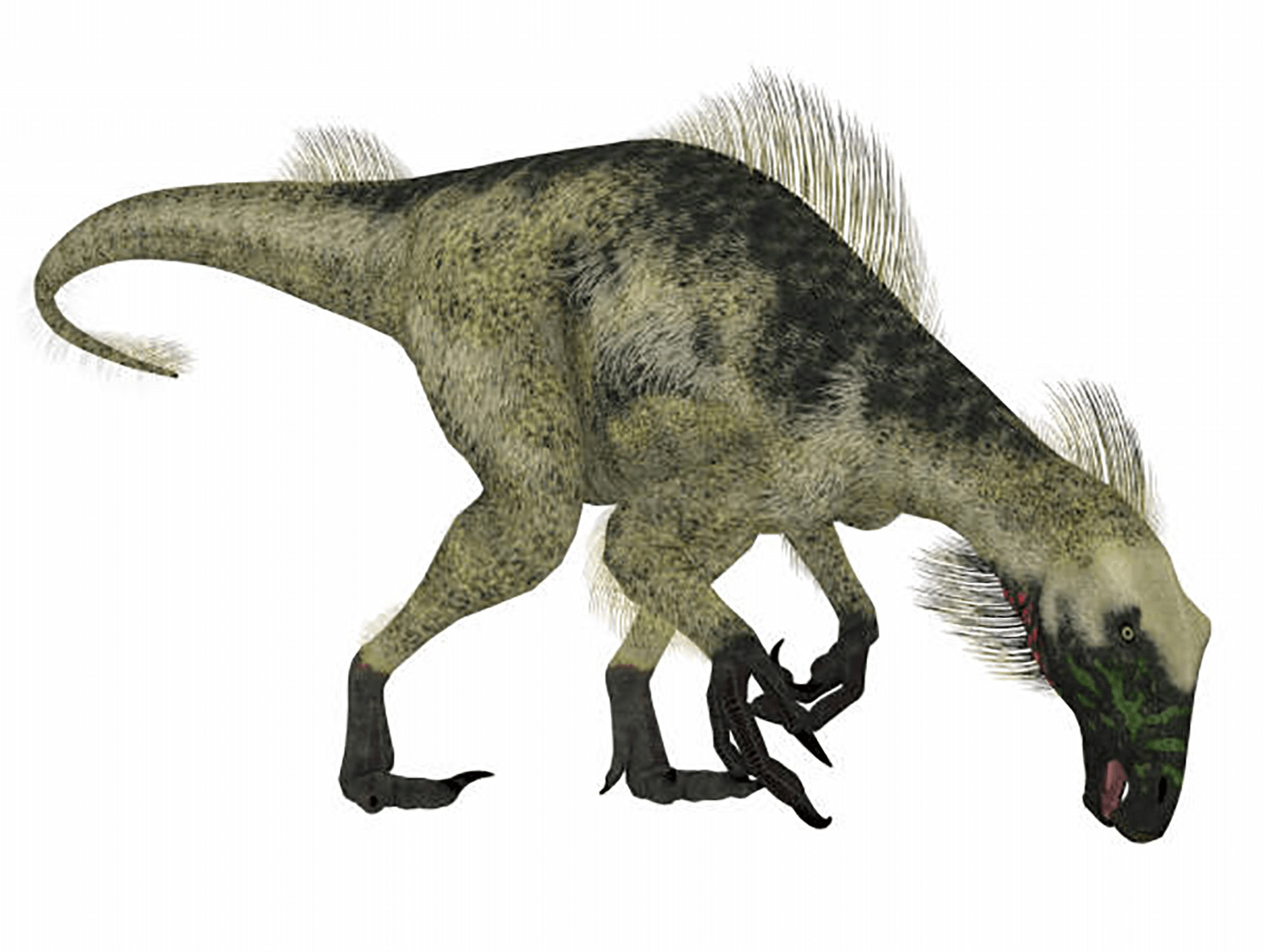
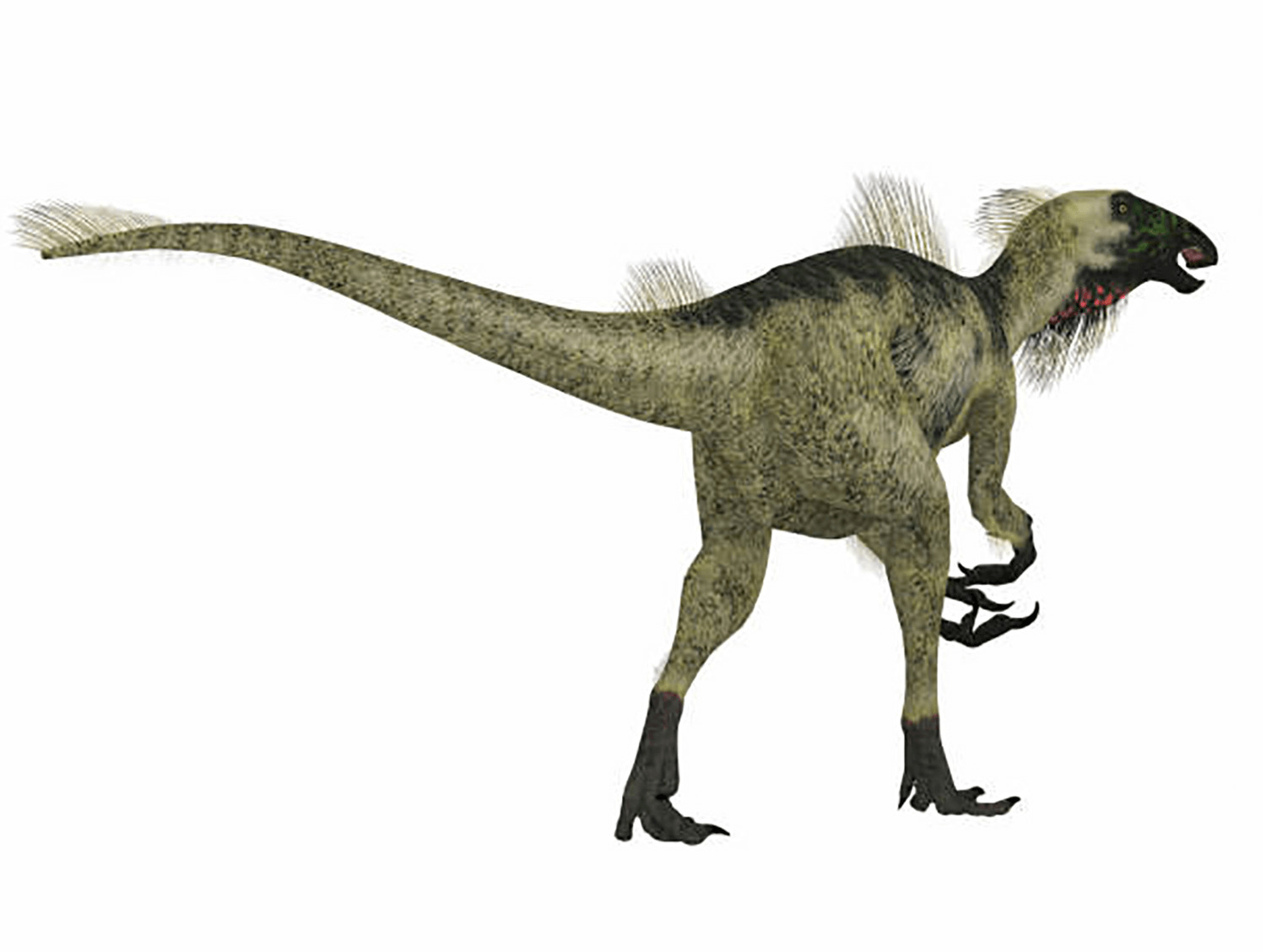
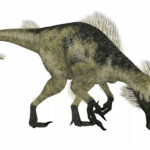
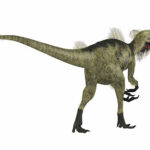
Although its total length was about 2 to 2.2 meters—small for a dinosaur—its build was surprisingly robust.
Its torso and tail were thick and sturdy, with an estimated weight of nearly 100 kg.
This is about the same weight as a human football player, giving it a heavier presence than its appearance might suggest.
A Slow-Moving Herbivore
Based on the characteristics of its legs, we know they were by no means fleet-footed.
With short and wide hind legs, it seems they were not hunters chasing prey, but rather herbivorous dinosaurs (described below) that lived a grounded, settled life.
The Role of “Long Claws” and a Body Covered in Feathers
A Coat for Warmth
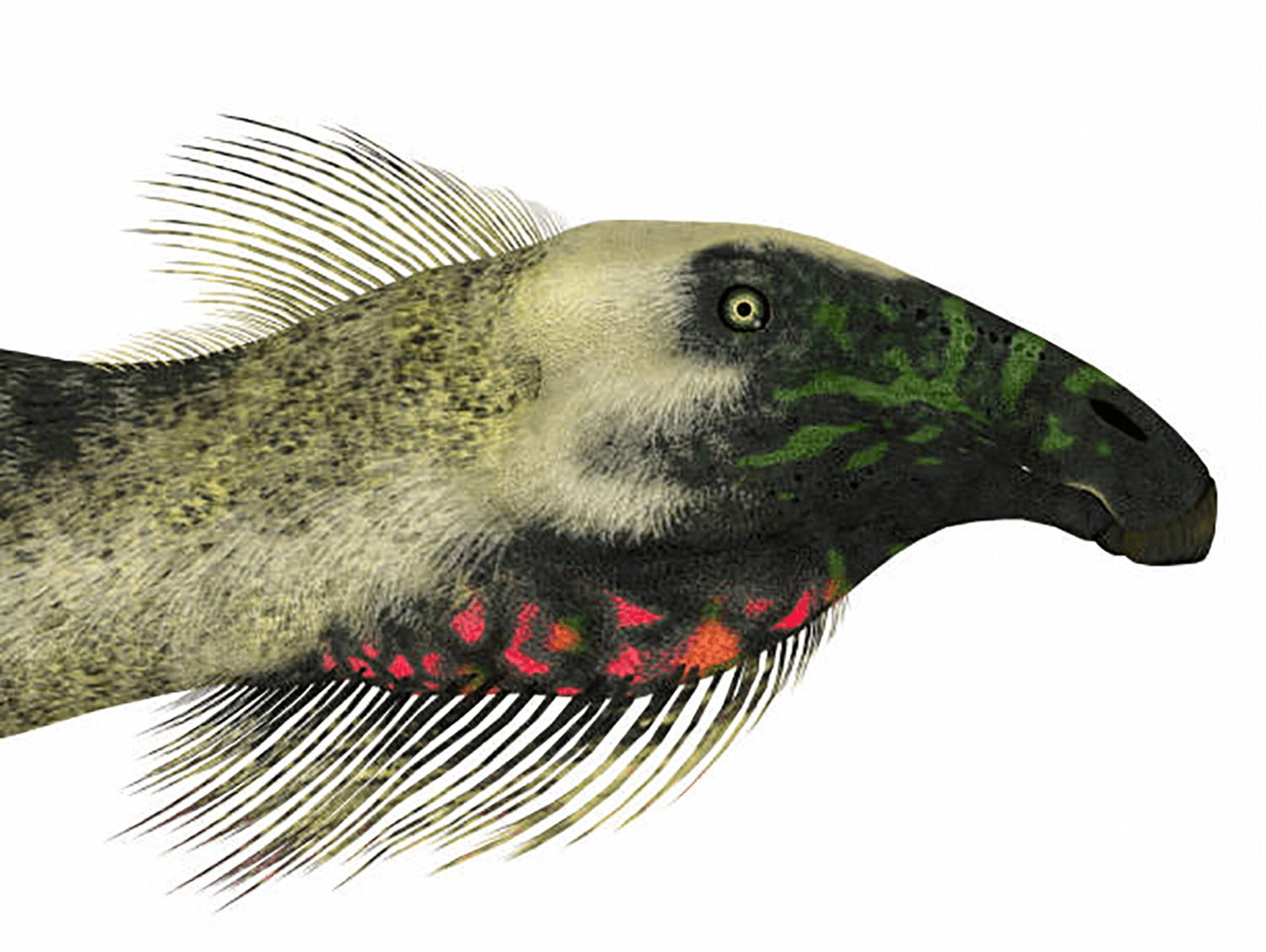
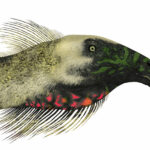
The greatest characteristic of Beipiaosaurus is the “feathers” covering its entire body.
Tuft-like impressions have been found, particularly on the forearms, but these were fibrous primitive feathers rather than flight feathers.
It is believed they used these feathers not for flying, but as a “coat” to maintain body temperature.
Claws as Weapons
Its forelimbs possessed the “long fingers” and “sharp claws” unique to Therizinosaurs.
For these slow-moving creatures, these claws served as weapons to protect themselves from carnivorous dinosaurs, or as tools to pull in tree branches.
From Carnivore to Herbivore? Dietary Changes Revealed by Teeth
While theropods are generally carnivorous like Tyrannosaurus, Therizinosaurs are a group that shifted to herbivory (or omnivory) during their evolution.
Based on the structure of its teeth, it is considered highly likely that Beipiaosaurus was also a herbivore.
However, direct evidence such as stomach contents has not been found.
Therefore, there is a cautious view that “while the tooth structure is suited for plants, we cannot be certain,” suggesting the possibility that they retained omnivorous habits, perhaps eating insects.
The Greatest Mystery: Why Have “Fused Bones” When It Can’t Fly?
Beipiaosaurus holds a great mystery that continues to puzzle paleontologists.
That is the fact that parts of its skeleton were “fused” (bones joined together) much like modern birds.
Similarities and Contradictions with Birds
In birds, the fusion of wrist and tail bones (pygostyle) evolved to withstand the shock of flight or to manipulate tail feathers.
However, Beipiaosaurus was heavy, had primitive feathers, and could not fly.
Why did they possess fused bones like birds despite lacking the function of flight? While there are speculations such as “traits of a common ancestor remained” or “for moving the tail during courtship displays,” the truth remains in the dark.
This mystery tells us that the evolution from dinosaur to bird was not a simple path, but a complex journey.