
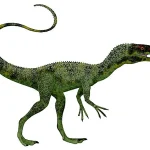
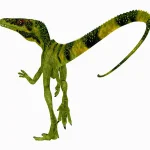
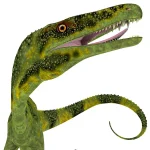
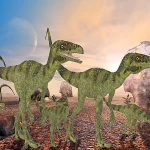
Juravenator
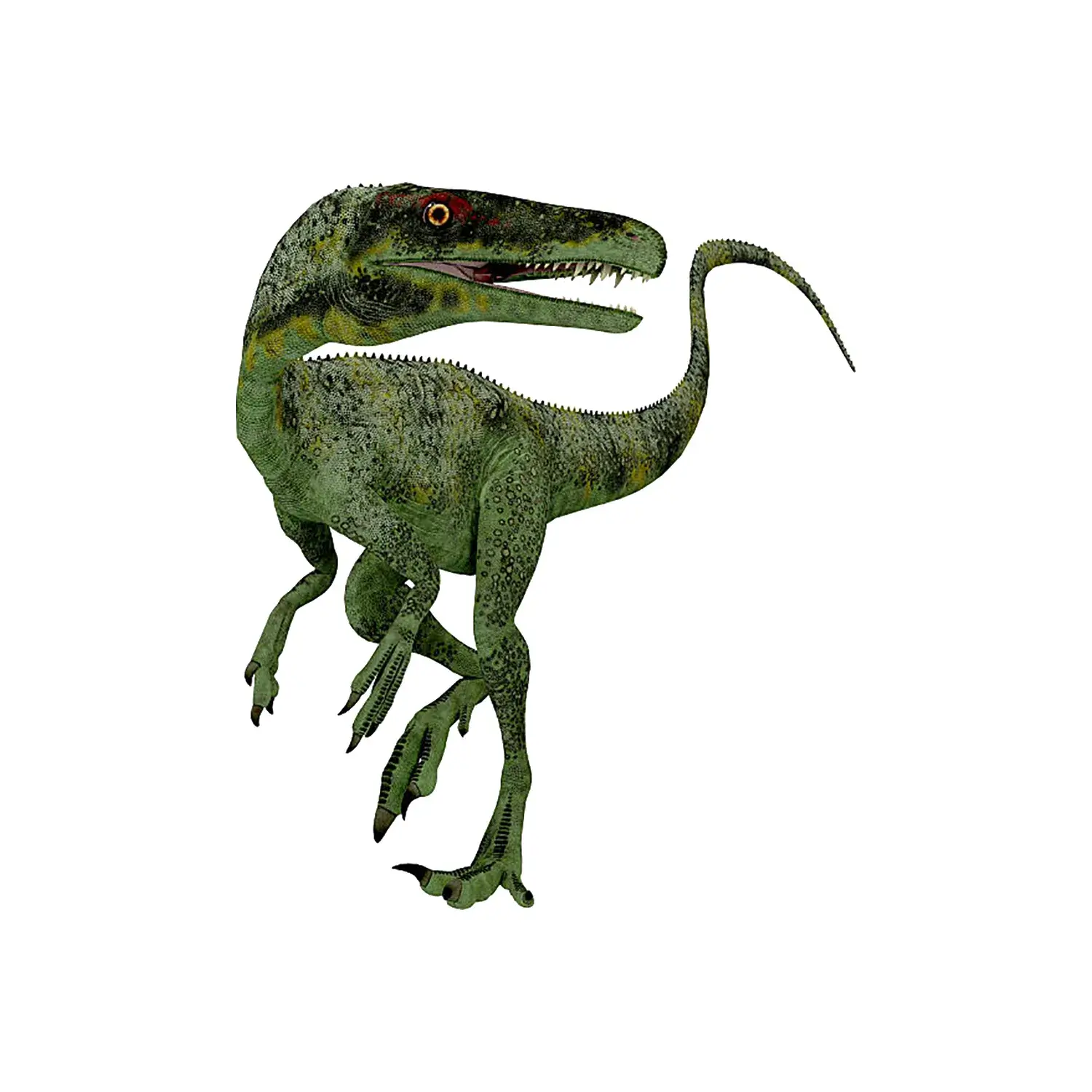

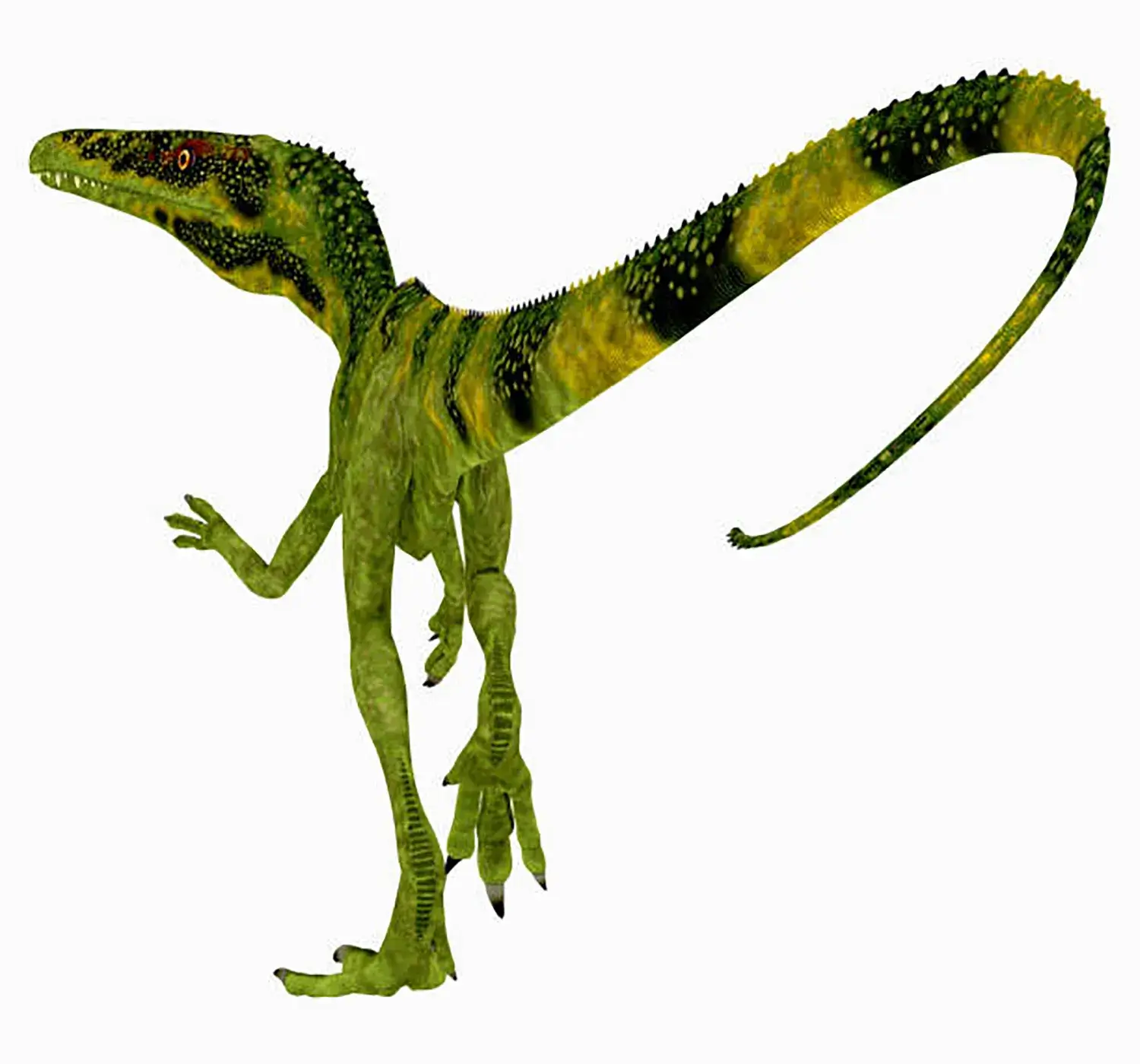

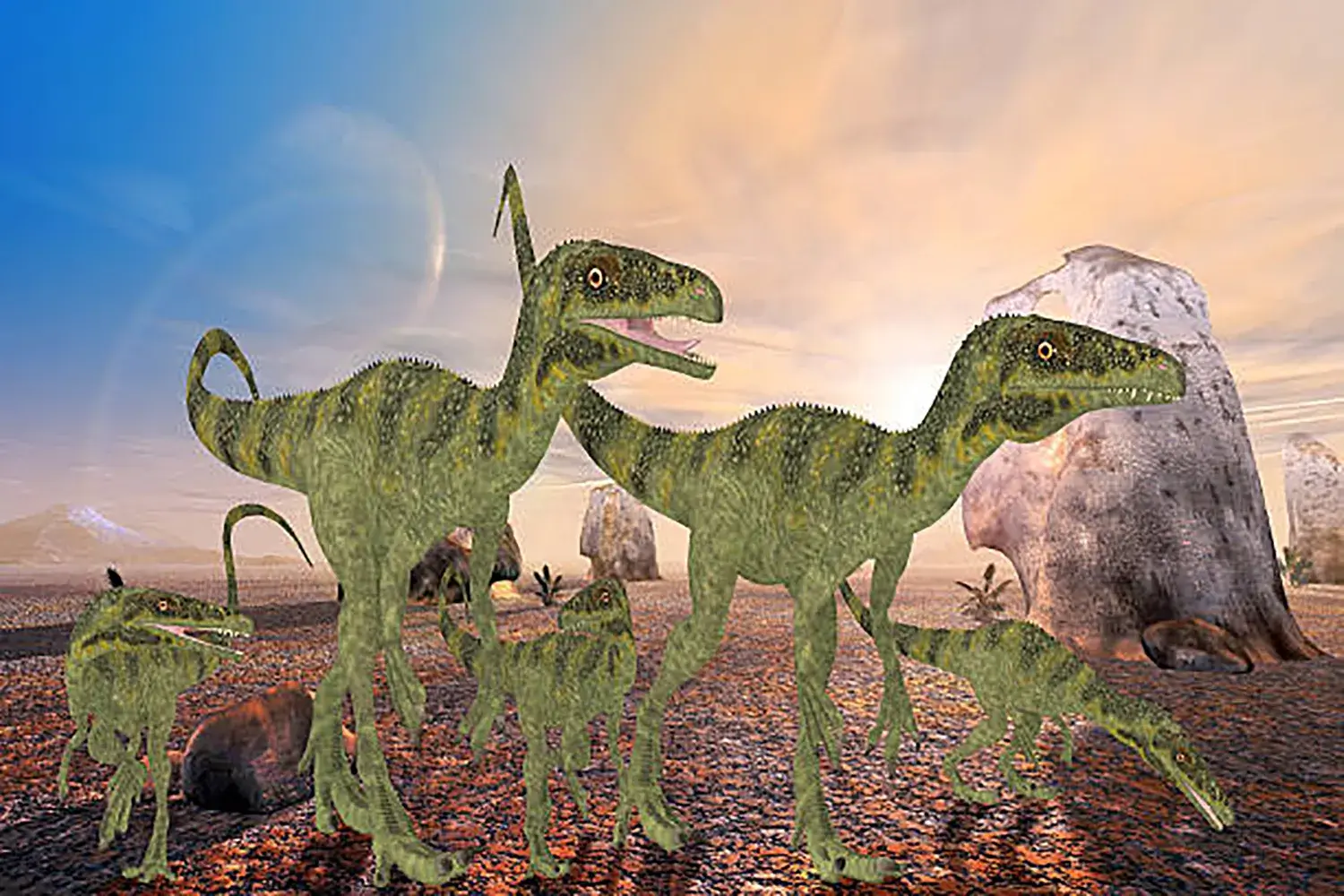
Name Origin
Jurassic Hunter
Classification
Diapsida, Saurischia, Theropoda
Habitat (Discovery Location)
Germany
Period
Approximately 151–152 million years ago (Late Jurassic)
Length
Approximately 70 cm
Weight
Approximately 500 g
Diet
Carnivore (Meat-eater)
You might also like... 

-
 Gojirasaurus
- Classification
- Theropods
- Characteristics
- Carnivorous
- Era
- Triassic period
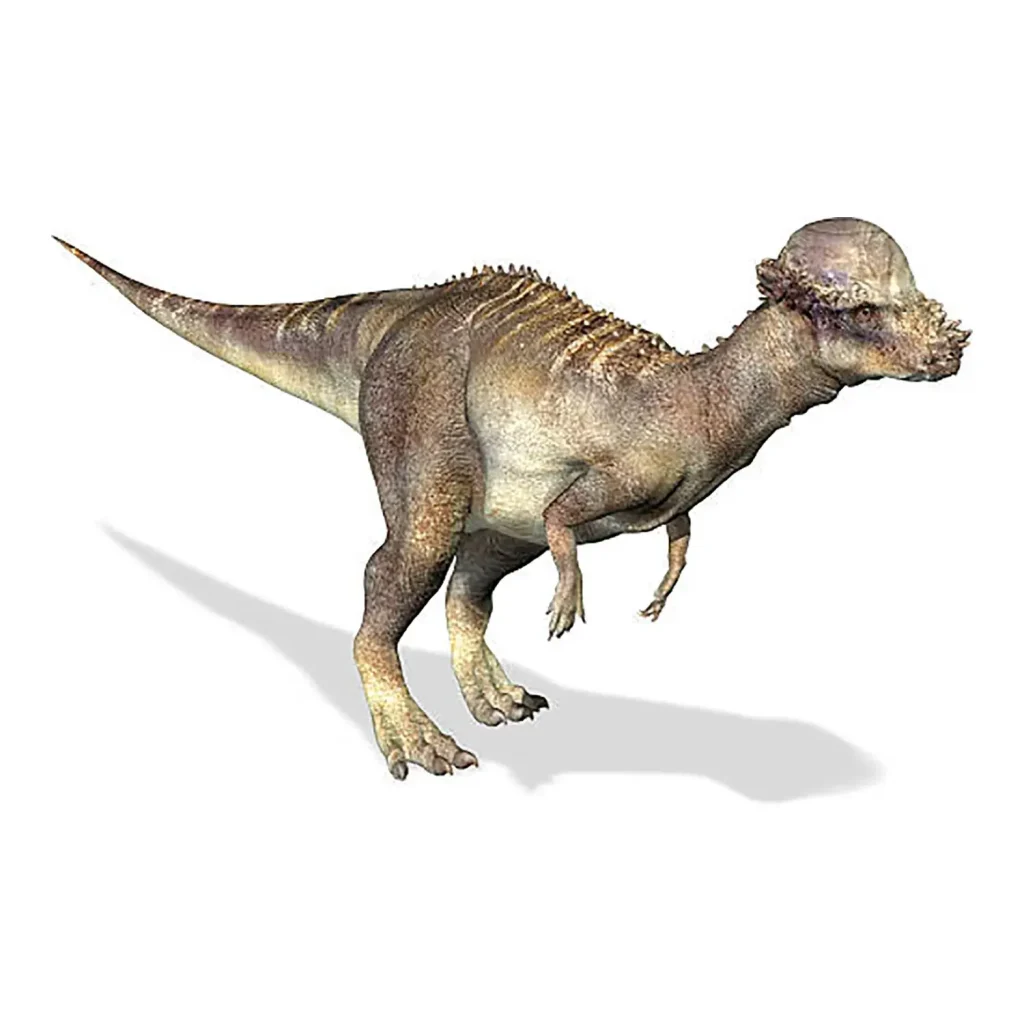
- Pachycephalosaurus
- Classification
- Marginocephalia
- Characteristics
- Herbivorous
- Era
- Cretaceous period
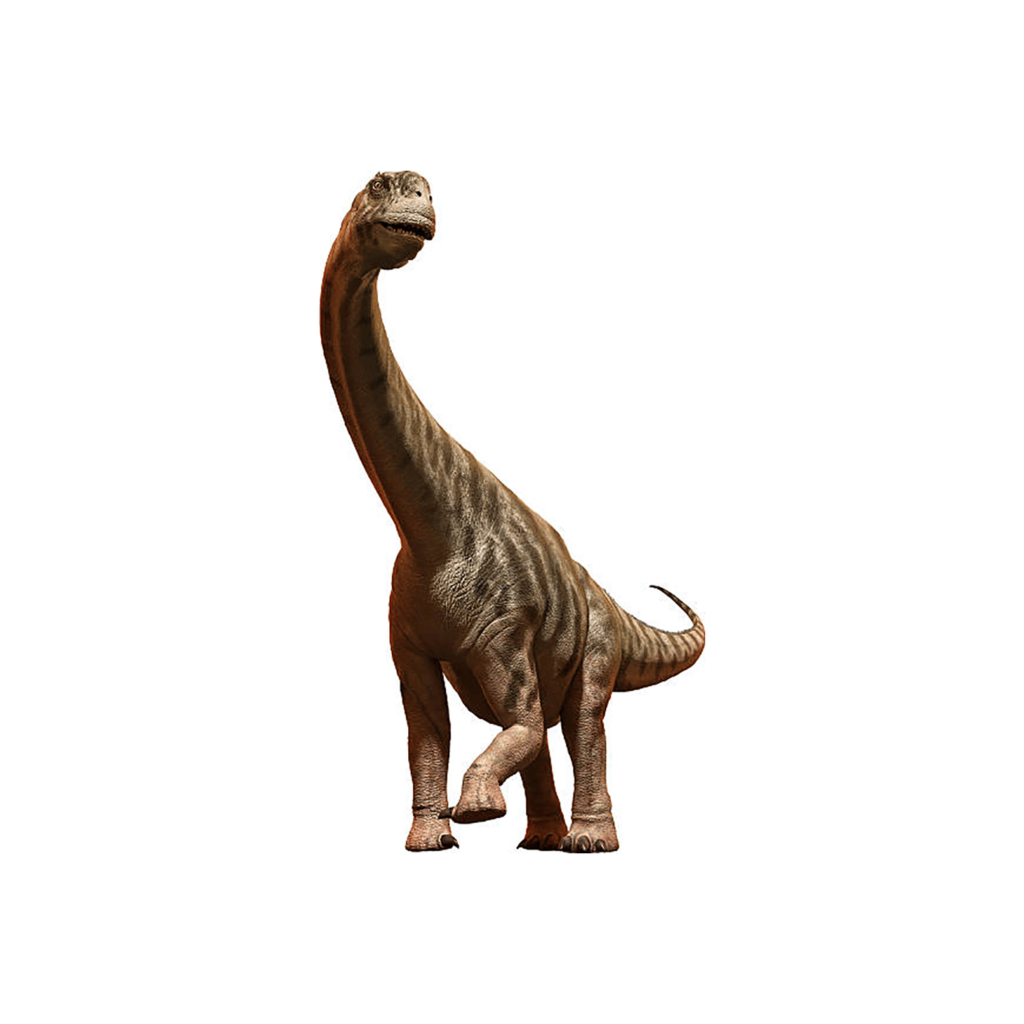
- Camarasaurus
- Classification
- Sauropods
- Characteristics
- Herbivorous
- Era
- Jurassic period
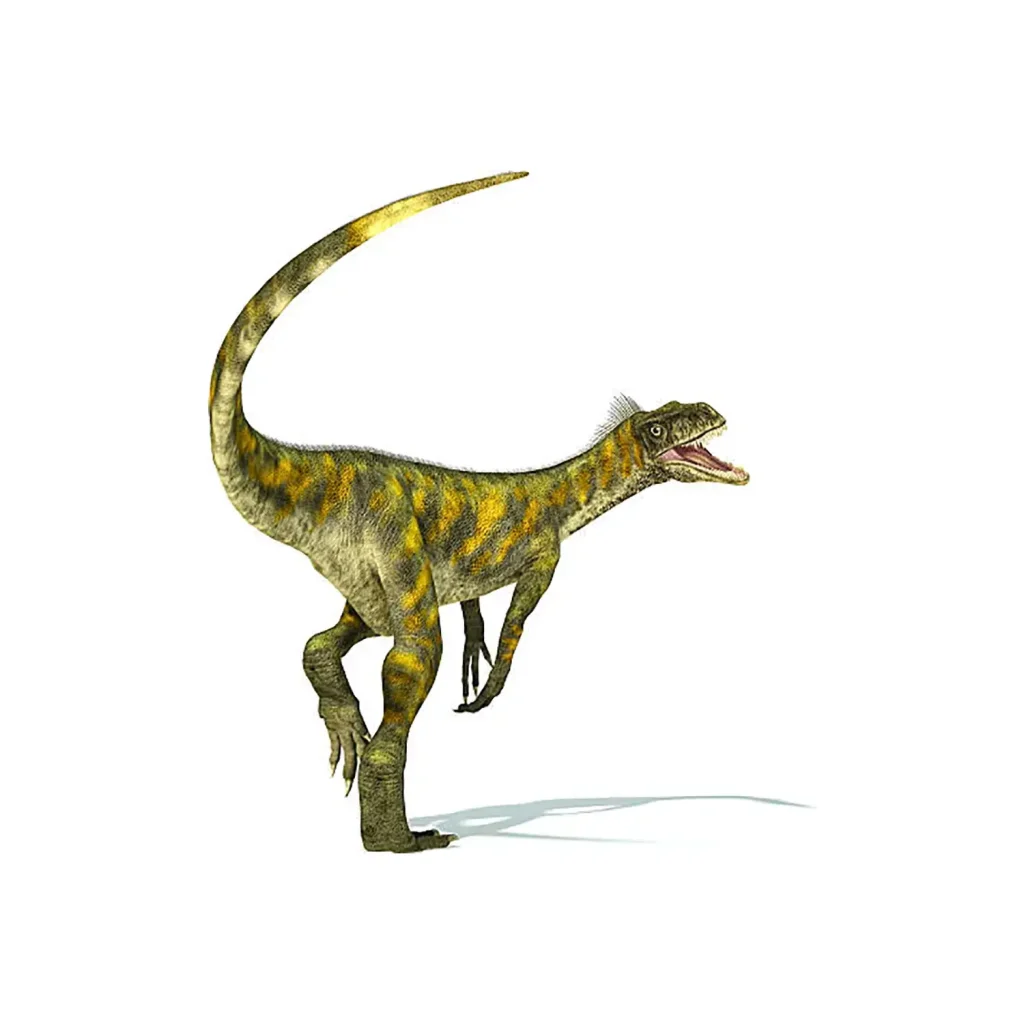
- Herrerasaurus
- Classification
- Saurischia
- Characteristics
- Carnivorous
- Era
- Triassic period
-
Sponsored Links
-
Sponsored Links












Description
Solnhofen, Germany, is famous as the discovery site of Archaeopteryx from the Late Jurassic.
The fossil of a certain small carnivorous dinosaur found here has sparked major debate regarding the evolution of skin and feathers.
Called “Juravenator,” this dinosaur was extremely well-preserved, even retaining traces of soft tissue.
While its scientific name bears the gallant meaning of “Jurassic Hunter,” the physical characteristics preserved on its body contained a paradox that challenged conventional wisdom regarding feathered dinosaurs.
A 70 cm “Juvenile”: Discovery and Classification Debate
Discovery by an Amateur
The fossil of Juravenator was discovered in 1998 by German amateur paleontologist Klaus-Dieter Weiß and was formally described in 2006.
The only fossil discovered to date is very small, measuring approximately 70 cm in length, but skeletal features suggest it is a “juvenile” that was still growing.
It would likely have grown much larger as an adult.
Fluctuating Classification
Debates regarding its classification are still ongoing.
Megalosaurid Theory
The theory that it is a juvenile Megalosaurus based on features of the maxilla (upper jawbone).
Coelurosaur Theory
The theory that it is a primitive coelurosaur and closely related to the famous feathered dinosaur “Sinosauropteryx“.
If the latter theory is considered more probable, the “skin impressions” explained next become a major mystery.
“Scales” or “Feathers”? An Evolutionary Missing Link
The greatest characteristic of Juravenator, and what puzzles researchers, is the “skin impressions.”
If they are indeed from a lineage close to Sinosauropteryx (Coelurosauria), it is natural to assume their bodies would have been covered in “feathers.”
However, what remained around the tail of the fossil was not feathers, but “scaly skin” resembling the belly scales of a snake.
Why Scales Instead of Feathers?
Why did it possess scales while belonging to a lineage that should have feathers?
Three main hypotheses have been proposed for this.
Degeneration of Feathers
The theory that it was a group where feathers, once acquired during evolution, degenerated and tended to revert to scales.
Fossilization Bias
The theory that it actually possessed feathers, but only the feathers fell out during the fossilization process, leaving only the scaly parts behind.
Coexistence of Feathers and Scales
The theory that parts of the body had scales while others had feathers.
In fact, “proto-feather-like structures” have been reported around the body, pointing to the possibility that it possessed both scales and feathers.
Reptilian scales, fluffy feathers, or perhaps both?
The fossil of this small hunter that ran through the Jurassic forests holds a key to unraveling how the appearance of dinosaurs evolved and diversified.