Shantungosaurus


Name Origin
Giant Lizard of Shandong
Family
Hadrosauridae
Classification
Diapsida, Ornithischia, Ornithopoda
Habitat (Discovery Location)
China
Period
Approximately 73 - 66 million years ago (Late Cretaceous)
Length
Approximately 15 - 17 meters
Weight
Approximately 16 tons
Diet
Herbivore (Plant-eater)
TODAY'S QUIZ
Correct answer = 1 coin
What types of locomotion is Shantungosaurus thought to have been capable of?
Loading…
You might also like... 
-
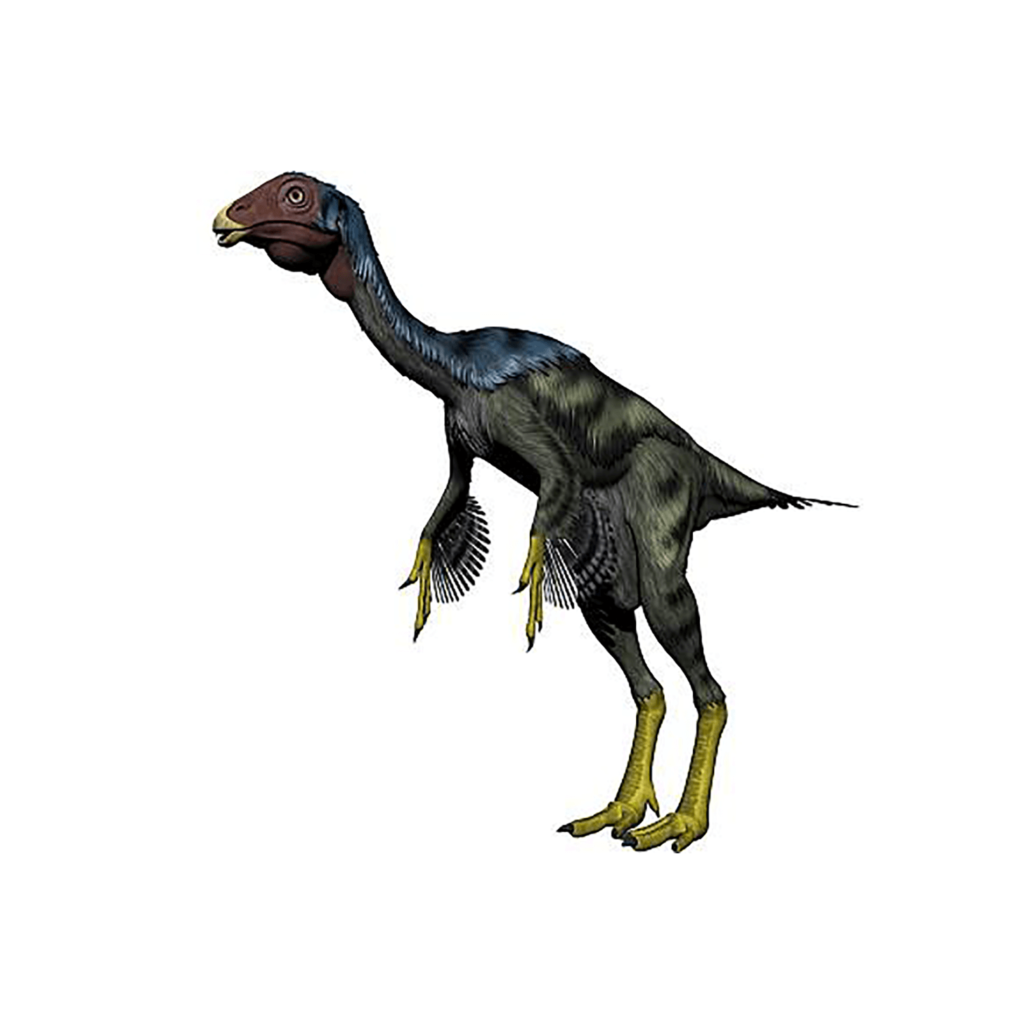
 Caudipteryx
- Classification
- Theropods
- Characteristics
- Omnivorous
- Feathered
- Era
- Cretaceous period
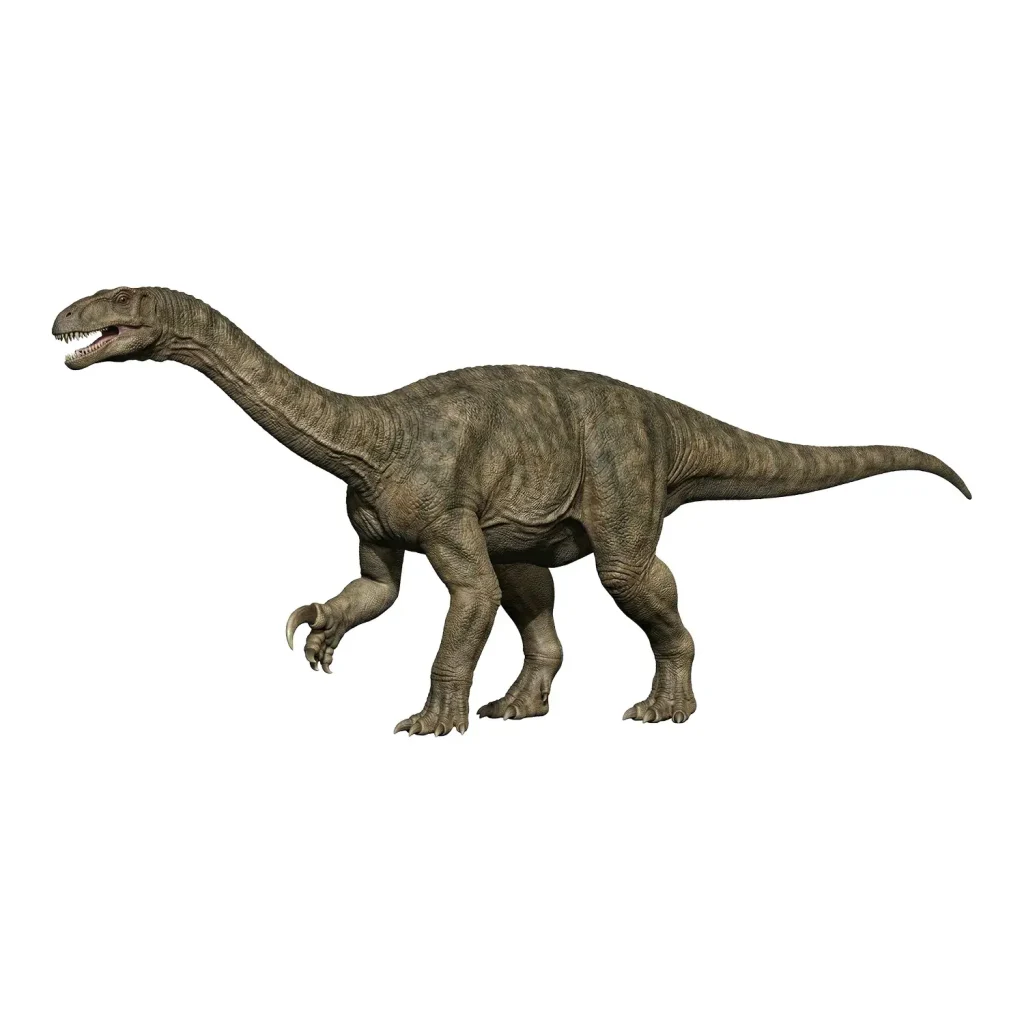
- Jingshanosaurus
- Classification
- Sauropods
- Characteristics
- Herbivorous
- Era
- Jurassic period
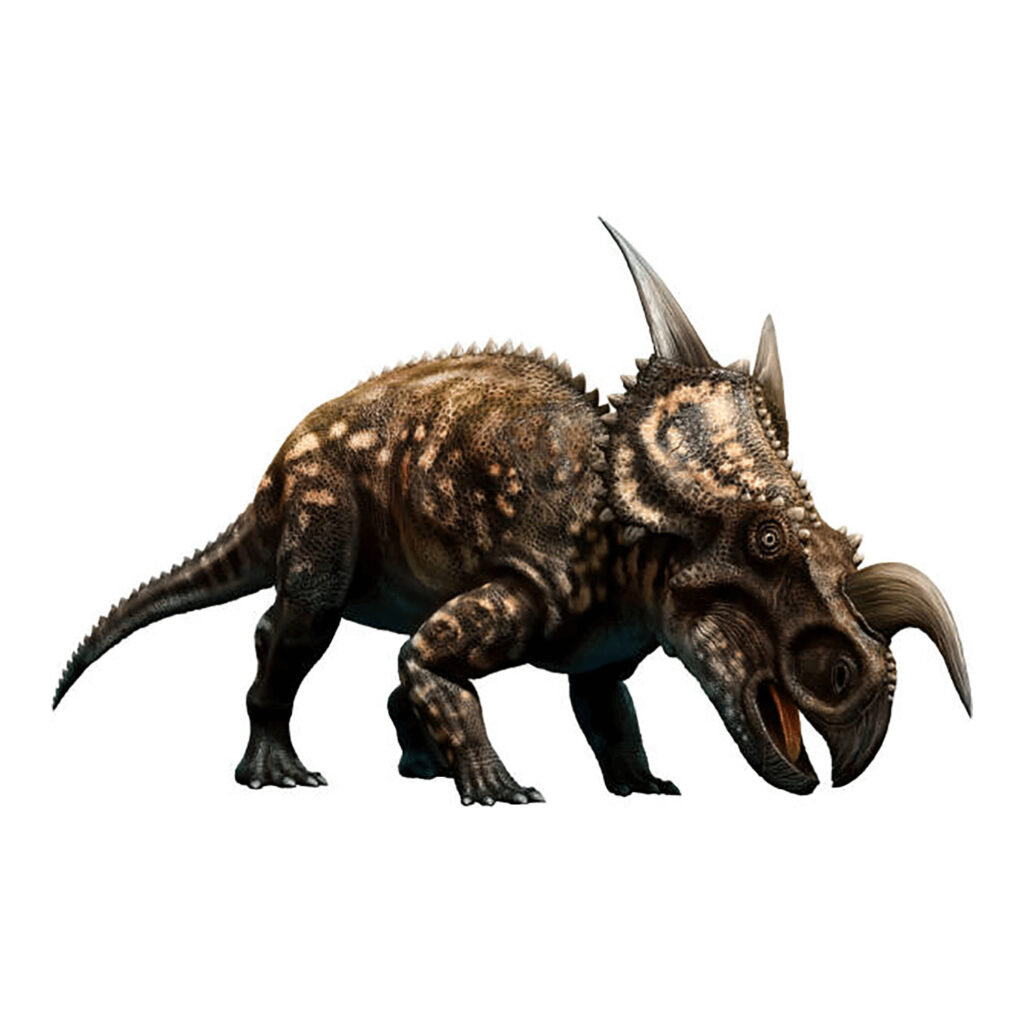
- Einiosaurus
- Classification
- Marginocephalia
- Characteristics
- Herbivorous
- Era
- Cretaceous period
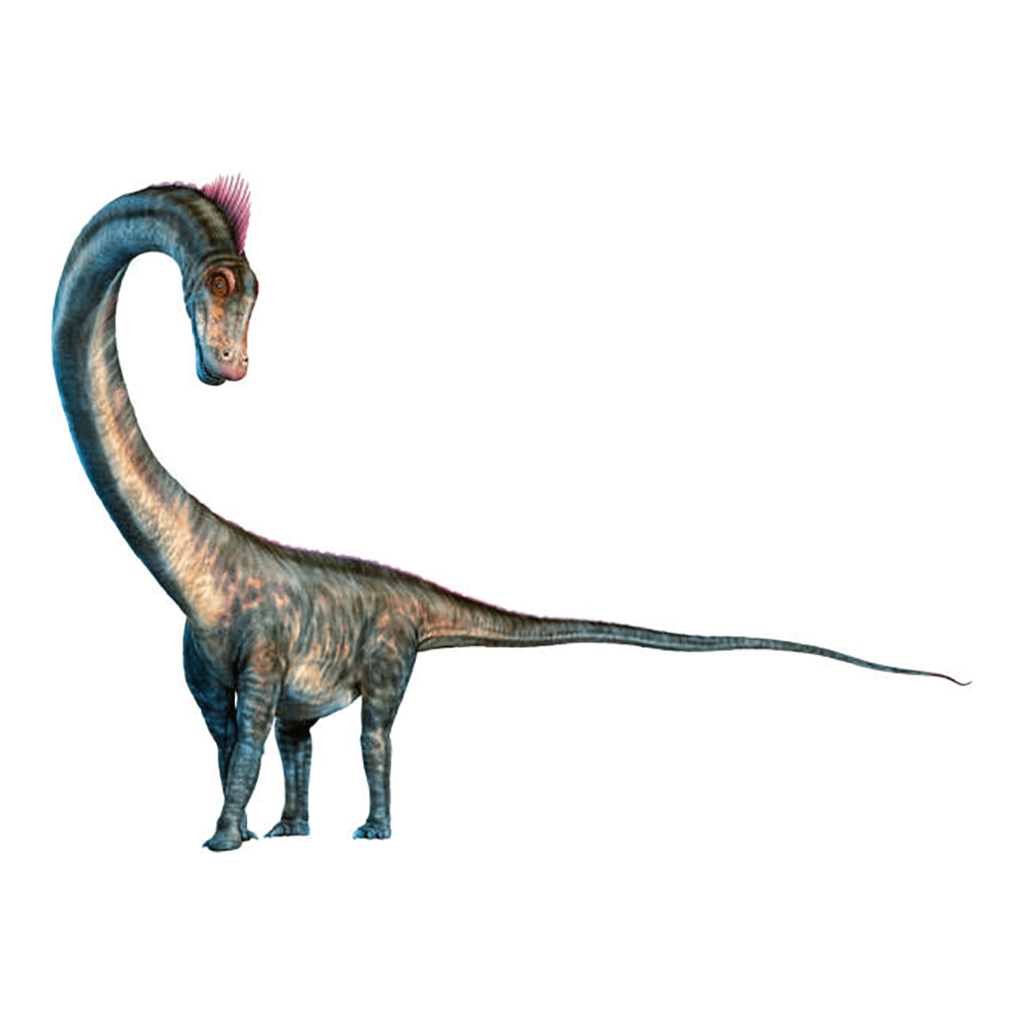
- Barosaurus
- Classification
- Sauropods
- Characteristics
- Herbivorous
- Era
- Jurassic period
-
Sponsored Links
-
Sponsored Links



Description
Shantungosaurus was a large herbivorous dinosaur that lived in what is now China during the Late Cretaceous.
It belonged to Hadrosauridae, the family of dinosaurs commonly known as duck-billed dinosaurs, and is estimated to have reached up to approximately 17 meters in length and approximately 16 tons in weight.
Its enormous size made it one of the largest known ornithischian dinosaurs.
It had a broad, duck-like snout and powerful jaws, and is thought to have fed on large quantities of plants.
Shantungosaurus is also thought to have been capable of both bipedal and quadrupedal locomotion. Other dinosaurs discovered in the same region include the large carnivorous dinosaur Zhuchengtyrannus and the horned dinosaur Sinoceratops.
Basic Facts About Shantungosaurus and the Meaning of Its Name
Shantungosaurus was a hadrosaurid dinosaur that lived in what is now China during the Late Cretaceous.
Its fossils were discovered in present-day Shandong Province, China.
Its scientific name is “Shantungosaurus giganteus.”
The genus name comes from Shandong Province, where the fossils were discovered, while the species name “giganteus” means “giant.”
Together, the name means “Giant Shandong Lizard.”
It is estimated to have measured approximately 15 – 17 meters in length, with the largest individuals thought to have weighed approximately 16 tons.
Although its exact size remains uncertain because no complete skeleton of a single individual has been confirmed, it was undoubtedly among the largest members of Hadrosauridae.
It is also thought to have been one of the largest dinosaurs in history capable of walking on two legs.
Its Enormous Body, Reaching 17 Meters in Length, and Distinctive Head
The most striking feature of Shantungosaurus was its enormous body, which was larger than that of most other hadrosaurids.
It had a massive body extending from head to tail and was exceptionally large for a plant-eating dinosaur.
A Long Head Measuring Approximately 1.5 Meters
The head of Shantungosaurus was exceptionally long, with an estimated length of approximately 1.5 meters.
It had a broad, flattened snout and thick jaws, giving it a distinctive appearance reminiscent of a duck’s bill.
Its broad, flattened snout and thick jaws gave it a distinctive appearance reminiscent of a duck’s bill.
This type of snout is thought to have helped it gather plants efficiently.
It also had powerful jaws and a well-developed set of teeth, which helped it consume large quantities of vegetation.
A Well-Developed Backbone and Long Tail
Its torso was deep and robust, with a sturdy structure thought to have supported its large internal organs and powerful muscles.
The bony projections along its backbone and tail were also highly developed, giving its back and tail a pronounced raised profile.
Its back and tail had a pronounced raised profile.
However, the exact appearance created by these spinal projections during the animal’s lifetime is not fully understood.
Muscles and other tissues may have been well developed beneath the skin, making it difficult to accurately reconstruct the outline of its back from the bones alone.
Another distinctive feature was its long, powerful tail.
This tail is thought to have helped maintain the balance of its enormous body.
Its long tail is thought to have helped maintain the balance of its enormous body.
Could Shantungosaurus Walk on Both Two and Four Legs?
Shantungosaurus is thought to have been capable of moving using either its two hind limbs or all four limbs.
It is thought to have been capable of both bipedal and quadrupedal locomotion.
It is believed to have moved on all fours most of the time.
Supporting a body more than 15 meters long by distributing its weight across its well-developed forelimbs and hind limbs would likely have been an efficient way to move.
On the other hand, some hadrosaurids are known to have been capable of walking or running using only their two hind limbs.
Shantungosaurus may also have switched to bipedal locomotion depending on the situation.
However, it is unclear how fast an animal with such an enormous body could actually run.
Its weight and physical abilities likely differed between fully grown adults and younger individuals that were still growing.
Herbivorous Diet and Feeding Habits That Sustained Its Enormous Body
Shantungosaurus was a herbivorous dinosaur that fed primarily on plants.
It is thought to have used its broad snout to gather vegetation efficiently and then ground it into smaller pieces with its well-developed teeth.
Hadrosaurids had complex dental arrangements, with numerous teeth packed together toward the back of the mouth, making them well suited to processing plant material.
Shantungosaurus is thought to have used a similar dental structure to feed on vegetation.
Its diet may have included a variety of plants that grew in its environment at the time, such as leaves, branches, and ferns.
Maintaining a body weighing well over 10 tons would have required an enormous amount of food.
Its broad snout and well-developed teeth are thought to have been important adaptations that supported this feeding lifestyle.
How Did It Protect Itself from Large Carnivorous Dinosaurs?
During the Late Cretaceous, when Shantungosaurus lived in what is now China, large carnivorous dinosaurs also inhabited the region.
Fossils of Zhuchengtyrannus, known as one of the largest carnivorous dinosaurs in Asia, have also been discovered in the same area of Shandong Province.
The horned dinosaur Sinoceratops also lived in the region.
Shantungosaurus did not have armor like Ankylosaurus or large horns like Triceratops.
However, its enormous size alone, with a length of approximately 15 – 17 meters and a weight of approximately 16 tons, is thought to have made it a formidable opponent for carnivorous dinosaurs.
Its enormous size alone would have made it a formidable opponent for carnivorous dinosaurs.
Its powerful hind limbs and long tail may also have helped it defend itself.
A fully grown adult would likely have been difficult for a carnivorous dinosaur to bring down easily.
Some hadrosaurids are also thought to have lived in groups.
Shantungosaurus may likewise have gathered in groups, although the size and behavior of such groups remain unknown.
Relationships with Zhuchengosaurus and Huaxiaosaurus
Other fossils of large hadrosaurids have been discovered in Shandong Province, China, where Shantungosaurus fossils were found.
Some of these dinosaurs have been the subject of debate regarding their relationship with Shantungosaurus.
Was Zhuchengosaurus the Same Dinosaur as Shantungosaurus?
One example is Zhuchengosaurus, which is estimated to have reached approximately 17 meters in length.
However, later studies have suggested that Zhuchengosaurus may not have been a distinct dinosaur, but rather a large individual of Shantungosaurus.
Differences Between Shantungosaurus and Huaxiaosaurus
The relationship between Shantungosaurus and Huaxiaosaurus, which is estimated to have reached approximately 19 meters in length, is also a subject of debate.
However, Huaxiaosaurus had exceptionally short forelimbs, suggesting that it may have had a different lifestyle from Shantungosaurus.
Further careful examination is therefore needed to determine whether they belonged to the same species or should be classified as separate genera.