Shuvuuia
Name Origin
Bird (Mongolian word)
Family
Alvarezsauridae
Classification
Diapsida, Saurischia, Theropoda
Habitat (Discovery Location)
Mongolia
Period
Late Cretaceous
Length
Approximately 60 cm
Weight
Approximately 2 kg
Diet
Carnivore (Meat-eater)
You might also like... 
-
 Dromaeosaurus
- Classification
- Theropods
- Characteristics
- Carnivorous
- Era
- Cretaceous period
- Camarasaurus
- Classification
- Sauropods
- Characteristics
- Herbivorous
- Era
- Jurassic period
- Staurikosaurus
- Classification
- Theropods
- Characteristics
- Carnivorous
- Era
- Triassic period
-
 Geosternbergia
- Classification
- Flying reptiles
- Characteristics
- Carnivorous
- Era
- Cretaceous period
-
Sponsored Links
-
Sponsored Links




Description
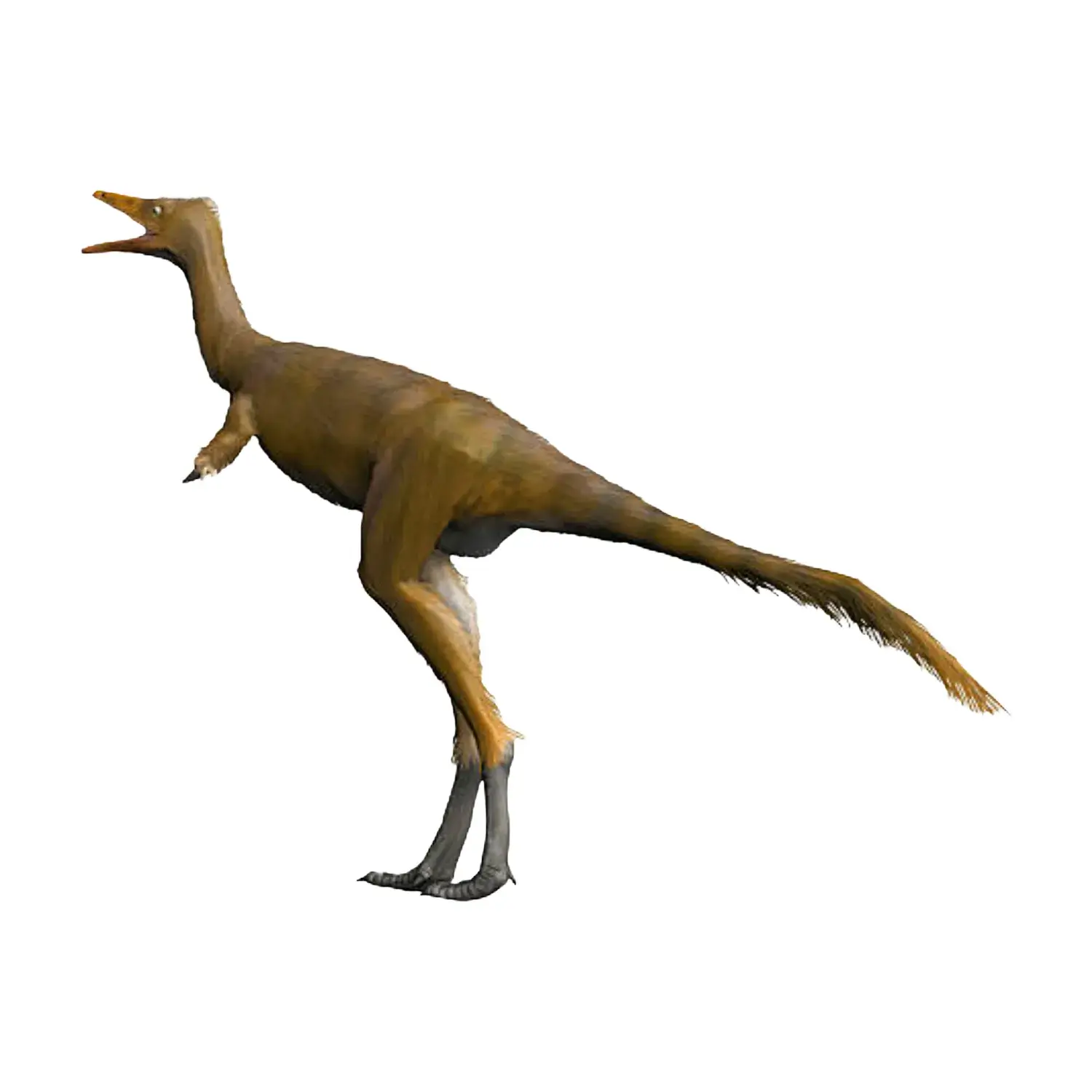
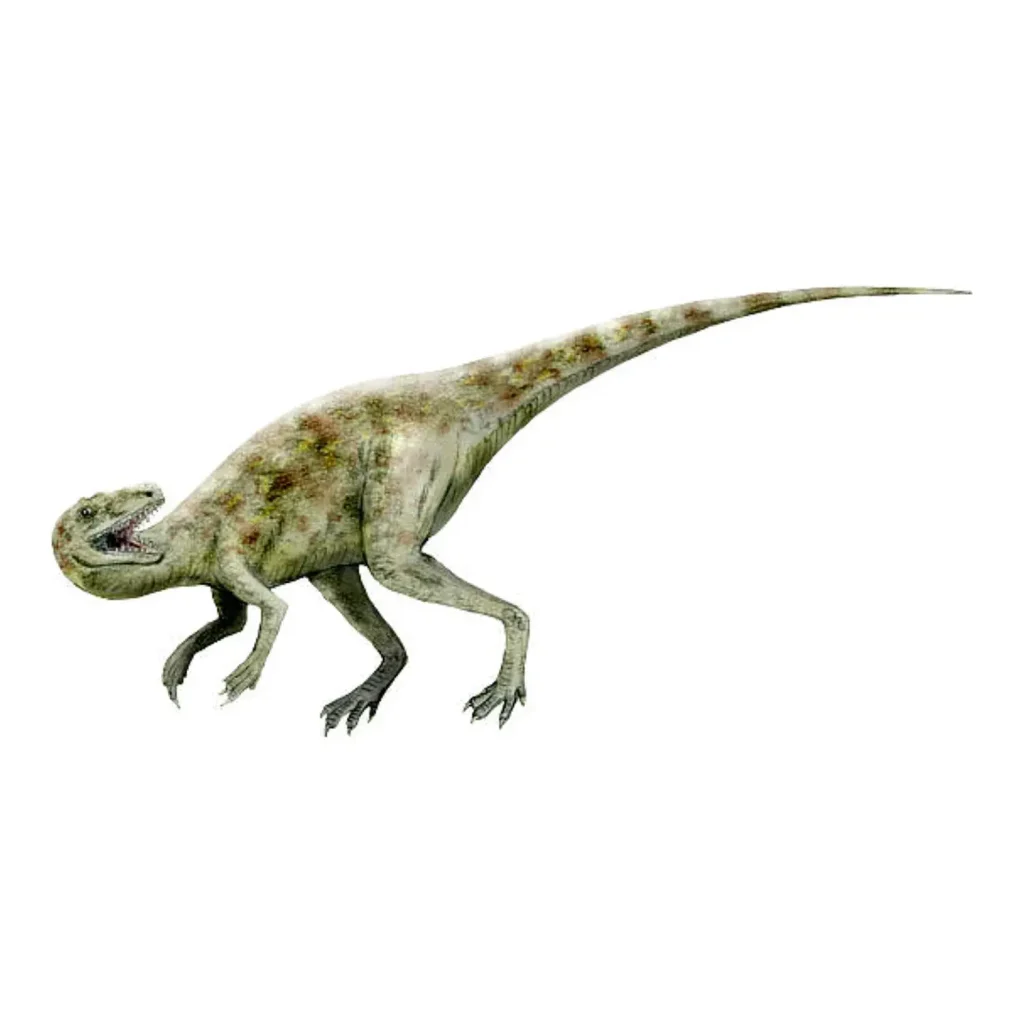
In Late Cretaceous Mongolia, a very small dinosaur reminiscent of modern birds roamed the land.
With a diminutive stature of only 60 cm in total length and weighing less than 2 kg, it is even smaller than the famous small dinosaur Compsognathus, counting as one of the smallest non-avian dinosaurs in the world.
Its scientific name is “Shuvuuia,” which means “Bird” in Mongolian.
Although it has a seemingly adorable appearance, its ecology was unique, possessing special abilities to survive in a harsh environment.
Mole-like Arms and the Secret of “Buried Fingers”
Shuvuuia belongs to the “Alvarezsauridae” family and is characterized by extremely short forelimbs.
Its appearance resembles its close relative Mononykus, but its finger structure shows its own unique evolution.
Fingers Hidden in the Shadow of the Thumb
At a glance, it appears to have only a single thick thumb.
However, in reality, very small second and third fingers (index and middle fingers) remained, embedded in the palm and hiding behind the relatively long thumb.
Insect Hunters Specialized for Digging
These short, sturdy arms are believed to have evolved not for fighting enemies, but for “digging the earth.”
They were “insectivorous” dinosaurs that dexterously dug up the ground or termite mounds like moles to prey on termites, beetles, and earthworms hiding inside.
Truly a “Bird”! Prokinesis and Traces of Feathers
The origin of the name “Bird (Shuvuuia)” is not merely due to its resemblance.
Their bodies bore definitive characteristics of the evolution leading to modern birds.
Advanced Function to Move the Beak
Their skulls possessed an advanced function called “prokinesis.”
This is the ability to move the upper jaw independently of the skull, a feature also seen in modern birds.
This allowed them to move their beak tips dexterously to efficiently catch small prey dug out from the soil.
Fluffy Feathers
Traces of feathers have been found in the discovered fossils, and it is speculated that living individuals were covered in fluffy feathers like modern birds.
A Swift Escape Artist and the Wisdom of Coexistence
At that time, ferocious carnivorous dinosaurs like Velociraptor also inhabited the Mongolian region.
Although the 60 cm Shuvuuia might look like easy prey, they were not simply weaklings.
Survival Strategy: Run to Win
Their greatest weapon was their “speed.”
It is believed that because they could run around quickly using their miniature bodies, they were not easily caught by ordinary predators.
Also, by choosing the niche diet of “insectivory,” Shuvuuia was able to coexist peacefully in the same region without competing for prey with other carnivorous dinosaurs.
A small body, arms for digging, and fleet feet.
Shuvuuia survived the Cretaceous world by achieving its own unique evolution.