
Sinovenator
Name Origin
Chinese Hunter
Family
Troodontidae
Classification
Diapsida, Saurischia, Theropoda
Habitat (Discovery Location)
China
Period
Approximately 129.4–125 million years ago (Early Cretaceous)
Length
Approximately 1 meter
Weight
Approximately 500 g – 2 kg
Diet
Carnivore (Meat-eater)
You might also like... 

-
 Yutyrannus
- Classification
- Theropods
- Characteristics
- Carnivorous
- Era
- Cretaceous period
-
 Moros intrepidus
- Classification
- Theropods
- Characteristics
- Carnivorous
- Era
- Cretaceous period
- Euskelosaurus
- Classification
- Sauropods
- Characteristics
- Herbivorous
- Era
- Triassic period
- Sinosauropteryx
- Classification
- Theropods
- Characteristics
- Carnivorous
- Feathered
- Era
- Cretaceous period
-
Sponsored Links
-
Sponsored Links












Description
From the Early Cretaceous strata in Liaoning Province, China, fossils of extreme importance for unraveling the evolutionary process from dinosaurs to birds have been discovered.
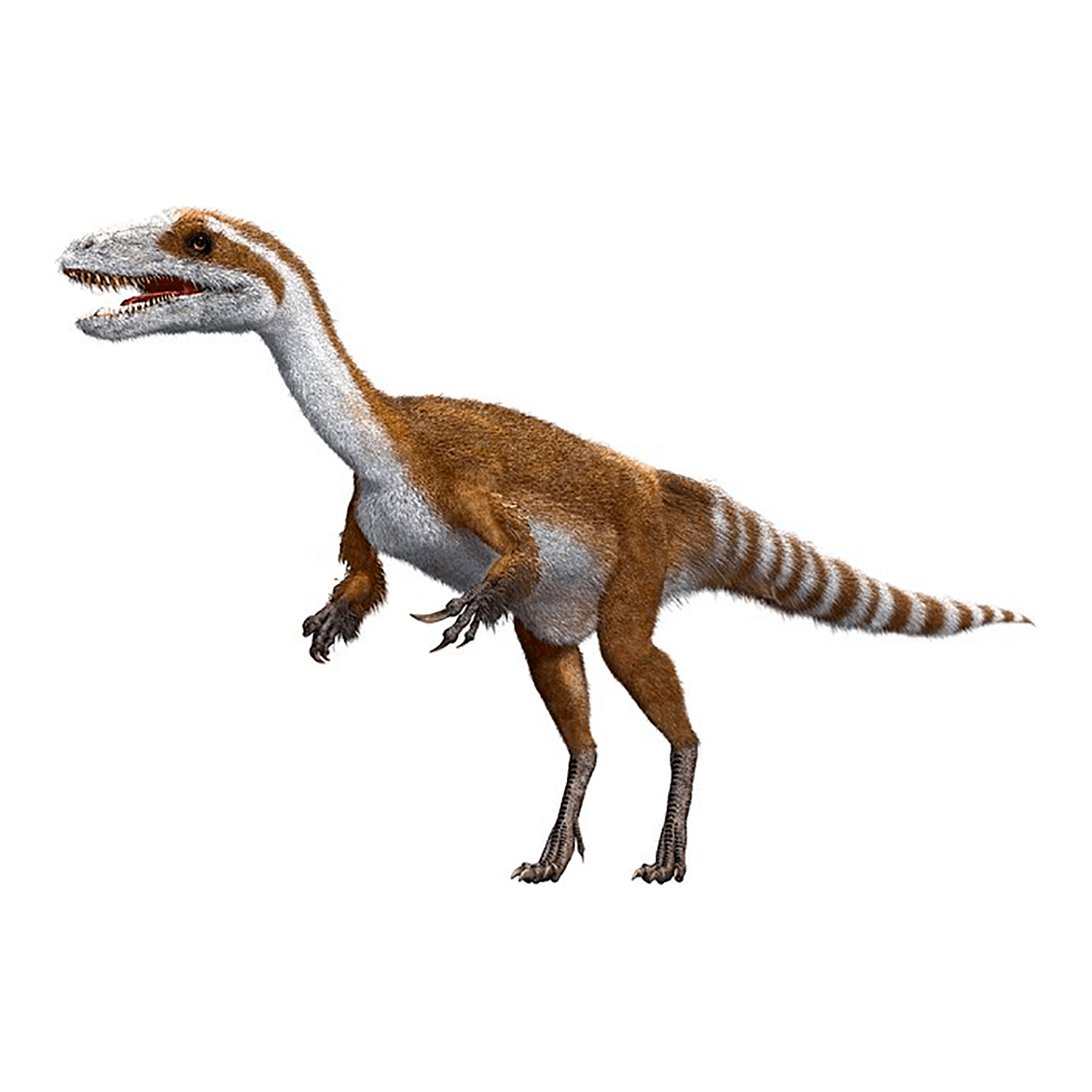
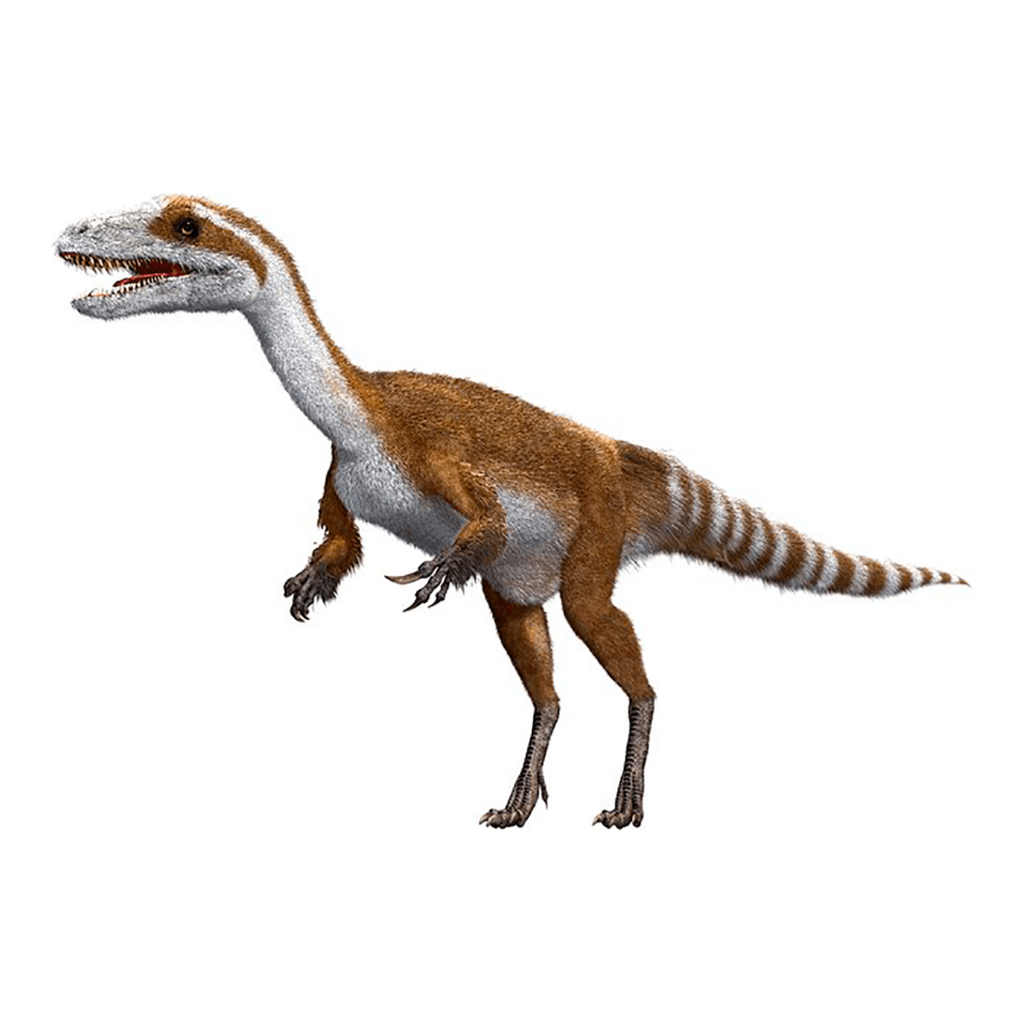
“Sinovenator,” named in 2002, is a small carnivorous dinosaur measuring about 1 meter in length.
While it bears the gallant scientific name “Chinese Hunter,” its skeleton shares many characteristics with birds, serving as important evidence showing how maniraptorans evolved toward flight.
The Meaning of “Chinese Hunter” and the Evolutionary Missing Link
The scientific name Sinovenator literally means “Chinese Hunter.”
They belong to the “Troodontidae,” a group believed to have possessed high intelligence, but they are positioned within the earliest (most primitive) group among them.
One of the Closest Dinosaurs to Birds
Its skeletal structure is remarkably similar to birds and shares features with the related Dromaeosaurids.
The discovery of Sinovenator revealed that major morphological features seen in birds had already been acquired by dinosaurs at this stage (Maniraptora).
They were beings standing right on the borderline between dinosaurs and birds.
Ostrich-like Speed! Physical Abilities Suited for Running
The appearance of Sinovenator is thought to have been exactly like a “flightless bird.”
It is speculated that its short forelimbs were feathered, but they did not function as wings capable of flight.
Speed Created by Long Legs
Of particular note are its hind limbs.
The lower leg (below the knee) was long, giving it overall long-legged proportions.
This allowed it to stabilize its center of gravity and run across the land at high speeds, much like a modern ostrich.
They used this agility to dash around Cretaceous China.
Actually a Modest Diet? The Unexpected True Face of the “Hunter”
Although it bears the name “Hunter,” its diet may have been surprisingly modest.
Teeth Without Serrations
Unlike later, evolved Troodontids (such as Stenonychosaurus), Sinovenator’s teeth did not have well-developed serrations for tearing flesh.
Based on this feature, it is inferred that rather than being a ferocious hunter attacking large prey, it lived by quickly catching small animals like insects and lizards, or sometimes scavenging carcasses.
Running across the land with their small bodies while walking the path of evolution toward birds, their fossils convey the history of life to us today.