
Nasutoceratops
Name Origin
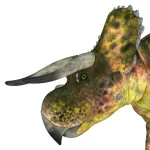
Large-nosed, horned face
Family
Ceratopsidae
Classification
Diapsida, Ornithischia, Marginocephalia
Habitat (Discovery Location)
United States
Period
Approximately 76 million years ago (Late Cretaceous)
Length
Approximately 4–6 meters
Weight
Approximately 1.5 tons
Diet
Herbivore (Plant-eater)
 Jurassic
Park / World Featured Dinosaur
Appearance in Jurassic World: Dominion
In the film's Prologue (a sequence set in prehistoric times), they are depicted in their natural state during the Cretaceous period. Reminiscent of the great wildebeest migrations, they are shown forming massive herds to cross rivers, while others are seen bathing in the water.
In the modern-day timeline, the story shifts to a ranch in Nevada. Here, Nasutoceratops are being illegally bred and raised for the black market. The film depicts the harsh reality of their situation as they stand on the verge of being sold off.
Claire and her group raid the facility and rescue a weakened juvenile found in captivity.
The ranchers relentlessly pursue them in vehicles to retrieve the juvenile, but they are met by a herd of enraged adults. The adults charge the ranchers' vehicles, completely wrecking them and driving the attackers away, showcasing the raw power characteristic of ceratopsians.
Following the incident, the illegal ranch is shut down, and the rescued juveniles are transported to the "Biosyn Sanctuary," a protected area managed by Biosyn Genetics.
Additionally, according to posts on the official promotional website "Dinotracker," sightings of both adults and juveniles have been reported across the United States, suggesting that feral populations have successfully established themselves in the wild.
You might also like... 

-
 Qantassaurus
- Classification
- Ornithopoda
- Characteristics
- Herbivorous
- Era
- Cretaceous period
- Corythoraptor
- Classification
- Theropods
- Characteristics
- Herbivorous
- Omnivorous
- Era
- Cretaceous period
- Minmi
- Classification
- Thyreophora
- Characteristics
- Herbivorous
- Era
- Cretaceous period
- Argentinosaurus
- Classification
- Sauropods
- Characteristics
- Herbivorous
- Era
- Cretaceous period
-
Sponsored Links
-
Sponsored Links









![[Latest Research] What Was the Function of Spinosaurus's Giant "Sail"? Exploring the Mysteries of Thermoregulation and Underwater Locomotion](https://dinosaurmuseum.jp/wp/wp-content/uploads/eyecatch_spinosaurus-sail-function_en-1024x512.webp)
![[Latest Discovery] A Third Type of Skin, Neither Scales Nor Feathers? Meet "Haolong dongi," a New Dinosaur Species Covered Entirely in Spikes](https://dinosaurmuseum.jp/wp/wp-content/uploads/eyecatch_dinosaur-spiky-skin-discovery_en-1024x512.webp)

Description
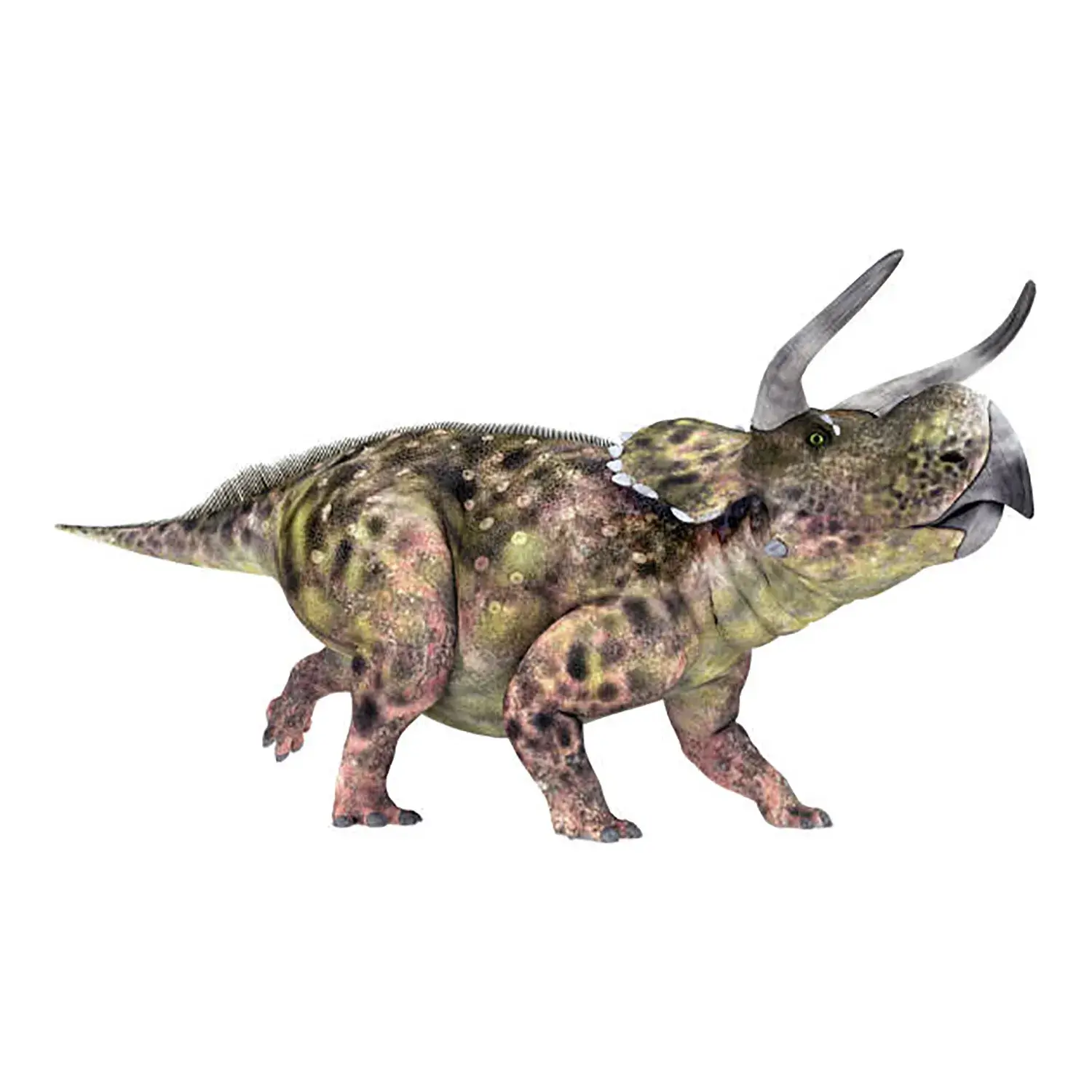
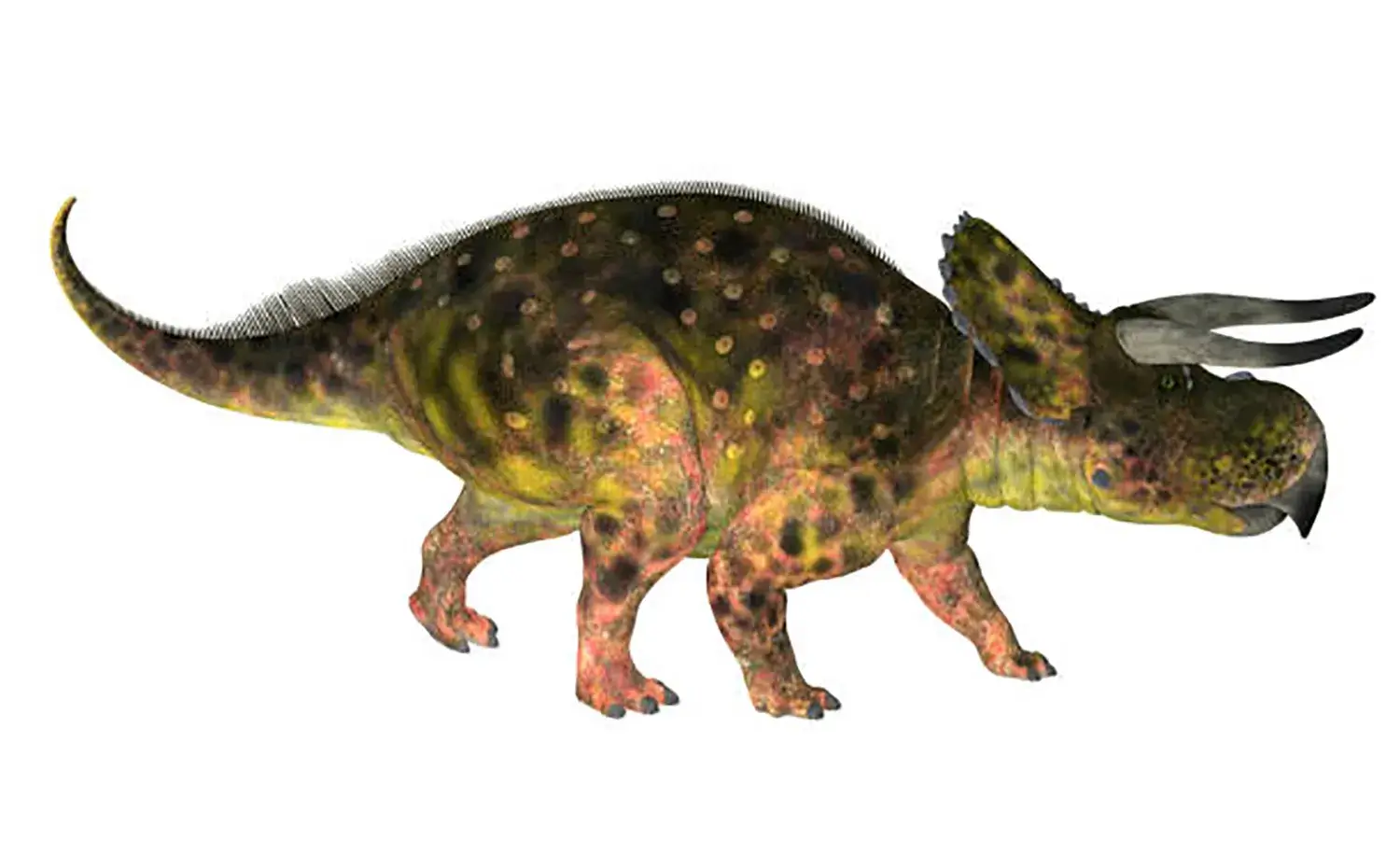
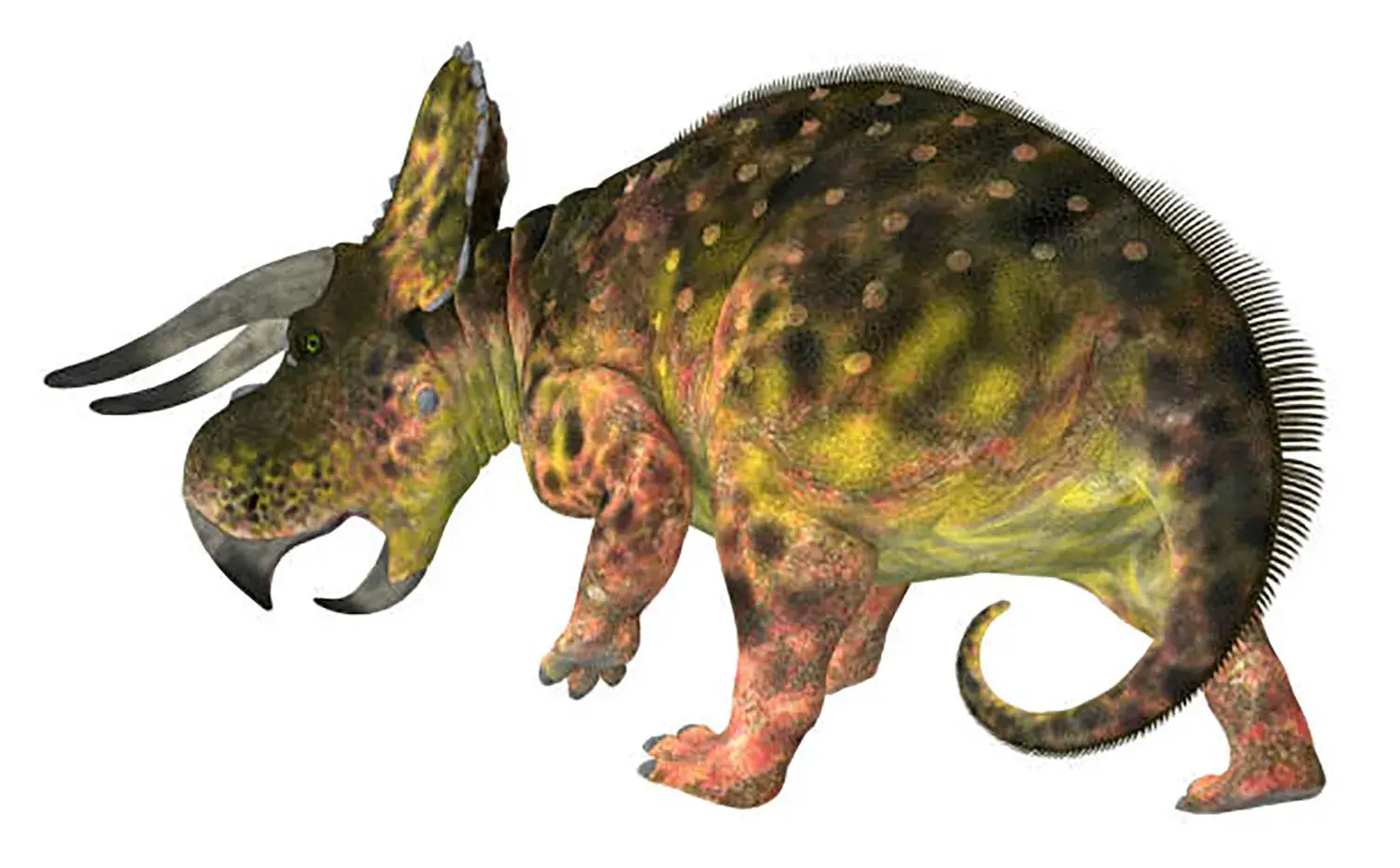
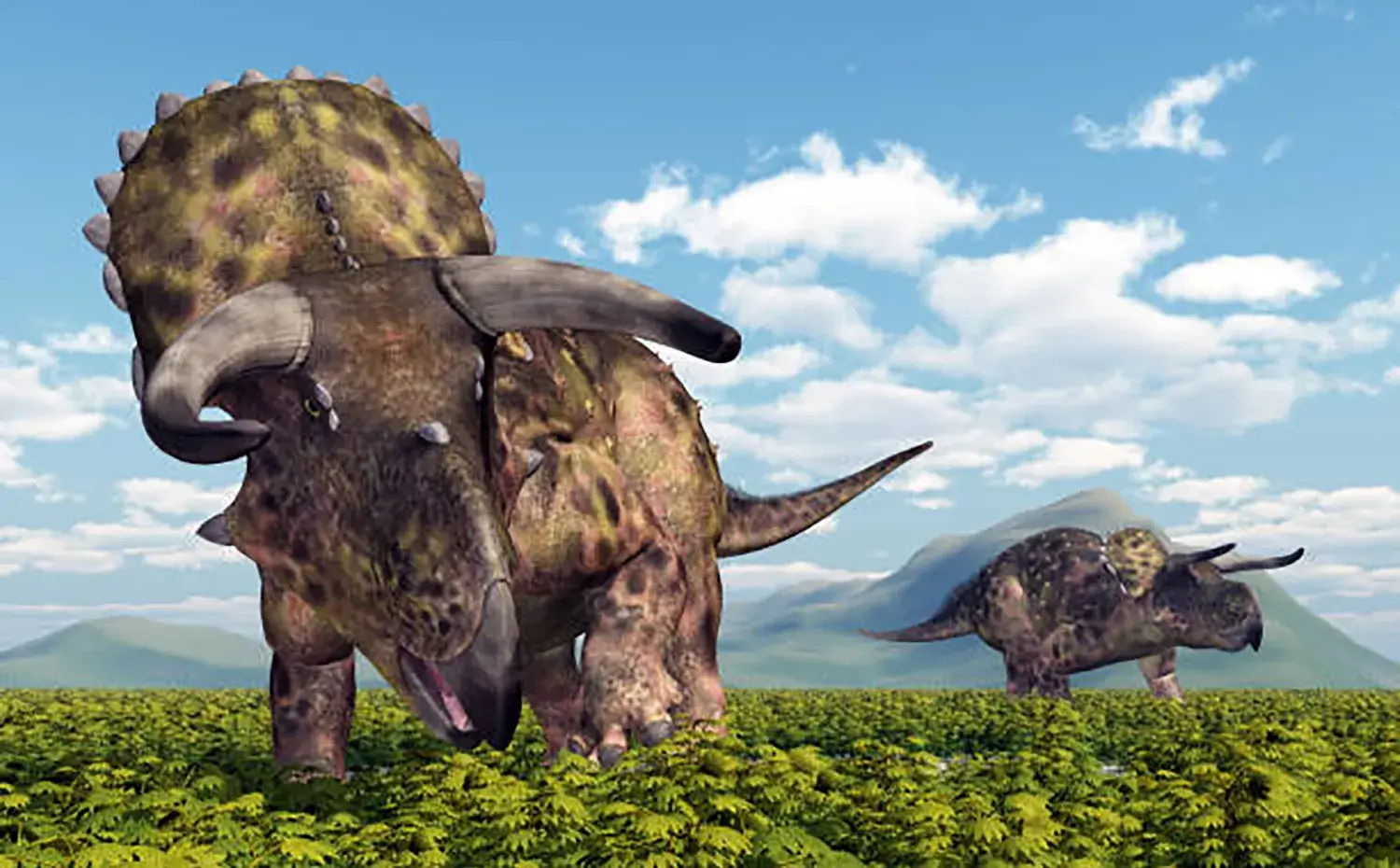
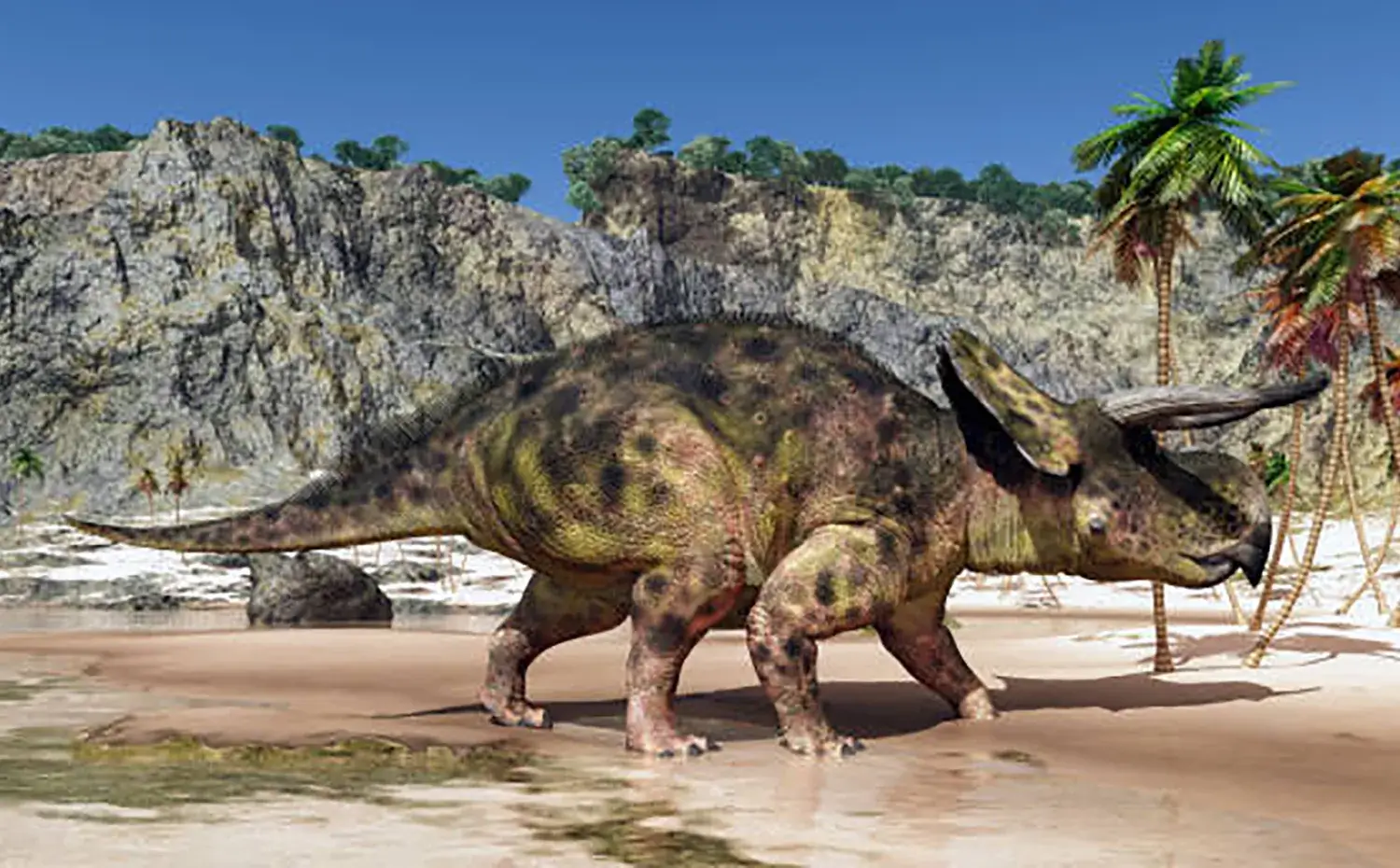
Nasutoceratops is a species of ceratopsian that inhabited the North American continent (present-day Utah) during the Late Cretaceous period.
Despite being a relatively new addition to the dinosaur roster, formally recognized as a new species in 2013, its striking “bull-like horns” and “large nose” have rapidly made it a favorite among dinosaur fans.
Discovery and Naming: A New Face in the Dinosaur World Debuting in 2013
It was in 2013 that Nasutoceratops was officially recognized and named as a new species.
While “Sinoceratops,” registered in 2010, is famous as a “rising star” in the ceratopsian world, Nasutoceratops is even more recent—a true “promising newcomer.”
Currently, the recovered fossils are very limited, consisting only of a distinctive skull and parts of the upper arm. However, its unique shape has generated significant anticipation for future research.
Named for Its “Large Nose”: A Unique Facial Structure
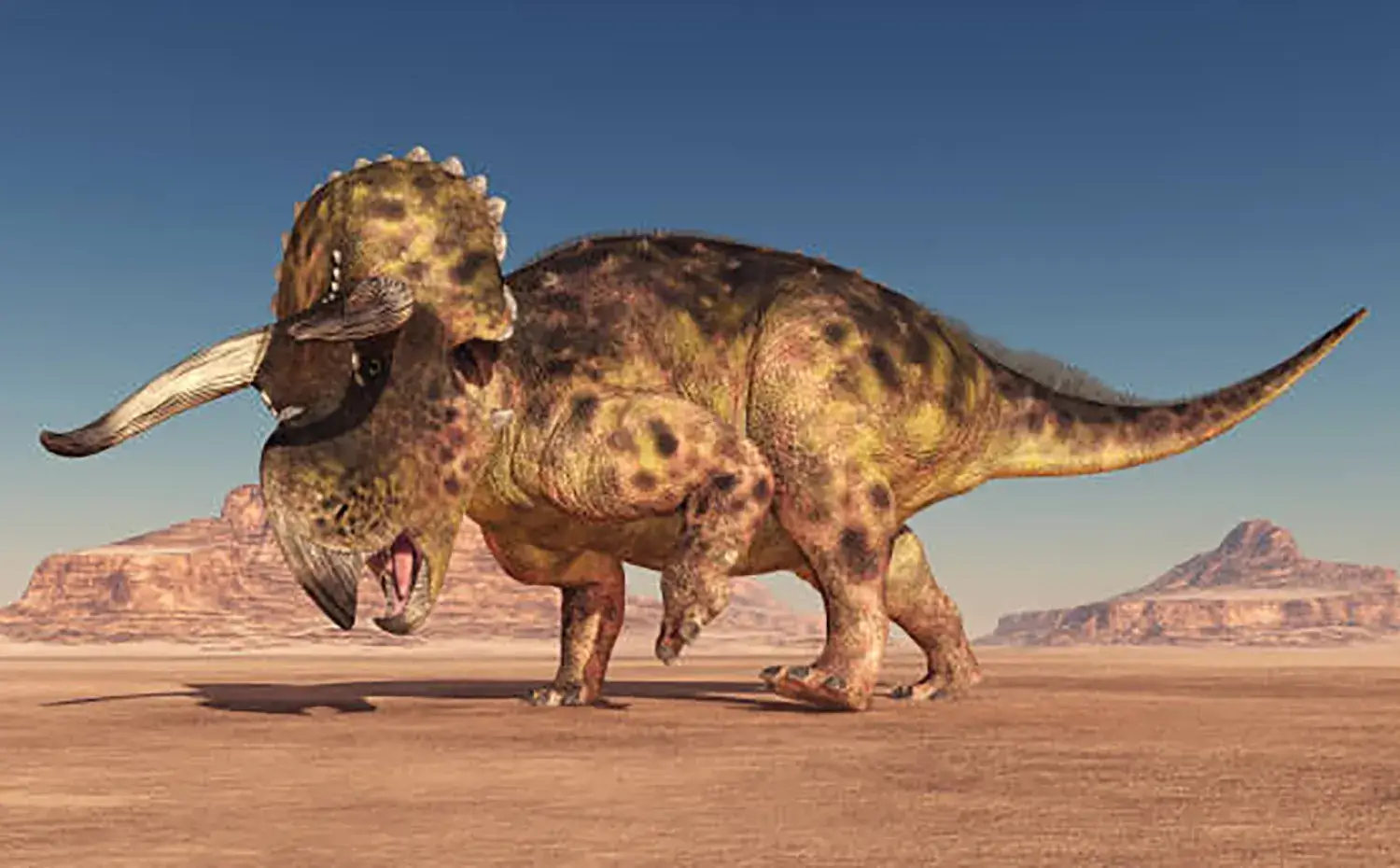
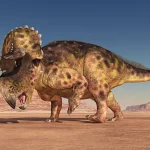
The total length of Nasutoceratops is estimated to have been about 4 to 6 meters.
Its scientific name directly reflects its physical characteristics.
Meaning of the Name
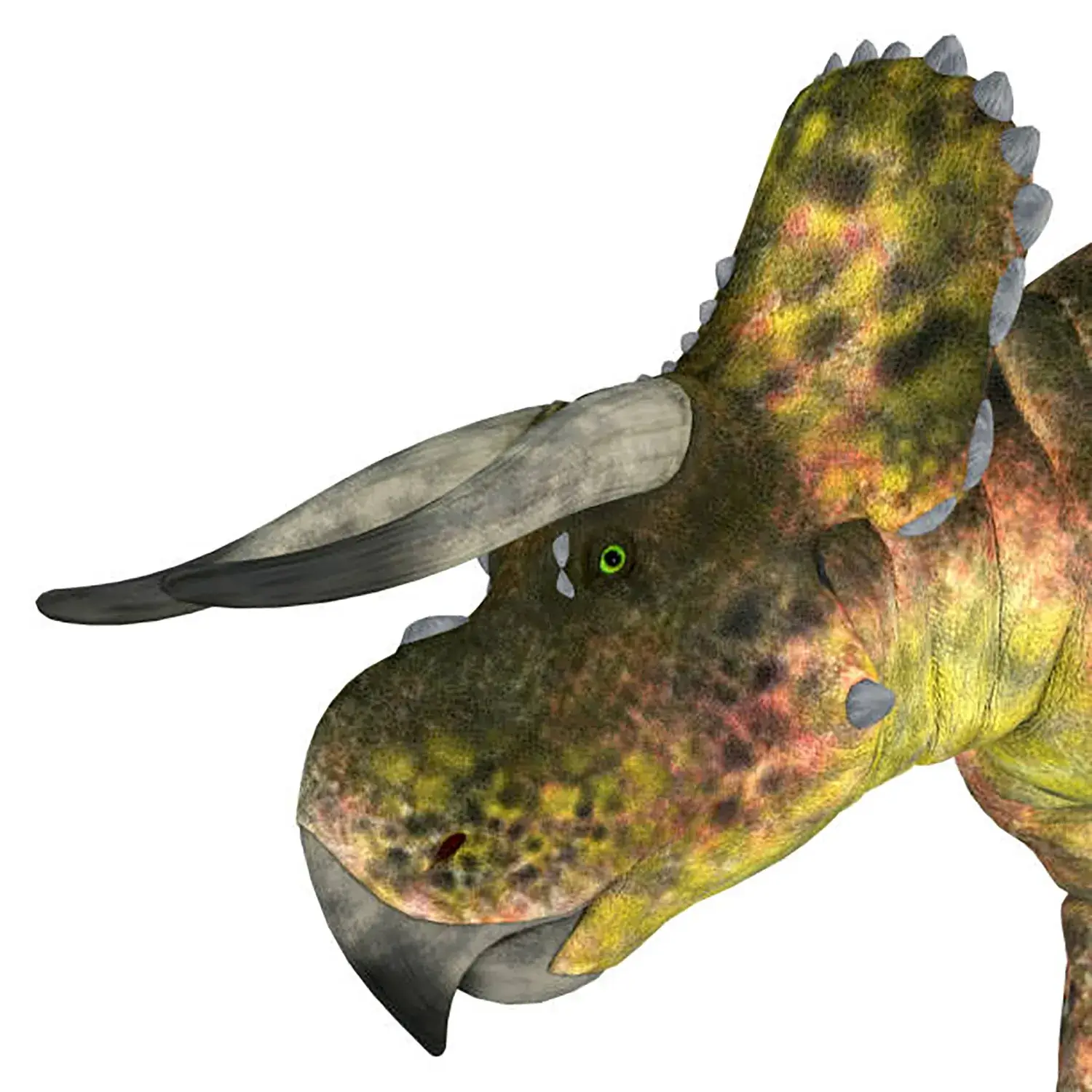
“Nasutoceratops” translates to “large-nosed, horned face.”
Nose Characteristics
While its snout was short from front to back, the nasal cavity extended vertically, resulting in a structure where the nose was prominently emphasized.
The nose was rounded like that of Pachyrhinosaurus, suggesting a somewhat primitive physical constitution.
Its Most Defining Feature: Curved Horns Like a “Bull”
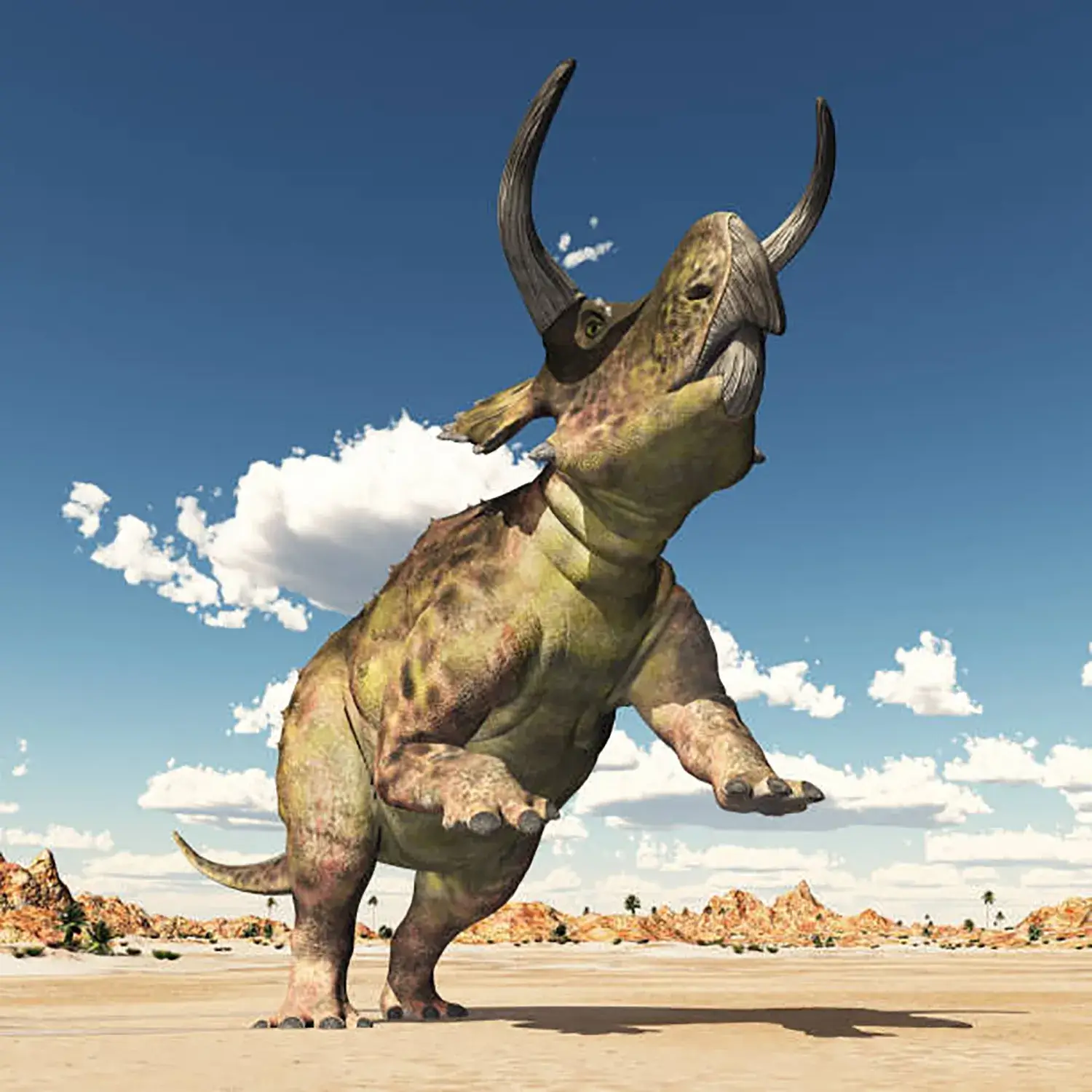
Even more eye-catching than its large nose are the unique “horns” growing from its head.
Curved horns resembling a “bull”
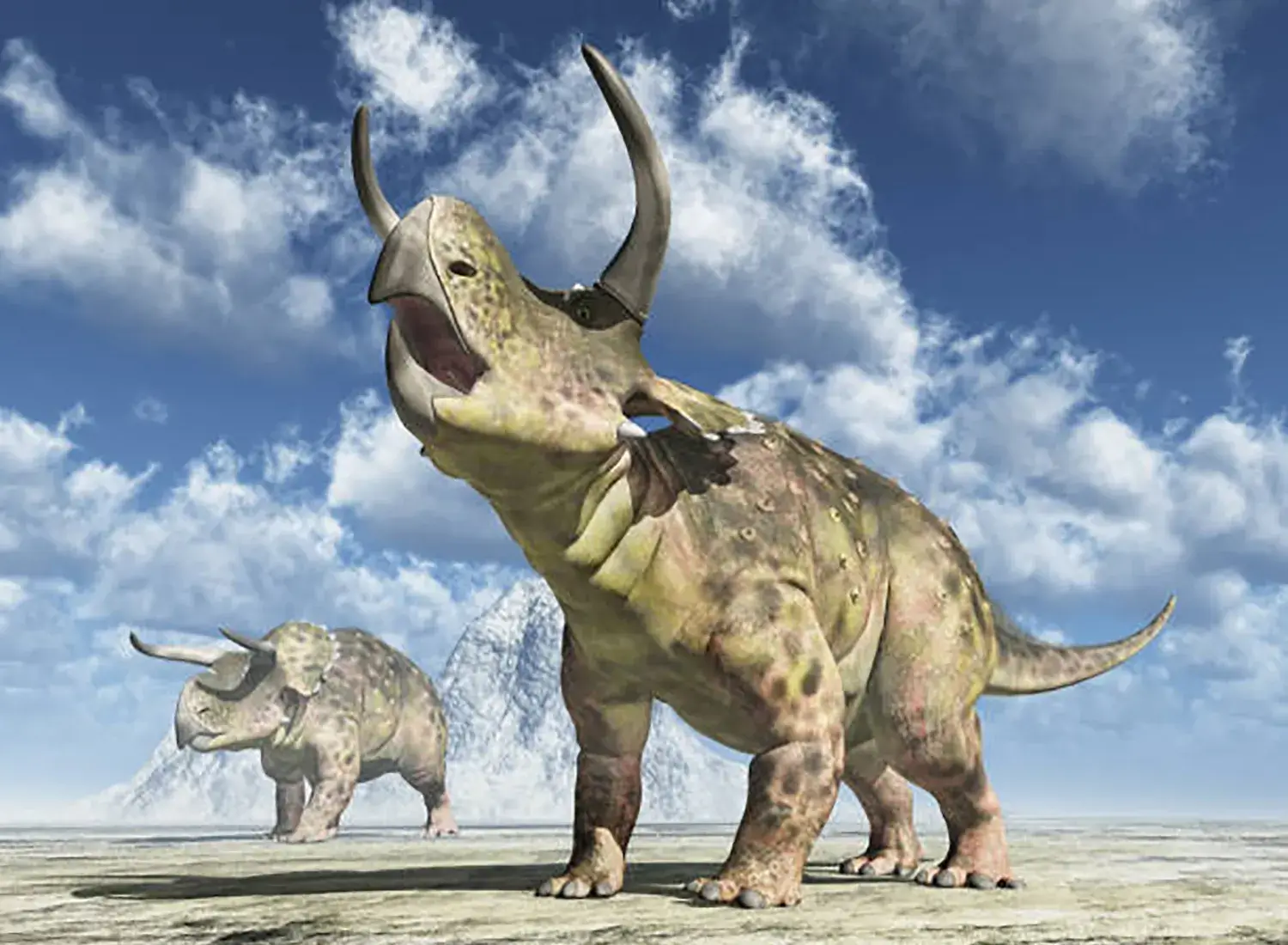
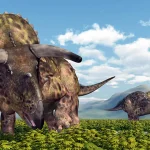
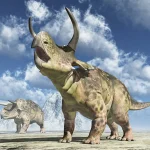
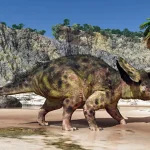
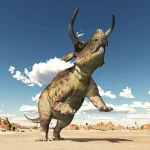
Unlike typical ceratopsians, the two horns above the eyes of Nasutoceratops curved strongly outward before pointing forward and upward.
They formed a beautiful arc, resembling the horns of a modern-day “water buffalo.”
Horn Structure
Like water buffalo horns, it is known that they were hollow inside, making them lightweight.
The Mystery of Function
Aside from the theory that this was for weight reduction, there is even a theory that they “served as swim bladders,” but the details remain shrouded in mystery.
Evolutionary Mystery: An Outdated Survivor?
Taxonomically, Nasutoceratops belongs to the Centrosaurinae subfamily, alongside dinosaurs like Styracosaurus.
However, they occupy a somewhat unusual position in the evolutionary history of ceratopsians.
They lived approximately 76 million years ago.
In North America (around Utah) during this era, Centrosaurine ceratopsians were already beginning to disappear, while the Chasmosaurus clan was expanding its influence.
Normally, Centrosaurines of the type with two brow horns and an undeveloped nasal horn should have already been extinct by this time.
Yet, Nasutoceratops popped up in this era.
As the world shifted toward newer types, it is suggested that they survived as “remnants of a primitive species,” maintaining their unique style.
Summary
Making its home in Utah while other ceratopsians underwent repeated evolution and replacement, Nasutoceratops stuck to its unique style of a “large nose” and “bull-like horns.”
Although few fossil parts have been found, its distinct shape and background as an “outdated survivor” continue to attract the interest of many dinosaur fans and researchers.