
Pliosaurus
Name Origin
Nearer to Lizard
Family
Pliosauridae
Classification
Diapsida, Sauropterygia
Habitat (Discovery Location)
United Kingdom, Chile, Colombia
Period
Late Jurassic
Length
Approximately 16 meters
Weight
Approximately 4.5 tons
Diet
Carnivore, Piscivore (Meat- and fish-eater)
You might also like... 

-
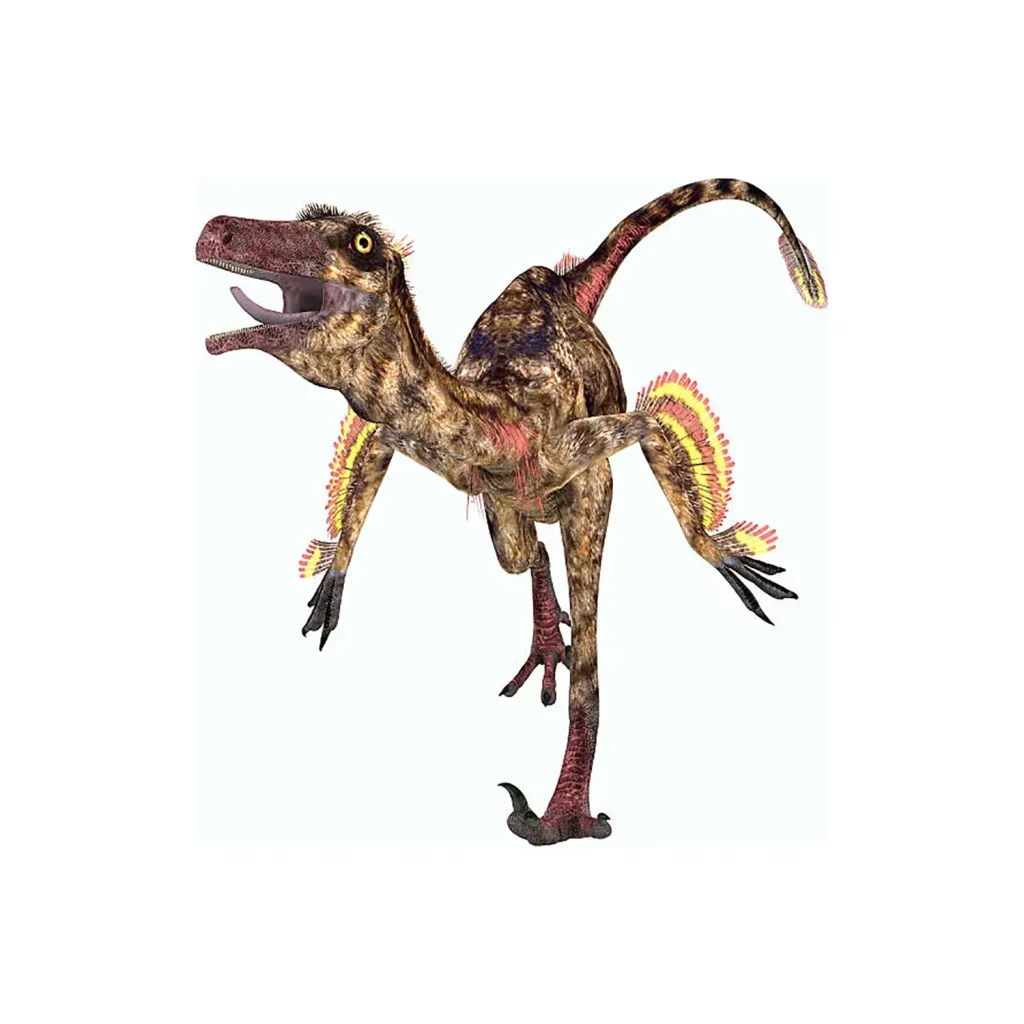
 Troodon
- Classification
- Theropods
- Characteristics
- Carnivorous
- Era
- Cretaceous period
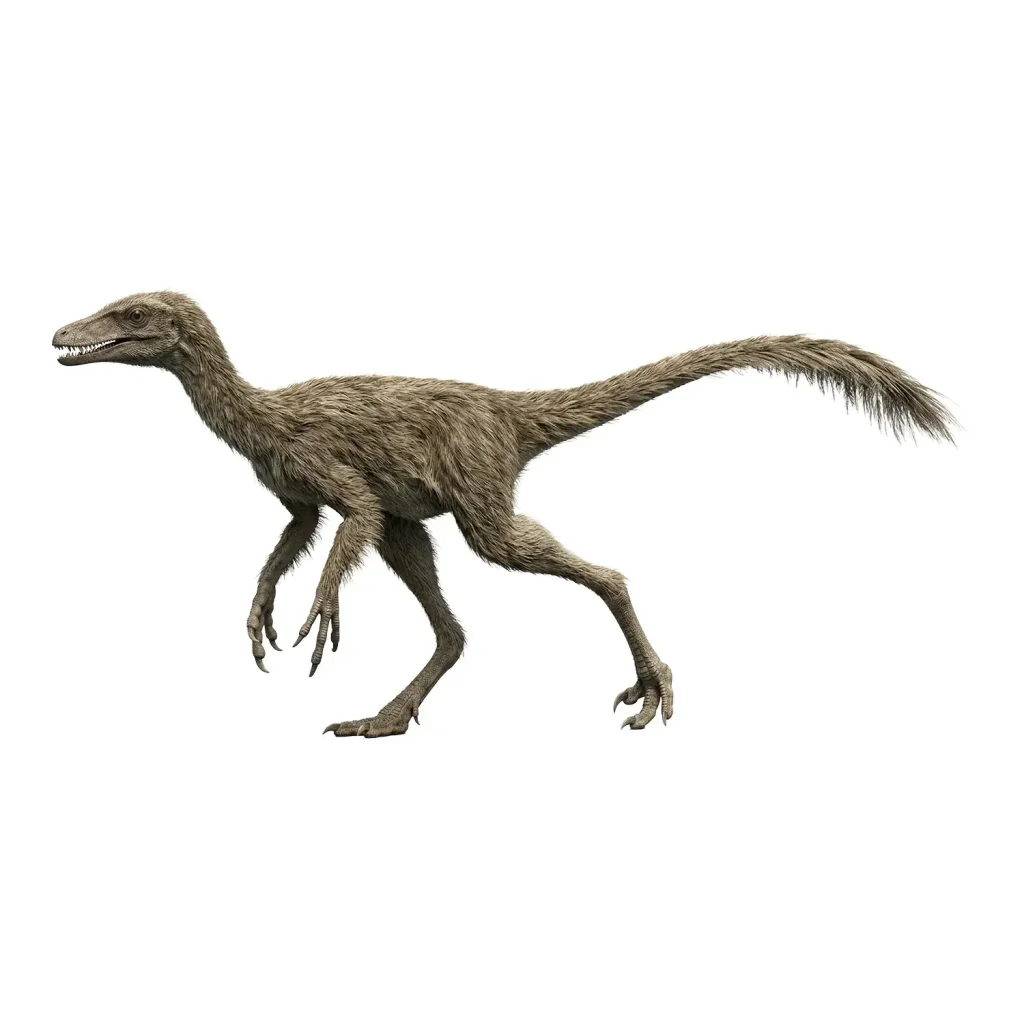
- Huaxiagnathus
- Classification
- Theropods
- Characteristics
- Carnivorous
- Era
- Cretaceous period
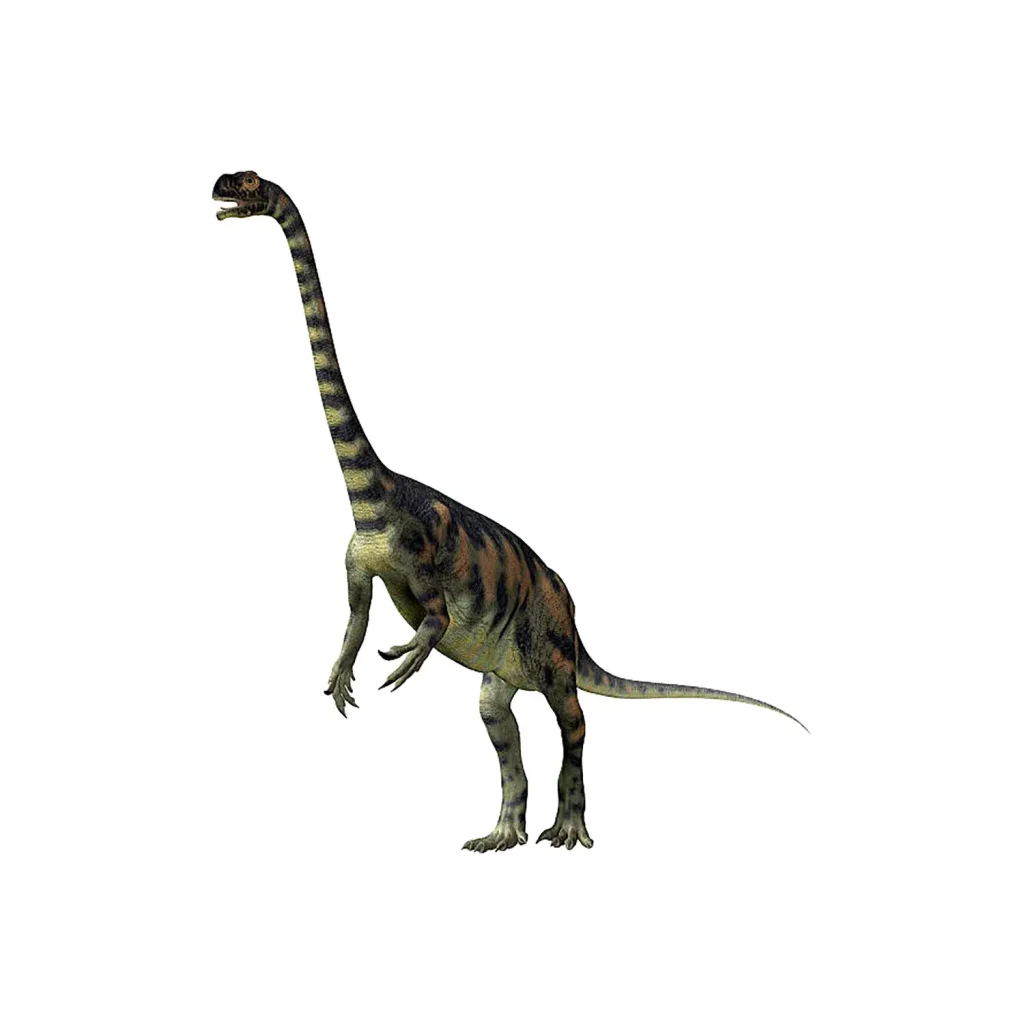
- Massospondylus
- Classification
- Sauropods
- Characteristics
- Herbivorous
- Era
- Jurassic period
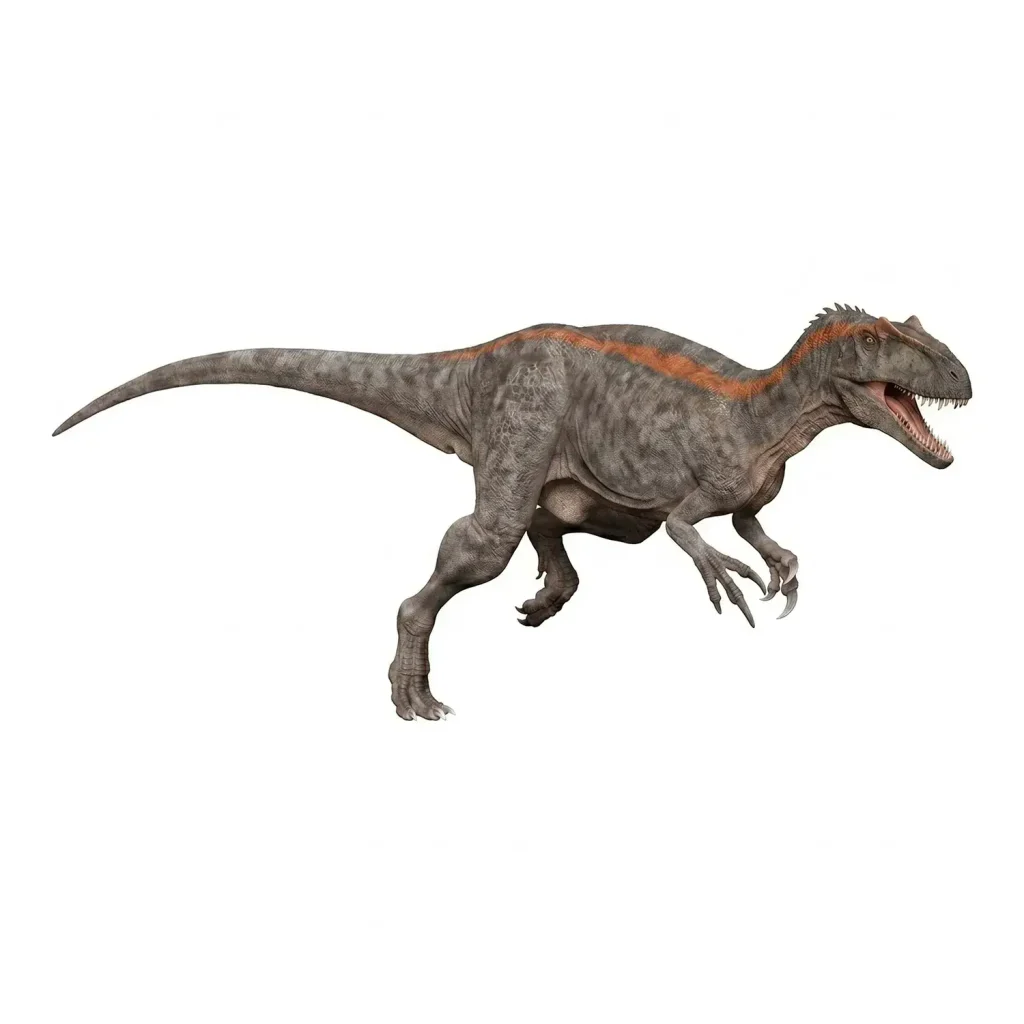
- Afrovenator
- Classification
- Theropods
- Characteristics
- Carnivorous
- Era
- Jurassic period
-
Sponsored Links
-
Sponsored Links









![[Latest Research] What Was the Function of Spinosaurus's Giant "Sail"? Exploring the Mysteries of Thermoregulation and Underwater Locomotion](https://dinosaurmuseum.jp/wp/wp-content/uploads/eyecatch_spinosaurus-sail-function_en-1024x512.webp)
![[Latest Discovery] A Third Type of Skin, Neither Scales Nor Feathers? Meet "Haolong dongi," a New Dinosaur Species Covered Entirely in Spikes](https://dinosaurmuseum.jp/wp/wp-content/uploads/eyecatch_dinosaur-spiky-skin-discovery_en-1024x512.webp)



Description
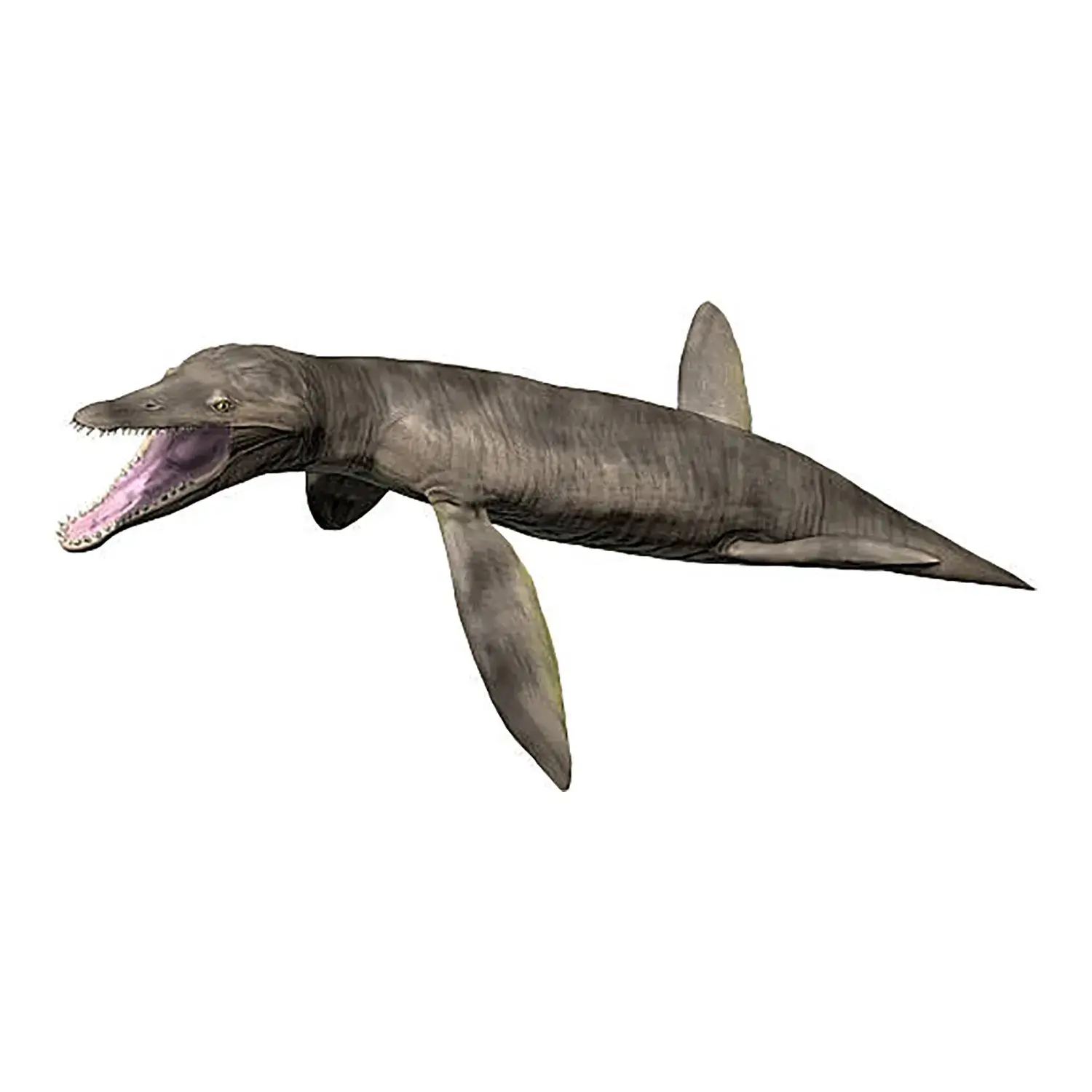
Pliosaurus is a plesiosaur that inhabited the seas of Europe and South America during the Late Jurassic period.
Due to its powerful jaws and overwhelming aggressiveness, it is also known by the alias “Predator X.”
Alongside Kronosaurus and Liopleurodon, they reigned as apex predators in the seas of their time.
A Giant Head and Jaws Surpassing Terrestrial Animals
Pliosaurus is known for its massive head and powerful jaws.
The size of its skull far exceeded the common standards for plesiosaurs.
One of the Largest Heads and Body Types in History
Pliosaurus belongs to the family Pliosauridae, which is characterized by short necks and large jaws.
Specimens estimated to have skull lengths reaching up to 2.5 meters are known, and an individual excavated in 2009 is said to have had a skull length of 2.4 meters alone, with a total body length reaching an astonishing 16 meters.
Morphology
Unusually short-necked for a plesiosaur, its body was plump like a beer bottle, featuring a body shape similar to Mosasaurus.
Due to the characteristics of a short neck and a large skull, it is thought to have employed a ferocious hunting style, biting into its prey all at once.
Powerful Jaws and a Brain Similar to a Great White Shark
The jaw strength of Pliosaurus was incredibly strong, possessing a destructive power that sea creatures would unanimously fear.
Weapons
Utilizing its rows of sharp teeth and sturdy jaws, it is said to have attacked and eaten fish, cephalopods, and even other marine reptiles like itself.
Its prey included not only fish and ammonites but also large squid.
The Marvel of “Pliosaurus funkei”
“Pliosaurus funkei,” discovered in Norway, was found to have a brain with a shape and proportions similar to today’s great white sharks, backing up the idea that it possessed high predatory capabilities and strategic prowess.
An Evolutionary Mystery: Why Did Their Necks Become Shorter?
The fact that Pliosaurus, despite being a member of the plesiosaur group, had a short neck is an extremely fascinating point in terms of evolution.
Two Main Lineages Diverging from a Common Ancestor
Plesiosaurs branched into two main lineages during their evolutionary process.
Long-Necked Plesiosaurs
A group with long necks, such as Elasmosaurus.
They inhabited shallow seas, foraging for food on the seafloor or stretching their necks to the surface to target small prey.
Pliosaurs
A group specialized in targeting large prey in the deep sea, possessing short necks and massive heads.
By shortening its neck and enlarging its skull, Pliosaurus established a niche as a formidable predator capable of taking down large prey.
The Origin of the Name “More Lizard-Like Creature”
The person who named Pliosaurus was Richard Owen, the man who coined the word “dinosaur.”
Because the shape of Pliosaurus’s teeth was close to that of crocodiles, it was given a name derived from Greek words meaning “more lizard-like creature” compared to Plesiosaurus.
This indicates that Pliosaurus was positioned as an evolutionarily important entity bridging plesiosaurs and crocodilians.
High-Speed Swimming in the Ocean
Pliosaurus had four robustly built flippers.
Analysis of the flipper bones indicates that they swam primarily using their forelimbs, while using their hindlimbs for propulsion to accelerate when chasing prey.
They excelled in burst speed, capable of swimming like a gale the moment prey entered their striking range, biting into it before it even had a chance to react.
Pliosaurus coexisted with Liopleurodon, which had long ruled the Jurassic seas, but after fierce competition for survival, it is said that they usurped their territory and prospered widely.