
Caihong
Name Origin
Rainbow
Family
Anchiornithidae
Classification
Diapsida, Saurischia, Theropoda
Habitat (Discovery Location)
China
Period
Approximately 161 million years ago (Late Jurassic)
Length
Approximately 50 centimeters
Weight
Approximately 475 to 500 grams
Diet
Carnivore (Meat-eater)

You might also like... 

-
 Rhomaleosaurus
- Classification
- Marine reptiles
- Characteristics
- Carnivorous
- Era
- Jurassic period
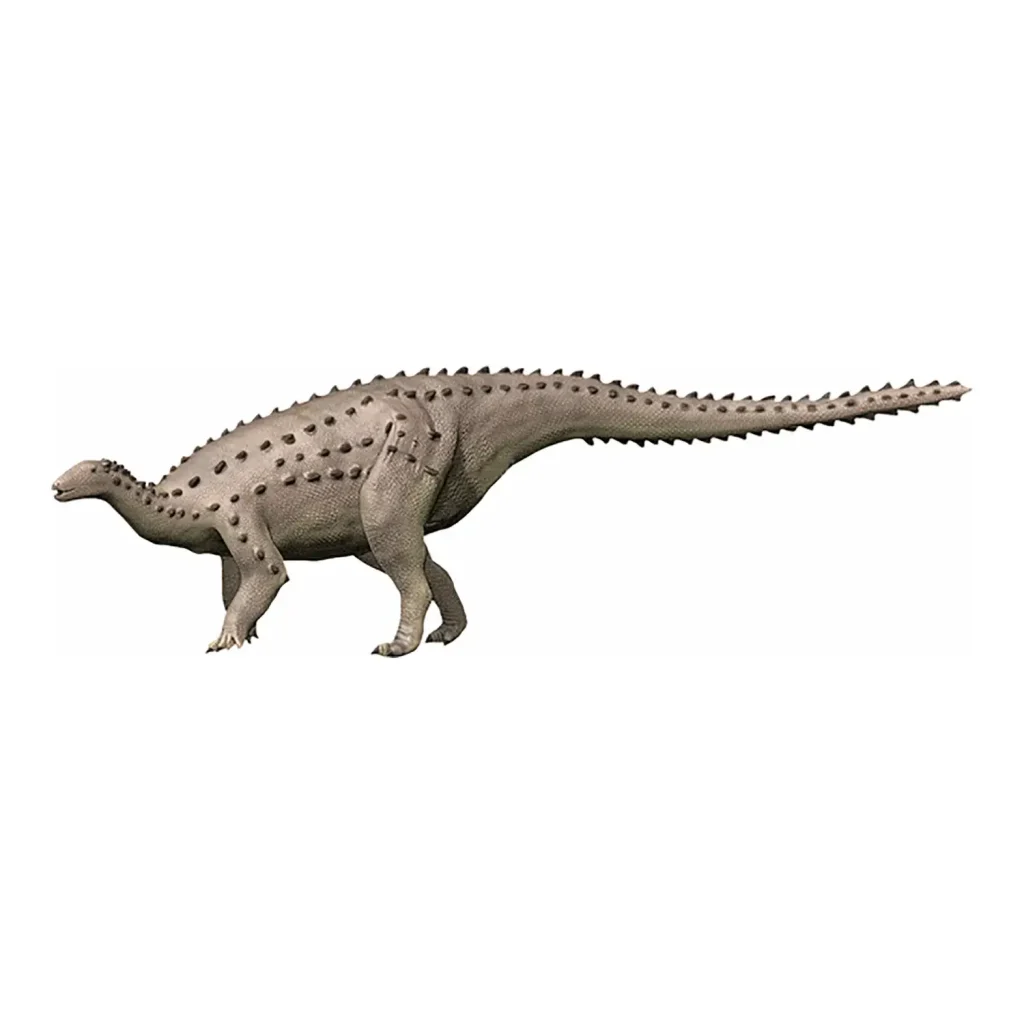
- Scelidosaurus
- Classification
- Thyreophora
- Characteristics
- Herbivorous
- Era
- Jurassic period
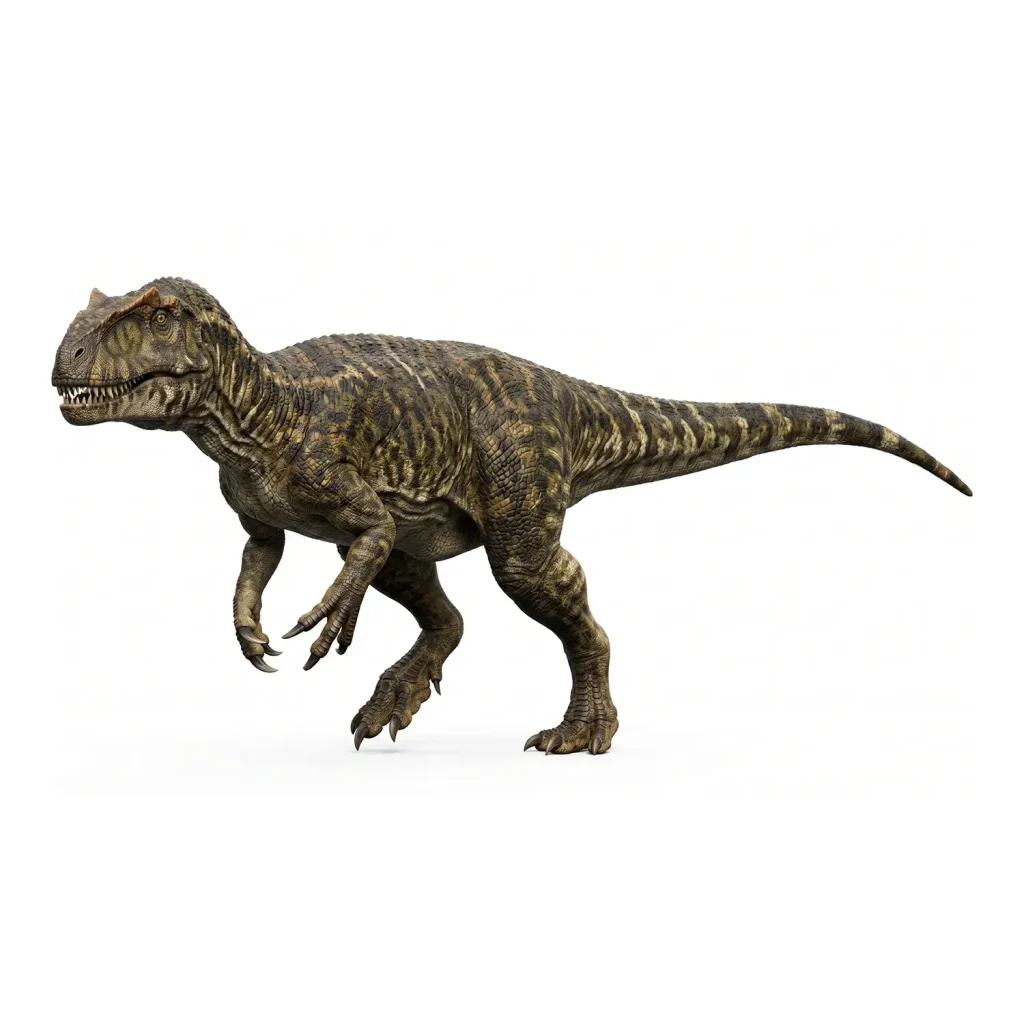
- Neovenator
- Classification
- Theropods
- Characteristics
- Carnivorous
- Era
- Cretaceous period
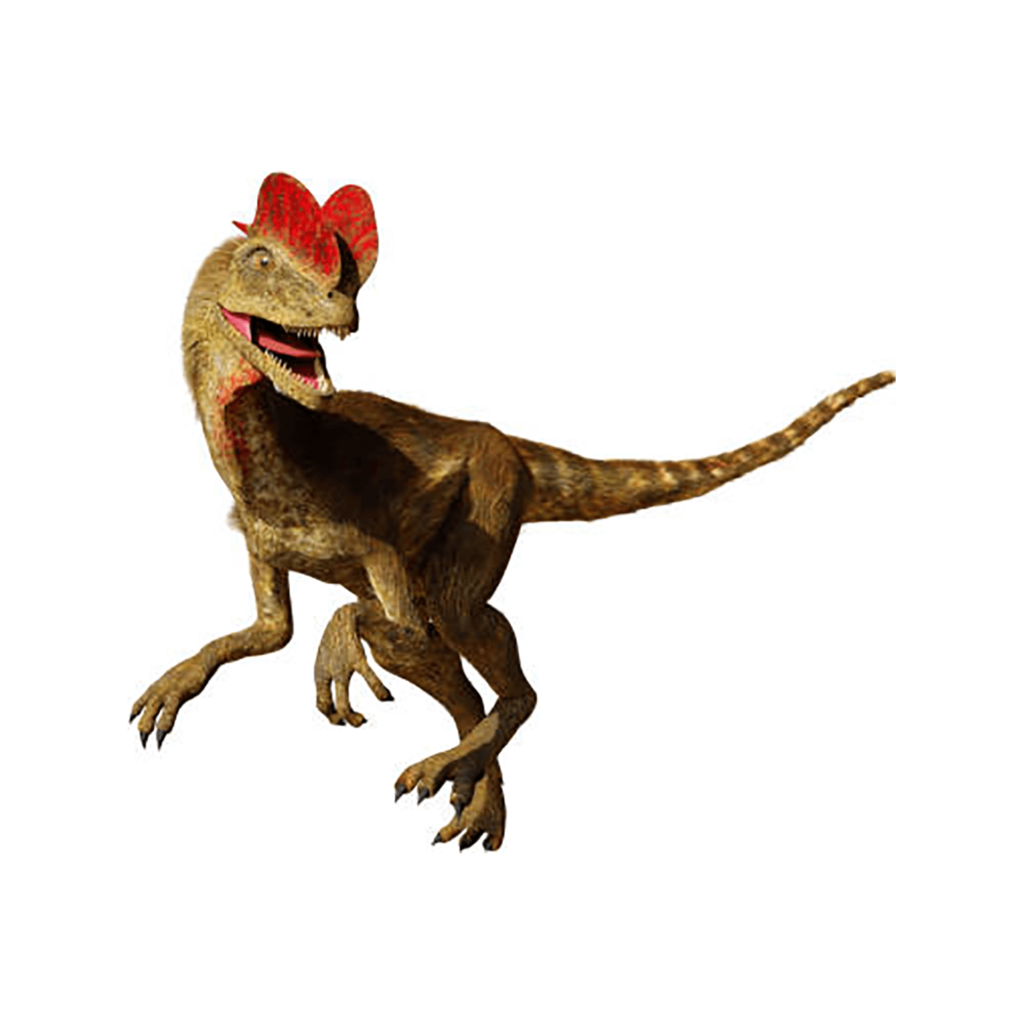
- Dilophosaurus
- Classification
- Theropods
- Characteristics
- Carnivorous
- Era
- Jurassic period
-
Sponsored Links
-
Sponsored Links









![[Latest Research] What Was the Function of Spinosaurus's Giant "Sail"? Exploring the Mysteries of Thermoregulation and Underwater Locomotion](https://dinosaurmuseum.jp/wp/wp-content/uploads/eyecatch_spinosaurus-sail-function_en-1024x512.webp)
![[Latest Discovery] A Third Type of Skin, Neither Scales Nor Feathers? Meet "Haolong dongi," a New Dinosaur Species Covered Entirely in Spikes](https://dinosaurmuseum.jp/wp/wp-content/uploads/eyecatch_dinosaur-spiky-skin-discovery_en-1024x512.webp)

Description
Caihong lived in China approximately 161 million years ago during the Late Jurassic period.
It is a small theropod that brought astonishing revelations about dinosaur coloration to the world after a nearly perfectly preserved full-body fossil was discovered in 2014.
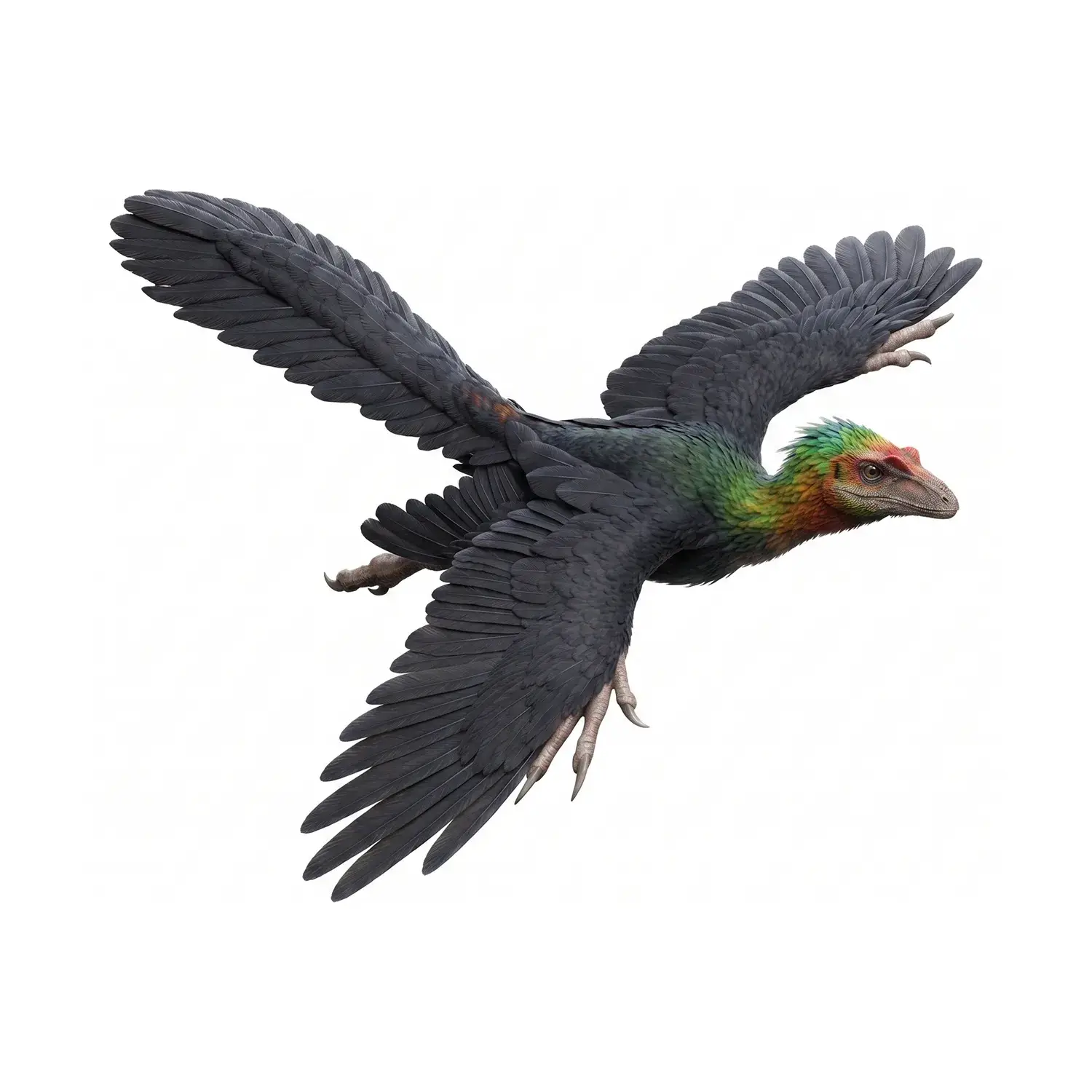
With a body about the size of a duck, Caihong is believed to have possessed beautiful rainbow-colored feathers and four wings.
Here, we will provide an in-depth look into its vividly colored features revealed by its fossils, its arboreal ecology, and the taxonomic debate that serves as a key to unraveling the evolution of birds.
The “Iridescent Necklace” Proven by Melanosomes
The most defining feature of Caihong is its beautiful feathers, which are also the inspiration for its name.
Lustrous Feathers With “Structural Color”
As a result of analyzing “melanosomes”—the pigment-producing organelles preserved in the fossil—it was revealed that while the majority of its body was black, the feathers around its neck and chest possessed a lustrous “structural color.”
This means it had colorful feathers that appeared to shine in iridescent, rainbow hues depending on the angle of the light.
Appealing to Mates (Visual Display)
It is believed that dinosaurs of that era possessed excellent color vision, much like modern birds.
It is speculated that this iridescent necklace was used to show off to peers or as a visual display to attract mates.
An “Arboreal Glider” Soaring on Four Wings
Like Microraptor and some other feathered dinosaurs, Caihong had a total of four wings on its forelimbs and hindlimbs.
It is almost certain that they lived an arboreal lifestyle, using the sharp claws on their limbs to climb trees before spreading their four wings to glide from branch to branch.
Although direct stomach contents have not been found, pellets (regurgitated indigestible material) containing fish and lizard bones have been discovered in the fossils of its close relative, the feathered dinosaur Anchiornis.
Based on this, it is highly likely that Caihong similarly preyed upon small reptiles, fish, and insects.
Too Close to Birds? The Taxonomic Debate Unraveling Evolution
Phylogenetically, it is widely considered certain that Caihong is a “relative of Troodon.” However, because it is so incredibly closely related to birds, opinions vary widely among researchers regarding its precise classification.
As this debate continues, Caihong stands as an incredibly important key to unlocking the evolutionary process from dinosaurs to birds.
In the forests of Late Jurassic China, Caihong, with its small duck-sized body, glided seamlessly from tree to tree.
Its neck feathers, shining in iridescent rainbow hues depending on the light, teach us that dinosaurs were far more colorful than we typically imagine and actively engaged in visual communication.