
Euhelopus
Name Origin
Feet Perfectly Suited for Wetlands
Classification
Diapsida, Saurischia, Sauropodomorpha
Habitat (Discovery Location)
China
Period
Approximately 129 to 113 million years ago (Early Cretaceous)
Length
Approximately 10 to 15 meters
Weight
Approximately 10 metric tons
Diet
Herbivore (Plant-eater)
You might also like... 

-
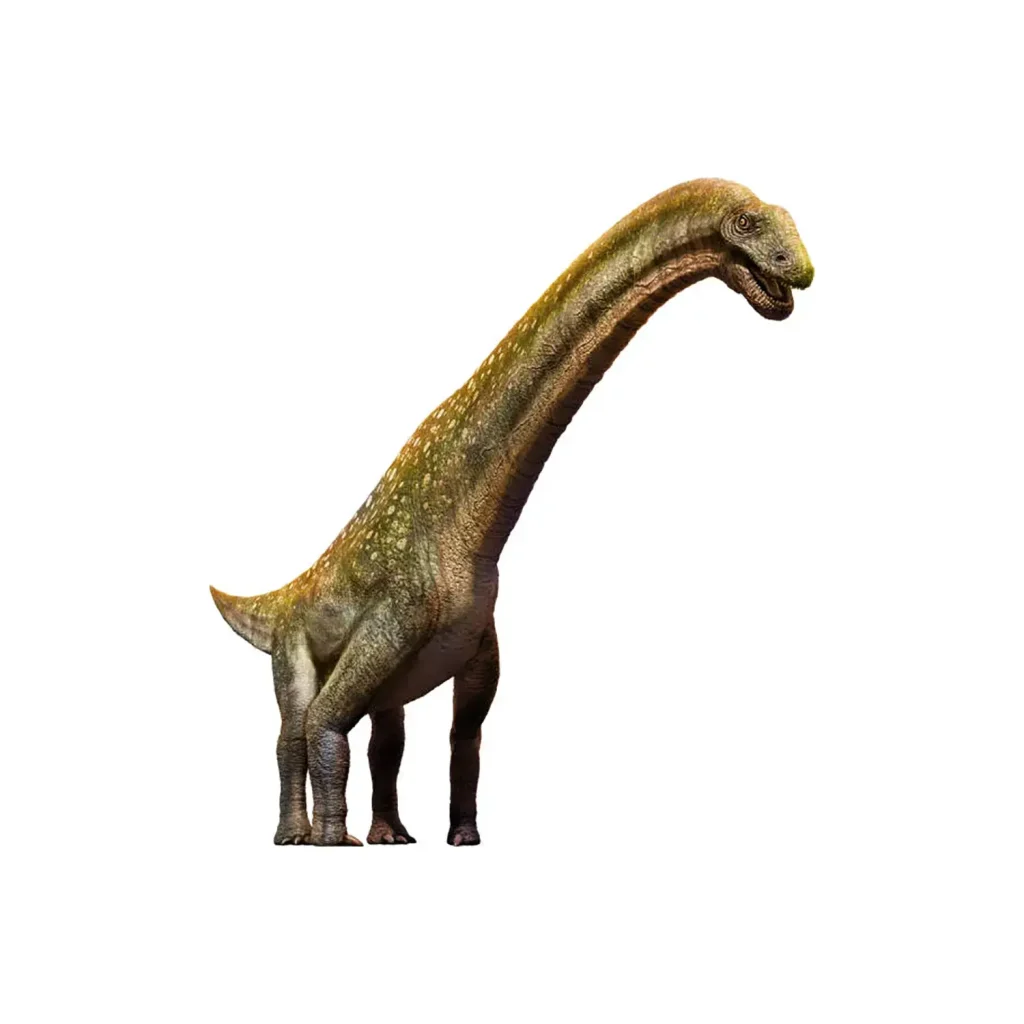
 Titanosaurus
- Classification
- Sauropods
- Characteristics
- Herbivorous
- Era
- Cretaceous period
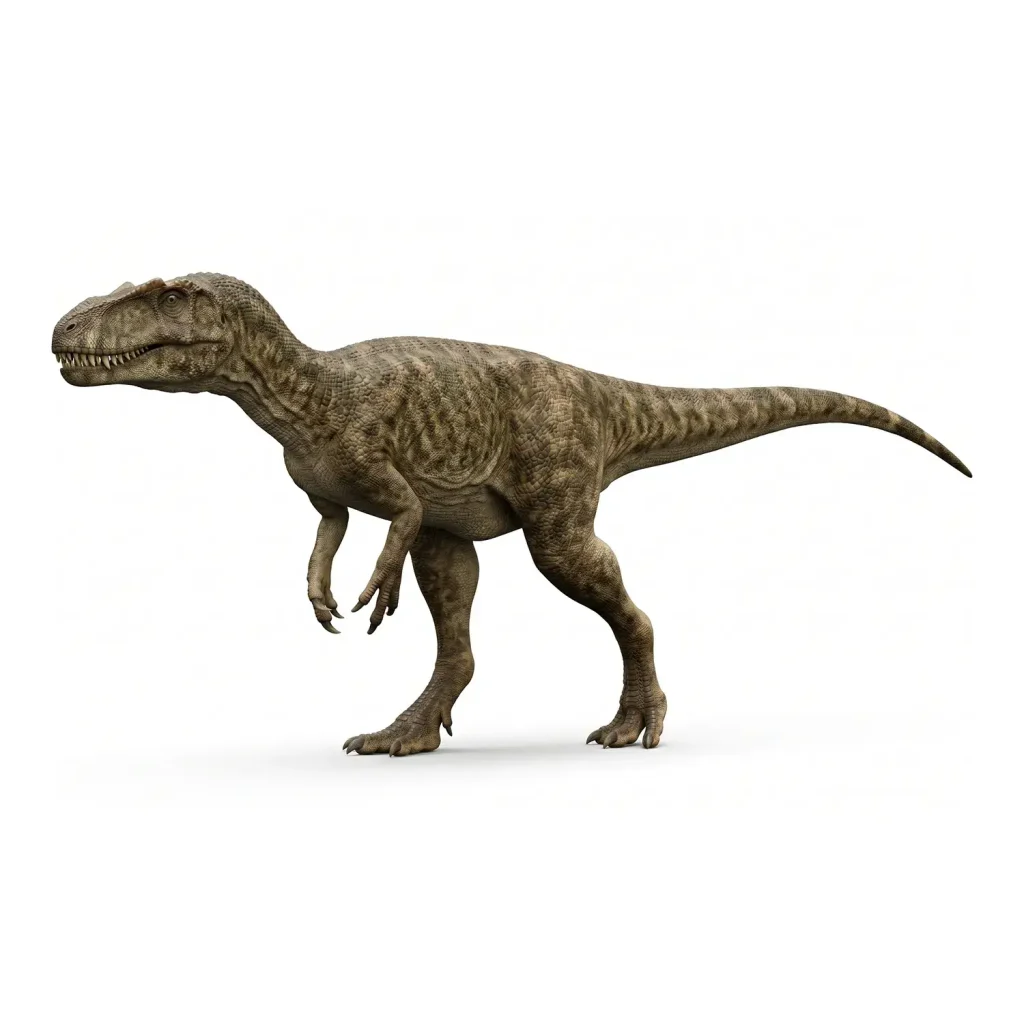
- Gasosaurus
- Classification
- Theropods
- Characteristics
- Carnivorous
- Era
- Jurassic period
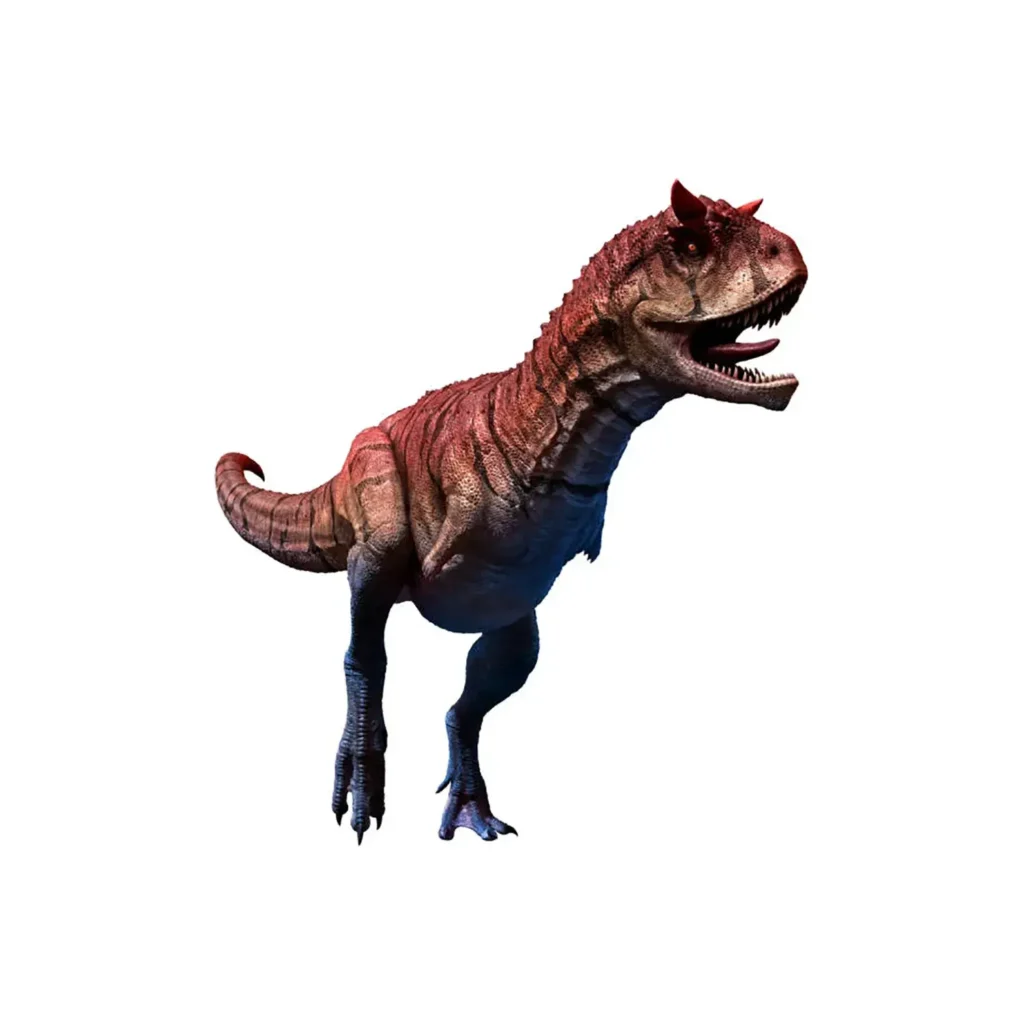
- Carnotaurus
- Classification
- Theropods
- Characteristics
- Carnivorous
- Era
- Cretaceous period
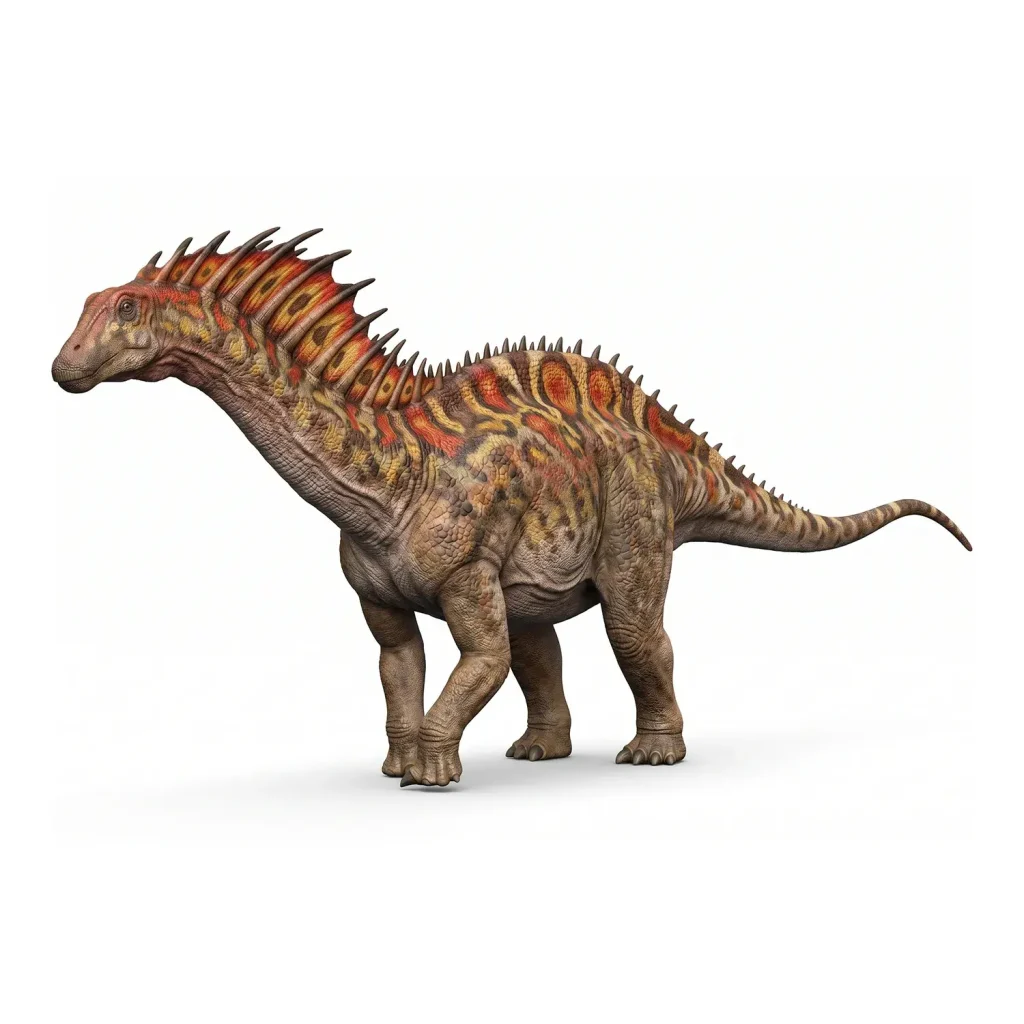
- Amargasaurus
- Classification
- Sauropods
- Characteristics
- Herbivorous
- Era
- Cretaceous period
-
Sponsored Links
-
Sponsored Links




![[Latest Research] What Was the Function of Spinosaurus's Giant "Sail"? Exploring the Mysteries of Thermoregulation and Underwater Locomotion](https://dinosaurmuseum.jp/wp/wp-content/uploads/eyecatch_spinosaurus-sail-function_en-1024x512.webp)
![[Latest Discovery] A Third Type of Skin, Neither Scales Nor Feathers? Meet "Haolong dongi," a New Dinosaur Species Covered Entirely in Spikes](https://dinosaurmuseum.jp/wp/wp-content/uploads/eyecatch_dinosaur-spiky-skin-discovery_en-1024x512.webp)

Description
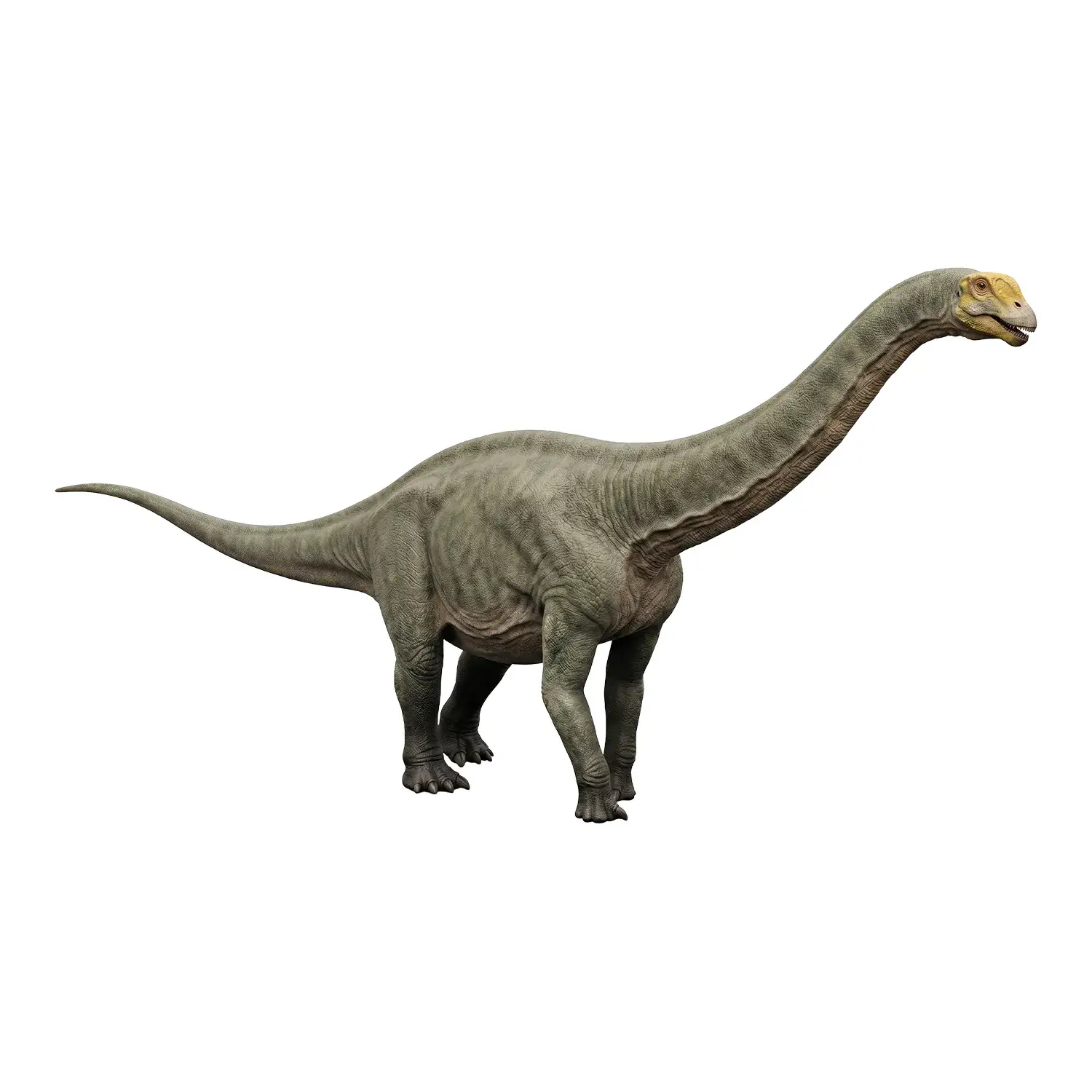
Euhelopus lived on the Chinese continent during the Early Cretaceous period of the Mesozoic era.
It was a sauropodomorph dinosaur measuring approximately 10 to 15 meters (33 to 49 feet) in length and weighing just under 10 metric tons (22,000 lbs).
While it falls into the smaller, “lower-middle” range among the generally massive sauropodomorphs, it is known for holding an incredibly important position both historically and paleontologically.
Overturning the Consensus? The Impact of an Asian “Titanosaur”
The classification of Euhelopus has been debated for many years, but recent studies strongly suggest it belongs to the titanosauriforms, such as the “Somphospondyli,” a group even more advanced than the brachiosaurid family.
This classification brought a huge surprise to the scientific community.
This is because titanosaurs were known as a group that primarily evolved on the South American continent. With their fossils overwhelmingly found in that region, they were considered a “family of dinosaurs that lived in a very restricted geographic community.”
Under these circumstances, the existence of Euhelopus as one of the few titanosaur relatives to evolve far away in Asia, centered around the Chinese continent, was a monumental discovery for unraveling the history of dinosaur distribution and evolution. It instantly made Euhelopus the center of attention in the academic world.
Features Similar to Brachiosaurus and the “Wetland Feet” Misconception
The body shape of Euhelopus was very similar to the famous Brachiosaurus, and it has been pointed out that it likely had a “forward-leaning” posture with high shoulders and an upwardly held neck.
A Vertebral Structure Resembling the Letter “K”
Its most prominent feature is a structural pattern closely resembling the letter “K” found on the sides of the neural arches of its dorsal vertebrae (part of its spine).
Discovered Fossil Parts
While some sources state that only limited parts—such as sections of the spine (vertebrae), ribs, and pelvis—have been excavated, historical excavation surveys have actually uncovered partial skulls, hind limbs, and forelimbs as well.
The Origin of the Genus Name and Outdated Concepts
The genus name “Euhelopus” means “true marsh foot” (or “feet perfectly suited for wetlands”).
In modern paleontology, it is understood that sauropodomorphs were “completely terrestrial” animals that supported their heavy bodies on land. However, it was once thought that “because their bodies were too heavy, they were semi-aquatic animals that lived in lakes and wetlands, relying on water buoyancy.”
The name Euhelopus is a lingering trace that strongly reflects this outdated, historical consensus (the semi-aquatic theory).
A Double Name Clash! The Bizarre History of Its Discovery and Naming
Euhelopus holds the monumental title of being the “first dinosaur from China to be scientifically described.”
However, there were a few troubles before its name was permanently established.
1913–1923: Fossil Discovery and Excavation
The first fossils were discovered in 1913 in the Mengyin Formation of Shandong Province, China.
Later, in 1923, a full-scale excavation was conducted by Mr. T’an of the Geological Survey of China and Otto Zdansky of Uppsala University in Sweden. This yielded fossils ranging from a partial skull to dorsal vertebrae, as well as the hind limbs of a slightly smaller individual.
(Furthermore, forelimbs were discovered in 1935, and new skull fragments have been found in recent years.)
1929: Named as “Helopus”
Based on these fossils, Carl Wiman of Uppsala University conducted research in 1929 and named it “Helopus zdanskyi” in honor of Zdansky.
Trouble 1: A Clash with a Waterbird’s Name
However, it was discovered that the name “Helopus” was already in use as the scientific name for a type of waterbird, so it was newly renamed “Euhelopus zdanskyi”.
Trouble 2: A Clash with an Aquatic Plant’s Name
But then, it turned out that the new name “Euhelopus” was also already being used as the scientific name for an aquatic plant.
However, under international biological naming rules, using the same name is permitted if the organisms belong to different kingdoms, such as the “Animal Kingdom” and the “Plant Kingdom.” Because of this, the name avoided invalidation and has been safely used to this day.
Mamenchisaurid or Titanosauriform? An Ongoing Debate
Today, its classification as a titanosauriform (Somphospondyli) is widely supported. However, it was once considered a “primitive sauropodomorph that underwent its own unique evolution in Asia” and was thought to be closely related to the exceptionally long-necked Mamenchisaurus.
Even after recent studies confirmed its similarities to titanosauriforms, some researchers still support its placement in the mamenchisaurid family. The debate over its classification has not yet been completely settled.
Additionally, closely related species include Phuwiangosaurus, discovered in Thailand, and Tambatitanis (the Tamba Dragon), discovered in Hyogo Prefecture, Japan.
Summary
Euhelopus heralded the dawn of dinosaur research in China.
Since some parts of its skeleton are still missing, it is hoped that further fossil discoveries and future research will unveil its true appearance and unlock the mysteries of sauropodomorph evolution in Asia.