
Abelisaurus


Name Origin
Abel's Lizard
Family
Abelisauridae
Classification
Diapsida, Saurischia, Theropoda
Habitat (Discovery Location)
Argentina
Period
Approximately 75 to 70 million years ago (Late Cretaceous)
Length
Approximately 6.5 to 9 meters
Weight
Approximately 1.4 to 3 tons
Diet
Carnivore (Meat-eater)
You might also like... 

-
 Noasaurus
- Classification
- Theropods
- Characteristics
- Carnivorous
- Era
- Cretaceous period
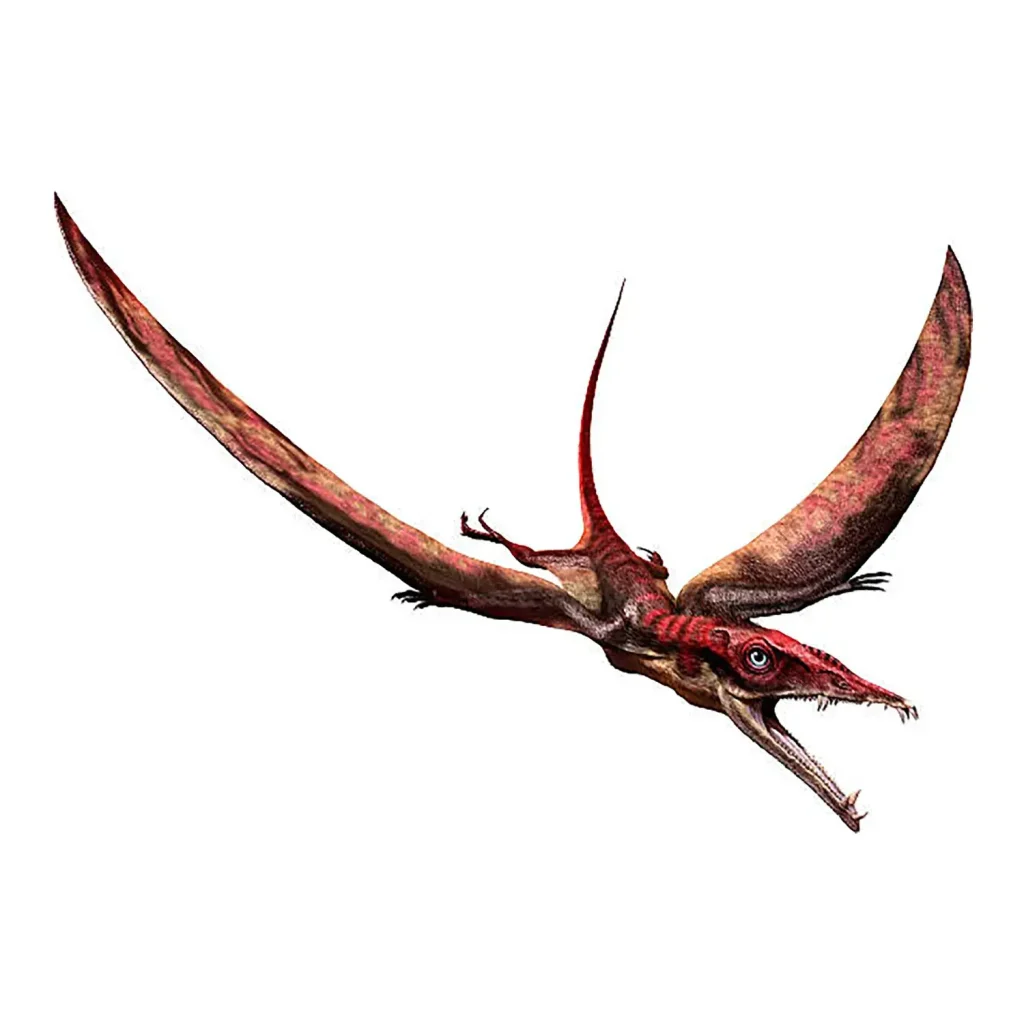
- Eudimorphodon
- Classification
- Flying reptiles
- Characteristics
- Carnivorous
- Era
- Triassic period
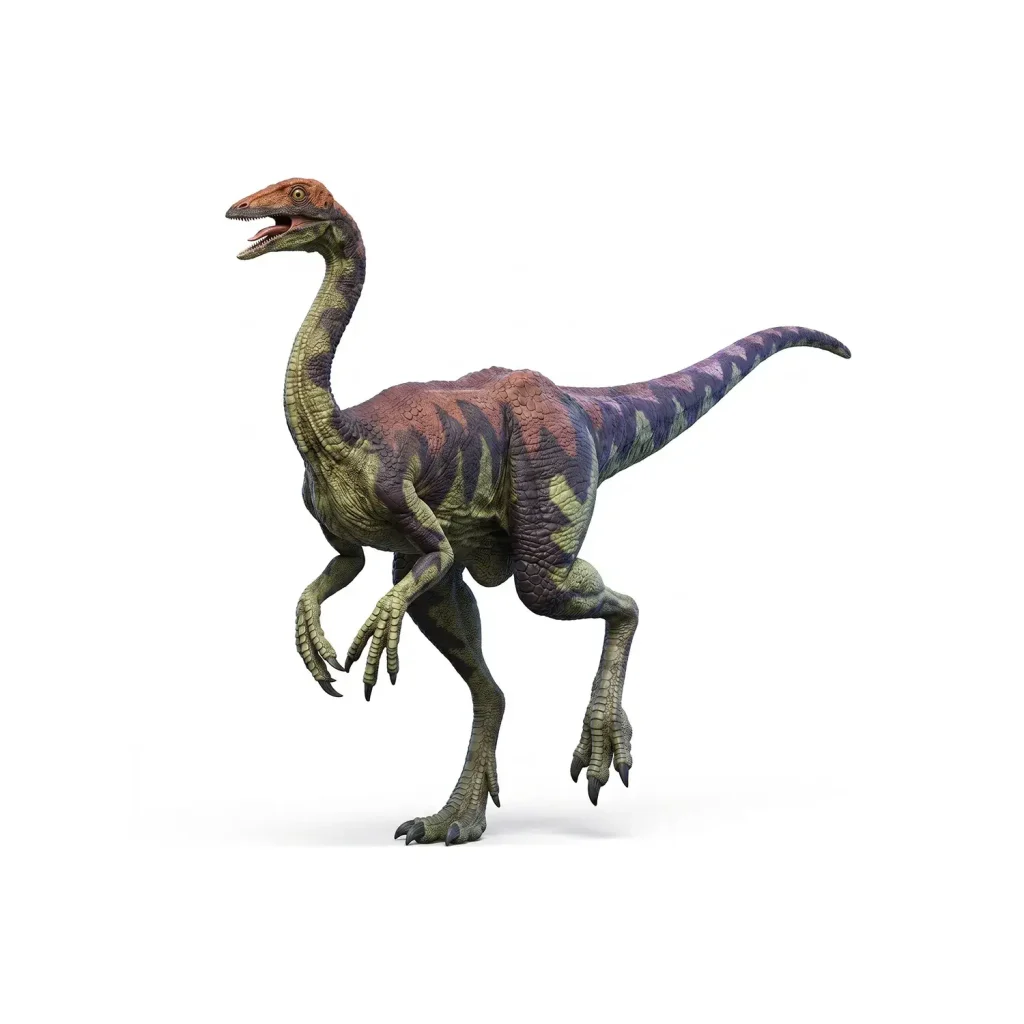
- Archaeornithomimus
- Classification
- Theropods
- Characteristics
- Omnivorous
- Era
- Cretaceous period
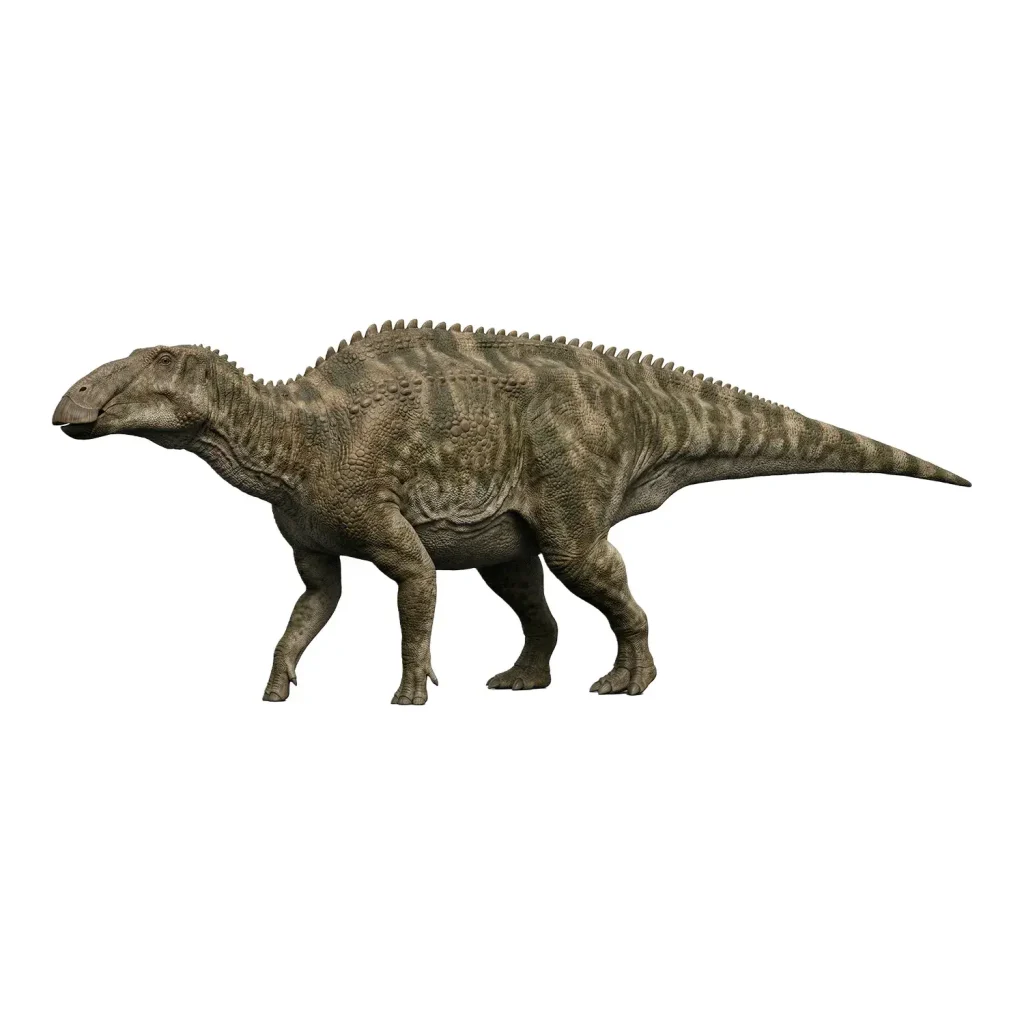
- Kerberosaurus
- Classification
- Ornithopoda
- Characteristics
- Herbivorous
- Era
- Cretaceous period
-
Sponsored Links
-
Sponsored Links









![[Latest Research] What Was the Function of Spinosaurus's Giant "Sail"? Exploring the Mysteries of Thermoregulation and Underwater Locomotion](https://dinosaurmuseum.jp/wp/wp-content/uploads/eyecatch_spinosaurus-sail-function_en-1024x512.webp)
![[Latest Discovery] A Third Type of Skin, Neither Scales Nor Feathers? Meet "Haolong dongi," a New Dinosaur Species Covered Entirely in Spikes](https://dinosaurmuseum.jp/wp/wp-content/uploads/eyecatch_dinosaur-spiky-skin-discovery_en-1024x512.webp)


Description
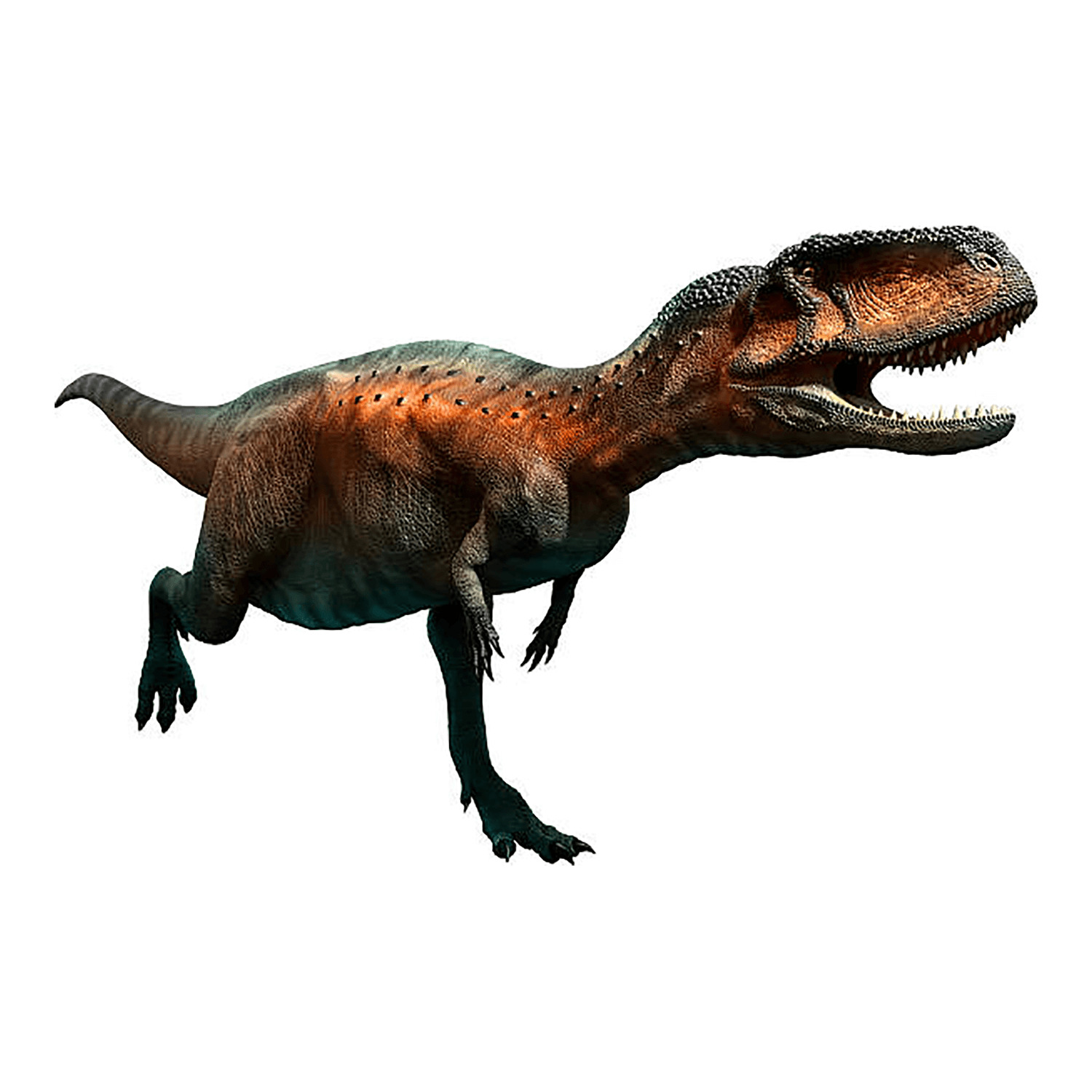
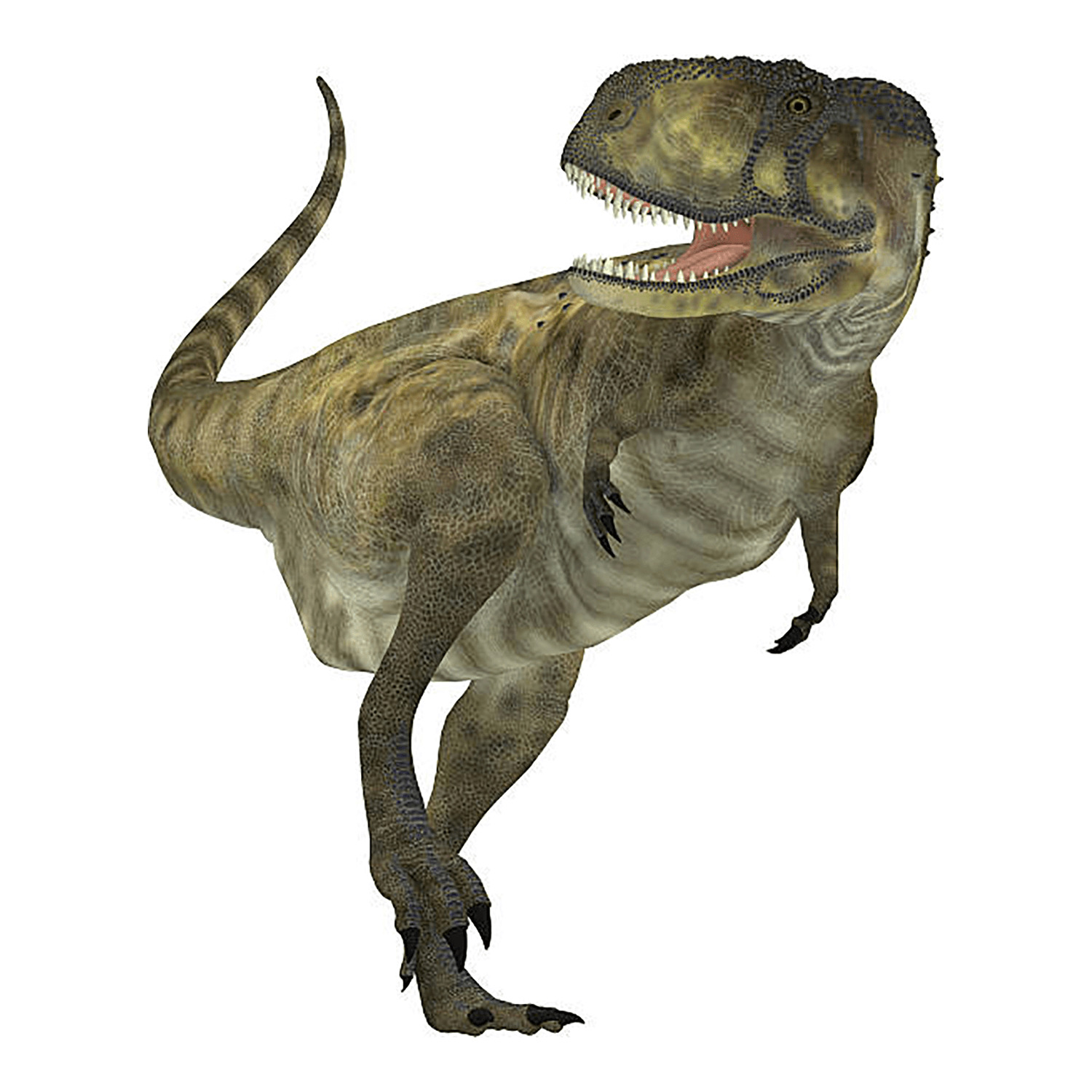
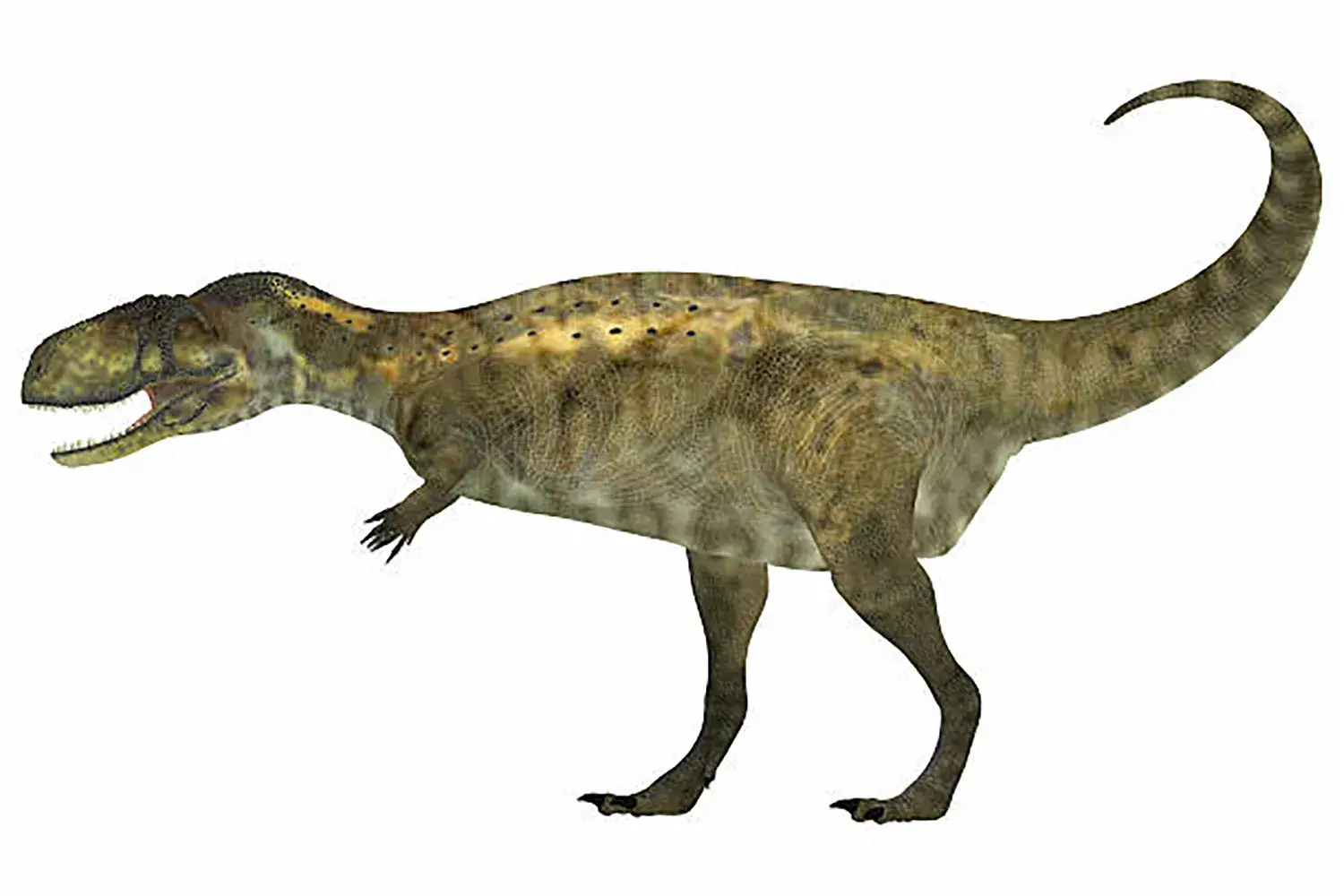
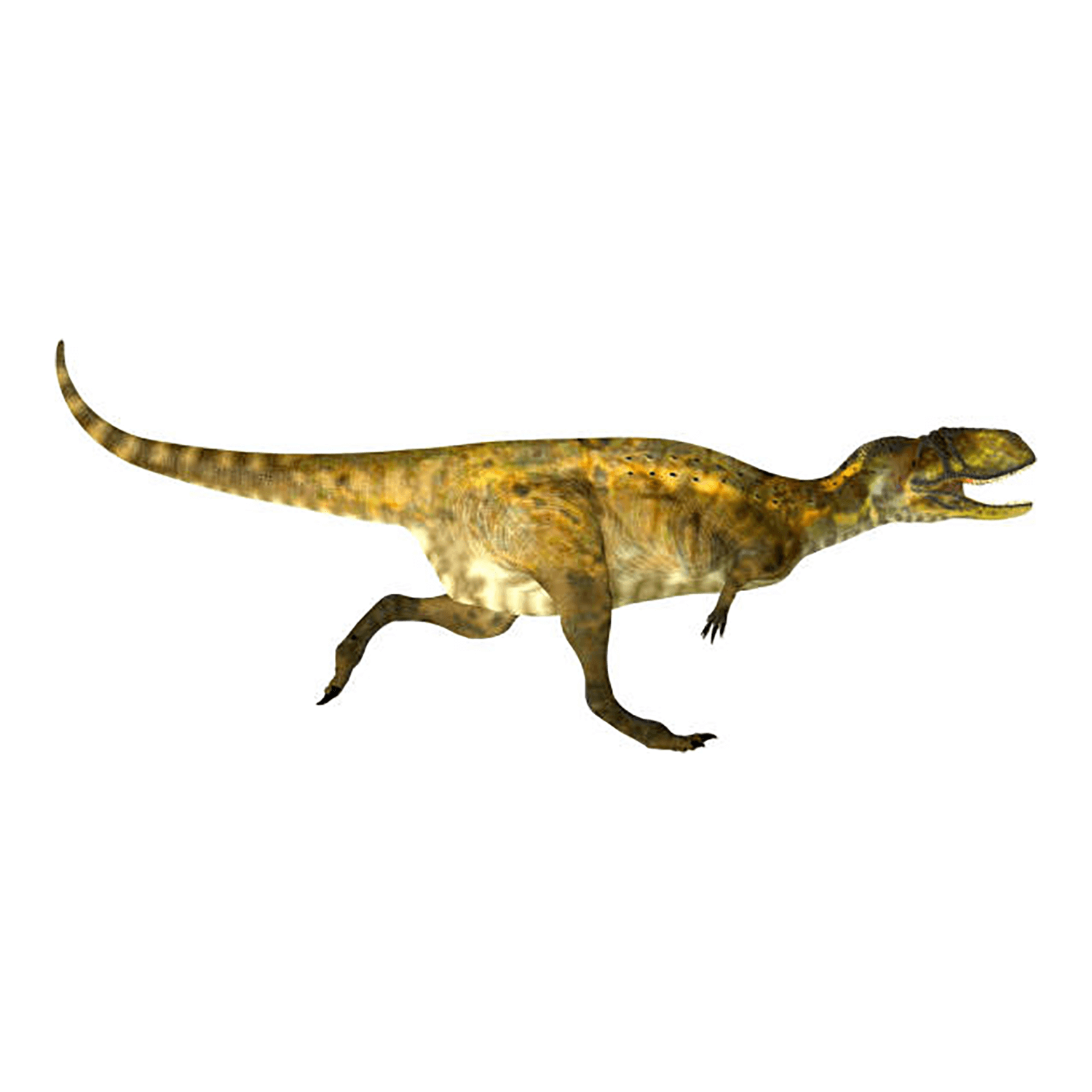
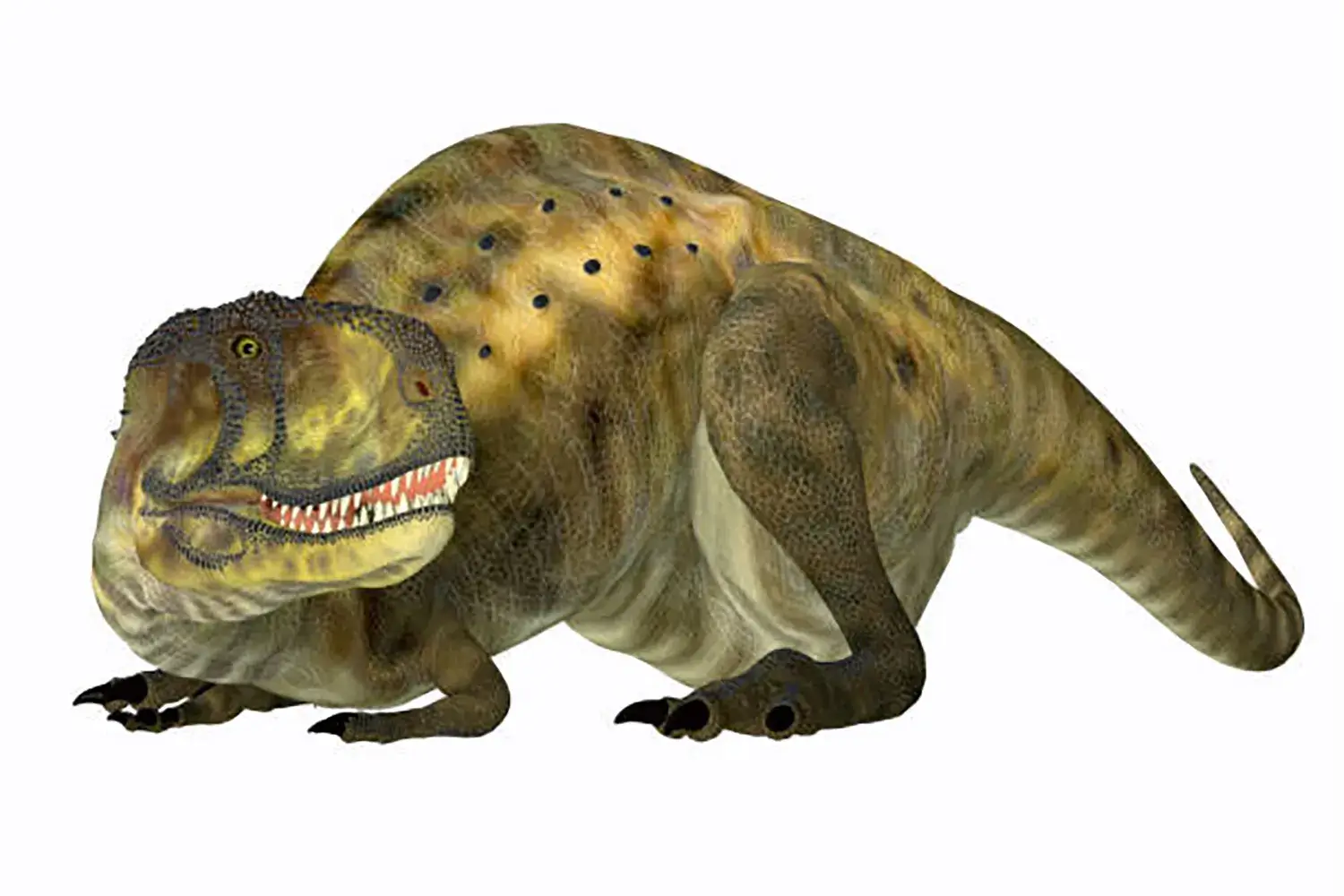
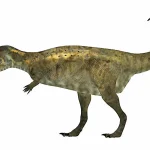
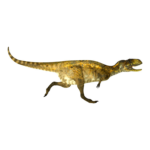
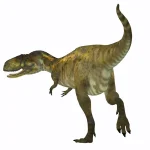
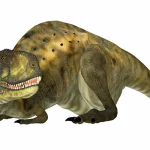
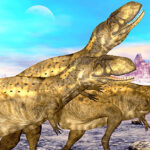
Abelisaurus was a large carnivorous dinosaur that lived on the South American continent during the Late Cretaceous period, about 80 million years ago.
Because South America was separated from North America at the time, carnivorous dinosaurs that underwent their own unique evolution, distinct from that of Tyrannosaurus, flourished there.
Carnivorous dinosaurs that underwent their own unique evolution, distinct from that of Tyrannosaurus, flourished
Its name means “Abel’s lizard,” named after Roberto Abel, the museum director who discovered its fossils in 1983.
Piecing Together Its Appearance from Fragmentary Fossils
Currently, the only Abelisaurus fossil discovered is a skull found in Argentina, leaving its complete picture shrouded in many mysteries.
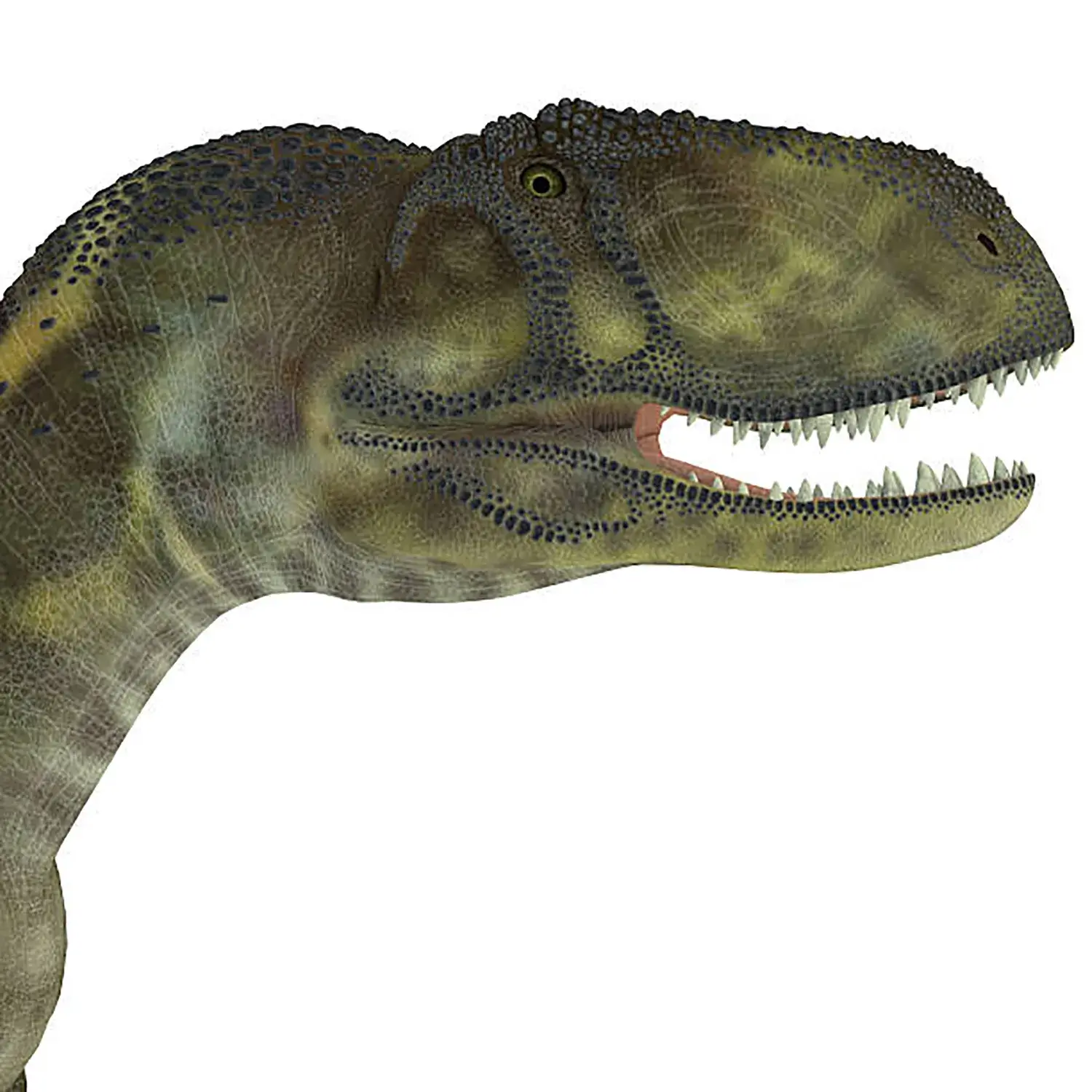
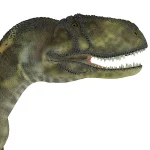
The discovered skull was remarkably massive, measuring 1 meter long and 85 centimeters high.
Inside its mouth was an array of countless small, serrated teeth, and its snout was rounded.
There were ridges above its nose and eyes, and it is thought to have had keratinous horn-like structures when it was alive.
The shape of the skull was short and robust like that of a Tyrannosaurus, and it possessed extremely powerful jaw muscles.
It is said that once it bit into its prey, it could snap its jaws shut with such speed that it allowed no chance for a counterattack.
Possessed extremely powerful jaw muscles
Many researchers believe it is highly likely that Tyrannosaurus and Abelisaurus represent separate lineages that diverged during the evolutionary process.
Its body length is estimated from the skull to be around 6.5 to 9 meters, with a weight of about 3 tons.
Members of the Abelisauridae Family
Fossils of dinosaurs belonging to the family Abelisauridae have been discovered not only in South America but also in Africa and Asia, and include species such as Carnotaurus and Majungasaurus.
The overall appearance of Abelisaurus is inferred from the fossils of these closely related species.
However, experts remain divided on whether the skull discovered in Argentina truly belongs to a fully grown adult Abelisaurus.
New discoveries in the future will hold the key to revealing the full picture of this mysterious dinosaur.
Abelisaurus was given the scientific name “Abelisaurus comahuensis” in 1985 by Argentine paleontologist José Bonaparte and his colleagues.