
Medusaceratops
Name Origin
Horned face of Medusa
Family
Ceratopsidae
Classification
Diapsida, Ornithischia, Marginocephalia
Habitat (Discovery Location)
United States
Period
Late Cretaceous
Length
Approximately 6 meters
Diet
Herbivore (Plant-eater)
You might also like... 

-
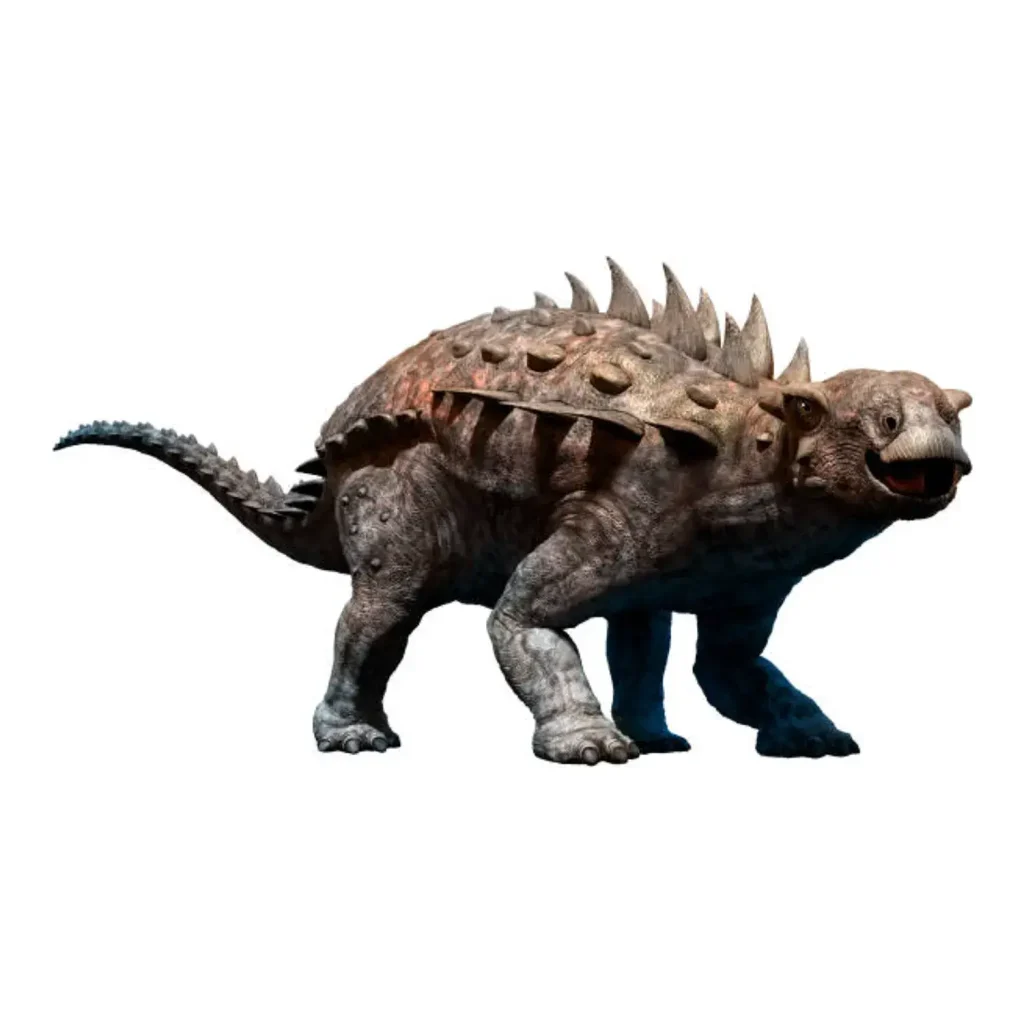
 Polacanthus
- Classification
- Thyreophora
- Characteristics
- Herbivorous
- Era
- Cretaceous period
- Metriacanthosaurus
- Classification
- Theropods
- Characteristics
- Carnivorous
- Era
- Jurassic period
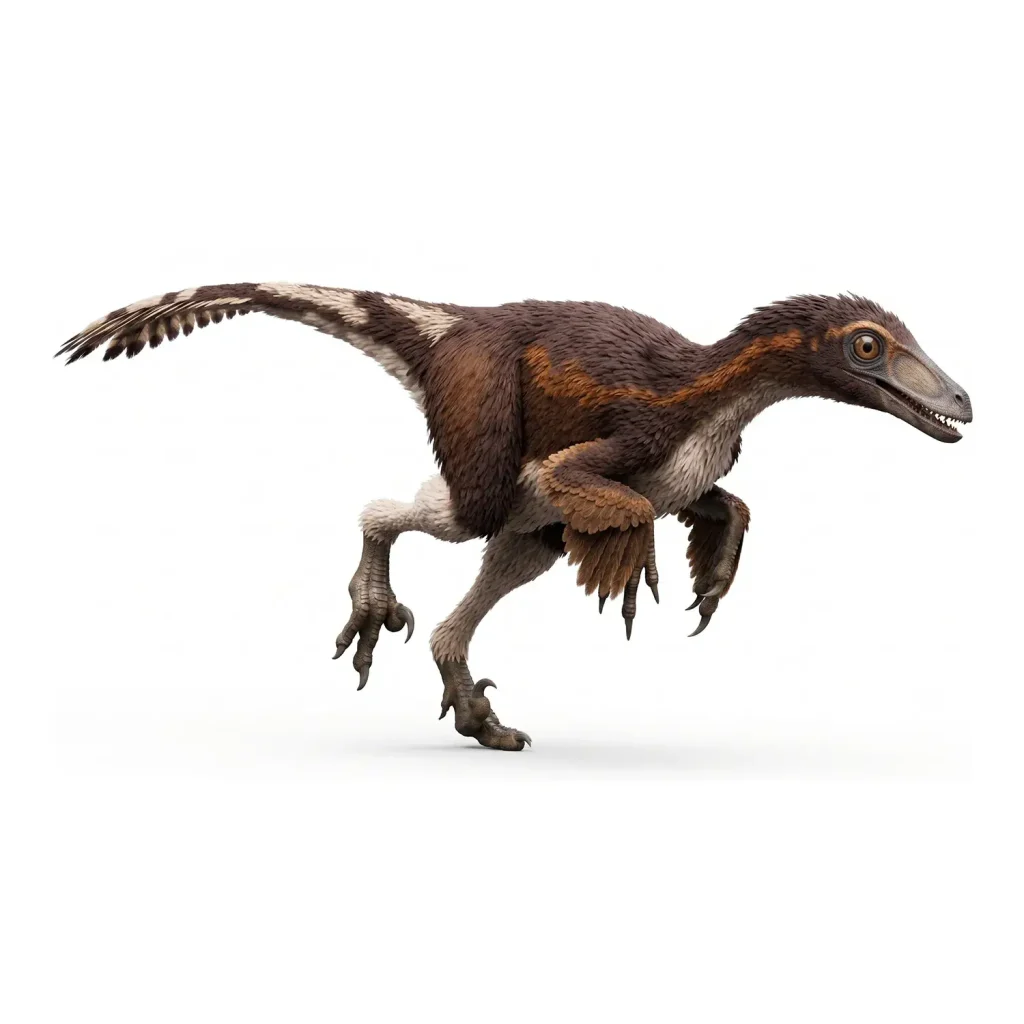
- Saurornithoides
- Classification
- Theropods
- Characteristics
- Carnivorous
- Era
- Cretaceous period
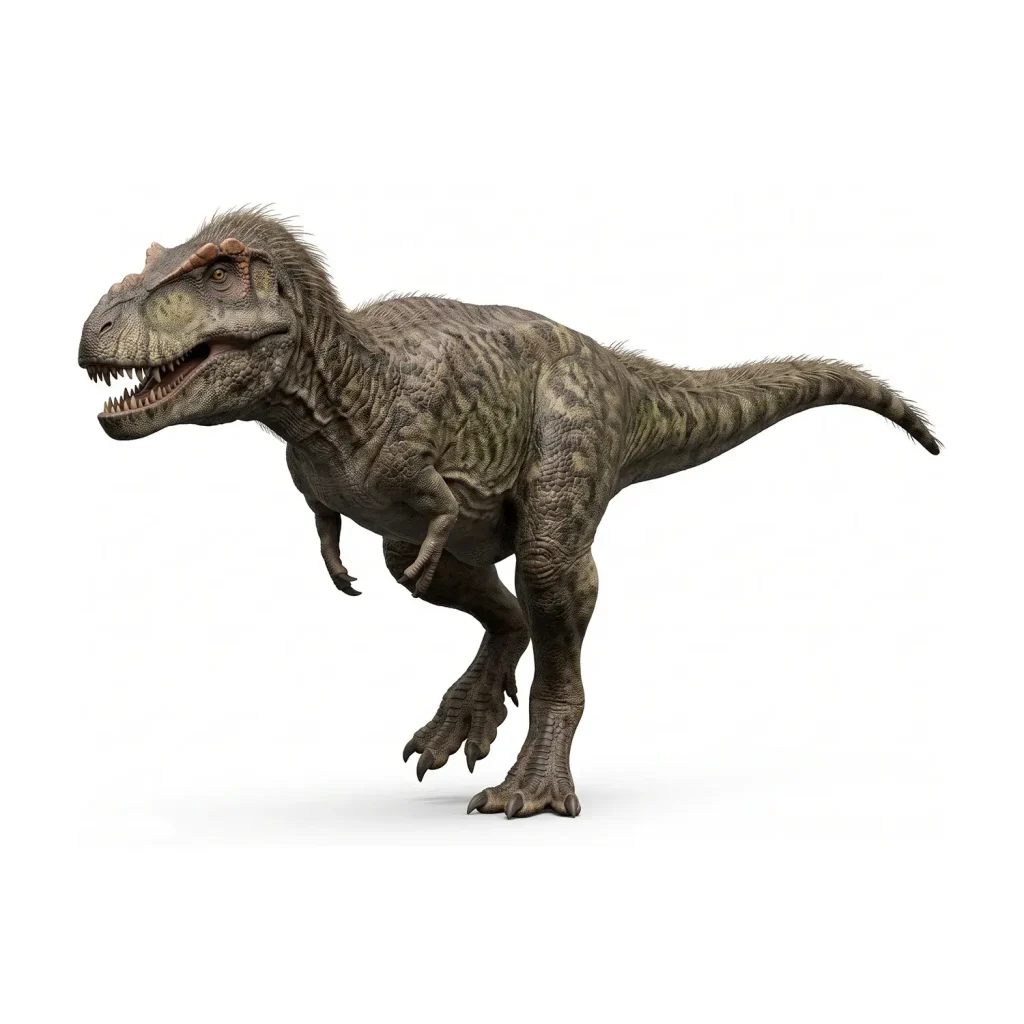
- Gorgosaurus
- Classification
- Theropods
- Characteristics
- Carnivorous
- Era
- Cretaceous period
-
Sponsored Links
-
Sponsored Links










![[Latest Research] What Was the Function of Spinosaurus's Giant "Sail"? Exploring the Mysteries of Thermoregulation and Underwater Locomotion](https://dinosaurmuseum.jp/wp/wp-content/uploads/eyecatch_spinosaurus-sail-function_en-1024x512.webp)
![[Latest Discovery] A Third Type of Skin, Neither Scales Nor Feathers? Meet "Haolong dongi," a New Dinosaur Species Covered Entirely in Spikes](https://dinosaurmuseum.jp/wp/wp-content/uploads/eyecatch_dinosaur-spiky-skin-discovery_en-1024x512.webp)

Description
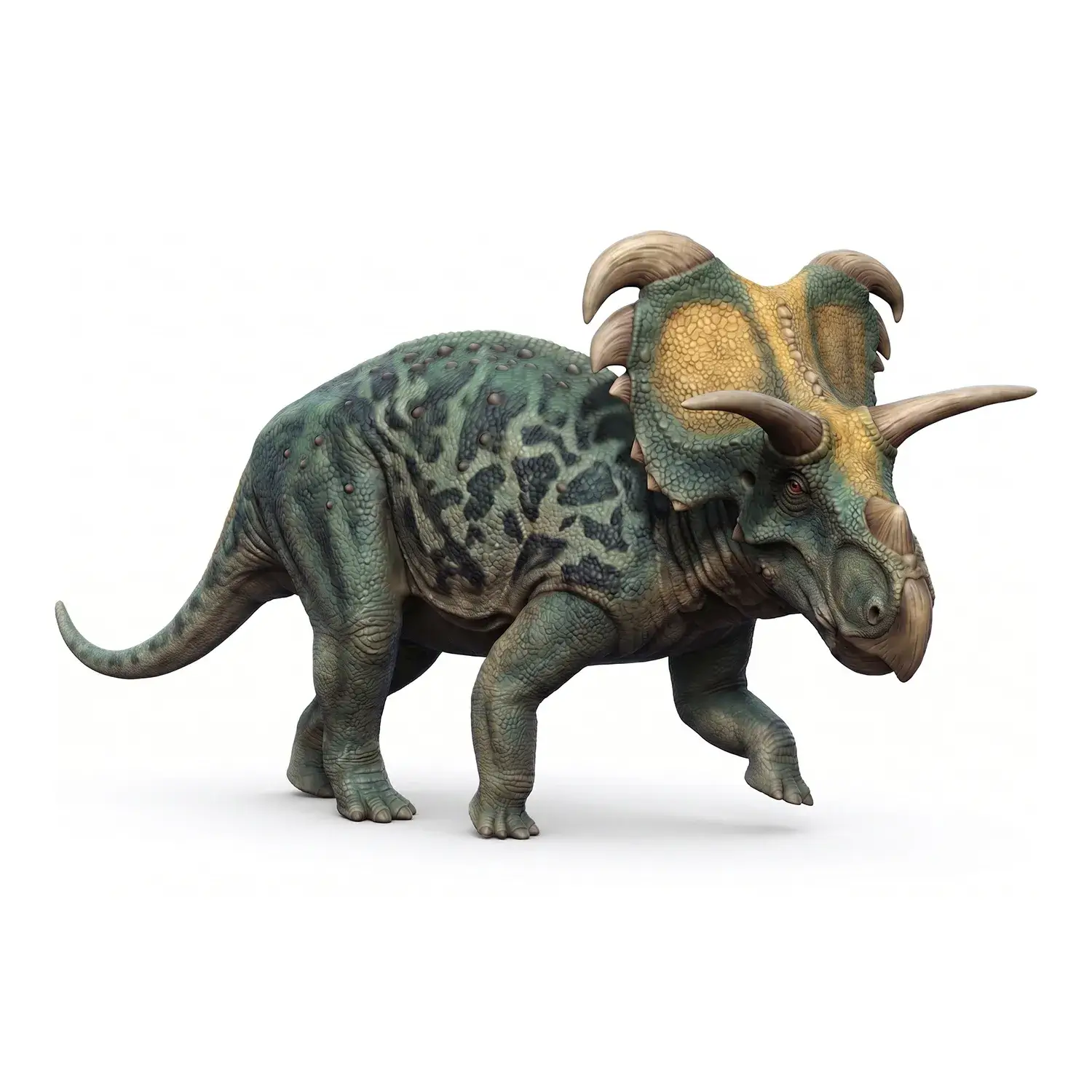
Medusaceratops, which lived on the North American continent (around present-day Montana) during the Late Cretaceous period, is a horned dinosaur with highly unique ornamentation and a complex research history.
Bearing a name derived from two different mythologies—a Greek monster and a Norse trickster god—this dinosaur has a fascinating backstory.
Here, we will break down the characteristics of its flashy frill and the “taxonomic trickery” that puzzled paleontologists for many years.
A Frill Like the “Snake Hair” of the Monster Medusa
The most prominent feature of Medusaceratops’ appearance is the massive, hook-like spikes (hornlets) growing out of the top of its frill.
Origin of the Name “Medusa”
Because these undulating, curved spikes look just like the “snake hair” growing from the head of the monster Medusa in Greek mythology, it was given a genus name meaning “horned face of Medusa.”
The True Role of the Spikes
These flashy spikes were not used for defense (as weapons) against natural predators.
Instead, it is believed they developed for visual display among peers, appealing to mates, or for “individual and species recognition” within a herd.
The “Trickster God Loki” That Baffled Scholars
Due to its peculiar physical traits, Medusaceratops is also a dinosaur that caused years of taxonomic headaches for researchers.
A Taxonomy Shifting Back and Forth
Ceratopsids are broadly divided into the “Chasmosaurus subfamily” (Chasmosaurinae) and the “Centrosaurus subfamily” (Centrosaurinae).
Because this species possessed magnificent brow horns (horns above the eyes), it was initially classified as a chasmosaurine.
However, later detailed analysis revealed that it was actually an “early member of the centrosaurines.”
Confusion With a Close Relative
Furthermore, there was a period when its fossils were confused with those of a very similar horned dinosaur, “Albertaceratops,” which was discovered in the same geological formation.
Established as a New Species in 2010
It wasn’t until 2010 that it was finally recognized as an independent new species through the research of paleontologist Michael Ryan and his team.
The Humor Behind the Specific Name “lokii”
The specific name was given in honor of “Loki,” the trickster god of Norse mythology.
Because its classification was so complex, the name includes the humorous implication that it had “baffled and played tricks on scholars for years,” just like Loki himself.
Medusaceratops: a dinosaur with undulating spikes reminiscent of a Greek monster, that toyed with scholars like a Norse trickster god.
Its unique appearance and complex research history beautifully illustrate the evolutionary diversity of ceratopsians and the profound depths of taxonomy in paleontology.