
Nyasasaurus
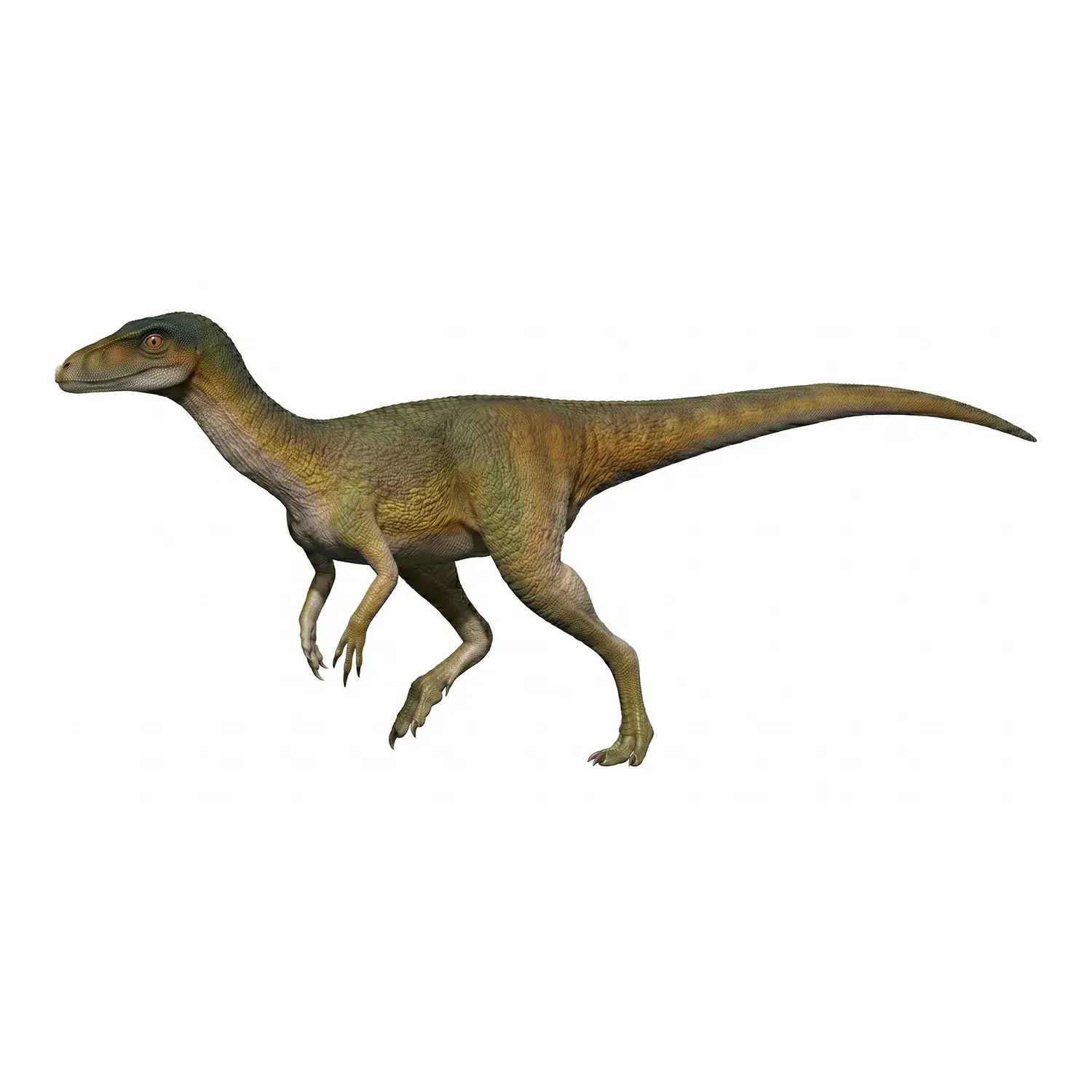
Name Origin
Nyasa lizard
Classification
Reptilia, Ornithischia
Habitat (Discovery Location)
Tanzania
Period
Approximately 243 million years ago
Length
Approximately 2 to 3 meters
Weight
Approximately 20 to 60 kg
Diet
Carnivore (meat-eater), Herbivore (plant-eater), or Omnivore (eats both)
You might also like... 

-
 Medusaceratops
- Classification
- Marginocephalia
- Characteristics
- Herbivorous
- Era
- Cretaceous period
- Maiasaura
- Classification
- Ornithopoda
- Characteristics
- Herbivorous
- Era
- Cretaceous period
- Eotyrannus
- Classification
- Theropods
- Characteristics
- Carnivorous
- Era
- Cretaceous period
- Acrocanthosaurus
- Classification
- Theropods
- Characteristics
- Carnivorous
- Era
- Cretaceous period
-
Sponsored Links
-
Sponsored Links









![[Latest Research] What Was the Function of Spinosaurus's Giant "Sail"? Exploring the Mysteries of Thermoregulation and Underwater Locomotion](https://dinosaurmuseum.jp/wp/wp-content/uploads/eyecatch_spinosaurus-sail-function_en-1024x512.webp)
![[Latest Discovery] A Third Type of Skin, Neither Scales Nor Feathers? Meet "Haolong dongi," a New Dinosaur Species Covered Entirely in Spikes](https://dinosaurmuseum.jp/wp/wp-content/uploads/eyecatch_dinosaur-spiky-skin-discovery_en-1024x512.webp)



Description
When you think of dinosaurs, you might imagine massive Late Cretaceous creatures like Tyrannosaurus.
However, at the “dawn of history,” long before they achieved such magnificent evolution, there were tiny, mysterious pioneers.
Today, “Nyasasaurus” is drawing intense attention from paleontologists worldwide who are searching for the origins of dinosaurs.
We will provide an in-depth look at this incredibly ancient creature—which holds the potential to completely rewrite established theories of dinosaur origins—exploring its discovery, its characteristics, and the massive impact it has had on our understanding of evolutionary history.
The History of a Discovery That Broke Over 90 Years of Silence
The fossils of Nyasasaurus were actually excavated over 90 years ago, back in the 1930s.
A Long Slumber in a Storage Room
They were discovered in the Manda Beds of Tanzania. However, because the recovered fossils were limited to just a few specific parts, such as an arm bone (humerus) and some vertebrae, detailed classification was difficult, and they lay quietly in a museum storage room for many years.
Re-evaluation in 2012-2013
A major turning point arrived when the old fossils were re-evaluated using advanced scientific technology.
As a result of precise analysis, it was suggested that it was highly likely not just an ancient reptile, but rather the “oldest known dinosaur, or a very close ancestor of dinosaurs (a dinosauriform).” It was then officially named and described.
Appearance and Ecology: Sprinting Across the Arid Lands of Pangaea
Its estimated total length was a small 2 to 3 meters (6.6 to 9.8 feet), but this tiny body was equipped with the crucial basic anatomical structures of a dinosaur.
Bipedalism and a Long Tail
Based on skeletal analysis, it is believed to have been a bipedal animal that moved with agility.
It also had a very long tail to help balance its body when leaning forward to walk or run.
Adapting to a Harsh, Arid Environment
At the time, the Earth consisted of a single supercontinent, “Pangaea,” and its interior had a harsh, extremely dry climate.
Nyasasaurus adapted to this severe environment and is speculated to have had a flexible diet—whether carnivorous (eating small animals and insects), herbivorous (eating plants), or omnivorous (eating both).
The “Discovery of the Century” That Pushed Dinosaur History Back by 10 Million Years
The biggest shock that Nyasasaurus delivered to the scientific community was the “time period it lived in” and the “location where it was found.”
Overturning Established Theories by Pushing the Timeline Back “10 Million Years”
Until then, the established theory was that “the oldest dinosaurs originated in South America during the Late Triassic” (such as Eoraptor and Herrerasaurus).
However, Nyasasaurus lived during the Middle Triassic, approximately 243 million years ago, making it about 10 million years older than previous records.
Doubts About the “South American Origin Theory”
Furthermore, the fact that it was discovered in Africa rather than South America cast significant doubt on the existing “South American origin theory.”
Nyasasaurus is a true “missing link” that suggests the entire evolutionary history regarding the origin and dispersal routes of dinosaurs needs to be fundamentally reconstructed.
Dinosaur Traits Etched in Bone and a Shifting Classification
Although Nyasasaurus is often classified strictly not as a “dinosaur” itself but as a “dinosauriform”—their closest relative—its bones clearly bear the distinct characteristics of dinosaurs.
Traces of Rapid Growth
Bone tissue analysis has confirmed a rapid growth pattern characteristic of dinosaurs, similar to that of modern birds and mammals.
A Distinctive Crest
The humerus features a “deltopectoral crest” for strong muscle attachment, a characteristic shared with dinosaurs.
In recent years, there has been a movement to re-evaluate the entire classification system of dinosaurs. Along with this, debates have arisen among experts suggesting that Nyasasaurus might not just be a simple dinosauriform, but could actually be included among the “earliest ornithischians.”
Whether as the oldest ancestor of dinosaurs or the very first true dinosaur, Nyasasaurus plays an extremely crucial role in evolutionary history.
Currently, only a limited number of fossilized body parts have been found. However, if further excavations uncover a skull or other elements in the future, the mystery of dinosaur origins will undoubtedly become even clearer.