
Sauropelta
Name Origin
Lizard Shield
Family
Nodosauridae
Classification
Diapsida, Ornithischia, Thyreophora
Habitat (Discovery Location)
United States
Period
Approximately 125–99 million years ago (Early Cretaceous)
Length
Approximately 5–7 meters
Weight
Approximately 1.5 tons
Diet
Herbivore
You might also like... 

-
 Centrosaurus
- Classification
- Marginocephalia
- Characteristics
- Herbivorous
- Era
- Cretaceous period
- Prosaurolophus
- Classification
- Ornithopoda
- Characteristics
- Herbivorous
- Era
- Cretaceous period
- Eocursor
- Classification
- Ornithopoda
- Characteristics
- Herbivorous
- Era
- Triassic period
-
 Tazoudasaurus
- Classification
- Sauropods
- Characteristics
- Herbivorous
- Era
- Jurassic period
-
Sponsored Links
-
Sponsored Links









![[Latest Research] What Was the Function of Spinosaurus's Giant "Sail"? Exploring the Mysteries of Thermoregulation and Underwater Locomotion](https://dinosaurmuseum.jp/wp/wp-content/uploads/eyecatch_spinosaurus-sail-function_en-1024x512.webp)
![[Latest Discovery] A Third Type of Skin, Neither Scales Nor Feathers? Meet "Haolong dongi," a New Dinosaur Species Covered Entirely in Spikes](https://dinosaurmuseum.jp/wp/wp-content/uploads/eyecatch_dinosaur-spiky-skin-discovery_en-1024x512.webp)




Description
During the Early Cretaceous period, roughly the midpoint of the dinosaur era (about 100 million years ago).
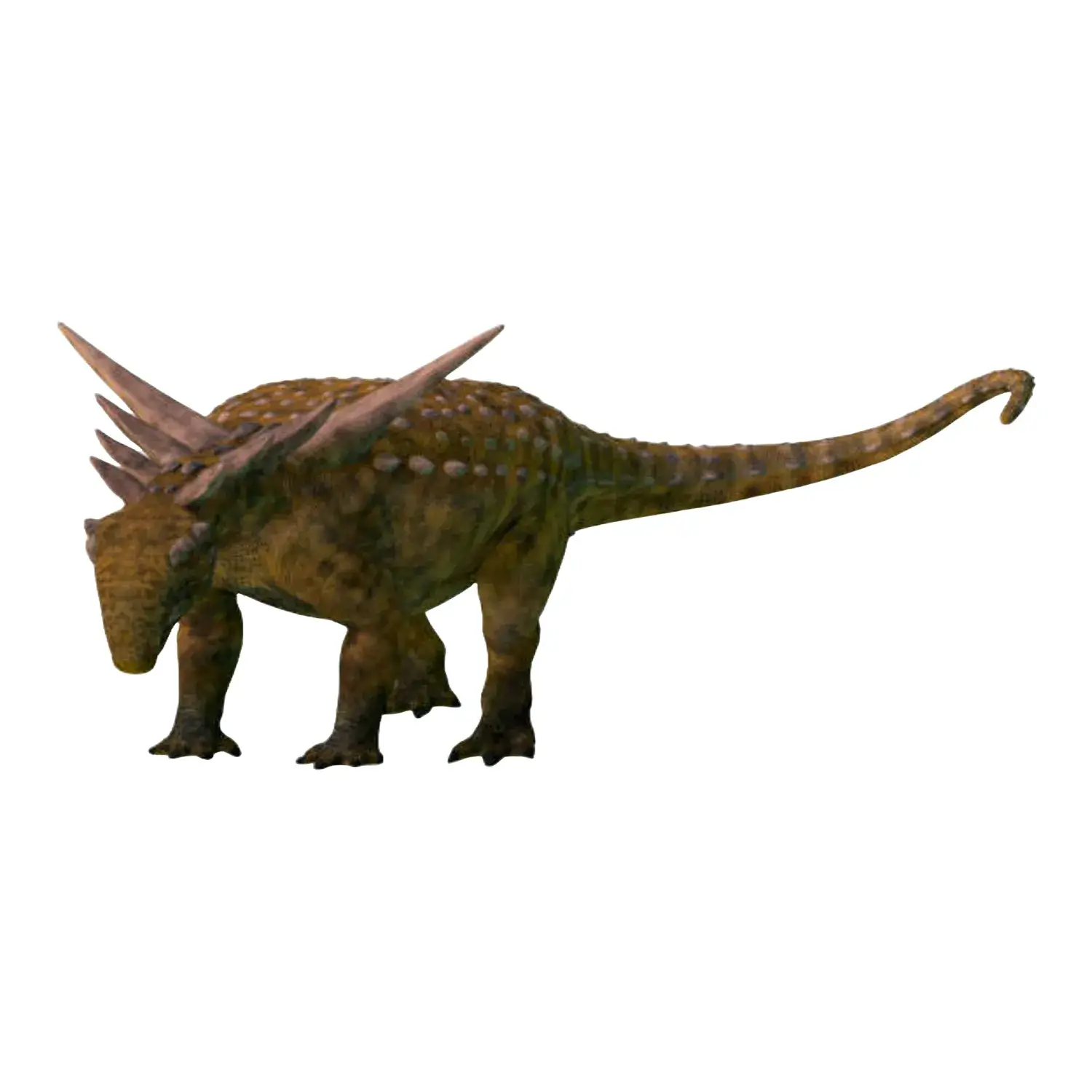
In what is now the North American continent, specifically in Montana and Wyoming, lived a dinosaur resembling a “walking heavy tank,” armed head-to-toe with spikes and armor.
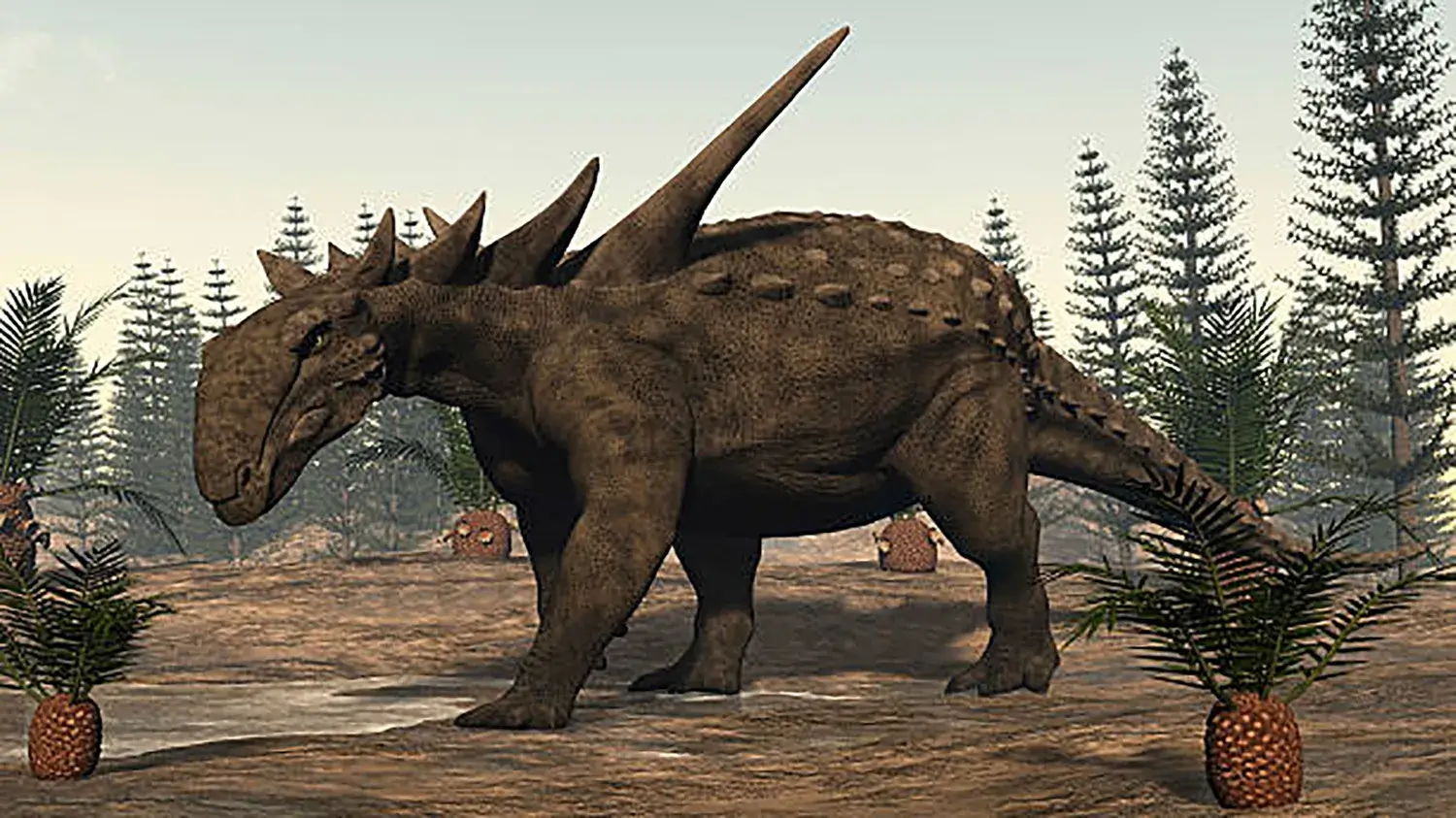
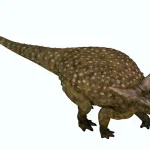
This plant-eating dinosaur, called “Sauropelta,” measured about 5 to 7 meters (16.4 to 23 feet) in length.
Belonging to the “nodosaur family”—a group of armored dinosaurs without tail clubs—they boasted an impenetrable defense true to their namesake.
A Deadly “Spiked Body” and the Origin of Its Name
Its Scientific Name Means “Lizard Shield”
The scientific name Sauropelta translates to “lizard shield.”
The origin of this name comes from the structure located above its hips.
In this area, the pelvis and the bony knobs on the surface were completely fused together, forming a sturdy, monolithic “shield.”
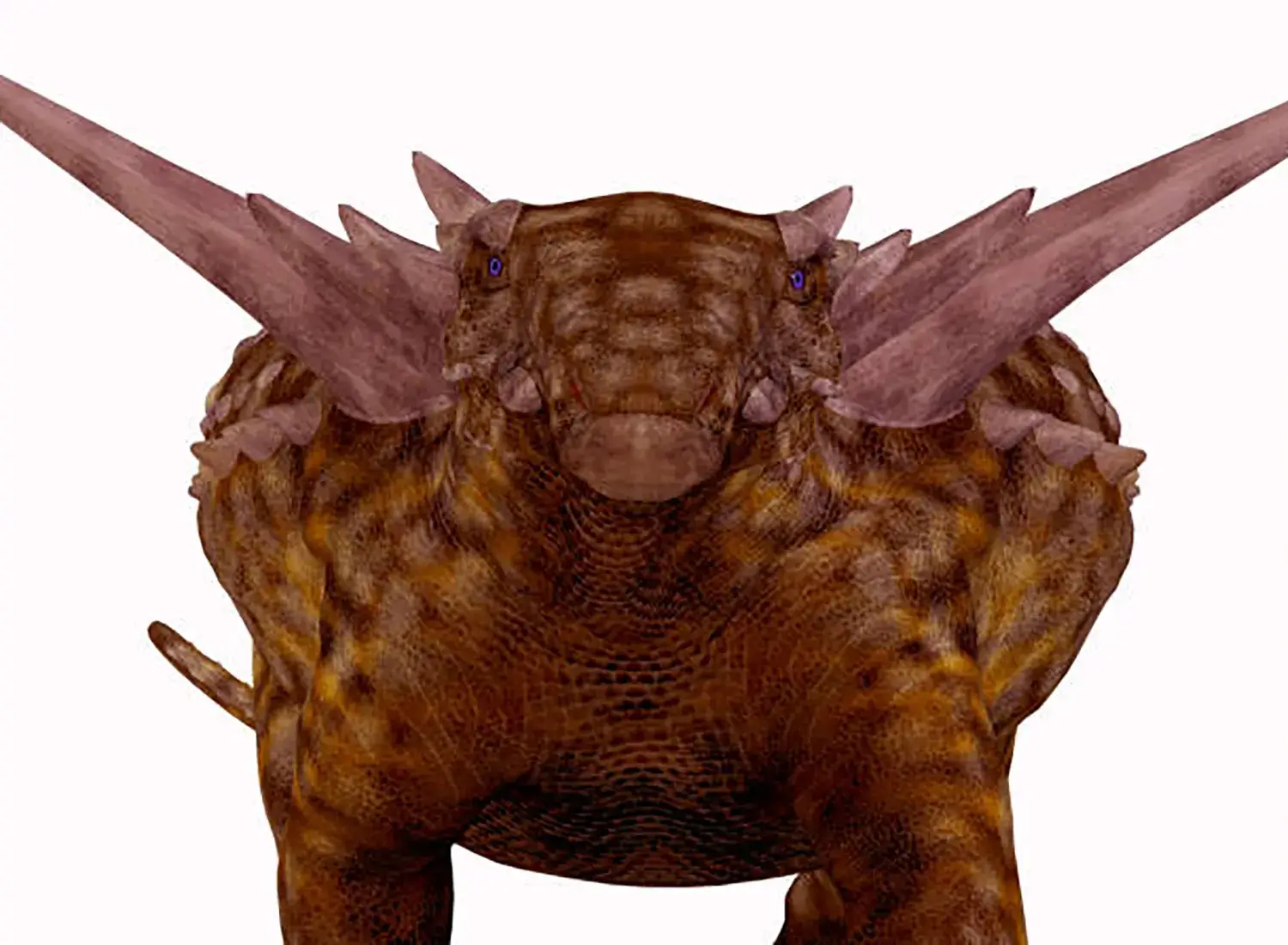
Intimidation via Giant Shoulder Spikes
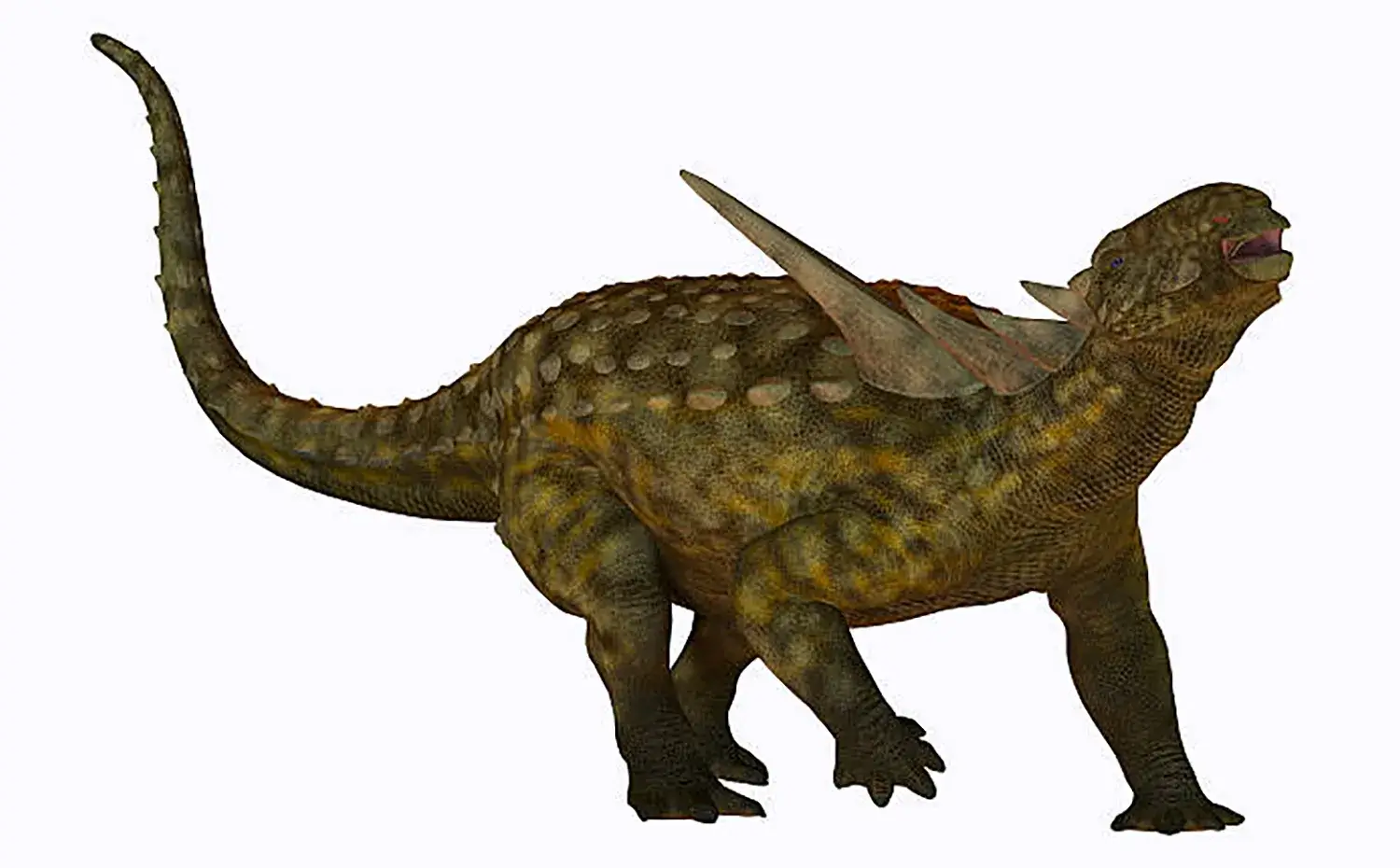
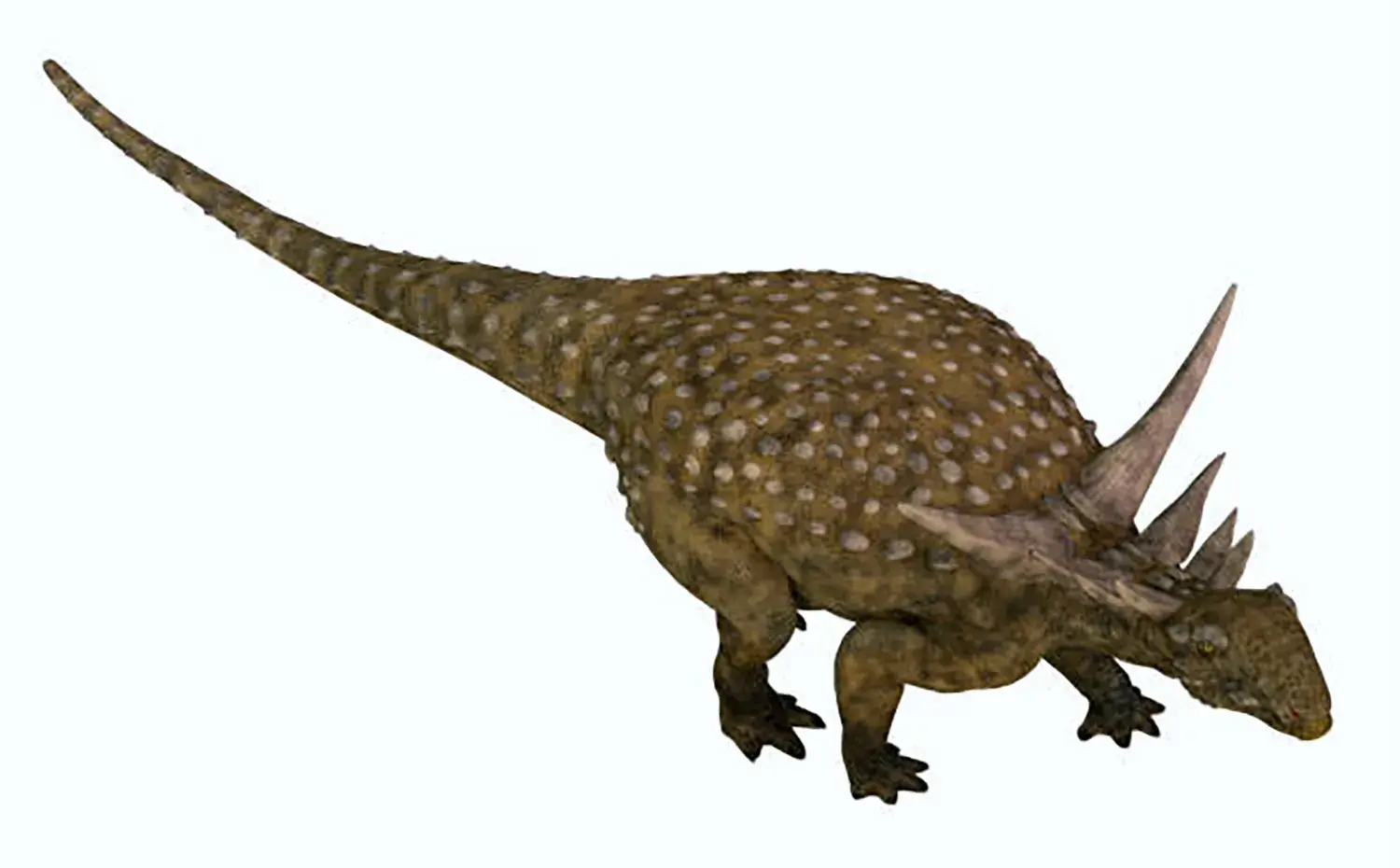
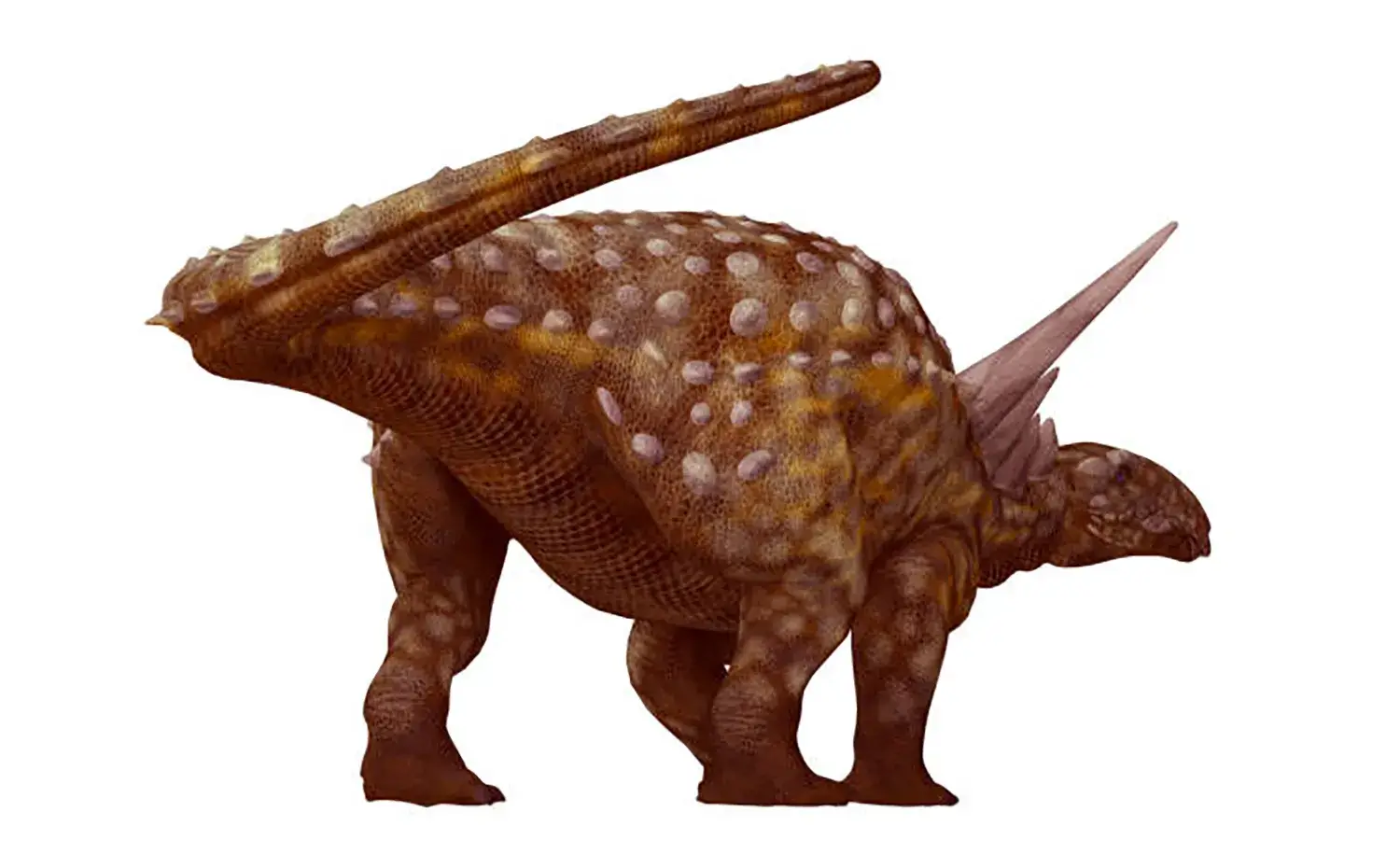
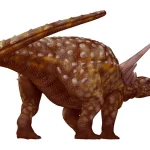
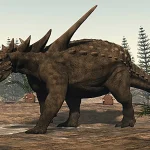
Its most defining feature was the array of hard bony spikes and plates lined densely from its back down to its tail.
Hard bony spikes and plates densely lined from its back to its tail
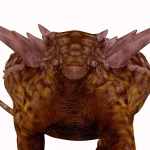
The most eye-catching among these were the massive spikes protecting its neck and shoulders.
The horns positioned above the shoulders were particularly large, serving as a powerful deterrent against predators.
Massive spikes protecting the shoulders
Battles with Natural Enemies Like Deinonychus
At the time, North America was teeming with ferocious carnivorous dinosaurs, such as the smaller, movie-famous Deinonychus and the massive Acrocanthosaurus.
“Distance” Created by an Impenetrable Defense
Sauropelta’s armor was highly effective, especially against the smaller Deinonychus.
In fact, Sauropelta remains are almost never found alongside Deinonychus fossils.
This is thought to be evidence that its ironclad defense kept natural enemies at bay and forced them to give up on attacking.
(However, they weren’t completely unscathed; fossils showing signs of attack have been found.)
Counterattack Tactics
When attacked, it is believed they would plant their short legs firmly and curl up like an armadillo, or ram into predators like a rhinoceros.
Furthermore, their tail tips were equipped with bony plates, which they likely swung side to side to use as a weapon.
A Picky Eater? What Its Beak Tells Us About Its Diet
A Barrel-Like Body and Digestive Organs
Its build was robust like a rhinoceros, and its heavily swollen torso housed a massive digestive tract.
Its build was robust like a rhinoceros, with a heavily swollen torso.
This structure was essential for digesting tough, fibrous plants.
Selective Feeding Habits
Its snout ended in a narrow beak, with “leaf-shaped” teeth lined up in the back of its mouth.
A narrow mouth suggests that instead of mowing down plants indiscriminately, it was a “picky eater” (gourmet) that selectively picked out specific, highly nutritious leaves.
They likely plodded along, dexterously plucking and eating the tastiest parts of the vegetation.
The “Miraculous Fossil” Discovered by a Legendary Hunter
The fossils of armored dinosaurs rarely survive in good condition because their bones (osteoderms) easily scatter after death.
However, Sauropelta is an exception.
Discovery by Barnum Brown
The first fossil was discovered in the 1930s by Barnum Brown, the legendary fossil hunter known for discovering Tyrannosaurus.
Since then, fossils such as ones “with back armor preserved exactly in its original arrangement” have been found, allowing for a complete restoration of its entire set of armor.
With its wealth of information, Sauropelta stands as one of the most extensively studied dinosaurs in the nodosaur family, acting as a crucial key to understanding the evolution of armored dinosaurs.