
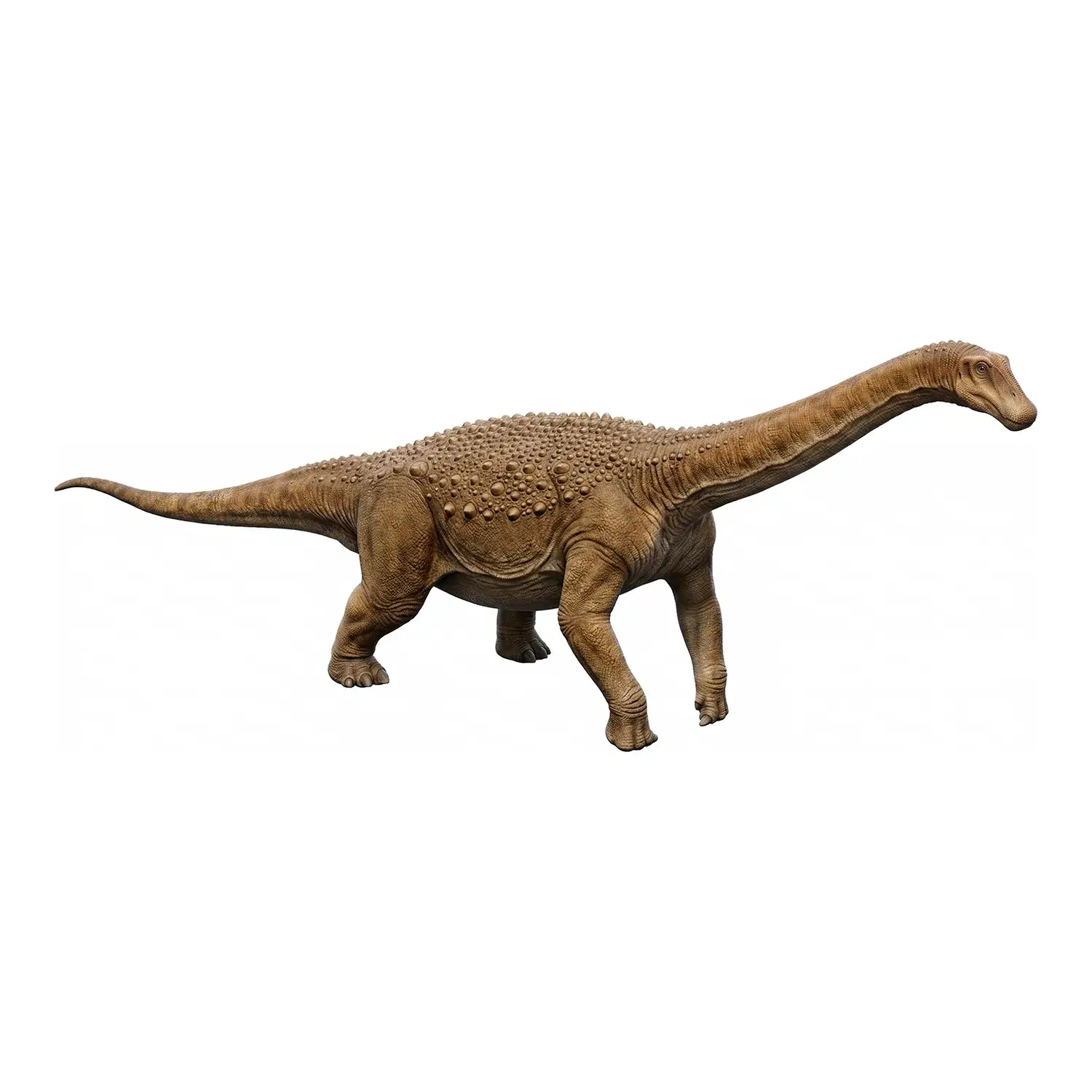
Maxakalisaurus
Name Origin
Maxakali lizard
Classification
Diapsida, Saurischia, Sauropodomorpha
Habitat (Discovery Location)
Brazil
Period
Approximately 135 to 65 million years ago (Late Cretaceous)
Length
Approximately 13 meters
Diet
Herbivore (Plant-eater)
You might also like... 

-
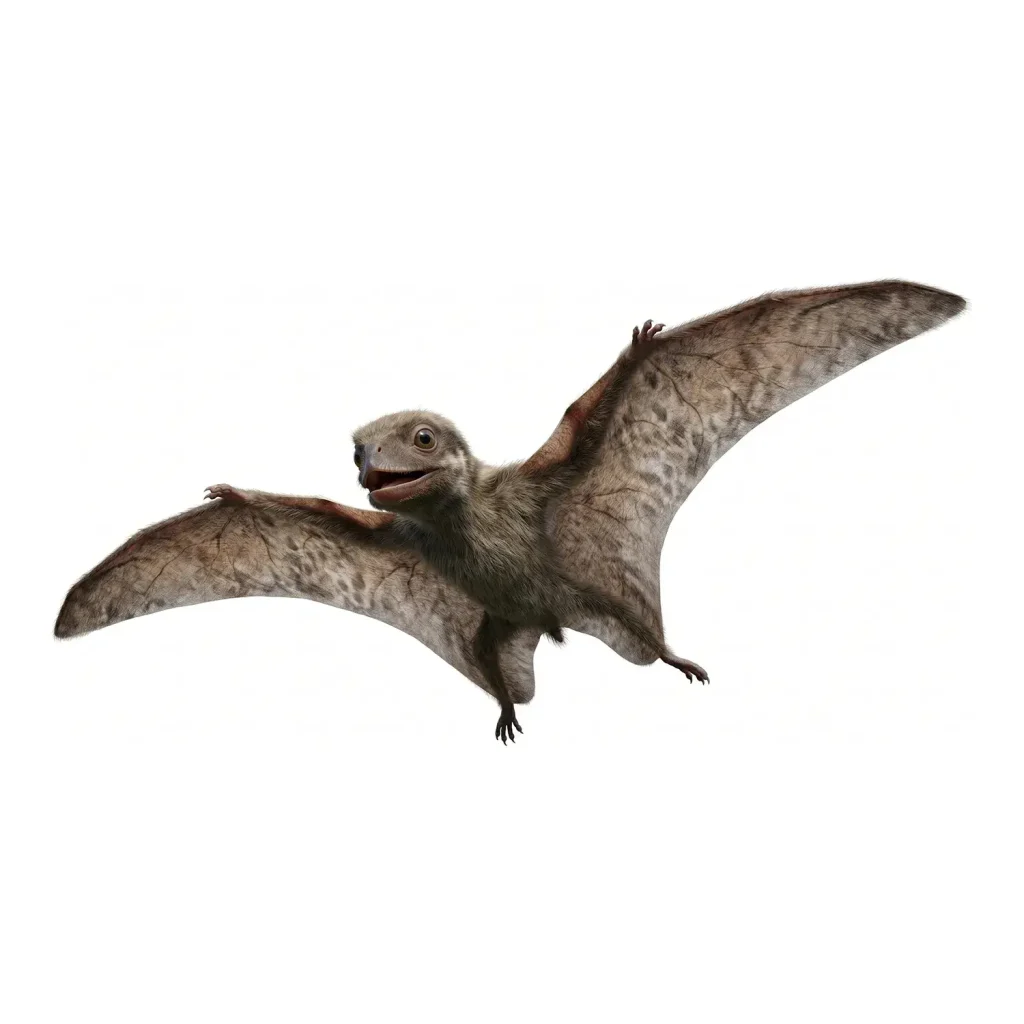
 Anurognathus
- Classification
- Flying reptiles
- Era
- Jurassic period
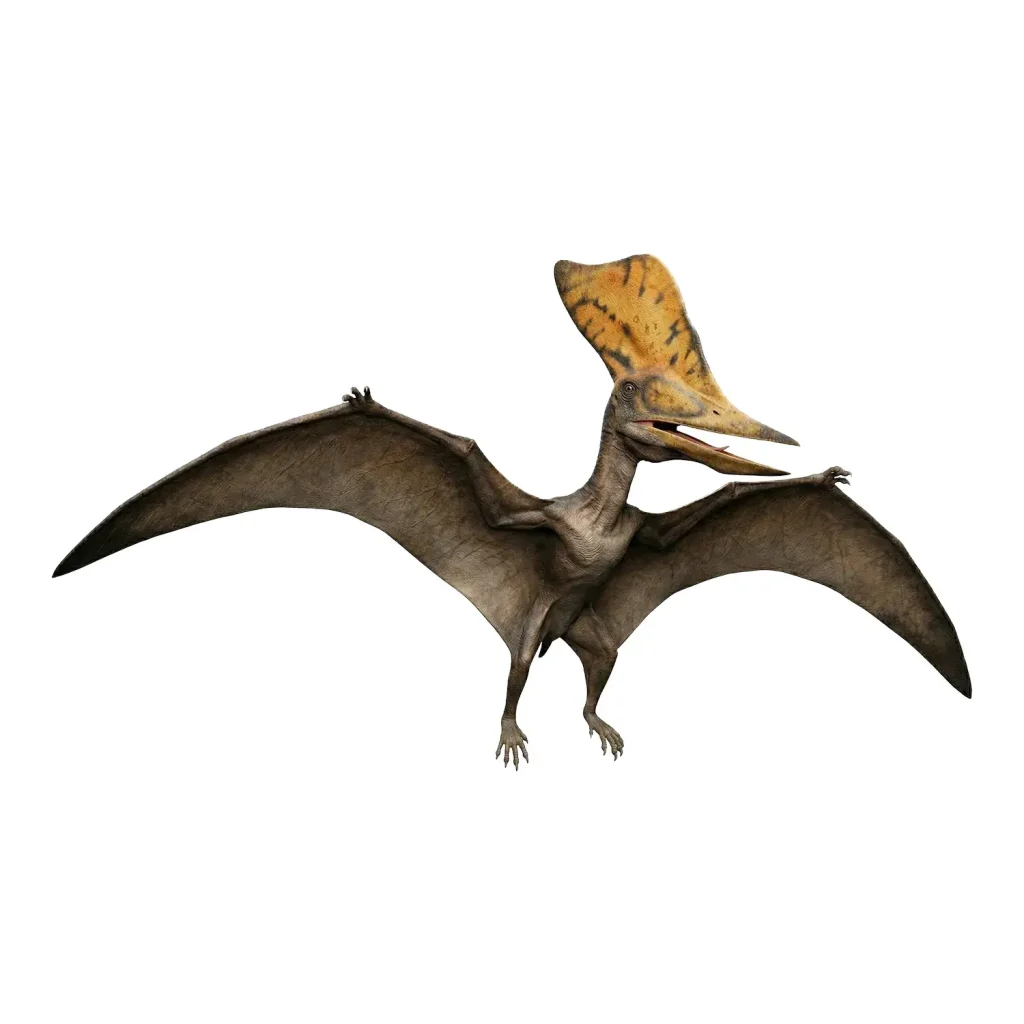
- Geosternbergia
- Classification
- Flying reptiles
- Characteristics
- Carnivorous
- Era
- Cretaceous period
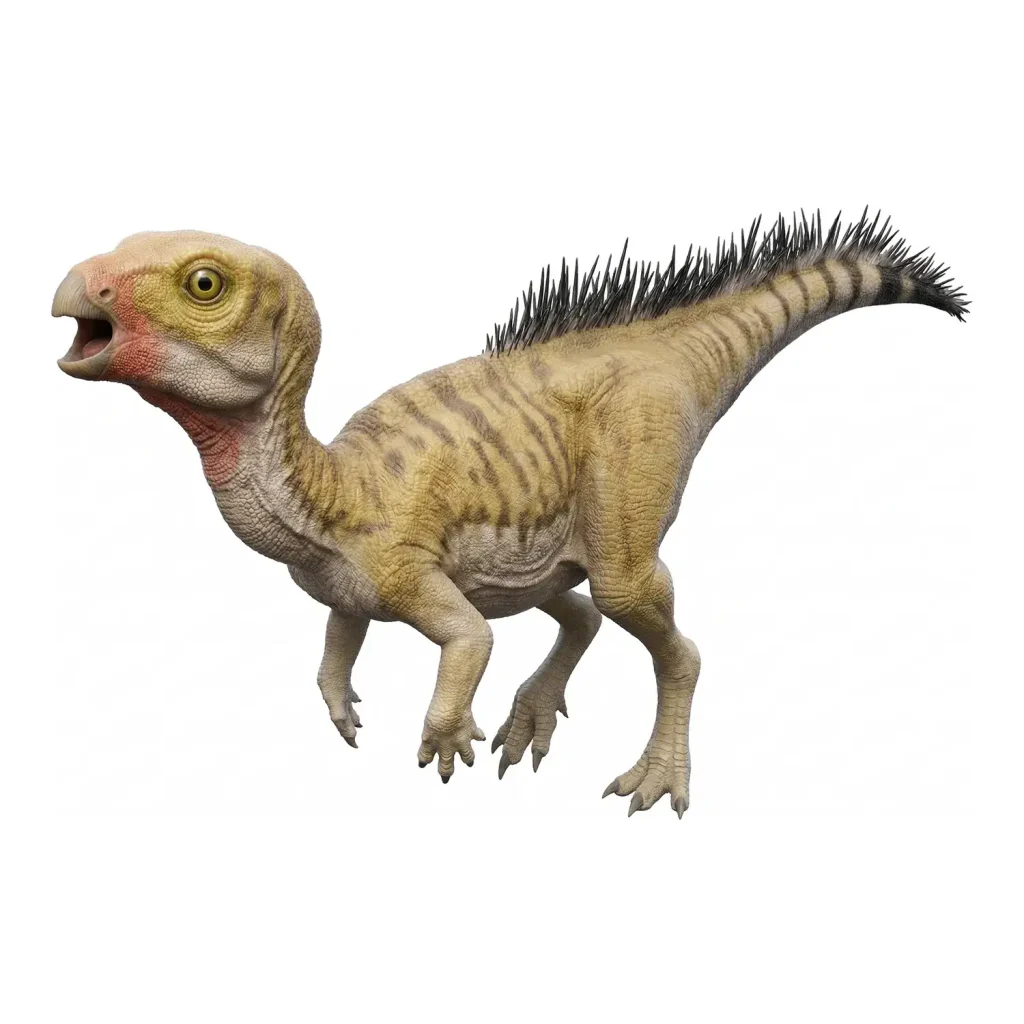
- Trinisaura
- Classification
- Ornithopoda
- Characteristics
- Herbivorous
- Era
- Cretaceous period
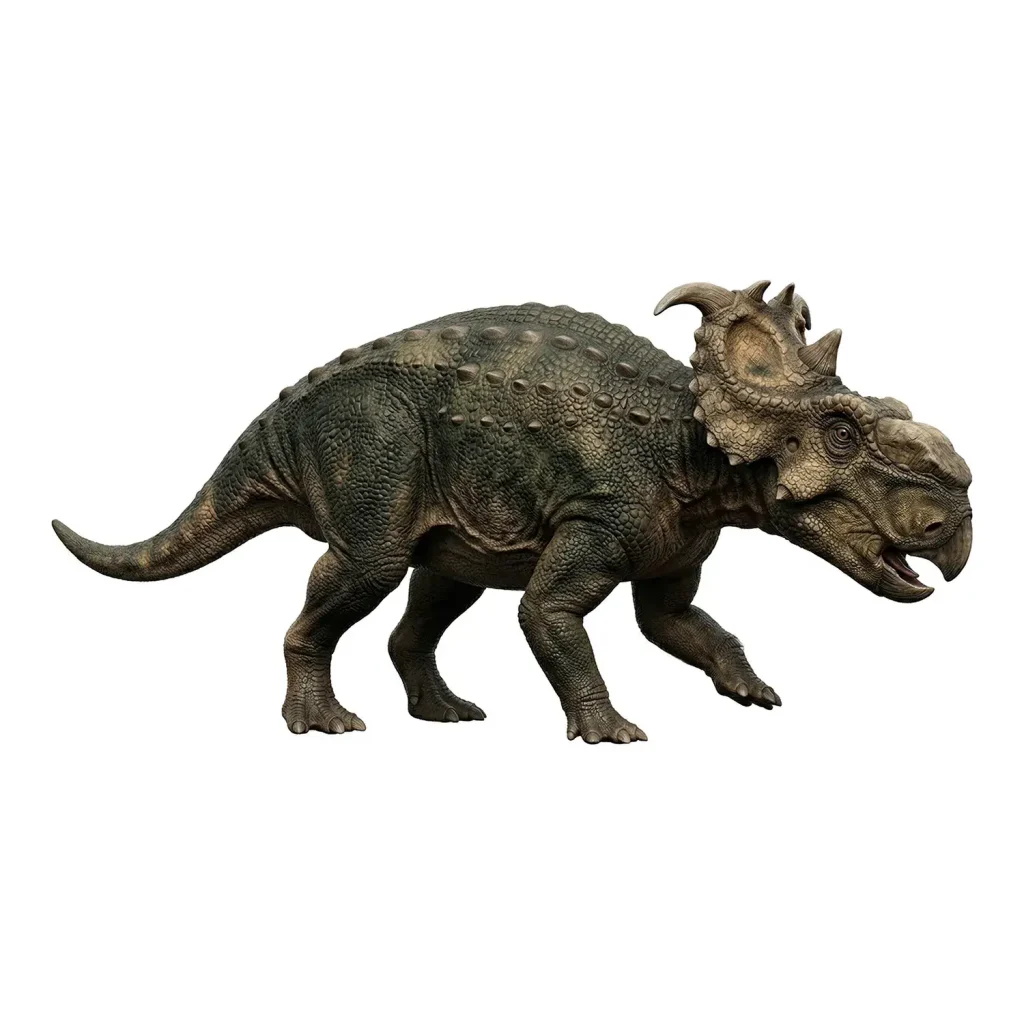
- Pachyrhinosaurus
- Classification
- Marginocephalia
- Characteristics
- Herbivorous
- Era
- Cretaceous period
-
Sponsored Links
-
Sponsored Links









![[Latest Research] What Was the Function of Spinosaurus's Giant "Sail"? Exploring the Mysteries of Thermoregulation and Underwater Locomotion](https://dinosaurmuseum.jp/wp/wp-content/uploads/eyecatch_spinosaurus-sail-function_en-1024x512.webp)
![[Latest Discovery] A Third Type of Skin, Neither Scales Nor Feathers? Meet "Haolong dongi," a New Dinosaur Species Covered Entirely in Spikes](https://dinosaurmuseum.jp/wp/wp-content/uploads/eyecatch_dinosaur-spiky-skin-discovery_en-1024x512.webp)


Description
Discovered in 1995 and officially described as a new genus and species in 2006, Maxakalisaurus is a dinosaur that holds a special place in South American paleontology.
It was a titanosaurian sauropodomorph that lived during the Late Cretaceous period, belonging to the group that produced the largest land animals to ever walk the Earth.
A “Relatively Small” Size for a Sauropodomorph
While many people imagine herbivorous sauropods to be overwhelmingly massive giants, Maxakalisaurus reached a total length of approximately 13 meters (43 feet).
Although it was certainly a large herbivore by modern standards, it is considered to be on the relatively small side within the group of sauropods that pushed the limits of gigantism.
The Greatest Feature! Defensive Armor Made of “Osteoderms”
The most defining characteristic of Maxakalisaurus was the presence of bony armor plates, known as “osteoderms,” embedded in its skin along its back.
Research shows they were closely related to Saltasaurus, a famous armored dinosaur discovered in Argentina.
The bumpy, shell-like armor covering its back is believed to have been a crucial defensive adaptation to protect itself from powerful predators that shared its habitat, such as the carnivorous Pycnonemosaurus.
Fossil “Holes” That Tell the Story of a Harsh Ecosystem
The excavated fossils of Maxakalisaurus featured mysterious “holes” that appeared to have been pierced by something sharp.
These marks are interpreted as bite marks—evidence that the carcass of the Maxakalisaurus was scavenged by carnivorous dinosaurs or ancient crocodile relatives after its death.
These scars on the fossils are a highly valuable discovery, offering a direct glimpse into the brutal, dog-eat-dog ecosystem of the Cretaceous period.