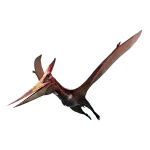
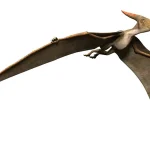
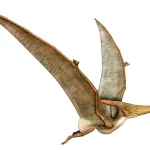
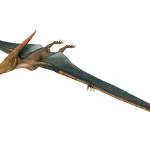
Pteranodon
Name Origin
Winged and Toothless
Family
Pteranodontidae
Classification
Reptilia, Pterosauria
Habitat (Discovery Location)
United States, Japan
Period
82 to 71 million years ago (Late Cretaceous)
Length
Approximately 9m (wingspan)
Weight
Approximately 15 to 25 kg
Diet
Piscivore (Fish-eater)
 Jurassic
Park / World Featured Dinosaur
Appearance in The Lost World: Jurassic Park
They appear only in the film's final scene. It is said that in the early stages of production, they were originally planned to be the final enemies of the movie.
Appearance in Jurassic Park III
It is treated as one of the main attractions of this film, alongside the Spinosaurus. Its high profile is evident, as its silhouette is even featured at the bottom of the movie's logo.
After having its screen time almost entirely cut from The Lost World: Jurassic Park due to script changes, this film marked its long-awaited, full-fledged debut for fans. In the movie, a flock of males inhabits a giant, abandoned "Bird Cage," and it is implied that this species was responsible for the attack on the boat crew at the beginning of the story.
However, its role was that of a very classic monster: snatching one of the protagonists, Eric, and attempting to feed him to their chicks. The film's ending depicts the flock, having escaped the unsecured cage, flying away from Isla Sorna.
It should be noted that the depiction in Jurassic Park III includes cinematic embellishments that differ from actual paleontological consensus.
・Flight Method
While the real Pteranodon is thought to have flown mainly by gliding from heights, in the film, it flies by powerfully flapping its wings like a bird.
・Presence of Teeth
Despite its scientific name meaning "winged and toothless," the film version possesses sharp teeth in its mouth, another characteristic unique to the movie.Appearance in Jurassic World
There are significant differences from their appearance in Jurassic Park III. Compared to the previous film, they are depicted as smaller and, in a more scientifically accurate portrayal, are shown to be toothless. Their beaks are as sharp as a spike, capable of impaling targets. Another key feature is that, unlike the previous film, all the individuals that appear are female, which is why their crests are smaller.
In the film, numerous individuals lived alongside the Dimorphodon inside the "Aviary" dome. However, the Indominus rex caused a breach, allowing many of them to escape and indiscriminately attack the tourists trapped in the park.
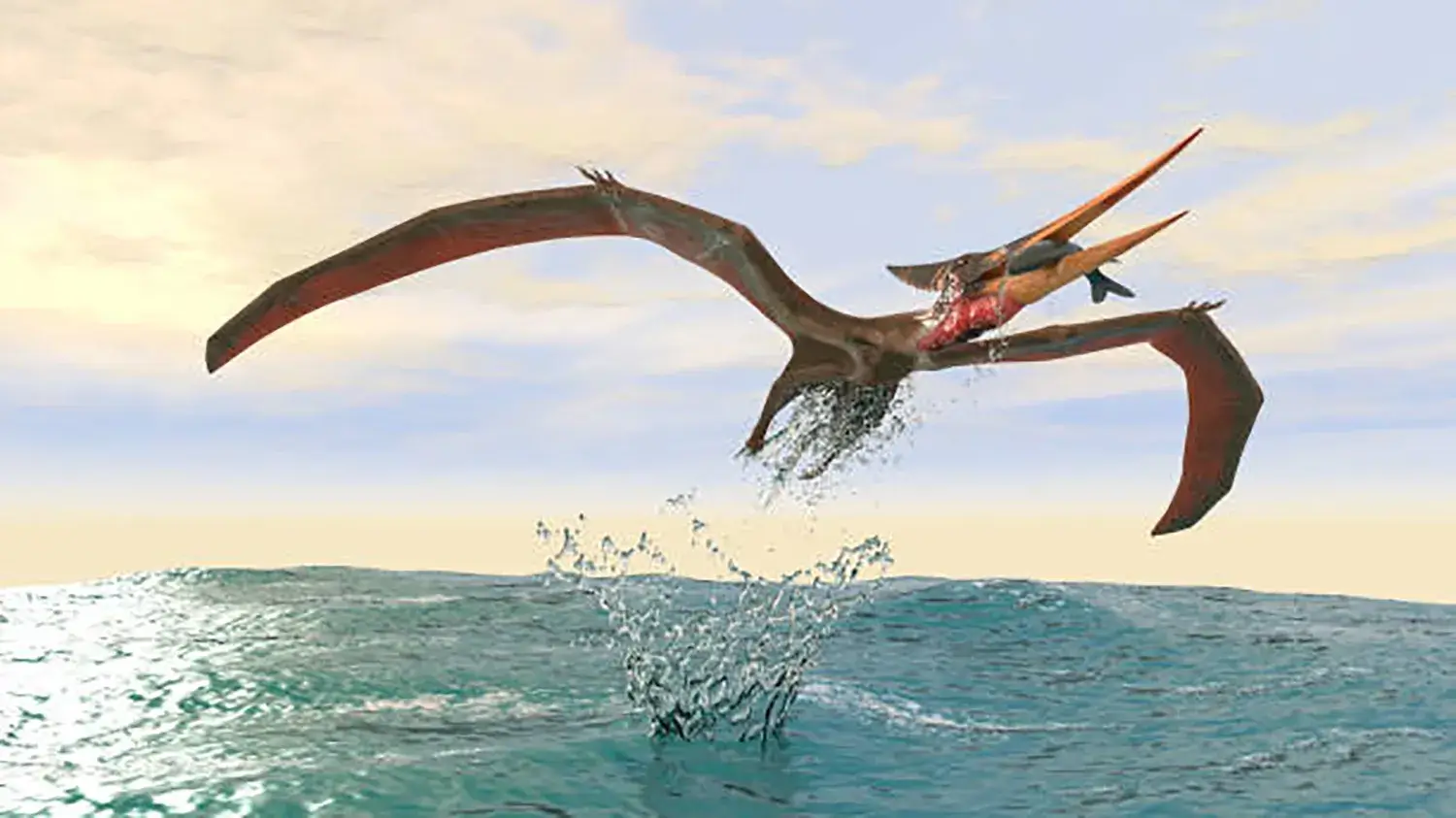
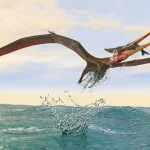
In this installment, they are shown hunting prey by diving underwater, much like seabirds such as gannets. One of them snatches Zara, but it is then attacked and eaten by the Mosasaurus in the lagoon, along with Zara.Appearance in Jurassic World: Fallen Kingdom
Shortly before the volcanic activity reached its peak, a massive flock of Pteranodons was seen flying over the forest. Thanks to their ability to fly, the majority of them successfully escaped the looming crisis during the chaotic eruption on Isla Nublar.
Although the exact details of their capture remain unknown, several individuals were transported to the "Lockwood Estate" on the U.S. mainland and imprisoned in the underground facility.
At the end of the story, after being released into the outside world by Maisie Lockwood, they attacked one of the nearby mercenaries before escaping the estate.
The Pteranodon's final appearance in the film occurs in the post-credits scene. The released flock is depicted flying over the cityscape of Las Vegas, Nevada.Appearance in Jurassic World: Dominion
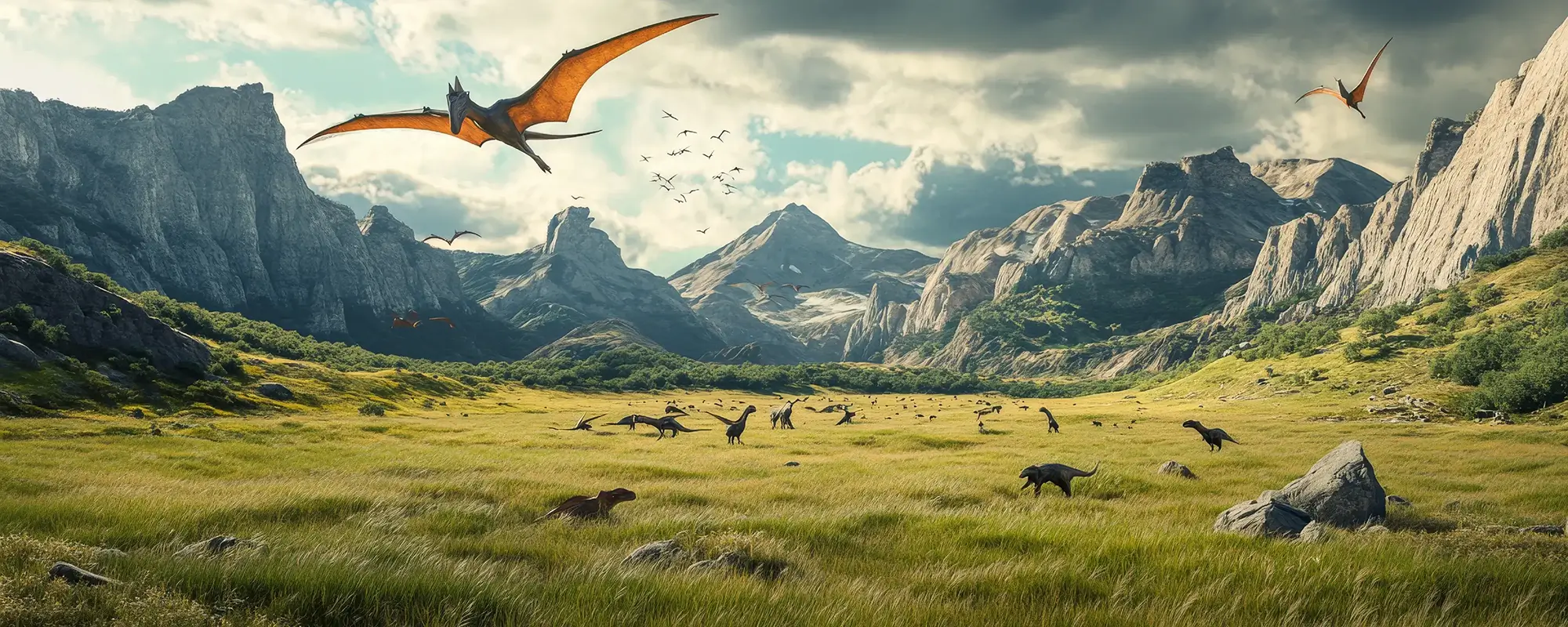
In the film's "Prologue"—a sequence depicting prehistoric times—they are shown in their natural state during the Cretaceous period.
Nesting and Flocking
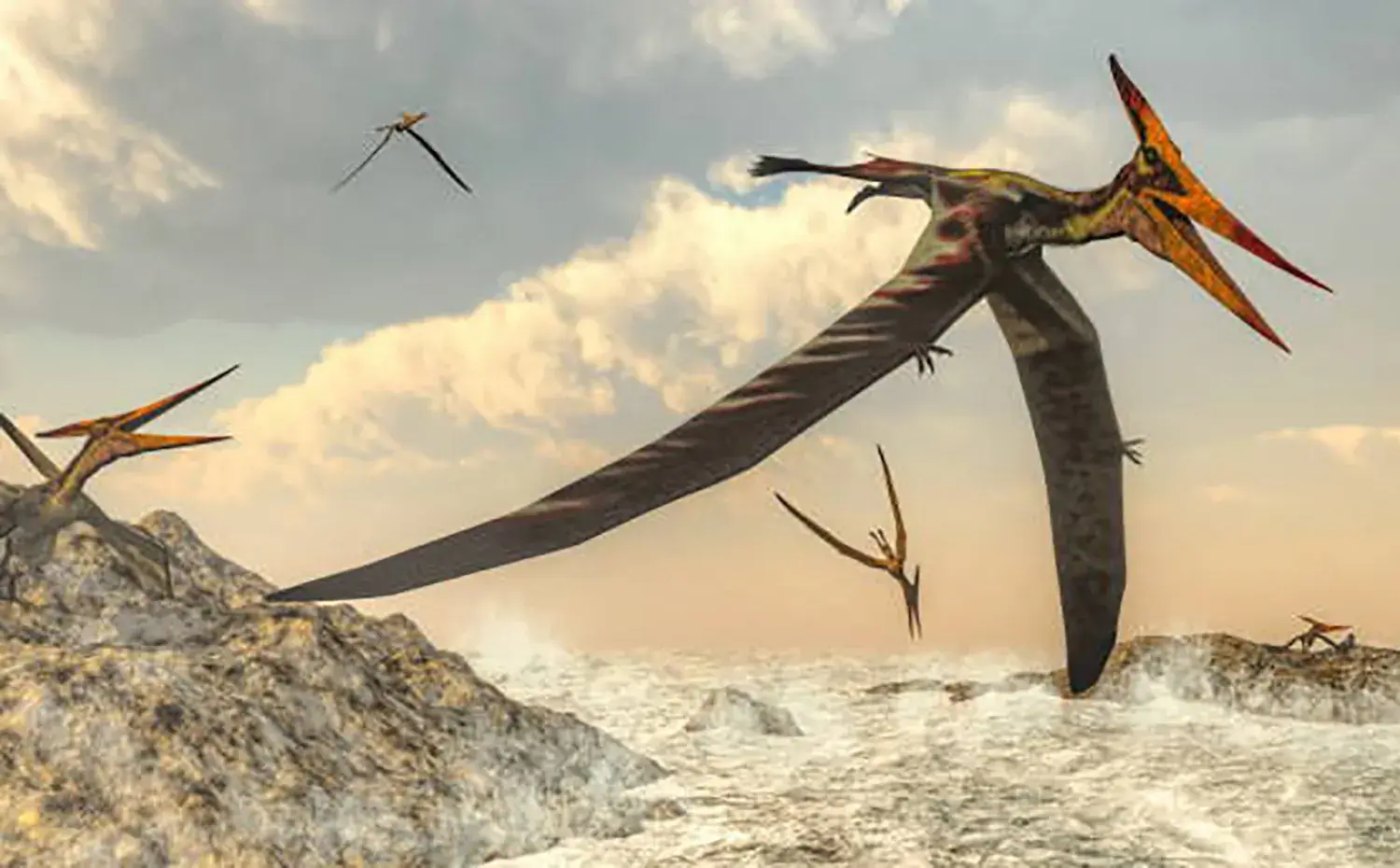
They can be seen nesting along riverbanks or forming massive flocks on lakes, numbering in the countless, much like modern waterfowl.
Size Depiction
The individuals flocking on the lake appear significantly smaller than the real-life counterparts (or the primary individuals featured in the film), a directorial choice that enhances the sense of perspective and biological variation.
In the modern-day timeline, Pteranodon has utilized its flight capabilities to spread across the globe and is also housed within the "Biosyn Sanctuary," the reserve managed by Biosyn Genetics.
The most tension-filled moment in the film is the assault on the airplane—a staple of the series. This time, they are not acting alone but display a coordinated attack with the franchise newcomer, the massive pterosaur Quetzalcoatlus. These rulers of the sky tag-teamed to bring down the plane carrying Owen and his team, delivering an aerial disaster sequence worthy of an aviation panic film.
According to information from the official promotional website "Dinotracker," a shocking fact has been revealed specifically for Japanese fans.
Established in Japan
Surprisingly, a population has been confirmed to have settled at Lake Ashinoko in Hakone, Japan. The concept of pterosaurs inhabiting such a famous tourist destination drives home the reality that the threat is looming close to everyday life.
Isla Sorna Populations
Furthermore, some of the sighted individuals possess physical characteristics resembling the populations from Isla Sorna (the setting of The Lost World and Jurassic Park III), an element that pays homage to the history of the series.Appearance in Jurassic World: Rebirth
This film features a very rare appearance of a juvenile Pteranodon.
The setting is a bar in Suriname that serves as Duncan's base of operations. There, a tiny male individual can be seen kept inside a birdcage. The sight of a future "Ruler of the Skies" being so small in its youth and kept like a household pet is a striking scene, symbolizing the distorted relationship between humans and dinosaurs.
Meanwhile, on San Hubert Island, adults can be seen soaring through the sky. One of these adults played a pivotal role in the story's progression.
It inadvertently caught the attention of a Tyrannosaurus that was drinking from a river. The Pteranodon's movements agitated the beast, instantly shattering the peace of the watering hole. This incident served as the trigger for the terrifying pursuit that followed, with the protagonists becoming the targets.
TODAY'S QUIZ
Correct answer = 1 coin
Which of the following was the function of the long crest on Pteranodon’s head?
Loading…
You might also like... 
-
 Shunosaurus
- Classification
- Sauropods
- Characteristics
- Herbivorous
- Era
- Jurassic period
- Baryonyx
- Classification
- Theropods
- Characteristics
- Carnivorous
- Era
- Cretaceous period
- Titanosaurus
- Classification
- Sauropods
- Characteristics
- Herbivorous
- Era
- Cretaceous period
- Isanosaurus
- Classification
- Sauropods
- Characteristics
- Herbivorous
- Era
- Triassic period
-
Sponsored Links
-
Sponsored Links


![[Latest Research] What Was the Function of Spinosaurus's Giant "Sail"? Exploring the Mysteries of Thermoregulation and Underwater Locomotion](https://dinosaurmuseum.jp/wp/wp-content/uploads/eyecatch_spinosaurus-sail-function_en-1024x512.webp)
![[Latest Discovery] A Third Type of Skin, Neither Scales Nor Feathers? Meet "Haolong dongi," a New Dinosaur Species Covered Entirely in Spikes](https://dinosaurmuseum.jp/wp/wp-content/uploads/eyecatch_dinosaur-spiky-skin-discovery_en-1024x512.webp)

Description
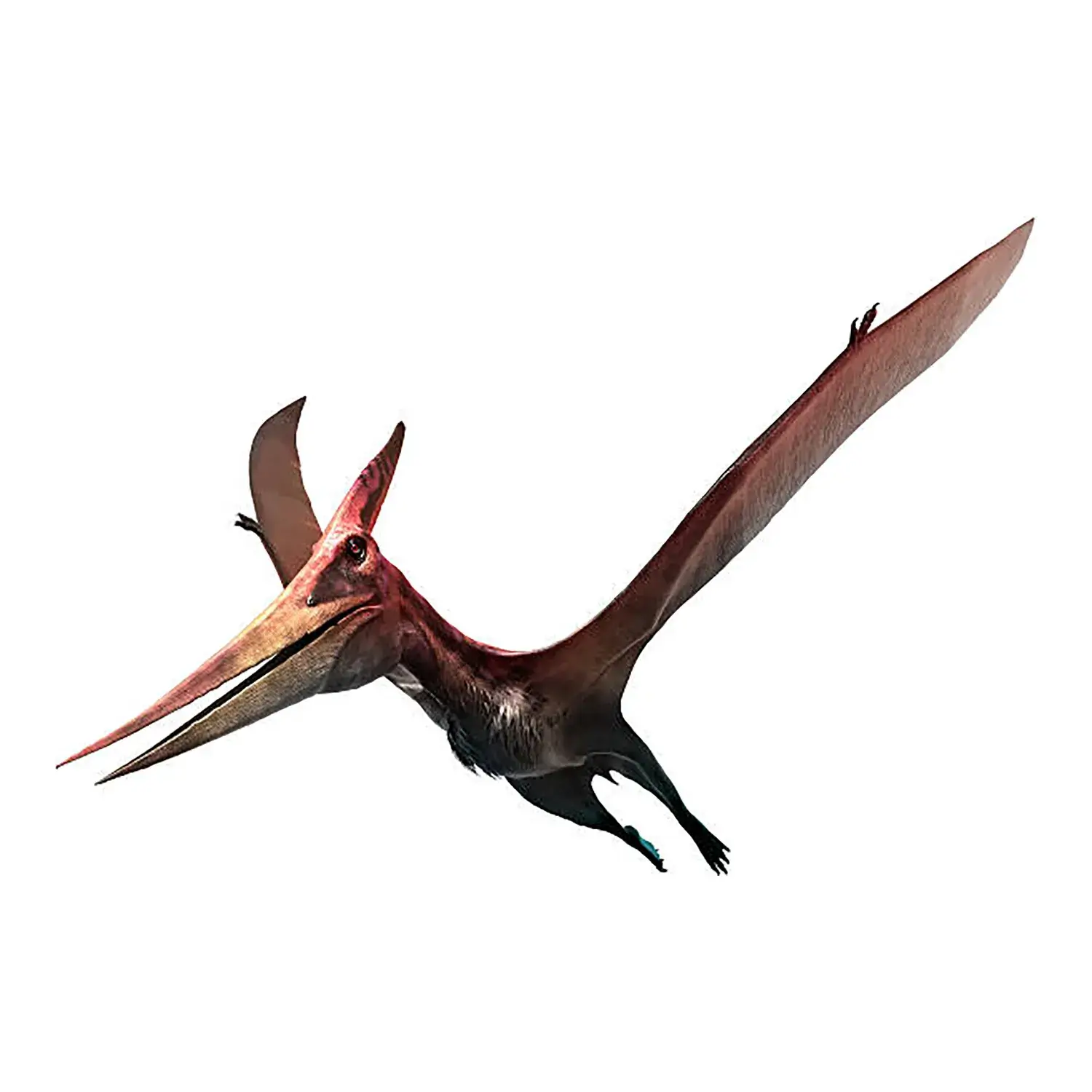
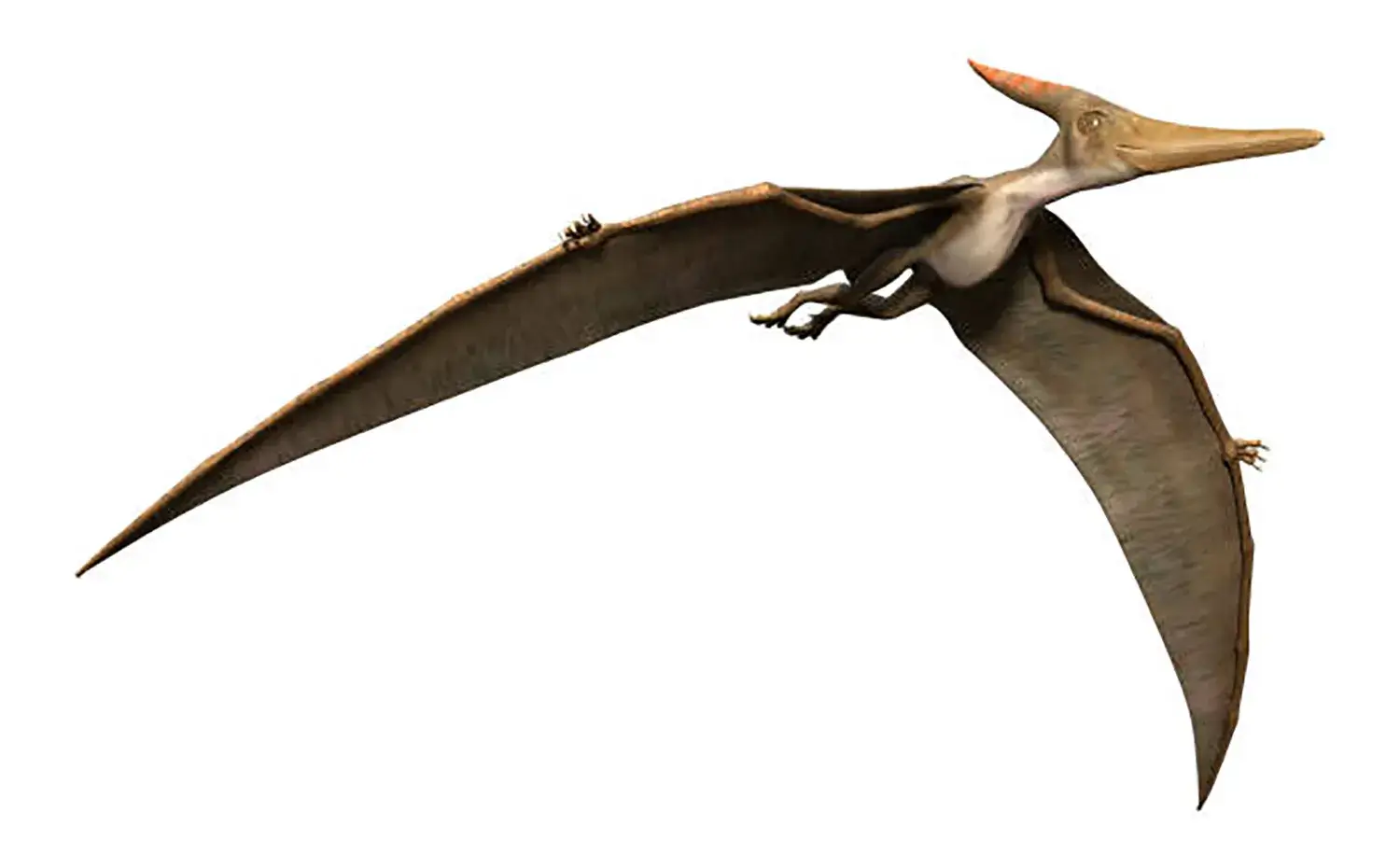
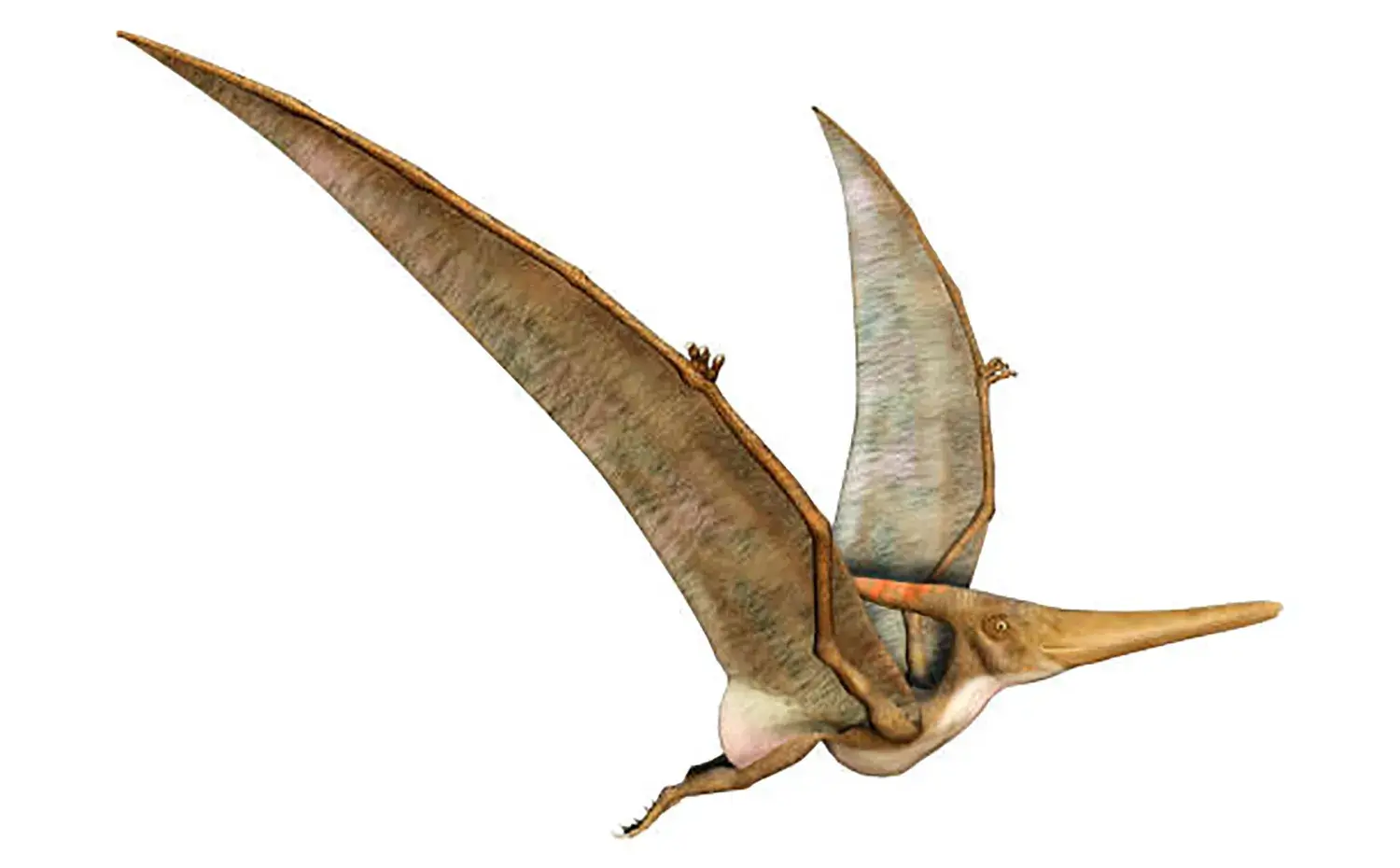
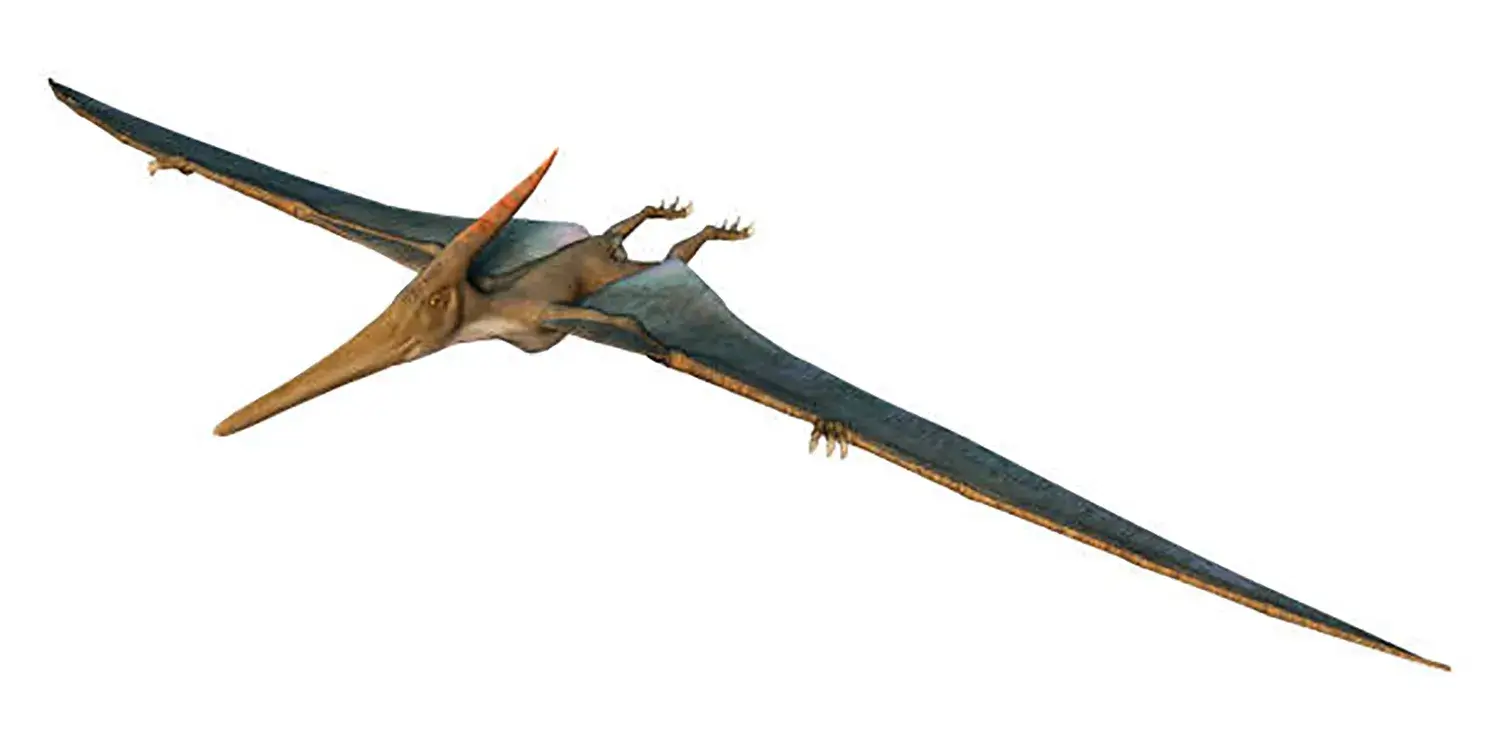
Pteranodon was a giant pterosaur that lived in North America during the Late Cretaceous period (approximately 85 to 80 million years ago).
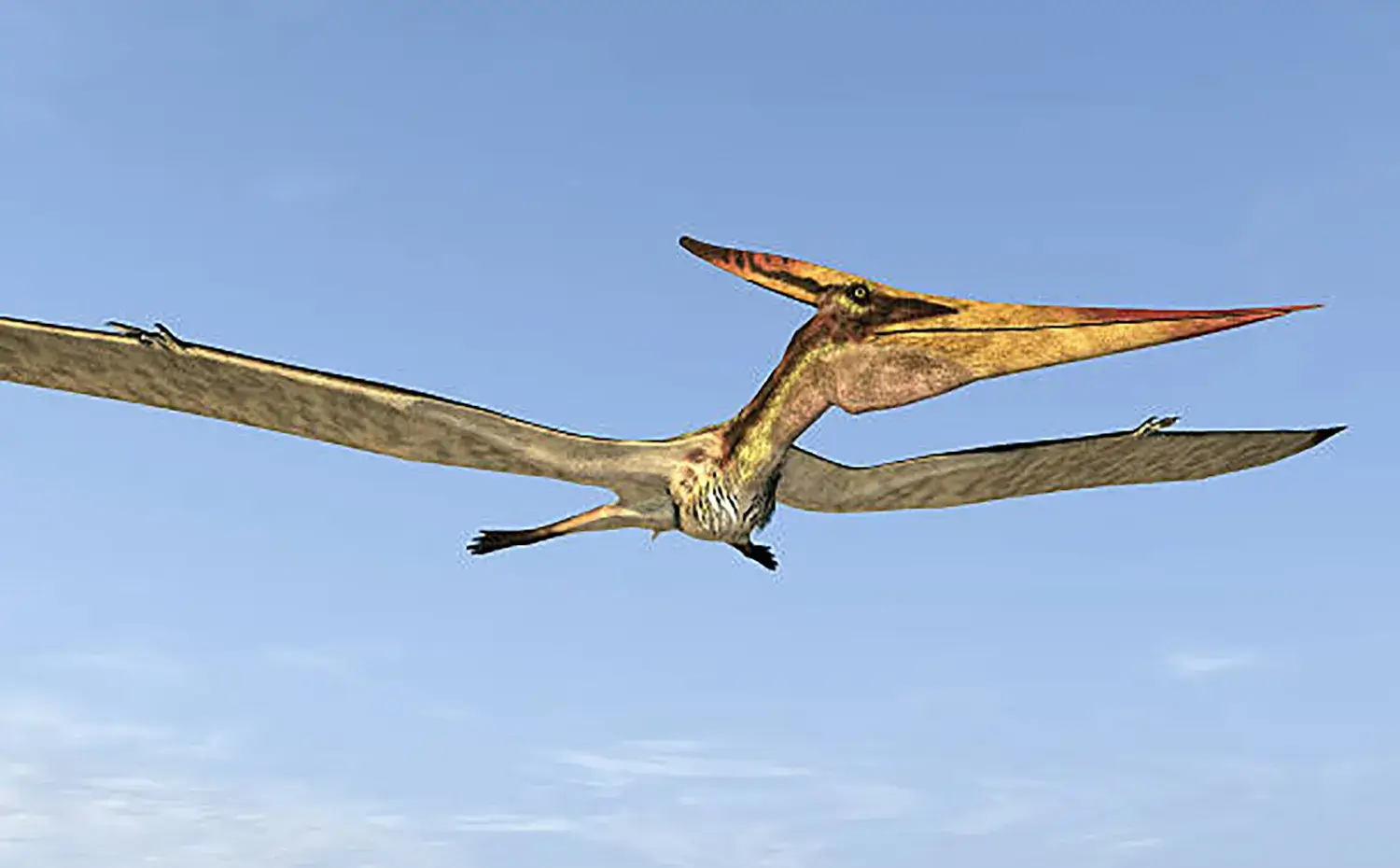
Its name means “winged and toothless,” reflecting its toothless beak and massive wings.
It is one of the most famous pterosaurs, with over 1,200 specimens having been excavated.
Giant Wings and an Amazingly Lightweight Skeleton
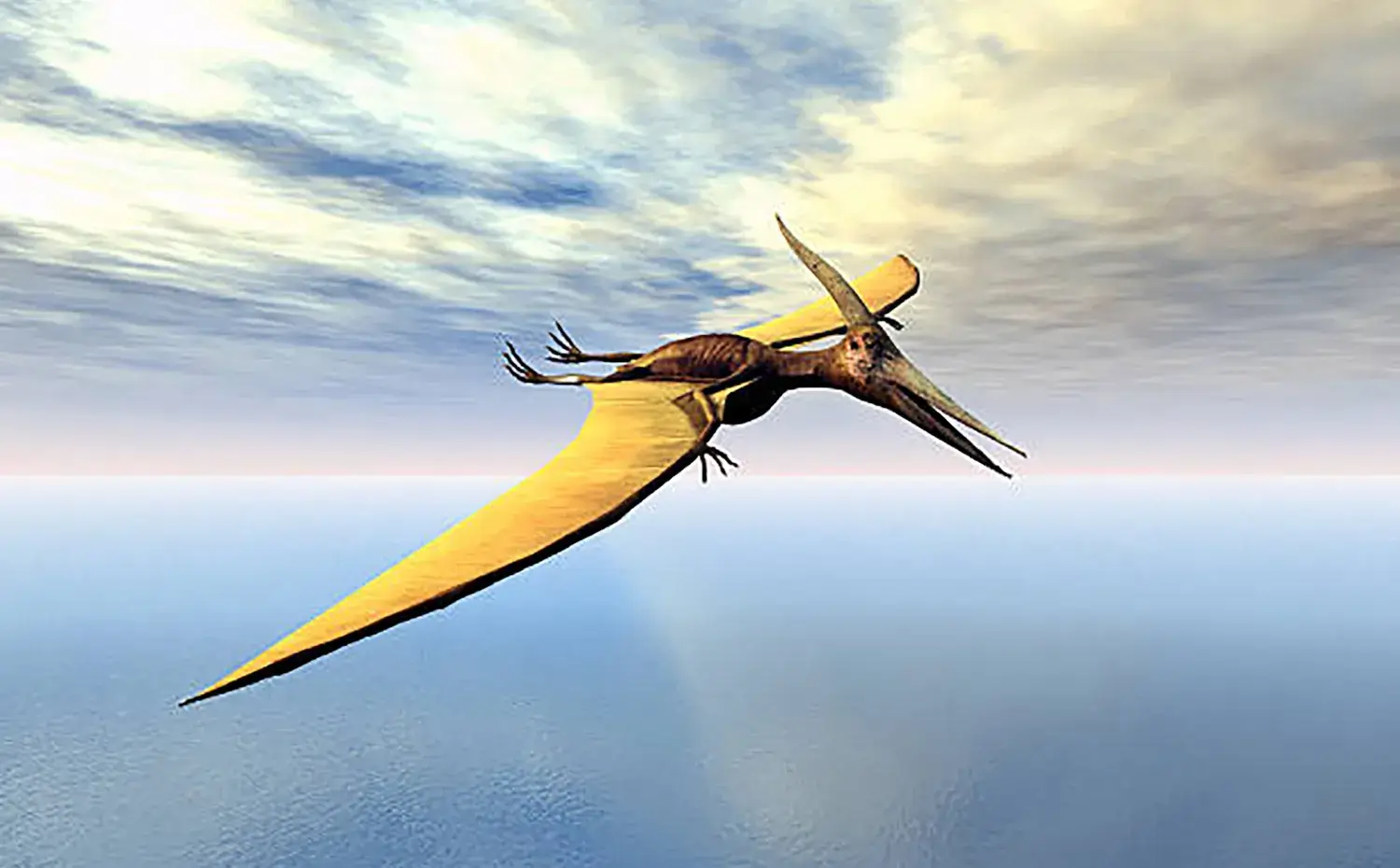
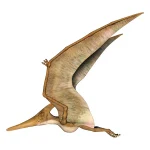
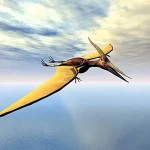
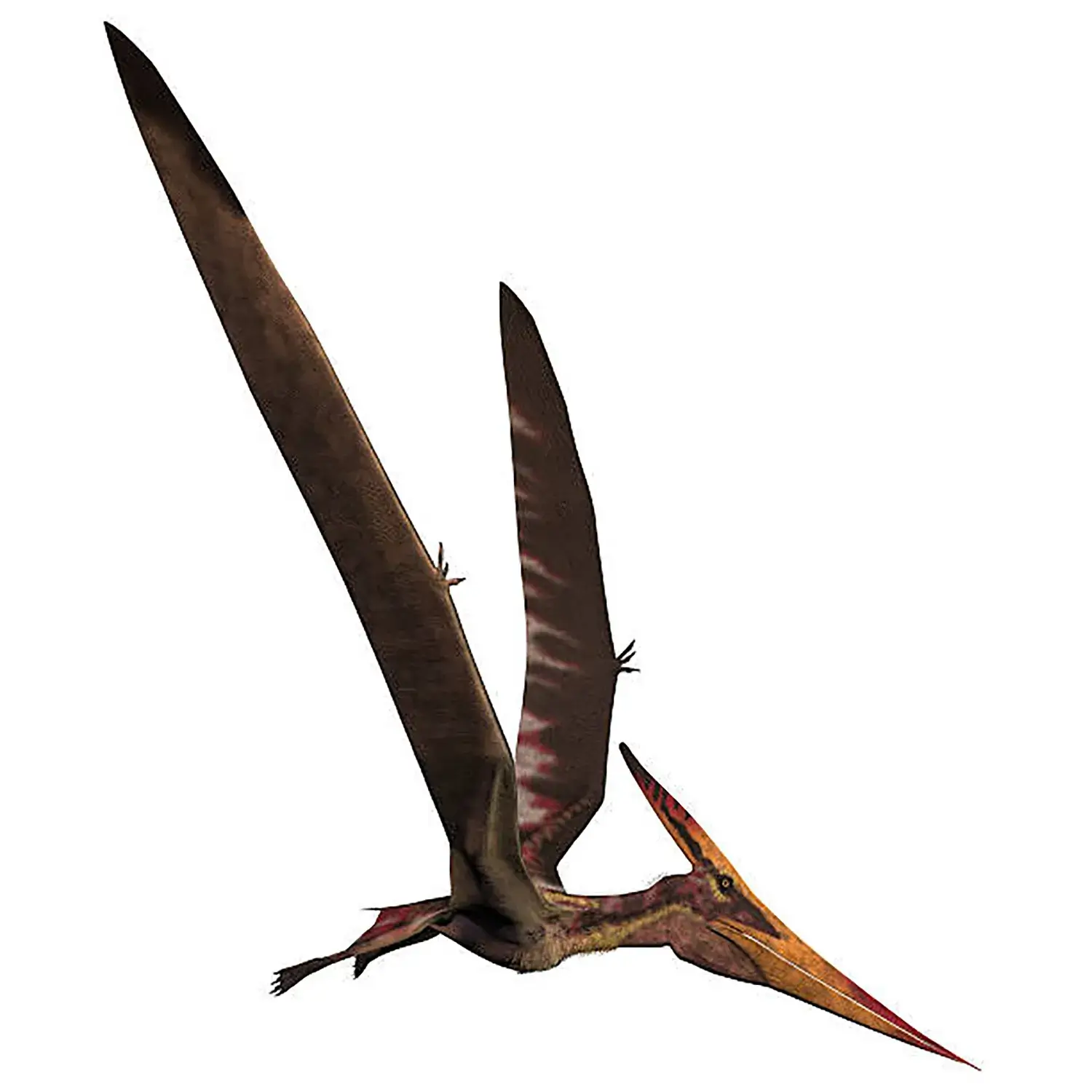
Pteranodon’s wingspan could reach up to 9 meters, an enormous size unimaginable for present-day flying animals.
Its wingspan Reached a Maximum of 9m.
Despite its colossal size, its body weight is estimated to have been only about 15 to 25 kg, a light weight that was advantageous for flight.
The secret to this incredible weight reduction lay in its skeleton.
Pteranodon’s bones were hollow and extremely thin, and the bones of its torso—the heaviest part of its body—were minimized to the extreme.
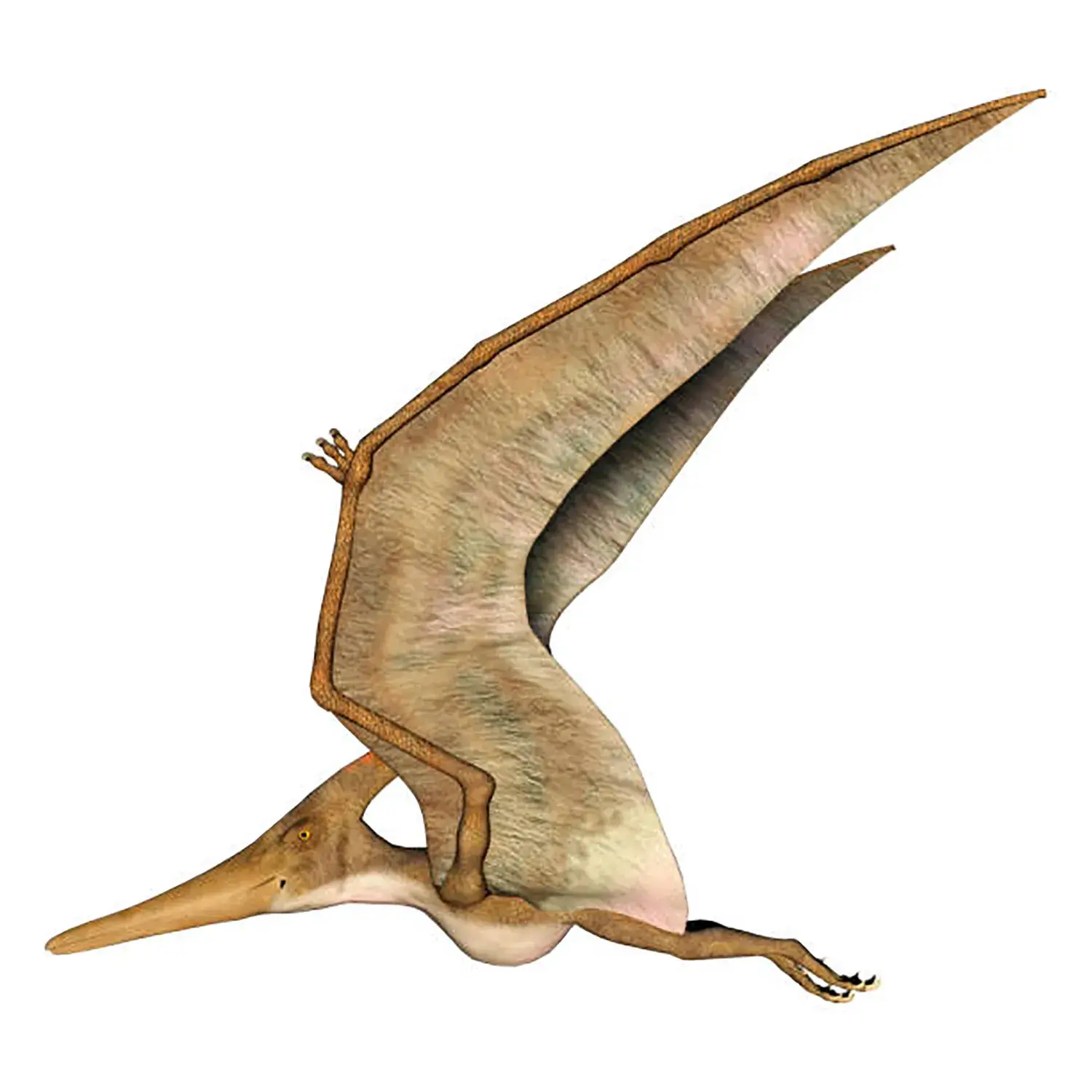
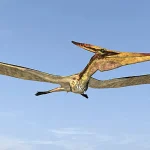
It is believed that Pteranodon relied less on muscle power and primarily used a gliding flight style, catching air currents like a glider.
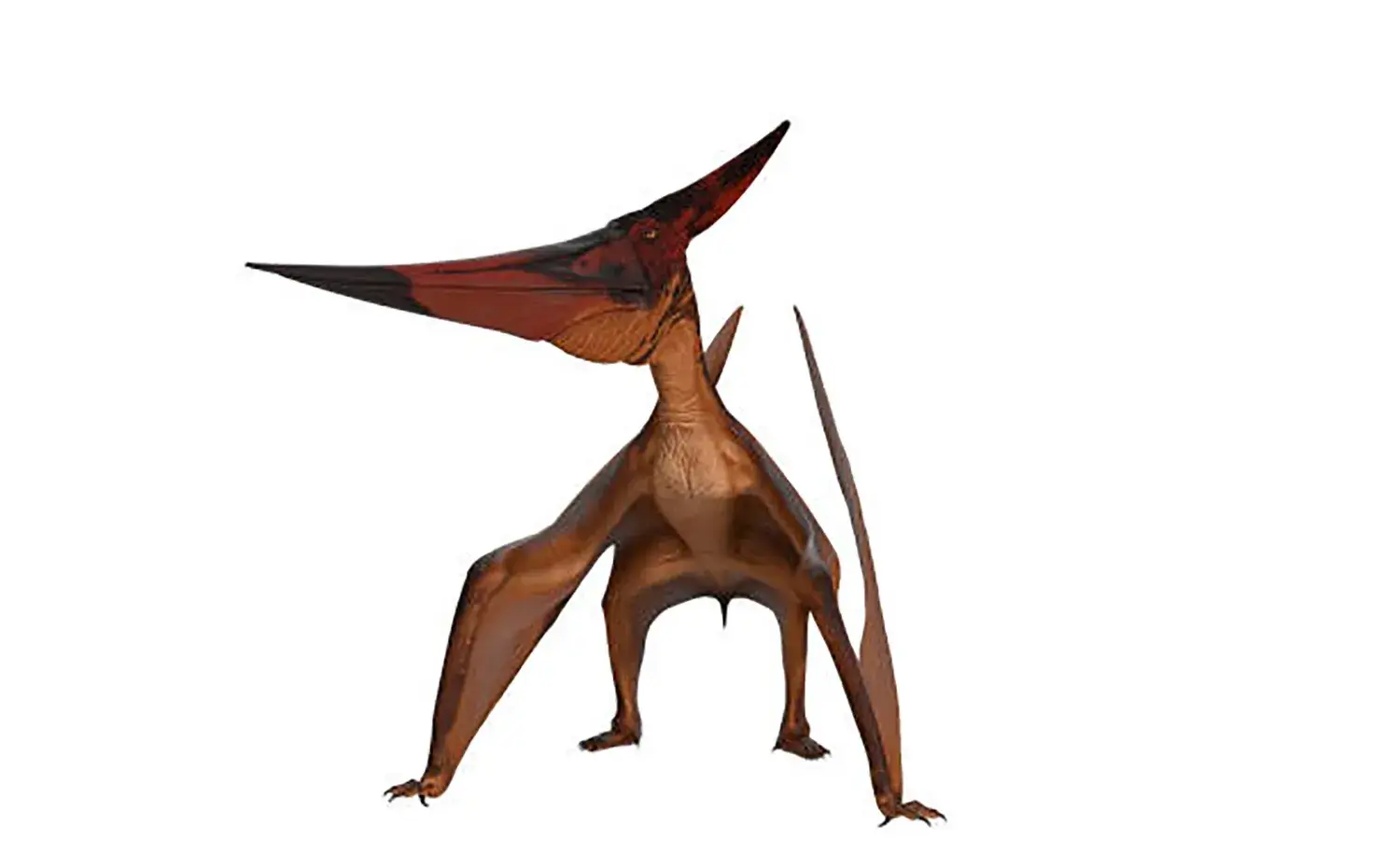
Due to its body structure, it was not suited for swift movements on land.
Therefore, it is thought to have carefully chosen landing spots and launched itself from high points, such as cliffs near the ocean, to glide.
Distinctive Crest and Diet
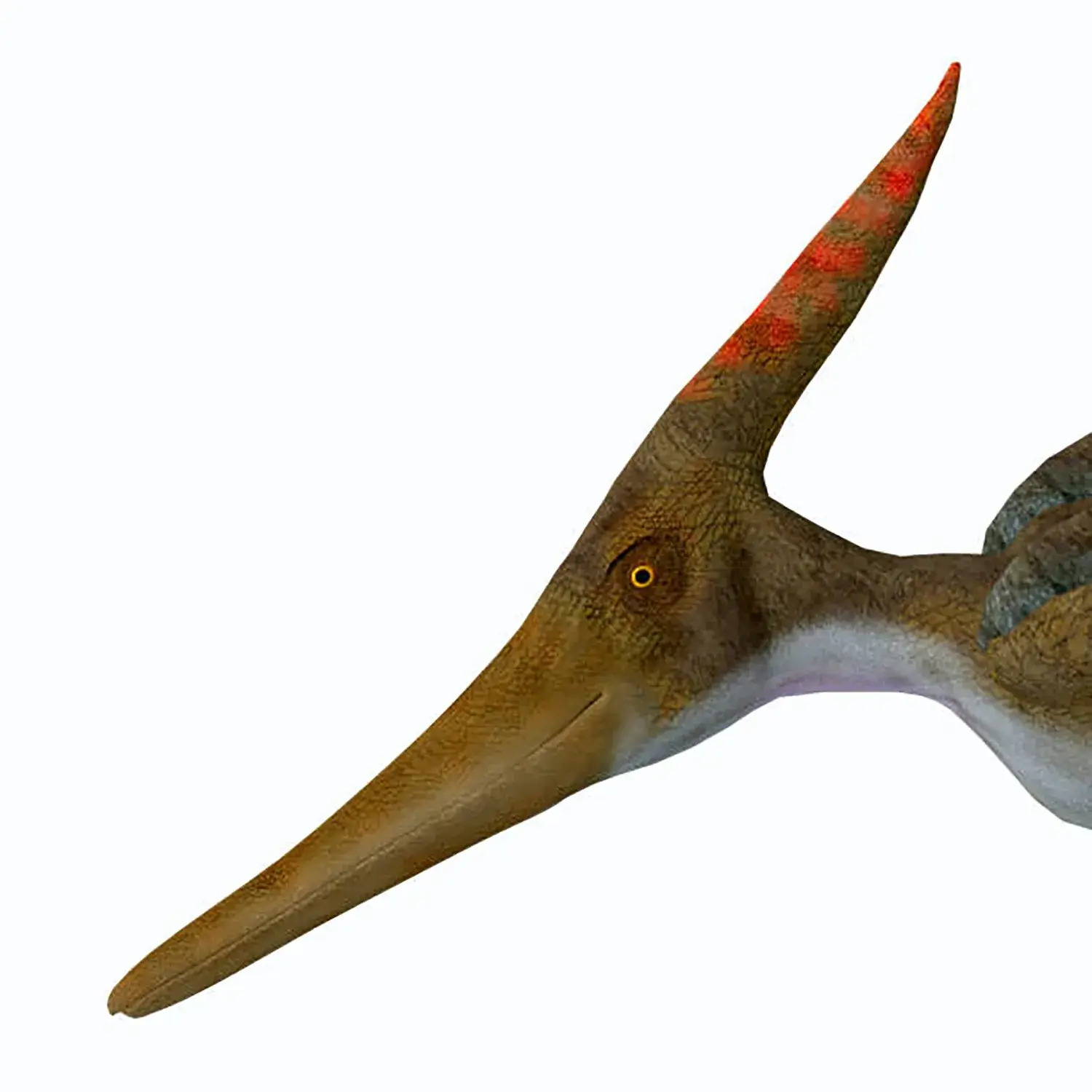
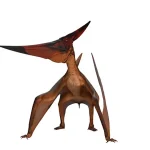
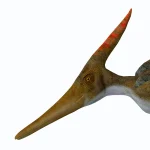
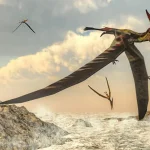
Pteranodon is characterized by the long, large crest located at the back of its head.
Characterized by the Long, Large Crest at the Back of Its Head.
There are several theories about the role of this crest, and while it is mainly thought to have been used for mating display, the following theories have also been proposed:
Species Identification
A marker for distinguishing members of its own species.
Thermoregulation
An organ for dissipating body heat.
Flight Balance
A structure used to balance the body around the neck as a pivot point, or to detect air currents during flight.
Its beak was long and sharply pointed, but it had no teeth.
It is believed to have primarily subsisted on fish, and its large jaws, similar to a pelican’s beak, suggest it mostly swallowed its prey whole, which would not have hindered its predation.
It Swallowed Its Prey Whole with a Large Beak Like a Pelican’s.
History of Discovery and Habitat
The first Pteranodon fossil was discovered in the 1870s by American paleontologist Othniel Charles Marsh, who excavated numerous wing bones in the Kansas rock layers.
It was initially classified as the toothed Pterodactylus, but the discovery of a toothless skull in 1876 confirmed it as a new genus and it was renamed “Pteranodon.”
It was mainly discovered in North America, but fragments of its fossils have also been found in Japan.
Pteranodon coexisted with its relative Nyctosaurus and the toothed bird Ichthyornis, and is thought to have nested in high places to avoid predators.