
Pycnonemosaurus
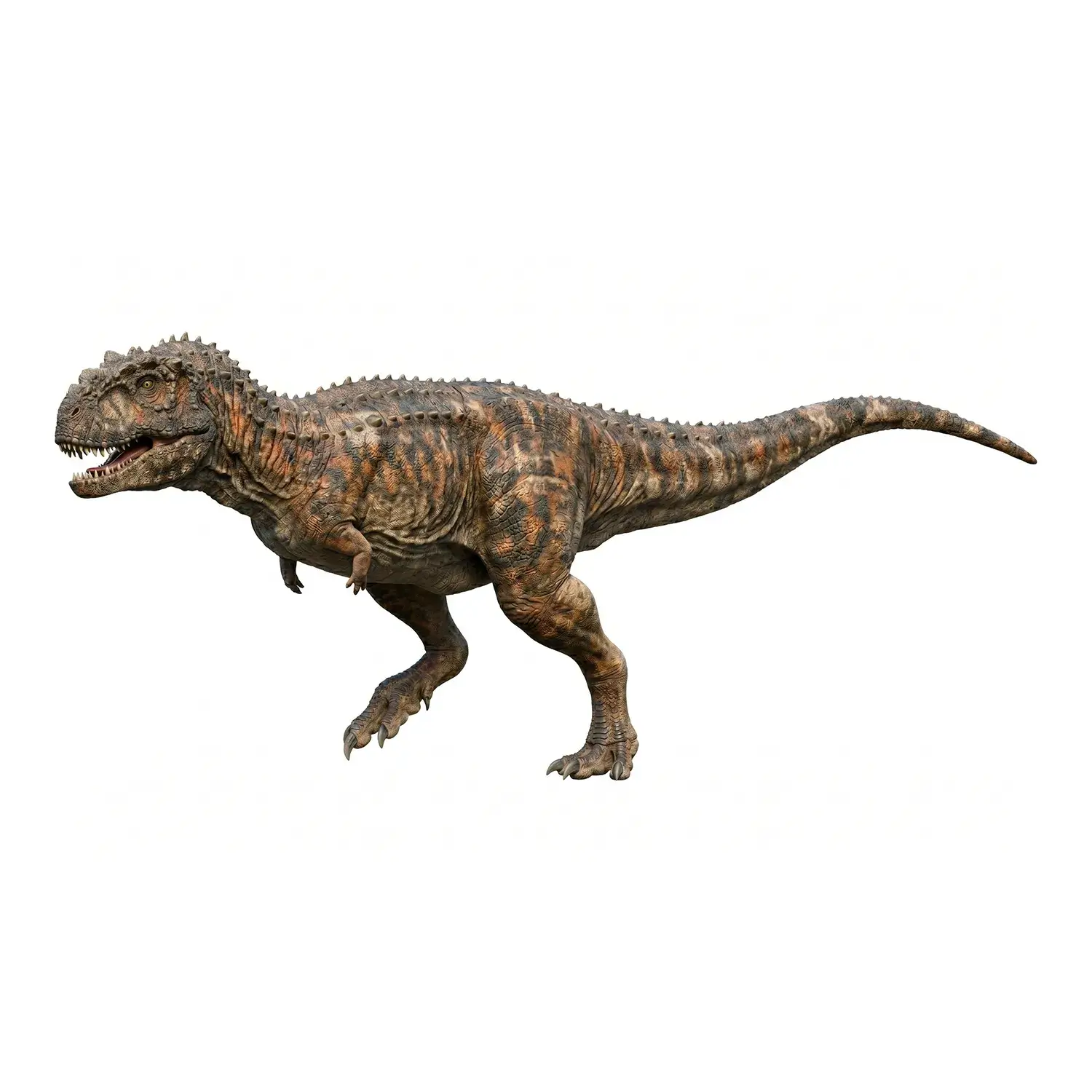
Name Origin
Dense forest lizard
Family
Abelisauridae
Classification
Diapsida, Saurischia, Theropoda
Habitat (Discovery Location)
Brazil
Period
Approximately 70 million years ago (Late Cretaceous)
Length
Approximately 8 to 9 meters
Weight
Approximately 3.6 tons
Diet
Carnivore (Meat-eater)
You might also like... 

-
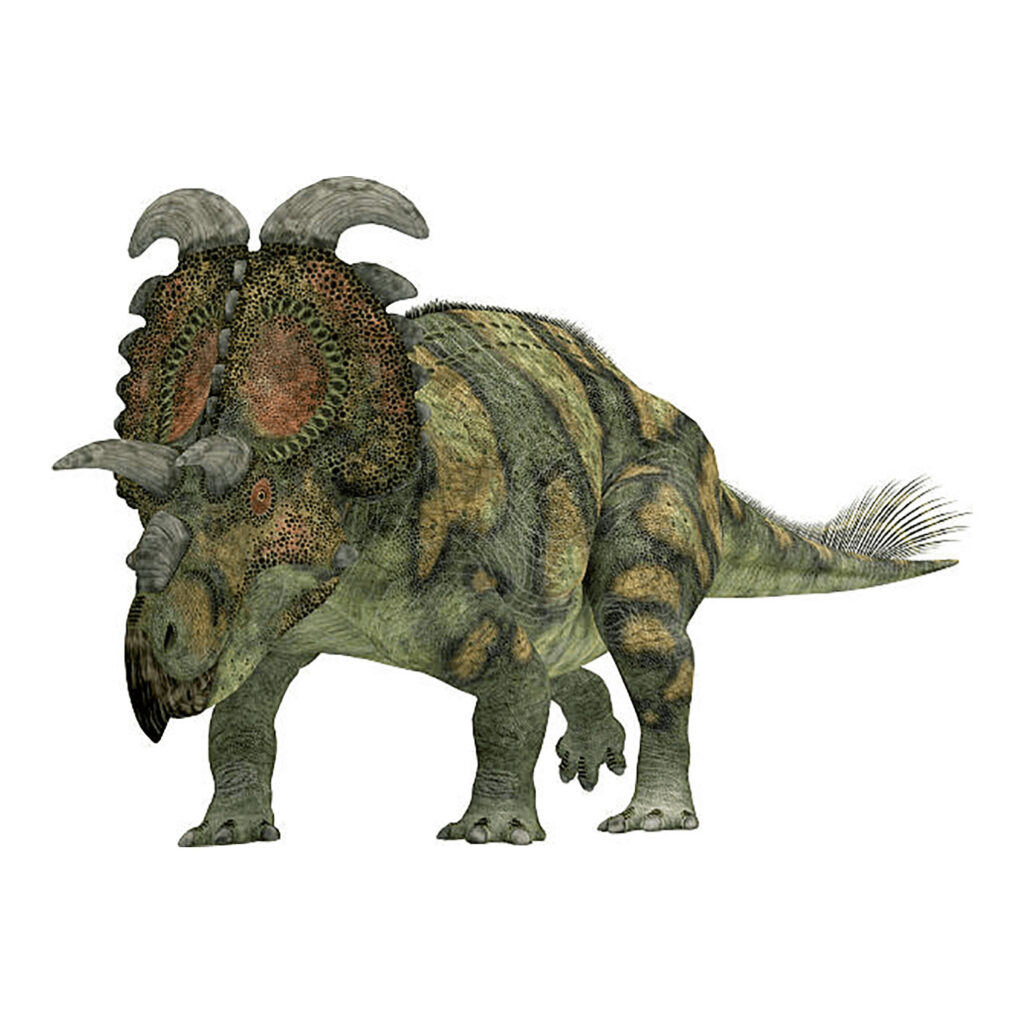
 Albertaceratops
- Classification
- Marginocephalia
- Characteristics
- Herbivorous
- Era
- Cretaceous period
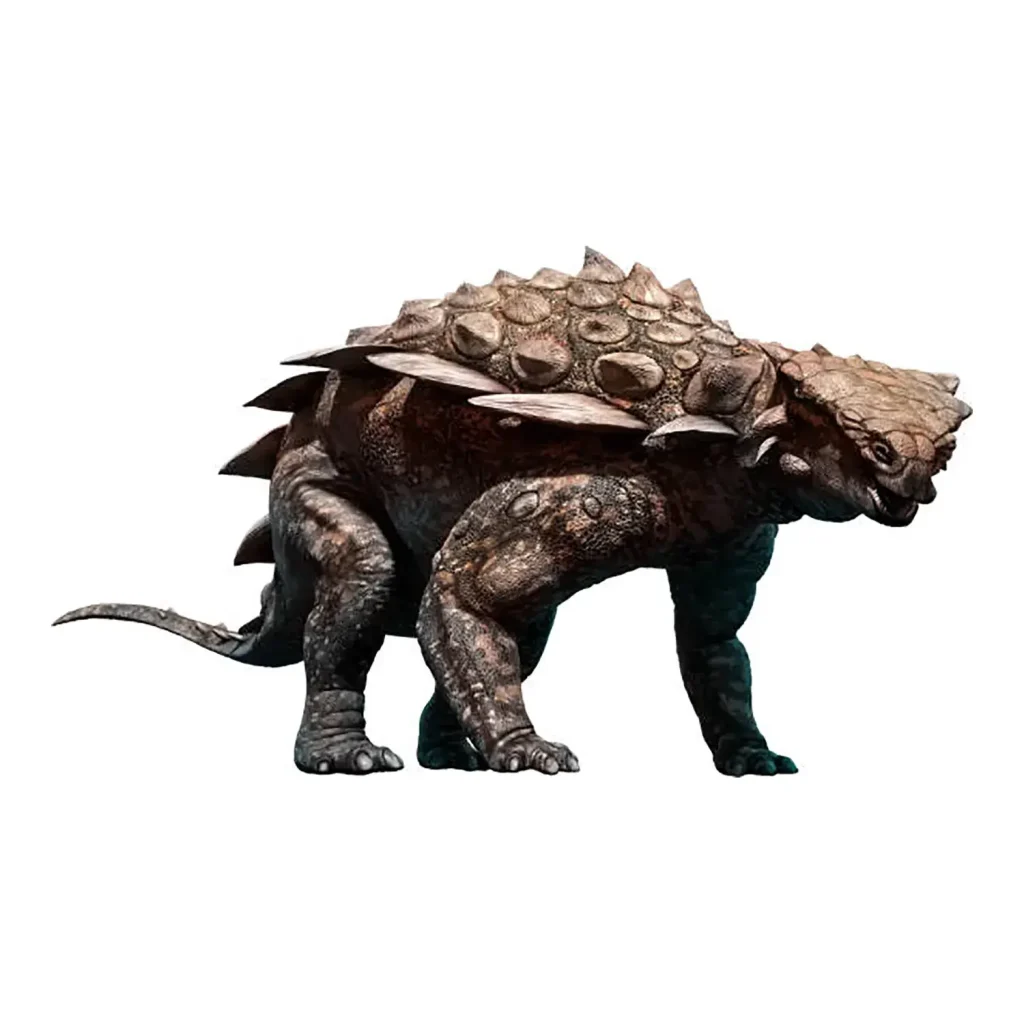
- Gargoyleosaurus
- Classification
- Thyreophora
- Characteristics
- Herbivorous
- Era
- Jurassic period
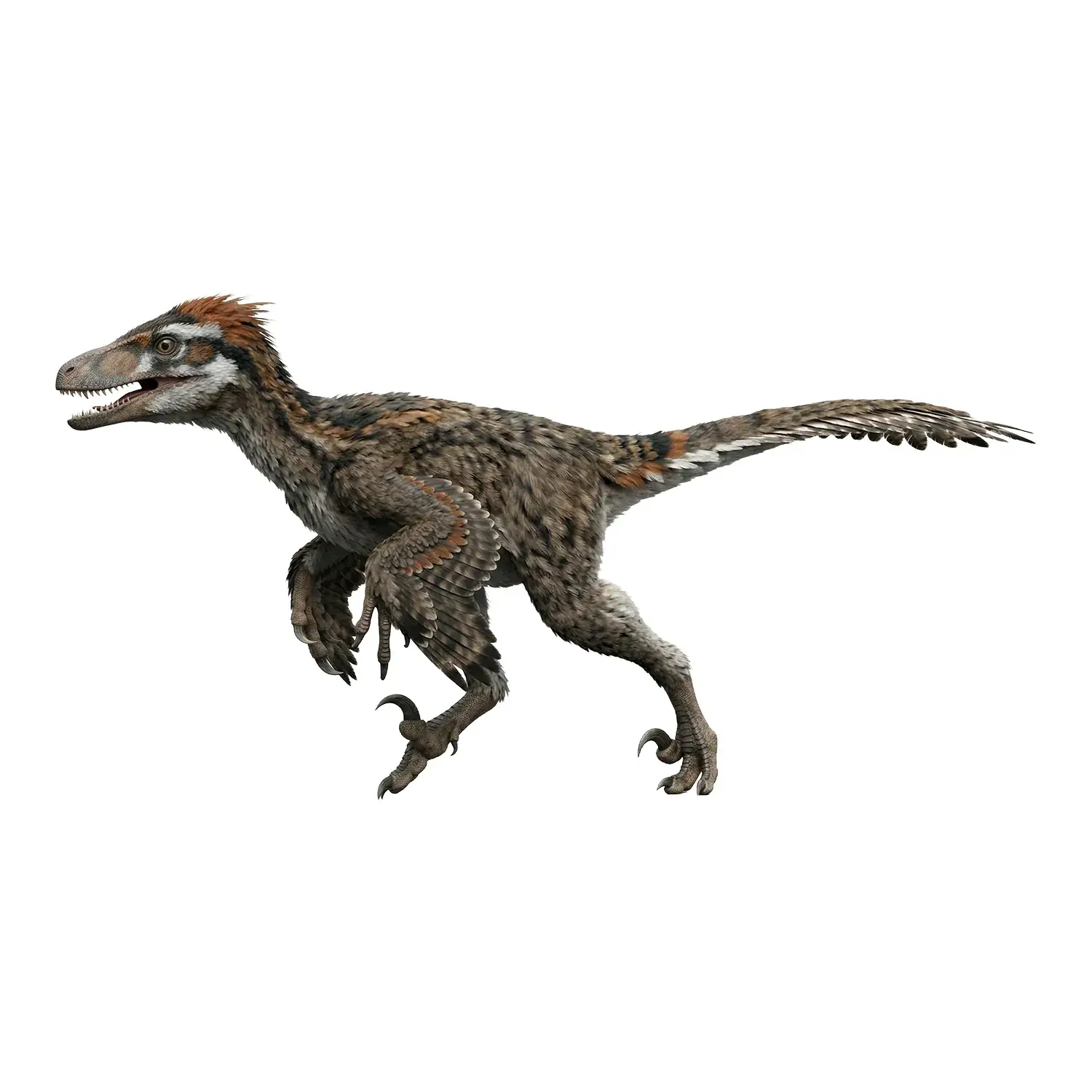
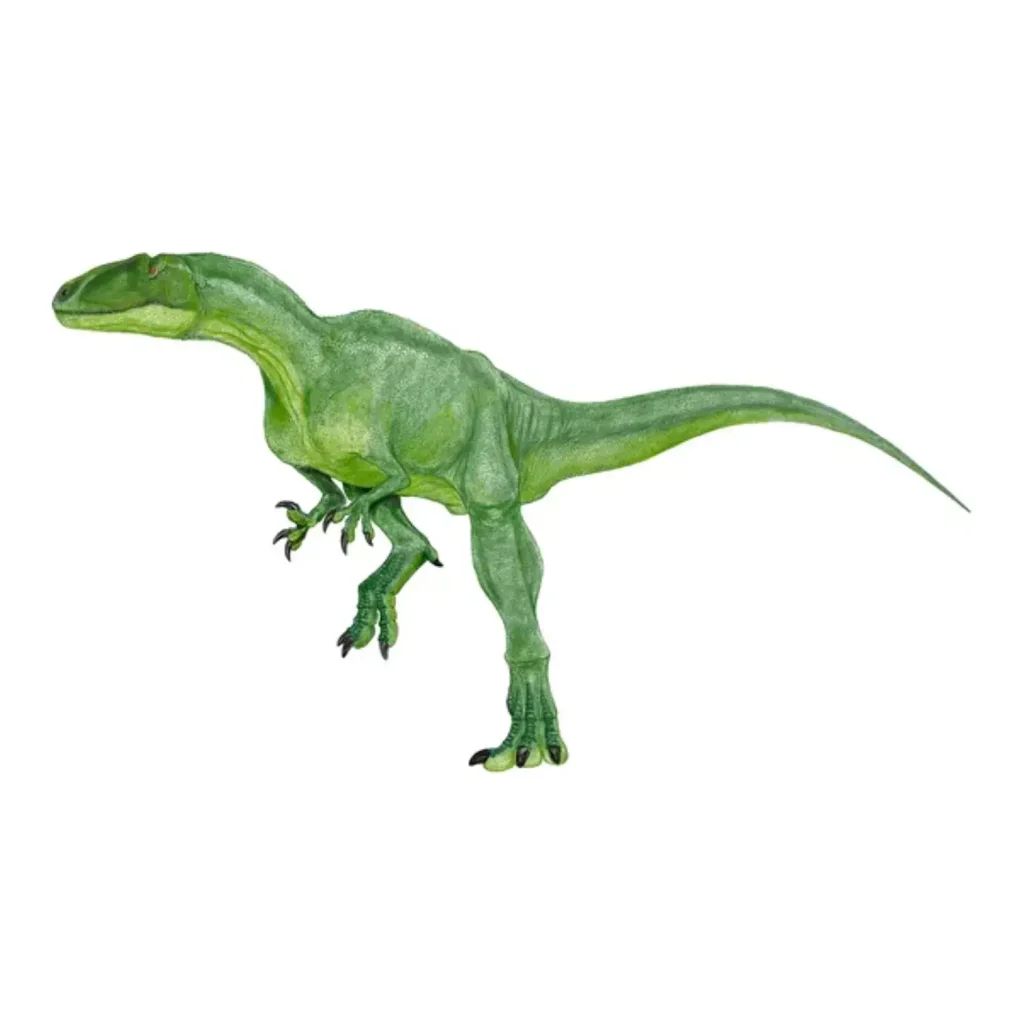
- Fukuiraptor
- Classification
- Theropods
- Characteristics
- Carnivorous
- Era
- Cretaceous period
- Metriorhynchus
- Classification
- Marine reptiles
- Characteristics
- Carnivorous
- Era
- Jurassic period
-
Sponsored Links
-
Sponsored Links











![[Latest Research] What Was the Function of Spinosaurus's Giant "Sail"? Exploring the Mysteries of Thermoregulation and Underwater Locomotion](https://dinosaurmuseum.jp/wp/wp-content/uploads/eyecatch_spinosaurus-sail-function_en-1024x512.webp)
![[Latest Discovery] A Third Type of Skin, Neither Scales Nor Feathers? Meet "Haolong dongi," a New Dinosaur Species Covered Entirely in Spikes](https://dinosaurmuseum.jp/wp/wp-content/uploads/eyecatch_dinosaur-spiky-skin-discovery_en-1024x512.webp)




Description
About 70 million years ago, a carnivorous dinosaur named “Pycnonemosaurus” reigned over the dense tropical forests of Late Cretaceous Brazil.
With its extremely short arms and an unusually thick skull, it was an “ultimate predator” forged by nature to survive fierce competition.
Named After 50 Years! The Discovery History of the “Dense Forest Lizard”
Pycnonemosaurus fossils were first excavated in 1953 in the state of Mato Grosso in center-west Brazil.
A Half-Century Shrouded in Mystery
Because the discovered fossils were only fragmentary bones, such as teeth, part of the pelvis, and a portion of a hind limb, its full picture remained a deep mystery for a long time.
Named as a New Genus and Species in 2002
In 2002, nearly half a century after its discovery, paleontologist Dr. Alexander Kellner and his team analyzed the remains using modern insights, formally naming it as a new genus and species of carnivorous dinosaur.
The Origin of Its Name
The name combines the Greek words “pycnos nemos” (dense forest) and “sauros” (lizard), symbolizing the reddish-brown soil of the discovery site and the tropical environment that completely covered the area at the time.
*Note: The later-described dinosaur “Pycnoneosaurus” is now considered a junior synonym of this same species following comparative verification.
Surpassing Carnotaurus! The Largest Species of the Abelisauridae Family
Pycnonemosaurus is a member of the “Abelisauridae family,” which thrived primarily in the Southern Hemisphere.
Initially, it was estimated to be around 8 meters (26.2 feet) long, but scientific advancements have overturned that assessment.
A groundbreaking study in 2016 recalculated the thickness of its femur and its skeletal proportions, revealing that it reached lengths of 8 to 9 meters (26.2 to 29.5 feet), or at the very least, around 9 meters (29.5 feet).
This result sent shockwaves through the paleontological community.
It meant that among famous abelisaurids like Argentina’s “Carnotaurus” and Madagascar’s “Majungasaurus,” Pycnonemosaurus boasted the largest physique, taking the new throne as South America’s most powerful carnivorous dinosaur.
Compared to the agile Carnotaurus, Pycnonemosaurus was heavier and possessed overwhelming strength—truly the “ultimate form” of the Abelisauridae family.
The Ultimate Predatory Style: Abandoning Forelimbs to Evolve for “Biting”
Pycnonemosaurus’s greatest weapons were its “powerful jaws” and “muscular hind legs.”
Its forelimbs had degenerated to become extremely short, shifting its center of gravity backward to pour all its evolutionary energy into leg strength and bite force.
Leg Strength Like a Heavy Tank
The cross-section of its femur was extremely thick, with prominent muscle attachment scars.
Rather than initial speed, it possessed a “strong propulsive force and incredible stamina” that made it unstoppable once it locked onto a target and began moving.
A Skull Built to Withstand Intense Headbutts
Possessing unusually high bone density, its skull had a robust structure capable of withstanding the recoil of intense headbutts and tremendous bite pressure.
It is assumed this was also used in intraspecific combat for territory or fights over mates.
An “Ambush-Style Surprise Hunter” Like a Jaguar
Instead of sprinting across vast plains, it utilized the dense forest environment to ambush its prey, striking at vulnerable moments with explosive propulsive force.
Using the abnormally developed muscles in its neck, it embodied a one-hit-kill hunting philosophy of forcefully “tearing” the prey’s flesh with its sharp teeth.
The “Island Evolution” of the South American Continent and the Mato Grosso Ecosystem
At that time, the South American continent had completely separated from the African continent, forming a “giant isolated island” surrounded by the sea.
In an environment different from that of the tyrannosaurs in the Northern Hemisphere, Pycnonemosaurus and other abelisaurids underwent their own unique evolution (island evolution).
Summary
Although Pycnonemosaurus fossils remain fragmentary today, each one is an important piece of the “evolutionary puzzle” for deciphering the geological history of the South American continent and the phylogenetic divergence of dinosaurs.
As excavation and research in Brazil continue, the discovery of new fossils may one day reveal even more secrets of the “dense forest lizard.”
The quest to uncover the mysteries of South America’s most powerful apex predator has only just begun.