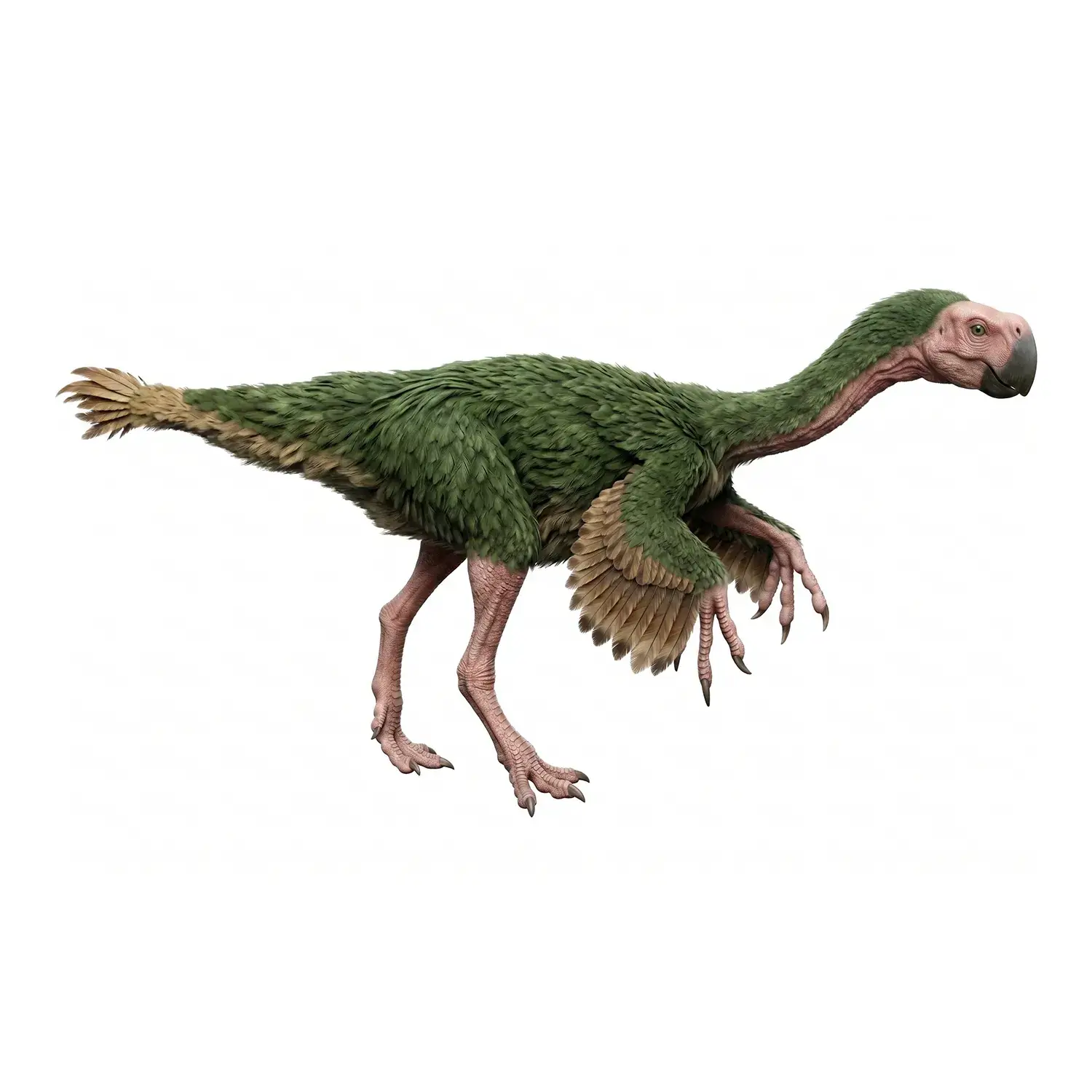
Conchoraptor
Name Origin
Conch thief
Family
Oviraptoridae
Classification
Diapsida, Saurischia, Theropoda
Habitat (Discovery Location)
Mongolia
Period
Approximately 76 million years ago (Late Cretaceous)
Length
Approximately 1.3 to 2 meters
Weight
Approximately 30 kg
Diet
Omnivore (eats both)
You might also like... 
-
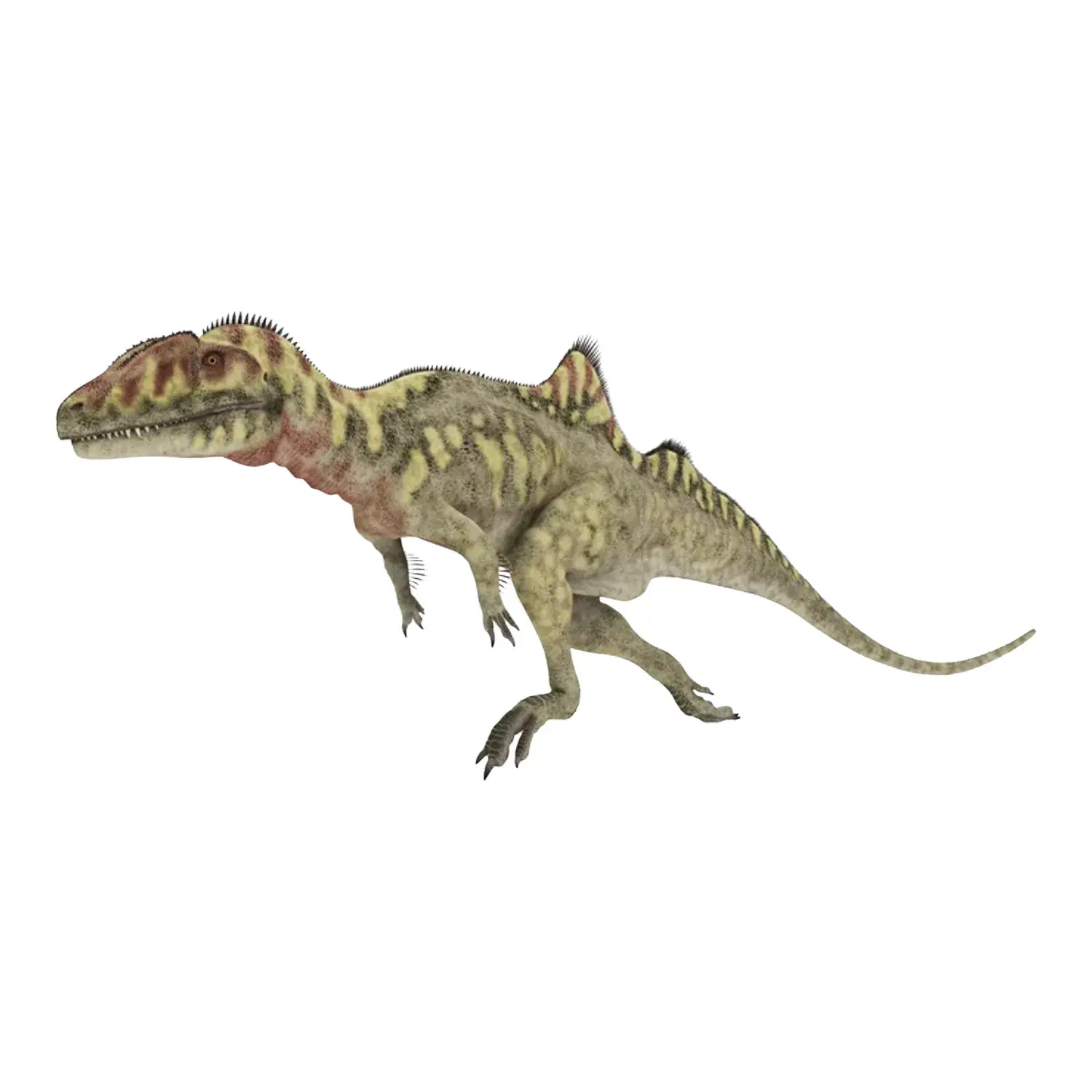
 Gorgosaurus
- Classification
- Theropods
- Characteristics
- Carnivorous
- Era
- Cretaceous period
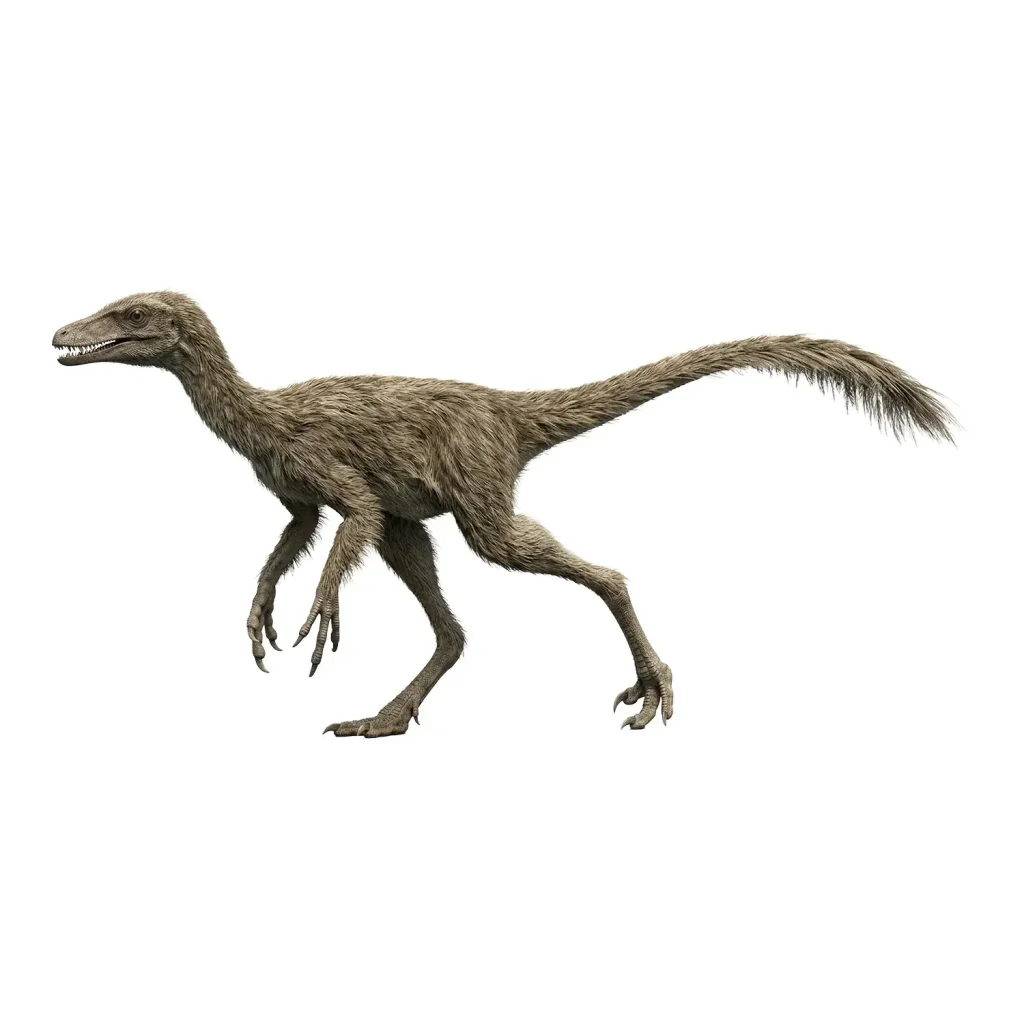
- Huaxiagnathus
- Classification
- Theropods
- Characteristics
- Carnivorous
- Era
- Cretaceous period
- Eocarcharia
- Classification
- Theropods
- Characteristics
- Carnivorous
- Era
- Cretaceous period
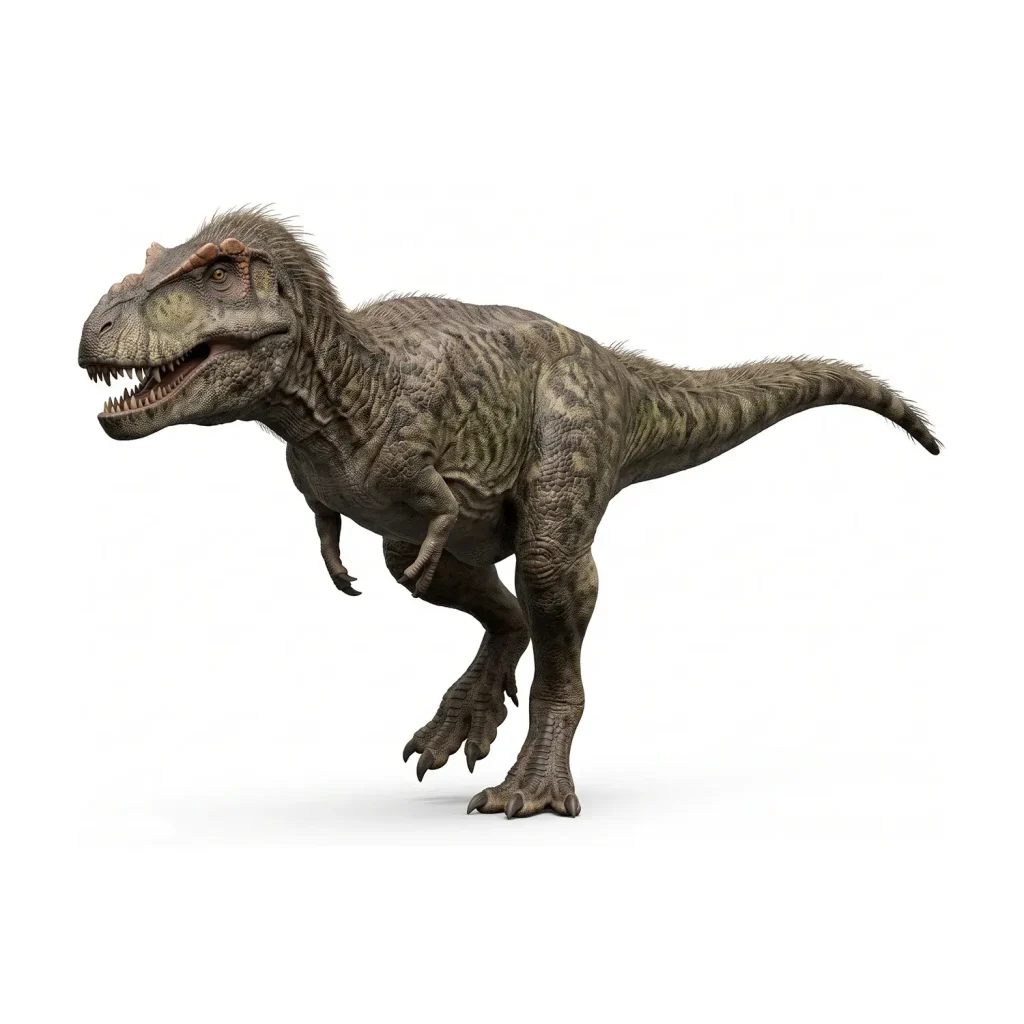
- Albertosaurus
- Classification
- Theropods
- Characteristics
- Carnivorous
- Era
- Cretaceous period
-
Sponsored Links
-
Sponsored Links


![[Latest Research] What Was the Function of Spinosaurus's Giant "Sail"? Exploring the Mysteries of Thermoregulation and Underwater Locomotion](https://dinosaurmuseum.jp/wp/wp-content/uploads/eyecatch_spinosaurus-sail-function_en-1024x512.webp)
![[Latest Discovery] A Third Type of Skin, Neither Scales Nor Feathers? Meet "Haolong dongi," a New Dinosaur Species Covered Entirely in Spikes](https://dinosaurmuseum.jp/wp/wp-content/uploads/eyecatch_dinosaur-spiky-skin-discovery_en-1024x512.webp)

Description
About 76 million years ago, during the Late Cretaceous period of the Mesozoic Era, “Conchoraptor” lived in Mongolia.
It was a small, sleek-bodied oviraptorosaurian dinosaur with a total length of about 1.3 to 2 meters (4.3 to 6.6 feet), but its scientific name carries the rather infamous meaning of “conch thief.”
No Crest? The Misconception of Being an “Oviraptor Juvenile”
Conchoraptor looked very similar to its close relative, Oviraptor.
However, there was one crucial difference.
It completely lacked the showy head “crest” seen in Oviraptor and its relatives.
Thought to Be Juveniles or Females
Because they lacked a crest and were small in size, when they were first discovered, they were thought to be “juveniles of Oviraptor whose crests had not yet fully grown, or perhaps females.”
Identified as a Distinct New Species
Subsequent investigation and research revealed that these were fully grown adults, and they were recognized as a distinct new species of dinosaur with unique characteristics separate from Oviraptor.
They were characterized by an overall slender build, with short and slender fingers on their forelimbs.
Furthermore, a “nearly complete skull” has been discovered, which is rare for this group.
This skull has a highly “pneumatic” structure with many air spaces (cavities), indicating that sensory organs such as hearing and smell were extraordinarily well-developed.
The Origin of the Name “Conch Thief” and Its Powerful Jaw
Why was the seemingly delicate Conchoraptor given a scientific name meaning “conch thief”?
The answer lies in the anatomical structure around its mouth.
A Powerful Jaw for Crushing Shells
Oviraptorosaurs possess hard, nutcracker-like beaks and strong bony projections on their upper jaws.
It is believed that thick, powerful muscles passed through the cavities of Conchoraptor’s skull, giving it a surprisingly strong bite force.
Nostrils Positioned High on the Snout
It also had the characteristic of having its nostrils located rather high on its face.
Based on these three features—the “strong jaw,” “hard projections inside the mouth,” and “high-positioned nostrils”—it was speculated that it “plunged its face into the water to catch mollusks from the bottom, crushing their hard shells with its powerful jaws to eat them.” Thus, it was named the “conch thief” for allegedly stealing and eating shells.
*In reality, it is thought to have been omnivorous, eating not only mollusks but also nuts, insects, and eggs.
The Dishonorable Background of Being Treated as a Thief and the Truth of Being a “Loving Parent”
Actually, the existence of its close relative, Oviraptor, played a major role in it being named a “thief.”
Collateral Damage in Naming
The scientific name of Oviraptor means “egg thief.”
Because its first fossil was found near another dinosaur’s eggs, it was suspected of being a “thief that stole and ate eggs.”
Conchoraptor was named during a time when Oviraptor was still widely considered a thief, so it ended up being named following the logic: “If Oviraptor is an egg thief, then this guy is a conch thief.”
Actually a “Loving Parent”
However, later research found baby dinosaur fossils inside the eggs discovered with Oviraptor, revealing that it wasn’t stealing the eggs at all, but was instead a “gentle parent incubating and protecting the eggs in its own nest.”
Conchoraptor is similarly believed to have had the habit of brooding eggs in a nest, and it is often reconstructed looking like a mother bird protecting her clutch.
Today, its name has been completely cleared of any suspicion of thievery, but because of the taxonomic rule that “a scientific name cannot be changed once established,” it continues to bear this infamous title to this day.
Evidence Revealing the Evolution from Dinosaurs to Birds
It is known that Conchoraptor and some of its close relatives had “feathers.”
The presence of these feathers, along with the habit of “building nests and brooding eggs to keep them warm,” are behaviors shared directly with modern birds.
These discoveries serve as highly compelling evidence supporting the theory that “some carnivorous dinosaurs (theropods) evolved into the ancestors of birds.”
This small dinosaur with a dishonorable name is an important figure that teaches us the grand history of life: that the dinosaurs of the past did not go completely extinct, but rather transformed into birds and continue to live right alongside us today.