
Bajadasaurus
Name Origin
Lizard from Bajada
Family
Dicraeosauridae
Classification
Diapsida, Saurischia, Sauropodomorpha
Habitat (Discovery Location)
Argentina
Period
Early Cretaceous
Length
Approximately 9 meters
Diet
Herbivore (Plant-eater)
You might also like... 

-
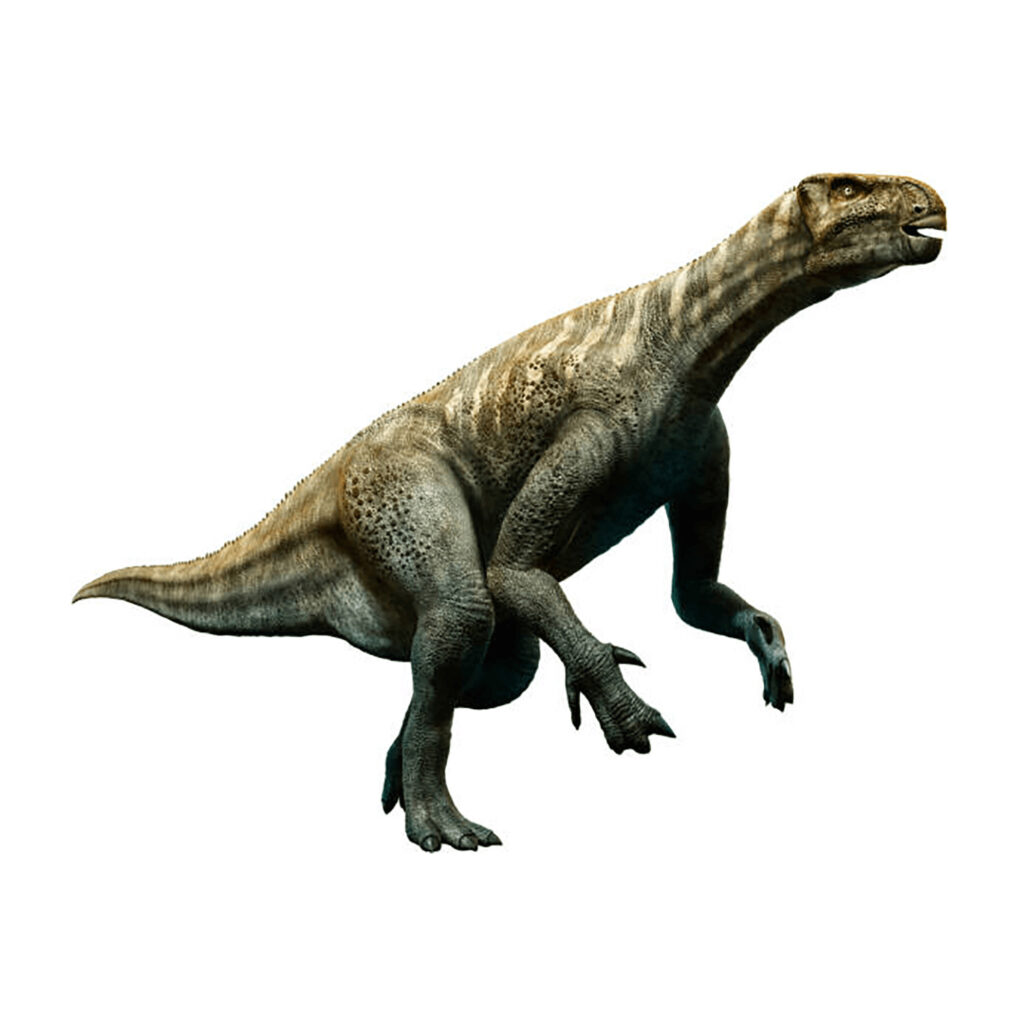
 Iguanodon
- Classification
- Ornithopoda
- Characteristics
- Herbivorous
- Era
- Jurassic period
- Cretaceous period
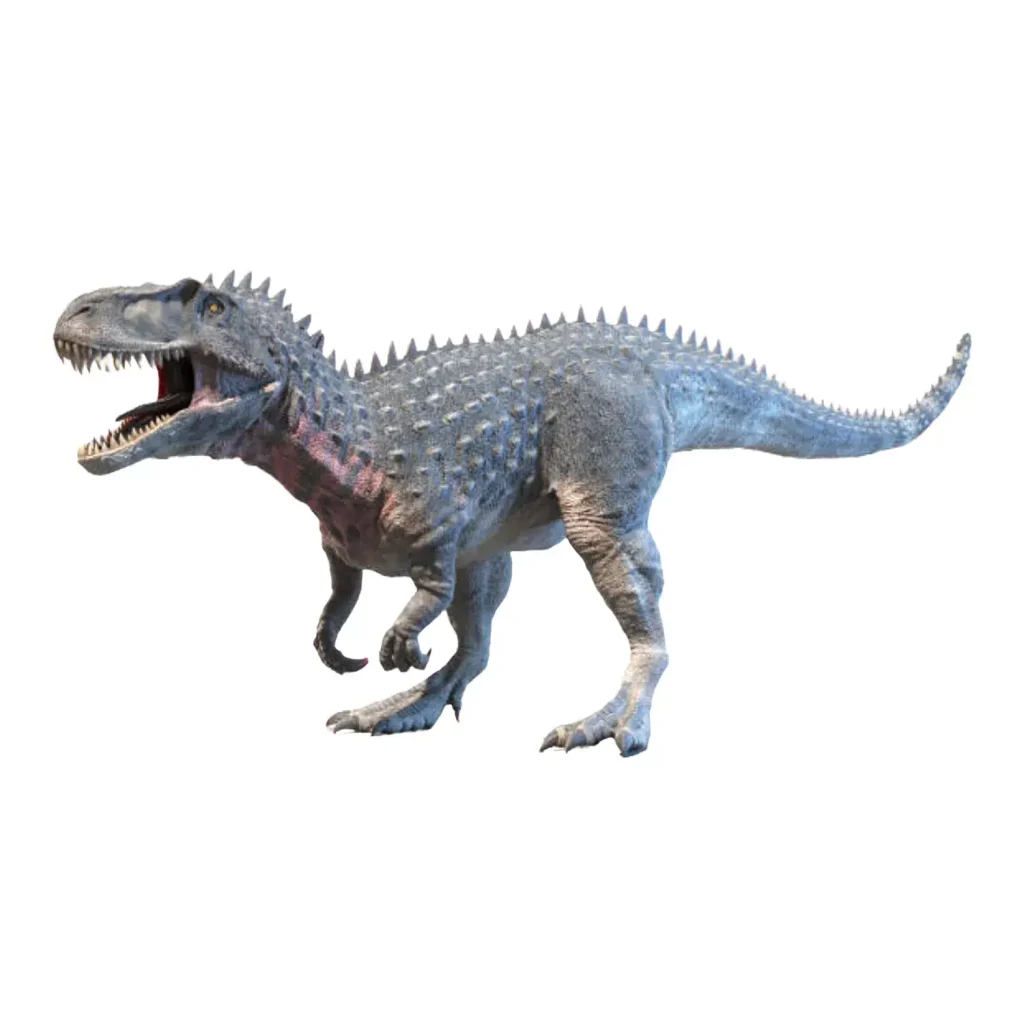
- Torvosaurus
- Classification
- Theropods
- Characteristics
- Carnivorous
- Era
- Jurassic period
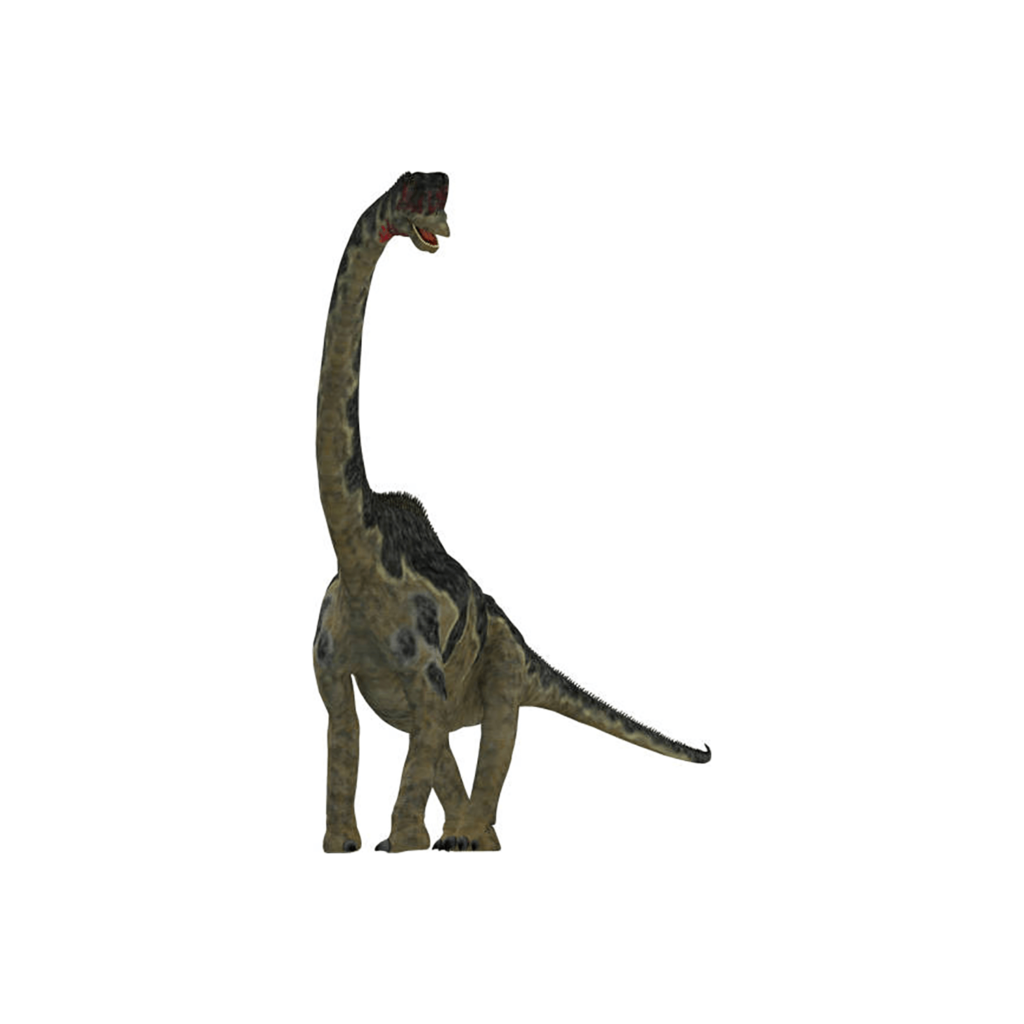
- Europasaurus
- Classification
- Sauropods
- Characteristics
- Herbivorous
- Era
- Jurassic period
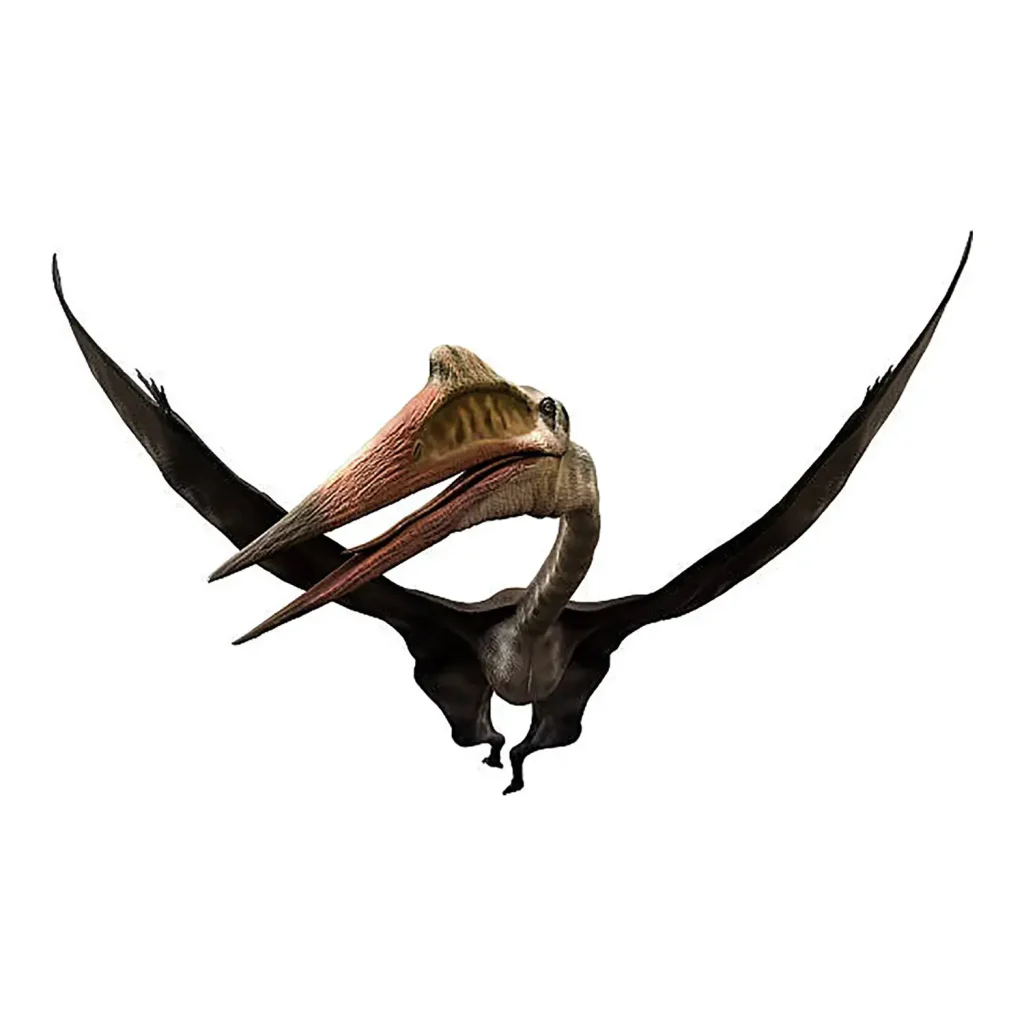
- Quetzalcoatlus
- Classification
- Flying reptiles
- Characteristics
- Carnivorous
- Era
- Cretaceous period
-
Sponsored Links
-
Sponsored Links







![[Latest Research] What Was the Function of Spinosaurus's Giant "Sail"? Exploring the Mysteries of Thermoregulation and Underwater Locomotion](https://dinosaurmuseum.jp/wp/wp-content/uploads/eyecatch_spinosaurus-sail-function_en-1024x512.webp)
![[Latest Discovery] A Third Type of Skin, Neither Scales Nor Feathers? Meet "Haolong dongi," a New Dinosaur Species Covered Entirely in Spikes](https://dinosaurmuseum.jp/wp/wp-content/uploads/eyecatch_dinosaur-spiky-skin-discovery_en-1024x512.webp)



Description
Bajadasaurus lived on the South American continent during the Early Cretaceous period.
It is a relatively recent, small sauropodomorph that was just registered as a new species in 2019.
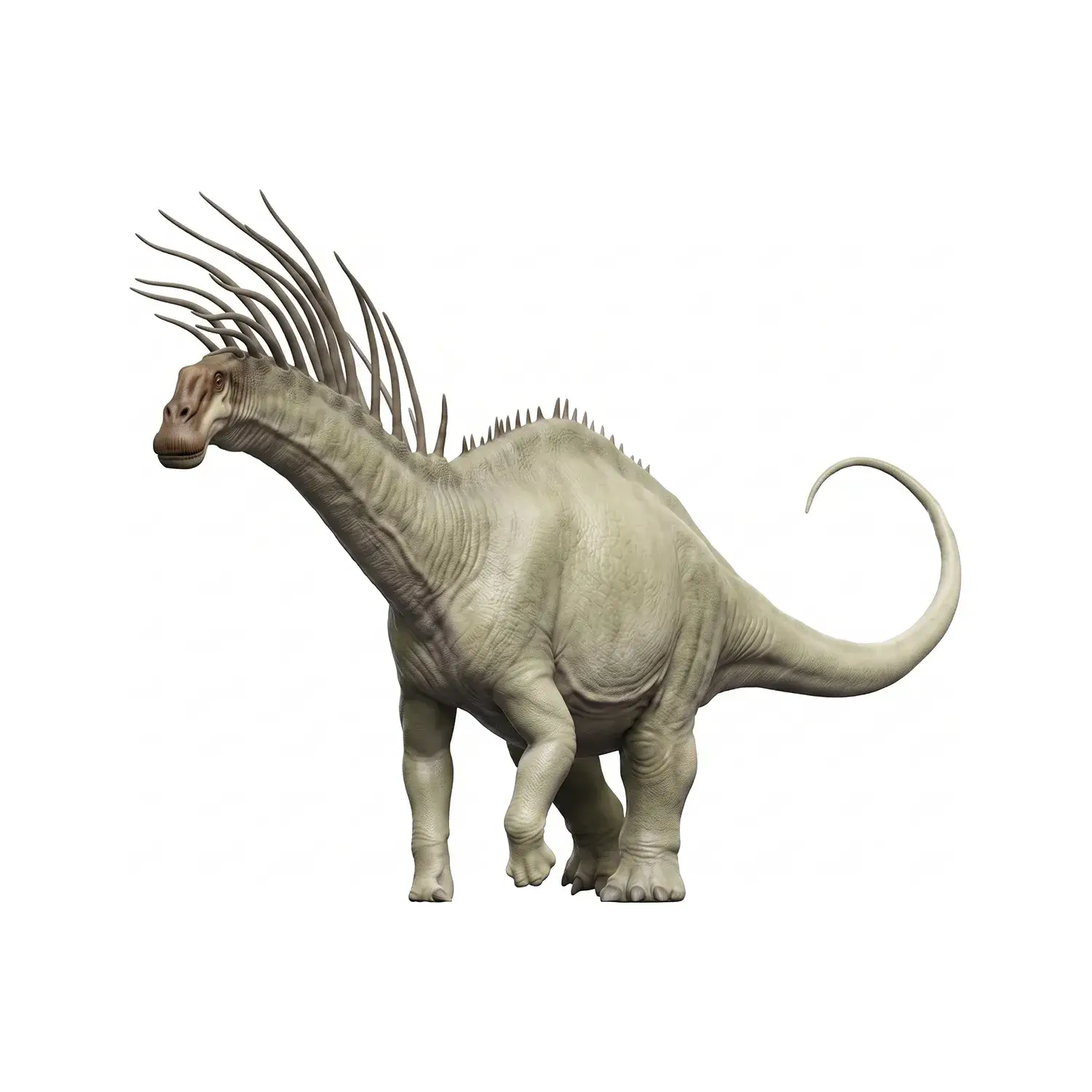
It possesses an extremely bizarre silhouette unlike any other dinosaur, featuring “exceptionally long spines protruding forward” from its neck.
A “New Dinosaur” Named in 2019
The fossils of Bajadasaurus were discovered in the Bajada Colorada Formation in the Patagonia region of Argentina.
What was found included a nearly complete skull and three cervical vertebrae (neck bones).
Following the research on these precious fossils, it was officially registered and named as a new species in February 2019.
In the history of dinosaur research, it can be said that this is still a very recent discovery.
A Similar Appearance to Amargasaurus and a “Crucial Difference”
Like its close relative Amargasaurus, which lived in the same region and era, Bajadasaurus is characterized by extremely long, bifurcated spines (neural spines) growing out of its cervical vertebrae.
However, there was one major, crucial difference between the two.
The Spines of Amargasaurus
They extended “backward” from the neck.
The Spines of Bajadasaurus
They protruded radically “forward,” extending past the front end of the neck.
These unique spines extending forward, much like the horns of an antelope, are the exact origin of its specific name, pronuspinax, which means “forward-leaning spines.”
“The Role of the Spines” That Shook Up a Long-Standing Debate
It is well known that dicraeosaurids, including Amargasaurus, had remarkably well-developed neural spines on their necks, but “what these spines were used for” had been the subject of fierce debate among paleontologists for many years.
However, the discovery of the sharply forward-pointing fossils of Bajadasaurus brought a strong leading theory to this long-standing mystery.
The theory suggests that it is highly likely these long, sharp spines functioned as a “defensive strategy (weapon)” to startle and protect themselves from predators like carnivorous dinosaurs.
The spines, extending as if to intimidate anything in front of them, are believed to have been magnificent armor that helped them survive the harsh Early Cretaceous period.