
Corythosaurus

Name Origin
Corinthian Helmet Lizard
Family
Hadrosauridae
Classification
Diapsida, Ornithischia, Ornithopoda
Habitat (Discovery Location)
United States, Canada
Period
Approximately 77 to 76.5 million years ago (Late Cretaceous)
Length
Approximately 9 to 10 meters
Weight
Approximately 3 tons
Diet
Herbivore (Plant-eater)
 Jurassic
Park / World Featured Dinosaur
Appearance in Jurassic Park
It never appears as a living creature in the film.
Instead, it makes a "cameo" as a painting in the Visitor Center's restaurant.
Like Compsognathus, it was later revealed in the official lore to have been on InGen's 15-species list. However, its DNA was supposedly incomplete at the time of the first film. It was later fully restored by Dr. Wu around 1998, allowing it to finally make its live-action film debut in Jurassic Park III.Appearance in Jurassic Park III
This ornithopod made its series debut in Jurassic Park III, and the film is arguably its most notable appearance.
Early in the movie, they are spotted from the plane as it flies over Isla Sorna (accompanied by impressive music). However, the scene most viewers likely remember is the herd encountered by Dr. Alan Grant and his group as they are fleeing from Velociraptors.
The herd is resting in its territory on a plateau when Grant's group bursts through them in a panic. Realizing the Velociraptors are approaching from behind, the entire herd panics and begins to stampede. While this is essentially their only major scene, the sight of their large, distinctively striped bodies stampeding alongside the human characters left a strong impression on the audience.
Interestingly, they are depicted as coexisting with Parasaurolophus, another ornithopod. In the film, several Corythosaurus are seen mixed in with the Parasaurolophus herd, sharing the same resting area.
Although they seem to share an interspecies bond, this relationship is shown to be not-so-strong. When the predators attack, one Corythosaurus is seen being shoved aside (or "nudged") by a Parasaurolophus during the panic.
According to official lore, Corythosaurus was already on InGen's species list (of 15 species) at the time of the first Jurassic Park. Later, in the lore for Jurassic World: Fallen Kingdom (the 5th film), it was stated that the species went extinct on Isla Nublar after being transferred there, implying that Jurassic Park III would be their final appearance in the series.
However, 21 years later, information from the "DinoTracker" website (related to Jurassic World Dominion) confirmed that a herd was discovered in London alongside Parasaurolophus (though they did not appear in the film itself).
You might also like... 

-
 Bajadasaurus
- Classification
- Sauropods
- Characteristics
- Herbivorous
- Era
- Cretaceous period
- Kronosaurus
- Classification
- Marine reptiles
- Characteristics
- Carnivorous
- Era
- Cretaceous period
- Shonisaurus
- Classification
- Marine reptiles
- Characteristics
- Carnivorous
- Era
- Triassic period
- Titanosaurus
- Classification
- Sauropods
- Characteristics
- Herbivorous
- Era
- Cretaceous period
-
Sponsored Links
-
Sponsored Links









![[Latest Research] What Was the Function of Spinosaurus's Giant "Sail"? Exploring the Mysteries of Thermoregulation and Underwater Locomotion](https://dinosaurmuseum.jp/wp/wp-content/uploads/eyecatch_spinosaurus-sail-function_en-1024x512.webp)
![[Latest Discovery] A Third Type of Skin, Neither Scales Nor Feathers? Meet "Haolong dongi," a New Dinosaur Species Covered Entirely in Spikes](https://dinosaurmuseum.jp/wp/wp-content/uploads/eyecatch_dinosaur-spiky-skin-discovery_en-1024x512.webp)



Description
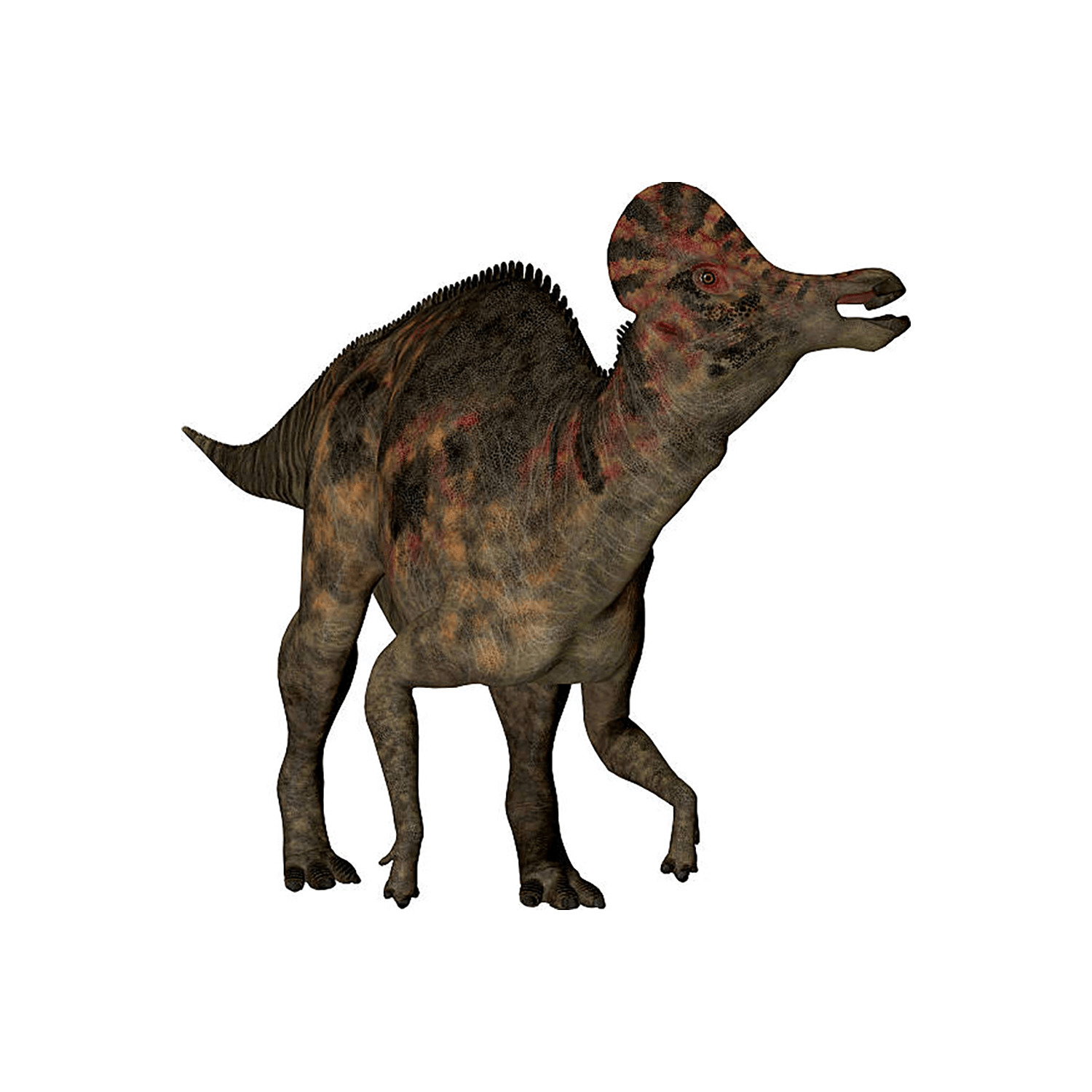
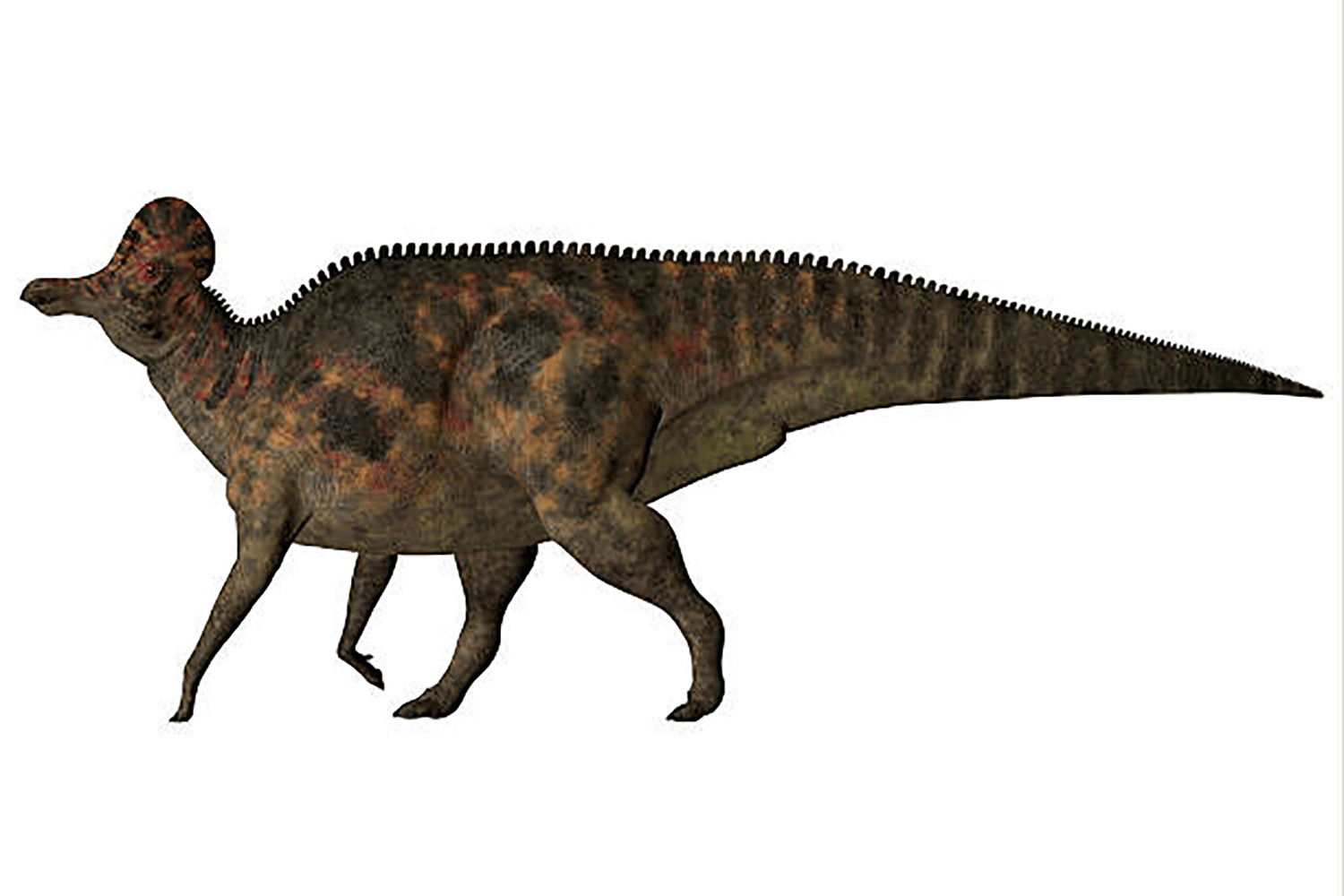
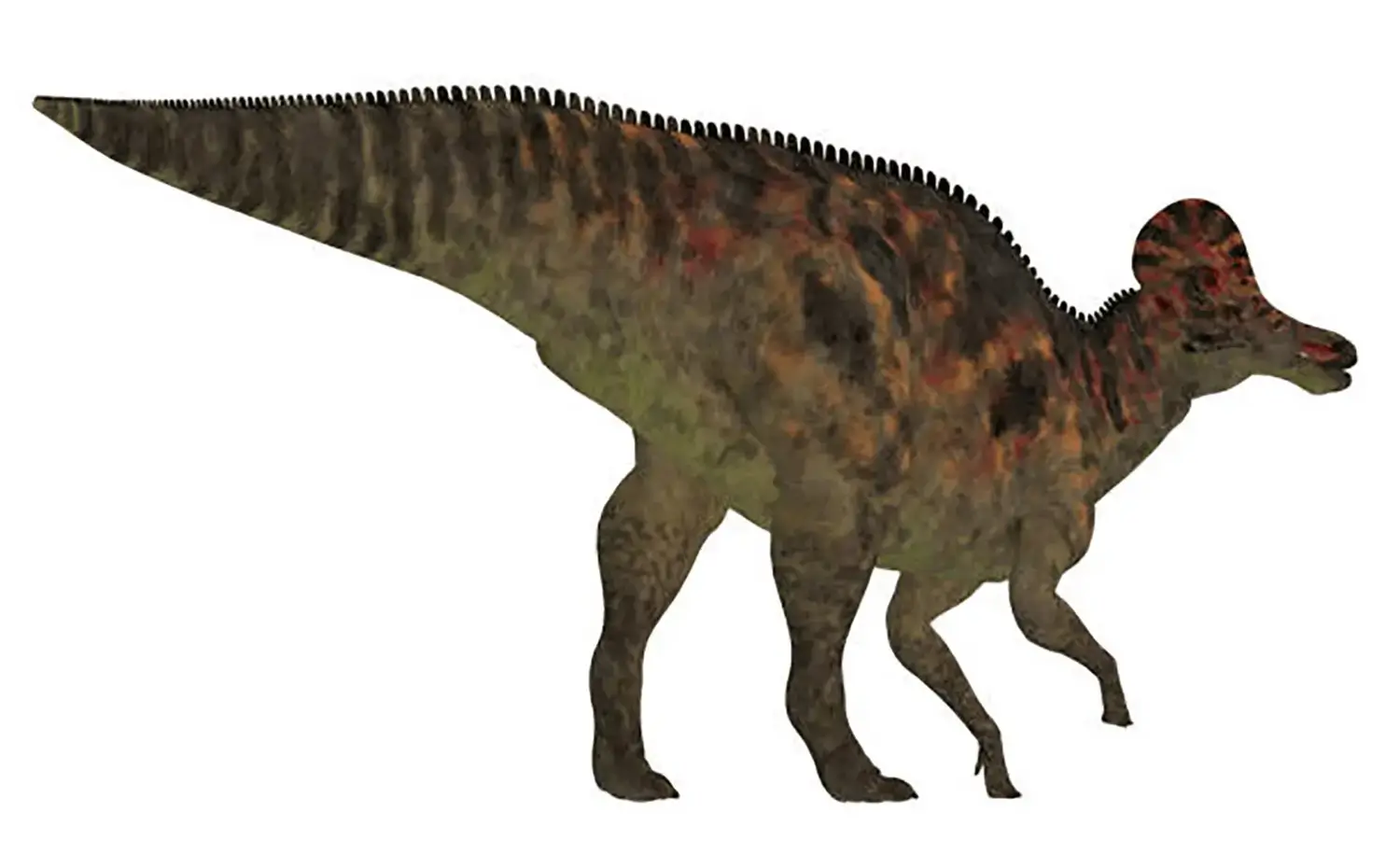
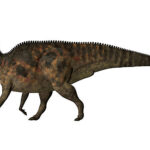
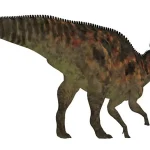
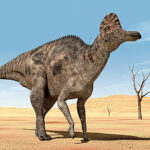
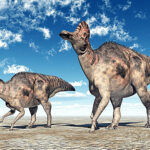
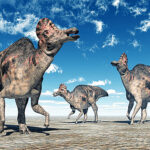
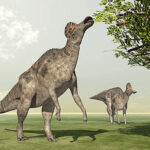
Corythosaurus is a large ornithopod (hadrosaur) that lived on the North American continent during the Late Cretaceous period (approximately 77 to 76.5 million years ago), making it one of the most famous among the “duck-billed dinosaurs.”
Its name means “Corinthian helmet lizard,” named because the large crest on its head resembled the helmets worn by soldiers of the ancient Greek city of Corinth.
A Helmet-Shaped Crest: Its Amazing Functions
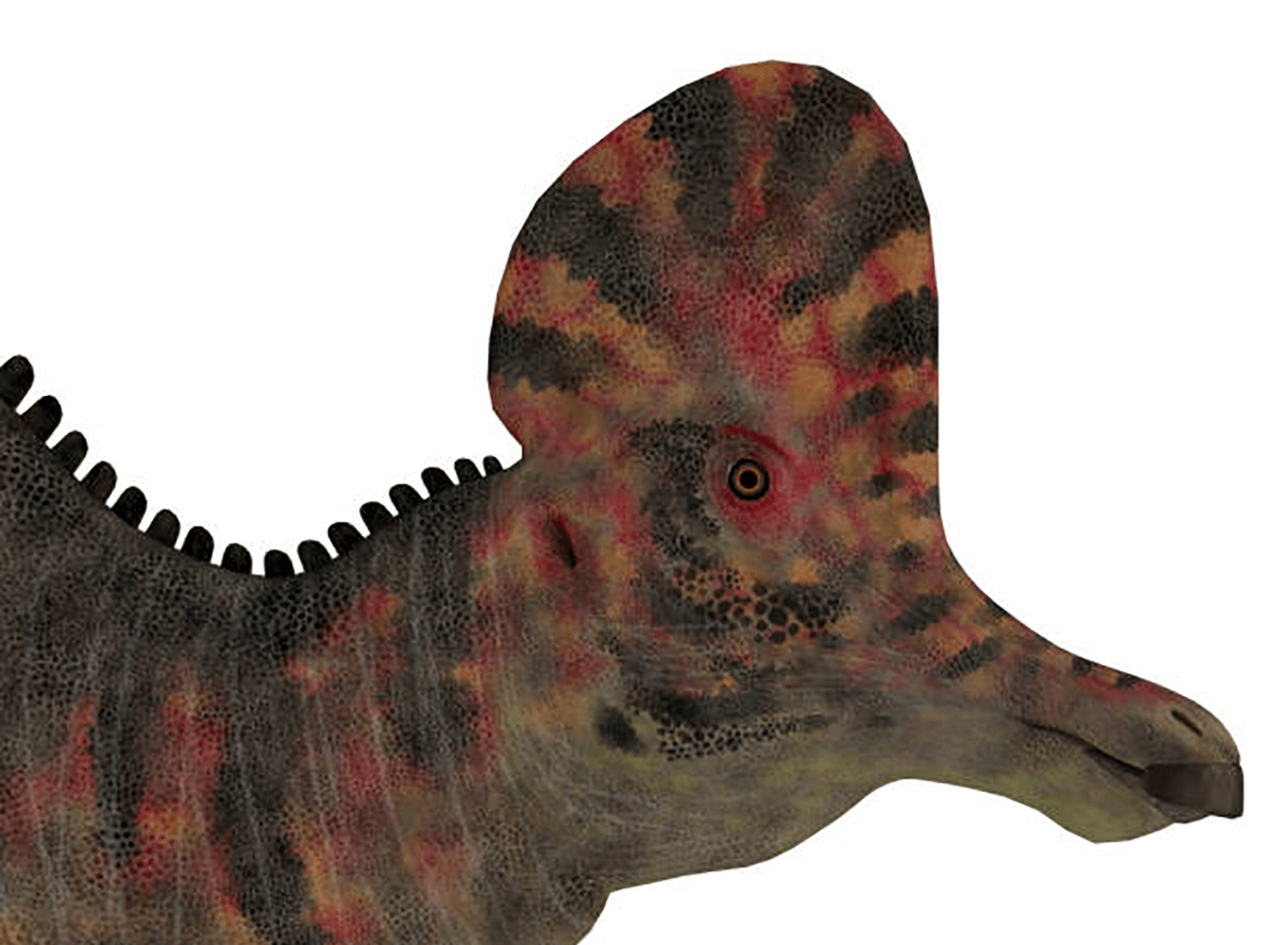
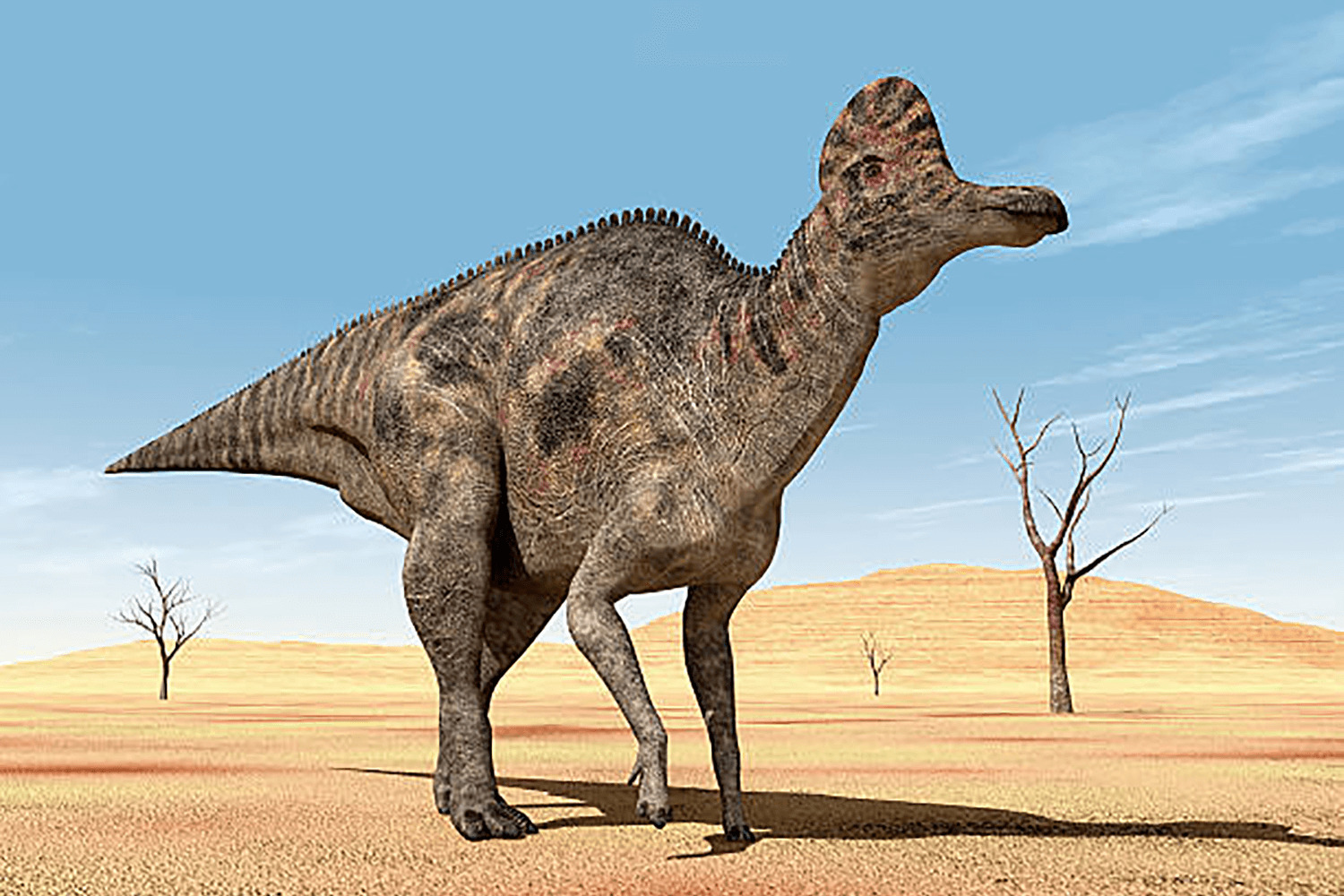
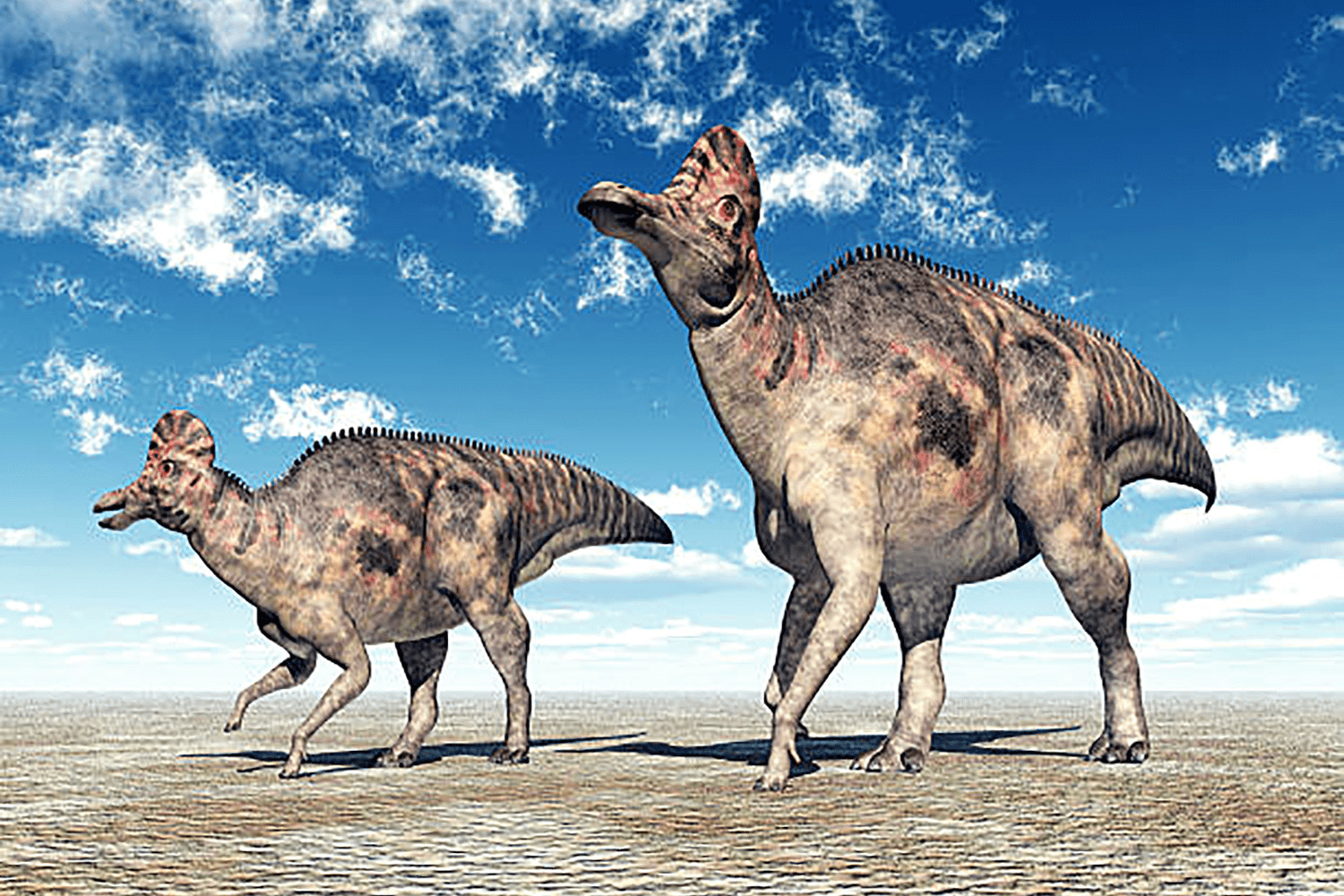
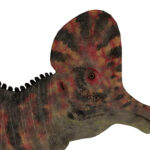
The greatest defining feature of Corythosaurus is the magnificent fan-shaped (arched) crest towering atop its head.
The distinctive crest
Despite its unique appearance, this crest had highly advanced functions.
The crest was hard and hollow, with internal tubular passages connecting all the way down to the nostrils.
Its structure is very similar to a brass instrument like a French horn.
It is believed that this crest primarily served the following four roles:
Resonator
As is true for many crested dinosaurs, it has been scientifically proven that Corythosaurus could produce loud sounds.
The tubes inside the swollen crest resonated their calls, and a 1994 study indicated the possibility that it emitted a low sound similar to a trombone (or a steam whistle).
It is thought that this sound was used for communication with the herd or to intimidate other males.
Amplifying the Sense of Smell
The inside of the crest was directly connected to the nasal cavity, and it is believed to have been used as a tool to amplify its sense of smell.
Air Conditioning
As air passed through the inside of the crest, it likely provided adequate moisture to the air drawn into the lungs.
Display
The unique helmet-like shape is thought to have been used to attract the opposite sex or visually distinguish members of its own species.
The particularly high, prominent crests are believed to have belonged to adult males, which strongly supports this theory.
History of Discovery and Progress in Research
The first Corythosaurus fossil was discovered in 1911 (and described in 1914).
It was found along the Red Deer River in Alberta, Canada, by Barnum Brown, who is also famous as the discoverer of Tyrannosaurus.
The First Specimen
The well-preserved fossil discovered at this time (missing only part of the tail and forelimbs) was named “Corythosaurus casuarius.”
The specific name is derived from the scientific name of the cassowary, a bird that sports a similar crest.
Abundant Specimens
Since then, numerous skeletal specimens, including over 20 skull fossils, have been found in the United States and Canada.
These specimens include a variety of individuals—males, females, and juveniles—making it one of the most extensively studied dinosaurs today.
Differences in Sex and Growth
From these specimens, researchers learned that the shape of the crest varied greatly depending on sex and growth stage.
The swelling was not developed in their juvenile stage, and it appears to have grown larger as they matured.
Precious Skin Fossils
Furthermore, even complete skeletons with fossilized skin have been discovered. These serve as an incredibly valuable source of information for understanding exactly what Corythosaurus looked like when it was alive.
Physique and Ecology
Corythosaurus was quite large among hadrosaurs, reaching about 9 to 10 meters (29.5 to 32.8 feet) in length and weighing around 3 metric tons (6,600 lbs).
Diet
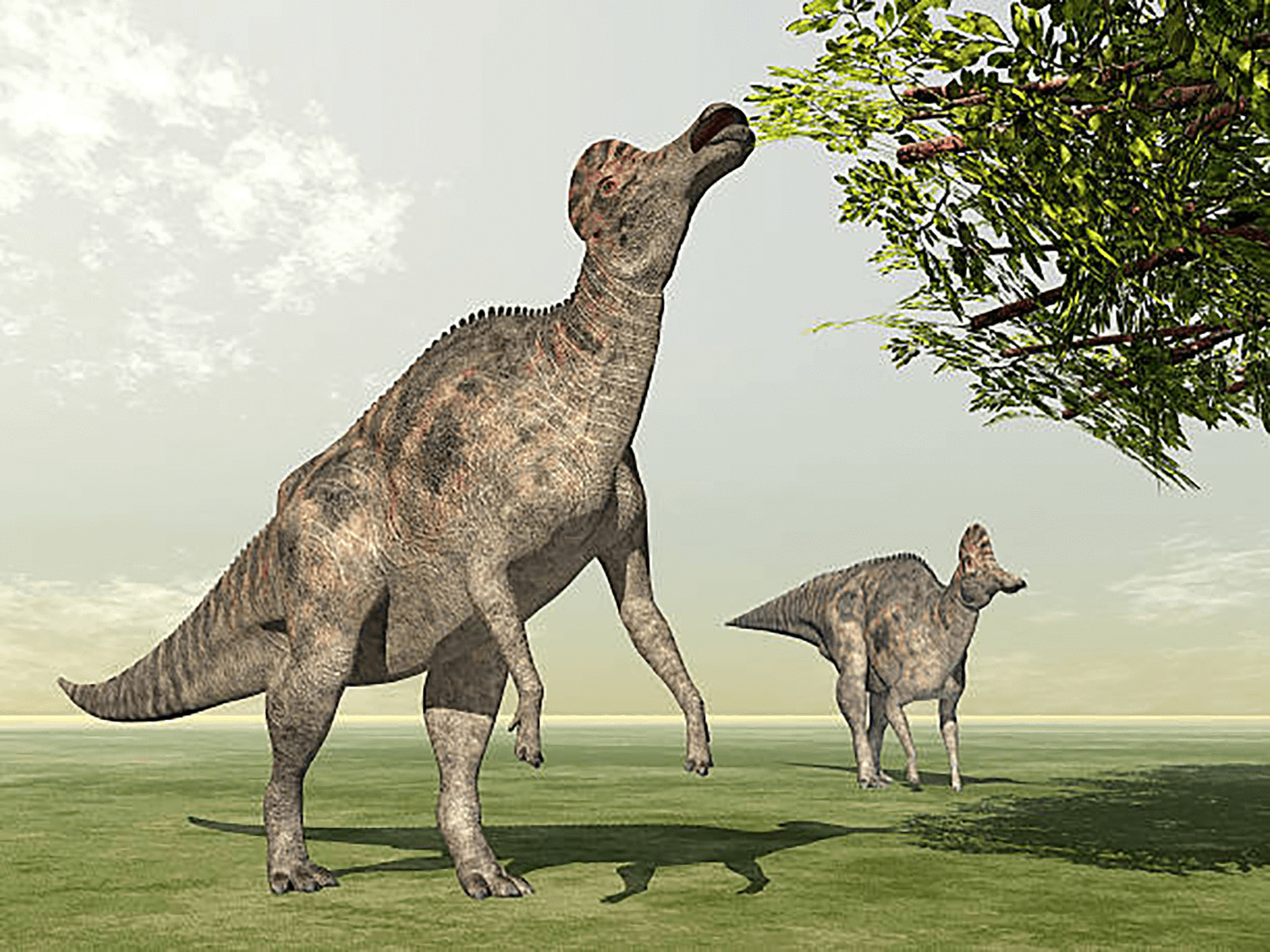
They were herbivorous dinosaurs. Their mouths were lined with over 600 teeth (a dental battery), which they used to grind up and eat tough plants.
In fact, fossils have been found with conifer needles, seeds, and twigs remaining in their stomach cavities.
Ancestry
Their ancestor is believed to be the famous Iguanodon.
While Iguanodon itself did not have a crest, its body shape is very similar, supporting the idea that they are descendants.
Tail Characteristics
The caudal vertebrae (tail bones) were stiffened by ossified tendons, and it is thought that the tail had poor mobility.
It is believed that the tail had poor mobility
Relationship with Close Relatives
In Late Cretaceous North America, there were other dinosaurs with similarly crested heads, such as Lambeosaurus and Parasaurolophus.
How to Tell It Apart from Lambeosaurus
Corythosaurus and Lambeosaurus can be distinguished by the shape of their crests.
While the crest of Lambeosaurus points slightly forward like a pompadour hairstyle, that of Corythosaurus swells into an arch shape.
In this way, Corythosaurus is an extremely important dinosaur in an academic sense, and it continues to fascinate many researchers to this day.