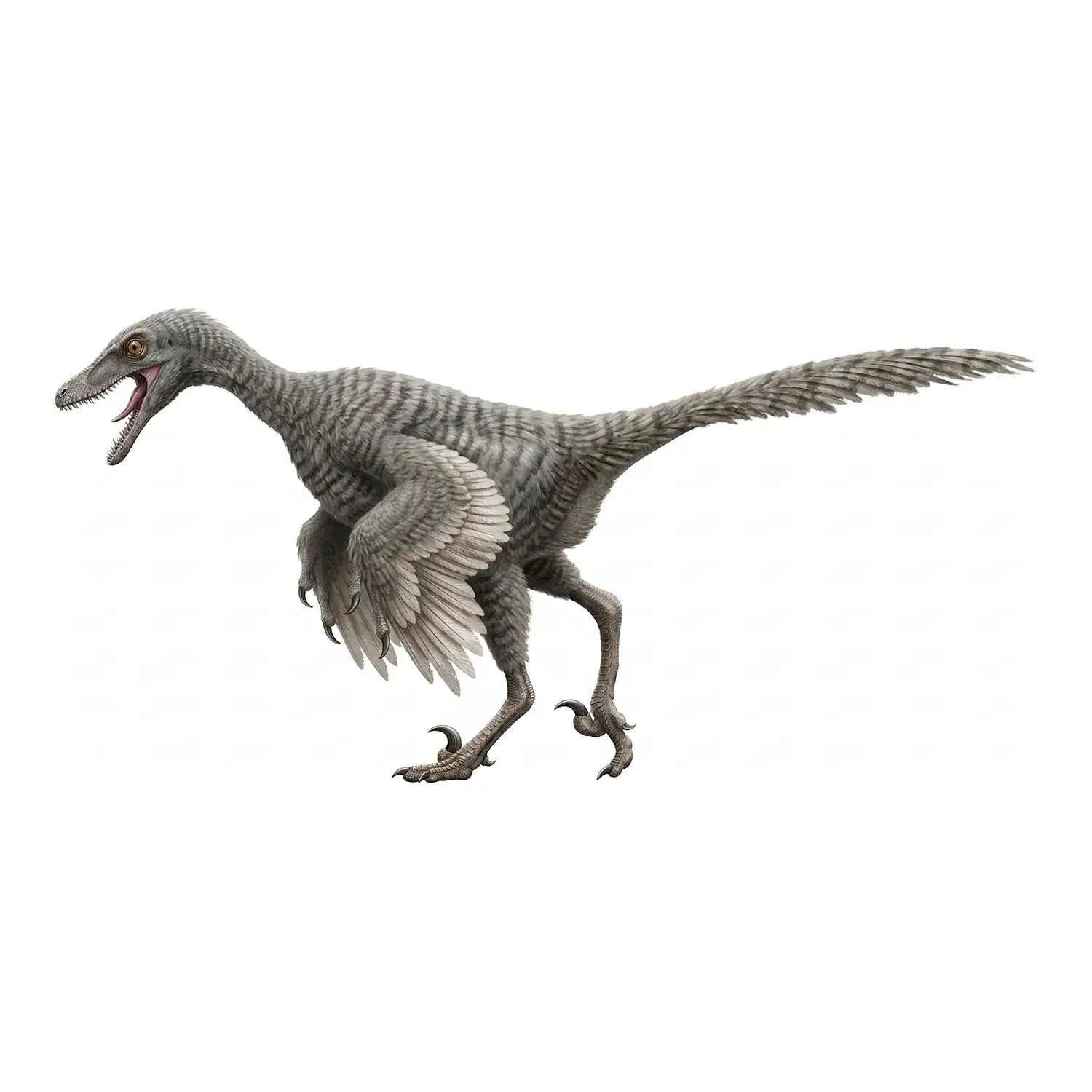
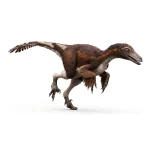
Saurornitholestes
Name Origin
Bird-catching lizard
Family
Dromaeosauridae
Classification
Reptilia, Saurischia, Theropoda
Habitat (Discovery Location)
Canada
Period
Approximately 77 to 69 million years ago (Late Cretaceous)
Length
Approximately 2 meters
Weight
Approximately 10 kilograms
Diet
Carnivore (Meat-eater)
You might also like... 
-
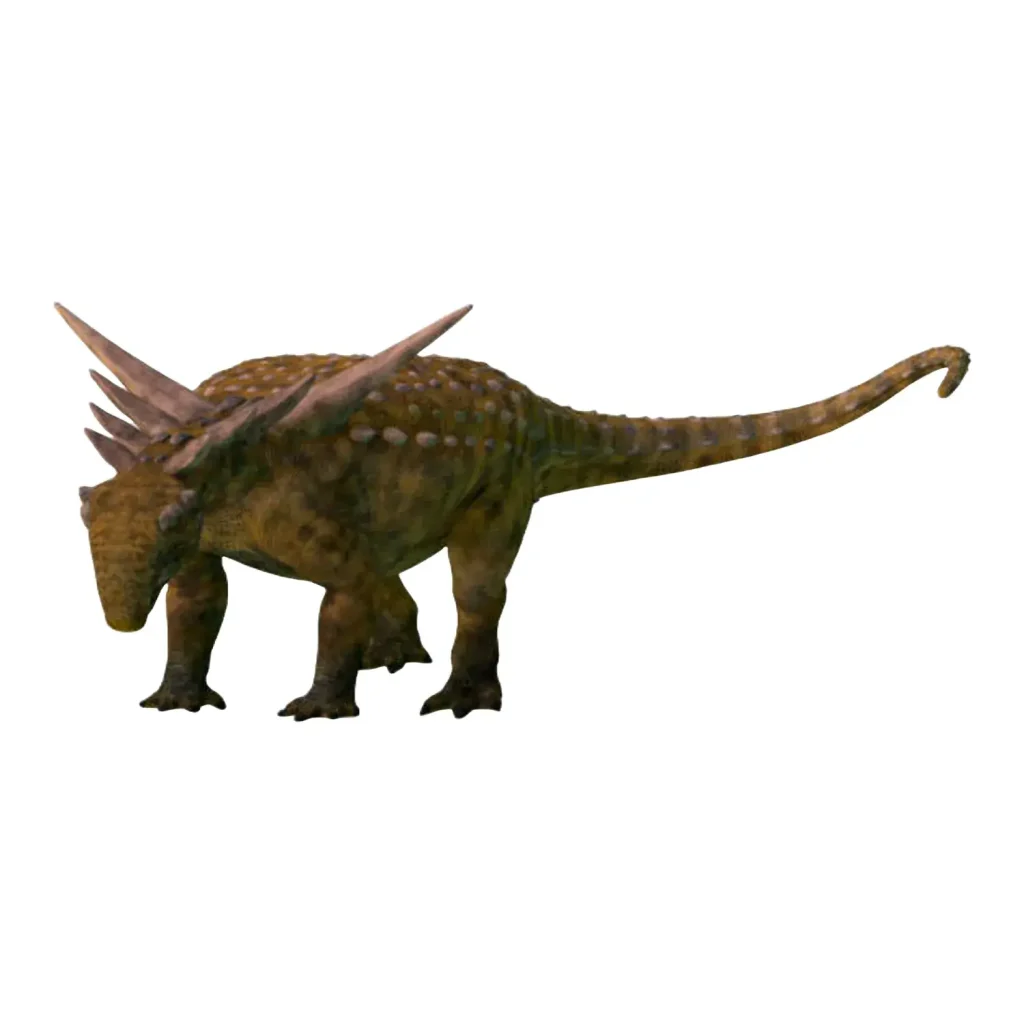
 Sauropelta
- Classification
- Thyreophora
- Characteristics
- Herbivorous
- Era
- Cretaceous period
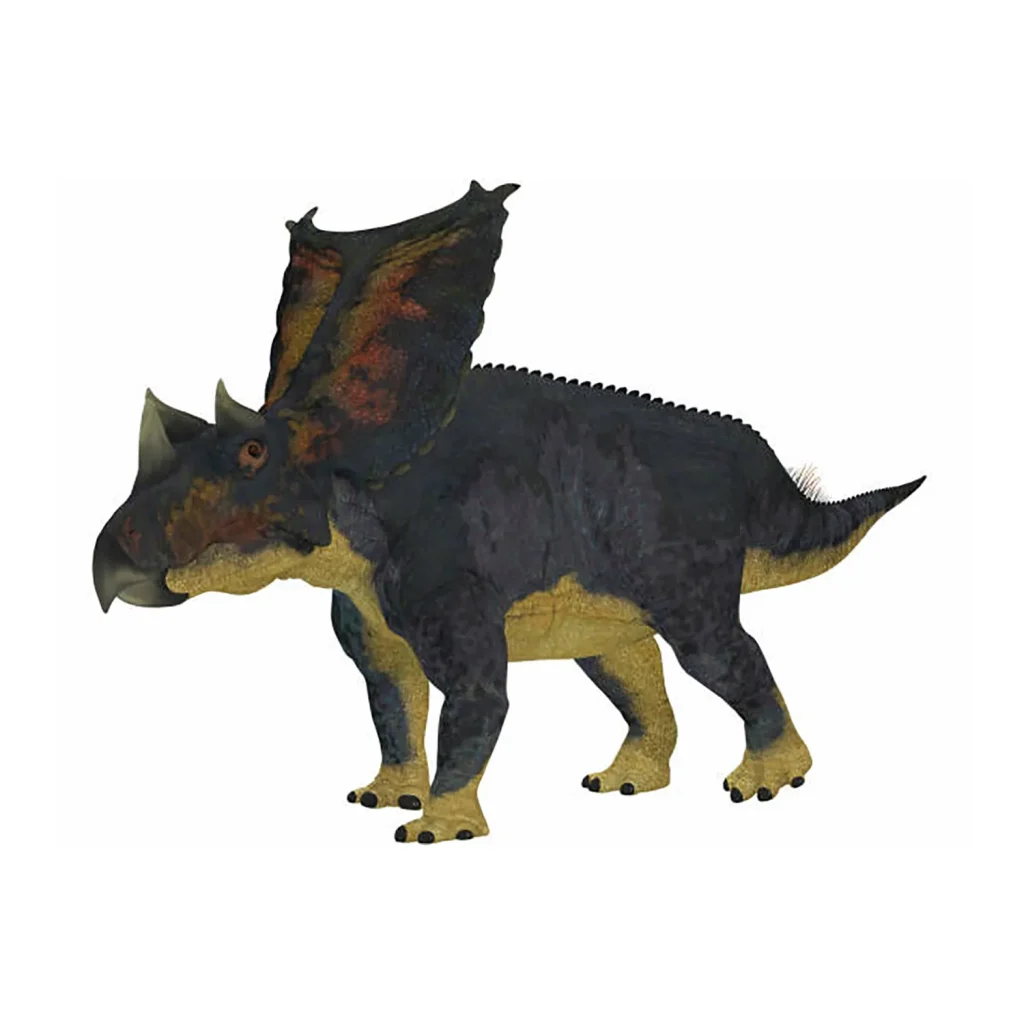
- Chasmosaurus
- Classification
- Marginocephalia
- Characteristics
- Herbivorous
- Era
- Cretaceous period
- Mononykus
- Classification
- Theropods
- Characteristics
- Carnivorous
- Feathered
- Era
- Cretaceous period
- Placodus
- Classification
- Marine reptiles
- Characteristics
- Carnivorous
- Era
- Triassic period
-
Sponsored Links
-
Sponsored Links


![[Latest Research] What Was the Function of Spinosaurus's Giant "Sail"? Exploring the Mysteries of Thermoregulation and Underwater Locomotion](https://dinosaurmuseum.jp/wp/wp-content/uploads/eyecatch_spinosaurus-sail-function_en-1024x512.webp)
![[Latest Discovery] A Third Type of Skin, Neither Scales Nor Feathers? Meet "Haolong dongi," a New Dinosaur Species Covered Entirely in Spikes](https://dinosaurmuseum.jp/wp/wp-content/uploads/eyecatch_dinosaur-spiky-skin-discovery_en-1024x512.webp)

Description
Approximately 77 to 69 million years ago, during the Late Cretaceous period, numerous giant dinosaurs roamed the North American continent (around present-day Alberta, Canada).
Beneath their massive feet, a small carnivorous dinosaur lived quietly but vigorously, relying on its excellent sense of smell and agility to survive.
That dinosaur was Saurornitholestes.
What is Saurornitholestes? Name Origin and Classification
The genus name Saurornitholestes means “lizard that catches birds.”
Its name is very similar to Saurornithoides, a troodontid that lived in Asia. This is because they were initially thought to be closely related when Saurornitholestes was first named.
Today, it is known to be a carnivorous dinosaur belonging to the dromaeosaurid family, the same group as the famous movie star Velociraptor.
It was once classified in the Velociraptorinae subfamily, but with recent advancements in research, it has been reclassified into its own unique group, the Saurornitholestinae subfamily.
A Highly Skilled Predator with a Nimble Body and Keen Senses
The maximum length of Saurornitholestes was only about 2 meters (6.6 feet), making it a miniature-sized dinosaur roughly the same size as most of its close relatives.
However, packed into that small body were the highly refined abilities of a hunter.
Sprinter’s Leg Strength
It had longer hind legs compared to other dromaeosaurids, giving it a very agile and nimble build.
It is believed to have been a sprinter that dashed swiftly across the land.
Well-Developed Teeth and Claws
The teeth lined up at the front of its jaw were highly developed, and it was also equipped with sharp claws to reliably take down its prey.
Keen Sense of Smell
Studies of its skull have revealed that its sense of smell was extremely well-developed.
It is speculated that it could sensitively detect hidden prey or catch scents from far away.
Primary Prey
Utilizing its small build, it preyed on small animals like insects and reptiles, as well as early mammals (distant ancestors of humans).
Encounters with Giant Pterosaurs: Daring Hunter or Scavenger?
When discussing their diet, there is an interesting discovery that has puzzled paleontologists.
Traces of what appear to be Saurornitholestes teeth deeply embedded in the fossils of massive azhdarchid pterosaurs (such as Quetzalcoatlus and Cryodrakon) that coexisted in the same area have been found.
Did this small, 2-meter dinosaur daringly attack and kill the towering kings of the sky?
Or did it merely use its keen sense of smell to scavenge the carcasses of pterosaurs that were already lying dead?
The absolute truth remains uncertain, but there is no doubt that they possessed a very shrewd survival strategy, seizing every opportunity to obtain food.
The Harsh World of Giant Beasts and the Struggle for Survival
Late Cretaceous North America, where Saurornitholestes lived, was a period just before the emergence of the famous Tyrannosaurus rex.
Their habitat was crowded with giant dinosaurs like the following:
In a world ruled by monstrous giant dinosaurs averaging around 6 meters (20 feet) in size, Saurornitholestes was forced to live a quiet life, slipping past them out of necessity.
No matter how agile they were, unexpected encounters were unavoidable. In fact, some excavated fossils bear the gruesome, deep bite marks of large carnivorous dinosaurs like Gorgosaurus and Daspletosaurus.
While being highly skilled hunters, they were also constantly targeted by massive predators themselves, living harsh, life-threatening days.
Summary
The “bird-catching lizard,” Saurornitholestes, was a dinosaur that skillfully survived in the middle of the food chain within the rich ecosystem of the Late Cretaceous.
Slipping under the feet of giant dinosaurs and carving out their own niche using their keen senses and agility as weapons, their existence speaks volumes to us today about just how diverse and unforgiving the dinosaur era’s survival of the fittest truly was.