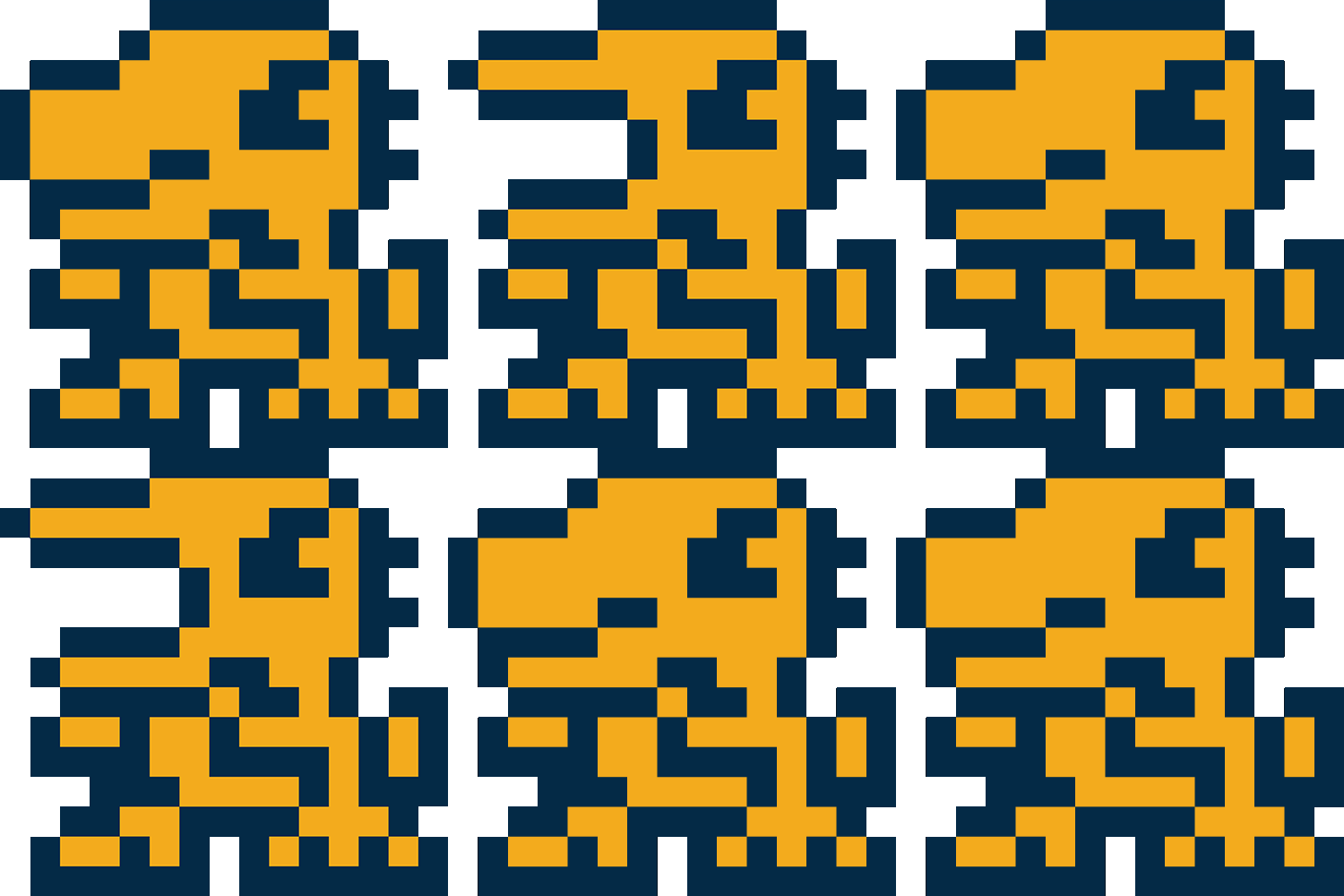
Aucasaurus
Name Origin
Lizard of Auca Mahuevo
Family
Abelisauridae
Classification
Diapsida, Saurischia, Theropoda
Habitat (Discovery Location)
Argentina
Period
Approximately 83–75 million years ago (Late Cretaceous)
Length
Approximately 5.5–6 meters
Weight
Approximately 700 kilograms
Diet
Carnivore (Meat-eater)
TODAY'S QUIZ
Correct answer = 1 coin
Why have scientists suggested that Aucasaurus may have preyed on sauropod eggs or hatchlings?
Loading…


You might also like... 

-
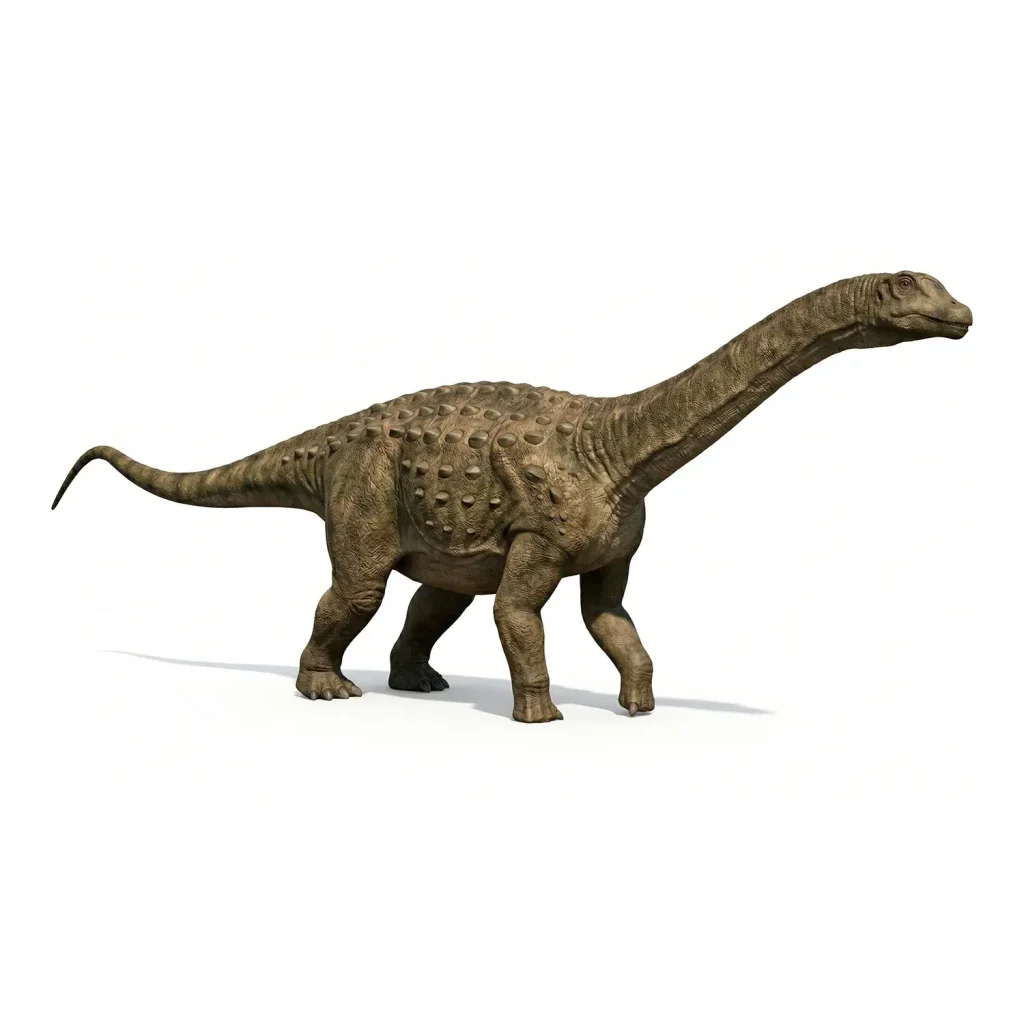
 Magyarosaurus
- Classification
- Sauropods
- Characteristics
- Herbivorous
- Era
- Cretaceous period
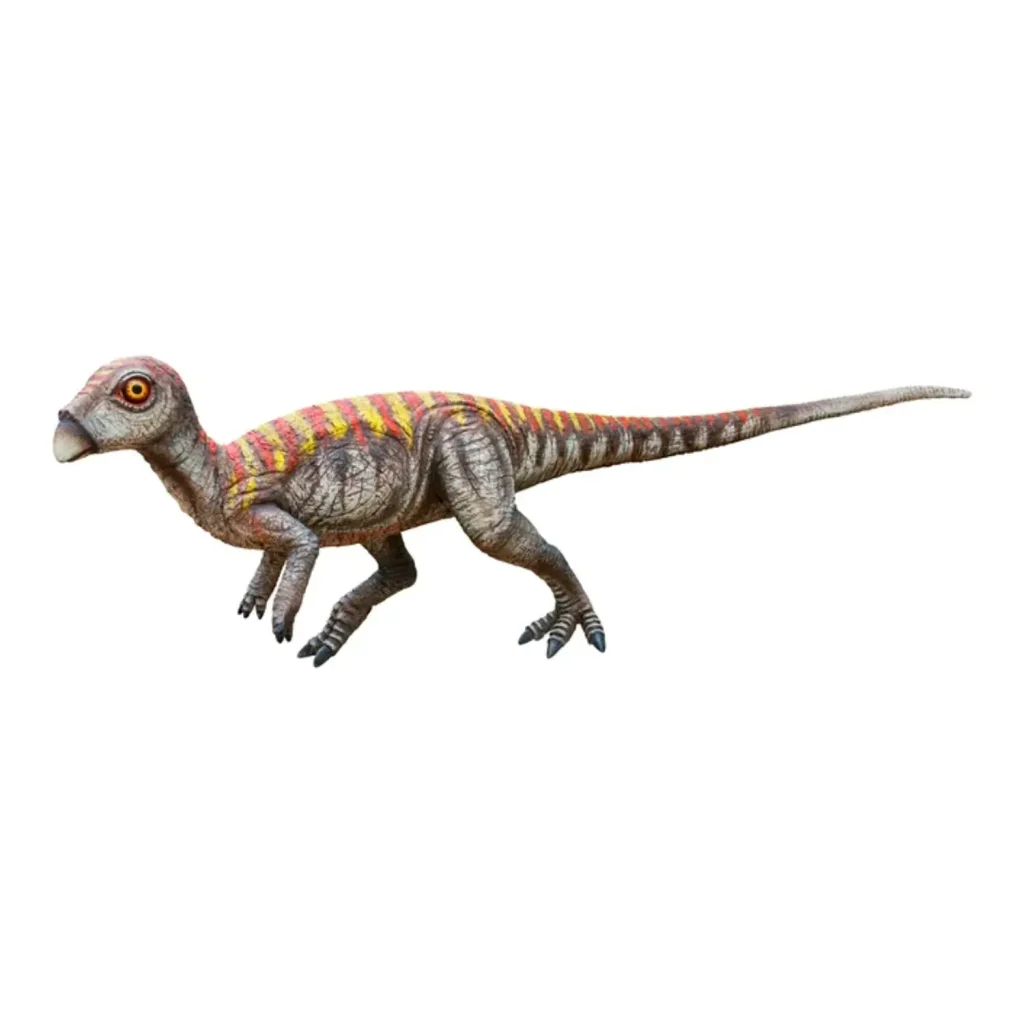
- Leaellynasaura
- Classification
- Ornithopoda
- Characteristics
- Herbivorous
- Era
- Cretaceous period
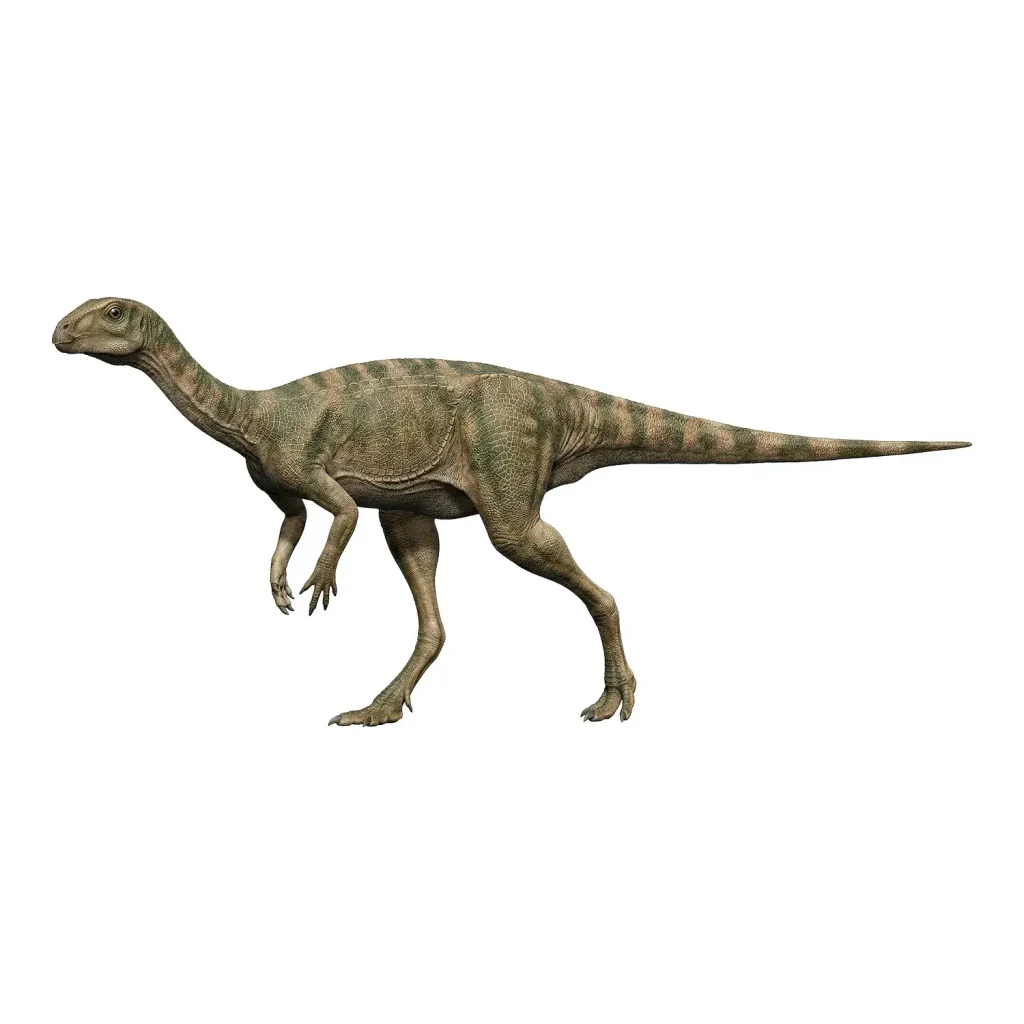
- Talenkauen
- Classification
- Ornithopoda
- Characteristics
- Herbivorous
- Era
- Cretaceous period
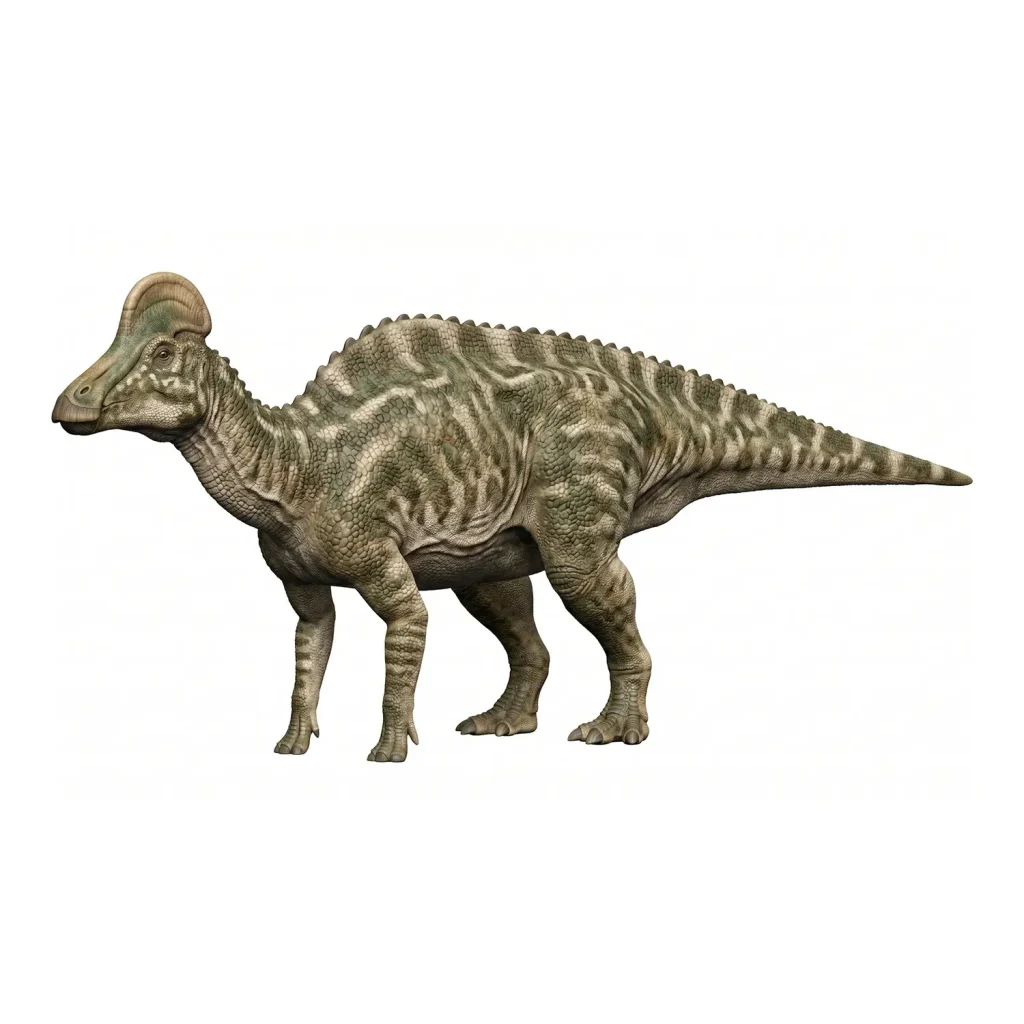
- Hypacrosaurus
- Classification
- Ornithopoda
- Characteristics
- Herbivorous
- Era
- Cretaceous period
-
Sponsored Links
-
Sponsored Links









Description
During the Late Cretaceous, South America was home to many carnivorous dinosaurs with distinctive physical features.
One of the most notable groups was Abelisauridae, a family characterized by short forelimbs and robust skulls.
Aucasaurus, the dinosaur featured in this article, also belonged to this family of carnivorous dinosaurs.
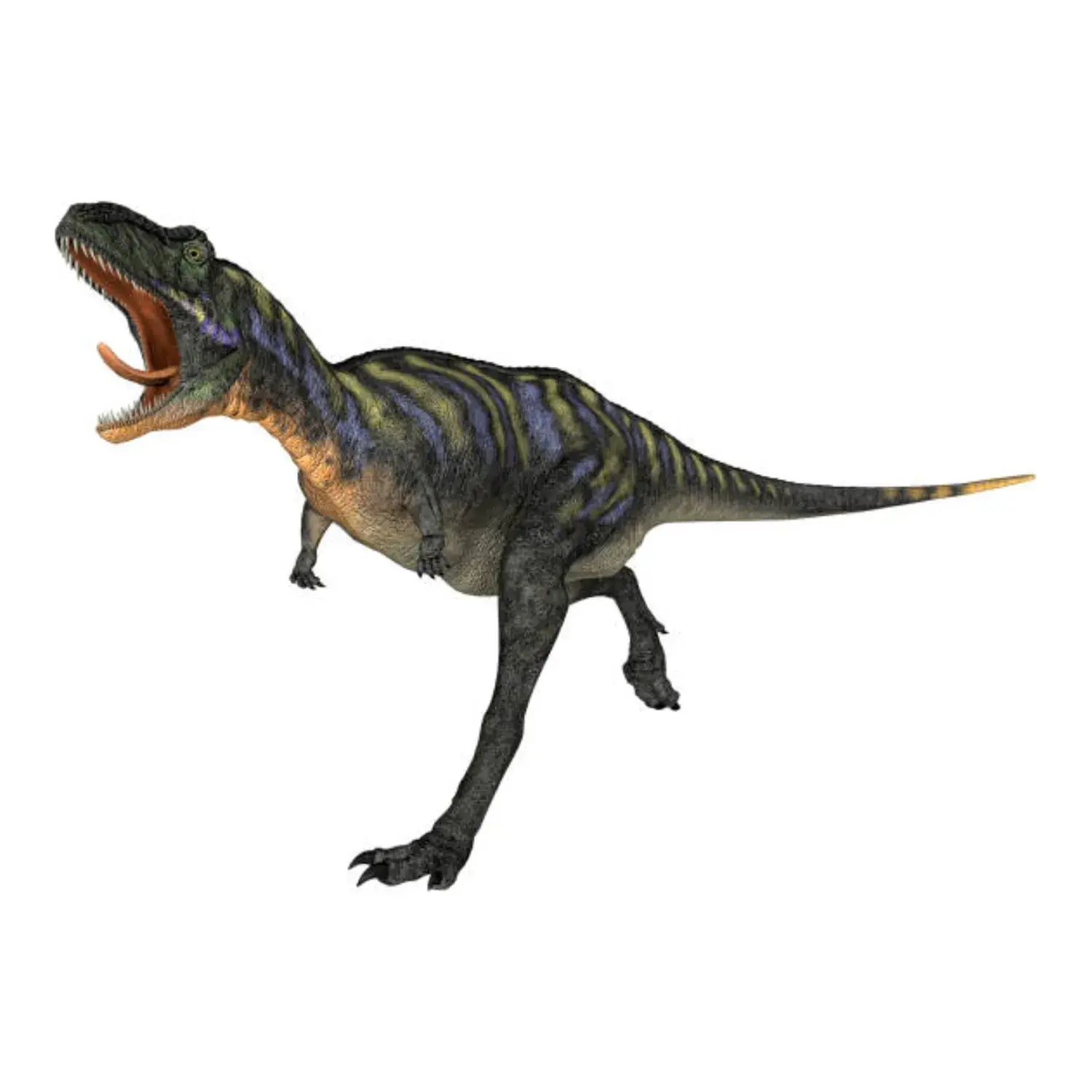
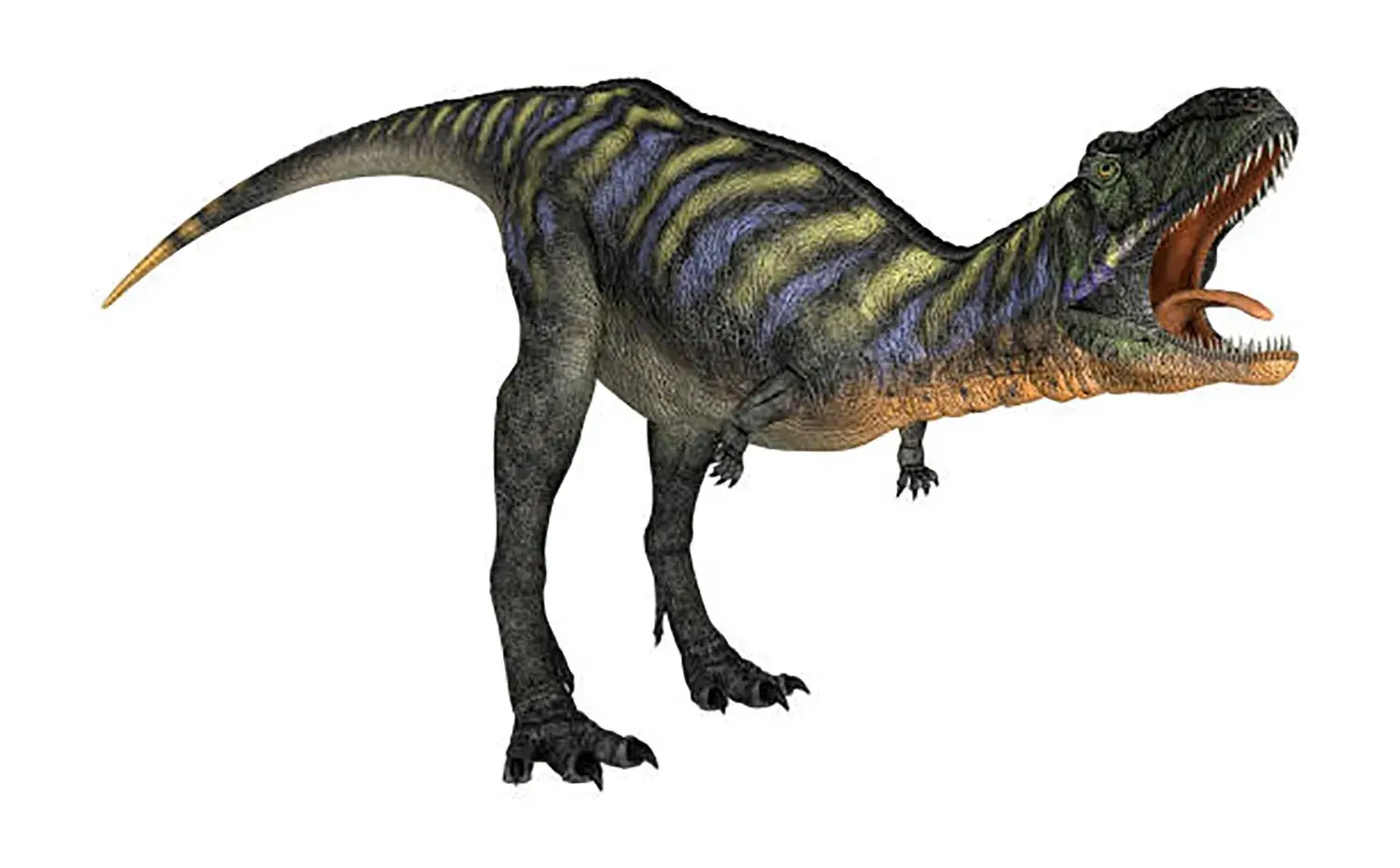
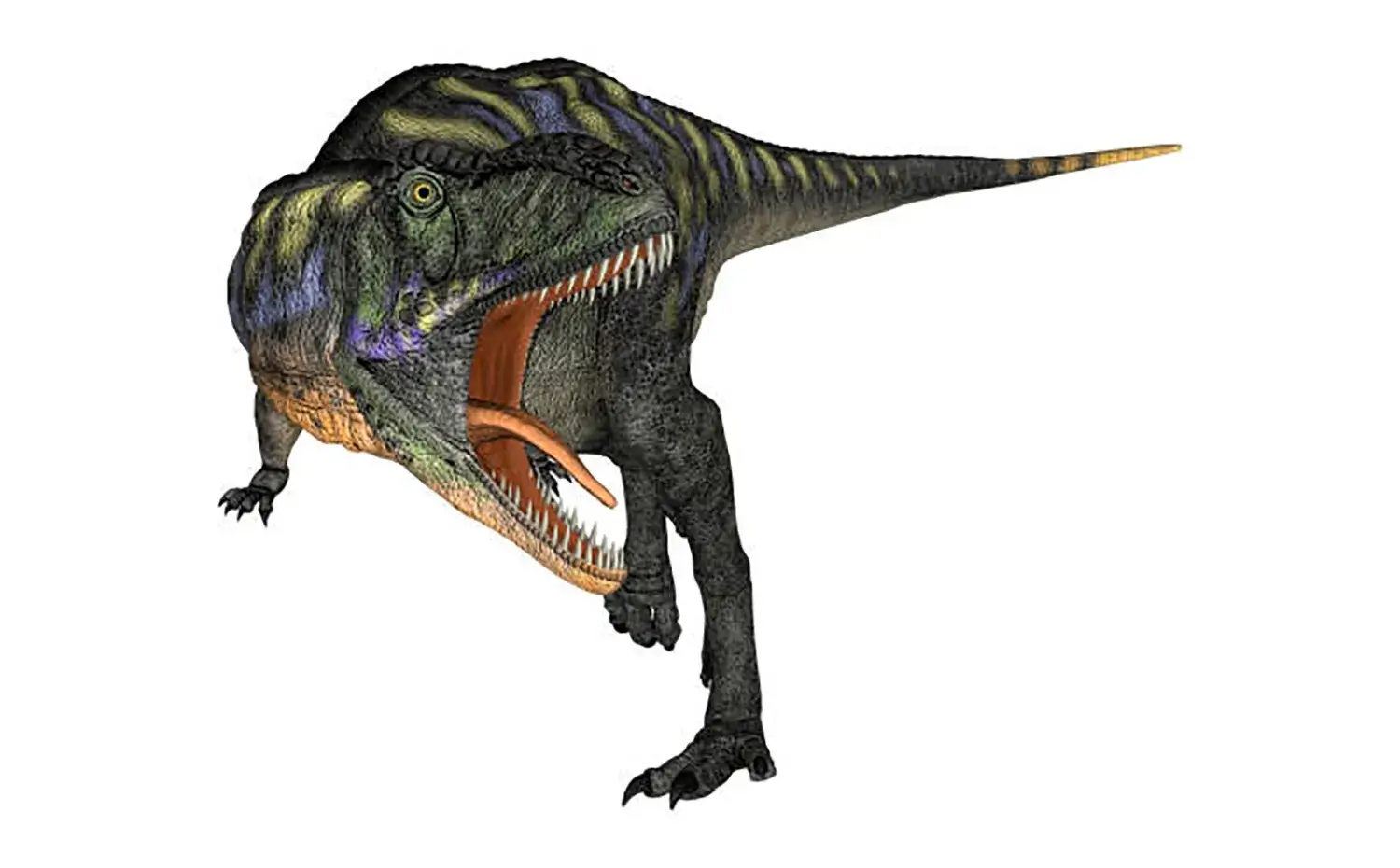
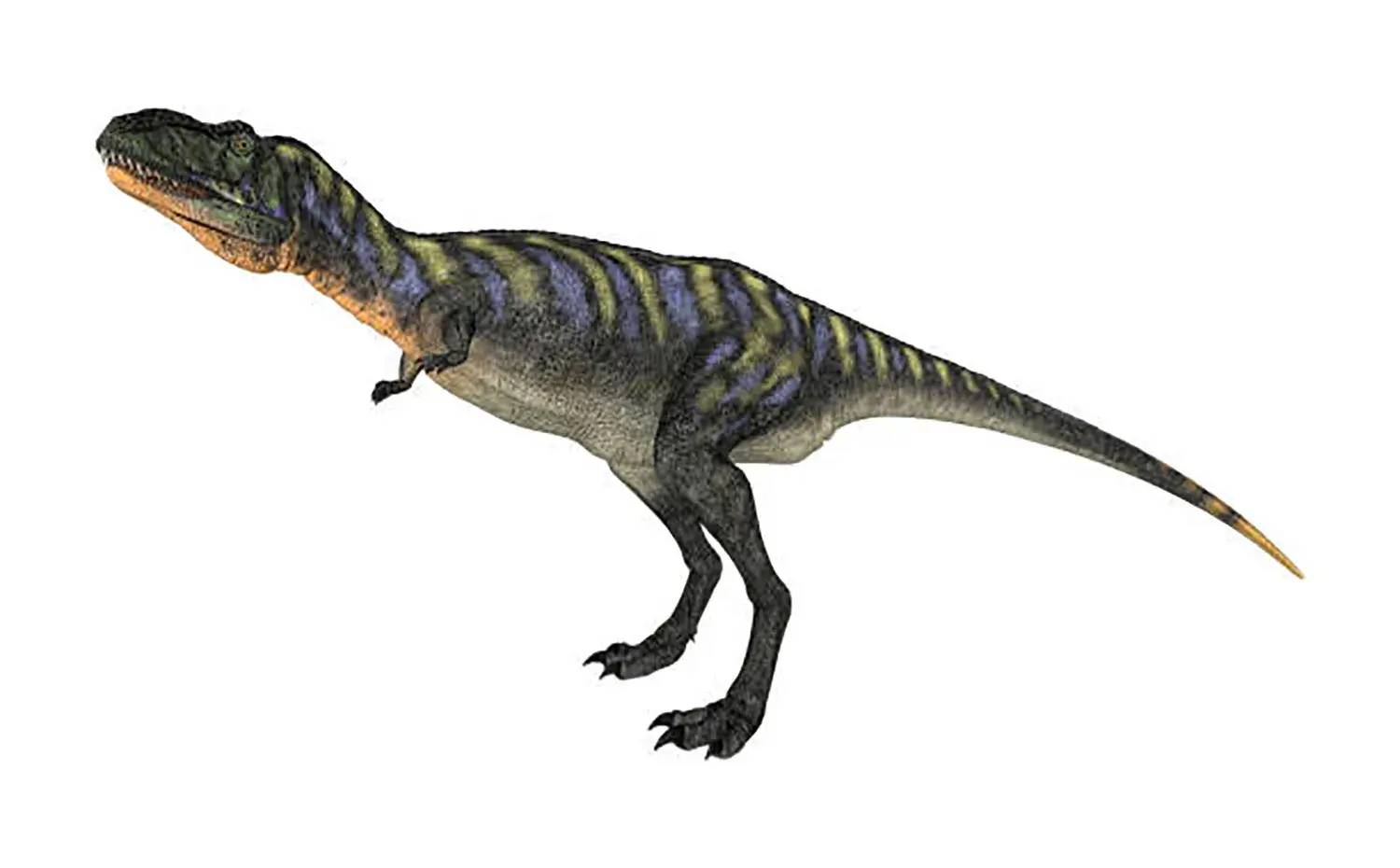
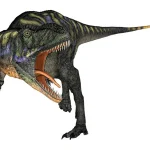
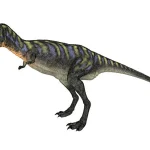
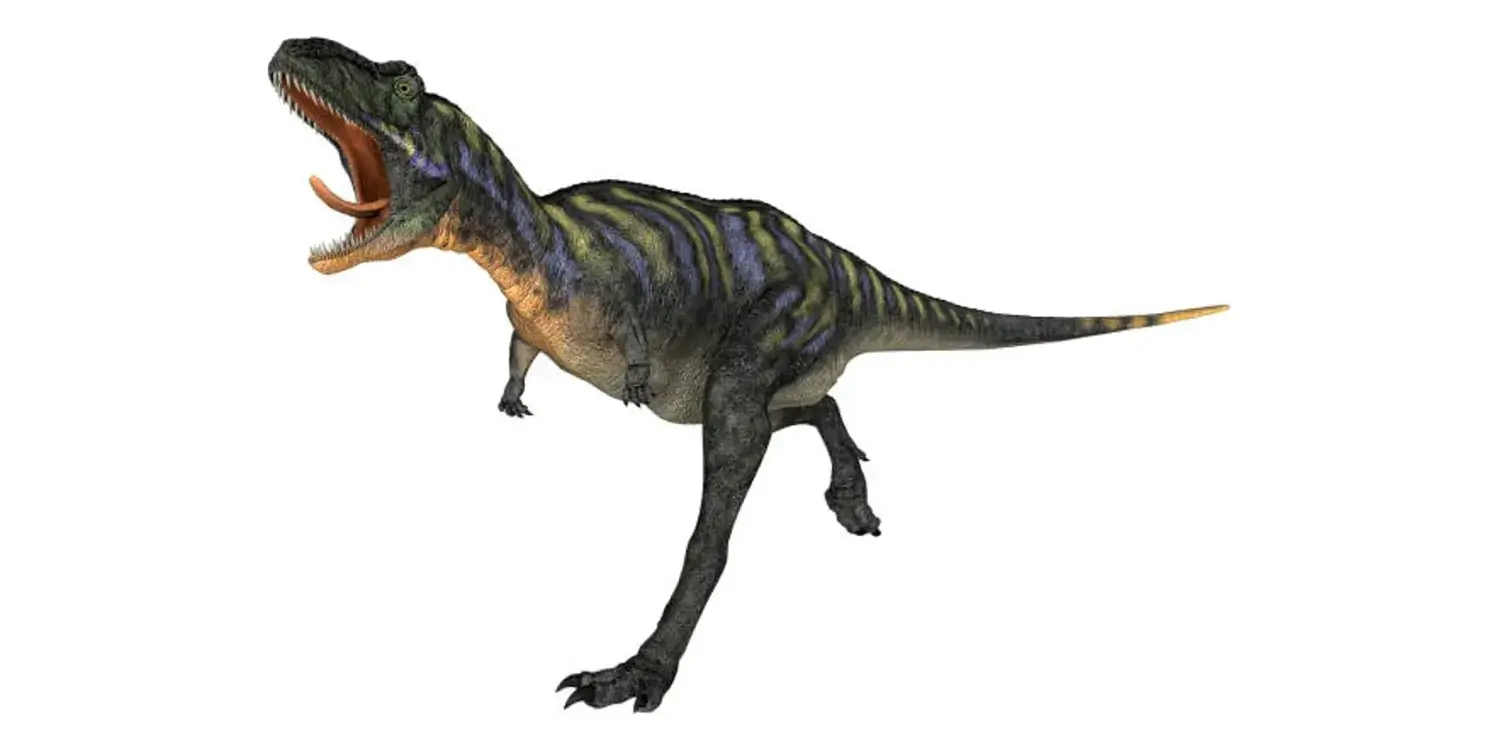
It was distinguished by its extremely small forelimbs and a head without large horns. It is known to have been closely related to the famous Carnotaurus.
Aucasaurus is noteworthy for more than just its distinctive body shape.
Its fossils were discovered at Auca Mahuevo, a site famous for the large number of sauropodomorph egg and embryo fossils found there.
In addition, a rare skeleton preserving much of the body, from the skull to most of the tail, has been discovered. This specimen is an important resource for studying the anatomy of abelisaurids.
Basic Facts About Aucasaurus
The name Aucasaurus comes from the location where its fossils were discovered and means “lizard of Auca Mahuevo.”
The species name, garridoi, honors Alberto Garrido, the geologist who first discovered the specimen.
Aucasaurus is thought to have lived during the Campanian Age of the Late Cretaceous, approximately 83–75 million years ago.
Estimates of its size vary depending on the methods and evidence used, but it is thought to have measured approximately 5.5–6 m (18–20 ft) in length.
Estimates of its body weight also vary, ranging from around 700 kg (1,543 lbs) to higher figures.
Compared with dinosaurs such as Carnotaurus, which is thought to have reached approximately 8–9 m (26–30 ft) in length, Aucasaurus was a relatively small carnivorous dinosaur.
Where Were Aucasaurus Fossils Discovered?
Aucasaurus fossils were discovered at Auca Mahuevo, a site in the Neuquén Basin of Argentina.
The area is famous for its large number of dinosaur egg and embryo fossils and is recognized worldwide as a nesting site for sauropodomorphs.
In March 1999, an expedition team that included Rodolfo Coria and Luis Chiappe was surveying the site when a well-preserved dinosaur skeleton was discovered.
Alberto Garrido, one of the discoverers, is credited with spotting the skeleton exposed at the surface of the ground.
The specimen preserved much of the skeleton, from the skull to most of the tail.
Although the tip of the tail and some other parts were missing, the fossil provides a rare opportunity to study the dinosaur’s anatomy in considerable detail.
Many of the bones were also found articulated, making the specimen particularly valuable for scientific research.
In 2002, Coria, Chiappe, Lowell Dingus, and their colleagues published the formal scientific description, naming Aucasaurus as a new species.
Many abelisaurids are known only from fossils of the skull or isolated parts of the body.
For this reason, specimens like Aucasaurus, which preserve a substantial portion of the skeleton, are exceptionally valuable for research.
Because researchers can examine not only the skull but also the vertebral column, pelvis, hind limbs, and feet, the specimen has provided important clues for identifying differences between closely related species and understanding the evolution of abelisaurids.
Feature 1: Extremely Small Forelimbs
One of the most distinctive features of Aucasaurus was its extremely small forelimbs in proportion to its body size.
Its forelimbs were extremely small compared with its body size
Dinosaurs belonging to Abelisauridae, the family to which Aucasaurus belonged, are known for their short forelimbs.
Among them, Carnotaurus is famous for its exceptionally tiny arms. Aucasaurus shared this characteristic, and its forelimbs are thought to have been even shorter and more reduced than those of Carnotaurus.
A closer examination of its skeleton reveals that the upper arm and forearm bones were small, while the wrist bones were absent.
Although bones from the fingers remained, the tip bones of some digits were missing.
These skeletal features show that Aucasaurus had remarkably small forelimbs relative to its robust body.
So what role could such tiny arms have played?
Their precise function remains unknown.
They were likely subject to significant limitations when it came to grasping prey, but further investigation is needed to determine how much Aucasaurus actually used its forelimbs and what functions they may have retained.
At the very least, Aucasaurus did not rely on its small forelimbs alone. It also had powerful jaws and well-developed hind limbs.
Its extremely short forelimbs were not only a defining feature of its appearance but also an important clue to understanding the distinctive anatomy of abelisaurids.
Feature 2: A Head Without Large Horns
Aucasaurus also had a distinctive head.
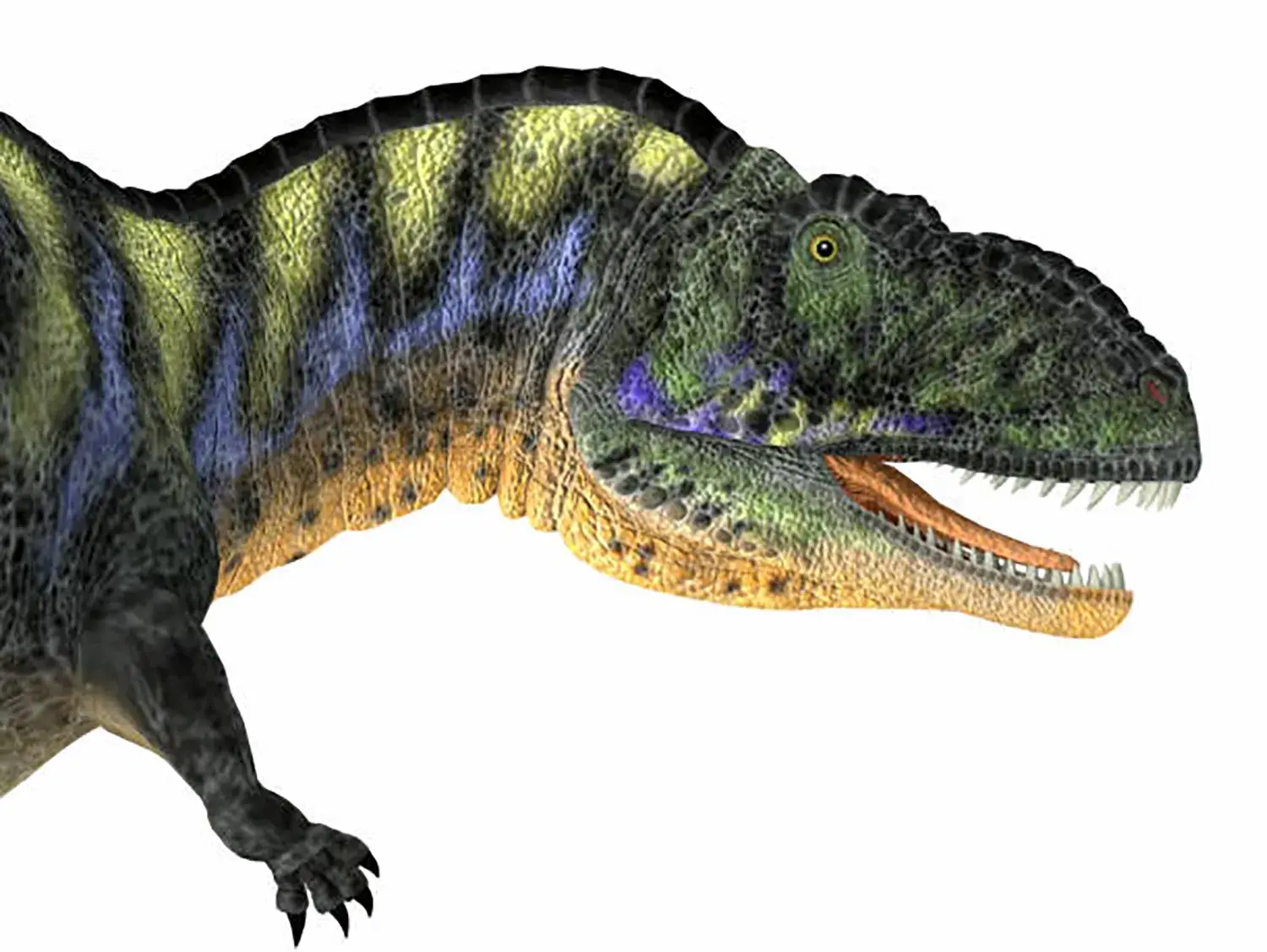
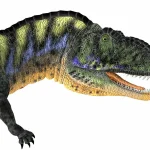
Unlike Carnotaurus and some other related dinosaurs, it did not have large horns.
It lacked the large horns seen in dinosaurs such as Carnotaurus
Some abelisaurids had prominent projections on their heads.
For example, Abelisaurus had a pair of large horns above its eyes, while Majungasaurus also had horn-like projections.
Aucasaurus, by contrast, did not have the large horns seen in these dinosaurs.
Instead, it had low ridges above the eyes, along with other distinctive features in the shape of its skull.
Its skull was relatively robust, but it did not share every feature found in dinosaurs such as Carnotaurus.
Even within the same family of abelisaurids, skull shapes and the development of bony projections varied between species.
These differences provide important clues for distinguishing species and comparing the relationships between closely related dinosaurs.
Thus, Aucasaurus differed from its relatives not only in its extremely small forelimbs but also in its head, which lacked large horns.
Feature 3: Well-Developed Hind Limbs
In contrast to its tiny forelimbs, Aucasaurus had hind limbs that supported its body and enabled it to move.
Aucasaurus was a theropod that walked on two hind limbs.
Although its forelimbs were extremely small, it is thought to have supported its body and moved around using its hind limbs.
In its close relative Carnotaurus, the bones at the base of the tail reveal that large muscles used to move the hind limbs were well developed.
Since Aucasaurus also shared related skeletal features, it may have relied on the strength of its hind limbs to move around.
However, skeletal features alone cannot provide a precise picture of its actual running speed or athletic abilities.
The combination of extremely small forelimbs and well-developed hind limbs is a good example of the distinctive body structure seen in abelisaurids, the family to which Aucasaurus belonged.
Did Aucasaurus Eat Sauropodomorph Eggs and Hatchlings?
The environment at Auca Mahuevo, where Aucasaurus fossils were discovered, is important for understanding its diet.
Numerous fossilized eggs belonging to sauropodomorphs, including titanosaurs, have been found at this site.
Embryos preserved inside eggs, as well as fossils associated with individuals around the time of hatching, have also been discovered. These findings suggest that sauropodomorphs gathered there to breed.
Adult sauropodomorphs, with their enormous bodies, would probably not have been easy prey for Aucasaurus.
However, eggs and newly hatched juveniles may have been easier to prey upon than adults.
Fossilized teeth of Aucasaurus have also been discovered in the same geological deposits as sauropodomorph eggs.
This has led to the hypothesis that Aucasaurus visited nesting sites and fed on eggs or hatchlings.
Nesting sites during the breeding season may have provided opportunities to find small prey, such as eggs and young dinosaurs.
At the same time, if adult sauropodomorphs were guarding the area, these sites would also have been dangerous places for predators.
However, the exact prey hunted by Aucasaurus remains uncertain.
The idea that it ate eggs and hatchlings is a hypothesis based on the location and circumstances in which the fossils were found.
Many questions remain unanswered, including what it ate on a regular basis and what prey it targeted outside the breeding season.
Evidence of Injuries on the Aucasaurus Skull
Damage and signs of trauma have also been reported on Aucasaurus skull fossils.
These traces offer intriguing clues about its living environment and interactions with other animals.
Some researchers have suggested that Aucasaurus may have been injured by adult sauropodomorphs defending their nests when it tried to prey on their eggs or young.
If this hypothesis is correct, Aucasaurus may have taken risks while hunting for food.
Some of the injuries also appear to show signs of healing, suggesting that they were sustained during the animal’s lifetime.
Such evidence indicates that some individuals may have survived despite their injuries.
However, it is not possible to identify the exact cause of an injury from marks left on bones alone.
Several explanations are possible, including fights with other dinosaurs or accidents.
Whether Aucasaurus actually fought with adult sauropodomorphs, and whether such an encounter contributed to its death, must be assessed with caution.
The Relationship Between Aucasaurus and Abelisaurus
Aucasaurus has been described as a distinct dinosaur species, but its relationship with its close relative Abelisaurus remains a subject of scientific discussion.
Because the two dinosaurs share similar fossil features, some researchers have suggested that Aucasaurus should be classified as the same species as Abelisaurus.
If its classification were revised, our understanding of the characteristics and evolutionary history of these dinosaurs could change.
Dinosaur classifications can change when new fossils are discovered or previously known specimens are reexamined.
Future research may reveal more about the taxonomic position of Aucasaurus and its relationships with closely related species.