
Saurophaganax
Name Origin
Lord of the Lizard-Eaters
Family
Allosauridae
Classification
Diapsida, Saurischia, Theropoda
Habitat (Discovery Location)
United States
Period
Approximately 155–150 million years ago (Late Jurassic)
Diet
Carnivore (Meat-eater)
TODAY'S QUIZ
Correct answer = 1 coin
What did a 2024 study suggest about fossils previously assigned to Saurophaganax?
Loading…
You might also like... 

-
 Aquilops
- Classification
- Marginocephalia
- Characteristics
- Herbivorous
- Era
- Cretaceous period
- Ajancingenia
- Classification
- Theropods
- Characteristics
- Carnivorous
- Herbivorous
- Omnivorous
- Era
- Cretaceous period
- Nyasasaurus
- Classification
- Ornithischia
- Characteristics
- Carnivorous
- Herbivorous
- Omnivorous
- Era
- Triassic period
- Proceratosaurus
- Classification
- Theropods
- Characteristics
- Carnivorous
- Era
- Jurassic period
-
Sponsored Links
-
Sponsored Links

















Description
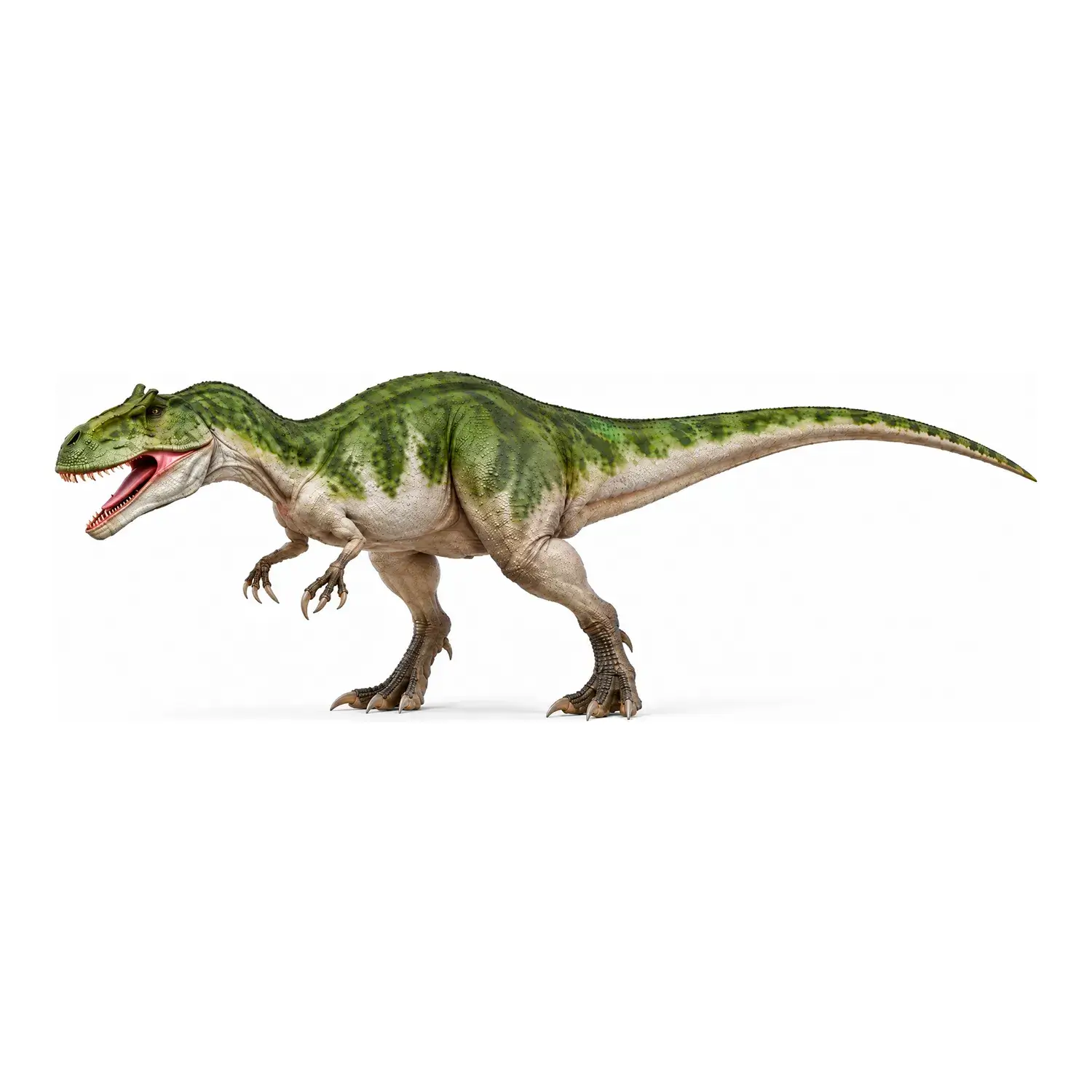
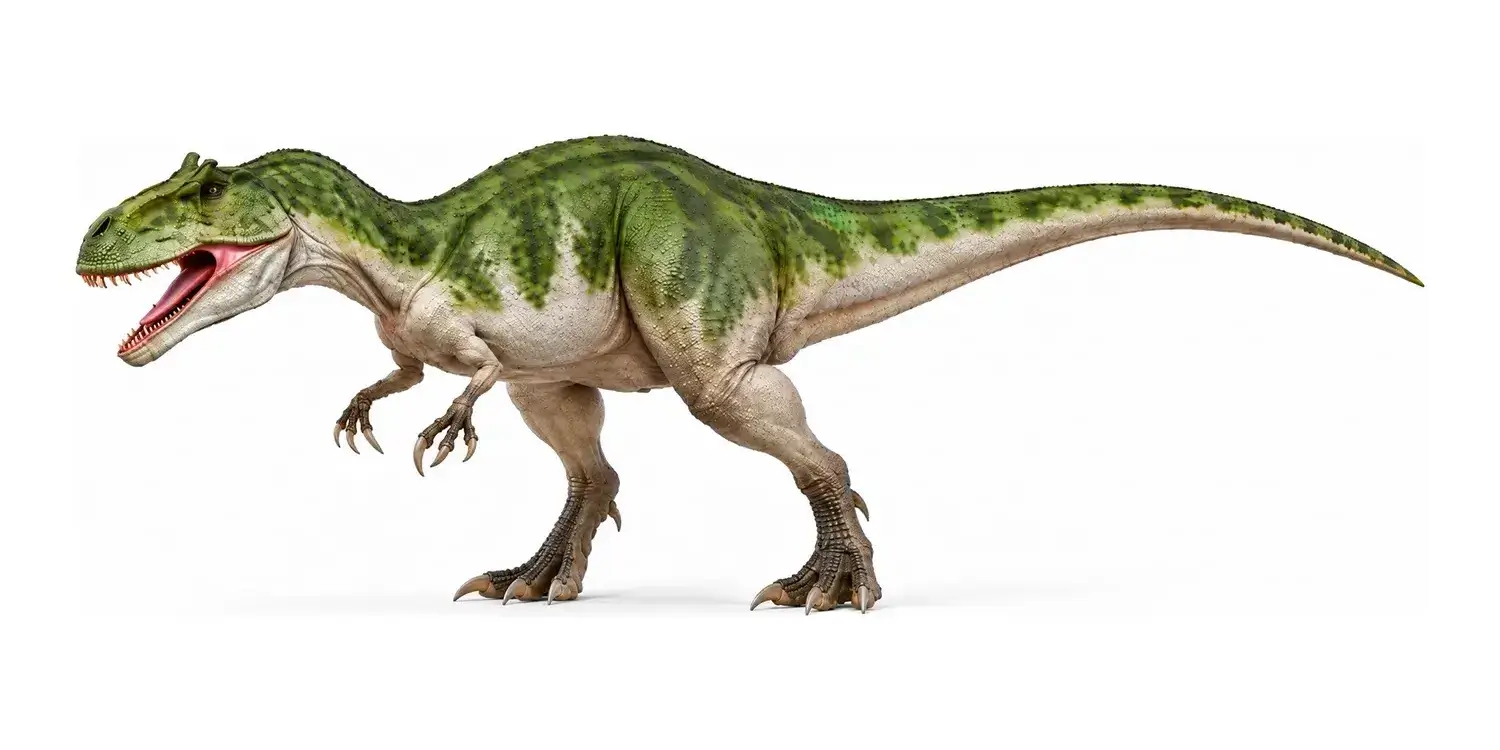
Saurophaganax was a large carnivorous dinosaur thought to have lived in North America during the Late Jurassic.
A theropod closely related to Allosaurus, it was once known as one of the largest carnivorous dinosaurs of the Jurassic, estimated to have reached approximately 11–13 m (36–43 ft) in length and weighed around 2–5 tonnes (2.2–5.5 US tons).
However, because only a limited number of fossils have been discovered, the true identity of Saurophaganax has been debated for many years.
Furthermore, a study published in 2024 reexamined the classification of fossil specimens previously attributed to Saurophaganax, raising new questions about whether it should be regarded as a distinct genus of large carnivorous dinosaur.
The Discovery of Saurophaganax and the Origin of Its Name
Saurophaganax fossils were discovered in Jurassic rock formations in Oklahoma, United States.
In 1931, a tibia and other bones thought to belong to a giant theropod were discovered, and additional associated fossil bones were collected in subsequent years.
The discovered fossils include a tibia, caudal vertebrae, a femur, and bones associated with the hip joint.
These specimens became important research materials for understanding the physical characteristics of Saurophaganax.
The name Saurophaganax is generally interpreted to mean “lord of the lizard-eaters.”
Initially, this dinosaur was given the genus name “Saurophagus.”
However, because this name had already been used for another animal, it was changed to “Saurophaganax” in 1995.
Thus, Saurophaganax has faced questions about both its name and its classification even after the discovery of its fossils.
Its research history illustrates how difficult it can be to identify a dinosaur species from a limited fossil record.
How Big Was Saurophaganax? A Giant Dinosaur Measuring 11–13 Meters Long
Saurophaganax was once estimated to have reached approximately 11–13 m (36–43 ft) in length and weighed around 2–5 tonnes (2.2–5.5 US tons).
During the Late Jurassic, North America was home to large carnivorous dinosaurs such as Allosaurus.
Saurophaganax was considered particularly large even among these predators and was often described, alongside Torvosaurus, as one of the largest carnivorous dinosaurs of the Jurassic.
However, these figures are estimates based on a limited fossil record.
Because the discovered bones do not provide a complete picture of the entire skeleton, its actual length and weight remain uncertain.
Furthermore, a 2024 study suggested that some fossils previously classified as Saurophaganax may have belonged to a different dinosaur.
Consequently, the previously proposed body size and physical characteristics must also be considered in light of which fossils were used as the basis for each estimate.
Saurophaganax was once famous as a giant carnivorous dinosaur, but determining its true appearance requires a closer examination of the classification of the fossils themselves.
What Did Saurophaganax Eat?
Saurophaganax has traditionally been regarded as a large carnivorous dinosaur closely related to Allosaurus.
If it was as large as previously estimated, it may have been a formidable predator equipped with powerful jaws and sharp teeth.
At the time, North America was also home to large sauropods, including Diplodocus and Brachiosaurus.
For this reason, it has been suggested that Saurophaganax may have preyed on these large herbivorous dinosaurs.
However, direct evidence showing exactly which animals Saurophaganax preyed upon is limited.
Its specific diet and hunting methods must therefore be considered by distinguishing what the fossils actually reveal from what remains speculative.
Furthermore, some specimens previously attributed to Saurophaganax were thought to have come from sauropods.
As a result, earlier interpretations of its body structure and ecology also need to be reconsidered in light of the revised classification.
Differences Between Saurophaganax and Allosaurus
Saurophaganax has traditionally been known as a dinosaur with a body structure very similar to that of Allosaurus.
Since its discovery, researchers have debated whether it can be distinguished as a separate dinosaur genus or whether it was simply a particularly large Allosaurus.
One reason for treating it as a distinct dinosaur was the shape of certain bones, including the neural spines of the vertebrae and the chevrons on the underside of the tail.
These features attracted attention as potential anatomical characteristics that distinguished it from Allosaurus.
However, the fossils attributed to Saurophaganax are not numerous enough to provide a complete picture of its skeletal structure.
When only a limited number of fossils are available, it can be difficult to determine whether the bones belong to a single dinosaur species or represent a mixture of remains from multiple animals.
These problems have posed a major challenge in determining the relationship between Saurophaganax and Allosaurus.
Taxonomic Questions Raised by the 2024 Study
A study published in 2024 reexamined the fossil specimens known as Saurophaganax.
The results suggested that some of the fossils previously grouped together may not have belonged to the same type of dinosaur.
During the reassessment, some specimens were considered to have come from diplodocid sauropods. Meanwhile, some specimens identified as belonging to carnivorous dinosaurs were given the name “Allosaurus anax,” proposed as a new species of Allosaurus.
In other words, the fossils once thought to represent a single dinosaur, Saurophaganax, may actually have included specimens from multiple dinosaurs.
This study highlighted the need to reassess the traditional reconstruction and classification of Saurophaganax.
However, the researchers also discussed the possibility of applying the name Saurophaganax to a sauropod, meaning that the taxonomic questions have not been resolved entirely.
Therefore, when describing Saurophaganax as a distinct giant carnivorous dinosaur, it is important to distinguish the traditional interpretation from newer interpretations based on the reassessment of its fossils.
Further comparisons and reexaminations of related fossils are expected to improve our understanding of the relationship between Saurophaganax and Allosaurus, as well as the identity of the fossils that were previously attributed to Saurophaganax.