Gallimimus

Name Origin
Chicken Mimic
Family
Ornithomimidae
Classification
Diapsida, Saurischia, Theropoda
Habitat (Discovery Location)
Mongolia
Period
Approximately 70 million years ago (Late Cretaceous)
Length
Approximately 4 to 6 meters
Weight
Approximately 400 kilograms
Diet
Omnivore
 Jurassic
Park / World Featured Dinosaur
Appearance in Jurassic Park
Jurassic Park features 44 Gallimimus that were recreated on Isla Nublar. (According to the official lore, their skin color supposedly varies by age and sex, but it is difficult to distinguish them visually in the film.)
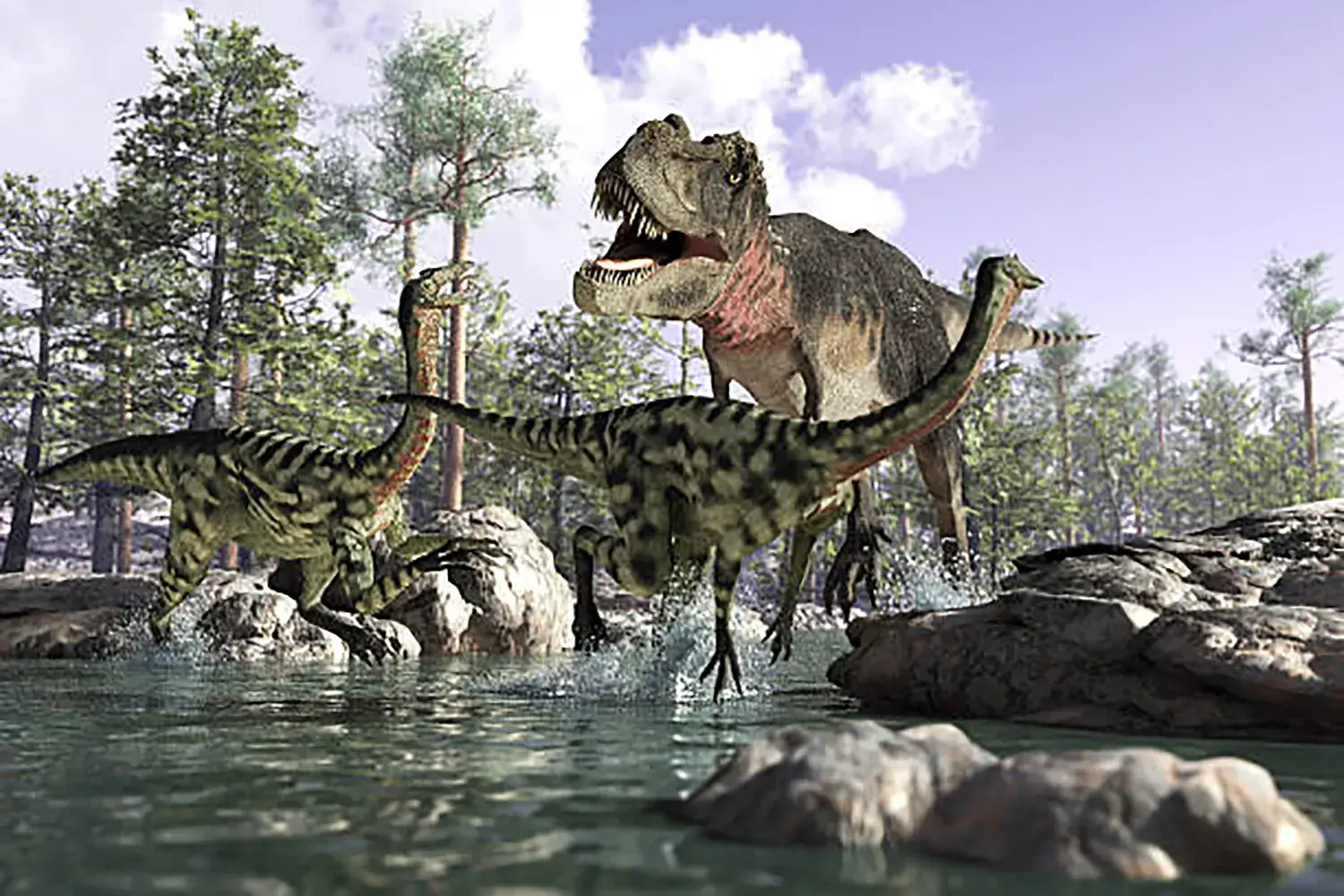
Their main appearance in the film occurs before Dr. Alan Grant's group, shortly after their near-death escape from the Tyrannosaurus attack. The Gallimimus are seen moving as a large herd across a vast plain when they suddenly stampede at full speed directly toward the three humans. Immediately after, a Tyrannosaurus bursts from the tree line, ambushes the herd, and kills one of its members.Appearance in The Lost World: Jurassic Park
A herd of Gallimimus living on Isla Sorna appears in the film. They are depicted as the targets of a large-scale capture operation by the InGen dinosaur hunters, shown stampeding in a panic. Several of them are successfully captured by the hunter team and placed in holding cages at the camp.
Midway through the story, they are released from their cages by Sarah Harding and Nick Van Owen and run amok through the hunters' camp (base) along with the other dinosaurs, causing chaos.Appearance in Jurassic World
Dozens of Gallimimus individuals appear, inhabiting the "Gentle Giants Petting Zoo" attraction and their dedicated "Gallimimus Valley" area.
In the "Gallimimus Valley" attraction, their herd is shown running alongside the guests' tour truck, delighting the visitors with the spectacle.
Unlike in the first and second films, there are no scenes in this installment where they are attacked by predators. It was a peaceful depiction, showing them simply running alongside the tour vehicle.Appearance in Jurassic World: Fallen Kingdom
Boasting the fastest speed in the park, this dinosaur appeared in the previous film, Jurassic World, as one of the major attractions within the main exhibit area. In this installment, its increased screen time makes it a particularly memorable presence, in a way.
During the destruction of Isla Nublar caused by the volcanic eruption, a significant number of individuals can be seen fleeing desperately in a herd.
However, this increased visibility also meant more depictions of them meeting tragic fates. In one shocking scene, an individual attempting to escape the eruption by diving into the ocean is struck directly by a falling lava bomb and killed instantly.
Their suffering continues during the capture operation led by the dinosaur hunters (mercenaries) hired by Eli Mills. There is a painful depiction of one captured individual struggling desperately while being choked by a mercenary.
Subsequently, the captured individuals were imprisoned in the basement of the "Lockwood Estate" on the U.S. mainland. However, at the end of the story, they managed to escape the manor along with the other dinosaurs. It is assumed that they quietly disappeared into the wild, unnoticed by anyone.Appearance in Jurassic World: Dominion
In the opening news montage reporting on dinosaur incidents and sightings around the world, Gallimimus makes an appearance.
Startled by the honking of car horns—a symbol of modern society—they are shown fleeing in panic. This brief scene symbolizes the chaos faced by creatures that once lived in wild nature now being thrust into the noisy human world.
They can also be spotted within the "Biosyn Sanctuary," the reserve managed by Biosyn Genetics that serves as the primary setting for the film's modern-day timeline.
Here, they are kept in a safe environment, living alongside other dinosaurs as part of the sanctuary's ecosystem.
According to information from the official promotional website "Dinotracker," sightings have been reported not only in the Biosyn Sanctuary but across vast regions including the United States and Europe.
Despite the change in environment, their instincts remain unaltered. Reports confirm that they continue to live in herds just as they always have, with groups of Gallimimus observed moving together in various locations.
You might also like... 
-
 Nomingia
- Classification
- Theropods
- Characteristics
- Omnivorous
- Feathered
- Era
- Cretaceous period
- Liopleurodon
- Classification
- Marine reptiles
- Characteristics
- Carnivorous
- Era
- Jurassic period
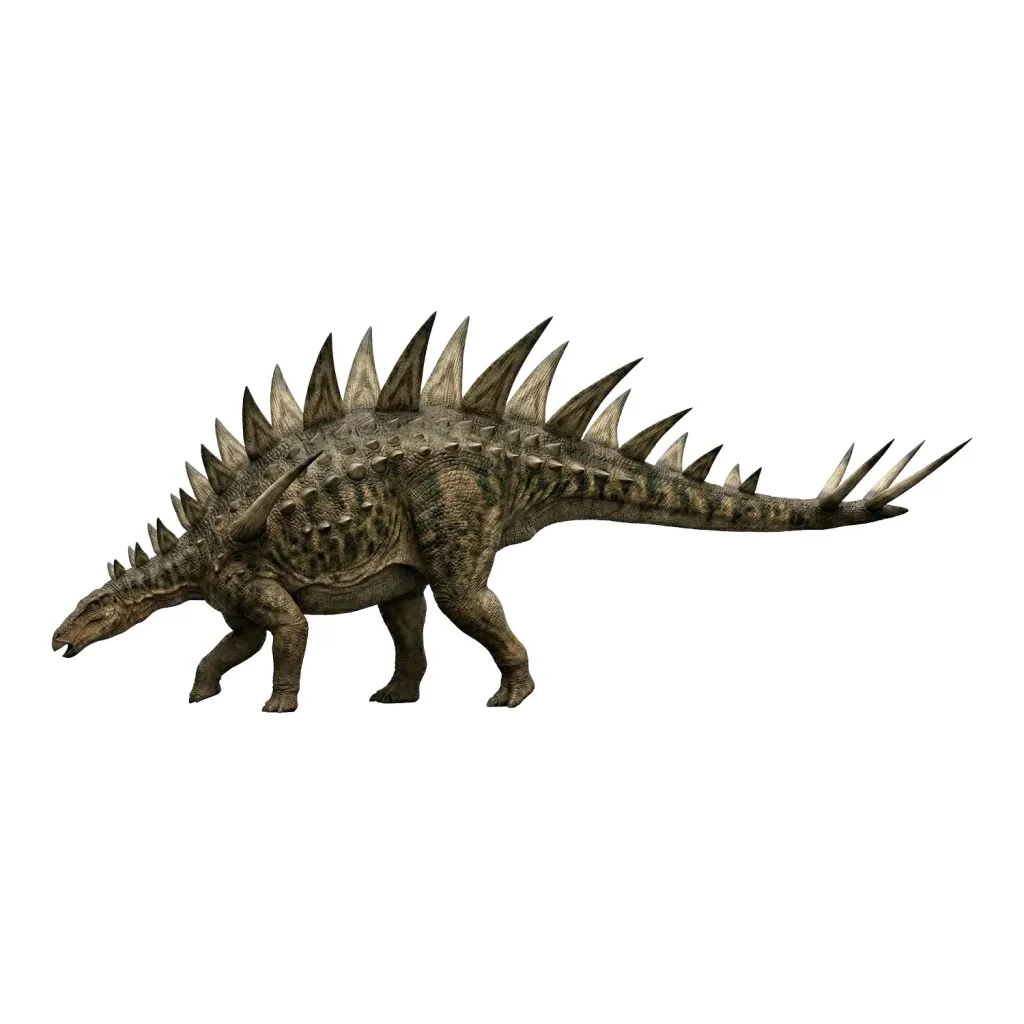
- Tuojiangosaurus
- Classification
- Thyreophora
- Characteristics
- Herbivorous
- Era
- Jurassic period
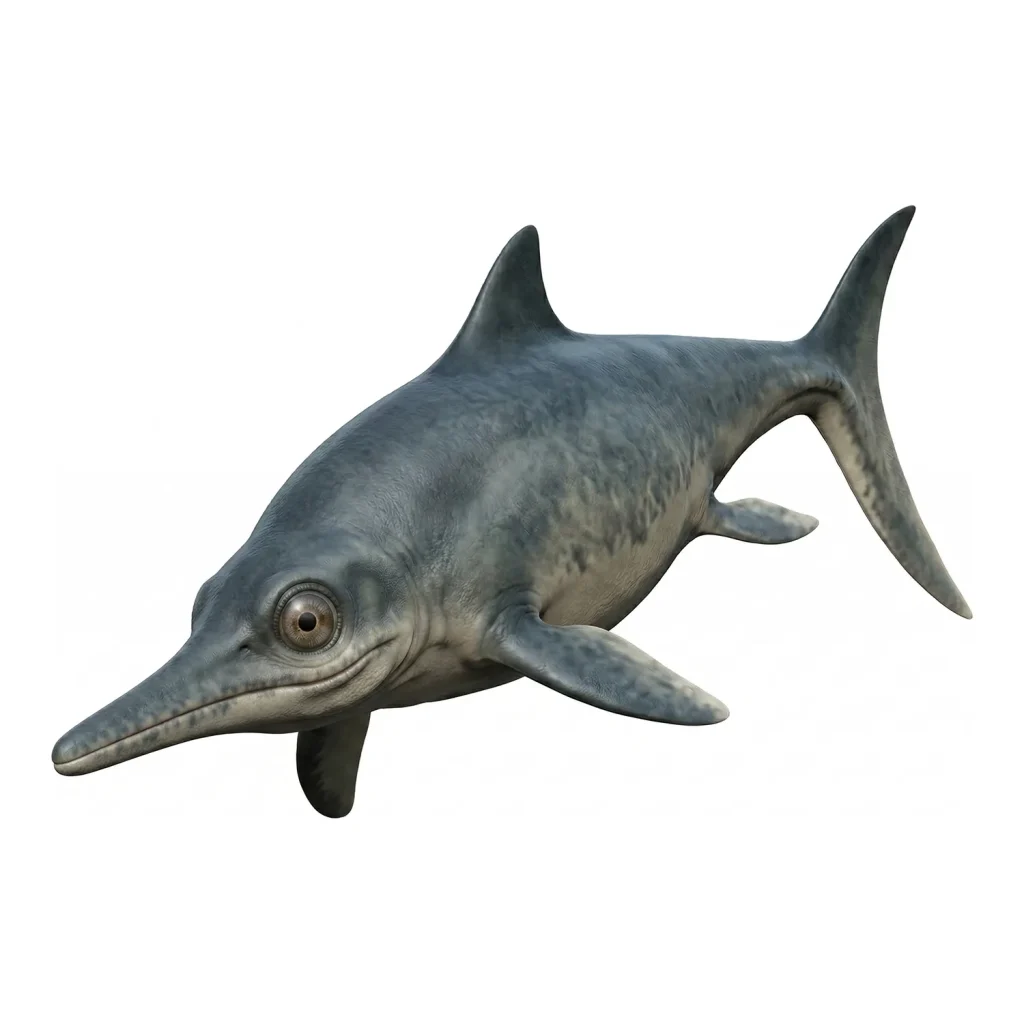
- Ophthalmosaurus
- Classification
- Marine reptiles
- Characteristics
- Carnivorous
- Era
- Jurassic period
-
Sponsored Links
-
Sponsored Links



![[Latest Research] What Was the Function of Spinosaurus's Giant "Sail"? Exploring the Mysteries of Thermoregulation and Underwater Locomotion](https://dinosaurmuseum.jp/wp/wp-content/uploads/eyecatch_spinosaurus-sail-function_en-1024x512.webp)
![[Latest Discovery] A Third Type of Skin, Neither Scales Nor Feathers? Meet "Haolong dongi," a New Dinosaur Species Covered Entirely in Spikes](https://dinosaurmuseum.jp/wp/wp-content/uploads/eyecatch_dinosaur-spiky-skin-discovery_en-1024x512.webp)

Description
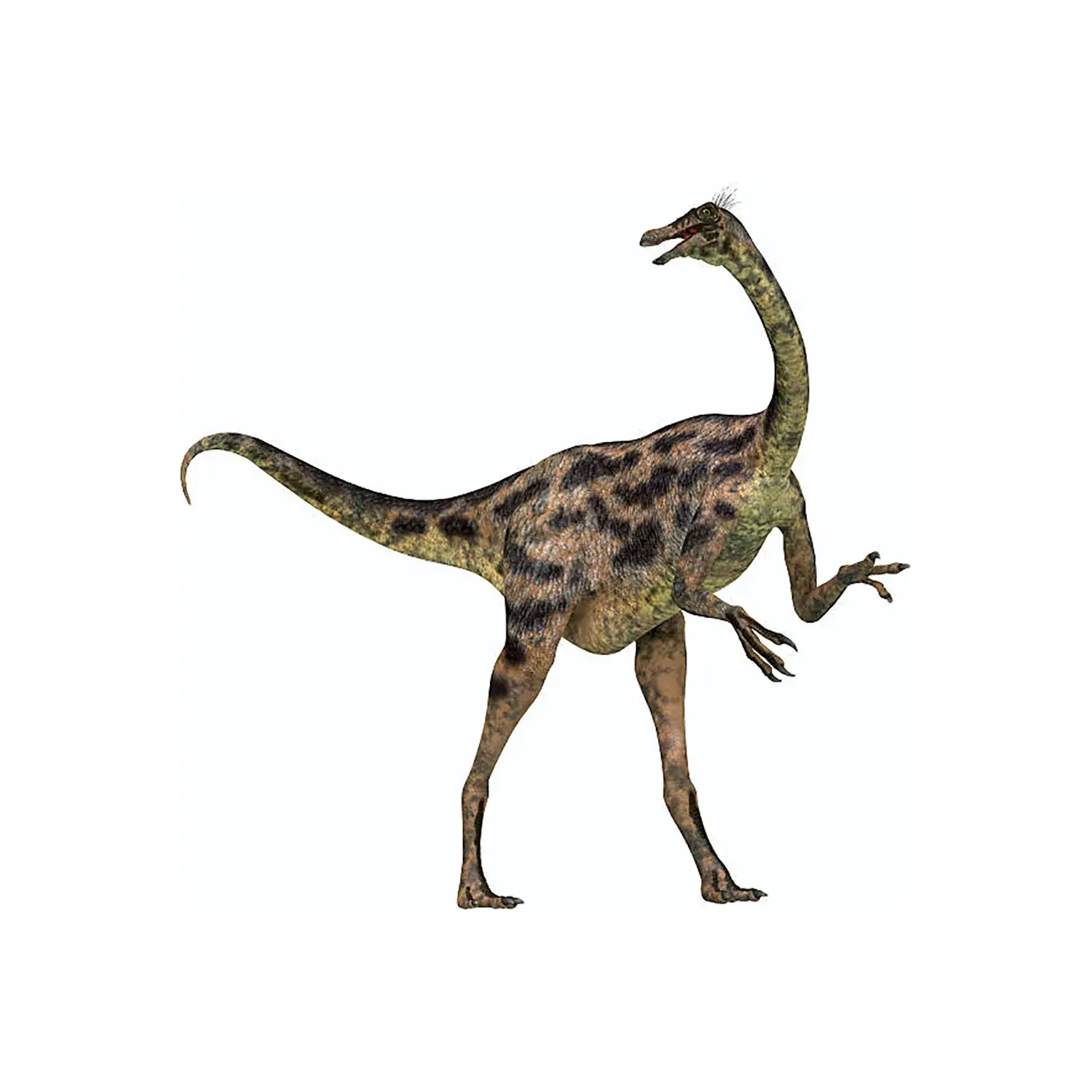
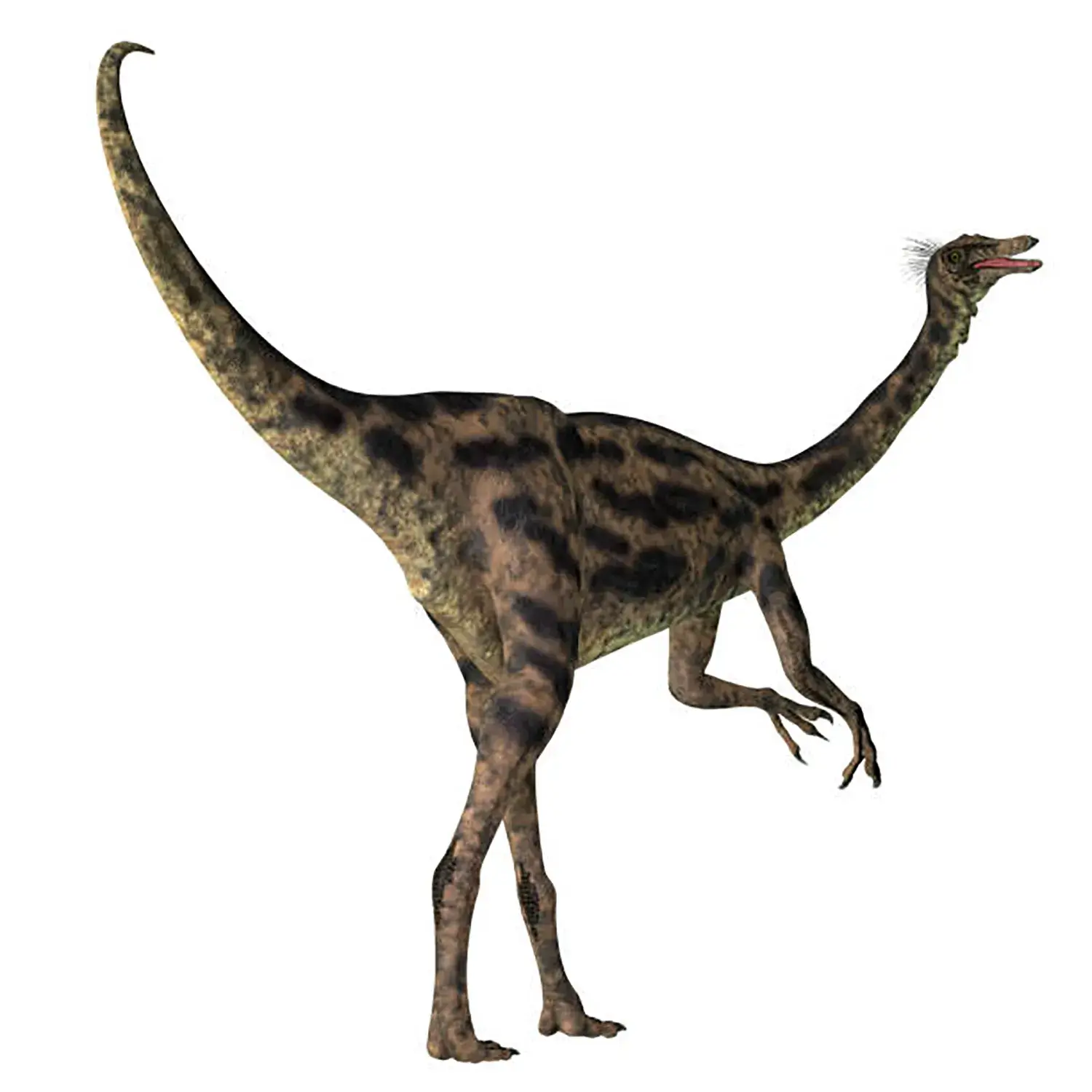
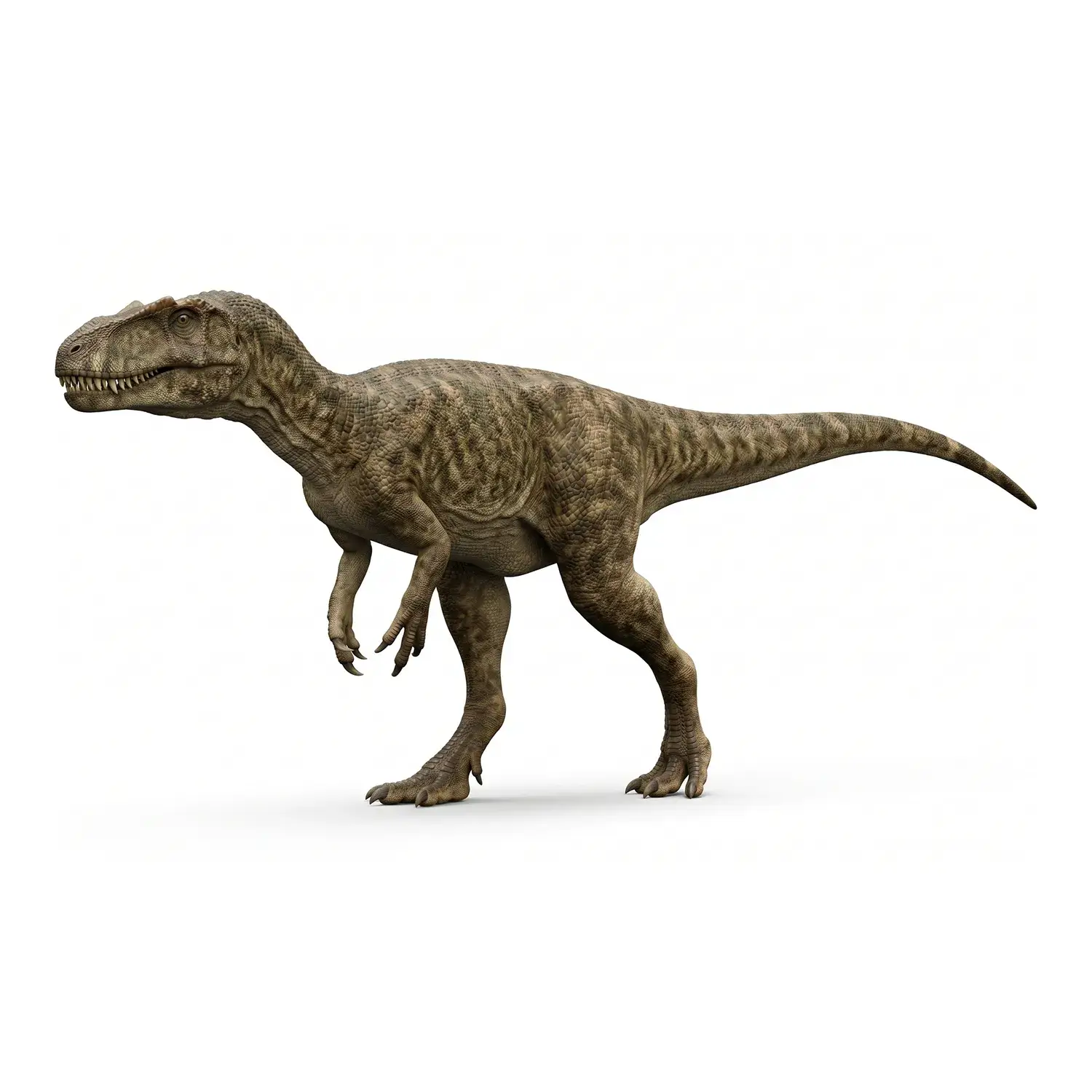
Gallimimus was a dinosaur that lived on the Mongolian continent during the Late Cretaceous period (about 70 million years ago).
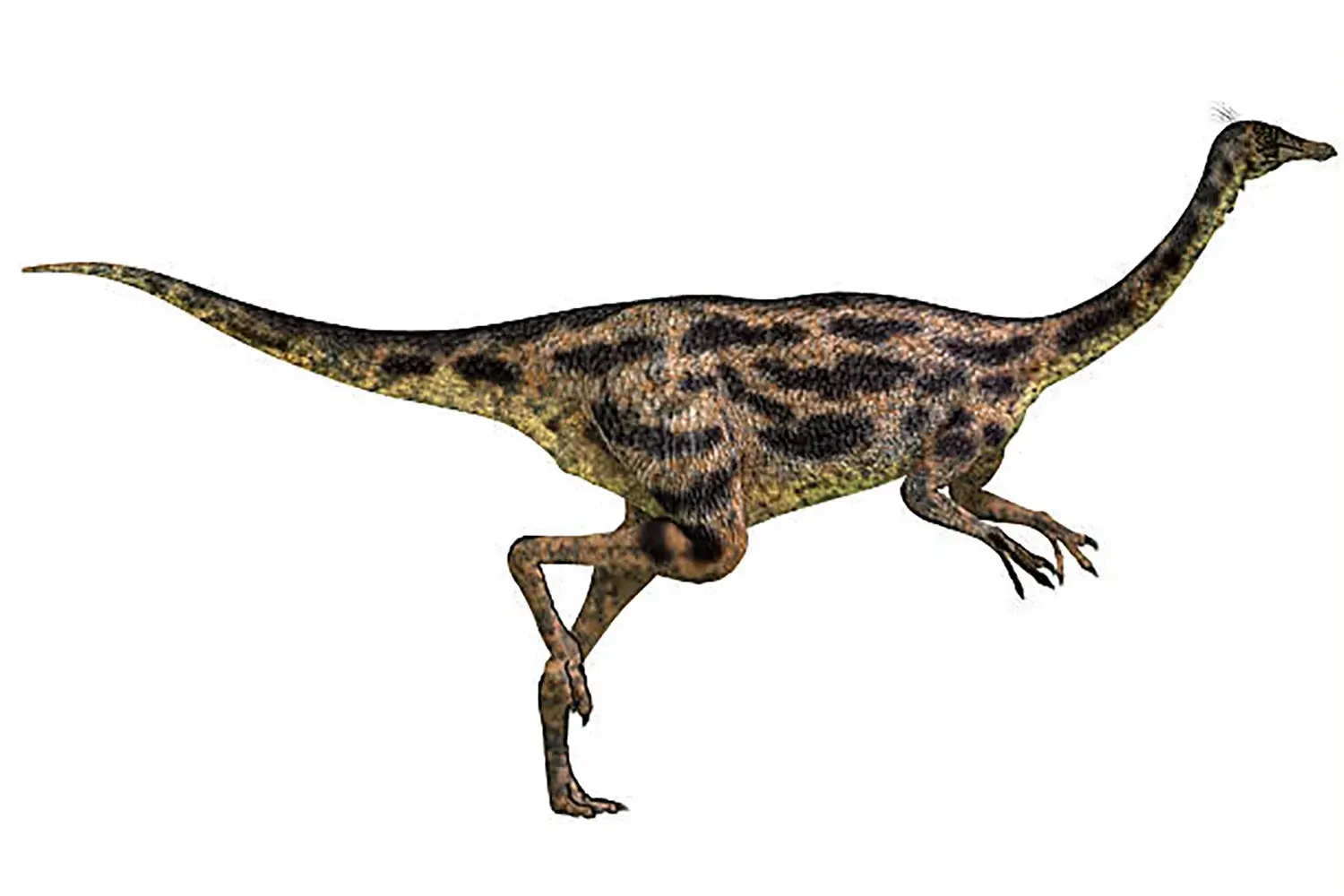
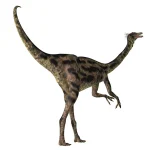
Its name means “chicken mimic,” but because it actually possessed a slender, ostrich-like build with slim yet muscular legs, it is generally referred to as an “ostrich dinosaur” (an ornithomimosaur).
Gallimimus is classified as a theropod, the same group that includes Tyrannosaurus, but it was not a ferocious carnivorous hunter.
Thanks to its unique evolution and fleet-footedness, it thrived in Late Cretaceous Mongolia and is one of the most frequently excavated dinosaurs from that region.
Astonishing Speed and Anatomy
Among ornithomimosaurs, Gallimimus is a large species, second only to Deinocheirus. It measured 4 to 6 meters (13.1 to 19.7 feet) in length, and when standing, its head reached over 2 meters (6.6 feet) high.
While its body size was more than double that of an ostrich, its skeletal structure was lightweight, giving it an estimated weight of only about 400 kg (880 lbs).
The Secret of Its Swiftness
True to its agile appearance, Gallimimus was a highly fleet-footed dinosaur.
With a light body and powerfully developed hind limbs, there are various theories about its top speed. It is estimated to have run at speeds of 45 to over 60 km/h (28 to over 37 mph), with some theories even suggesting it reached 110 km/h (68 mph), matching the speed of a cheetah.
This is a speed comparable to a passenger car driving on a standard road.
The secret to this astonishing speed lies in its unique foot structure.
Flexible Feet
Compared to its ancestral species, the three bones making up the instep of its foot were of different thicknesses.
This structure provided flexibility to the foot and served to cushion the impact when running.
Characteristics of Fast Animals
It possessed the anatomical features of fast-running animals, such as the length of its tibia (shinbone) relative to its body proportions.
A Balancer
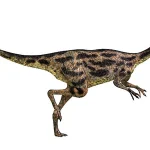
Its long tail, which made up more than half of its body length, is believed to have served as a balancer while running.
Its long tail is believed to have served as a balancer while running.
Physical Characteristics and Alert Behavior
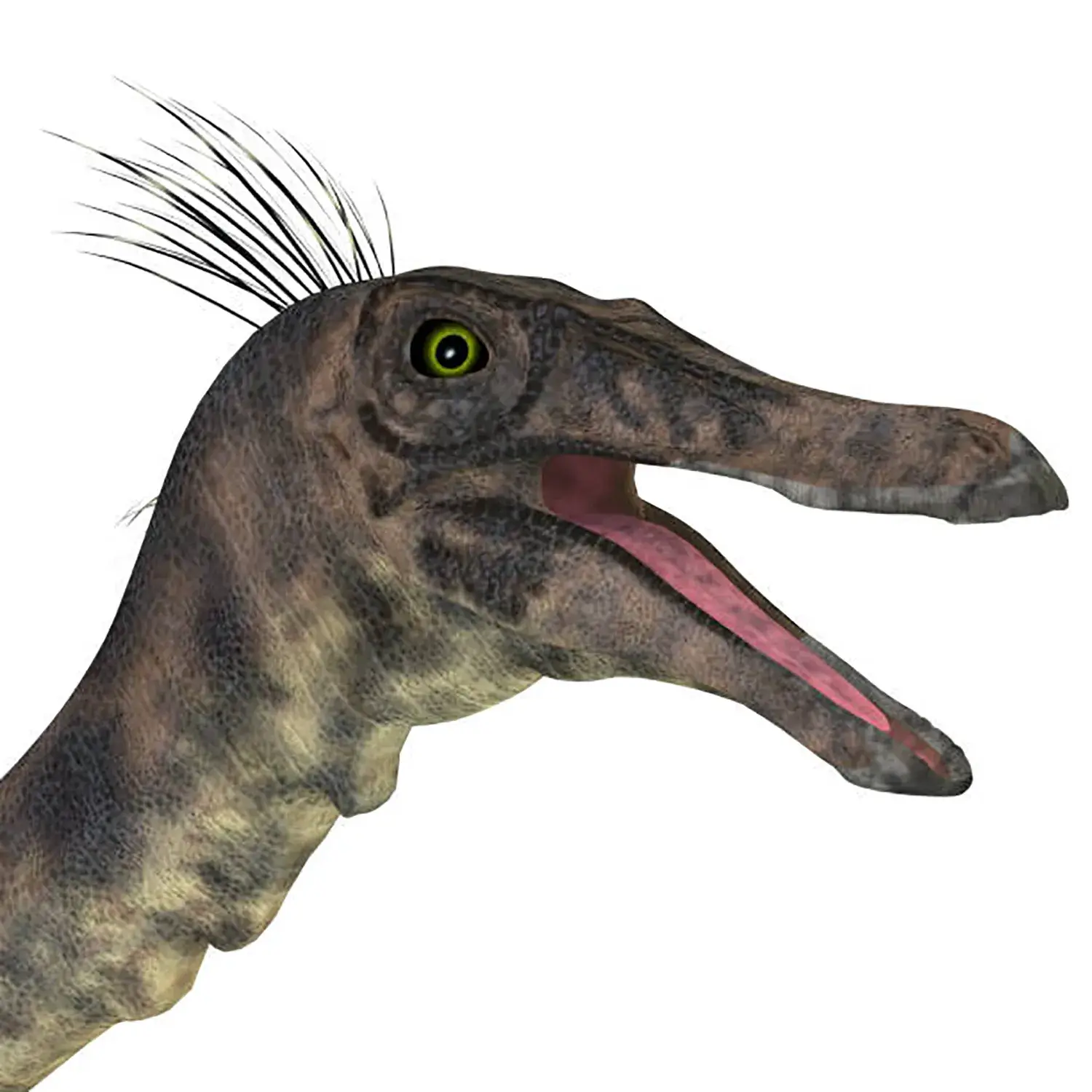
Gallimimus had a very small head and a long, slender neck and limbs, much like a bird.
However, among ostrich dinosaurs, it is noted for having a relatively long torso and comparatively shorter forelimbs.
Field of Vision
A 1988 study suggested that Gallimimus’s eyeballs did not move much within their sockets.
Like modern herbivores, its laterally positioned eyes provided a wide field of vision, but it was poor at seeing things in three dimensions (binocular vision).
Therefore, it could not survey its surroundings without moving its neck. It may have constantly bobbed and turned its head around to watch out for predators, much like an ostrich or a pigeon.
Intelligence
Fossilized skulls reveal that it had a large brain, leading researchers to believe that Gallimimus was a relatively intelligent dinosaur.
Life in a Herd
Because individuals of various growth stages have been found clustered together, it is highly likely that Gallimimus formed herds composed of members of different ages and lived collectively.
The scene in the movie “Jurassic Park” where a flock of them flees in a panic from a Tyrannosaurus is iconic, but no conclusive evidence has yet been found to prove that they actually ran around in herds all the time.
A Diet Shrouded in Mystery
Although classified as a theropod, Gallimimus was not a ferocious carnivorous hunter.
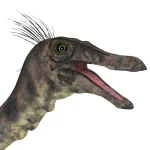
Its most defining feature was its mouth; its face was shaped like that of a modern duck, and it had absolutely no teeth in its mouth.
Its face was shaped like a duck’s, and it had absolutely no teeth in its mouth.
Because of this, its exact diet has been the subject of long-standing debate.
The Omnivore Theory (Currently Mainstream)
Today, many researchers lean toward the idea that it was “omnivorous”—meaning it was not specialized for one specific food type, but rather ate primarily plants while opportunistically consuming insects and small animals when available.
Beak and Forelimbs
Its mouth was covered by a toothless keratinous beak that was thin and sharp, a shape well-suited for catching insects, other small animals, lizards, and mammals.
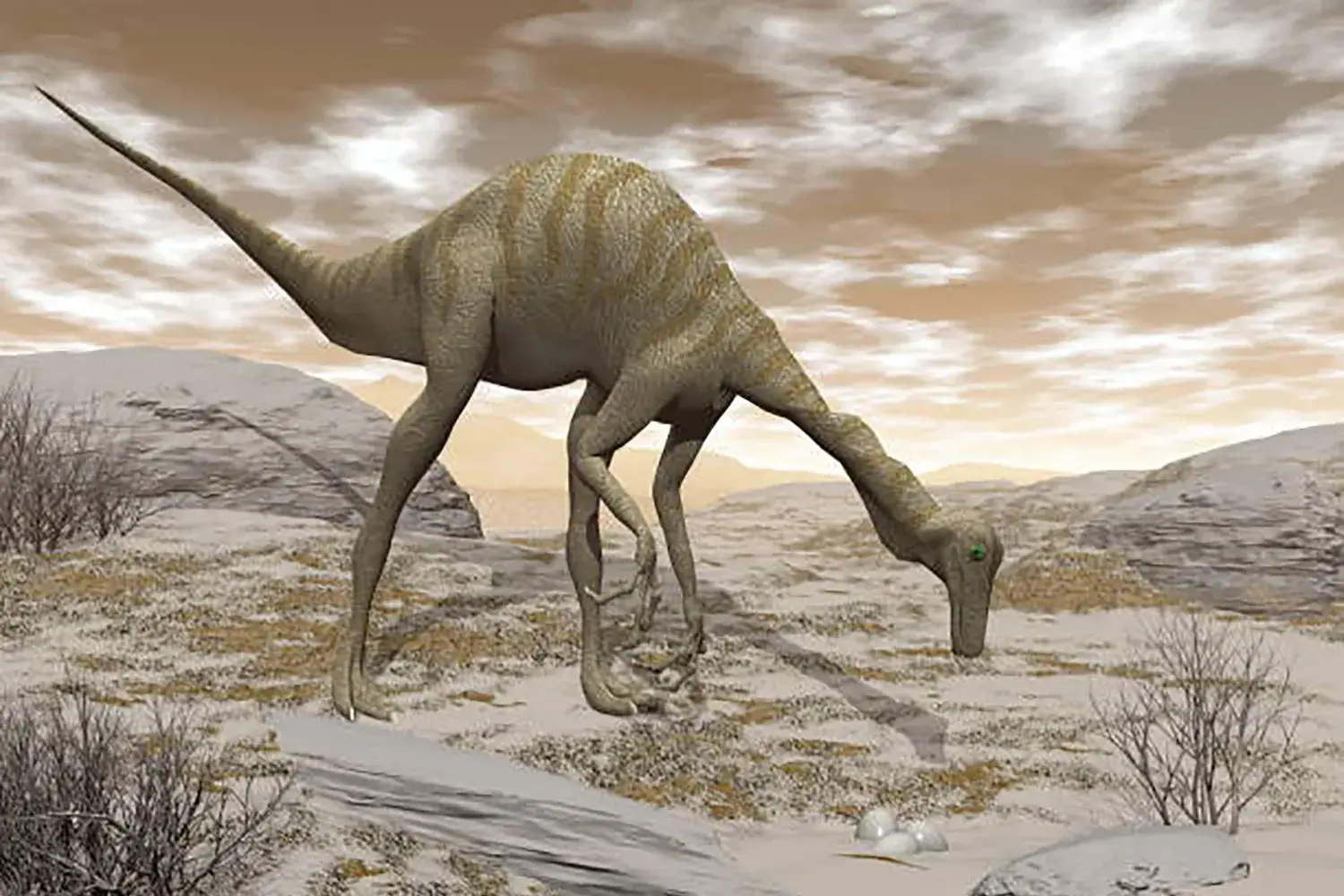
It would also have been ideal for pecking open the eggs of other dinosaurs to drink the contents.
The Role of the Arms
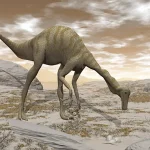
Its arms were long, allowing it to easily grab plants growing on the ground, as well as mammals, lizards, and other small prey.
Its fingertips were unusually well-developed, and it is thought to have been dexterous enough to use its hands like hooks to pull tall grasses and branches toward itself to eat.
The Herbivore Theory
The discovery of what appear to be gastroliths (stomach stones) used for grinding plant matter in its stomach region also supports the possibility that it was a herbivore.
Since it lacked teeth, it is believed to have swallowed foods like nuts and seeds whole, digesting them with the help of the gastroliths in its stomach.
The Filter-Feeding Theory
In a 2001 study, it was suggested that its beak was equipped with a comb-like filter (slits)—the first such discovery in a dinosaur.
This led to the “liquid diet theory” gaining major attention, proposing that it filtered aquatic organisms and microbes in lakes and ponds, feeding much like a flamingo.
However, there are counterarguments based on examples like its close relative Struthiomimus, which was much larger than a waterfowl. Critics argue that filtering aquatic cyanobacteria and small animals alone would not have provided sufficient nutritional volume.
The Discovery of Feathers and “Wings”
For a long time, Gallimimus was depicted as being covered in scales, just as it appeared in the movie “Jurassic Park.”
However, recent research has completely transformed that image.
Traces of Feathers
While traces of feathers have not been found directly on Gallimimus fossils, they have been discovered on its very close relative, Ornithomimus.
The Existence of “Wings”
Most surprisingly, it was revealed that adult Ornithomimus possessed “wings” on their forelimbs made of fully developed feathers with central shafts (quills).
These wings were not for flying, but are thought to have been used for courtship displays or for keeping eggs warm.
Based on this discovery, it is now the scientific standard to believe that as Gallimimus grew, its body became covered in feathers like an ostrich, and it developed wings on its forelimbs.
Additionally, two species of Gallimimus have been identified: *Gallimimus bullatus* and *Gallimimus mongoliensis*.