Afrovenator
Name Origin
Hunter from Africa
Family
Megalosauridae
Classification
Diapsida, Saurischia, Theropoda
Habitat (Discovery Location)
Niger
Period
167 to 161 million years ago (Middle Jurassic)
Length
Approximately 7 to 8 meters
Weight
Approximately 1 ton
Diet
Carnivore (Meat-eater)
You might also like... 

-
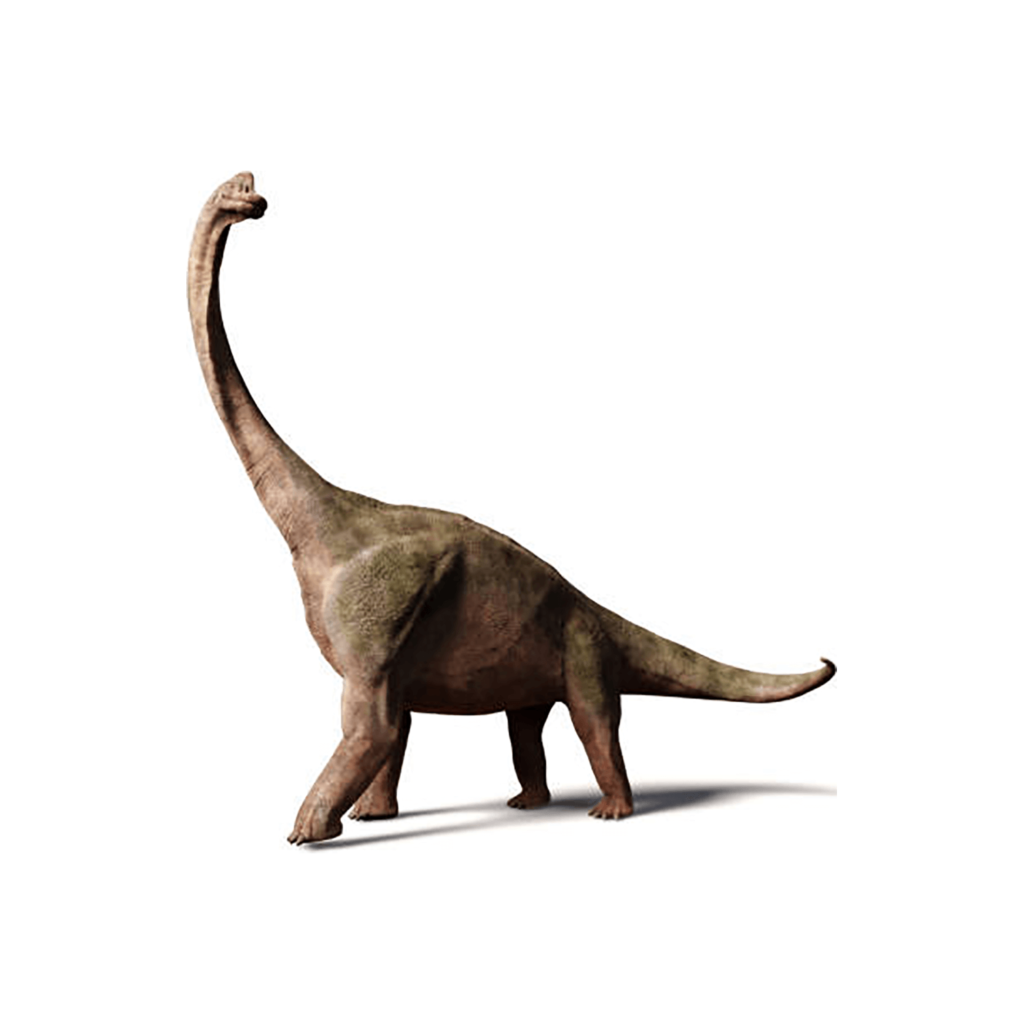
 Brachiosaurus
- Classification
- Sauropods
- Characteristics
- Herbivorous
- Era
- Jurassic period
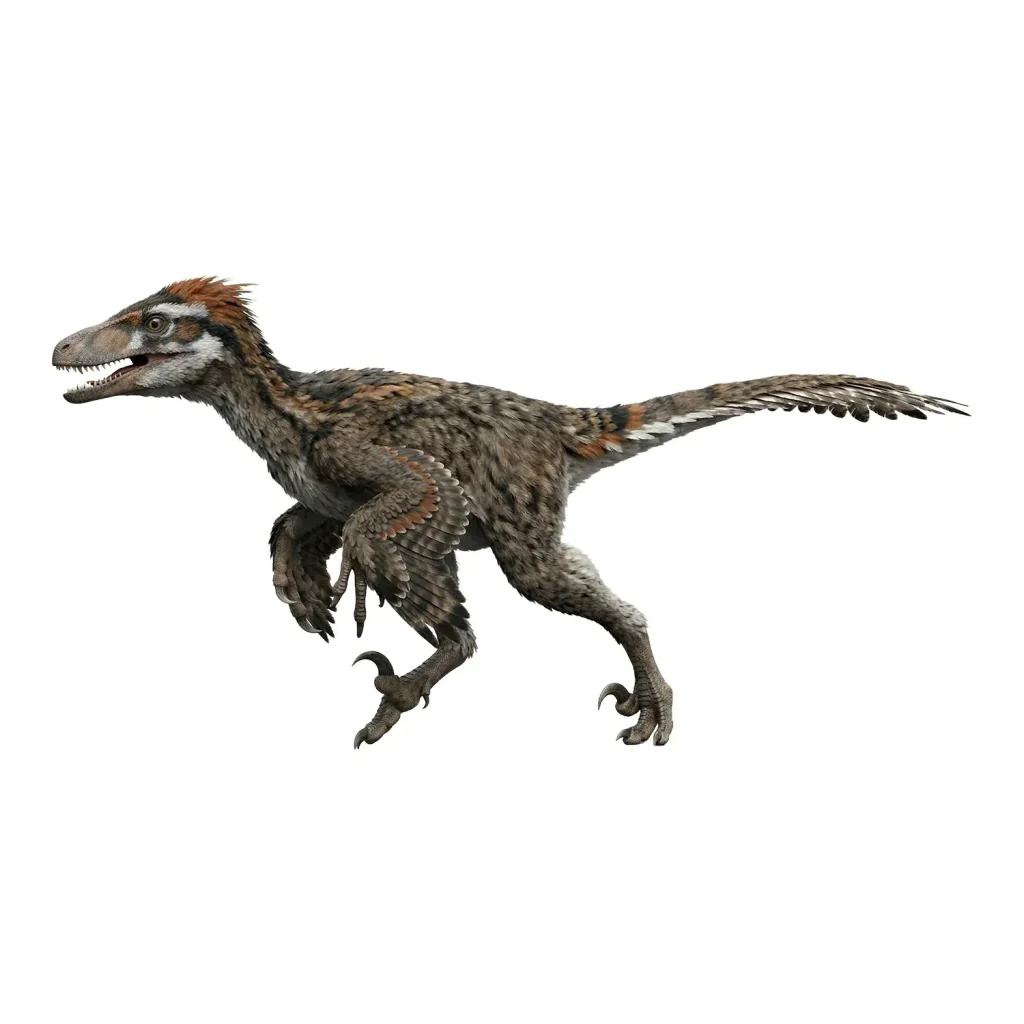
- Pyroraptor
- Classification
- Theropods
- Characteristics
- Carnivorous
- Era
- Cretaceous period
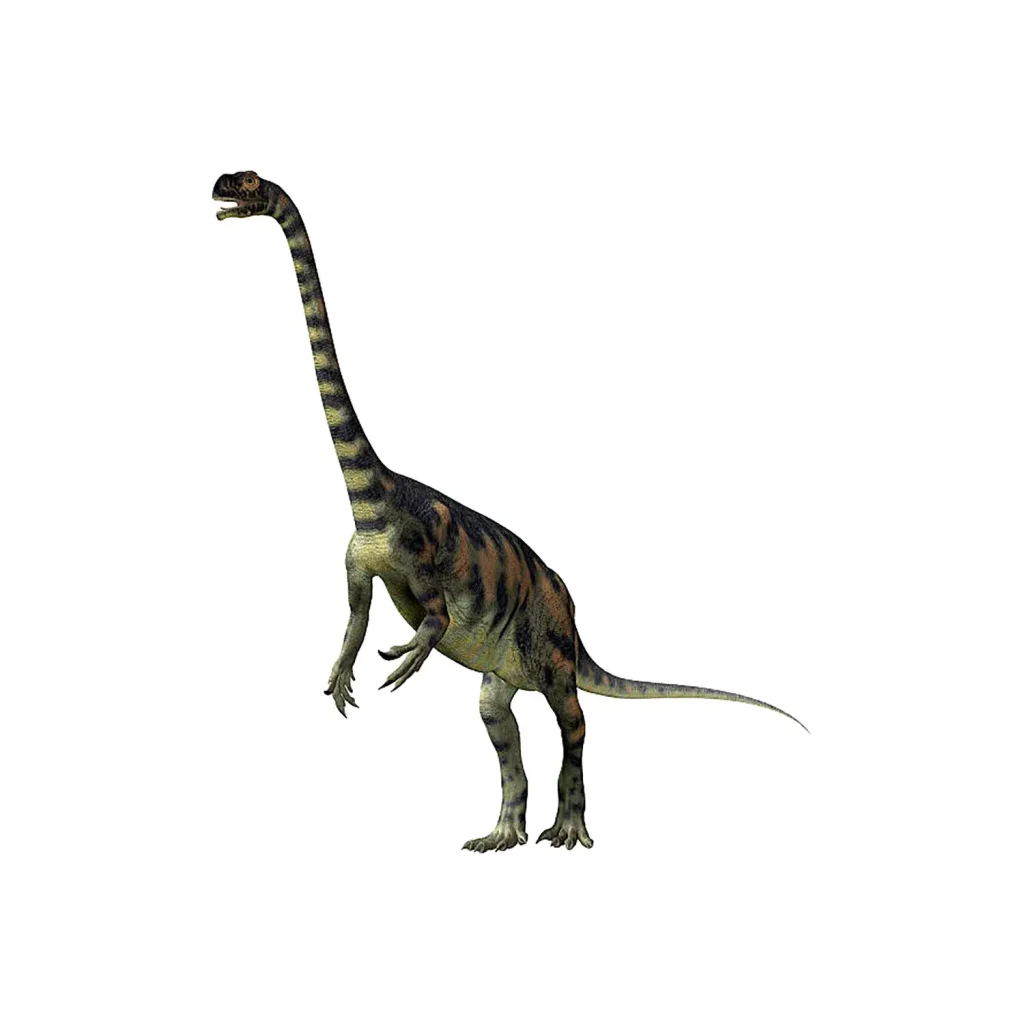
- Massospondylus
- Classification
- Sauropods
- Characteristics
- Herbivorous
- Era
- Jurassic period
- Gorgosaurus
- Classification
- Theropods
- Characteristics
- Carnivorous
- Era
- Cretaceous period
-
Sponsored Links
-
Sponsored Links



![[Latest Research] What Was the Function of Spinosaurus's Giant "Sail"? Exploring the Mysteries of Thermoregulation and Underwater Locomotion](https://dinosaurmuseum.jp/wp/wp-content/uploads/eyecatch_spinosaurus-sail-function_en-1024x512.webp)
![[Latest Discovery] A Third Type of Skin, Neither Scales Nor Feathers? Meet "Haolong dongi," a New Dinosaur Species Covered Entirely in Spikes](https://dinosaurmuseum.jp/wp/wp-content/uploads/eyecatch_dinosaur-spiky-skin-discovery_en-1024x512.webp)

Description
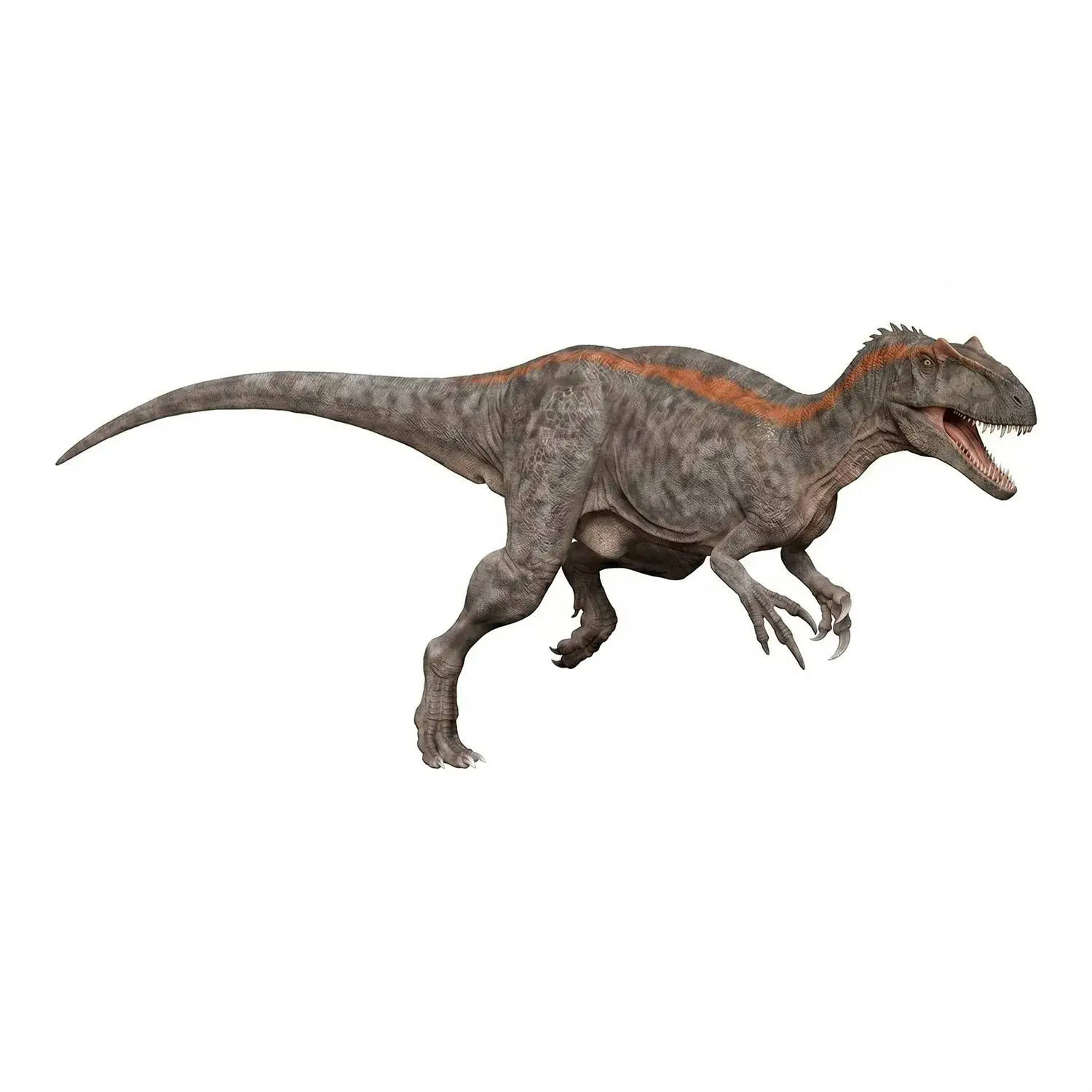
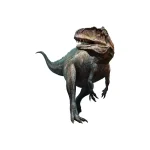
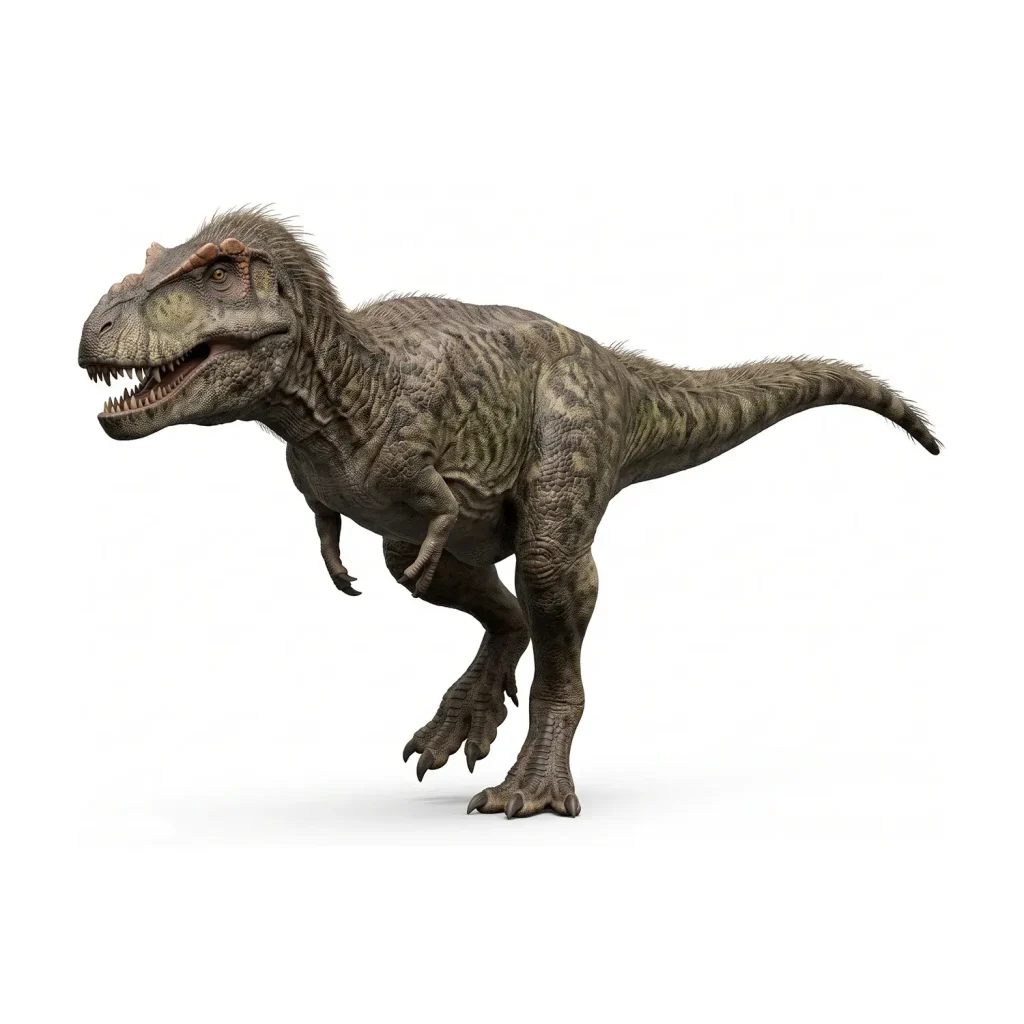
Afrovenator is a megalosaurid theropod that lived in Niger, Africa, during the Middle Jurassic period.
Its name means “African hunter,” and a nearly complete skeleton was discovered in 1993 by American paleontologist Paul Sereno.
A Discovery That Pushed Back the Clock and Unique Features
The fossils of Afrovenator were initially thought to be from the Early Cretaceous, but a re-examination of the geological strata corrected the dating to the Middle Jurassic.
This was a critically important discovery that showcased the diversity of dinosaurs on the African continent during that time.
While its skeleton resembles that of the Late Jurassic Allosaurus, it was generally more slender and retained more primitive features.
Its skull was low and elongated, with a narrow, pointed snout.
Additionally, the back half of its tail was stiff, and its overall build was quite slim.
Hunting Style and Physical Characteristics
The forelimbs of Afrovenator were robust, and its three sharp, hooked claws were powerful weapons used for grasping and tearing prey.
Its teeth were blade-like and thin, perfectly suited for slicing through meat.
However, because its tibia (shinbone) was shorter than its femur (thighbone), it does not seem to have been a runner type built for high-speed, long-distance chases.
Therefore, rather than relentlessly pursuing prey, it is believed to have hunted primarily through ambushes or surprise attacks.
During the Middle Jurassic, the North African region where Afrovenator lived was a rich floodplain with vast rivers flowing through it.
Fossils of the sauropodomorph Jobaria and a theropod similar to Suchomimus have also been found in the same strata, suggesting that Afrovenator may have preyed on these dinosaurs.
Classification and Close Relatives
Afrovenator is considered to be closely related to Dubreuillosaurus and Eustreptospondylus, both discovered in Europe. Some theories suggest that together with these dinosaurs, it forms a subgroup known as the “Afrovenatorinae.”