
Deinocheirus
Name Origin
Terrible hand
Family
Deinocheiridae
Classification
Diapsida, Saurischia, Theropoda
Habitat (Discovery Location)
Mongolia
Period
Approximately 70 million years ago (Late Cretaceous)
Length
Approximately 11 meters
Weight
Approximately 6.4 tons
Diet
Omnivore (eats both)
You might also like... 

-
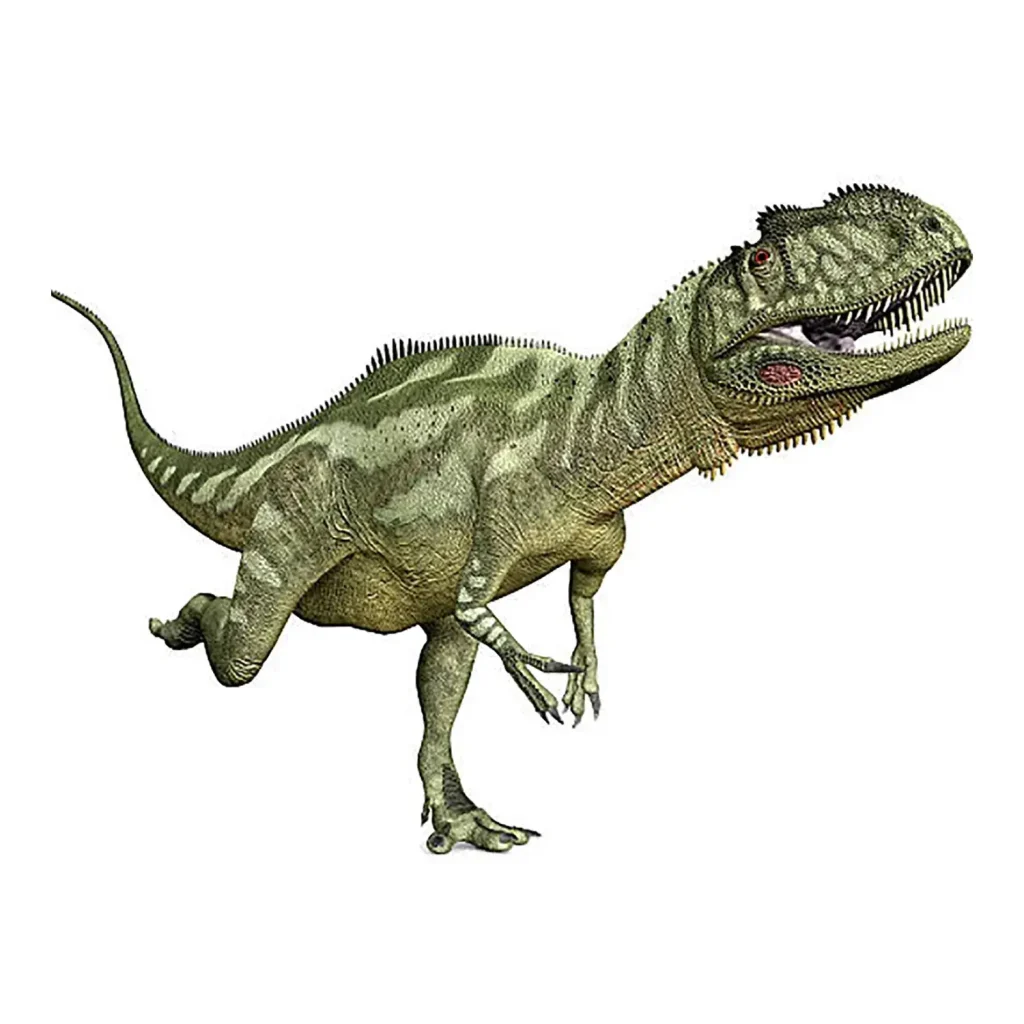
 Yangchuanosaurus
- Classification
- Theropods
- Characteristics
- Carnivorous
- Era
- Jurassic period
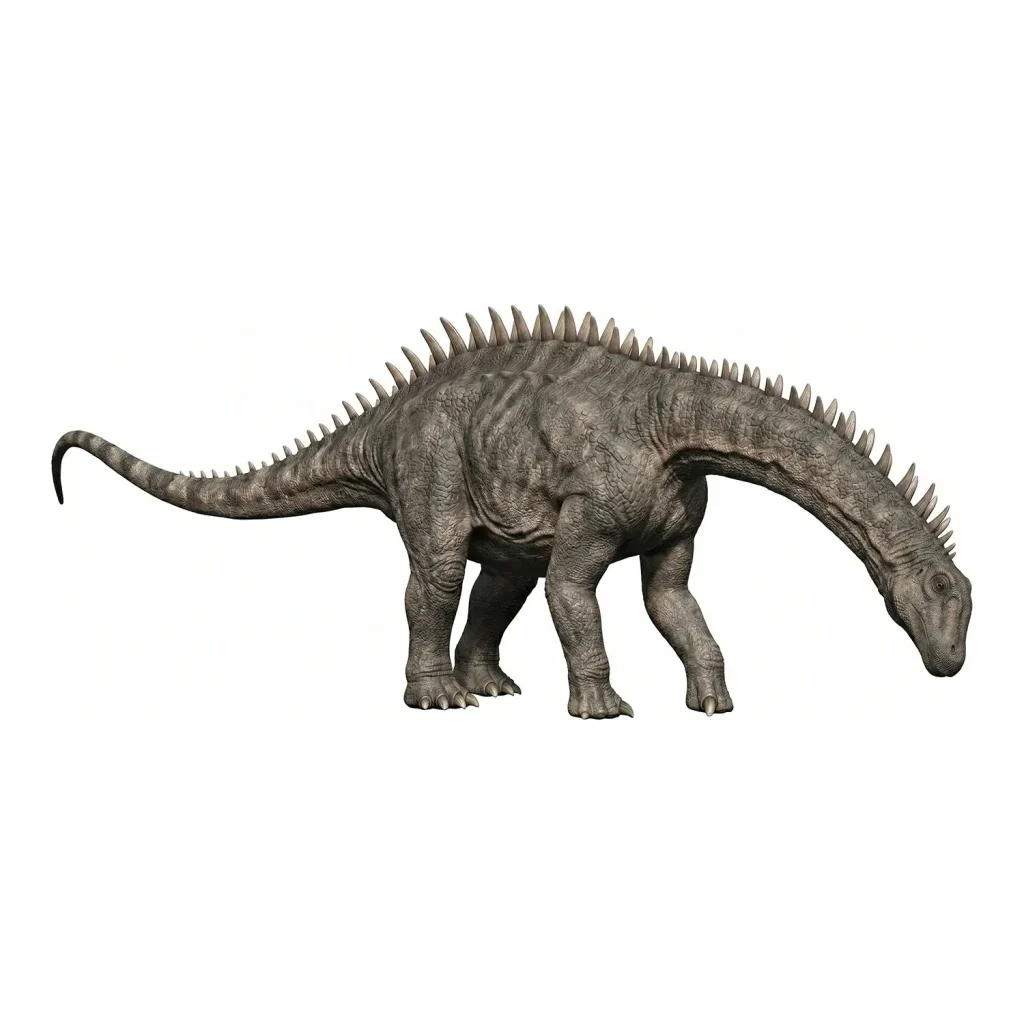
- Dicraeosaurus
- Classification
- Sauropods
- Characteristics
- Herbivorous
- Era
- Jurassic period
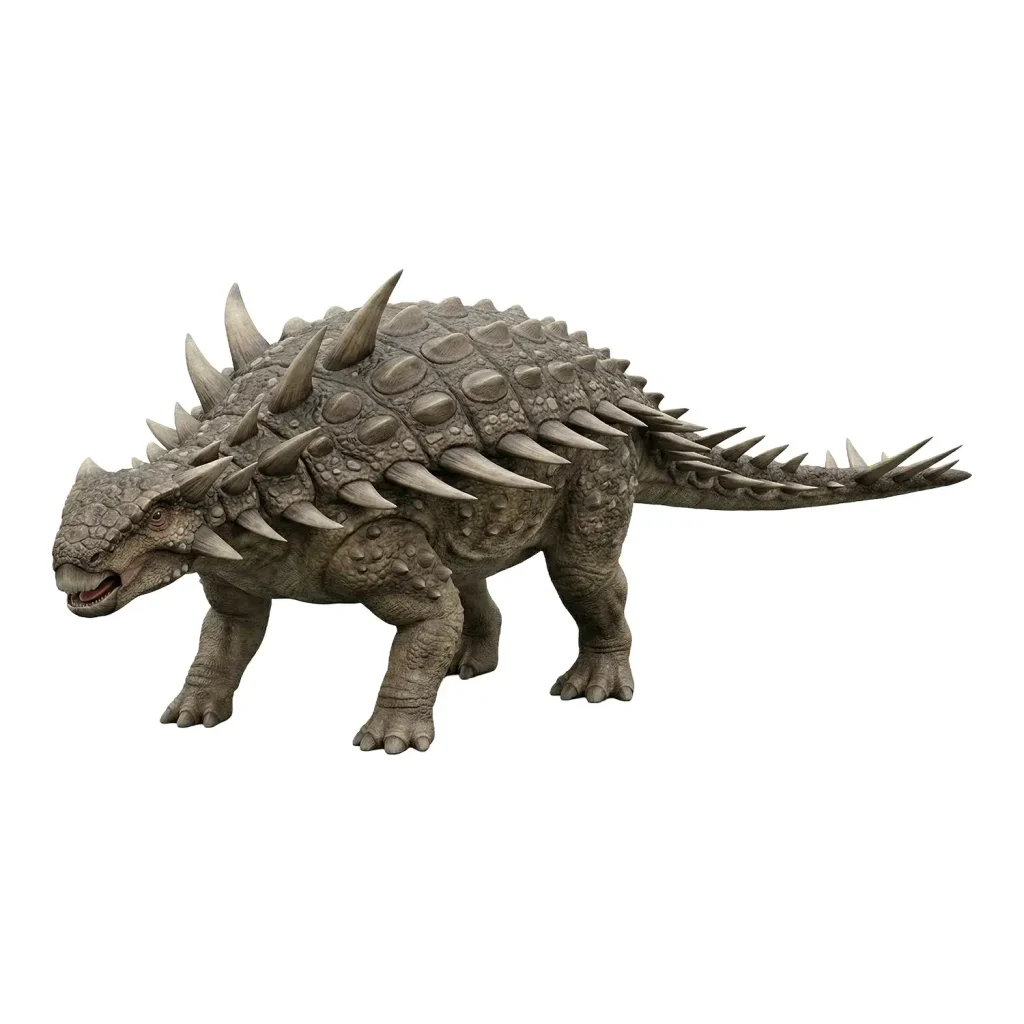
- Peloroplites
- Classification
- Thyreophora
- Characteristics
- Herbivorous
- Era
- Cretaceous period
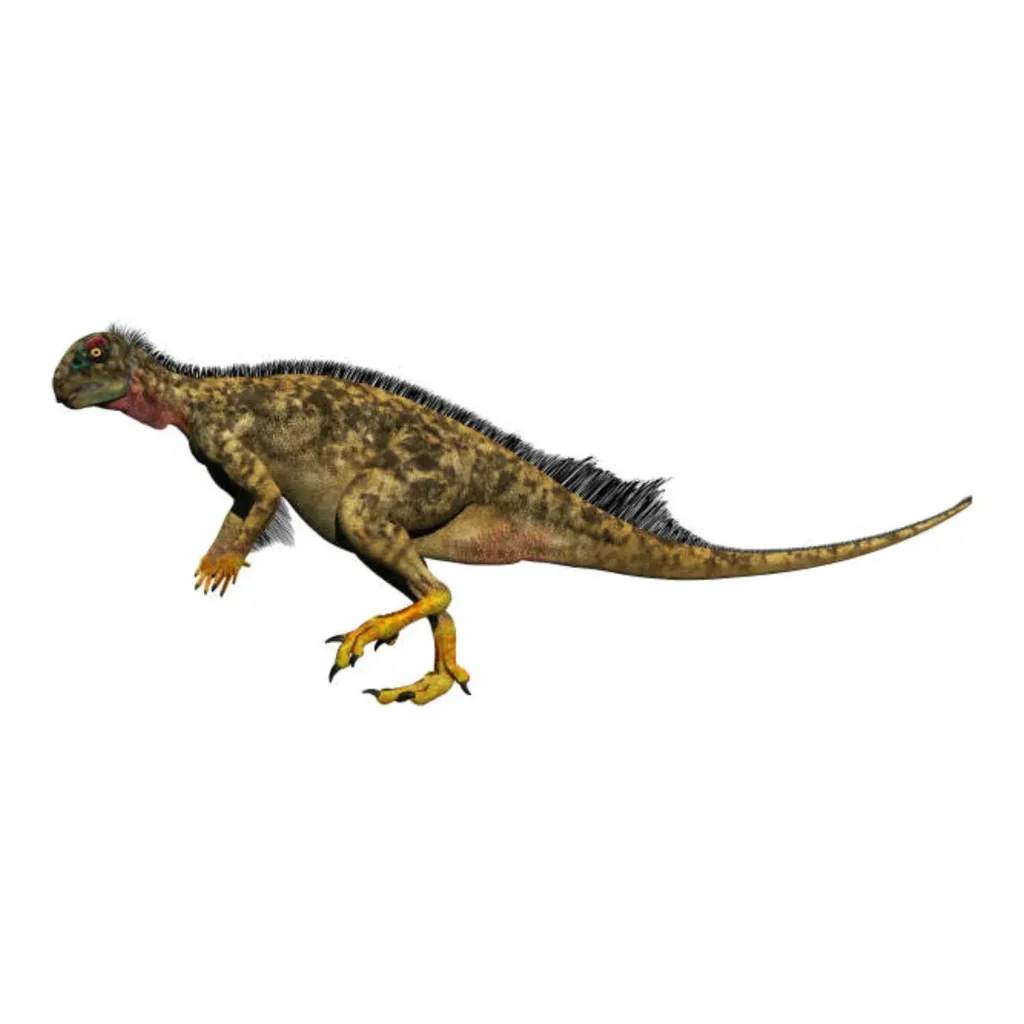
- Oryctodromeus
- Classification
- Ornithopoda
- Characteristics
- Herbivorous
- Era
- Cretaceous period
-
Sponsored Links
-
Sponsored Links







![[Latest Research] What Was the Function of Spinosaurus's Giant "Sail"? Exploring the Mysteries of Thermoregulation and Underwater Locomotion](https://dinosaurmuseum.jp/wp/wp-content/uploads/eyecatch_spinosaurus-sail-function_en-1024x512.webp)
![[Latest Discovery] A Third Type of Skin, Neither Scales Nor Feathers? Meet "Haolong dongi," a New Dinosaur Species Covered Entirely in Spikes](https://dinosaurmuseum.jp/wp/wp-content/uploads/eyecatch_dinosaur-spiky-skin-discovery_en-1024x512.webp)

Description
In 1965, a bizarre fossil consisting of nothing but two massive arms measuring 2.4 meters (7.9 feet) long was discovered in the Gobi Desert of Mongolia.
It was named “Deinocheirus” after its unusually long arms equipped with roughly 30 cm (12-inch) claws. However, for the next 50 years or so, it stood as one of the greatest mysteries in paleontology, continually referred to as a “mystery dinosaur.”
Breaking a long silence, its true form has finally been revealed. Here, we will explain in detail its bizarre and unique ecology, as well as the dramatic story of its recovery from fossil poachers.
The Misconception of a “Super-Giant Carnivorous Dinosaur” and a 50-Year Blank
The arms of Deinocheirus are the second longest of any animal on Earth, surpassed only by Therizinosaurus.
A 30-Meter-Long Monster?
Considering that a Tyrannosaurus (13 meters or 42.6 feet long) has arms about 1 meter (3.3 feet) in length, a simple calculation suggested that Deinocheirus, with its 2.4-meter arms, would be a “super-giant carnivorous dinosaur” exceeding 30 meters (98 feet) in total length.
However, it was highly unrealistic for such a massive theropod to actually exist, leaving its true identity unknown for many years.
Expert Speculation and the Situation at the Time
Upon reinvestigating the original excavation site, researchers only found fragments of ribs bearing tooth marks, indicating they had been scavenged by a Tarbosaurus.
While Dr. Philip Currie from Canada and others supported the super-giant carnivore theory, Dr. Yoshitsugu Kobayashi from Japan and his colleagues speculated based on the arm structure that it was a member of the “ostrich dinosaurs” (ornithomimosaurs). However, lacking conclusive evidence, it remained a relatively obscure dinosaur.
The Discovery of the Century and the Dramatic Recovery from “Fossil Poachers”
After a long period of obscurity, the situation took a sudden turn between 2006 and 2009.
An international research team led by Dr. Yuong-Nam Lee of South Korea (which included Dr. Currie and Dr. Kobayashi) finally achieved the monumental feat of discovering “two nearly complete torso fossils.”
Poaching by Fossil Hunters
Tragically, the most highly prized parts—the skulls and the ends of the limbs—had already been hacked off by fossil poachers and smuggled into the black market.
Relentless Tracking and Return
Refusing to give up, the researchers tracked down the missing pieces and, in 2011, discovered they were in the possession of a European collector.
The fossils were repatriated to Mongolia in 2014, finally bringing the complete skeleton to light.
The “Bizarre True Form” Revealed
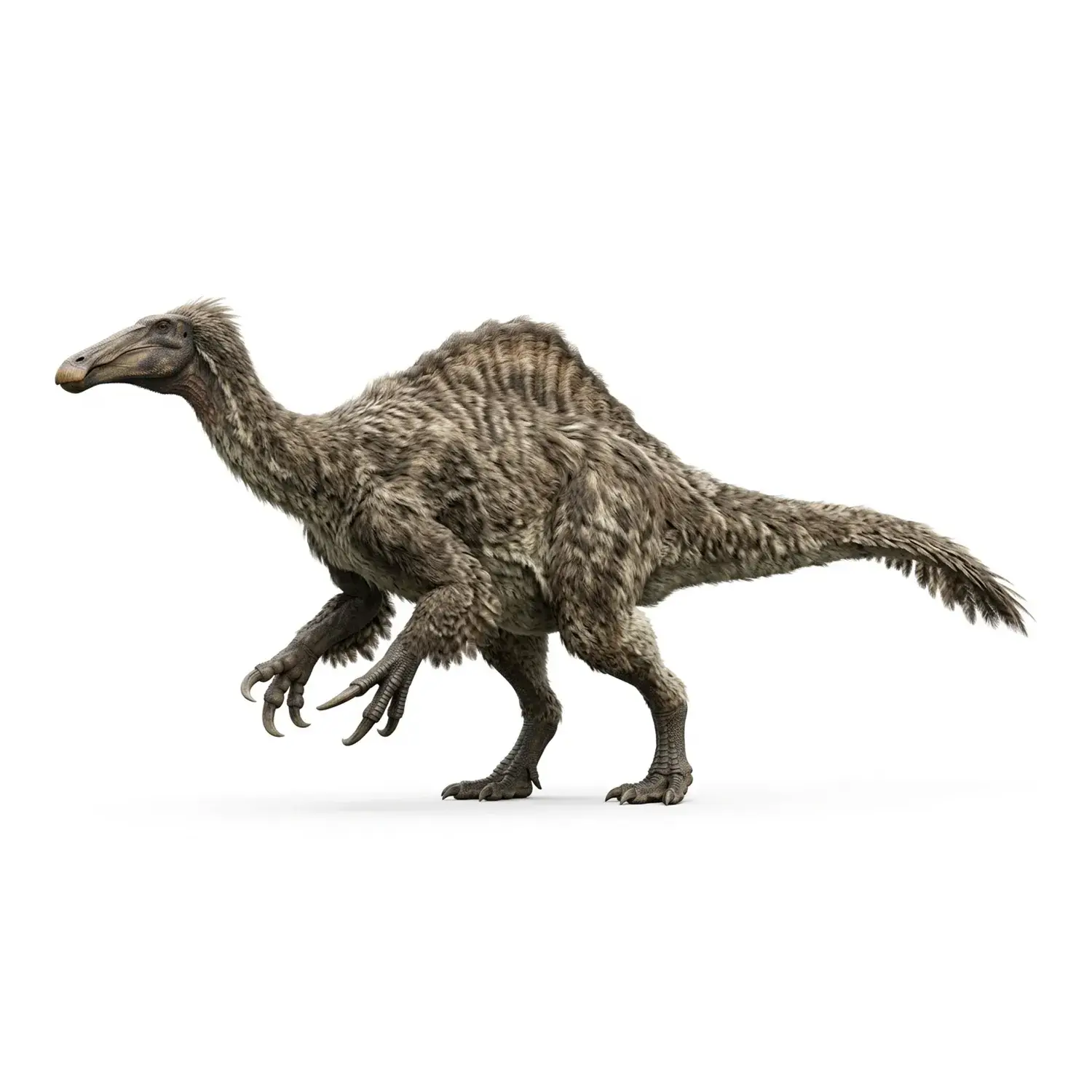
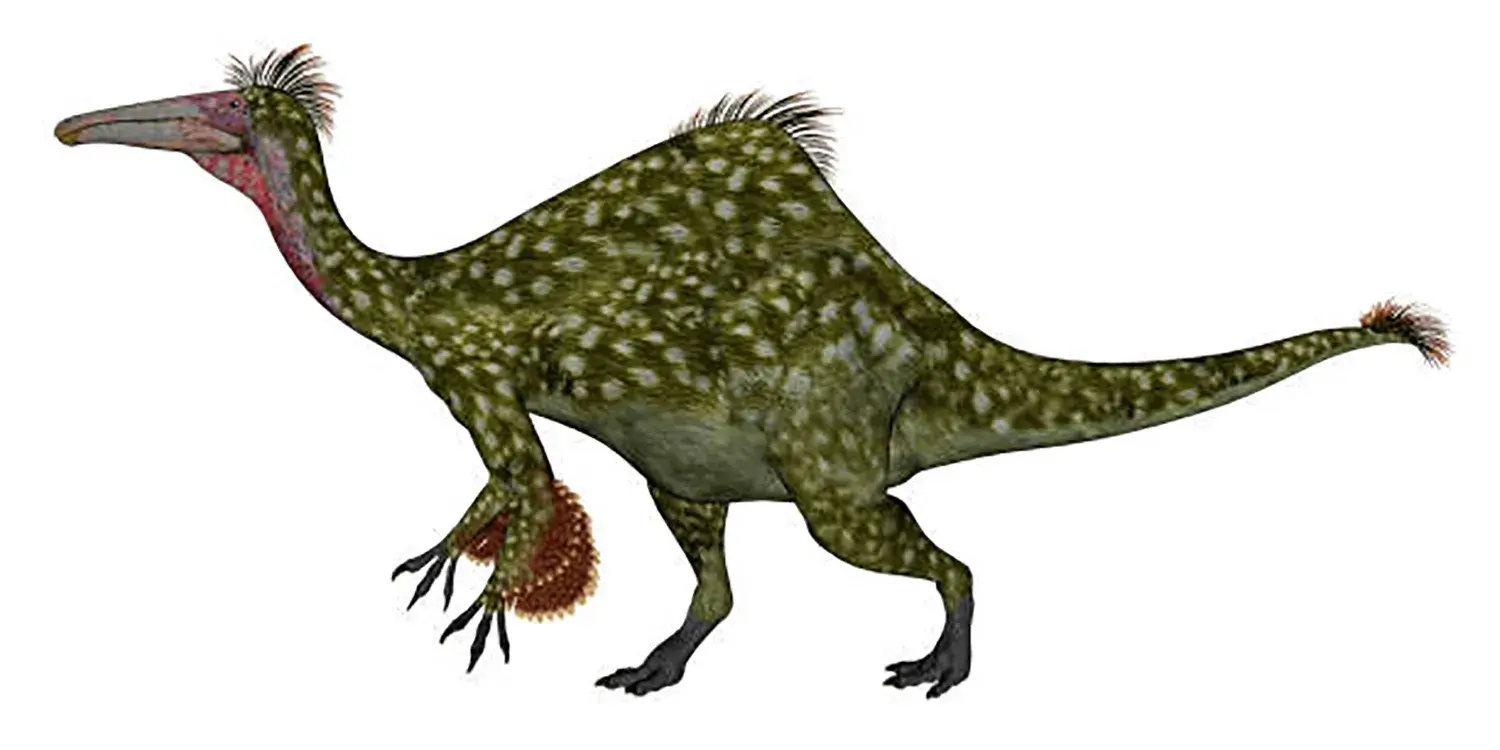
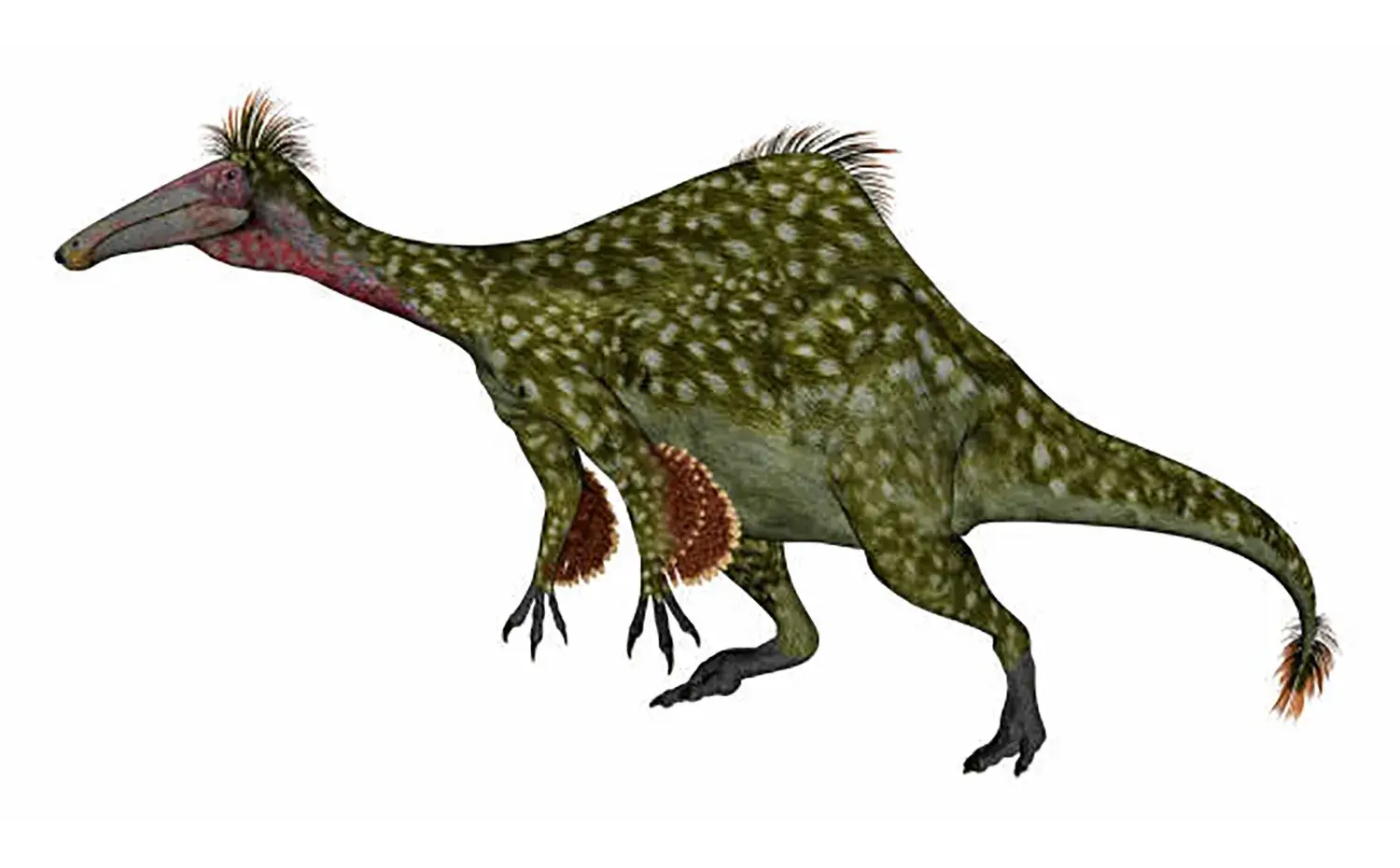
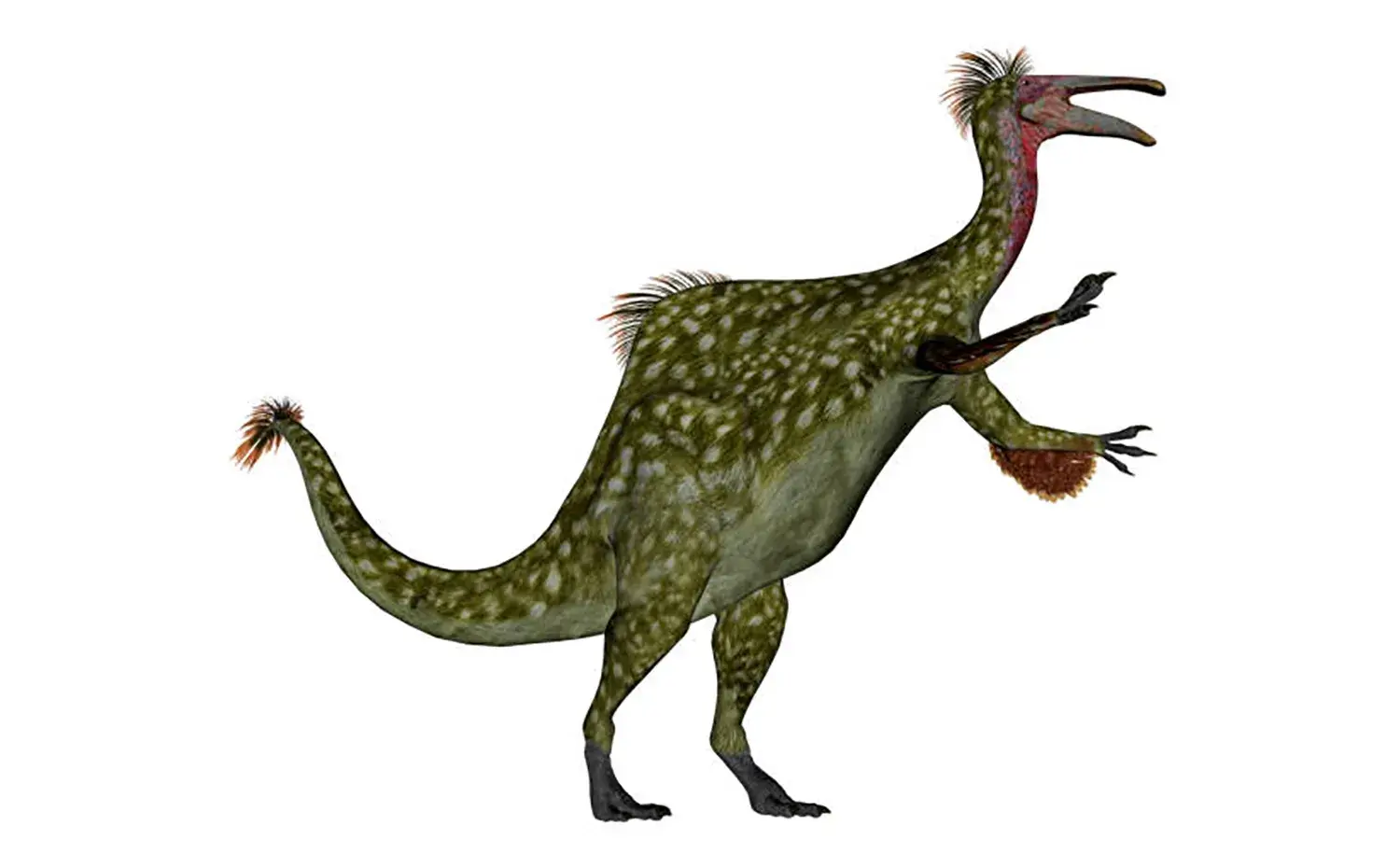
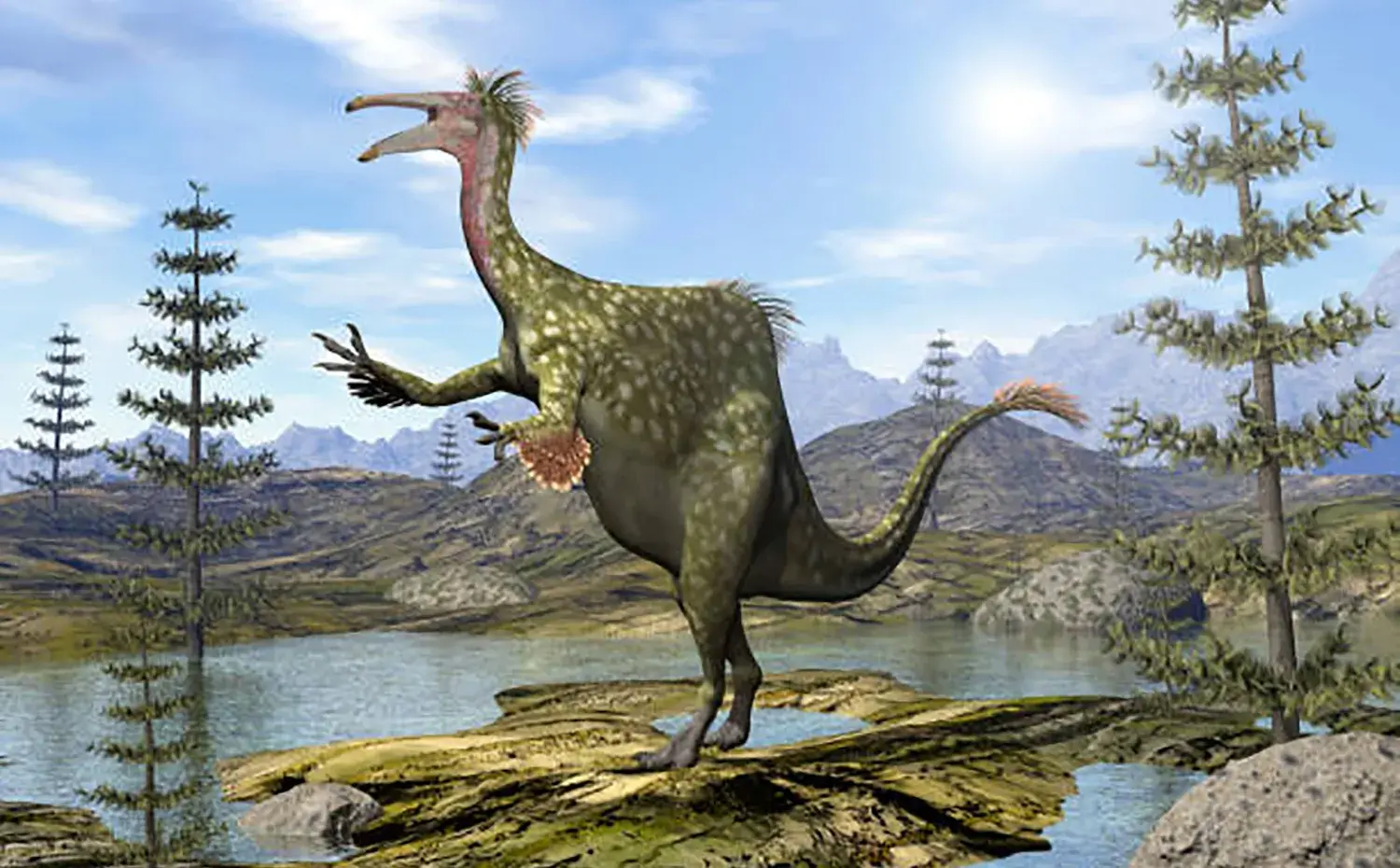
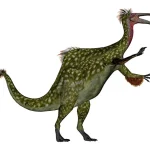
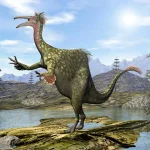
The reconstructed appearance unveiled in 2014 far exceeded anyone’s imagination.
Despite being an ostrich dinosaur, it exceeded 10 meters (32.8 feet) in length. Furthermore, recent studies indicate that its entire body was covered in feathers.
An Omnivorous “Fermentation Chamber” and the True Use of Its Terrible Hands
Although once thought to be a ferocious carnivorous dinosaur, fish bones, scales, and plant seeds and fibers were found in its stomach, confirming that Deinocheirus was actually an omnivore.
Swallowing Whole and Grinding with “Gastroliths”
Unable to chew, it used its bill to scoop up fish, aquatic plants, and leaves from low shrubs in shallow waters, swallowing them whole.
In its gastrointestinal tract—which functioned like a “fermentation chamber” inside its massive potbelly—it took its time digesting and absorbing nutrients using swallowed pebbles (gastroliths) to grind up the food.
It is speculated that this evolutionary trait served to lighten its head while maintaining a weight balance against its massive arms and tail.
The Role of the “Terrible Hands”
The movement of its arms was sluggish, making them unsuitable for hunting.
Today, it is believed they were used to pull down tree branches or to dig up riverbeds with their tough claws in search of aquatic life.
They also served as a “defensive weapon” to protect itself from large carnivorous dinosaurs like Tarbosaurus.
Eggs Arranged in a Donut Shape and Devoted Parenting
Regarding its reproductive habits, interesting behaviors have been inferred from the fossilized eggs of closely related species.
They laid their eggs arranged in a “donut shape” with an empty space in the middle.
This was an ingenious method to prevent the parents from accidentally crushing the eggs, while allowing the parent to sit in the central space and efficiently incubate the eggs using its feathers.
Summary
Nearly half a century has passed since it was named in 1970.
Overcoming the crisis of poaching, the “creepy, arms-only monster” underwent a dramatic transformation into a “giant, feathered, duck-billed omnivorous dinosaur” that leisurely dined by the water’s edge.
Its extraordinary fate was featured in major events like the 2019 Dinosaur Expo in Japan, and it is now an incredibly popular dinosaur worldwide.
It can be considered one of the most dramatic discoveries in the history of paleontology, perfectly demonstrating how a single fossil piece can completely overturn conventional wisdom.