
Carcharodontosaurus
Name Origin
Shark-toothed lizard
Family
Carcharodontosauridae
Classification
Diapsida, Saurischia, Theropoda
Habitat (Discovery Location)
Egypt, Sudan, Tunisia, Niger, Morocco, Libya
Period
Approximately 100 to 93 million years ago (Early Cretaceous)
Length
Approximately 13 meters
Weight
Approximately 6 to 15 tons
Diet
Carnivore (Meat-eater)
You might also like... 

-
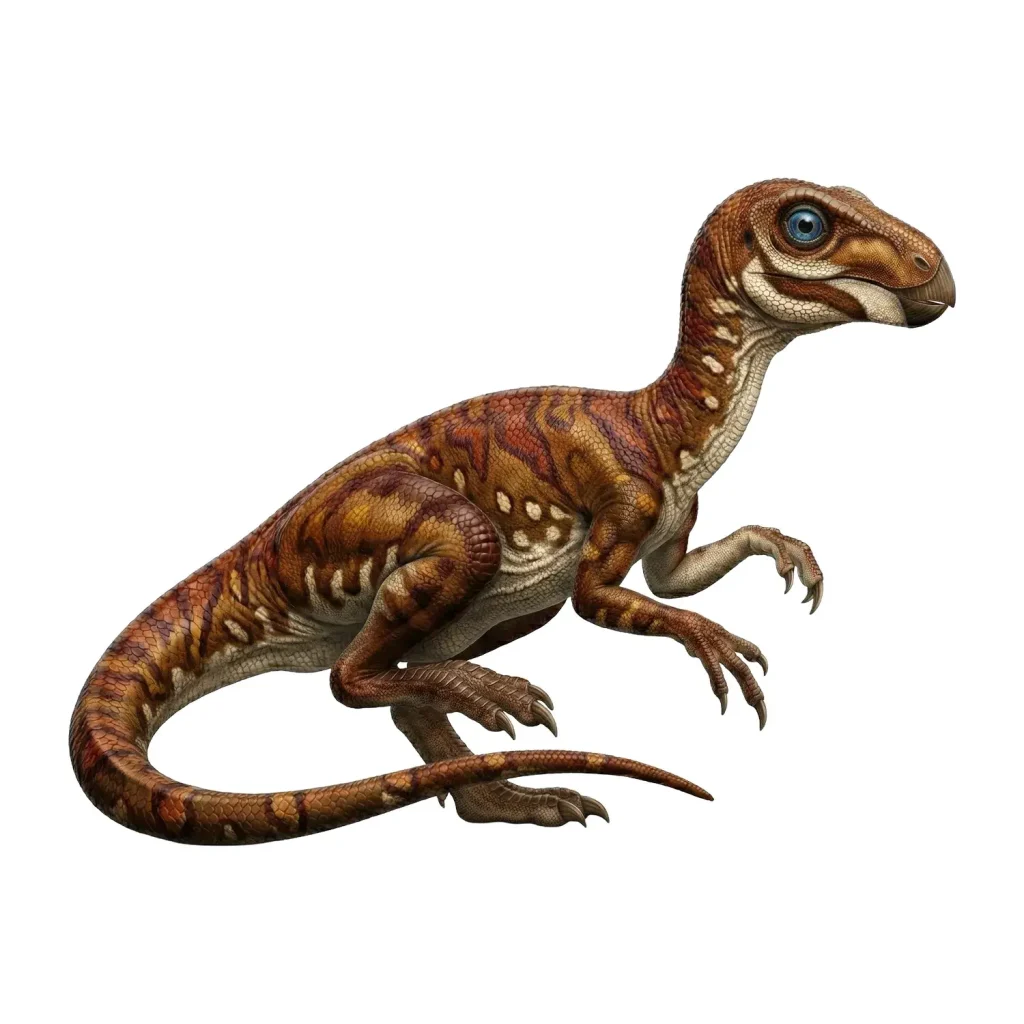
 Zephyrosaurus
- Classification
- Ornithopoda
- Characteristics
- Herbivorous
- Era
- Cretaceous period
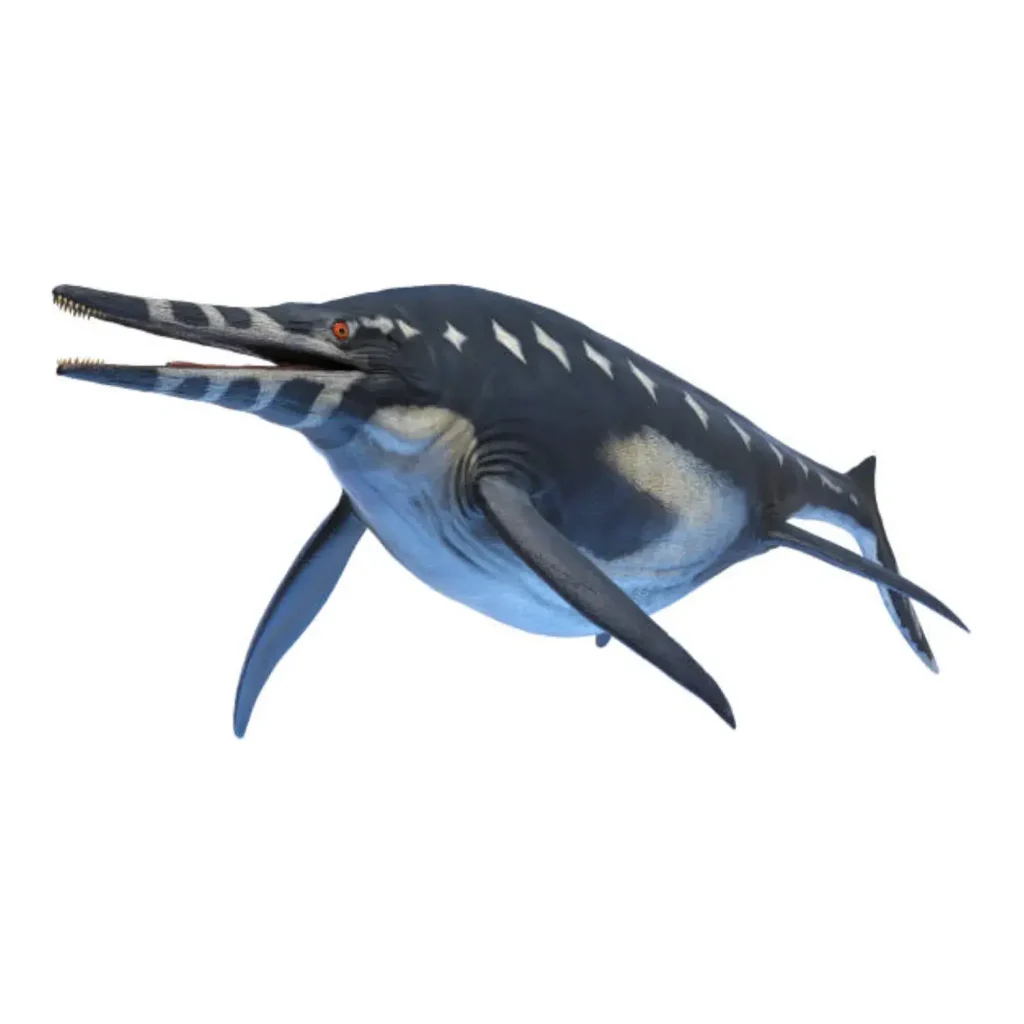
- Shonisaurus
- Classification
- Marine reptiles
- Characteristics
- Carnivorous
- Era
- Triassic period
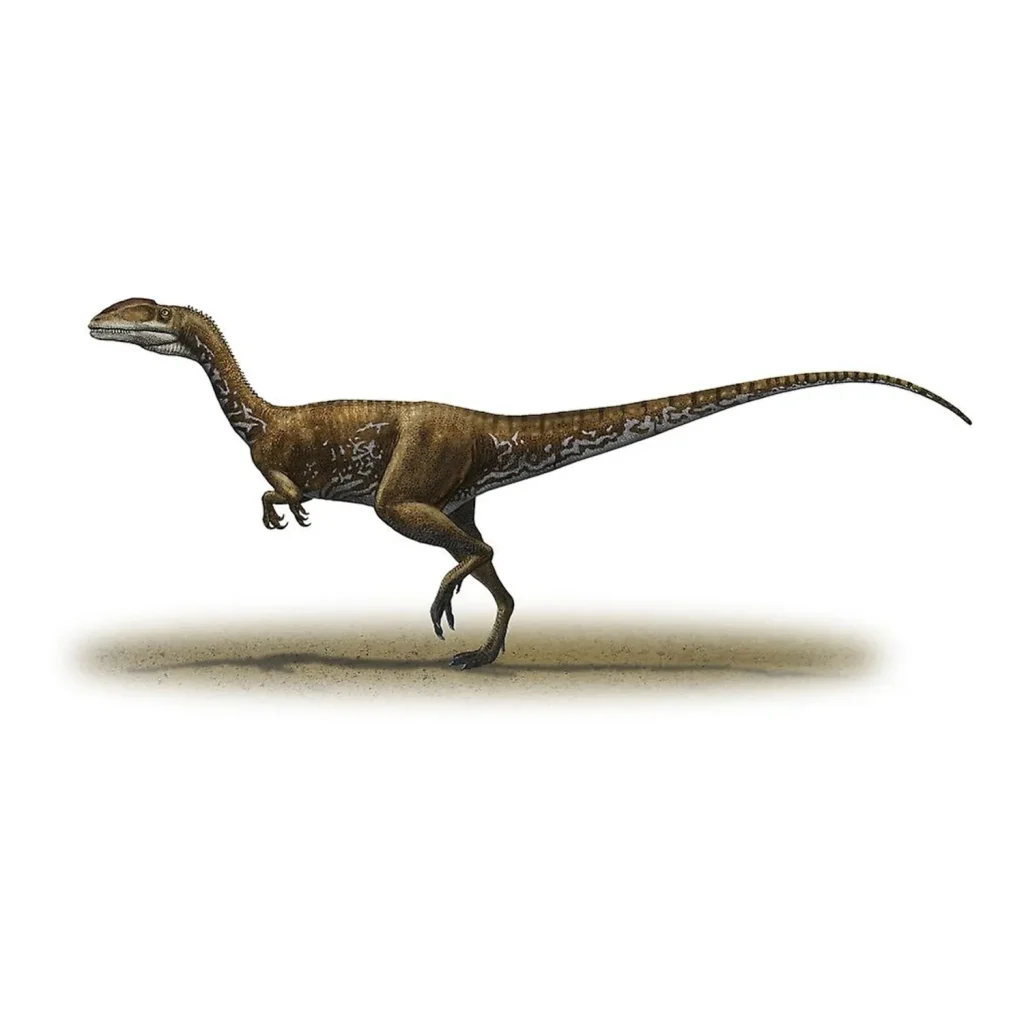
- Megapnosaurus
- Classification
- Theropods
- Characteristics
- Carnivorous
- Era
- Jurassic period
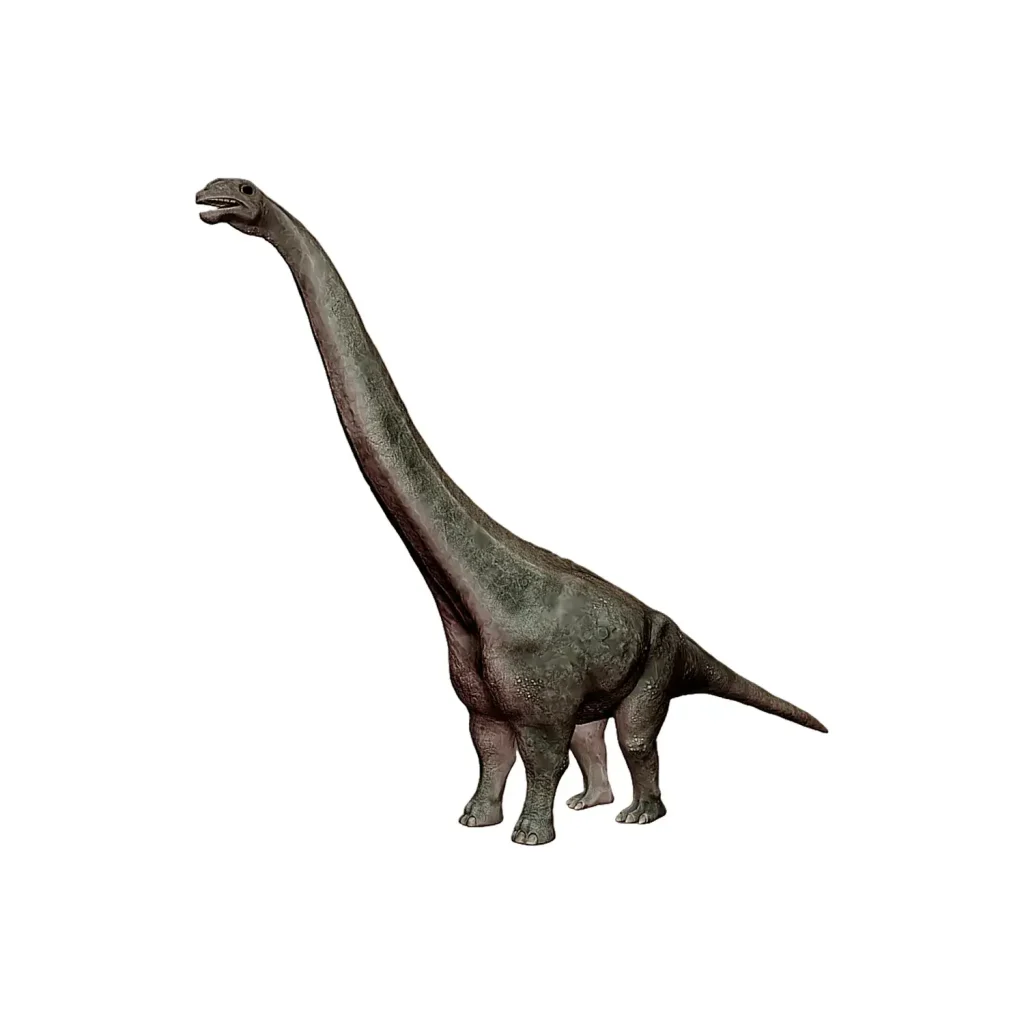
- Futalongkosaurus
- Classification
- Sauropods
- Characteristics
- Herbivorous
- Era
- Cretaceous period
-
Sponsored Links
-
Sponsored Links










![[Latest Research] What Was the Function of Spinosaurus's Giant "Sail"? Exploring the Mysteries of Thermoregulation and Underwater Locomotion](https://dinosaurmuseum.jp/wp/wp-content/uploads/eyecatch_spinosaurus-sail-function_en-1024x512.webp)
![[Latest Discovery] A Third Type of Skin, Neither Scales Nor Feathers? Meet "Haolong dongi," a New Dinosaur Species Covered Entirely in Spikes](https://dinosaurmuseum.jp/wp/wp-content/uploads/eyecatch_dinosaur-spiky-skin-discovery_en-1024x512.webp)





Description
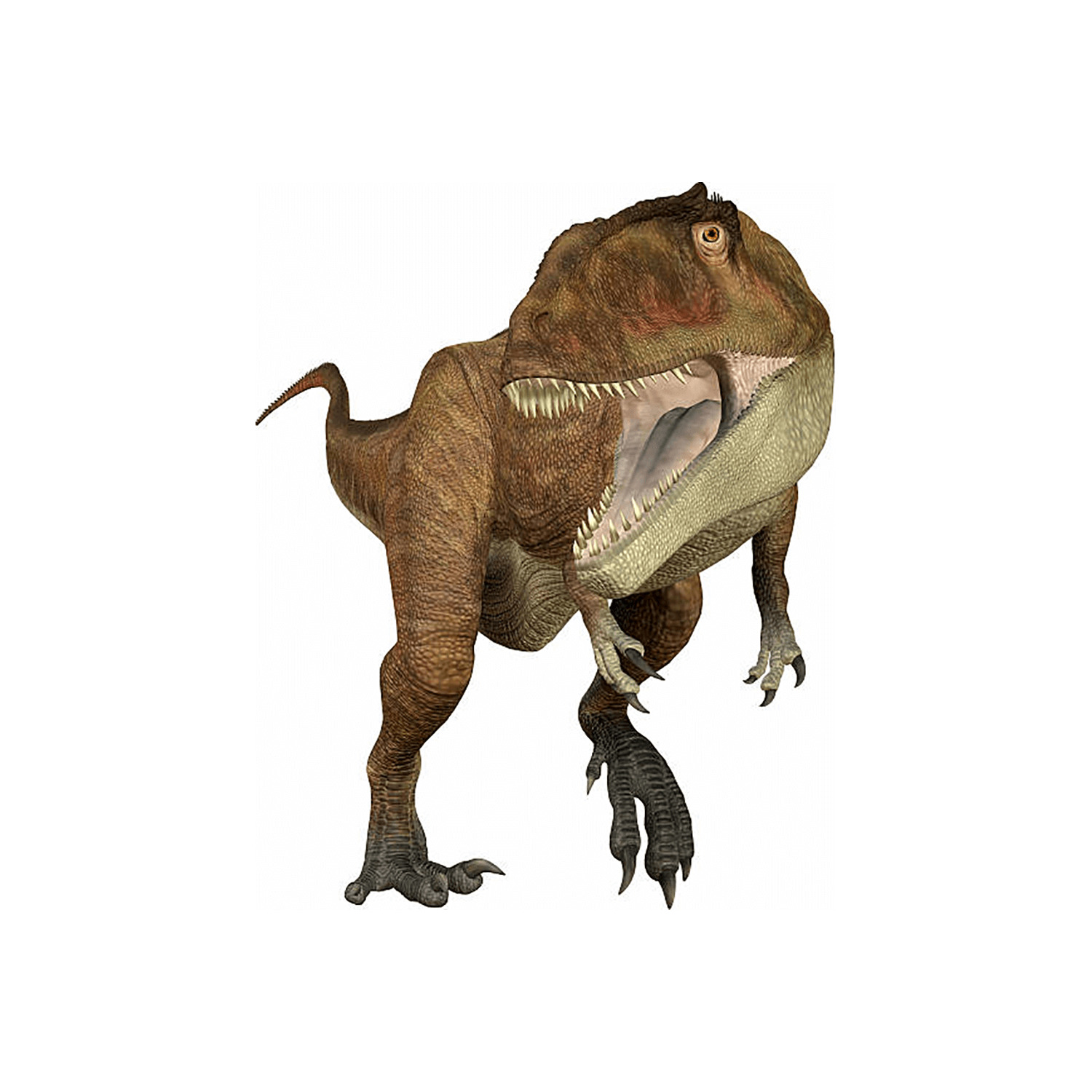
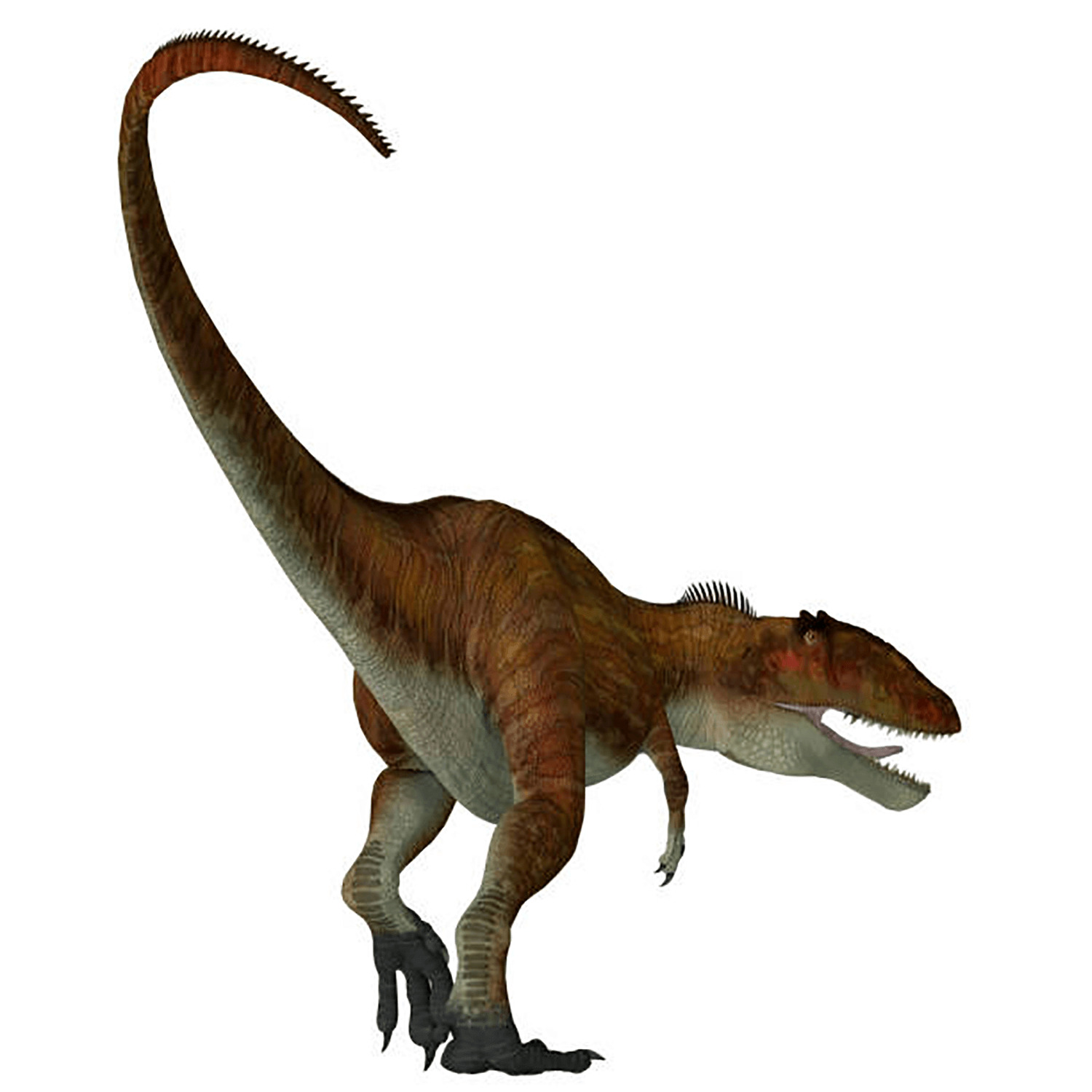
Carcharodontosaurus was a giant carnivorous dinosaur that reigned over the African continent during the Late Cretaceous period.
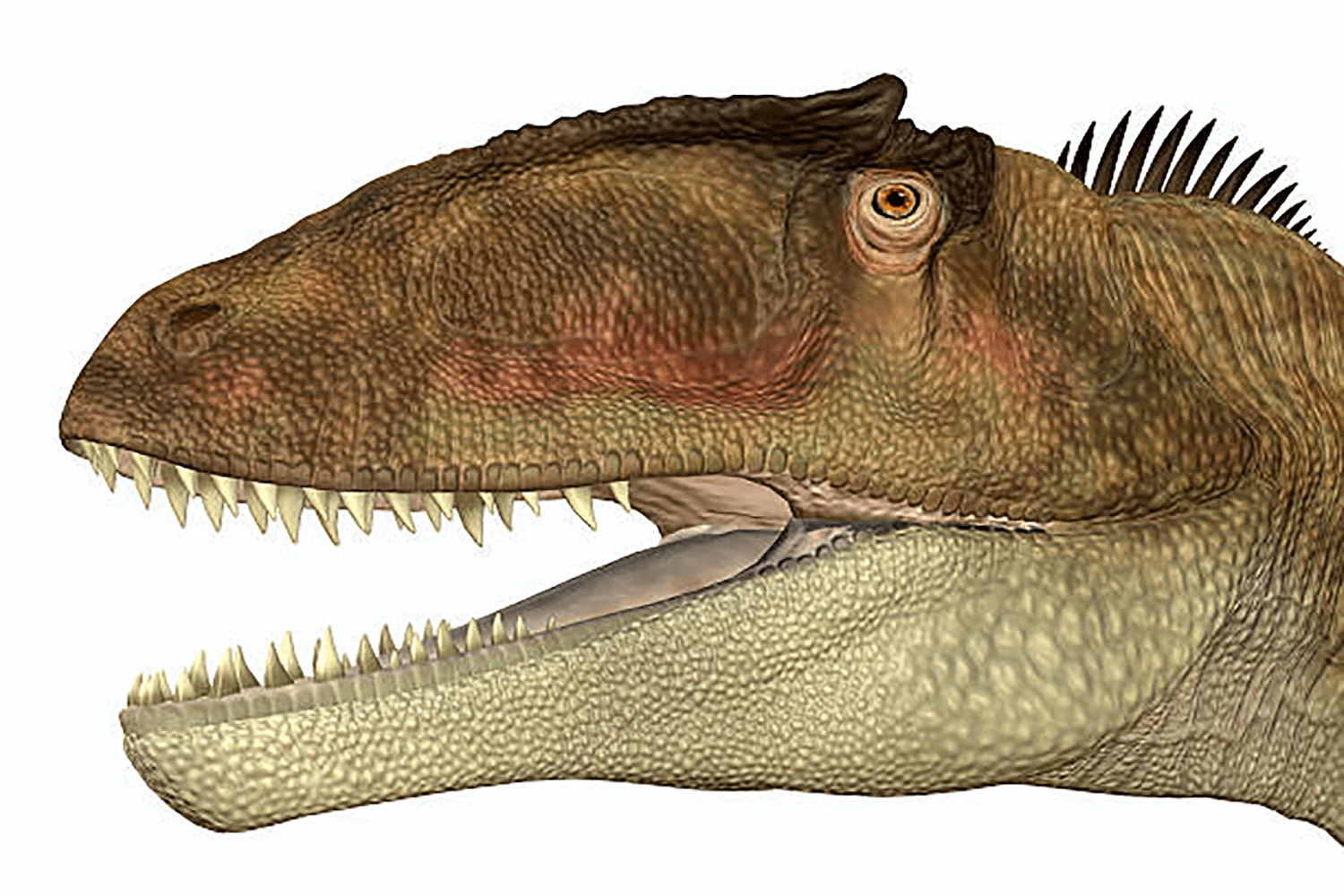
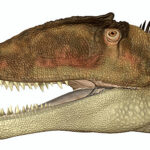
Its name means “shark-toothed lizard,” named for its triangular, serrated teeth that closely resembled those of a great white shark.
These sharp teeth were highly specialized for slicing flesh, and it is believed they were capable of attacking even massive prey like sauropods.
Its teeth were sharp and well-suited for slicing flesh.
The Size and Tumultuous History of a Giant Predator
Boasting a maximum length exceeding 13 meters (42.7 feet)—rivaling that of Tyrannosaurus—Carcharodontosaurus is currently believed to have been slightly smaller than Tyrannosaurus.
Nevertheless, the fact that such a massive predator existed about 10 million years before Tyrannosaurus was even born astonished many researchers.
Its discovery is accompanied by a rather turbulent fate.
The first fossils were found in the 1920s, but initially, they were mistakenly identified as the remains of another dinosaur (Megalosaurus).
Although it was finally recognized as a new species in 1931, the precious specimens discovered up to that point were destroyed by fire during the ravages of World War II.
Because of this, its true nature was shrouded in mystery for a long time.
A turning point arrived in 1995.
A nearly complete skull was discovered in Morocco, and it was revealed to exceed 1.5 meters (4.9 feet) in length.
This skull was one of the largest ever found among carnivorous dinosaurs; however, compared to Tyrannosaurus, it was lighter and narrower, suggesting it was well-suited for swift predatory behavior.
Its Role as Africa’s Apex Predator
Carcharodontosaurus fossils have been found all across the northern part of the African continent, indicating that it reigned as the apex predator over a vast region.
During the same era and on the same African continent lived another giant carnivorous dinosaur: Spinosaurus.
It is well known that the famous German paleontologist Ernst Stromer was the one who described and named Carcharodontosaurus, just as he did for Spinosaurus.
The two predators are thought to have been in direct competition within the same region, and Spinosaurus fossils have even been found bearing bite marks believed to have been left by a Carcharodontosaurus.
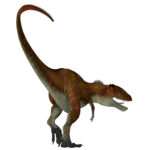
Although almost no fossils of its torso have been found, based on the characteristics of its close relative Giganotosaurus, it is predicted to have had short arms, large hind legs, and a long tail.
It is predicted to have had short arms, large hind legs, and a long tail.
The shape of Carcharodontosaurus teeth lacked the large backward curve seen in many other theropods; instead, they were sharp triangles.
This dental characteristic suggests that they were ferocious predators capable of efficiently slicing through the flesh of their prey.