
Alamosaurus


Name Origin
Alamo Lizard
Family
Saltasauridae
Classification
Diapsida, Saurischia, Sauropodomorpha
Habitat (Discovery Location)
United States
Period
Approximately 70 million years ago (Late Cretaceous)
Length
Approximately 30 meters
Weight
Approximately 50 tons
Diet
Herbivore (Plant-eater)
 Jurassic
Park / World Featured Dinosaur
Appearance in Jurassic Park
It was displayed in the Visitor Center (entrance) as a skeletal specimen, alongside the Tyrannosaurus (T-Rex) skeleton (appearing as a decorative fossil).
The shock of realizing that this skeleton—which nearly everyone initially mistook for an Apatosaurus or Brachiosaurus—was actually an Alamosaurus was immense.
During the film's climax, this precious skeletal specimen was destroyed, getting caught in the ferocious battle between the T-Rex and the Velociraptors.
TODAY'S QUIZ
Correct answer = 1 coin
Where are the ancestors of Alamosaurus thought to have migrated from before reaching North America?
Loading…
You might also like... 

-
 Coelophysis
- Classification
- Theropods
- Characteristics
- Carnivorous
- Era
- Triassic period
- Jurassic period
- Tazoudasaurus
- Classification
- Sauropods
- Characteristics
- Herbivorous
- Era
- Jurassic period
- Utatsusaurus
- Classification
- Marine reptiles
- Characteristics
- Carnivorous
- Era
- Triassic period
- Teratophoneus
- Classification
- Theropods
- Characteristics
- Carnivorous
- Era
- Cretaceous period
-
Sponsored Links
-
Sponsored Links










![[Latest Research] What Was the Function of Spinosaurus's Giant "Sail"? Exploring the Mysteries of Thermoregulation and Underwater Locomotion](https://dinosaurmuseum.jp/wp/wp-content/uploads/eyecatch_spinosaurus-sail-function_en-1024x512.webp)
![[Latest Discovery] A Third Type of Skin, Neither Scales Nor Feathers? Meet "Haolong dongi," a New Dinosaur Species Covered Entirely in Spikes](https://dinosaurmuseum.jp/wp/wp-content/uploads/eyecatch_dinosaur-spiky-skin-discovery_en-1024x512.webp)



Description
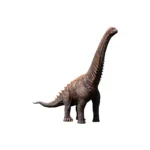
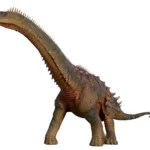
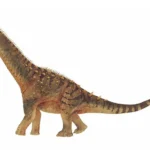
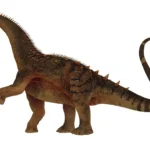
Alamosaurus is a sauropod that lived on the North American continent during the Late Cretaceous period, making it the last of its kind in the Mesozoic Era.
As one of the few giant sauropods to thrive in North America at the very end of the age of dinosaurs—an era when Tyrannosaurus and Triceratops roamed—its existence is incredibly important.
Filling the “Gap” of North American Sauropods
Sauropods, famous for dinosaurs like Brachiosaurus, first appeared in the Triassic and reached their peak in the Late Jurassic.
During that time, a wide variety of sauropods roamed the Earth, but the situation changed drastically as the era transitioned into the Cretaceous.
The sauropods that had once spread across the globe began to drastically decline, with the exception of species in South America.
In North America specifically, there is a “gap” (a fossil hiatus) where these long-necked dinosaurs seemed to have been relegated to the past.
However, Alamosaurus is the dinosaur that, defying this adversity, took root in North America—the ancient homeland of its ancestors.
Potential for Record-Breaking Size and a Body Shrouded in Mystery
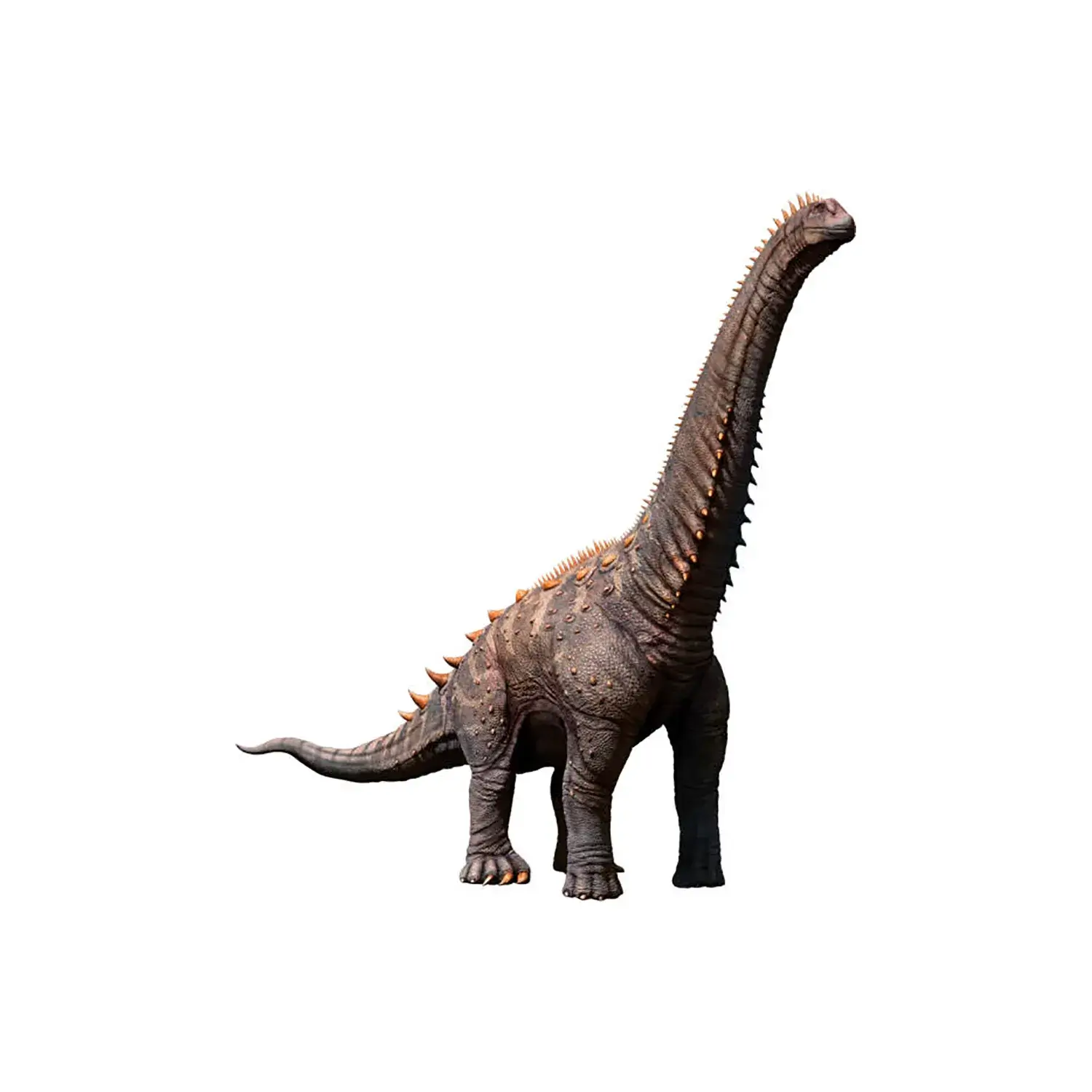
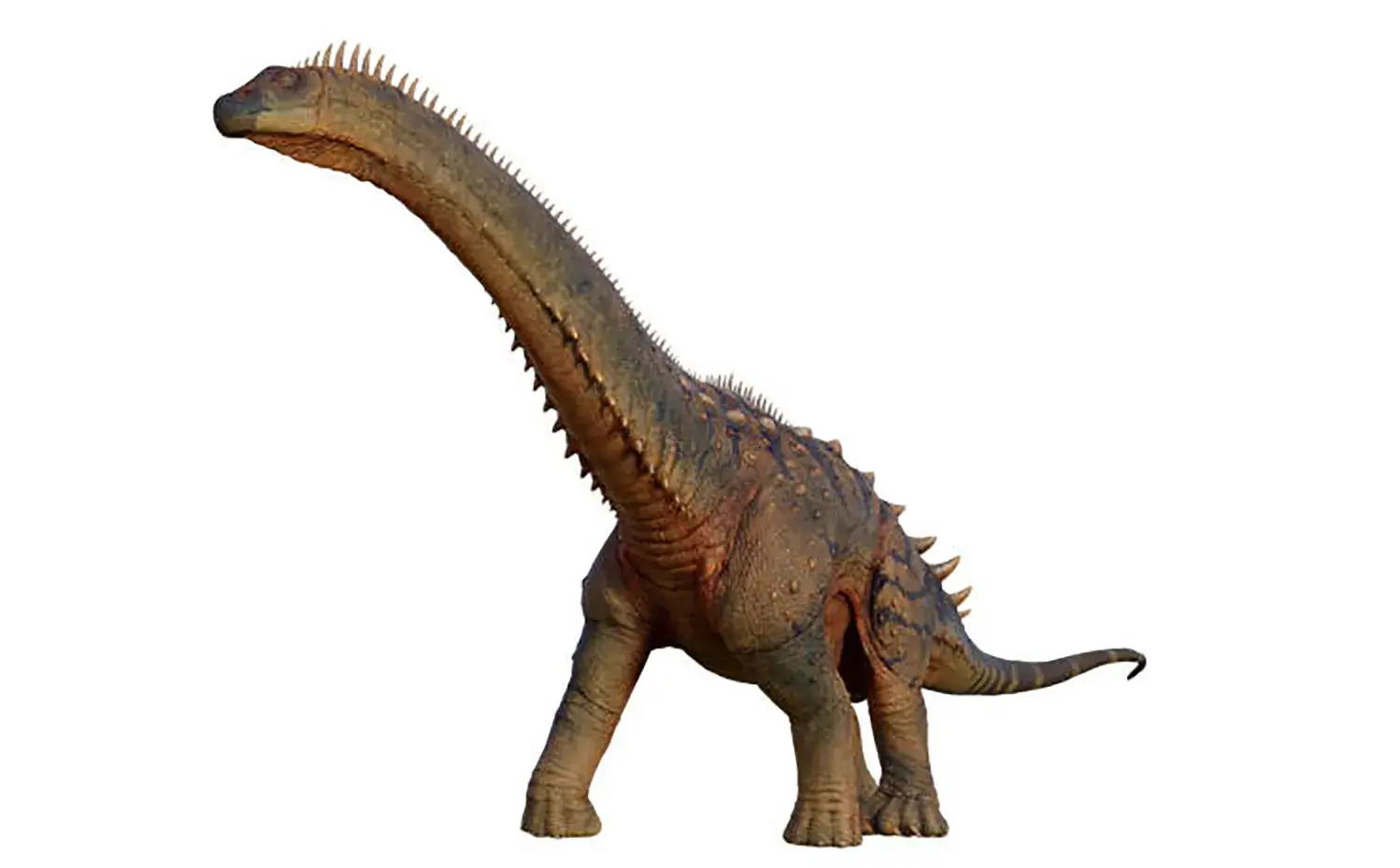
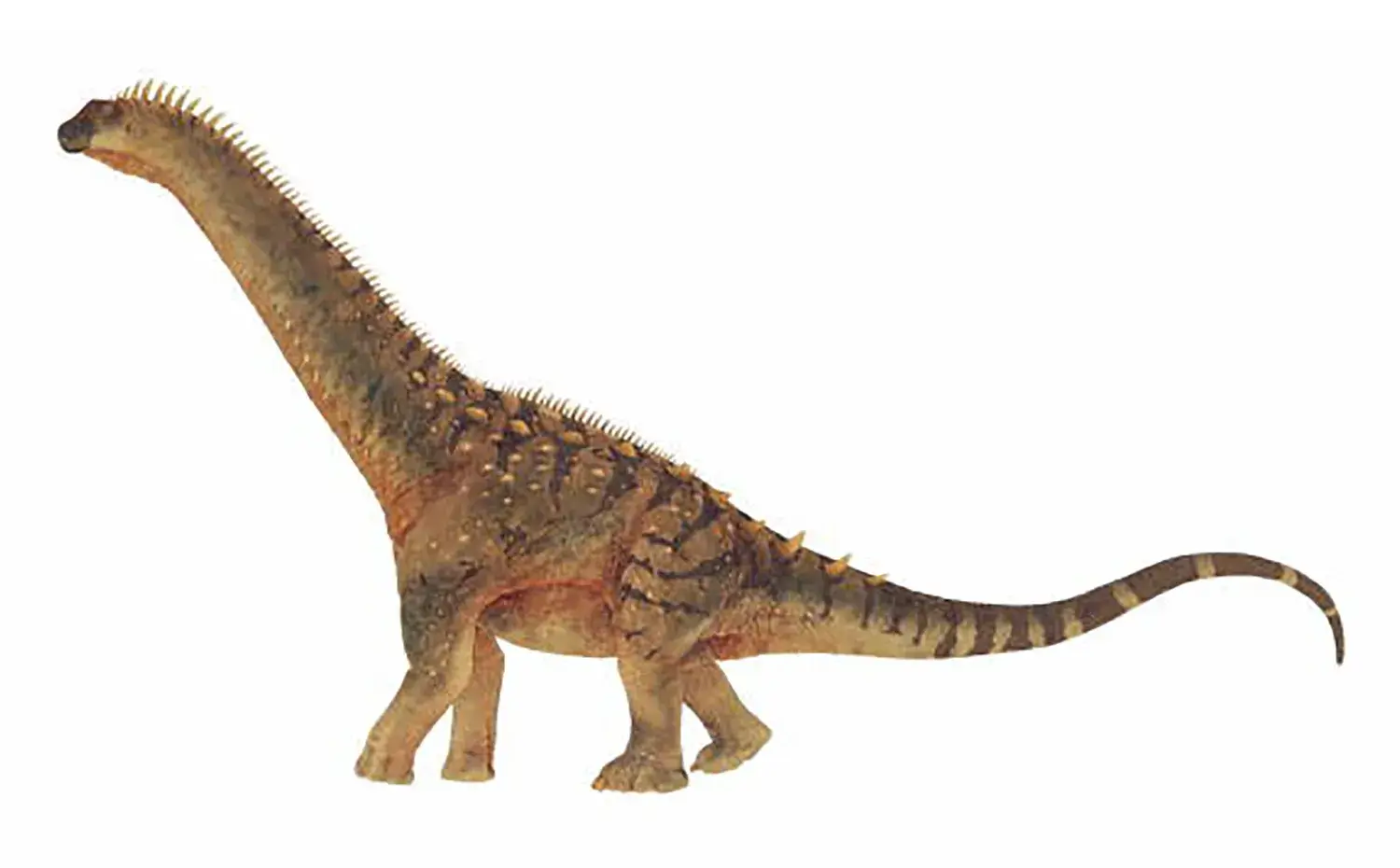
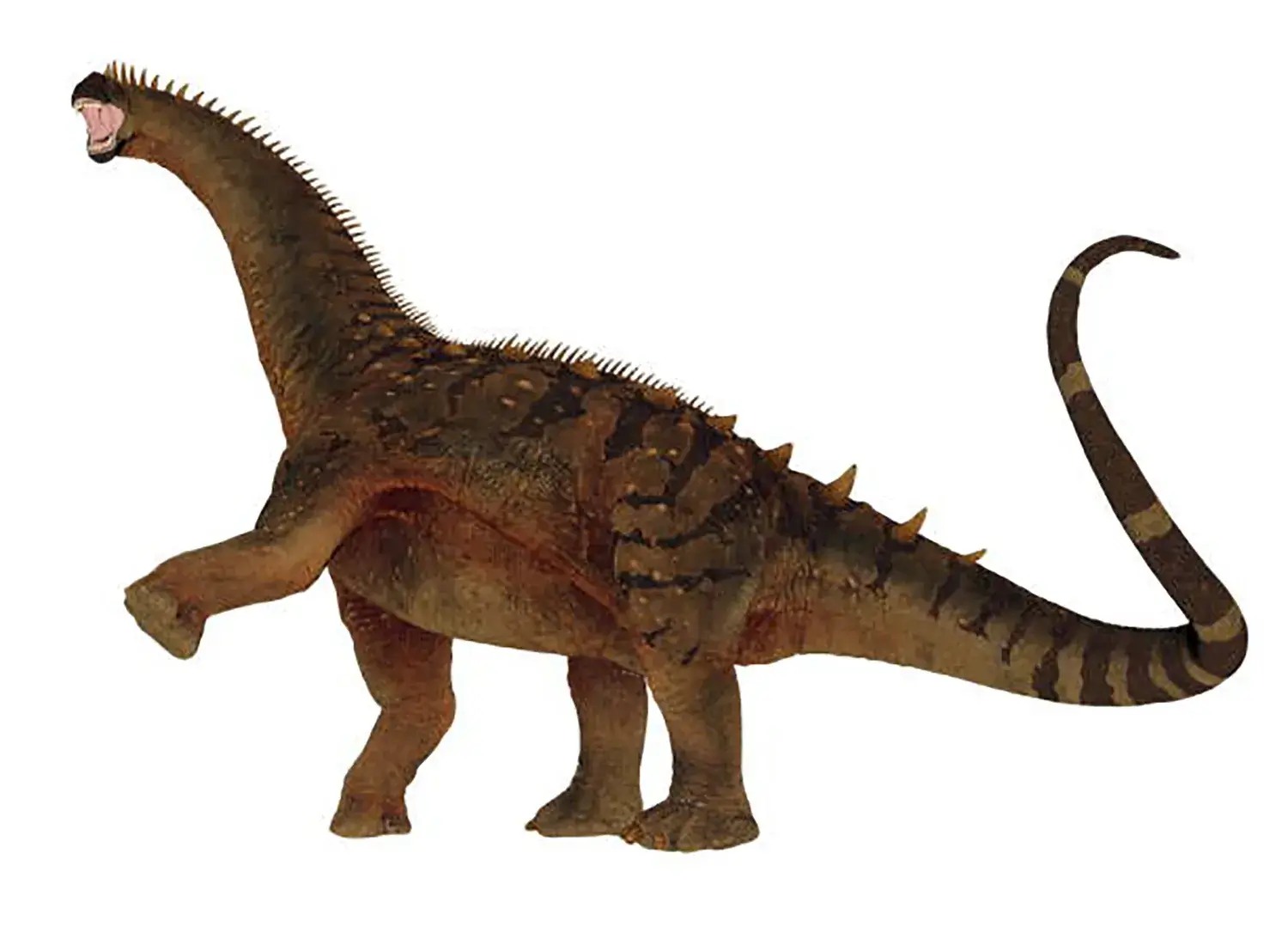
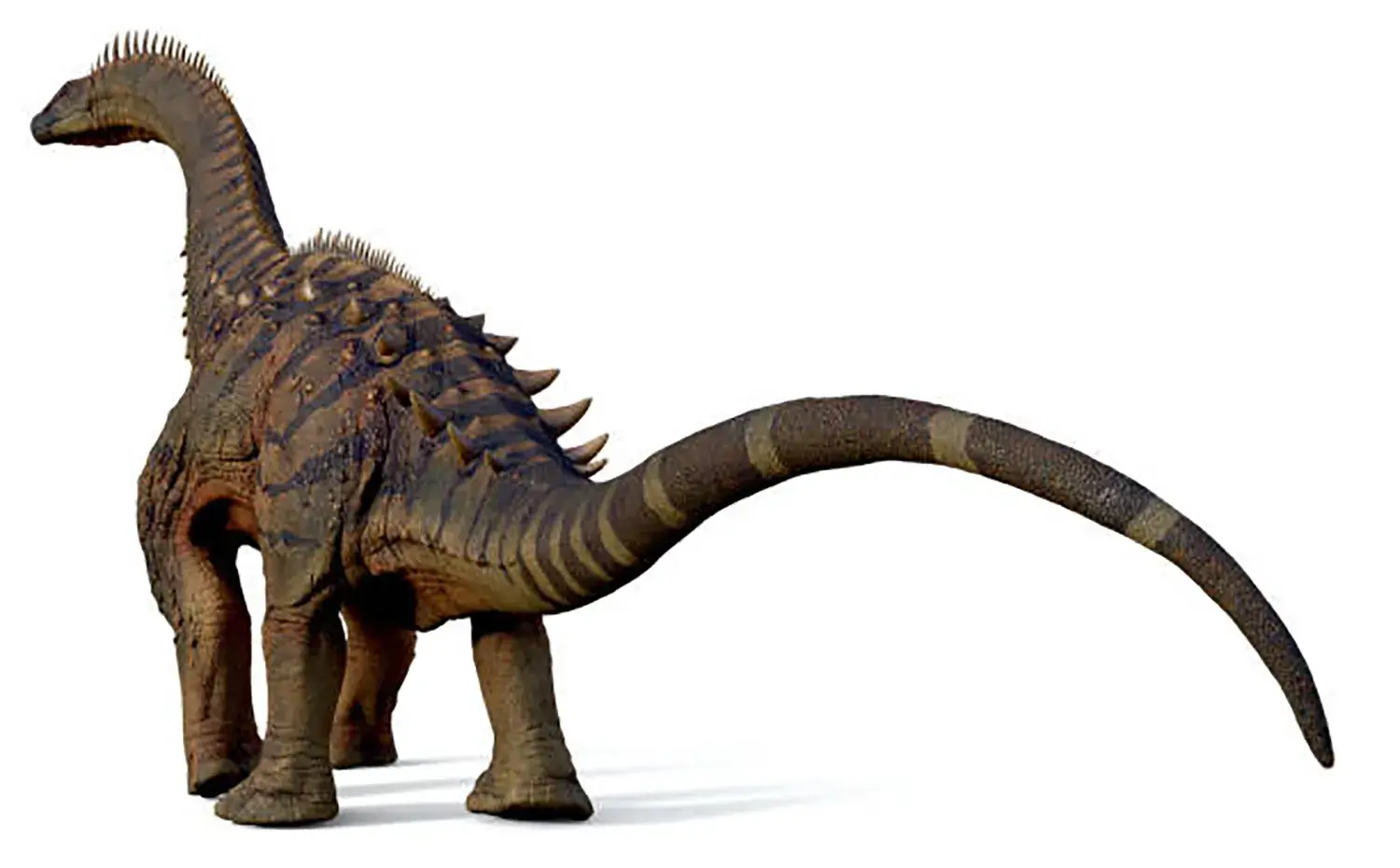
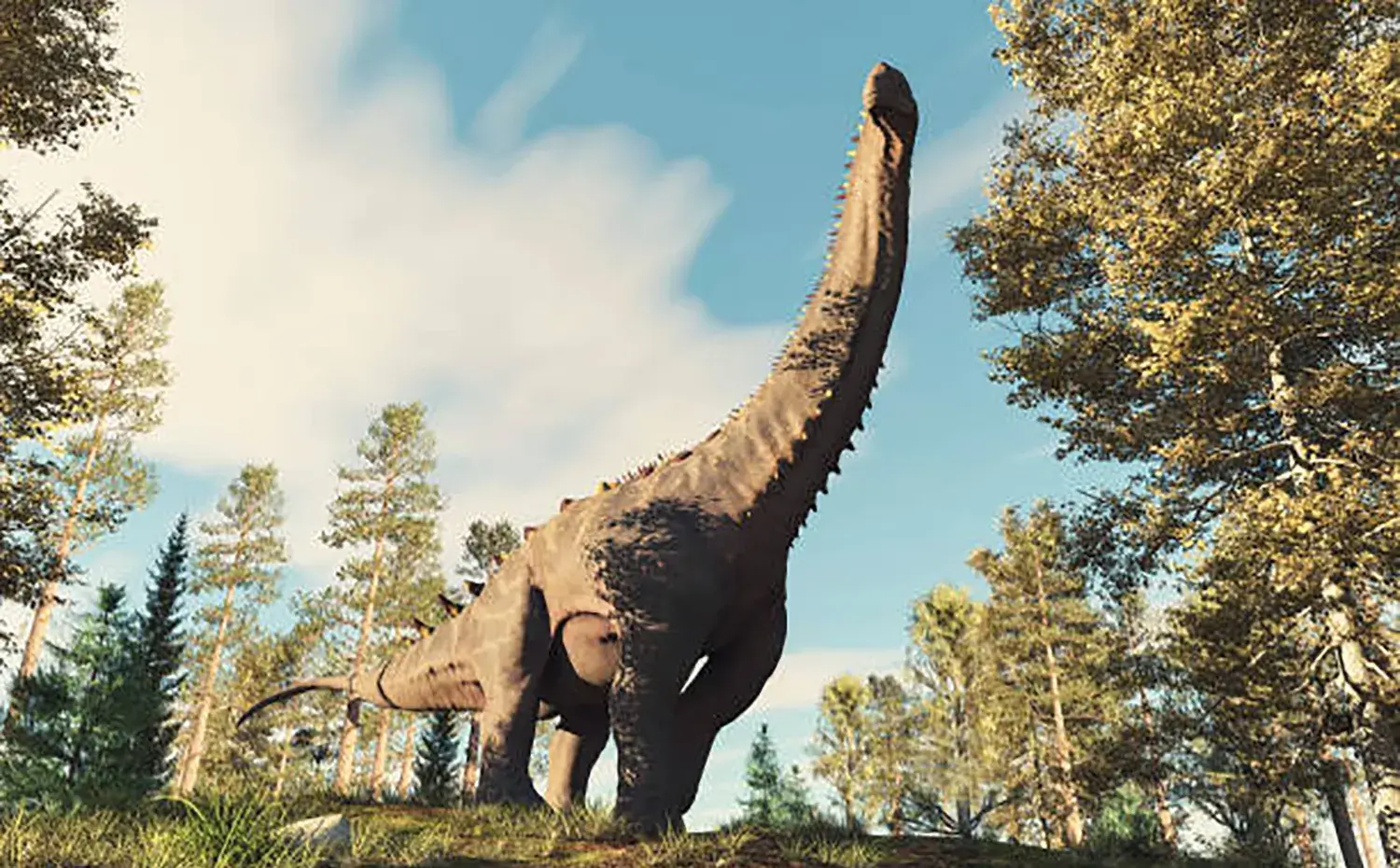
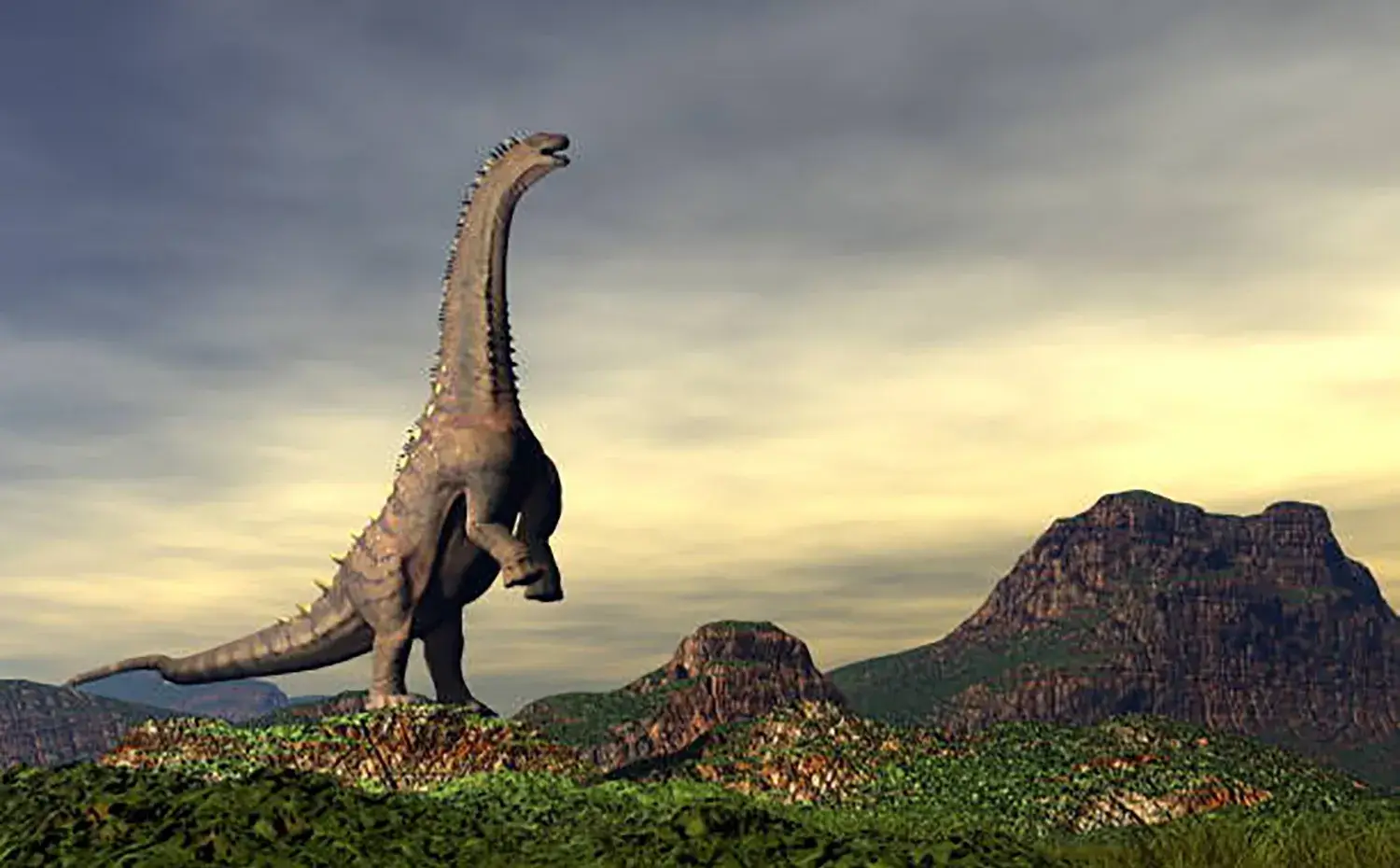
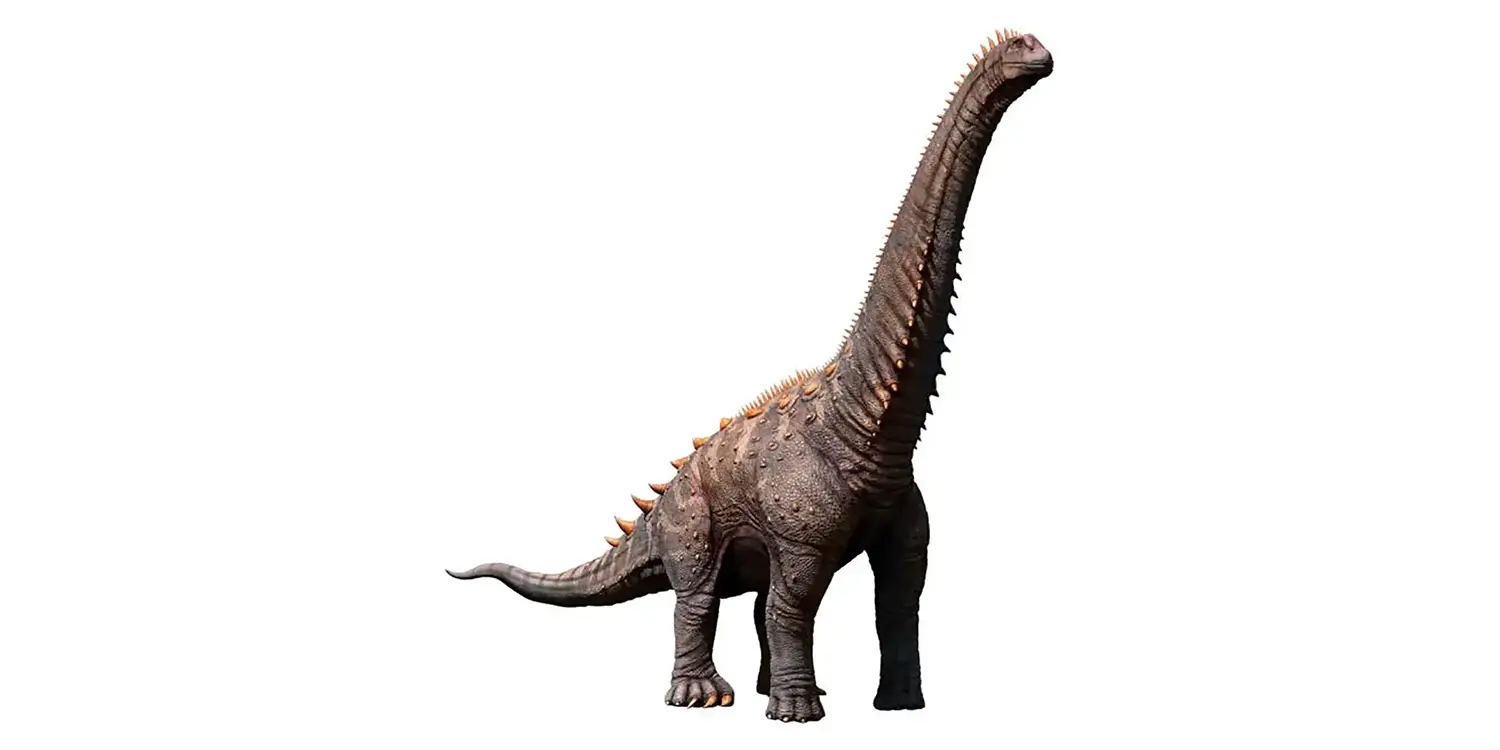
Alamosaurus is classified in the family Saltasauridae within the titanosaurs. It had relatively long forelimbs and a thick neck, giving it a body shape similar to Brachiosaurus.
It had a body shape similar to Brachiosaurus.
For a long time, it was thought to be about the same size as an Apatosaurus, with a total length of 21 meters (69 feet) and a weight of 30 tons.
However, recent fossil discoveries suggest it reached lengths of 30 meters (98 feet) and weights of 50 tons, indicating it may have been one of the largest dinosaurs in history.
Unfortunately, very few Alamosaurus fossils have been found, and no complete skeleton—let alone a skull—has ever been discovered.
As a result, the reality is that its detailed appearance and exact size remain largely unclear even today.
Ecology and Habitat: An Immigrant From South America?
The scientific name Alamosaurus sanjuanensis is derived from the Ojo Alamo Formation in San Juan County, New Mexico, where its fossils were first discovered.
A Unique Habitat and the “Alamosaurus Fauna”
In Late Cretaceous North America, herbivorous dinosaurs like Triceratops and hadrosaurs were the dominant species in the northwest (such as Montana).
As if to avoid competition with them, Alamosaurus was distributed in the more arid, inland plains of the southwest (such as Utah and Texas), where those other dinosaurs were scarce.
It was distributed in the arid inland plains of the American Southwest.
This unique ecosystem is known as the “Alamosaurus fauna,” and fossils of the giant pterosaur Quetzalcoatlus have also been found sharing its skies.
(Despite being “arid,” it is believed that the vegetation was rich and forests were abundant.)
The South American Immigrant Theory
Given its close relatives, its habitat, and the long “gap” (hiatus) where no sauropod fossils are found in North America prior to Alamosaurus, it is widely theorized that its ancestors likely migrated from South America across a temporarily connected land bridge.
An “Invincible” Being With No Natural Enemies
Because Alamosaurus possessed such an extraordinarily massive body, it is believed that fully grown adults had virtually no natural enemies.
As a single individual, it was likely the absolute largest and strongest dinosaur—and animal—on the North American continent at the end of the Cretaceous, presenting a target that even an adult Tyrannosaurus could not easily take down.
Of course, only a tiny fraction of individuals survived to reach that size, and juveniles, young adults, or weakened individuals would certainly have been preyed upon by carnivores like Tyrannosaurus.
A Survivor of the K-Pg Boundary (Mass Extinction)?
One of the greatest mysteries surrounding Alamosaurus is the theory that they “might have survived the great mass extinction.”
In 2011, researchers from the University of Alberta in Canada radiometrically dated an Alamosaurus femur excavated in New Mexico. The results estimated it to be from 64.8 million years ago—700,000 years after the K-Pg boundary—suggesting the possibility that they survived the mass extinction event.
However, many researchers heavily criticize this theory and there are numerous counterarguments, so it will likely be a long time before a clear consensus is reached.
With its massive body and its mysterious ecology as a dinosaur that (perhaps) lived on past the end of the age of dinosaurs, Alamosaurus continues to fascinate researchers today.