
Appalachiosaurus
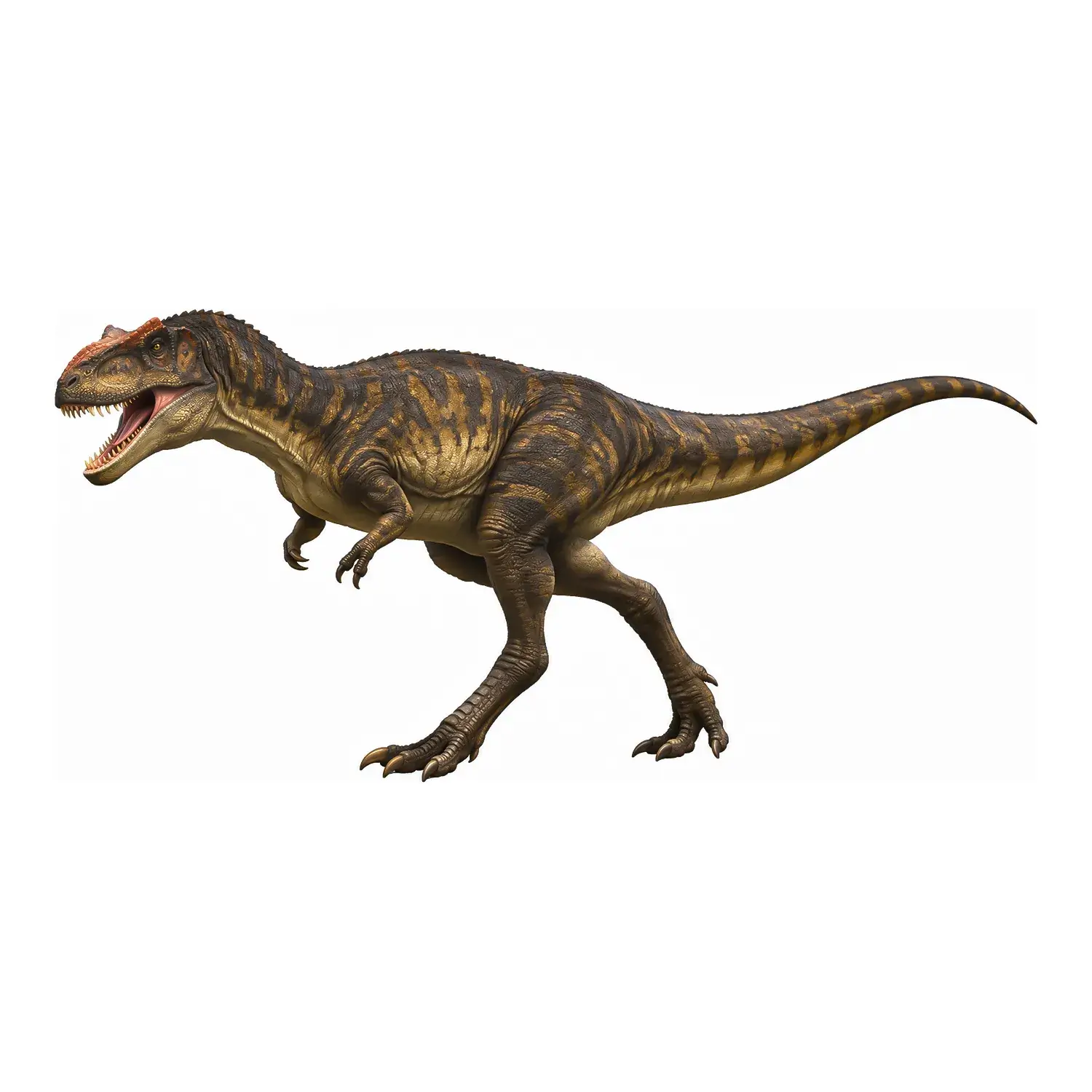
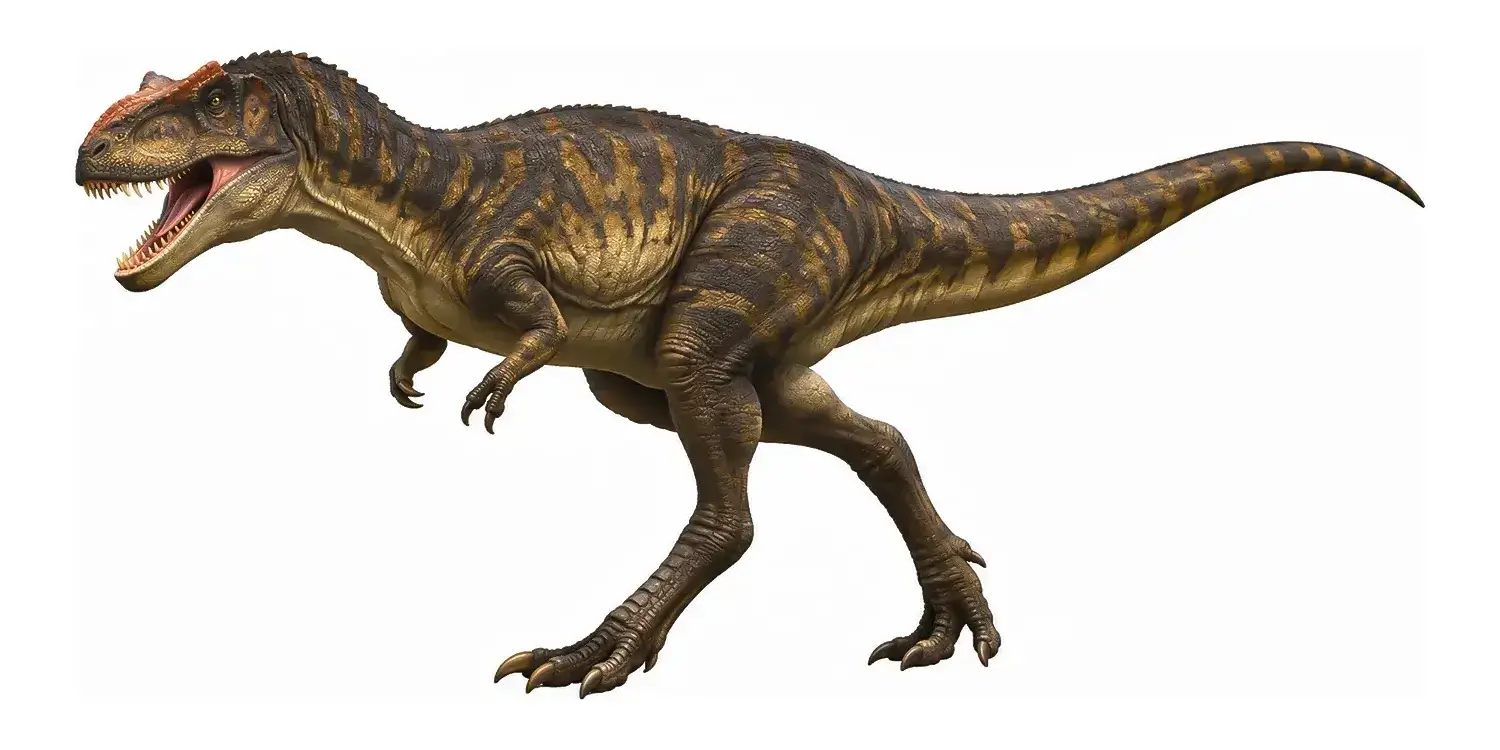
Name Origin
Appalachian Lizard
Classification
Diapsida, Saurischia, Theropoda
Habitat (Discovery Location)
United States
Period
Approximately 77 million years ago (Late Cretaceous)
Length
Approximately 6.5 - 7 meters
Weight
Approximately 600 kilograms
Diet
Carnivore (Meat-eater)
TODAY'S QUIZ
Correct answer = 1 coin
What is the species name montgomeriensis in Appalachiosaurus montgomeriensis named after?
Loading…
You might also like... 

-
 Hatzegopteryx
- Classification
- Flying reptiles
- Era
- Cretaceous period
- Megaraptor
- Classification
- Theropods
- Characteristics
- Carnivorous
- Era
- Cretaceous period
- Sinraptor
- Classification
- Theropods
- Characteristics
- Carnivorous
- Era
- Jurassic period
- Chuanqilong
- Classification
- Thyreophora
- Characteristics
- Herbivorous
- Era
- Cretaceous period
-
Sponsored Links
-
Sponsored Links


















Description
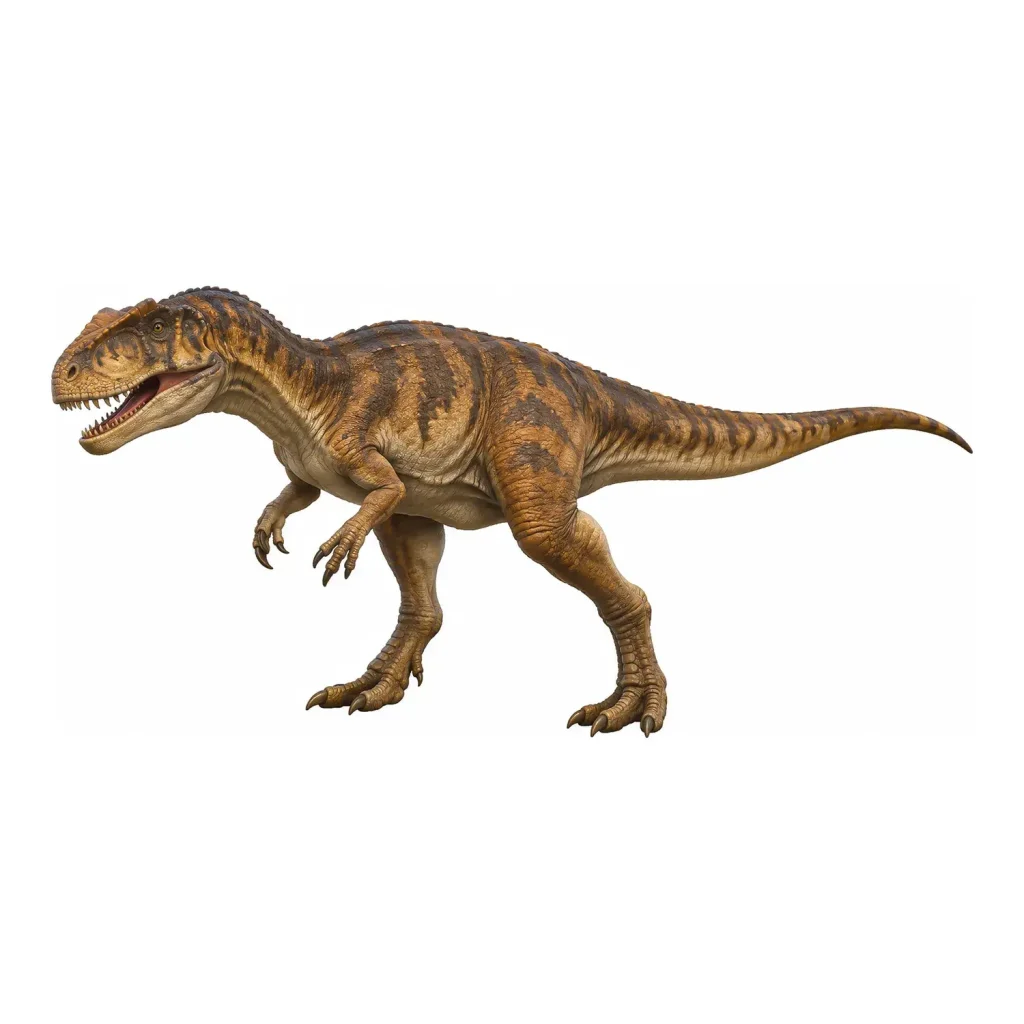
Appalachiosaurus was a carnivorous dinosaur that lived in eastern North America during the Late Cretaceous.
It was a theropod belonging to Tyrannosauroidea and is thought to have been closely related to Tyrannosaurus.
It is estimated to have reached approximately 7 meters in length. Although it was not as enormous as Tyrannosaurus, it is thought to have been a formidable predator in its ecosystem.
However, very few fossils have been discovered, and the known skeletal remains are limited to only partial specimens.
As a result, many aspects of its physical characteristics and lifestyle remain a mystery.
Fossils Discovered in Alabama and the Origin of Its Name
Appalachiosaurus fossils were discovered in the Demopolis Chalk Formation in Alabama, United States.
The specimen excavated in 1982 included parts of the jaws, pelvis, and hind limbs.
It was subsequently formally described by paleontologists in 2005 and recognized as a new genus and species.
Its scientific name is “Appalachiosaurus montgomeriensis.”
The genus name derives from the Appalachian Mountains in eastern North America, where the fossils were discovered, as well as the ancient landmass of Appalachia that existed during the Cretaceous.
The species name “montgomeriensis” honors Montgomery County, Alabama, where the fossils were discovered.
A Carnivorous Dinosaur Approximately 7 Meters Long and Its Physical Features
Appalachiosaurus is estimated to have measured approximately 6.5 – 7 meters in length and weighed approximately 600 kilograms or more.
However, the main specimen currently known is thought to represent an individual that was still growing, so fully grown adults may have reached an even larger size.
It was a carnivorous dinosaur that walked on two hind limbs and had sharp teeth and powerful jaws.
Herbivorous dinosaurs and other animals also inhabited eastern North America at the time, and Appalachiosaurus is thought to have been a large predator that hunted them.
Short Forelimbs with Two Fingers
Because Appalachiosaurus was once thought to belong to a more primitive lineage than Tyrannosauridae, early reconstructions sometimes depicted it with long forelimbs and three fingers.
However, it is now thought to have had short forelimbs with two fingers, similar to members of Tyrannosauridae.
A Tyrannosaur That Evolved Independently on the Landmass of Appalachia
During the Late Cretaceous, when Appalachiosaurus lived in North America, an inland sea divided the continent for a period of time, allowing distinct dinosaur communities to develop in the east and west.
Appalachiosaurus was one of the notable carnivorous dinosaurs of Appalachia, the landmass that covered eastern North America.
One of its close relatives was Dryptosaurus, which also lived in eastern North America.
Both dinosaurs belonged to a lineage closely related to Tyrannosaurus, and may have evolved independently in eastern North America.
A New Study Proposes Classifying It Within Nanotyrannidae
Research into the classification of Appalachiosaurus is still ongoing.
Initially, its evolutionary relationship with dinosaurs such as Alioramus was suggested.
However, a 2025 study proposed a new classification in which Appalachiosaurus, together with Dryptosaurus and Nanotyrannus, forms the family Nanotyrannidae.
As these differing interpretations show, the evolutionary position of Appalachiosaurus remains debated, and its classification may be revised further as new research emerges.