
Dongbeititan
Name Origin
Giant of the Northeast
Classification
Reptilia, Saurischia, Sauropodomorpha
Habitat (Discovery Location)
China
Period
Approximately 125 million years ago (Early Cretaceous)
Length
Approximately 12 - 15 meters
Weight
Approximately 7 tons
Diet
Herbivore (Plant-eater)
TODAY'S QUIZ
Correct answer = 1 coin
The species name dongi in Dongbeititan dongi was chosen in honor of whom?
Loading…
You might also like... 

-
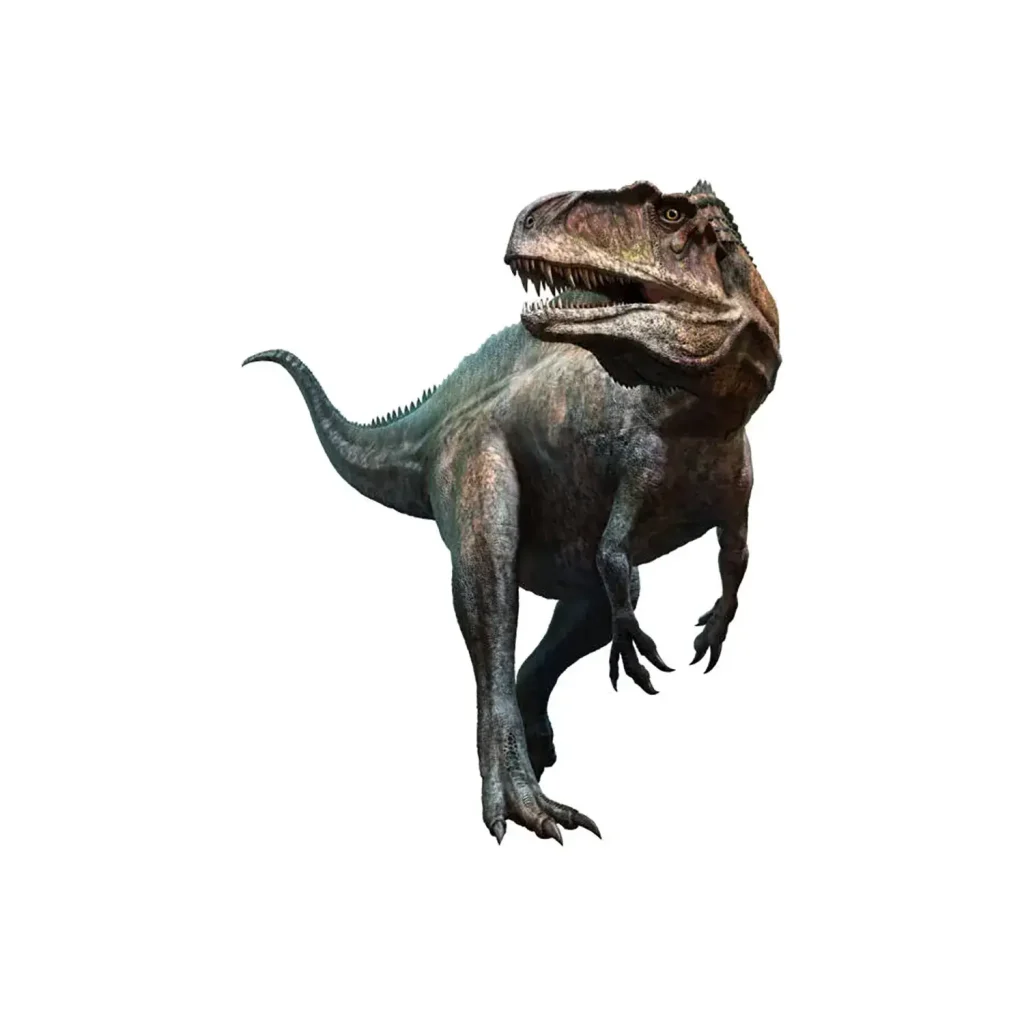
 Acrocanthosaurus
- Classification
- Theropods
- Characteristics
- Carnivorous
- Era
- Cretaceous period
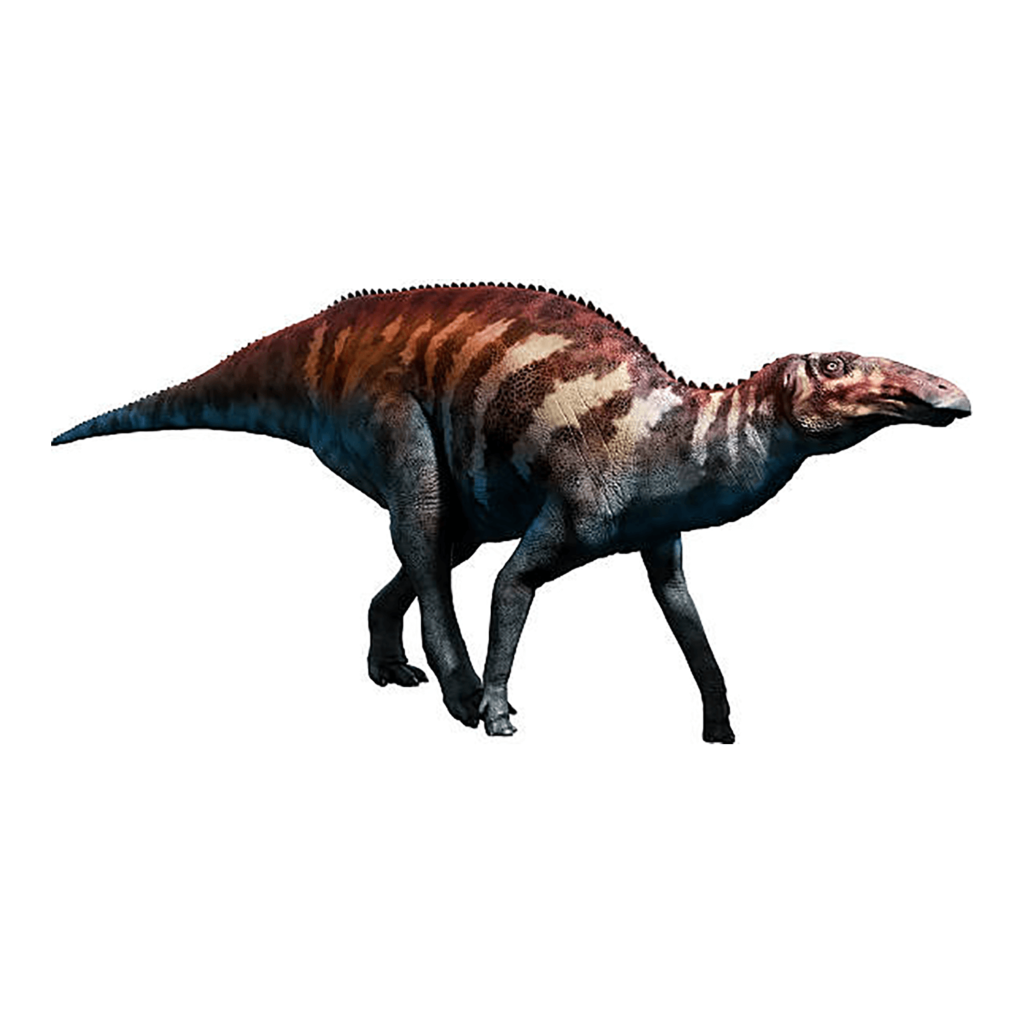
- Edmontosaurus
- Classification
- Ornithopoda
- Characteristics
- Herbivorous
- Era
- Cretaceous period
- Fabrosaurus
- Classification
- Ornithischia
- Characteristics
- Herbivorous
- Era
- Jurassic period
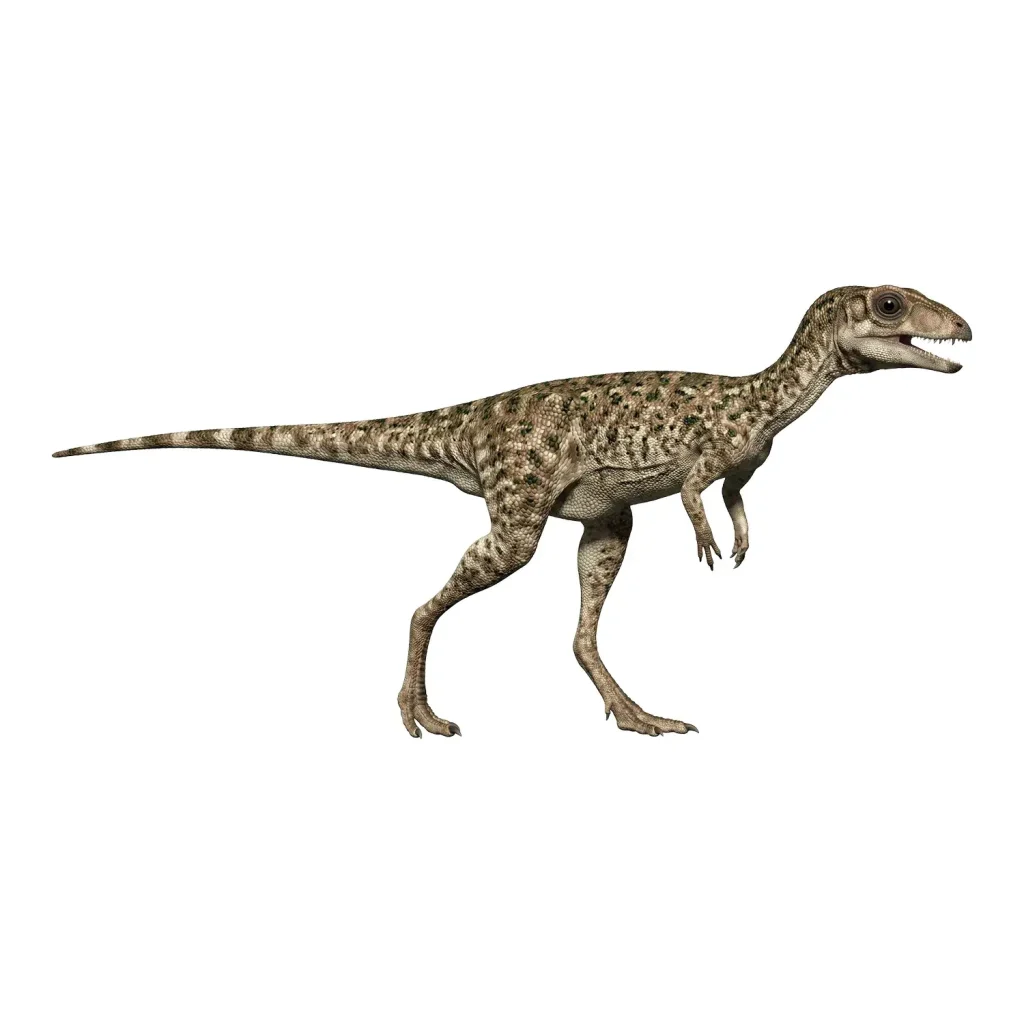
- Eodromaeus
- Classification
- Theropods
- Characteristics
- Carnivorous
- Era
- Triassic period
-
Sponsored Links
-
Sponsored Links















Description
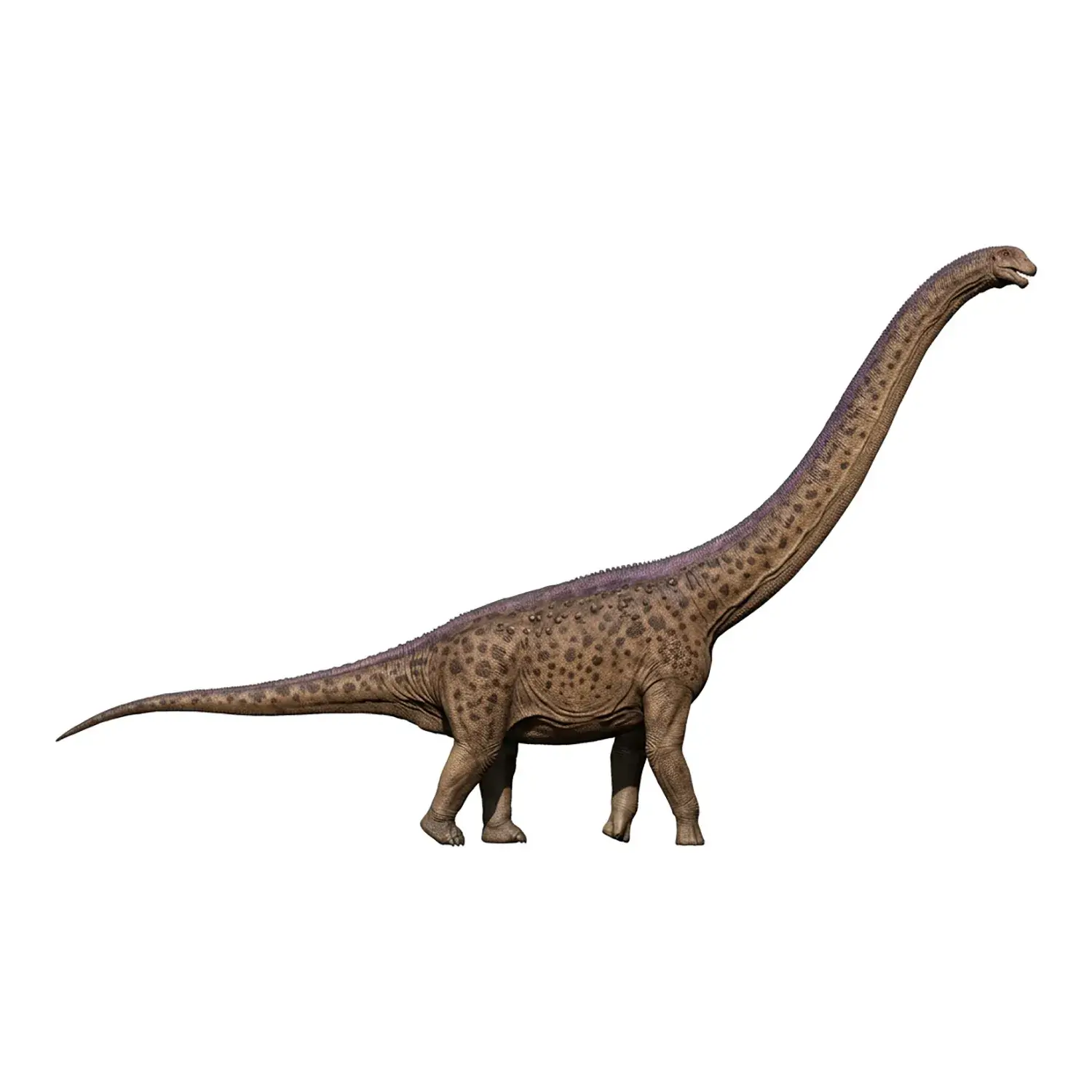
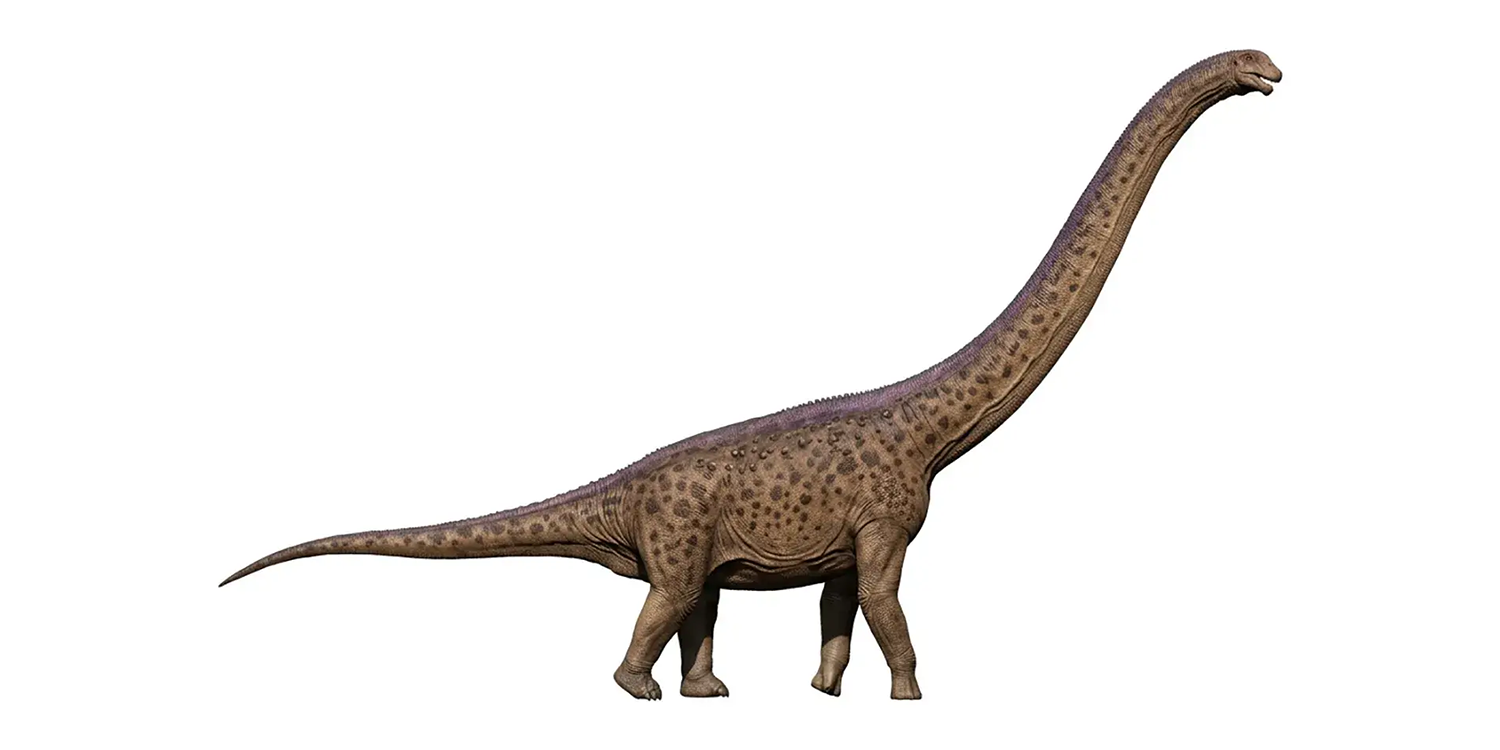
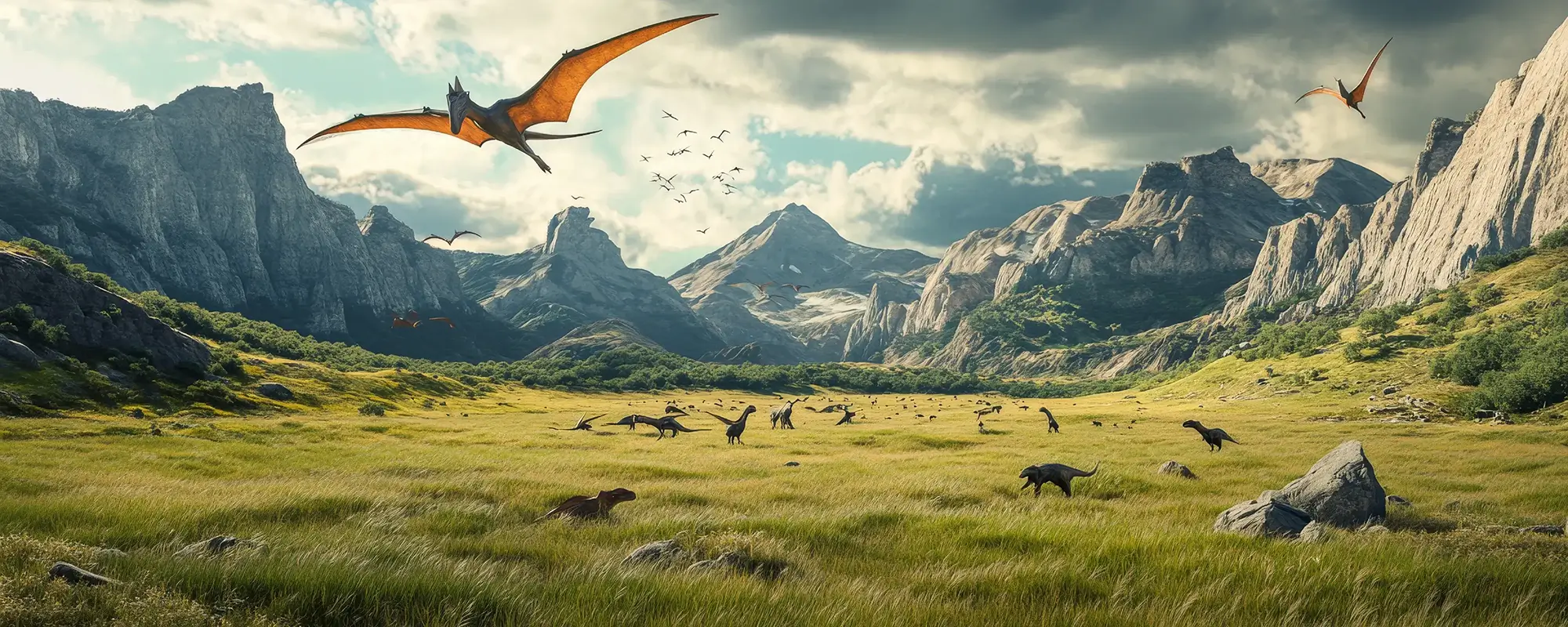
Dongbeititan was a large herbivorous dinosaur that lived in what is now Liaoning Province, China, during the Early Cretaceous, approximately 125 million years ago.
It had a long neck and tail and is thought to have supported its body and walked on all four legs.
Its fossils were discovered in the Yixian Formation, part of the Jehol Group in northeastern China, and it was formally described as a new genus and species in 2007.
Dongbeititan is classified as a titanosauriform, and features of its shoulder girdle, pelvis, and vertebrae make it an interesting dinosaur for understanding the evolution of this group.
Although only partial skeletal remains have been discovered, a theropod tooth was embedded in one of its ribs.
This fossil provides valuable clues for understanding its relationship with predators that lived at the time.
The Discovery of Dongbeititan and the Meaning of “Giant of the Northeast”
Dongbeititan fossils were discovered near Beipiao City in western Liaoning Province, northeastern China.
The fossils came from the Yixian Formation, part of the Jehol Group, a region well known for its diverse fossil discoveries, including feathered dinosaurs.
The fossils were discovered in 2006 and housed at the Dalian Natural History Museum. Preparations of the specimens were carried out with assistance from the Lufeng Dinosaur Research Center in Yunnan Province.
The dinosaur was subsequently formally described by researchers in 2007 and given the scientific name “Dongbeititan dongi.”
Dongbeititan is also known as the first sauropodomorph to be described from the Yixian Formation.
The genus name “Dongbei” means “Northeast” in Chinese, while “Titan” comes from the race of giants in Greek mythology.
Together, the name Dongbeititan means “Giant of the Northeast.”
The species name “dongi” honors Dong Zhiming, a paleontologist who contributed to dinosaur research and education in China.
A Body Estimated to Have Reached Approximately 12 – 15 Meters in Length
Dongbeititan was a large herbivorous dinosaur with a long neck and tail, and is thought to have walked on all four legs.
Estimates of its length vary depending on the source, with figures of approximately 12 meters, approximately 14 meters, and approximately 15 meters having been proposed.
In 2024, paleontologist Gregory S. Paul estimated its length at approximately 15 meters and its weight at approximately 7 tons.
However, only partial skeletal remains have been discovered, so its exact length and weight are not known.
Even so, Dongbeititan is thought to have been one of the largest animals discovered in the Yixian Formation.
Its Classification and Evolutionary Position Among Titanosauriforms
Dongbeititan is classified as a member of Titanosauriformes, a group within Sauropodomorpha.
This group includes Brachiosaurus and Titanosauria.
Dongbeititan has traditionally been considered relatively basal within Titanosauriformes.
In the study accompanying its original description, Dongbeititan was classified within Somphospondyli.
It was considered more derived than Euhelopus, Huaisaurus, and Fangjingtitan, but less derived than Gobititan and Jiutaisaurus.
However, the fossils of Dongbeititan are incomplete, and many questions about the evolutionary relationships within Titanosauriformes remain unresolved.
For this reason, some researchers take a cautious approach to its more precise classification.
It has also been pointed out that phylogenetic analyses of Titanosauriformes are difficult because of the preservation of the fossils and the limited descriptive information available.
The discovery of additional fossils in the future may provide a clearer understanding of Dongbeititan’s evolutionary position.
A Theropod Tooth Embedded in a Rib and Its Possible Relationship with Yutyrannus
Dongbeititan’s fossils preserve an interesting feature that provides clues about its relationship with predators that lived at the time.
In 2012, researchers reported that a theropod tooth was embedded in a rib associated with an incomplete dorsal vertebra from the holotype specimen.
Some sources have identified the tooth as belonging to Sinocalliopteryx, while other interpretations suggest that it may have belonged to a different theropod.
The large predator Yutyrannus also lived in the Yixian Formation during this period.
Yutyrannus was a large tyrannosauroid and may have preyed on juveniles of large herbivorous dinosaurs such as Dongbeititan.
These circumstances have led to suggestions that Dongbeititan may have been attacked by Yutyrannus.
However, the identity of the animal that left the tooth in the rib, and whether it was actually responsible for attacking Dongbeititan, have not been confirmed.
This fossilized rib provides valuable clues for understanding interactions between dinosaurs that lived during this period.