
Megaraptor
Name Origin
Giant Robber
Family
Megaraptoridae
Classification
Diapsida, Saurischia, Theropoda
Habitat (Discovery Location)
Argentina
Period
Approximately 90 million years ago (Late Cretaceous)
Length
Approximately 6 meters
Diet
Carnivore (Meat-eater)
TODAY'S QUIZ
Correct answer = 1 coin
Where was Megaraptor’s enormous claw initially thought to be located?
Loading…
You might also like... 

-
 Indosuchus
- Classification
- Theropods
- Characteristics
- Carnivorous
- Era
- Cretaceous period
- Elaphrosaurus
- Classification
- Theropods
- Characteristics
- Carnivorous
- Era
- Jurassic period
- Moros
- Classification
- Theropods
- Characteristics
- Carnivorous
- Era
- Cretaceous period
- Khankhuuluu
- Classification
- Theropods
- Characteristics
- Carnivorous
- Era
- Cretaceous period
-
Sponsored Links
-
Sponsored Links

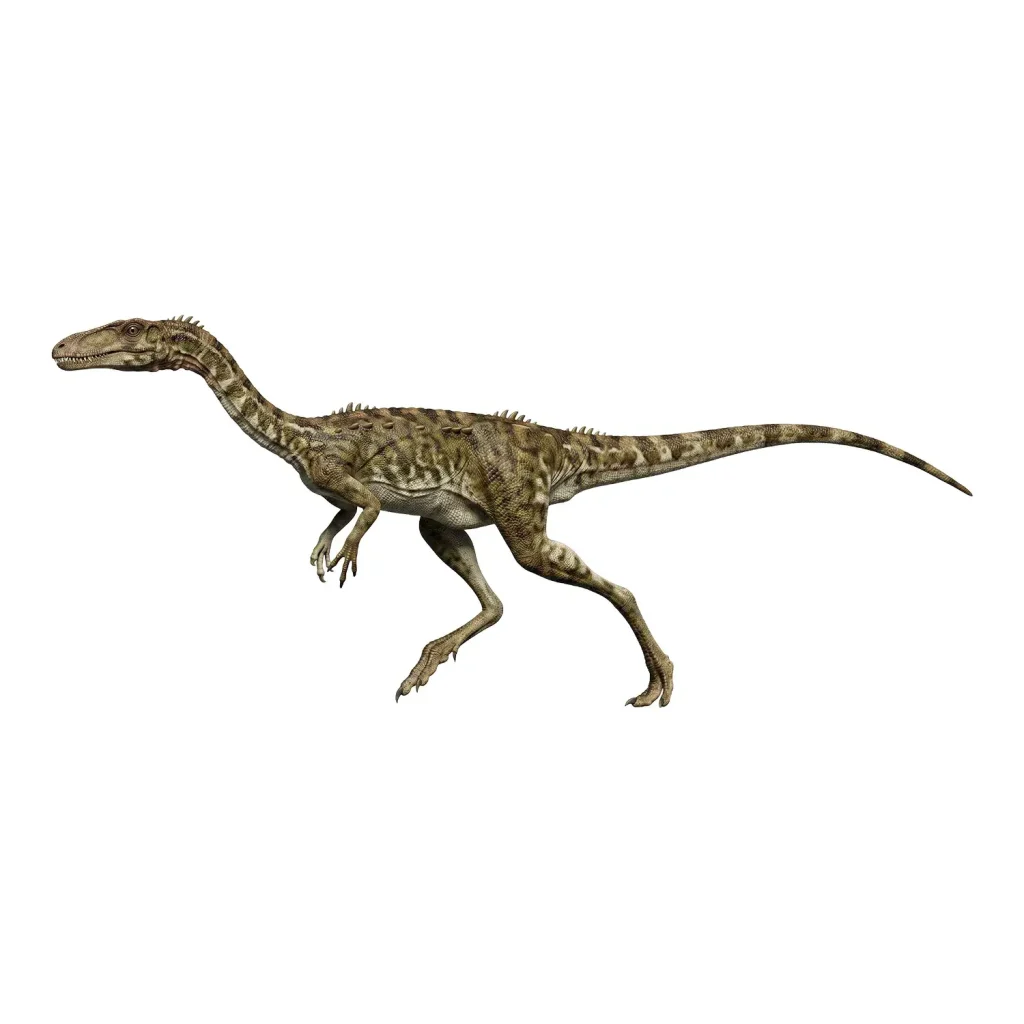
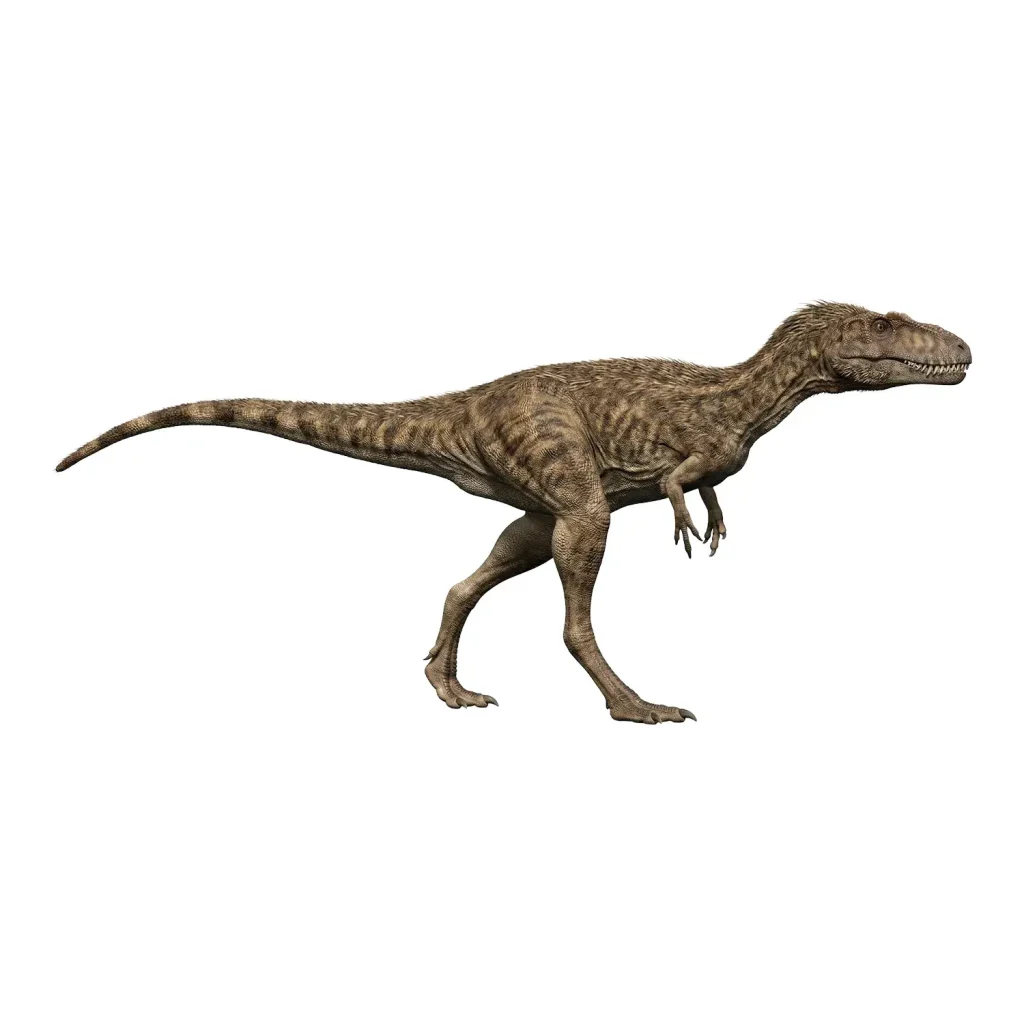
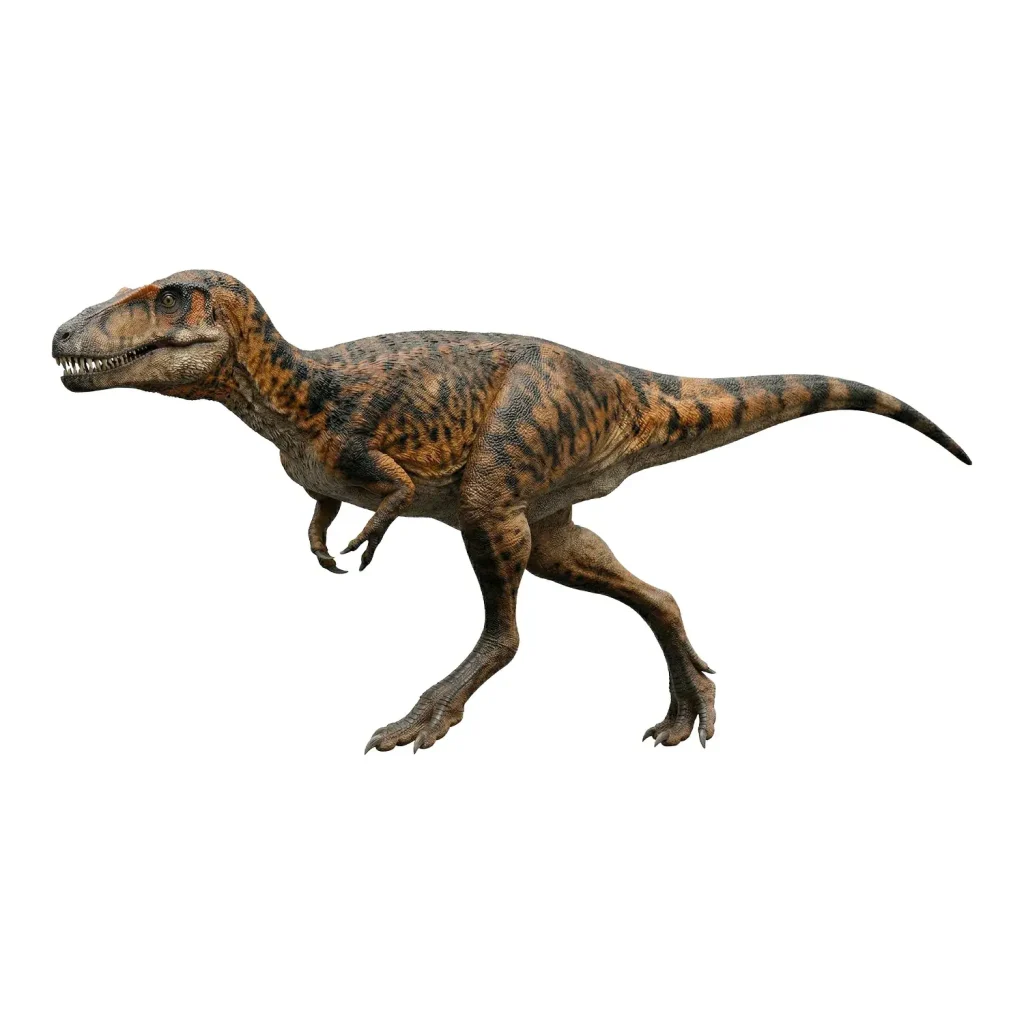
















Description
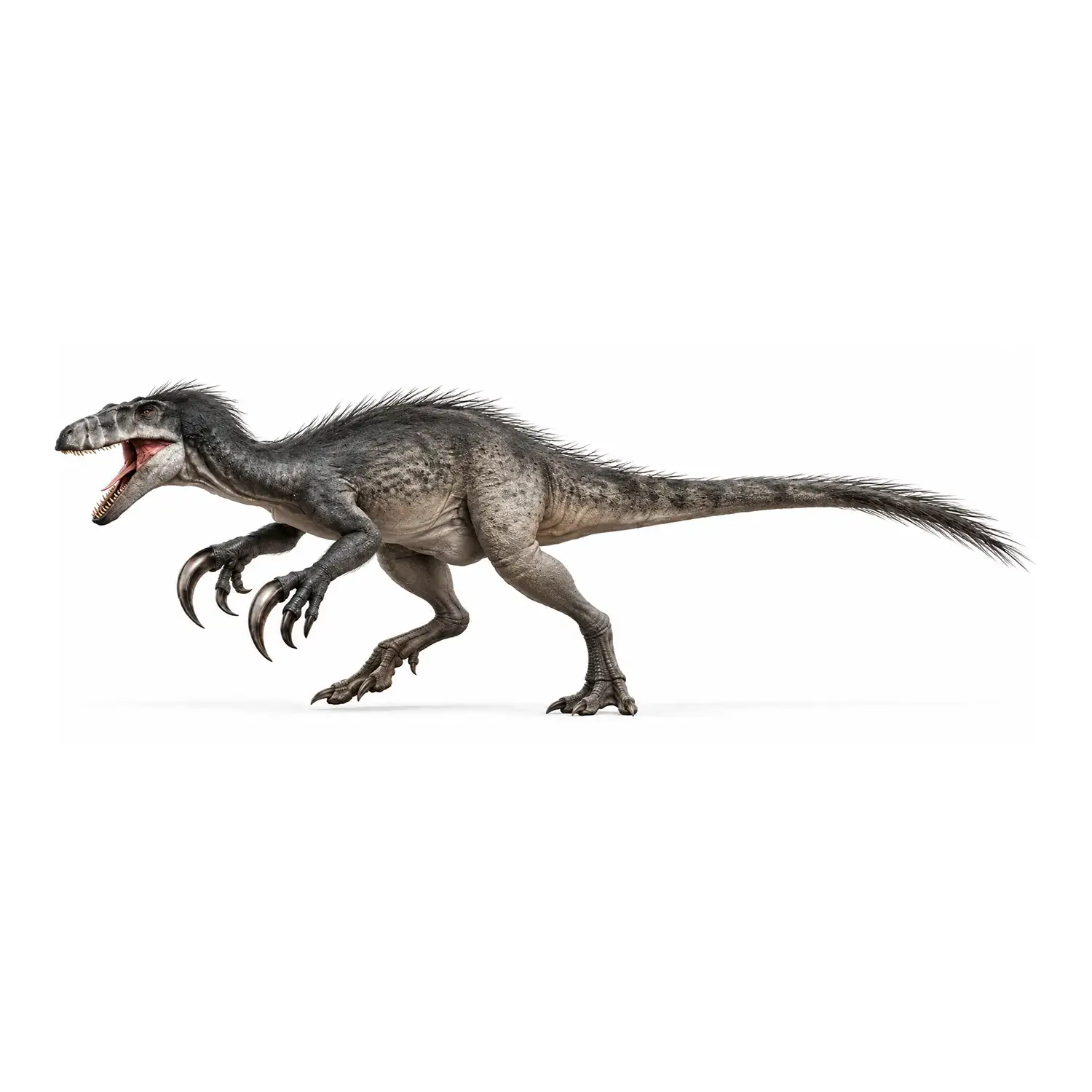
Megaraptor was a carnivorous dinosaur that lived in South America during the Late Cretaceous.
Its most distinctive feature was the enormous claw on each forelimb, which could reach approximately 35 cm (14 inches) in length.
Because of the unusual shape of these claws, Megaraptor was initially thought to be closely related to dromaeosaurids.
However, subsequent fossil studies revealed that the enormous claw was located on the forelimb rather than the hind limb.
This discovery significantly changed scientists’ understanding of what Megaraptor looked like.
Megaraptor is also a dinosaur whose taxonomic position has been the subject of several competing theories.
Debate continues over its place in dinosaur evolution, and both its unusual physical characteristics and its uncertain classification continue to attract the attention of paleontologists.
Basic Facts About Megaraptor
Megaraptor was a carnivorous dinosaur that lived approximately 90 million years ago, during the Late Cretaceous, in what is now Argentina.
It is thought to have been a large theropod with a slender, lightweight body.
Its scientific name means “giant robber.”
The name refers to the dinosaur’s most distinctive feature: its enormous claw.
Megaraptor is estimated to have measured approximately 6 m (20 ft) in length. Despite its slender build, it possessed an exceptionally large claw.
Research into whether this claw was located on the forelimb or hind limb was particularly important in helping scientists understand what Megaraptor looked like.
Megaraptor’s Most Distinctive Feature: An Enormous Claw Measuring About 35 cm
The most distinctive feature of Megaraptor was the enormous claw on its forelimb.
The claw could reach approximately 35 cm (14 inches) in length and had a curved shape resembling a crescent moon.
The cross-sectional shape of the claw closely resembled that of the sickle-shaped claws on the hind limbs of dromaeosaurids.
This similarity would become an important factor in determining Megaraptor’s classification and reconstructing its appearance.
The claw may have been used not only to stab prey but also to slash it.
However, the precise movements Megaraptor used to attack its prey remain unknown.
Megaraptor’s forelimbs were highly distinctive because they bore such enormous claws.
Its unusual weapons, which differed from those of many other carnivorous dinosaurs, are one of the main reasons this dinosaur has attracted so much attention.
Was the Giant Claw on the Forelimb Rather Than the Hind Limb?
One of the most important questions in the history of Megaraptor research concerns the location of its enormous claw.
Early in its research history, the available fossils were fragmentary, so scientists did not yet have a clear picture of the dinosaur’s overall anatomy.
The first fossils discovered included an enormous claw.
Because its shape closely resembled the sickle-shaped claws on the hind limbs of dromaeosaurids, researchers initially believed that Megaraptor had similar weapons on its hind limbs.
Based on the size of the claw, Megaraptor was once estimated to have been a giant raptor-like dinosaur measuring as much as 8–9 m (26–30 ft) in length.
However, fossils that revealed the structure of its forelimbs were discovered later, making it clear that the enormous claw was located on the forelimb rather than the hind limb.
This discovery led to a major revision of Megaraptor’s reconstructed appearance.
The original interpretation of a dinosaur with enormous claws on its hind limbs was reconsidered, and its estimated length was revised to approximately 6 m (20 ft).
The way new discoveries have corrected earlier interpretations based on limited fossils is an essential part of the story of Megaraptor research.
The Debate Over Megaraptor’s Classification
Since its discovery, Megaraptor’s taxonomic position has been the subject of ongoing debate among researchers.
Initially, the shape of its enormous claw suggested a close relationship with dromaeosaurids.
However, once it became clear that the claw was on the forelimb, this interpretation was reconsidered.
Subsequently, several competing hypotheses about Megaraptor’s classification were proposed. These included theories placing it close to carcharodontosaurids or spinosaurids, as well as a hypothesis that it belonged to the tyrannosauroid group.
A 2016 study also proposed placing Megaraptor within a group called Megaraptora.
Today, megaraptorans are often classified among the coelurosaurs, although debate remains over their precise evolutionary position.
Comparisons with other dinosaurs thought to be closely related to Megaraptor are also important for understanding its classification.
Related dinosaurs include Aerosteon from Argentina, Rapator from Australia, and Fukuiraptor, whose fossils were discovered in Fukui Prefecture, Japan.
Comparisons with these dinosaurs provide important clues for understanding Megaraptor’s distinctive characteristics and its place in dinosaur evolution.
What Kind of Prey Did Megaraptor Hunt?
Megaraptor may have used the enormous claws on its forelimbs to attack its prey.
It is thought to have hunted animals that were smaller than itself or roughly similar in size.
Potential prey may have included medium-sized ornithopods and juvenile sauropodomorphs.
However, direct evidence establishing exactly which animals Megaraptor preyed upon is limited.
It also remains unclear precisely how it used its enormous claws or how it captured its prey.
Therefore, when considering Megaraptor’s diet and hunting methods, it is important to distinguish what is supported by fossil evidence from what remains speculative.