
Turanoceratops
Name Origin
Horned Face of Turan
Family
Ceratopsidae
Classification
Diapsida, Ornithischia, Marginocephalia
Habitat (Discovery Location)
Uzbekistan
Period
Approximately 90 million years ago (Late Cretaceous)
Length
Approximately 2 meters
Weight
Approximately 175 kilograms
Diet
Herbivore (Plant-eater)
TODAY'S QUIZ
Correct answer = 1 coin
What possibility did the discovery of Turanoceratops bring to light about ceratopsian evolution?
Loading…

You might also like... 

-
 Eocarcharia
- Classification
- Theropods
- Characteristics
- Carnivorous
- Era
- Cretaceous period
- Proceratosaurus
- Classification
- Theropods
- Characteristics
- Carnivorous
- Era
- Jurassic period
- Sinosaurus
- Classification
- Theropods
- Characteristics
- Carnivorous
- Era
- Jurassic period
- Byronosaurus
- Classification
- Theropods
- Characteristics
- Carnivorous
- Era
- Cretaceous period
-
Sponsored Links
-
Sponsored Links















Description
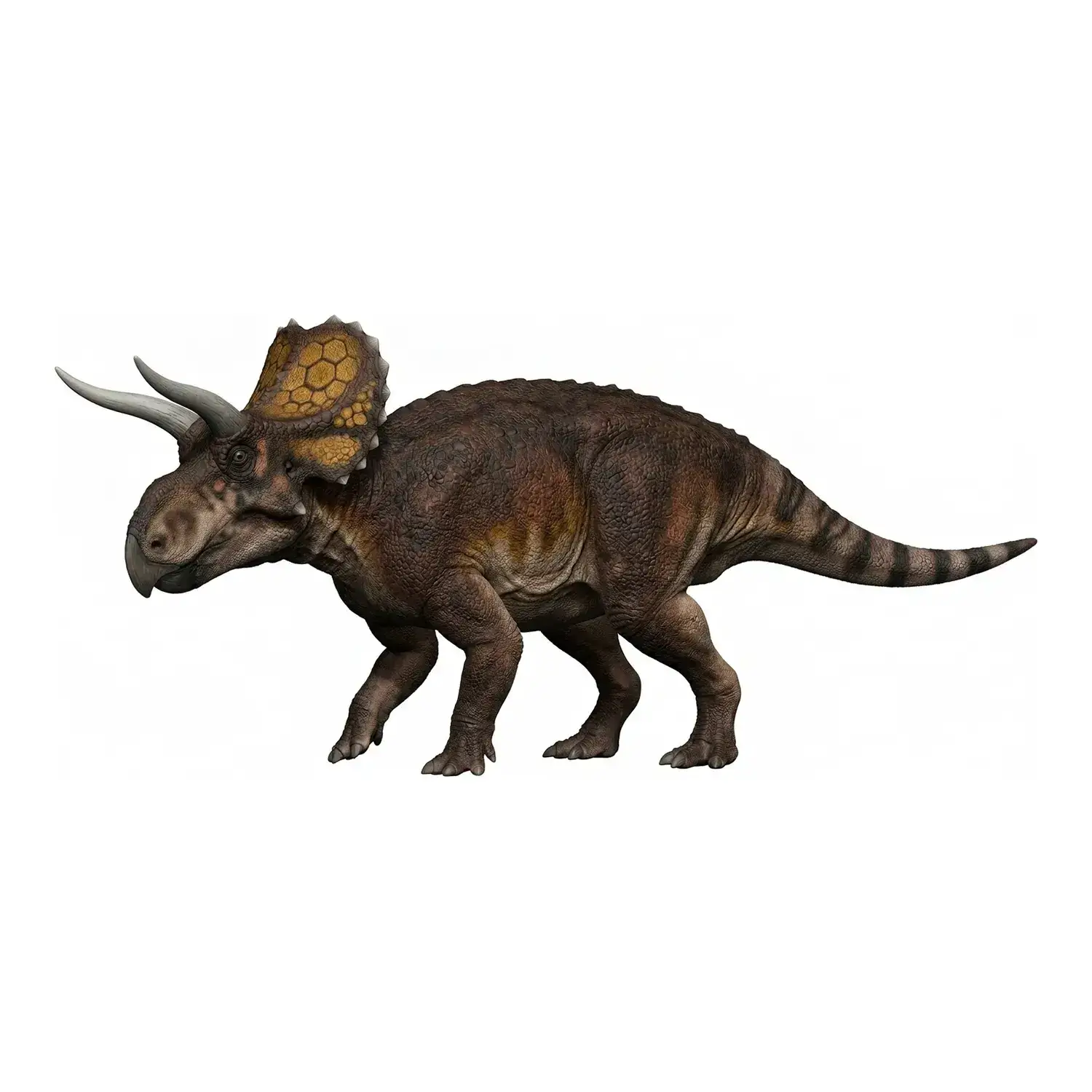
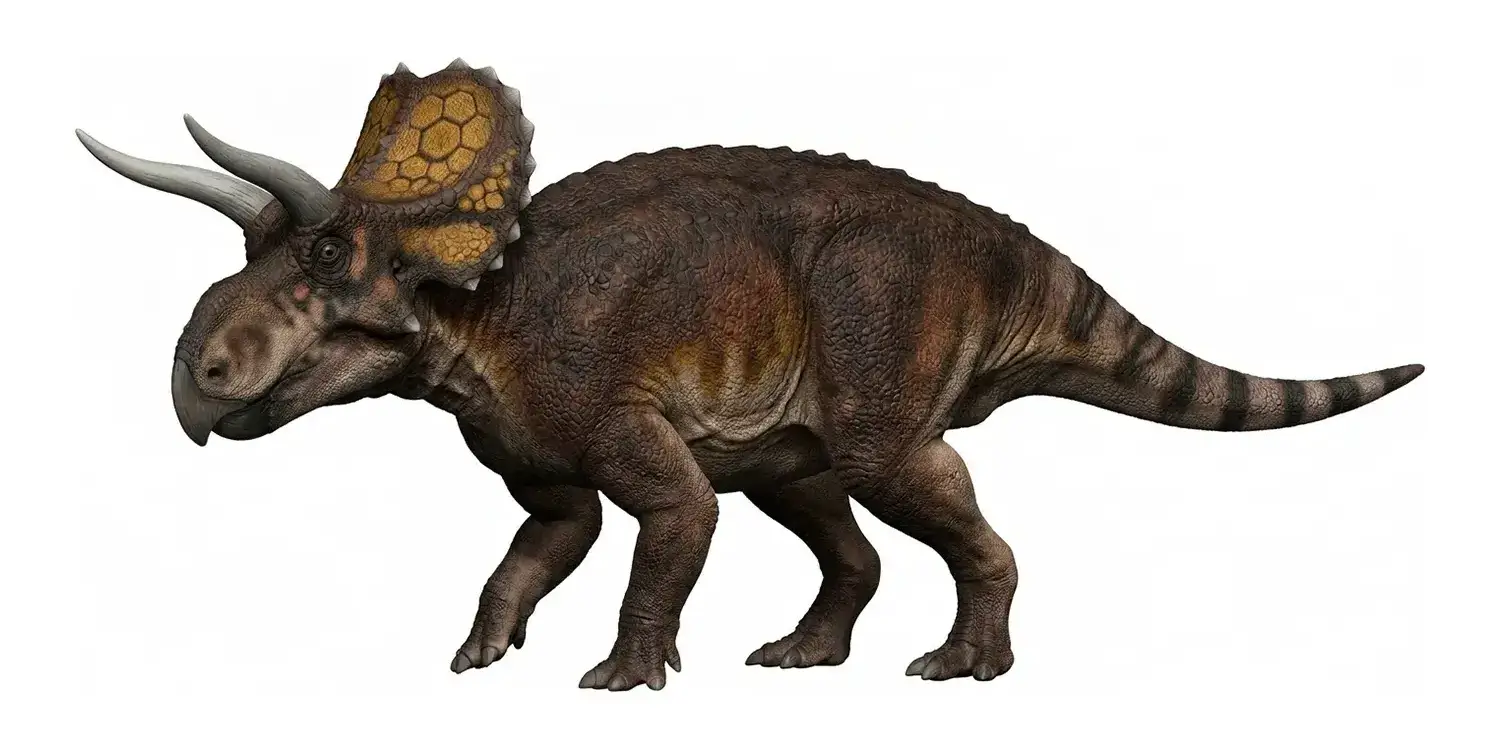
Turanoceratops was a herbivorous dinosaur that lived in what is now Uzbekistan during the Late Cretaceous, approximately 90 million years ago.
It is considered a ceratopsian belonging to the family Ceratopsidae and is estimated to have measured about 2 m (6.6 ft) in length and weighed around 175 kg (386 lbs).
It is also known as Turanoceratops, and was a relatively small horned dinosaur.
Among ceratopsians, dinosaurs with prominent horns and neck frills, such as Triceratops, are particularly well known.
Fossils of these more derived ceratopsians have primarily been discovered in North America.
However, the discovery of Turanoceratops drew attention to the possibility that more derived ceratopsians also lived in Asia.
At the same time, because the available fossils are fragmentary, debate continues over whether it can definitively be classified as a member of Ceratopsidae.
A Ceratopsian Discovered in Asia
When people think of ceratopsians, they often picture dinosaurs with prominent horns and neck frills, such as Triceratops and Styracosaurus.
For a long time, fossils of these more derived ceratopsians were found mainly in North America.
By contrast, Asian dinosaurs from the Cretaceous included relatively primitive ceratopsians such as Archaeoceratops and Liaoceratops.
As a result, it was thought that ceratopsians had spread from Asia to North America and subsequently evolved in North America.
However, the discovery of Turanoceratops drew attention to the possibility that more derived ceratopsians also inhabited Asia.
Furthermore, the discovery of Sinoceratops fossils in China has broadened our understanding of the distribution and evolution of ceratopsians.
The Mystery Surrounding the Classification of Turanoceratops
The known Turanoceratops fossils include teeth and bones from the snout and vertebral column.
However, a complete skeleton has not been discovered.
For this reason, some researchers have questioned whether Turanoceratops can be classified as a member of Ceratopsidae.
Although it is an important dinosaur that raises the possibility that more derived ceratopsians lived in Asia, its precise taxonomic position requires further investigation.
Turanoceratops is an intriguing dinosaur for understanding how ceratopsians expanded their geographic range and evolved.
Further research may shed more light on its classification and evolutionary history.