
Dinheirosaurus
Name Origin
Porto Dinheiro Lizard
Family
Diplodocidae
Classification
Diapsida, Saurischia, Sauropodomorpha
Habitat (Discovery Location)
Portugal
Period
Late Jurassic
Length
Approximately 25 meters
Diet
Herbivore (Plant-eater)
TODAY'S QUIZ
Correct answer = 1 coin
According to a 2015 study, how should Dinheirosaurus be classified?
Loading…
You might also like... 

-
 Jobaria
- Classification
- Sauropods
- Characteristics
- Herbivorous
- Era
- Jurassic period
- Giraffatitan
- Classification
- Sauropods
- Characteristics
- Herbivorous
- Era
- Jurassic period
- Imperobator
- Classification
- Theropods
- Characteristics
- Carnivorous
- Era
- Cretaceous period
- Tambatitanis
- Classification
- Sauropods
- Characteristics
- Herbivorous
- Era
- Cretaceous period
-
Sponsored Links
-
Sponsored Links
















Description
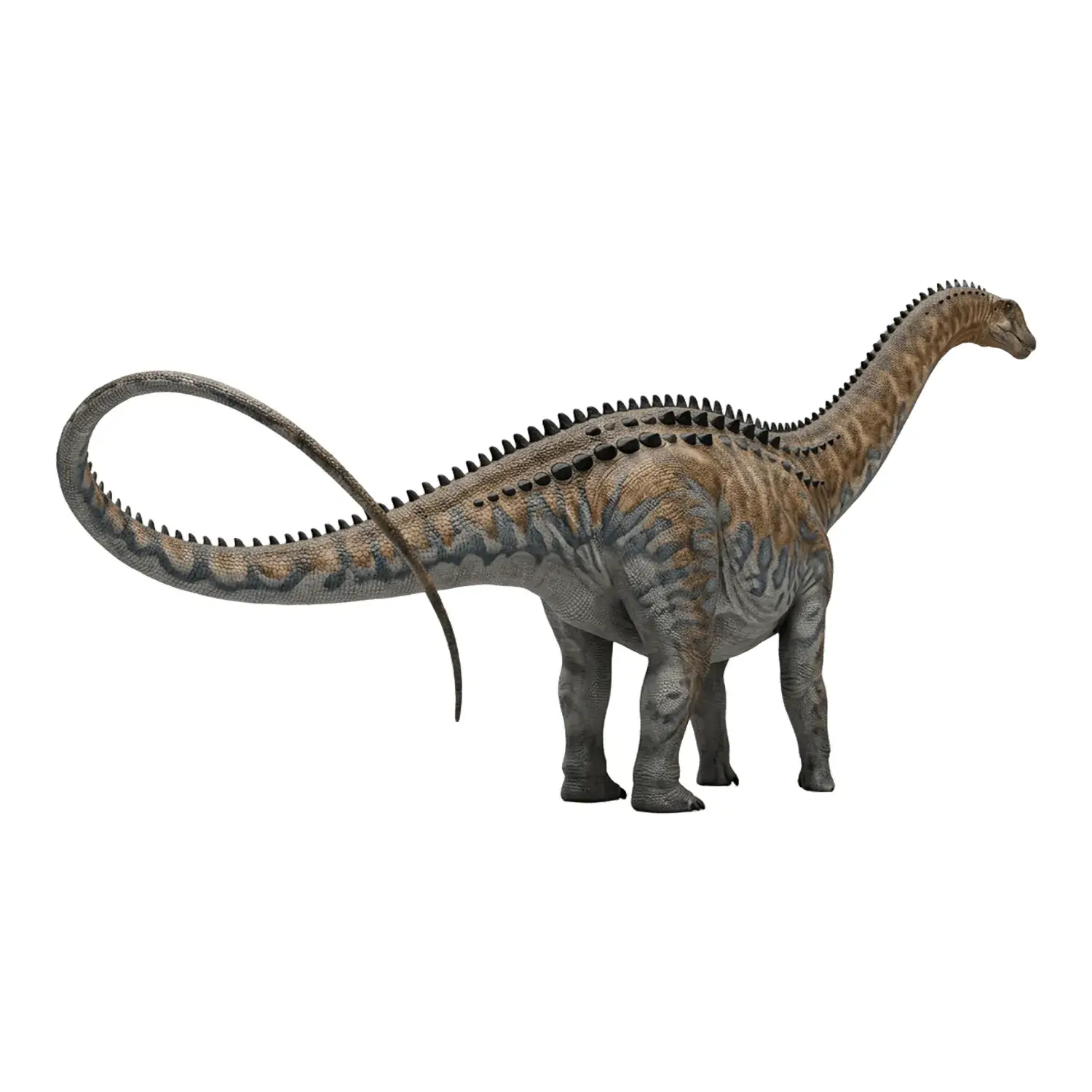
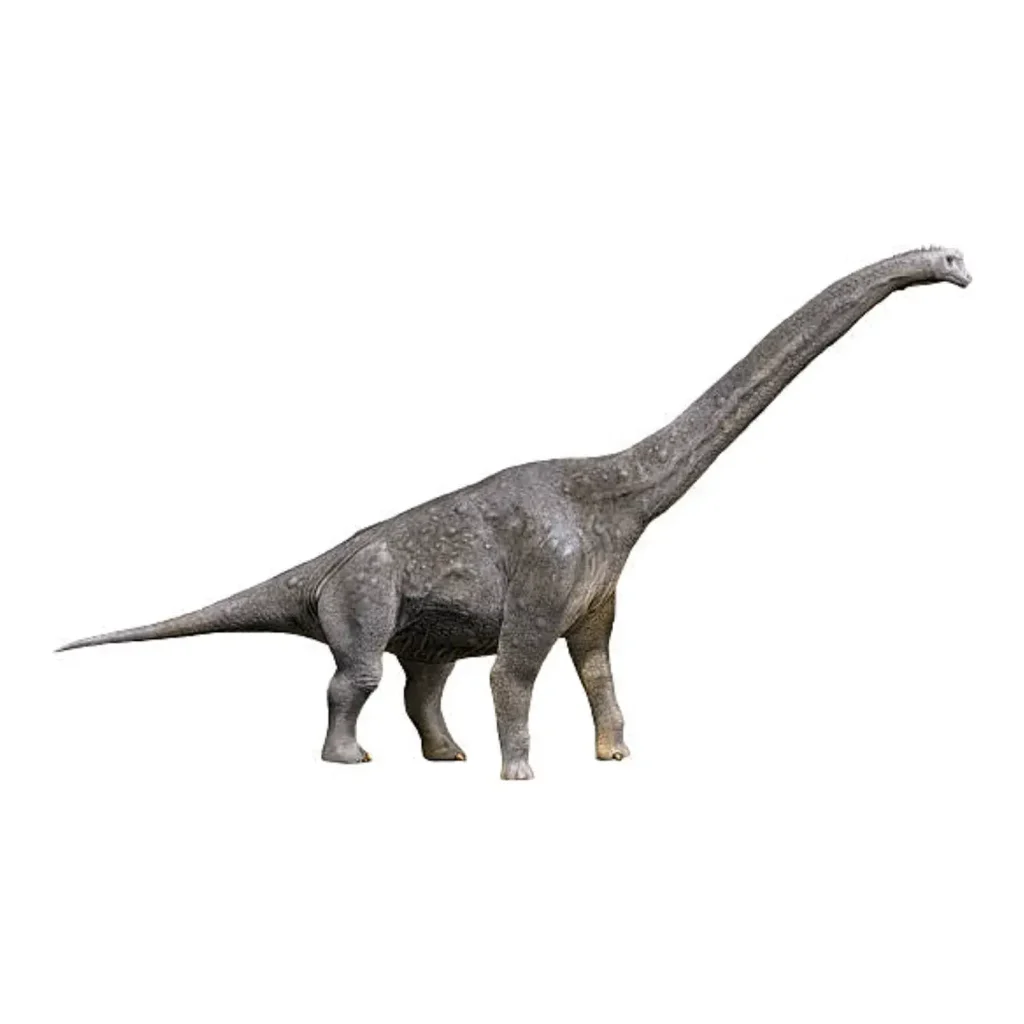
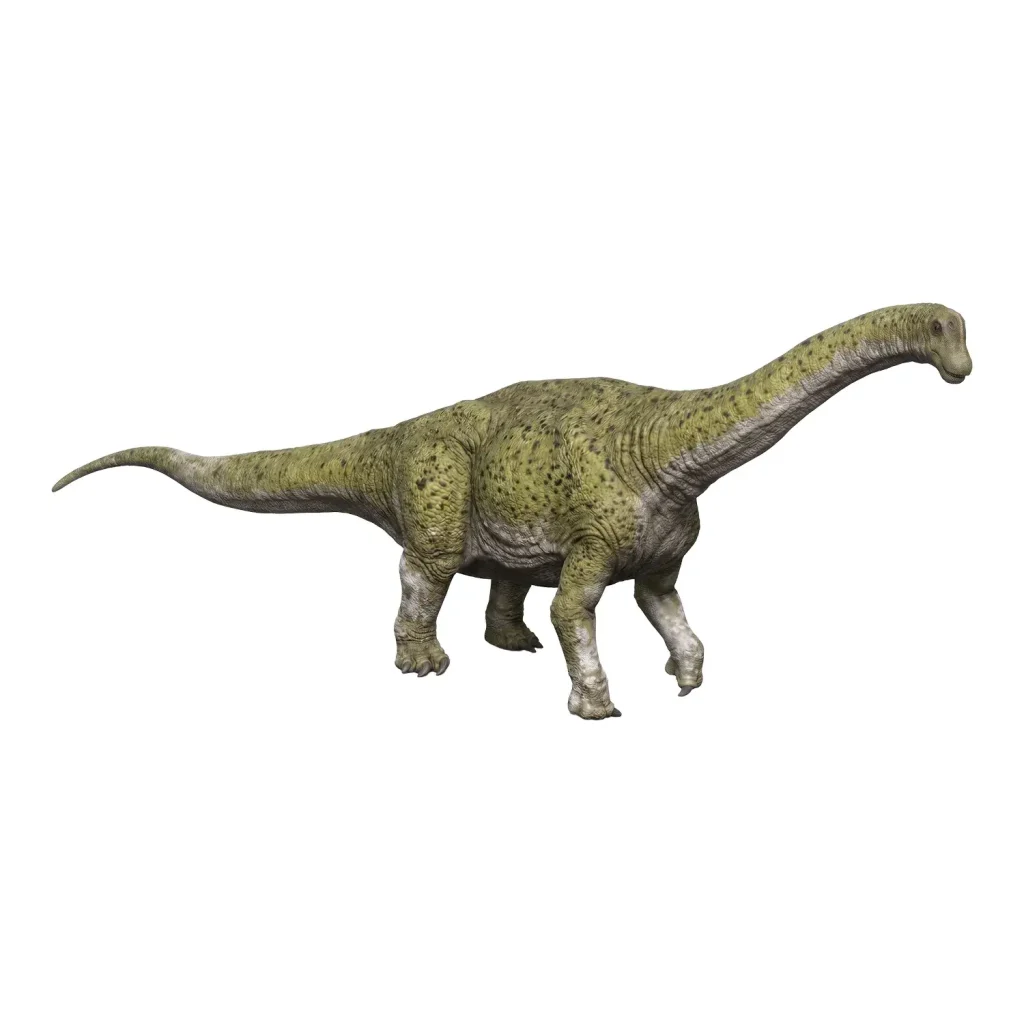
Dinheirosaurus was a large herbivorous dinosaur that lived in Portugal during the Late Jurassic.
It belonged to the family Diplodocidae, the same family as Diplodocus and Supersaurus, and is estimated to have reached approximately 25 meters in length.
Its fossils were discovered in 1987, and it was formally described as a new genus and species in 1999.
However, subsequent research drew attention to its close relationship with Supersaurus, which lived in North America, and debate continues over whether Dinheirosaurus should be recognized as a distinct genus.
Fossil Discovery in Portugal and the Origin of Its Name
Dinheirosaurus fossils were discovered around Porto Dinheiro in the Lourinhã region of west-central Portugal.
The first fossils were identified in 1987, followed by further excavations in 1988 and 1991.
These excavations yielded fossils of several vertebrae, ribs, parts of the pelvis, and other bones.
Initially, the remains were thought to possibly belong to Lourinhasaurus, which had also been discovered in the same region. However, a detailed examination of their skeletal features revealed that they belonged to a different sauropod.
In 1999, paleontologists José Bonaparte and Octávio Mateus formally described it as a new genus and species, “Dinheirosaurus lourinhanensis.”
The genus name is derived from Porto Dinheiro, where the fossils were discovered, while the species name honors Lourinhã, the municipality where the discovery was made.
A Body Approximately 25 Meters Long and Characteristics Shared by Diplodocids
Dinheirosaurus was a diplodocid sauropod with a long neck and tail, like Diplodocus.
It is estimated to have reached approximately 25 meters in length and is thought to have been a large herbivorous dinosaur.
Diplodocids were characterized by their slender necks and exceptionally long tails.
Dinheirosaurus is also thought to have had a body shape with these characteristic features.
However, the fossils discovered so far are incomplete, and no complete skeleton has been found.
In particular, information about its skull and limbs is limited, leaving some uncertainty about its exact body shape and overall size.
On the other hand, features shared with Diplodocus have been identified in the preserved vertebrae.
Structures such as the neural spines, which are projections extending from the vertebrae, have provided important clues for understanding the classification and evolutionary position of Dinheirosaurus.
Its Relationship with Supersaurus and the Debate Over Its Classification
One of the major topics in research on Dinheirosaurus is its relationship with the giant sauropod Supersaurus, which lived in North America.
The two dinosaurs share similarities in their skeletons, and researchers have proposed differing views on whether Dinheirosaurus should be treated as a distinct genus.
A 2012 Study Supported Its Validity as a Distinct Genus
A study published in 2012 identified distinctive skeletal features in Dinheirosaurus, providing further support for recognizing it as a separate genus.
The phylogenetic analysis also placed it among the dinosaurs most closely related to Supersaurus.
A 2015 Study Proposed That It Was a Different Species of Supersaurus
In contrast, a study published in 2015 examined the similarities and morphological differences between the skeletons of the two dinosaurs in detail.
The researchers proposed that Dinheirosaurus represented a different species of Supersaurus.
Under this interpretation, its scientific name would be “Supersaurus lourinhanensis.”
A 2025 Study Provisionally Retained It as a Distinct Genus
Some researchers argue that Dinheirosaurus should be treated as a distinct genus because the two dinosaurs lived in geographically separate regions and show skeletal differences that are important for classification.
A study published in 2025 also supported provisionally retaining Dinheirosaurus as a separate genus.
As described above, the classification of Dinheirosaurus has not yet been fully settled.
Future fossil discoveries and further research may lead to a revision of its classification.