
Europasaurus
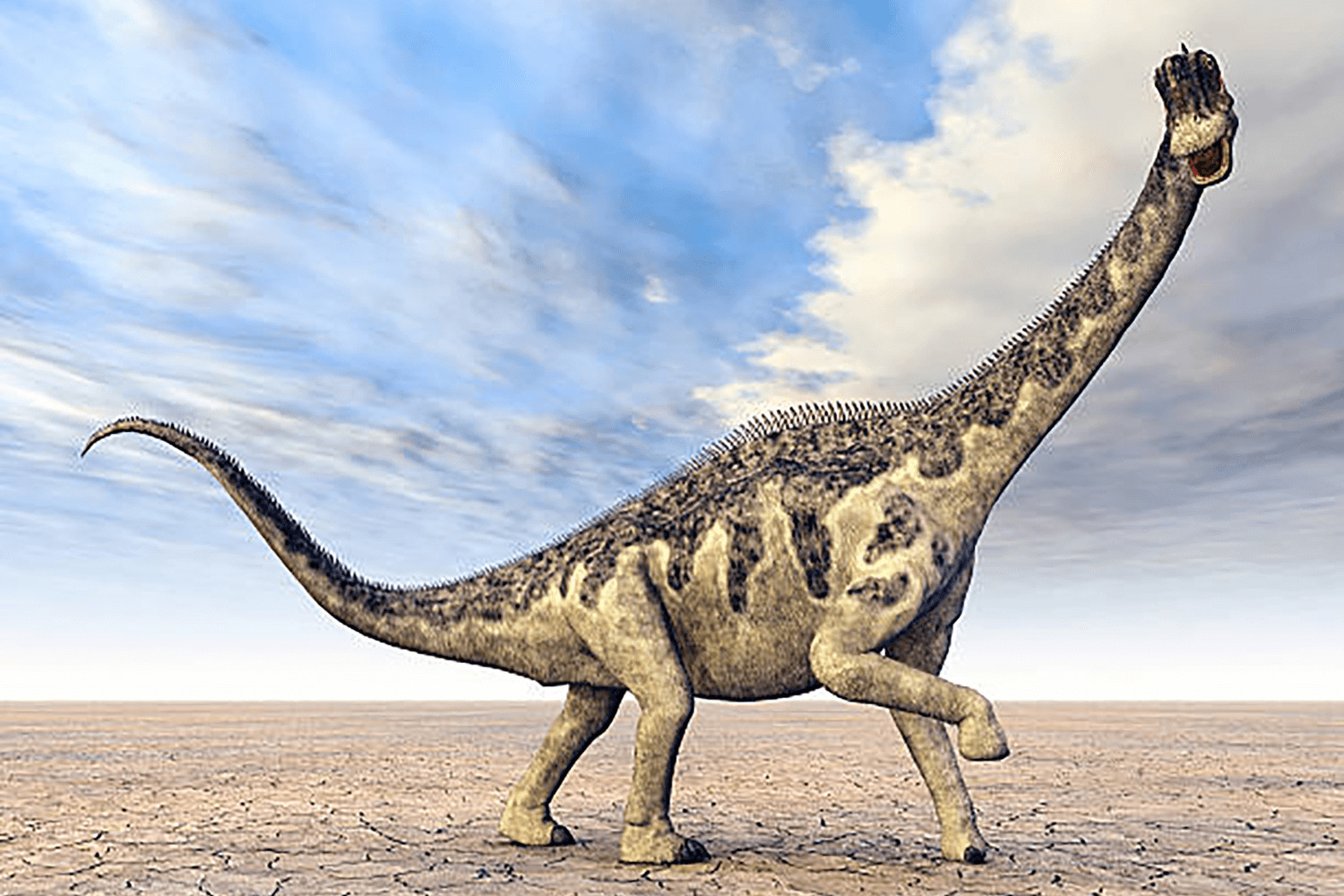

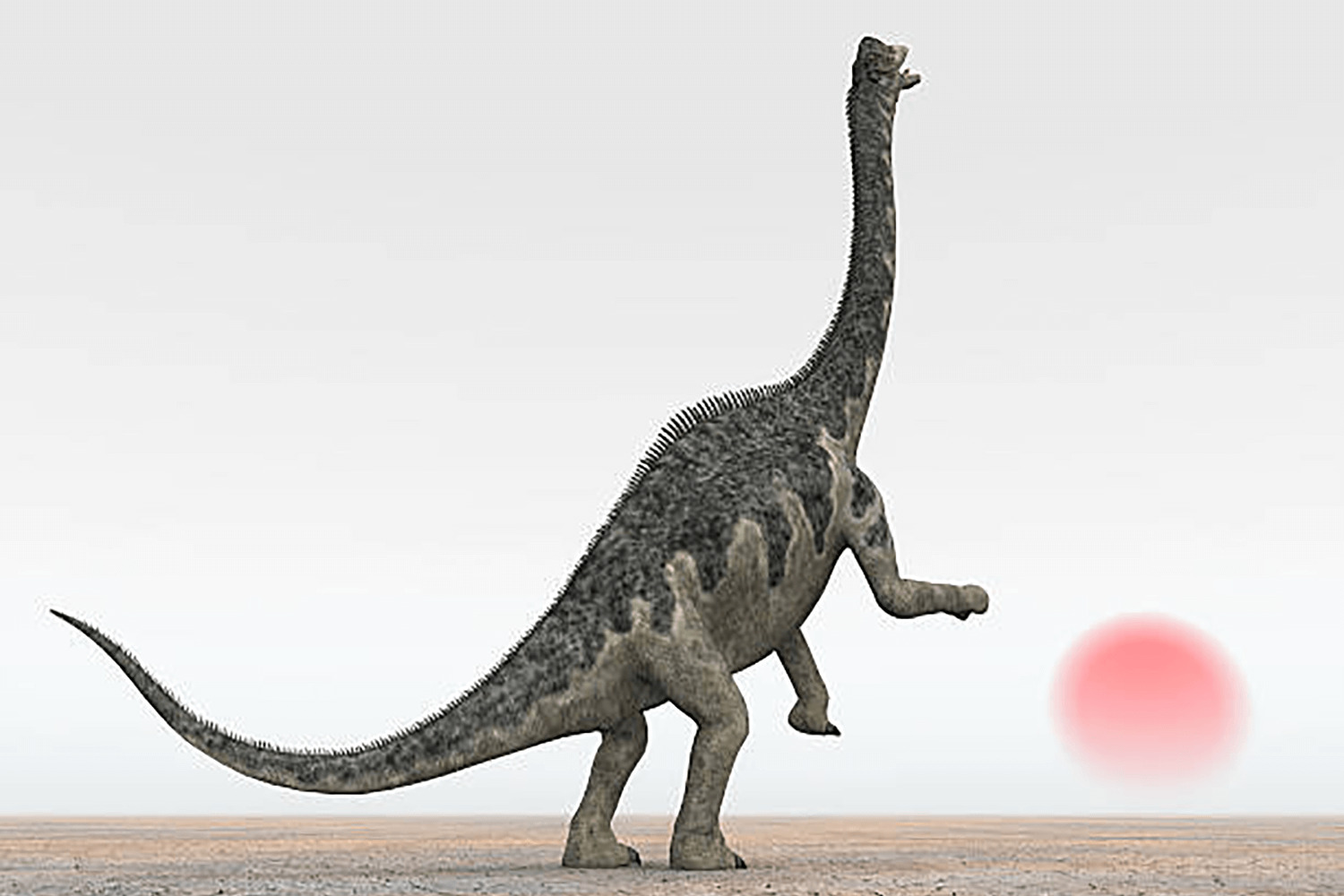
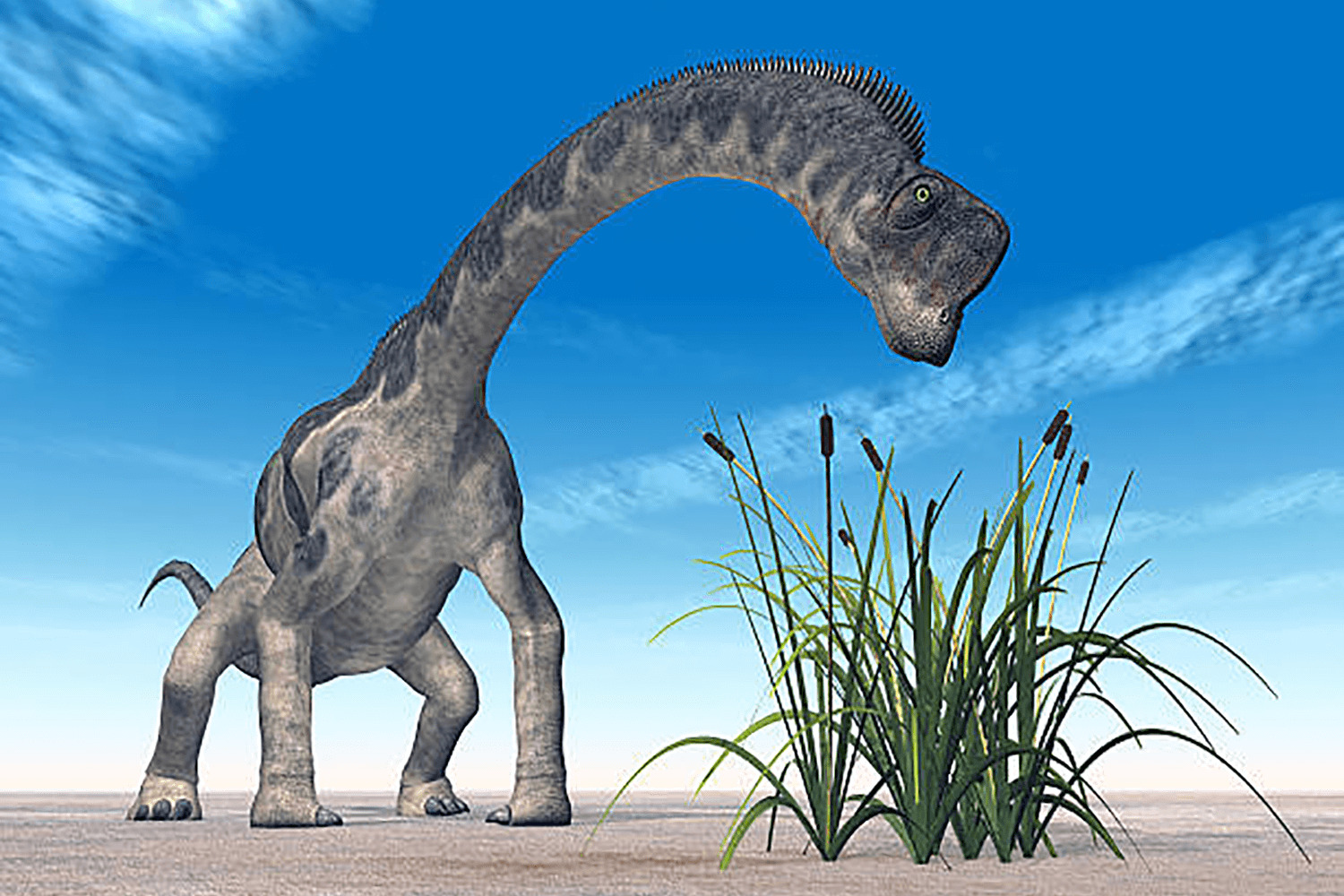
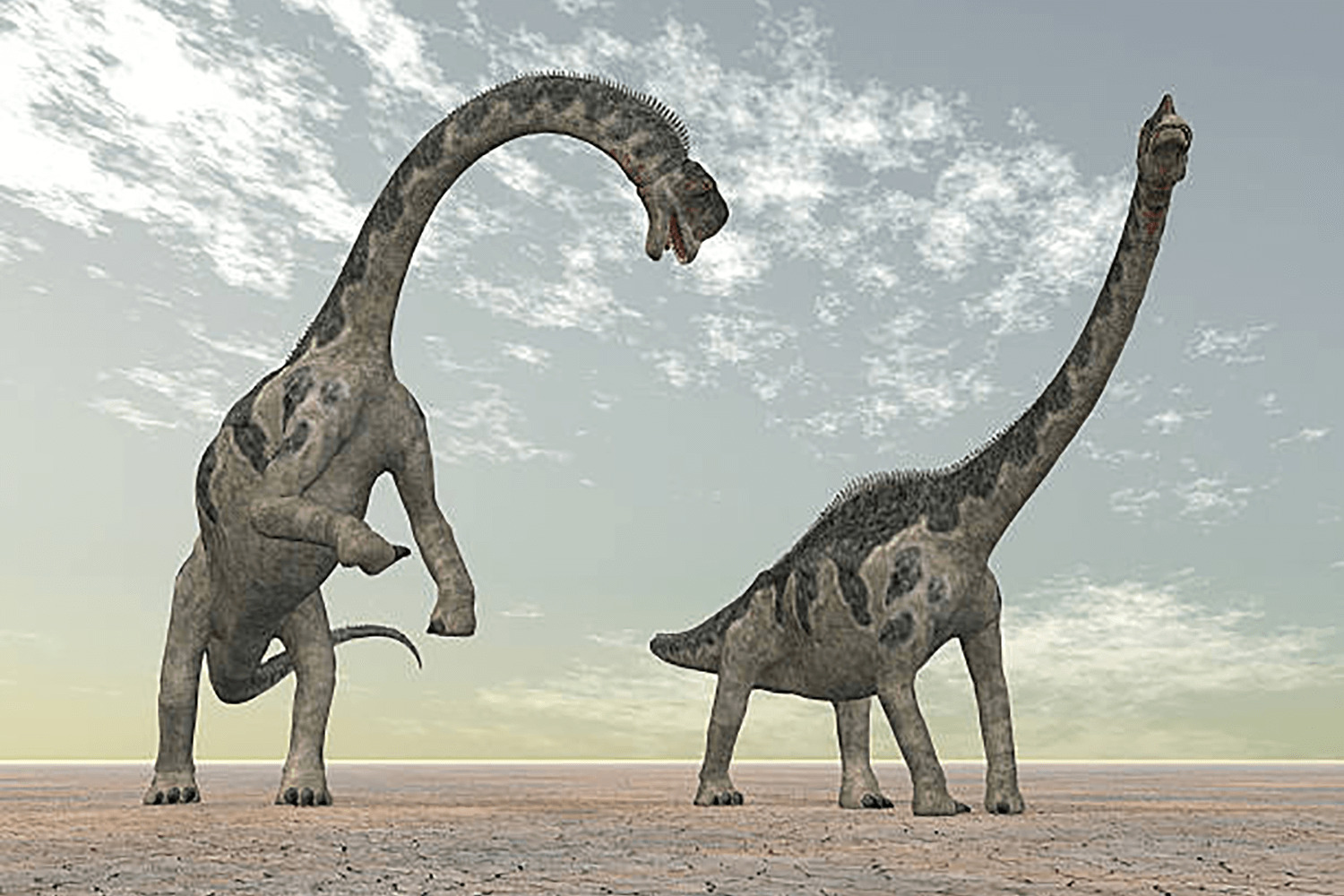
Name Origin
European Lizard
Family
Brachiosauridae
Classification
Diapsida, Saurischia, Sauropodomorpha
Habitat (Discovery Location)
Germany
Period
Approximately 154 million years ago (Late Jurassic)
Length
Approximately 6.2 meters
Weight
Approximately 1 ton
Diet
Herbivore
You might also like... 

-
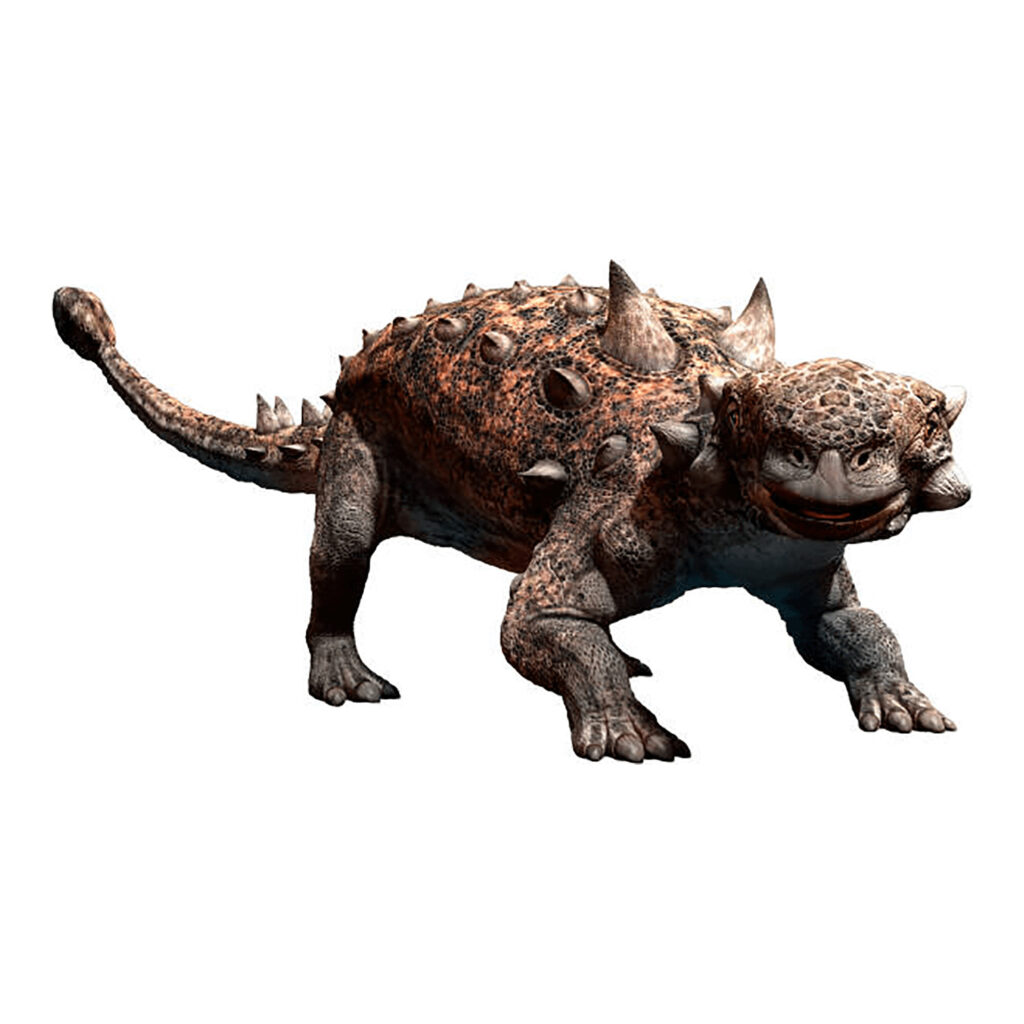
 Euoplocephalus
- Classification
- Thyreophora
- Characteristics
- Herbivorous
- Era
- Cretaceous period
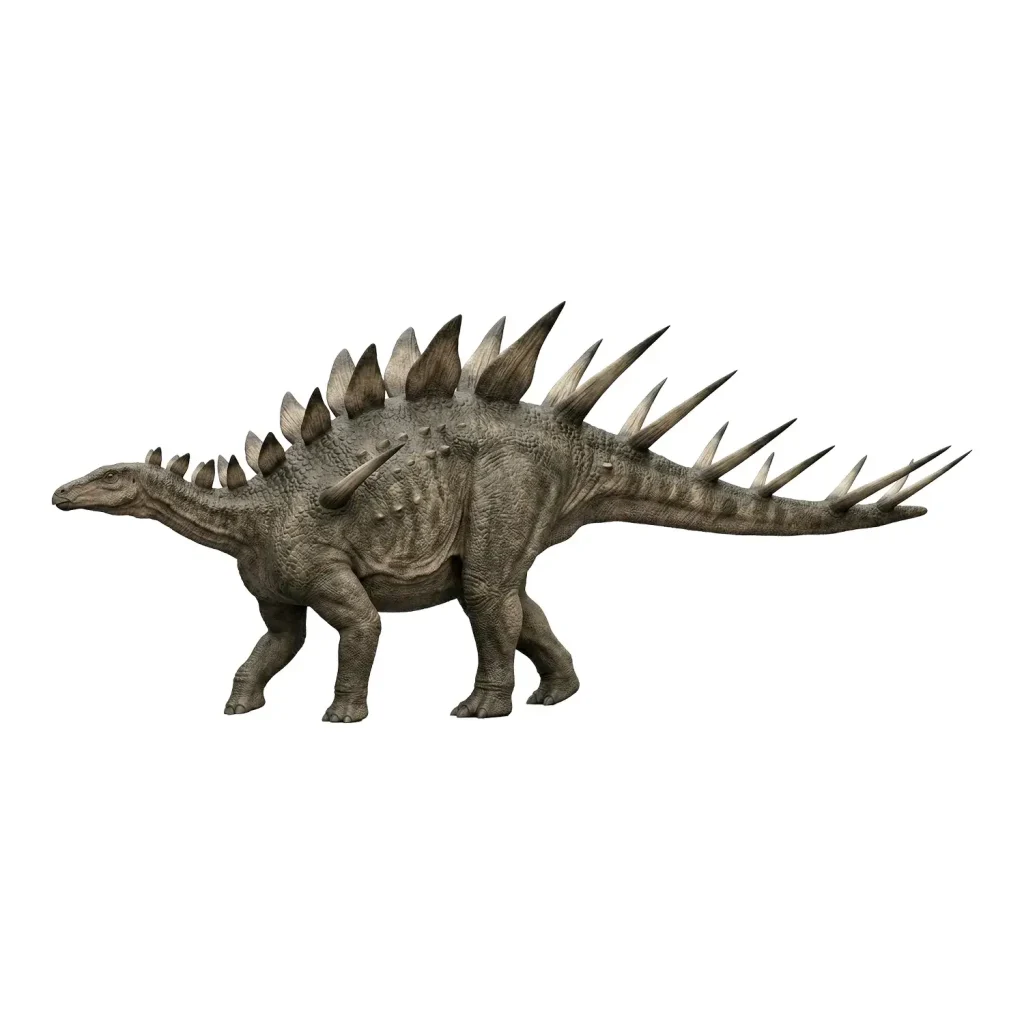
- Dacentrurus
- Classification
- Thyreophora
- Characteristics
- Herbivorous
- Era
- Jurassic period
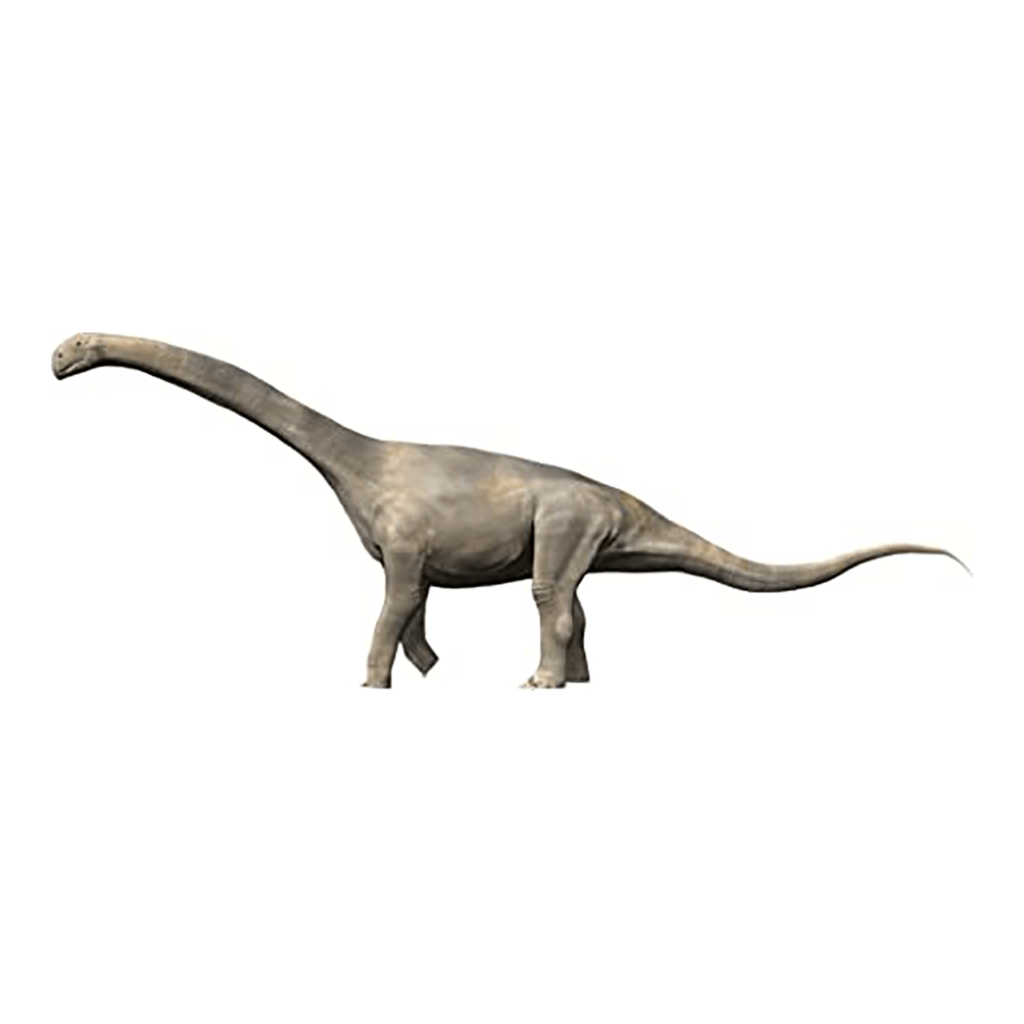
- Turiasaurus
- Classification
- Sauropods
- Characteristics
- Herbivorous
- Era
- Jurassic period
- Cretaceous period
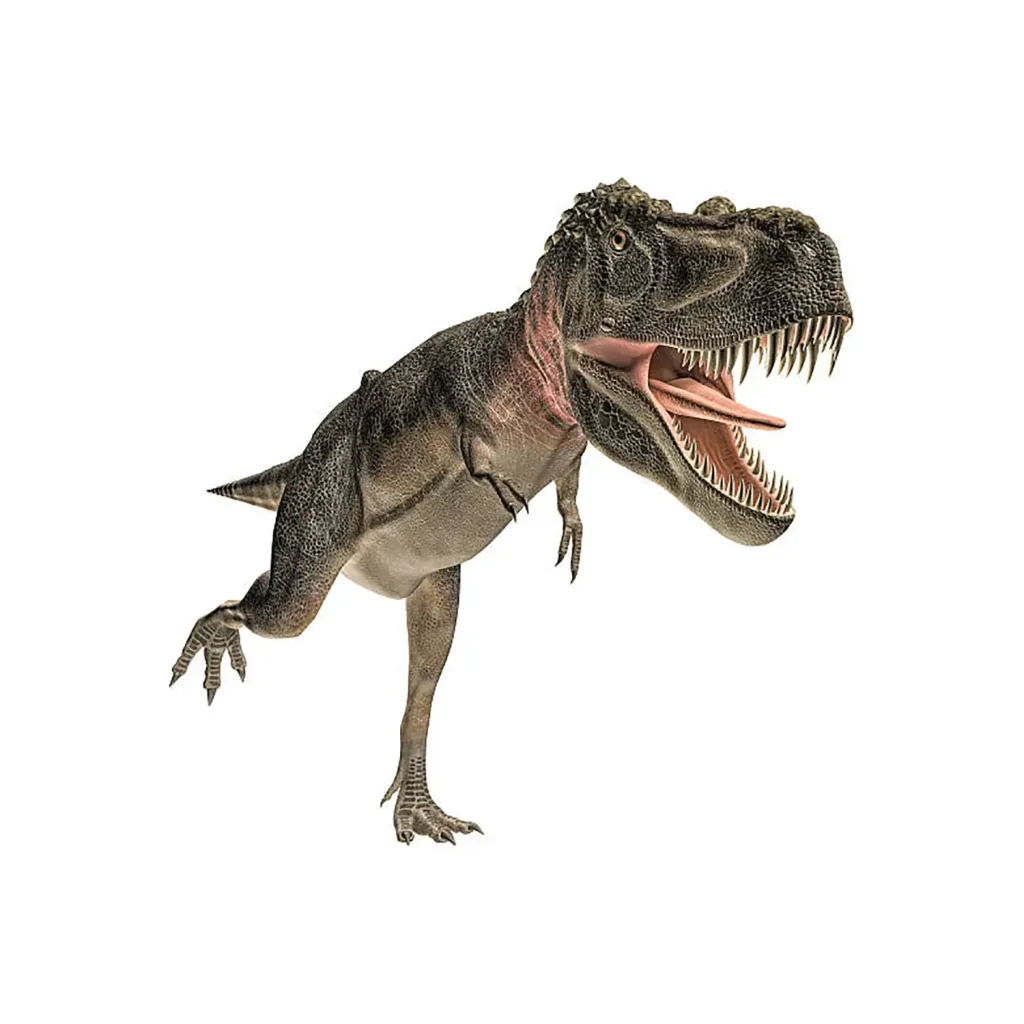
- Tarbosaurus
- Classification
- Theropods
- Characteristics
- Carnivorous
- Era
- Cretaceous period
-
Sponsored Links
-
Sponsored Links




![[Latest Research] What Was the Function of Spinosaurus's Giant "Sail"? Exploring the Mysteries of Thermoregulation and Underwater Locomotion](https://dinosaurmuseum.jp/wp/wp-content/uploads/eyecatch_spinosaurus-sail-function_en-1024x512.webp)
![[Latest Discovery] A Third Type of Skin, Neither Scales Nor Feathers? Meet "Haolong dongi," a New Dinosaur Species Covered Entirely in Spikes](https://dinosaurmuseum.jp/wp/wp-content/uploads/eyecatch_dinosaur-spiky-skin-discovery_en-1024x512.webp)

Description
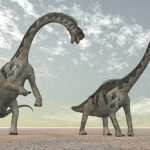
When we think of the age of dinosaurs, particularly the Jurassic period, the image of massive sauropodomorphs shaking the earth is likely strong.
It was a world dominated by beasts exceeding 20 to 30 meters in length, such as Brachiosaurus and Diplodocus.
However, in this era of giants, there existed a “small sauropodomorph” that underwent a surprising evolution.
Its name is “Europasaurus”.
Living in Germany during the Late Jurassic, this dinosaur possessed a compact body that defied conventional wisdom, despite belonging to the Brachiosauridae family, a group known for growing to immense sizes.
Discovery and Origin of the Name: “Lizard from Europe”
Discovery in the Harz Mountains of Germany
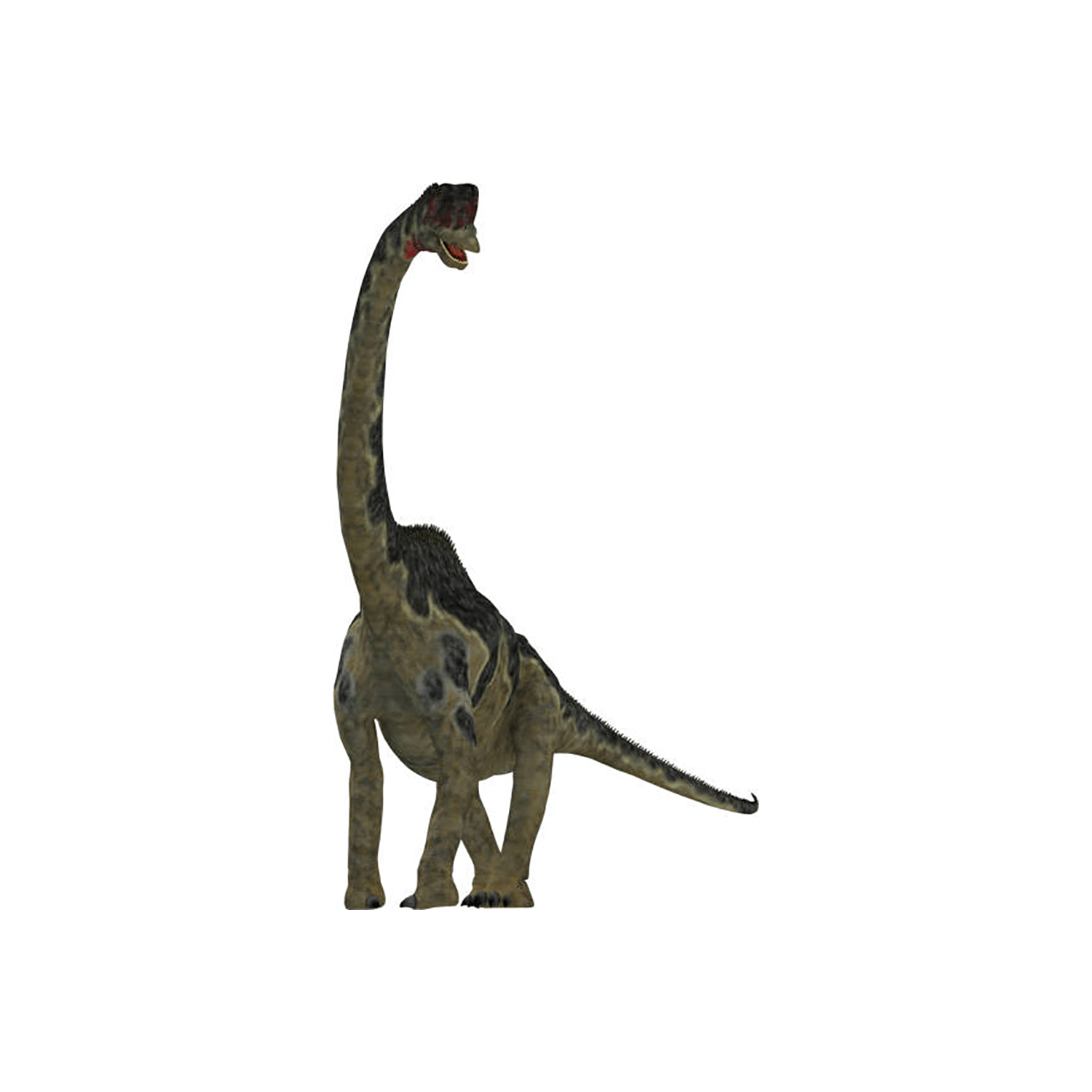
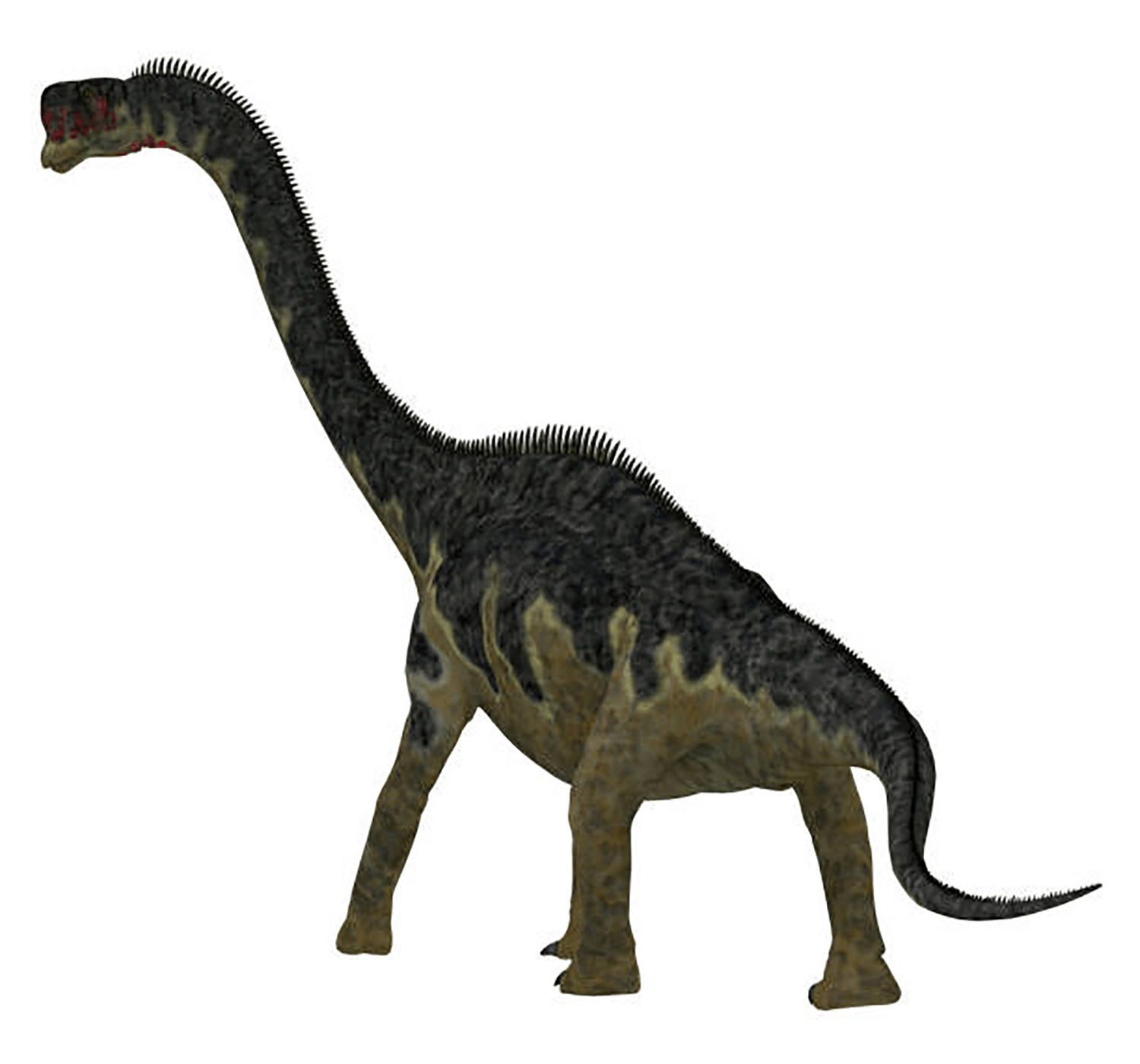
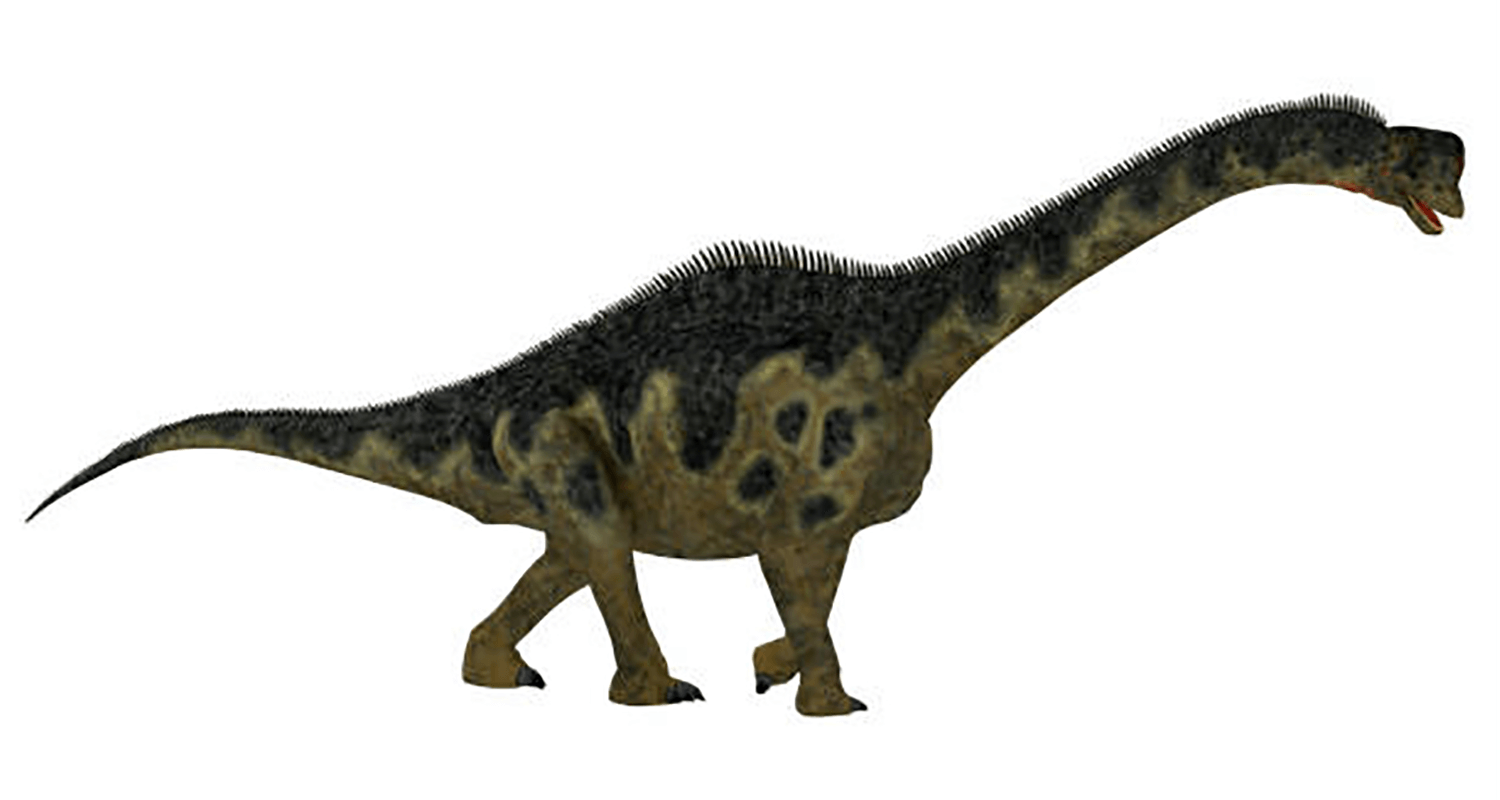
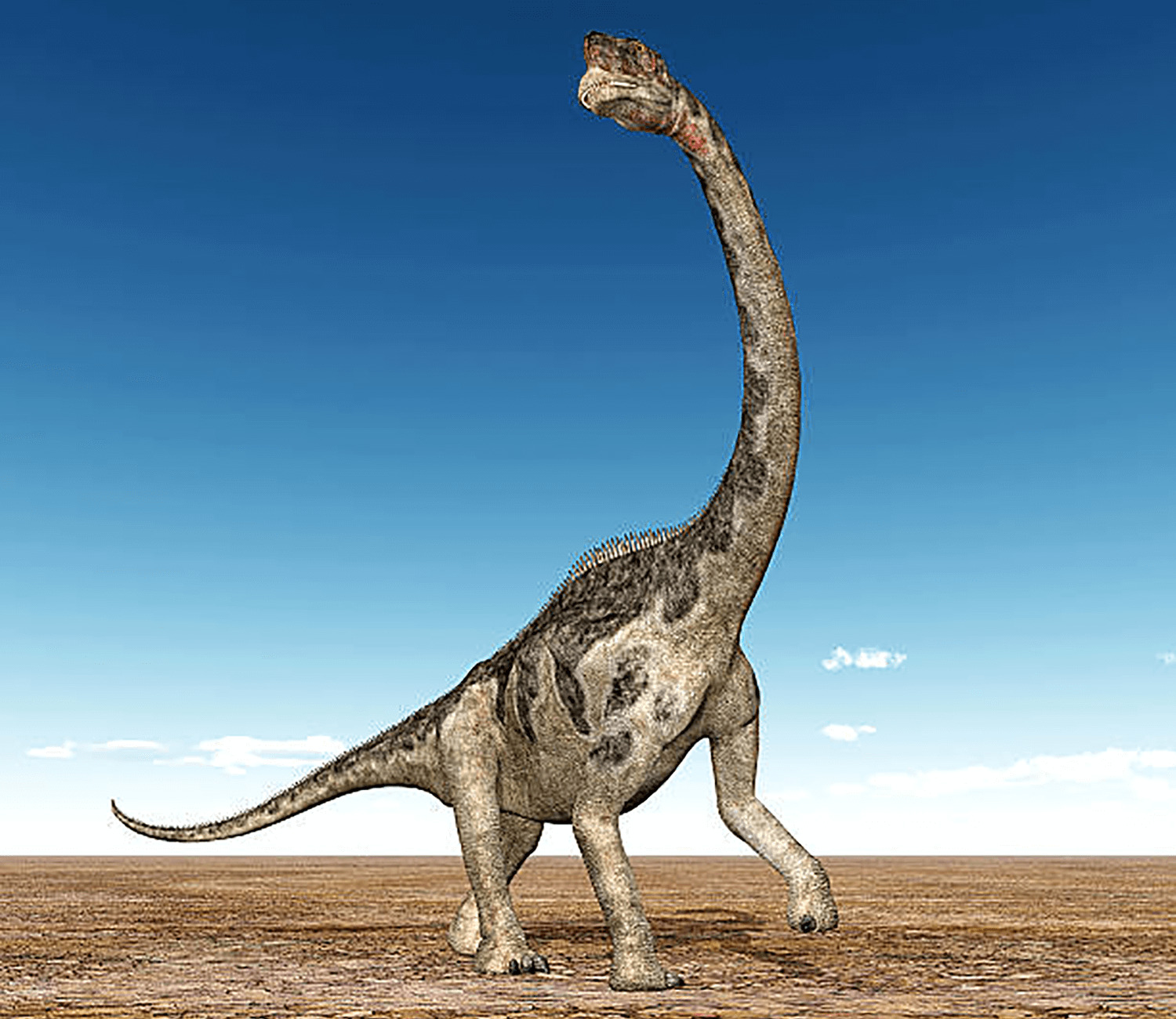
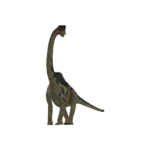
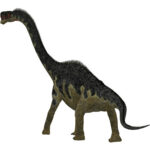
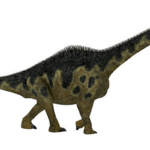
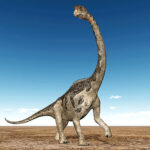
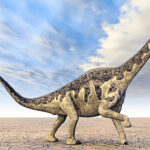
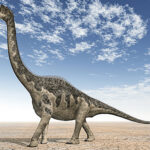
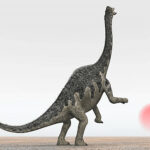
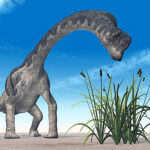
Europasaurus is a herbivorous sauropodomorph dinosaur whose name literally means “lizard from Europe.”
Its fossils were discovered at a site known as the “Langenberg Quarry,” located near the Harz Mountains in northern Germany.
Found in Late Jurassic strata, this fossil became a crucial discovery that challenged everything previously thought about sauropodomorphs.
Dedication and Formal Description
Following extensive research, it was formally described as a new species in 2006.
Its scientific name is Europasaurus holgeri.
This name combines a genus name meaning “reptile from Europe” with a specific name (holgeri) honoring Holger Lüdtke, the person who first discovered this dinosaur at the excavation site.
Compared to Brachiosaurus! The “Smallness” That Overturned Common Sense
The Shock of a 6.2-Meter Length and a 1-Ton Weight
Taxonomically, Europasaurus belongs to the family Brachiosauridae within the clade Macronaria.
When we think of Brachiosaurus, it is practically synonymous with super-massive dinosaurs reaching lengths of 25 meters (82 feet) and weighing anywhere from 20 to over 50 tons, but the size of Europasaurus was surprisingly small.
Despite belonging to the exact same group, there is an astounding difference of about four times the length and over twenty times the weight.
Experts have even stated, “If we could capture a living individual, it could easily be kept in a zoo simply by modifying an enclosure built for an Indian elephant.”
The Smallest of the Neosauropods
Europasaurus is an extreme outlier among sauropodomorphs, which are typically large dinosaurs, and is said to be the smallest species currently identified among the “neosauropods.”
Despite carrying genes that should have led to gigantism, why did it become so incredibly small?
The key to solving this mystery lies in the “place” where they lived.
The Key to Evolution: “Insular Dwarfism”
Europe Was an “Island” at the Time
The reason Europasaurus shrank in size stems from the unique natural environment of Europe during the Mesozoic Jurassic period.
At the time, Europe was not the continuous continent it is today; it faced a massive ocean called the “Tethys Sea” and was an archipelago region dotted with numerous islands (similar to the geography of the modern Japanese archipelago or Indonesia).
“Dwarfing”: A Choice for Survival
It appears that the ancestors of Europasaurus found their way to a small island.
There, neither the vast land nor the abundant food necessary to maintain massive bodies existed.
The evolutionary strategy adopted by large animals to survive under such harsh conditions—with limited food resources and confined habitats—is known as “dwarfing.”
By shrinking their bodies, they reduced the amount of food they required, successfully passing on their lineage within the confines of limited resources.
The Phenomenon of Insular Dwarfism
This phenomenon is called “insular dwarfism,” and it can even be seen in modern animals that are isolated on islands.
While it is a rare occurrence in the dinosaur kingdom, this same phenomenon is seen not only in Europasaurus but also in the later (Late Cretaceous) titanosaur Magyarosaurus, which lived in Romania.
Herd Life and Ecology
The excavation site at Langenberg has also yielded valuable clues for understanding the ecology of Europasaurus.
There, a total of seven individuals in various stages of growth—ranging from a 6.2-meter (20.3-foot) adult to a subadult (juvenile) measuring about 1.7 meters (5.6 feet)—were discovered clustered together.
This discovery strongly suggests that Europasaurus did not live solitary lives, but rather moved in “herds” that included both adults and young.
Perhaps, on a small island floating in an ancient sea, these tiny titans huddled together like a family, sharing the limited plant life to survive.