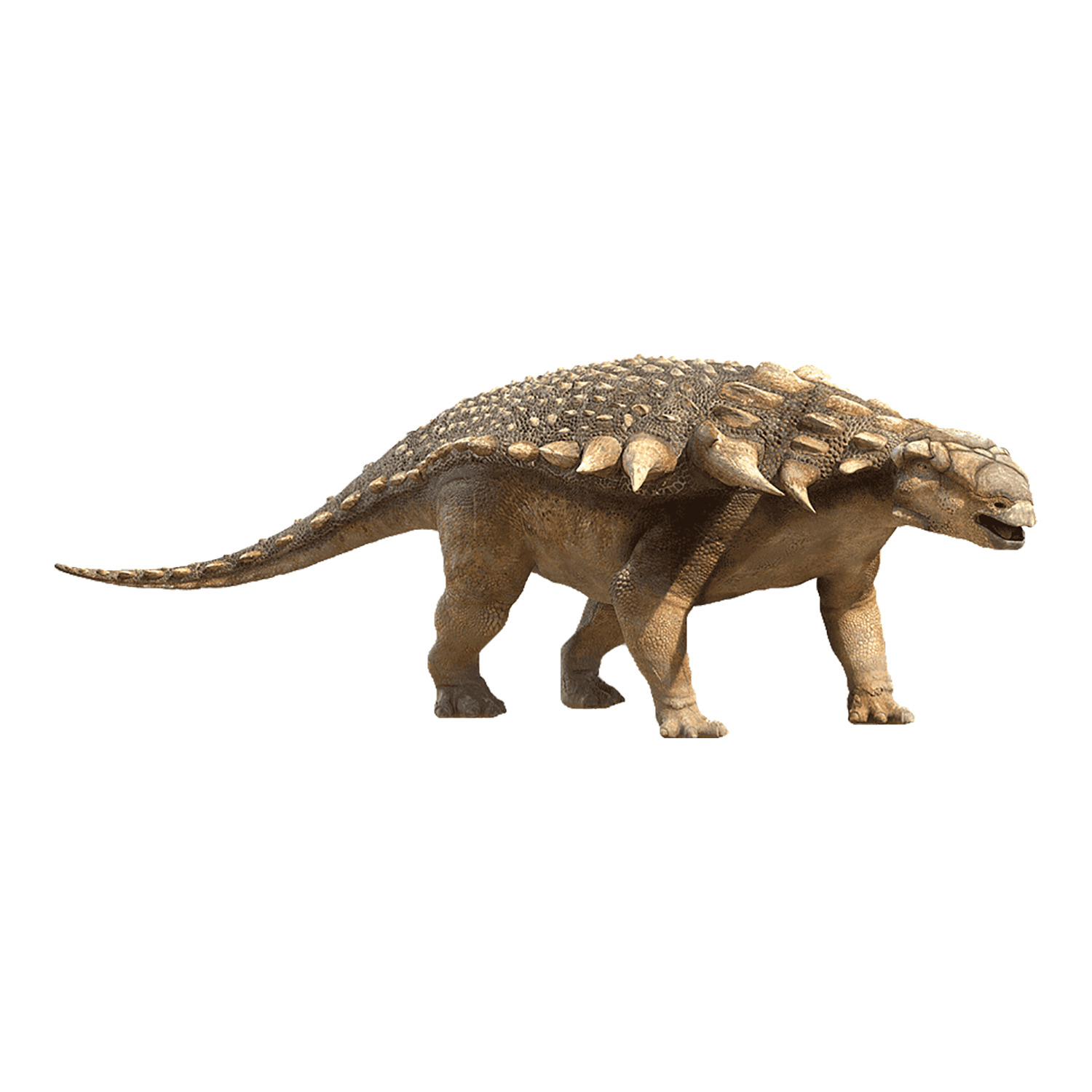
Edmontonia
Name Origin
Of Edmonton (derived from the place name)
Family
Nodosauridae
Classification
Diapsida, Ornithischia, Thyreophora
Habitat (Discovery Location)
United States, Canada
Period
Approximately 76.5–69 million years ago (Late Cretaceous)
Length
Approximately 7 meters
Weight
4 tons
Diet
Herbivore
You might also like... 
-
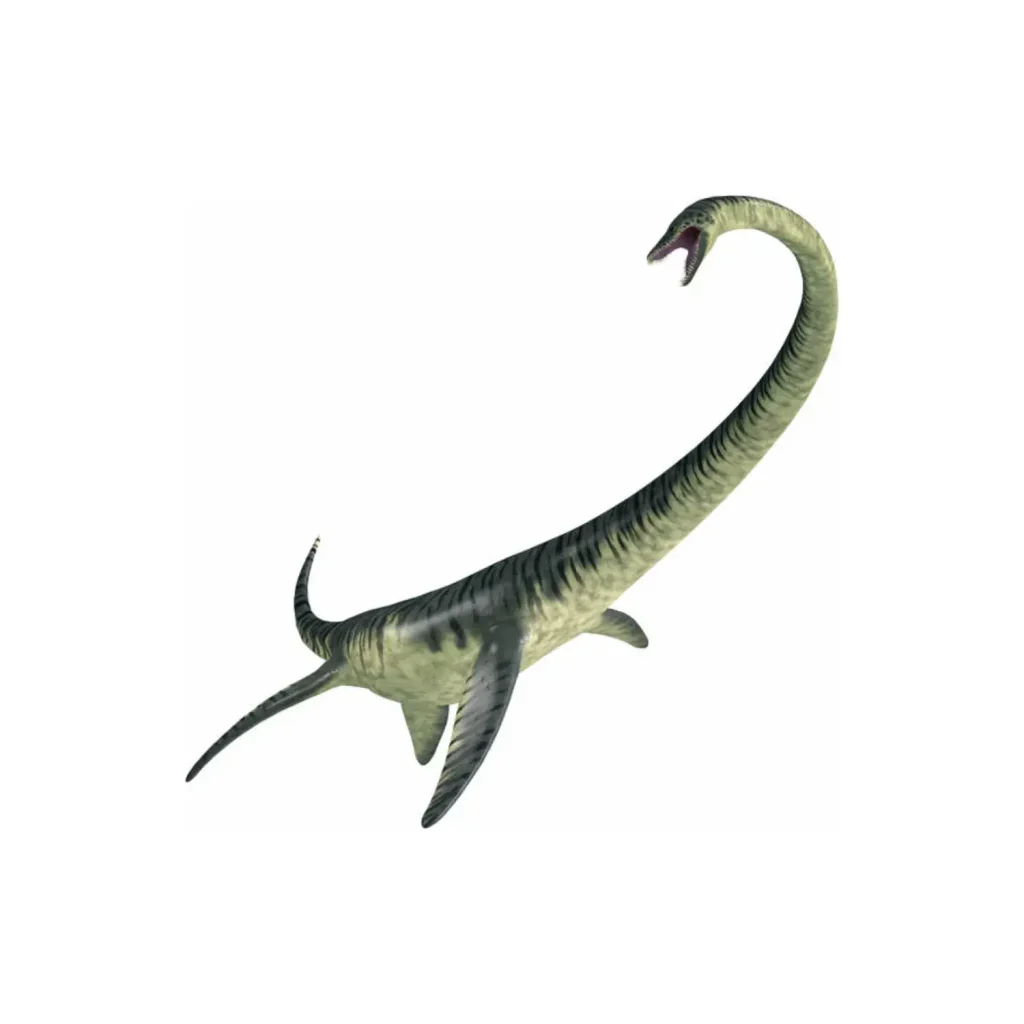
 Elasmosaurus
- Classification
- Marine reptiles
- Characteristics
- Carnivorous
- Era
- Cretaceous period
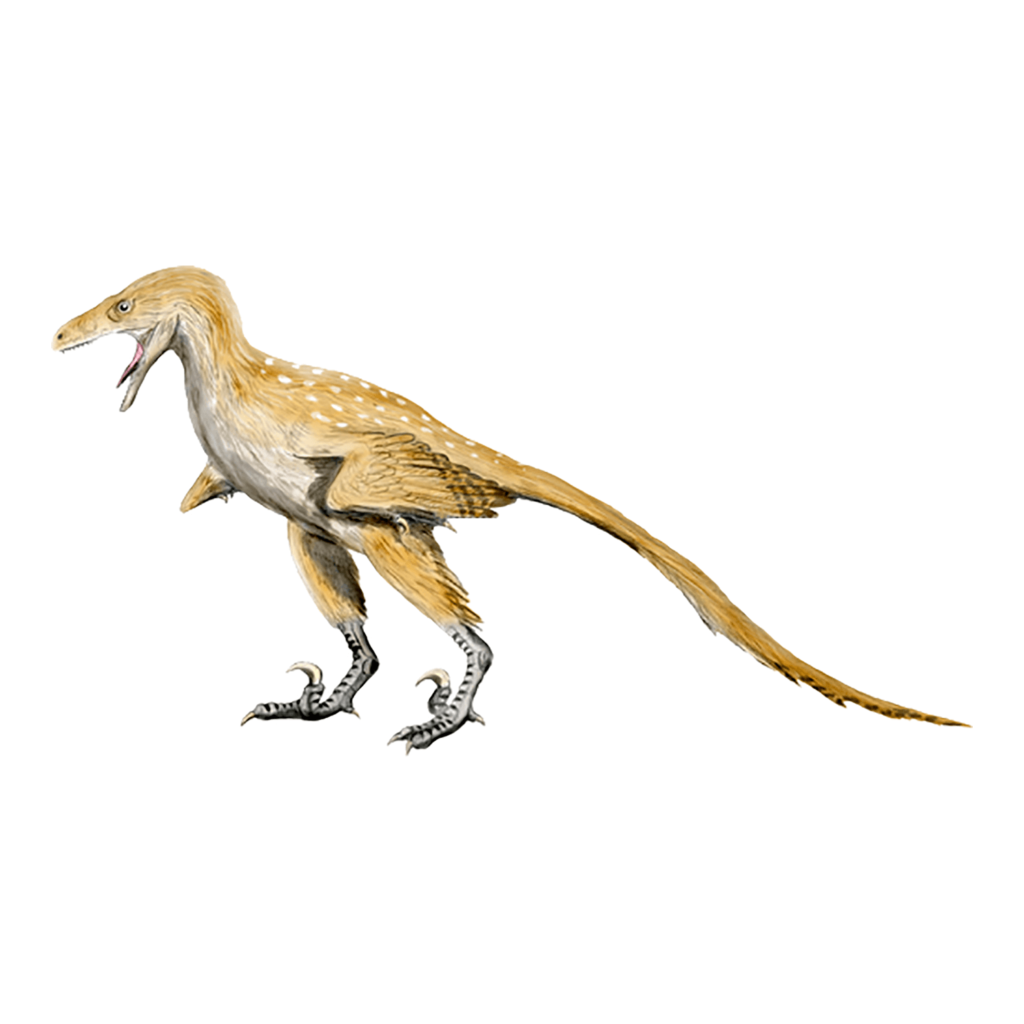
- Bambiraptor
- Classification
- Theropods
- Characteristics
- Carnivorous
- Feathered
- Era
- Cretaceous period
- Peloroplites
- Classification
- Thyreophora
- Characteristics
- Herbivorous
- Era
- Cretaceous period
- Ichthyosaurus
- Classification
- Marine reptiles
- Characteristics
- Carnivorous
- Era
- Jurassic period
-
Sponsored Links
-
Sponsored Links

![[Latest Research] What Was the Function of Spinosaurus's Giant "Sail"? Exploring the Mysteries of Thermoregulation and Underwater Locomotion](https://dinosaurmuseum.jp/wp/wp-content/uploads/eyecatch_spinosaurus-sail-function_en-1024x512.webp)
![[Latest Discovery] A Third Type of Skin, Neither Scales Nor Feathers? Meet "Haolong dongi," a New Dinosaur Species Covered Entirely in Spikes](https://dinosaurmuseum.jp/wp/wp-content/uploads/eyecatch_dinosaur-spiky-skin-discovery_en-1024x512.webp)
Description
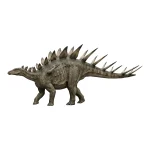
Late Cretaceous North America, near the end of the age of dinosaurs.
In this harsh land where ferocious carnivorous dinosaurs like tyrannosaurs roamed, a herbivorous dinosaur with an astonishing defense capability lived.
Covered entirely in bony armor with massive spikes jutting from its shoulders, its appearance was truly that of a “heavy tank.”
Reaching about 7 meters (23 feet) in length and weighing up to 4 tons, the large dinosaur Edmontonia is the largest species of the Nodosauridae family and is considered the pinnacle of their evolution.
The Apex and Largest Species of Nodosauridae
Among armored dinosaurs (ankylosaurians), Edmontonia belongs to a group called the “Nodosauridae” family.
This group followed a different evolutionary path than the famous Ankylosaurus (Ankylosauridae family).
Ankylosauridae
Possessed a hammer (club) at the end of their tail.
Nodosauridae
Did not possess a tail hammer, but instead developed large spikes along their shoulders and flanks.
Edmontonia had the largest body within this Nodosauridae family and was the species to appear in the latest era.
In other words, it can be said to represent the ultimate evolutionary form of this group.
An Impenetrable Defense System: “Massive Spears” Pointing Forward
S-Class Super Armor and Forward-Facing Spikes
Edmontonia’s back was equipped with a formidable super armor (bony armor) described as being “like a heavy tank.”
However, its most defining feature is the array of sharp, massive spikes that lined the sides of its shoulders like a breakwater.
What is particularly noteworthy is that these spikes point “forward.”
While the spikes of many armored dinosaurs face sideways or backward, Edmontonia’s forward-oriented spikes became a powerful weapon with offensive capabilities, rather than just being for defense.
Intimidation and Display
It is believed that these well-developed spikes were used not only to intimidate carnivorous dinosaurs but also for “sexual display” during conflicts among their own kind (such as fighting over mates or territory).
Recent studies have revealed that their strength was not as high as the tail spikes of Stegosaurus, but they still packed enough power to flinch an opponent in close combat.
Battles with Natural Enemies: Anti-Tyrannosaur Tactics
The Attacking “Tyrants of the Dawn”
At the time in North America, ferocious predators that could be called the “tyrannosaurs of the dawn,” such as Albertosaurus and Daspletosaurus, were prowling around, and Edmontonia was a target for them.
A Powerful Counter from a “Prone Position”
While their backs were impenetrable, their abdomens lacked armor and were in an “unguarded state.”
If they were flipped over, it would be fatal.
Therefore, when attacked by an enemy, they employed the following tactics.
Defense
Utilizing their low center of gravity, they would drop down flat on the spot, hiding their vulnerable abdomen against the ground.
Counterattack
If the enemy still attacked, they would surge forward, thrusting their massive, forward-facing spikes out to deliver a powerful blow into their attacker’s legs.
This combined tactic of offense and defense is what wounded the legs of tyrannosaurs and supported their survival.
The Turnover of Three Species and Taxonomic History
A 10-Million-Year Evolutionary Relay
During the final 10 million years of the Cretaceous period, the following three species appeared in succession in North America.
The final species, schlessmani, coexisted with star dinosaurs like Ankylosaurus, Tyrannosaurus, and Triceratops, witnessing the end of the dinosaur age.
Shifting Classification and Names
There have been changes in its classification, and for a time, different genus names (Chassternbergia and Denversaurus) were given.
Denversaurus in particular was the subject of a very interesting discussion at a 2015 academic conference, where the view was presented that “it is entirely possible to view it as a separate genus.”
Surprising Mobility and a “Gourmet” Side
A “Heavy Tank” That Wasn’t Slow and Heavy
Despite its heavy appearance, it actually had relatively long legs for an armored dinosaur, and it is thought to have been able to move faster than others of its kind.
This surprising mobility also aided in its survival.
A Gourmet Who Foraged Selectively
Its snout had a relatively narrow shape, making it suited not for indiscriminately eating ground plants, but for selectively eating specific ones.
It is said that they engaged in “selective foraging,” picking and choosing nutritious ferns and young shoots to eat, making them “gourmets” adapted to their environment.