
Hypsilophodon


Name Origin
High-ridged Tooth
Family
Hypsilophodontidae
Classification
Diapsida, Ornithischia, Ornithopoda
Habitat (Discovery Location)
United Kingdom, Spain
Period
Approximately 130–125 million years ago (Early Cretaceous)
Length
Approximately 1.5–2.3 meters
Weight
Approximately 25 kg
Diet
Herbivore
You might also like... 

-
 Metriacanthosaurus
- Classification
- Theropods
- Characteristics
- Carnivorous
- Era
- Jurassic period
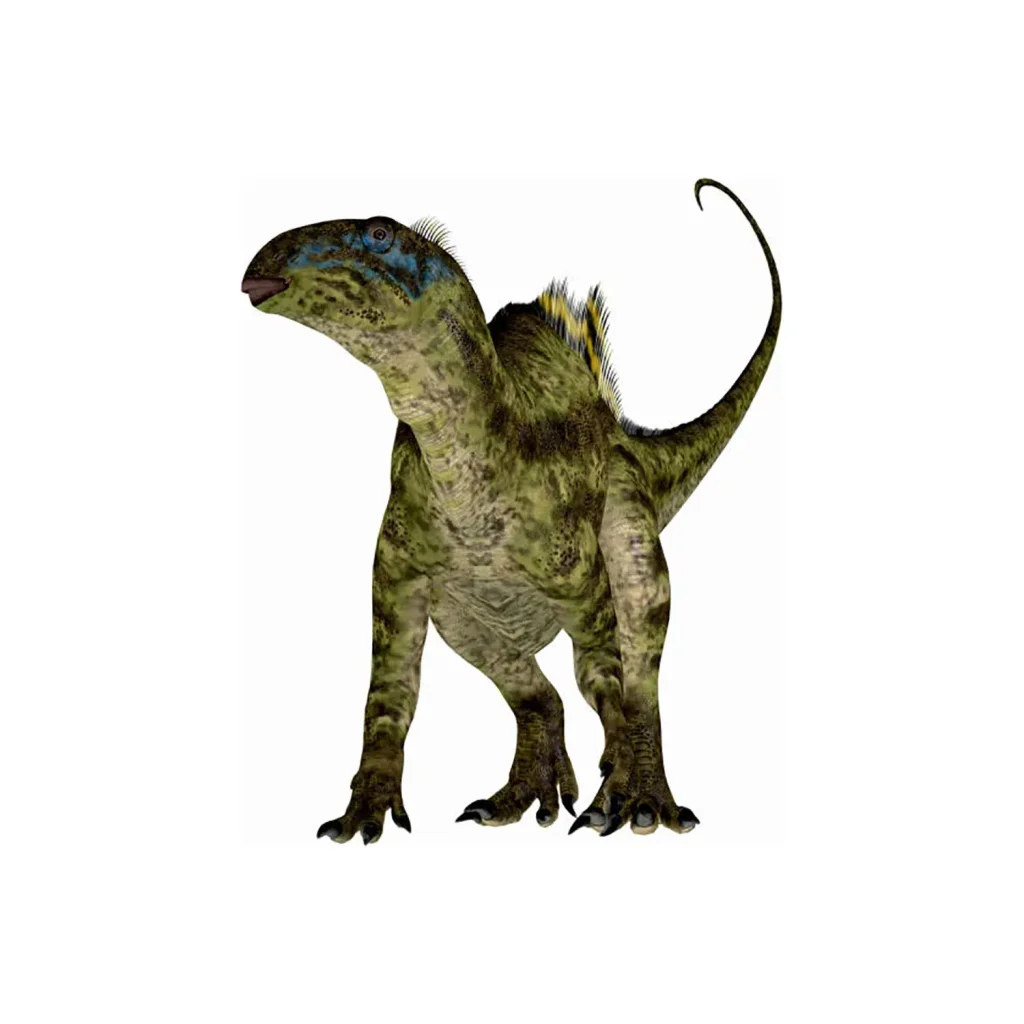
- Tenontosaurus
- Classification
- Ornithopoda
- Characteristics
- Herbivorous
- Era
- Cretaceous period
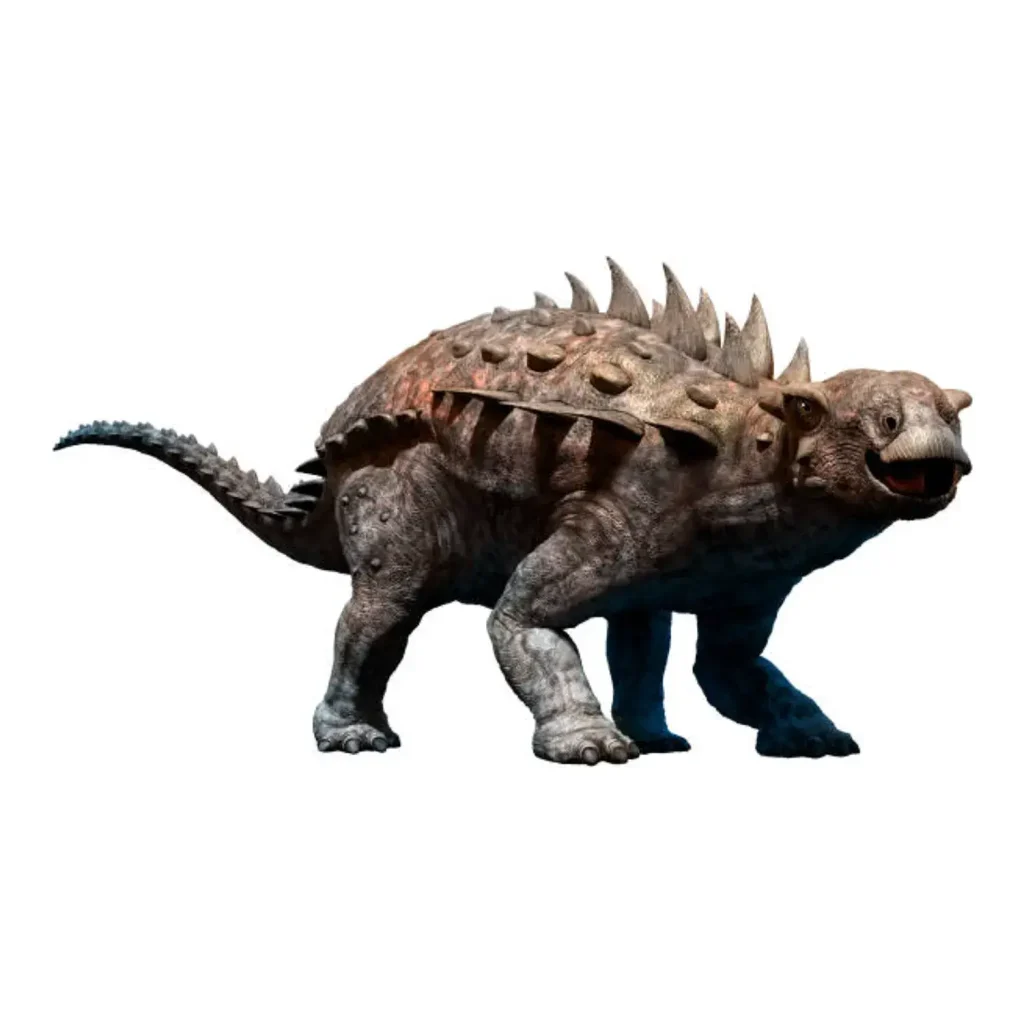
- Polacanthus
- Classification
- Thyreophora
- Characteristics
- Herbivorous
- Era
- Cretaceous period
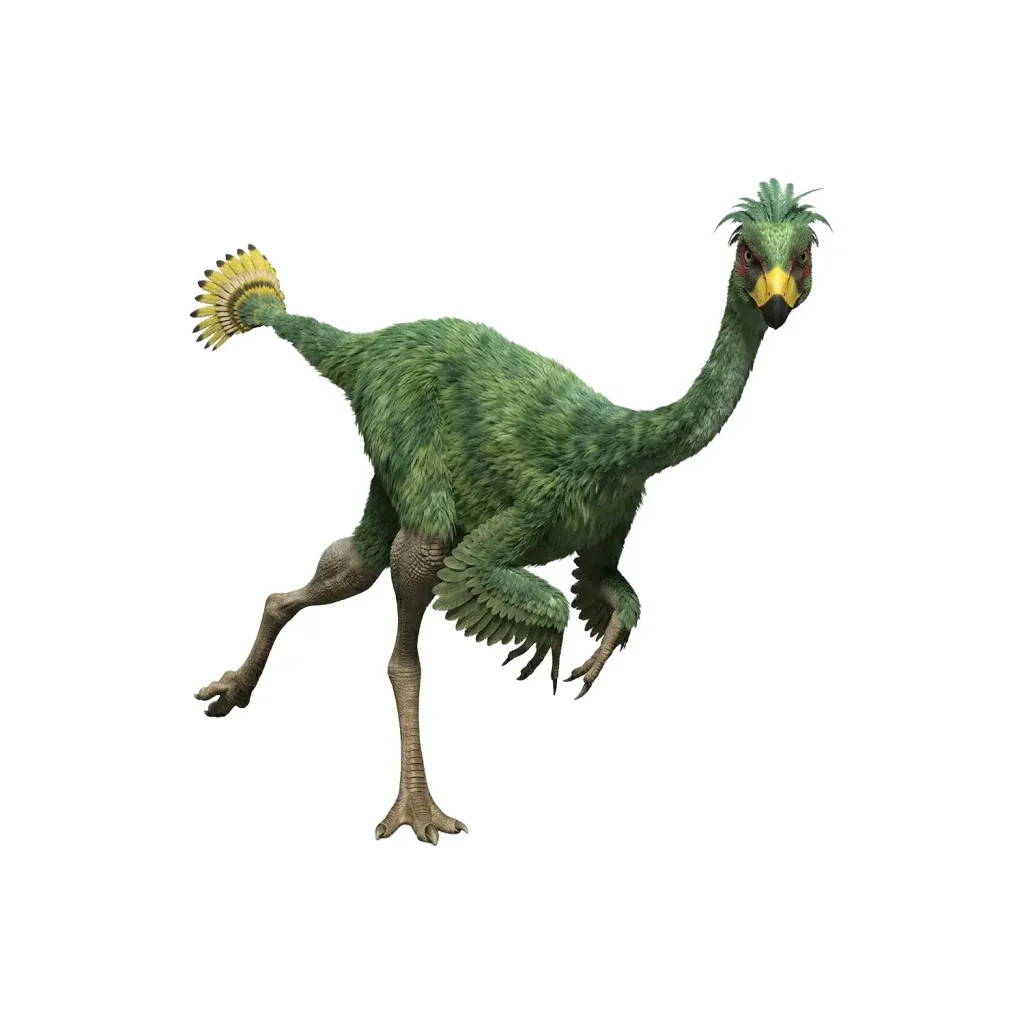
- Avimimus
- Classification
- Theropods
- Characteristics
- Carnivorous
- Omnivorous
- Feathered
- Era
- Cretaceous period
-
Sponsored Links
-
Sponsored Links










![[Latest Research] What Was the Function of Spinosaurus's Giant "Sail"? Exploring the Mysteries of Thermoregulation and Underwater Locomotion](https://dinosaurmuseum.jp/wp/wp-content/uploads/eyecatch_spinosaurus-sail-function_en-1024x512.webp)
![[Latest Discovery] A Third Type of Skin, Neither Scales Nor Feathers? Meet "Haolong dongi," a New Dinosaur Species Covered Entirely in Spikes](https://dinosaurmuseum.jp/wp/wp-content/uploads/eyecatch_dinosaur-spiky-skin-discovery_en-1024x512.webp)

Description
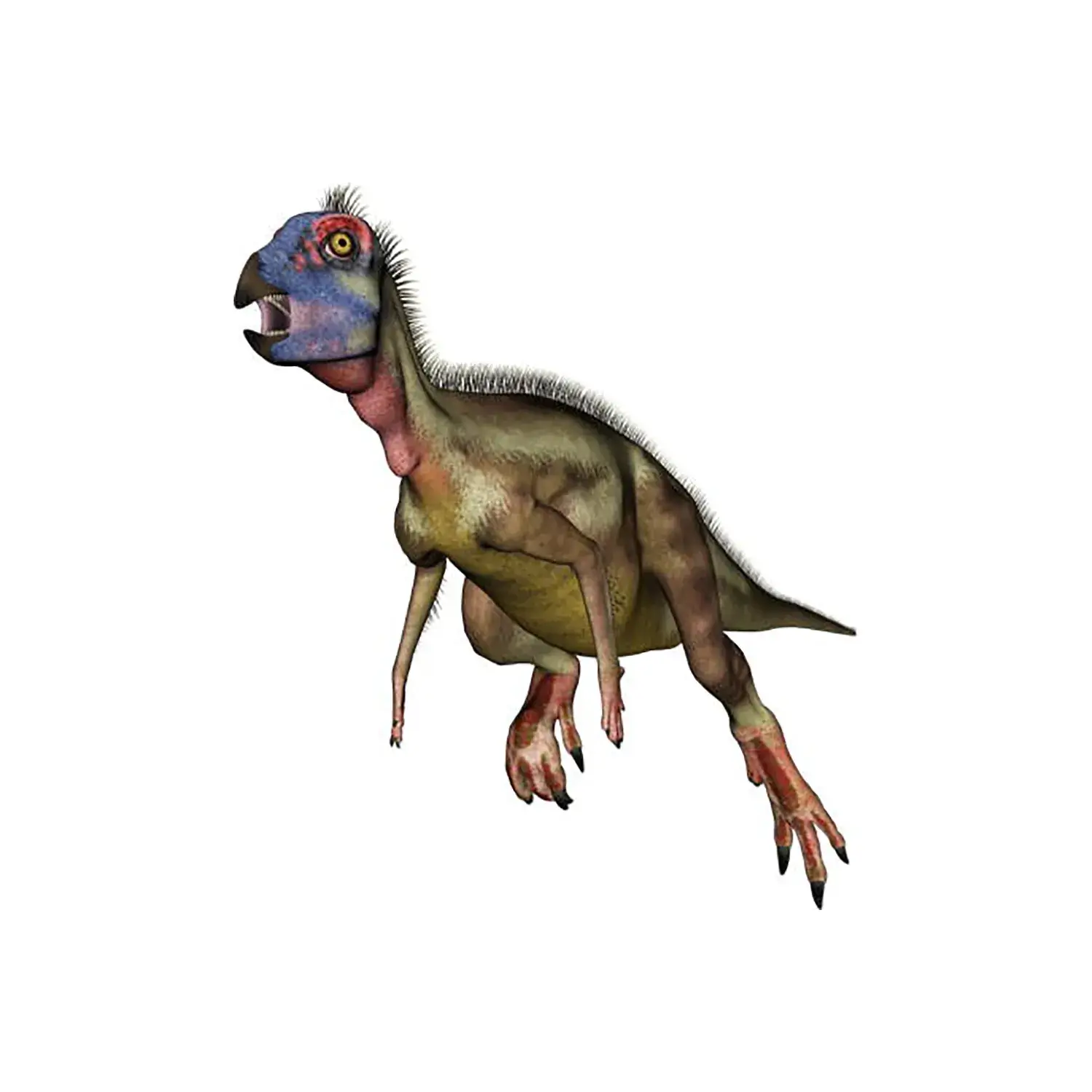
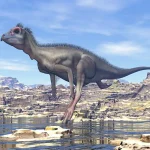
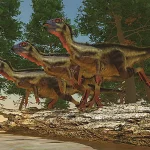
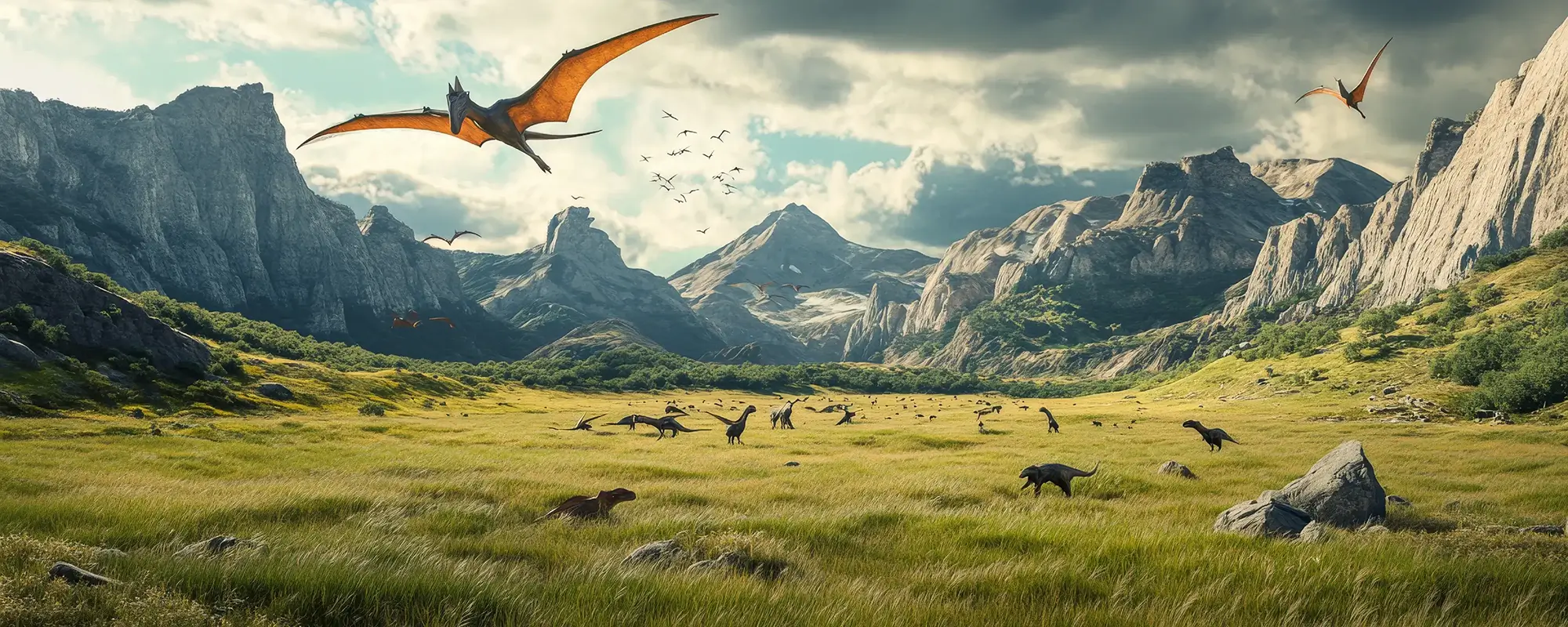
Great Britain during the Early Cretaceous period.
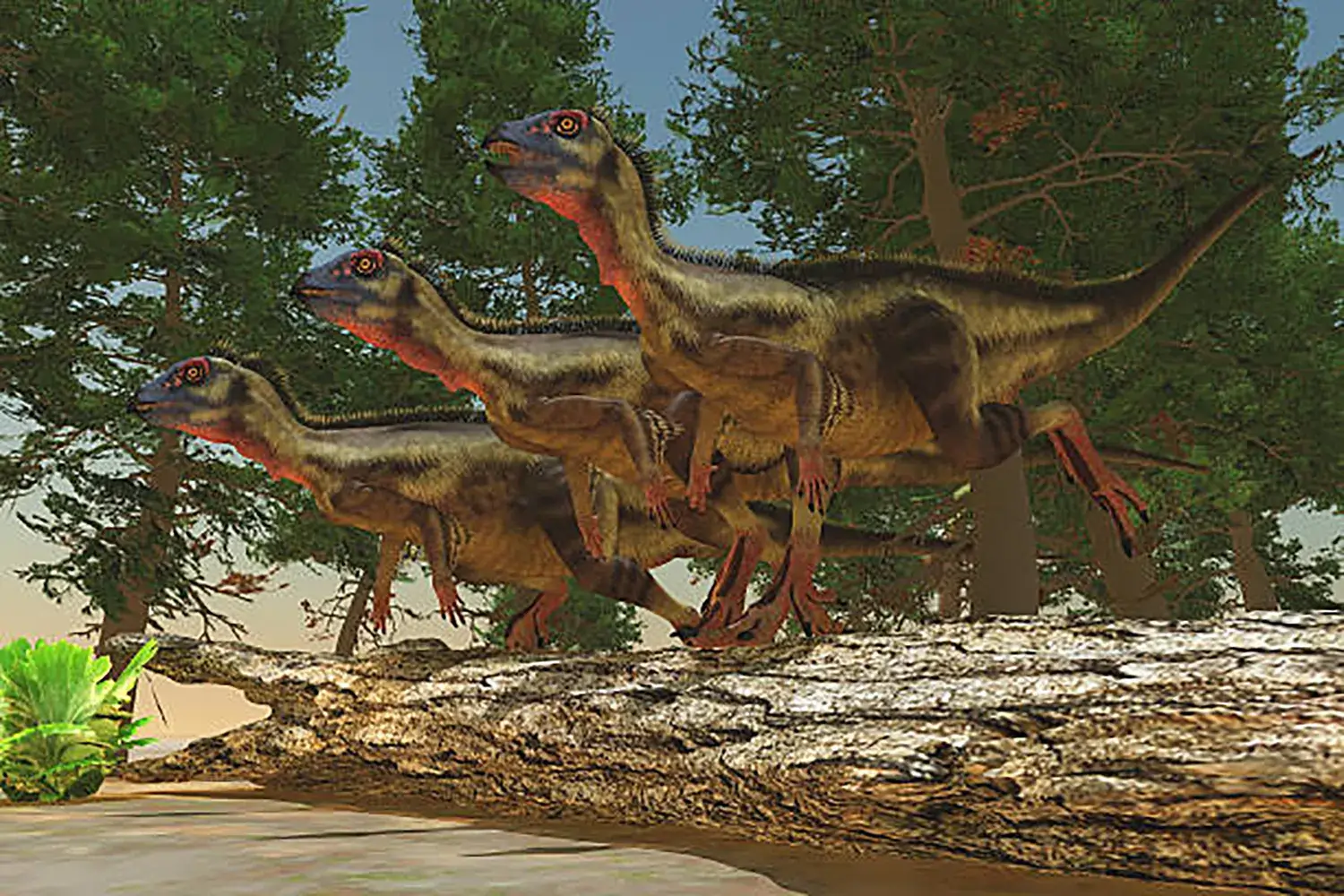
A small dinosaur darted through the humid forests and plains like the wind.
Its name was “Hypsilophodon.”
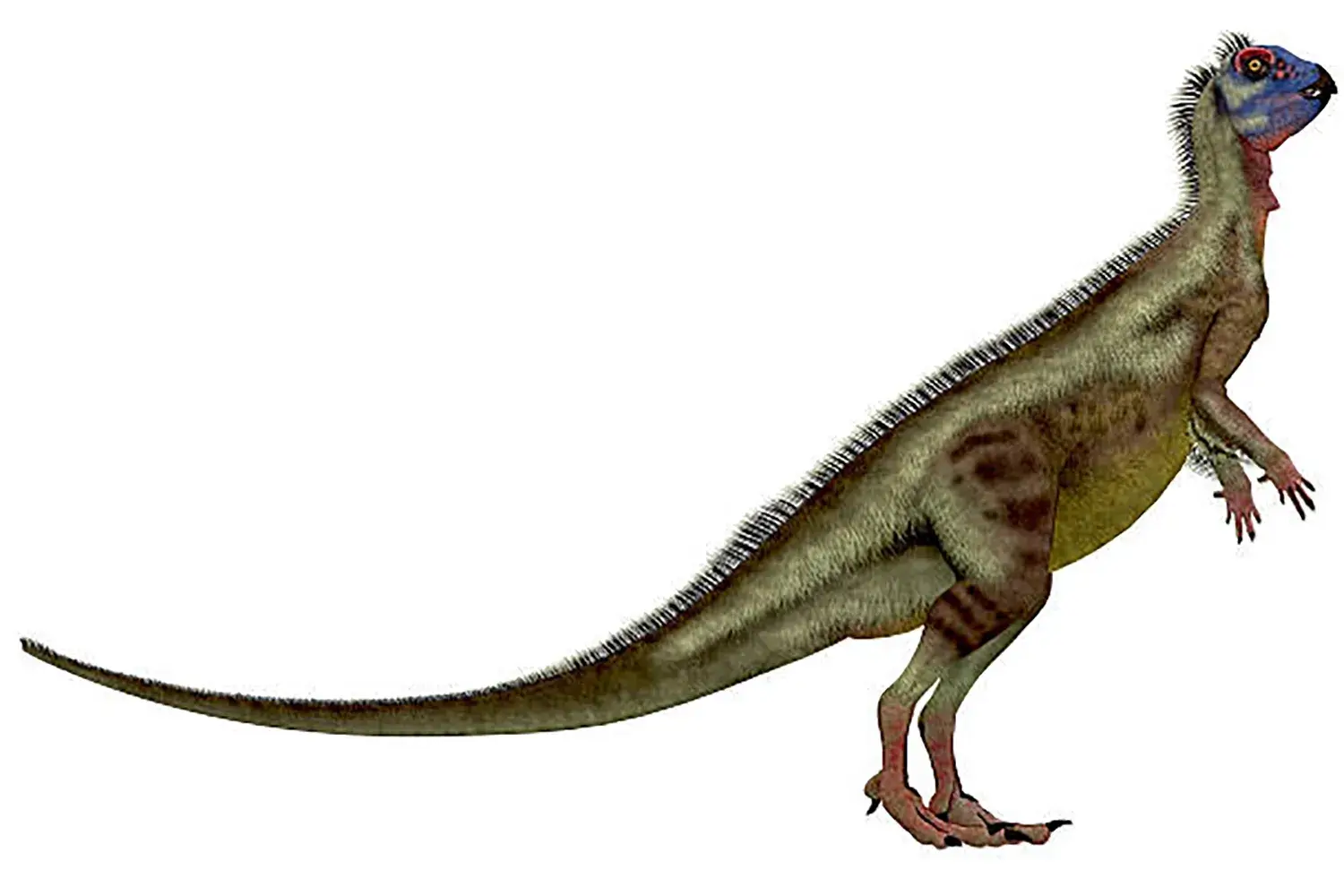
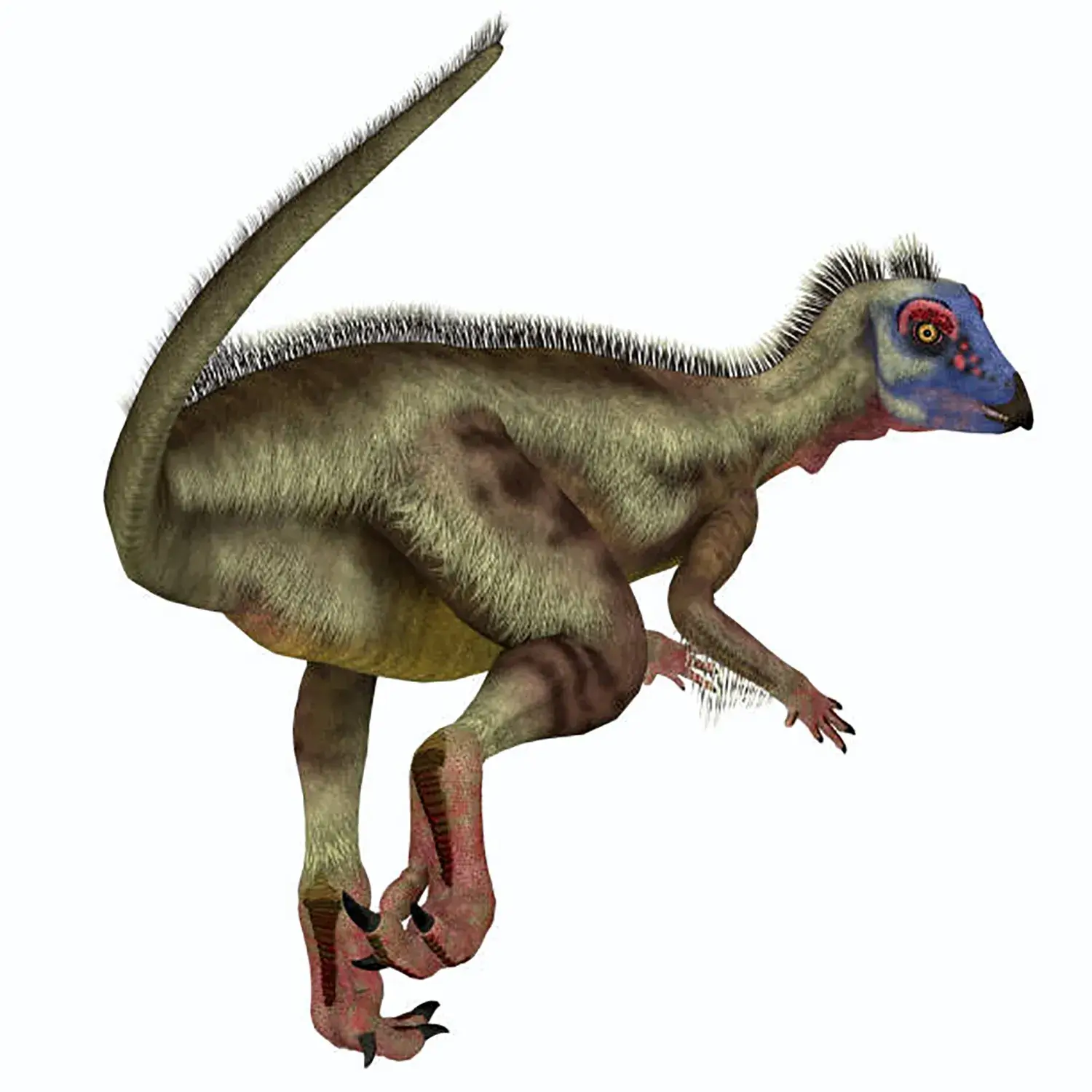
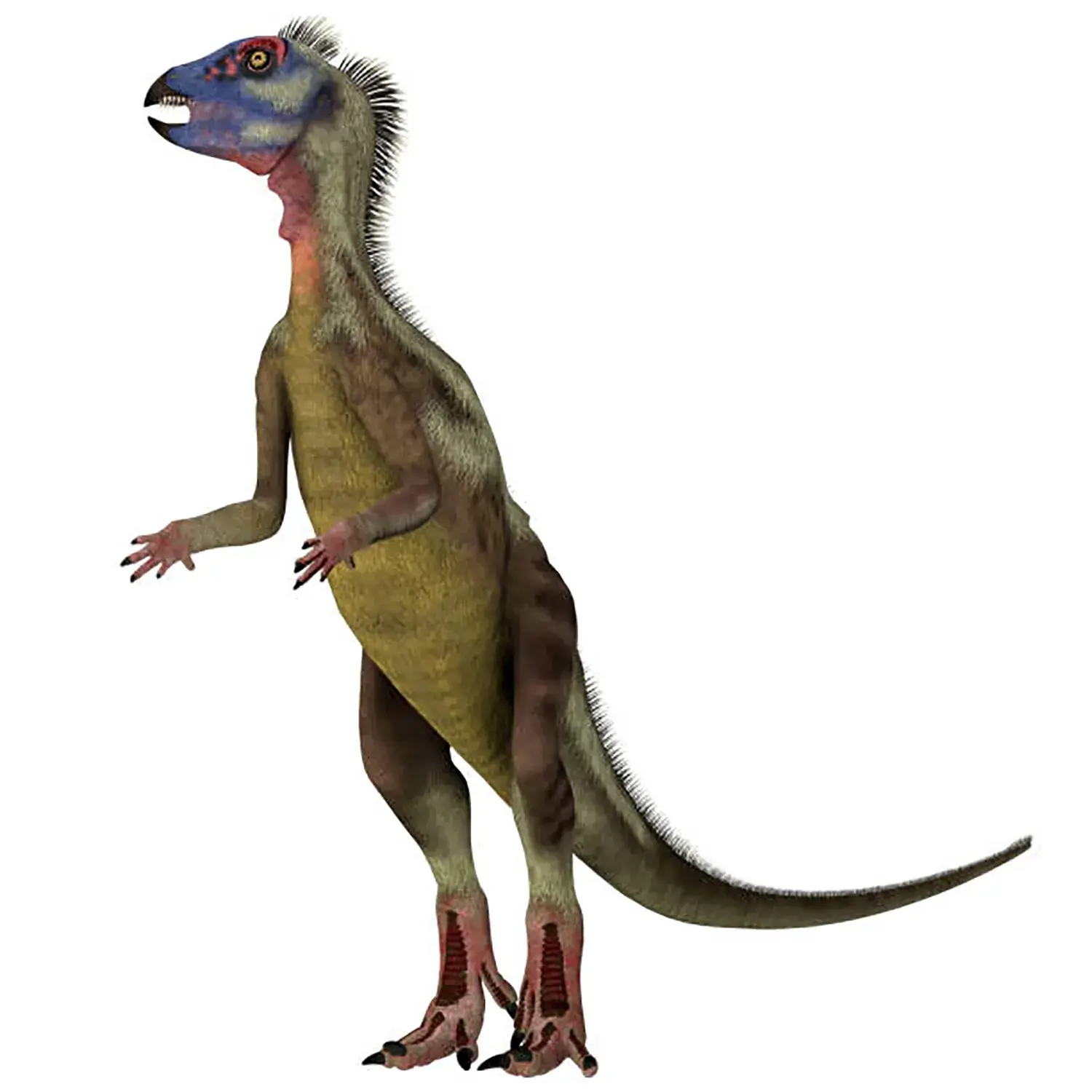
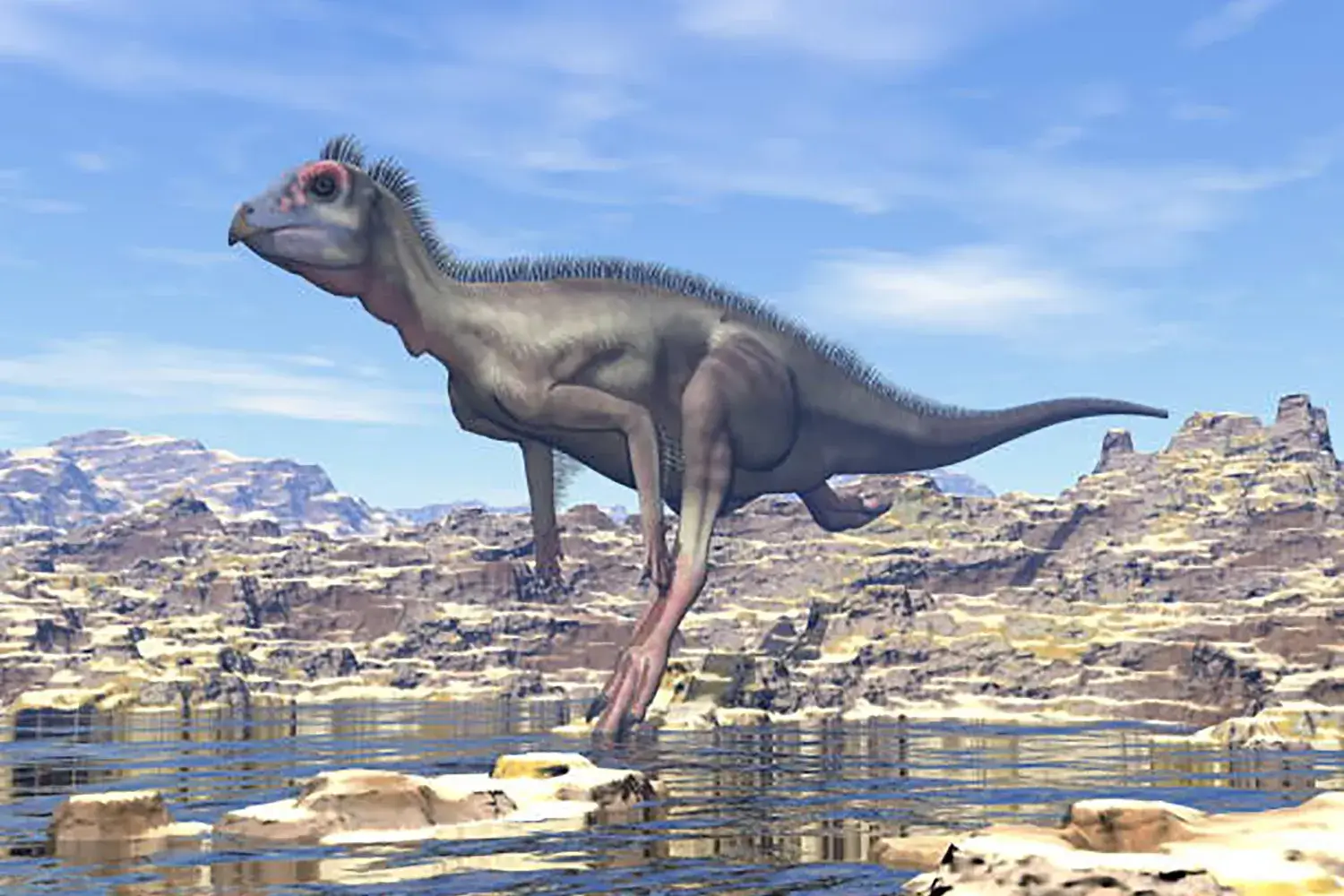
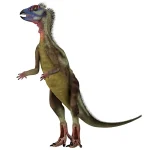
It was a small herbivorous dinosaur measuring approximately 1.5–2.3 meters in length and weighing about 25 kg.
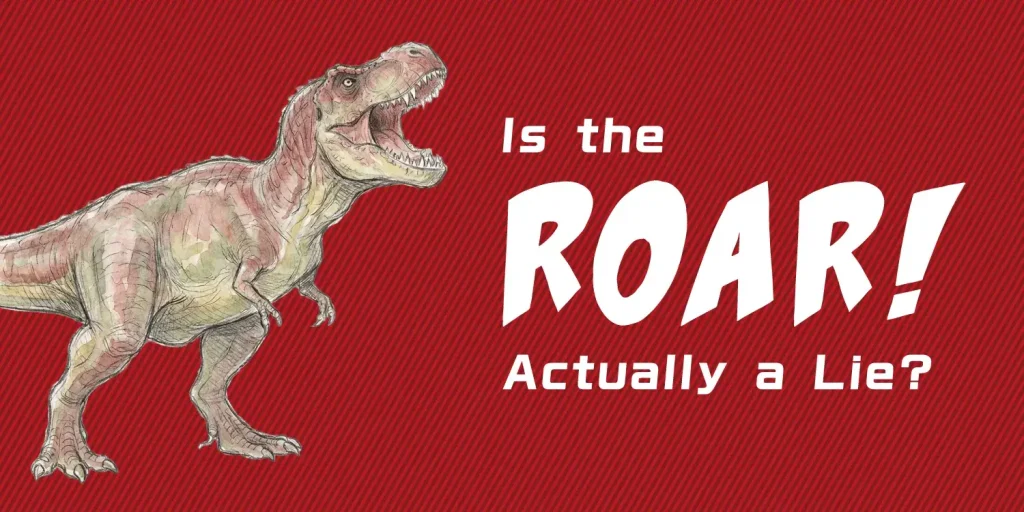
Once mistaken for a “juvenile Iguanodon,” it was also at one time believed to be a “tree-climbing dinosaur.”
A Child of Iguanodon? The History of Discovery and Naming
40 Years of Misunderstanding
Hypsilophodon fossils were first discovered in 1849, during the dawn of dinosaur research.
However, for about 40 years after its discovery, this fossil was not recognized as an independent new species but was misunderstood to be a “juvenile (child) Iguanodon,” which was already famous at the time.
This was due to the similarities in their skeletal features.
Clearing the Misunderstanding and Name Origin
In 1889, research by Thomas Henry Huxley established it as a unique species distinct from Iguanodon, and it was formally named.
The scientific name means “high-ridged tooth.”
This is derived from the resemblance of its teeth to those of a type of iguana (Hypsilophus).
Primitive yet Complete: A “Living Fossil”
Hypsilophodon lived during the Early Cretaceous (from approximately 125 million years ago), but its body retained many features that were “primitive” compared to other dinosaurs of the same era.
Teeth Remaining in the Beak
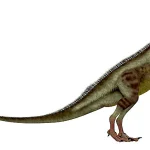
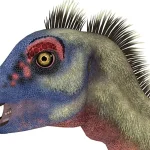
Its most distinctive feature is its head.
Unlike evolved ornithopods (such as duck-billed dinosaurs), it still retained “teeth” in the beak (premaxilla) area used for cropping plants.
It still retained “teeth” in the beak area used for cropping plants
It used its beak and nail-like front teeth to bite off vegetation, grinding it down with its back teeth.
Furthermore, the fact that it had five digits on its hands and feet was also primitive, making it something of a “living fossil” even back then.
Legs and Tail for Escape
They inhabited the same regions as ferocious carnivorous dinosaurs like Neovenator.
Lacking armor, their only means of defense was “running away.”
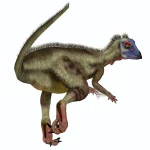
They possessed “sprinter’s legs,” where the lower leg was longer than the thigh, and a “stiff tail” that acted as a rudder when running at full speed.
It possessed “sprinter’s legs,” where the lower leg was longer than the thigh, and a “stiff tail” that acted as a rudder when running at full speed.
Like modern gazelles, they survived through their agility.
The Truth Behind the “Tree-Climbing Dinosaur” Theory
Essential to any discussion of Hypsilophodon is the former “arboreal (tree-dwelling) theory.”
A Staple of Old Encyclopedias
Initially, based on the structure of its toes, it was thought to “live in trees,” and older illustrated encyclopedias depicted it perched on tree branches.
Current Established Theory
However, subsequent research revealed that the toes were not structured for grasping branches but were instead suited for running on the ground.
This theory has now been completely debunked, and the established consensus is that they were fully “terrestrial” dinosaurs that grazed on ground vegetation.
Were They Everywhere? A “Successful Body Plan” and the Mystery of Classification
In the past, small dinosaurs resembling Hypsilophodon were found all over the world, leading to the belief that they were the “most prosperous group.”
Possibility of Parallel Evolution
However, recent research suggests that these were not the same group (blood relatives) but likely evolved from different lineages.
The style of a “small, fast-running herbivorous dinosaur” was so advantageous for survival that dinosaurs with similar appearances (body plans) appeared around the world (parallel evolution).
While the species Hypsilophodon itself was a dinosaur of the region around Great Britain, this story illustrates just how excellent its perfected “body built for escape” really was.