
Fukuisaurus
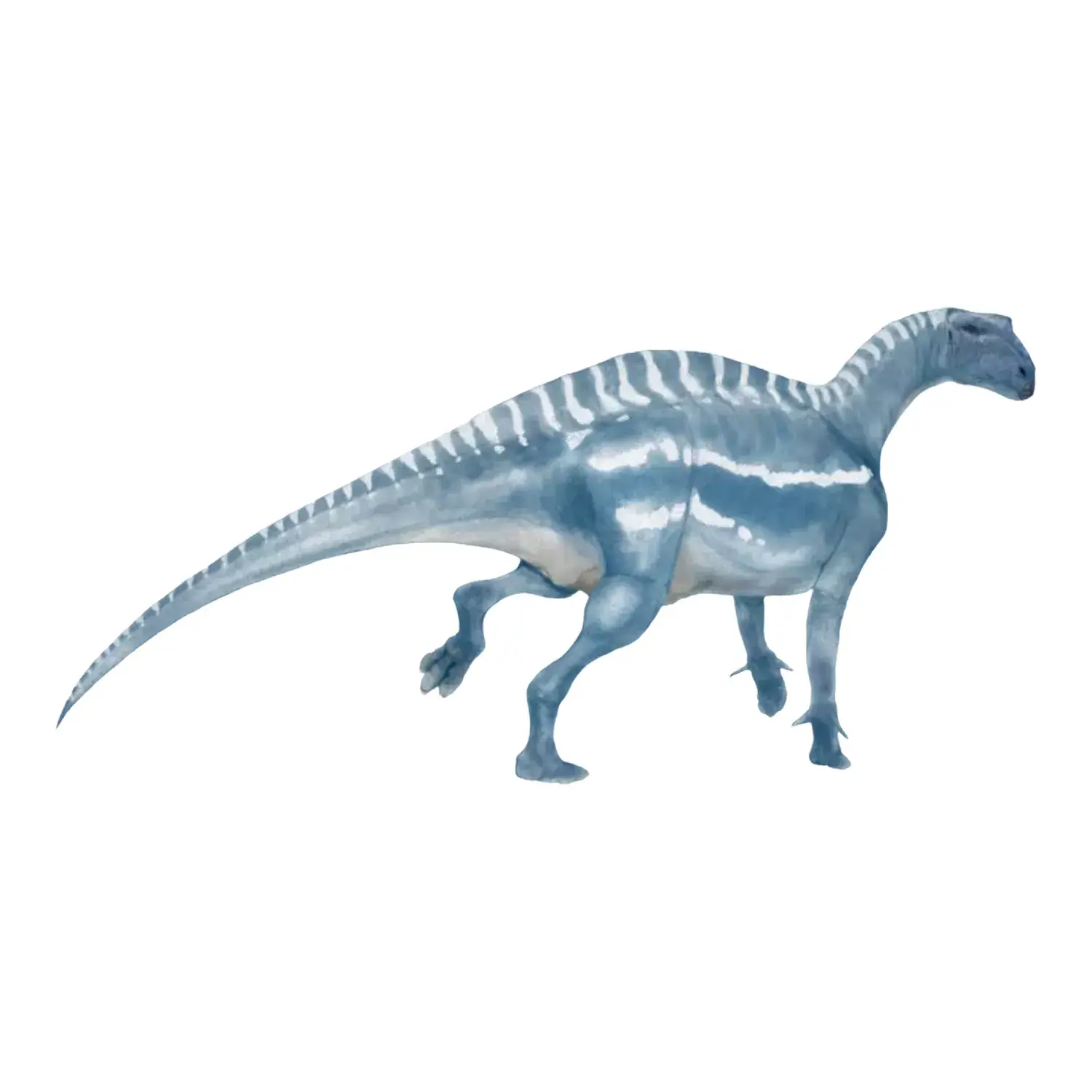
Name Origin
Fukui's Lizard
Classification
Diapsida, Ornithischia, Ornithopoda
Habitat (Discovery Location)
Japan (Fukui)
Period
Approximately 131–125 million years ago (Early Cretaceous)
Length
Approximately 4.7 meters
Weight
Approximately 400 kg
Diet
Herbivore
You might also like... 

-
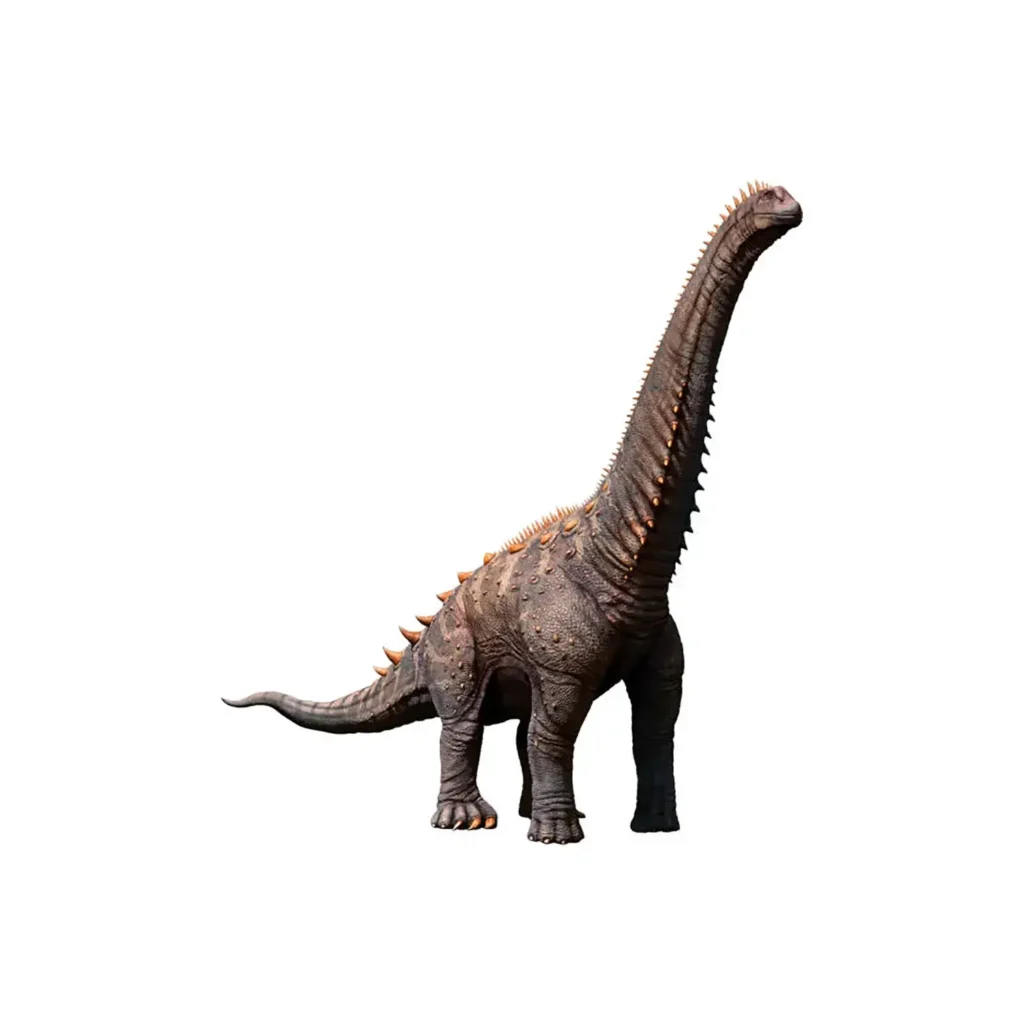
 Alamosaurus
- Classification
- Sauropods
- Characteristics
- Herbivorous
- Era
- Cretaceous period
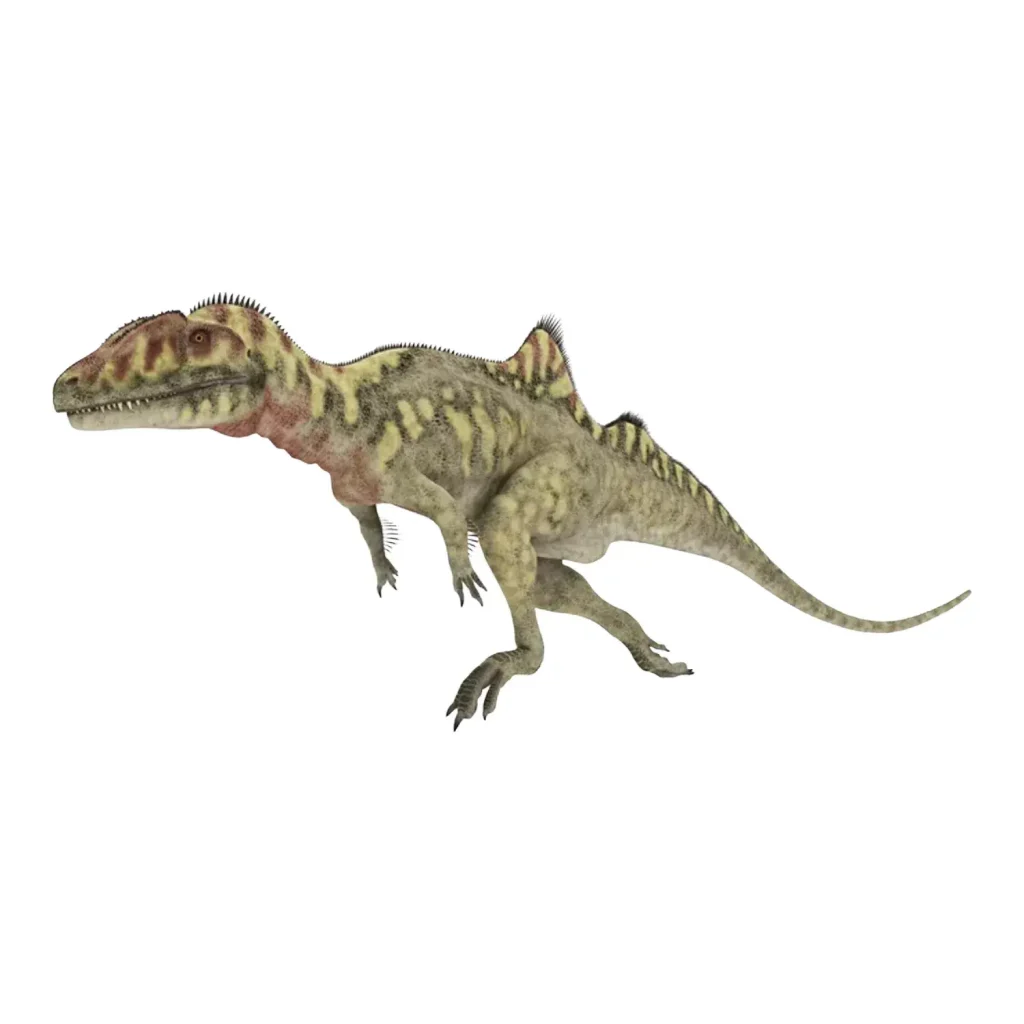
- Concavenator
- Classification
- Theropods
- Characteristics
- Carnivorous
- Era
- Cretaceous period
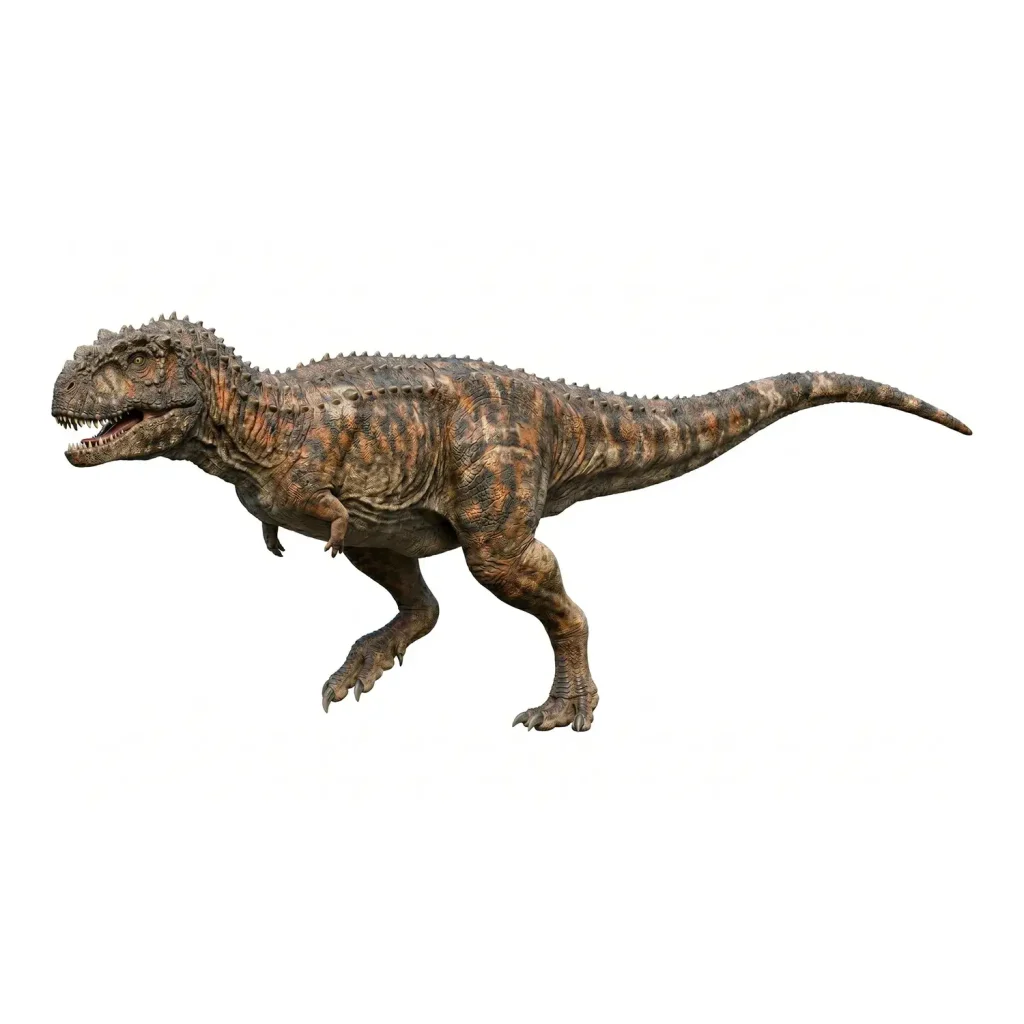
- Pycnonemosaurus
- Classification
- Theropods
- Characteristics
- Carnivorous
- Era
- Cretaceous period
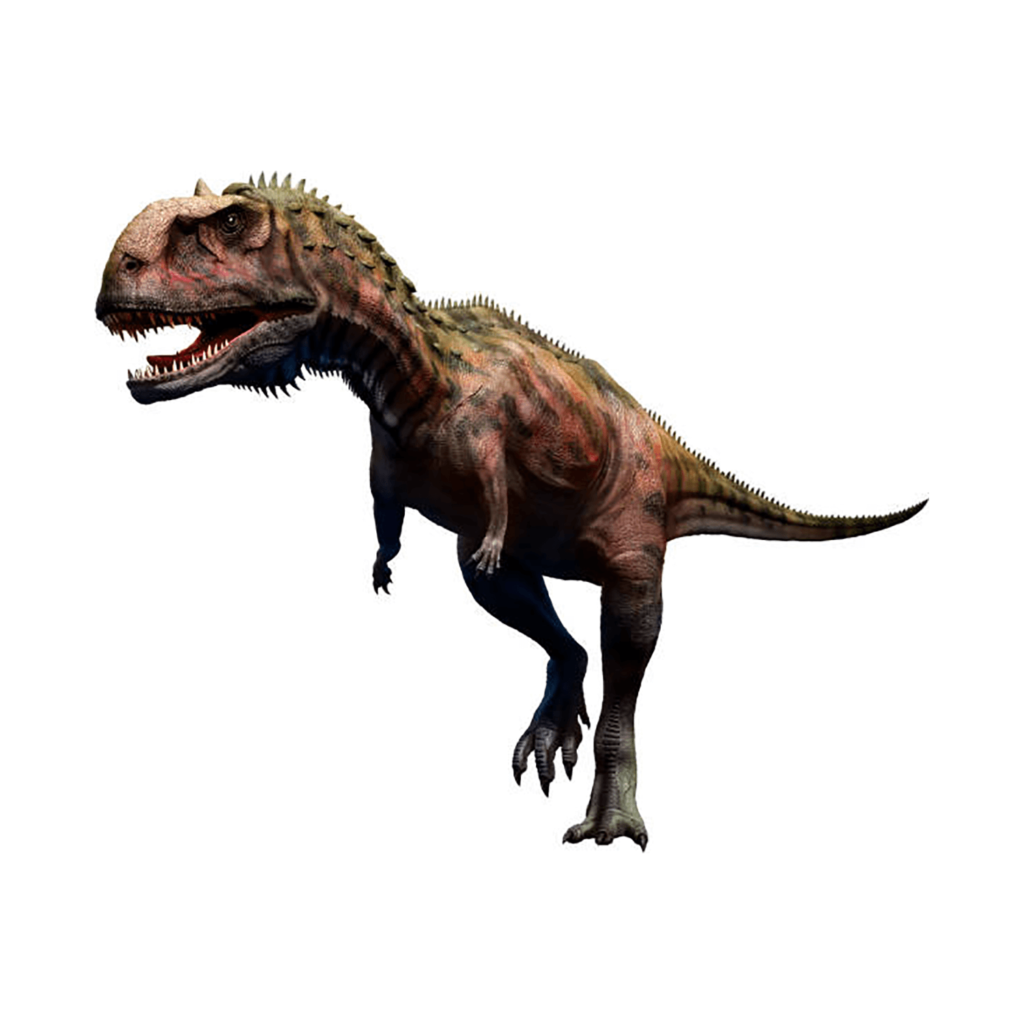
- Majungasaurus
- Classification
- Theropods
- Characteristics
- Carnivorous
- Era
- Cretaceous period
-
Sponsored Links
-
Sponsored Links









![[Latest Research] What Was the Function of Spinosaurus's Giant "Sail"? Exploring the Mysteries of Thermoregulation and Underwater Locomotion](https://dinosaurmuseum.jp/wp/wp-content/uploads/eyecatch_spinosaurus-sail-function_en-1024x512.webp)
![[Latest Discovery] A Third Type of Skin, Neither Scales Nor Feathers? Meet "Haolong dongi," a New Dinosaur Species Covered Entirely in Spikes](https://dinosaurmuseum.jp/wp/wp-content/uploads/eyecatch_dinosaur-spiky-skin-discovery_en-1024x512.webp)


Description
Katsuyama City in Fukui Prefecture is known as the “Dinosaur Kingdom.”
Discovered here, “Fukuisaurus” stands as a monumental figure in the history of Japanese dinosaur research.
This iguanodontian dinosaur, which lived during the Early Cretaceous, is also known for being the first dinosaur in Japan to have its full skeleton reconstructed.
From “Fukuiryu” to an Official Scientific Name
The history of Fukuisaurus began with excavation surveys that started in 1989 in Katsuyama City, Fukui Prefecture (Kitadani Formation, Tetori Group).
Many iguanodontian fossils were discovered during this survey, attracting attention as the most abundant dinosaur yielded from the site.
Japan’s First Achievement
Initially, it was called by the nickname “Fukuiryu” (Fukui Dragon), but due to the excellent preservation, these fossils were used to create Japan’s first “full skeletal reconstruction.”
Later, after detailed research, it was described as a new genus and species in 2003.
It was given a scientific name meaning “Lizard (saurus) of Fukui discovered in the Tetori Group,” becoming a globally recognized entity.
An Iguanodontian That Couldn’t “Expand” Its Jaws?
Fukuisaurus is a medium-sized herbivorous dinosaur measuring approximately 4.7 meters in length.
Taxonomically, it belongs to the iguanodontians (Ankylopollexia), but it possessed a very unique, and in a sense “primitive,” characteristic.
Unique Chewing Style
Many evolved iguanodontians of the time possessed a mechanism called “pleurokinesis,” where the upper jaw bones would expand outward when biting.
However, the maxilla (upper jawbone) of Fukuisaurus was extremely sturdy and could not move laterally.
Therefore, it is believed that instead of grinding their jaws side-to-side like goats, they chewed plants by simply moving their jaws up and down, much like humans.
This feature indicates that they were a species that underwent a unique evolution.
Did Its Face Change in the Latest Research? The Evolution of Restoration
The appearance of Fukuisaurus has been updated alongside the progress of research.
In previous skeletal reconstructions, the face was short and had few teeth, leading to the belief that it might be a “juvenile in the midst of growth.”
However, following the discovery of new fossils such as forelimbs and skulls from 2016 onwards, the reconstruction was reviewed.
As a result, it has now been reborn into a more accurate form with significant corrections to the shape of the head and other areas.
Coexistence with Rivals and Natural Enemies
A rich ecosystem existed in Fukui approximately 120 million years ago.
“Niche Partitioning” with Koshisaurus
From the same geological layer, a more evolved iguanodontian called “Koshisaurus” has also been discovered.
This means similar herbivorous dinosaurs occupied the same location, but the two differed in jaw structure and tooth characteristics.
It seems they coexisted without conflict (niche partitioning) by eating different types of plants or feeding at different heights.
The Threat of Fukuiraptor
Additionally, the carnivorous dinosaur “Fukuiraptor” also lived during the same era.
Fukuisaurus was likely its primary prey.
It is believed they lived a tension-filled life, chewing tough plants with their sturdy jaws while constantly fearing the shadow of predators.