
Microraptor
Name Origin
Small Robber
Family
Dromaeosauridae
Classification
Diapsida, Saurischia, Theropoda
Habitat (Discovery Location)
China
Period
Approximately 128–126 million years ago (Early Cretaceous)
Length
Approximately 50 cm – 1 meter
Weight
Approximately 2–3 kg
Diet
Carnivore (Meat-eater)
You might also like... 

-
 Gasosaurus
- Classification
- Theropods
- Characteristics
- Carnivorous
- Era
- Jurassic period
- Bambiraptor
- Classification
- Theropods
- Characteristics
- Carnivorous
- Feathered
- Era
- Cretaceous period
- Proceratosaurus
- Classification
- Theropods
- Characteristics
- Carnivorous
- Era
- Jurassic period
- Acrocanthosaurus
- Classification
- Theropods
- Characteristics
- Carnivorous
- Era
- Cretaceous period
-
Sponsored Links
-
Sponsored Links









![[Latest Research] What Was the Function of Spinosaurus's Giant "Sail"? Exploring the Mysteries of Thermoregulation and Underwater Locomotion](https://dinosaurmuseum.jp/wp/wp-content/uploads/eyecatch_spinosaurus-sail-function_en-1024x512.webp)
![[Latest Discovery] A Third Type of Skin, Neither Scales Nor Feathers? Meet "Haolong dongi," a New Dinosaur Species Covered Entirely in Spikes](https://dinosaurmuseum.jp/wp/wp-content/uploads/eyecatch_dinosaur-spiky-skin-discovery_en-1024x512.webp)


Description
It is well known that “dinosaurs evolved into birds.” However, this process involved unique forms—evolutionary experiments—that are not seen in modern birds.
A prime example of this is “Microraptor,” discovered in Liaoning Province, China.
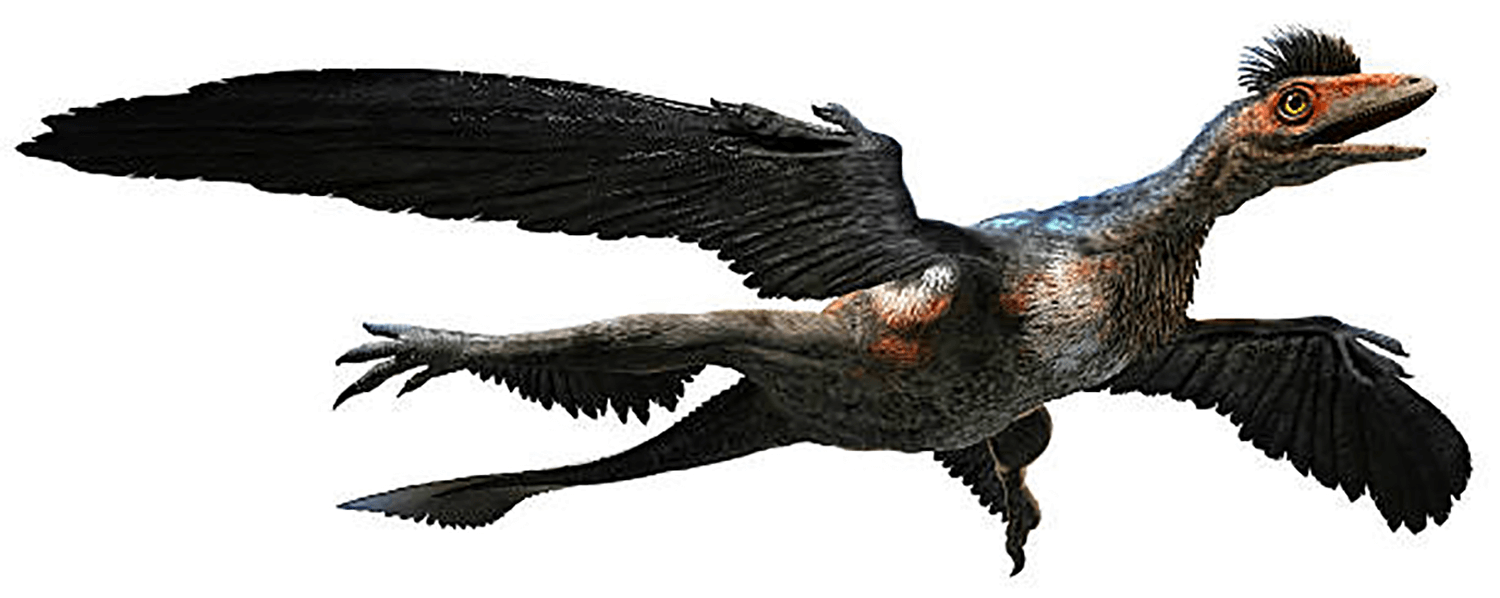
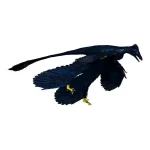
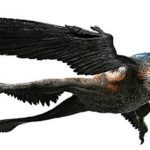
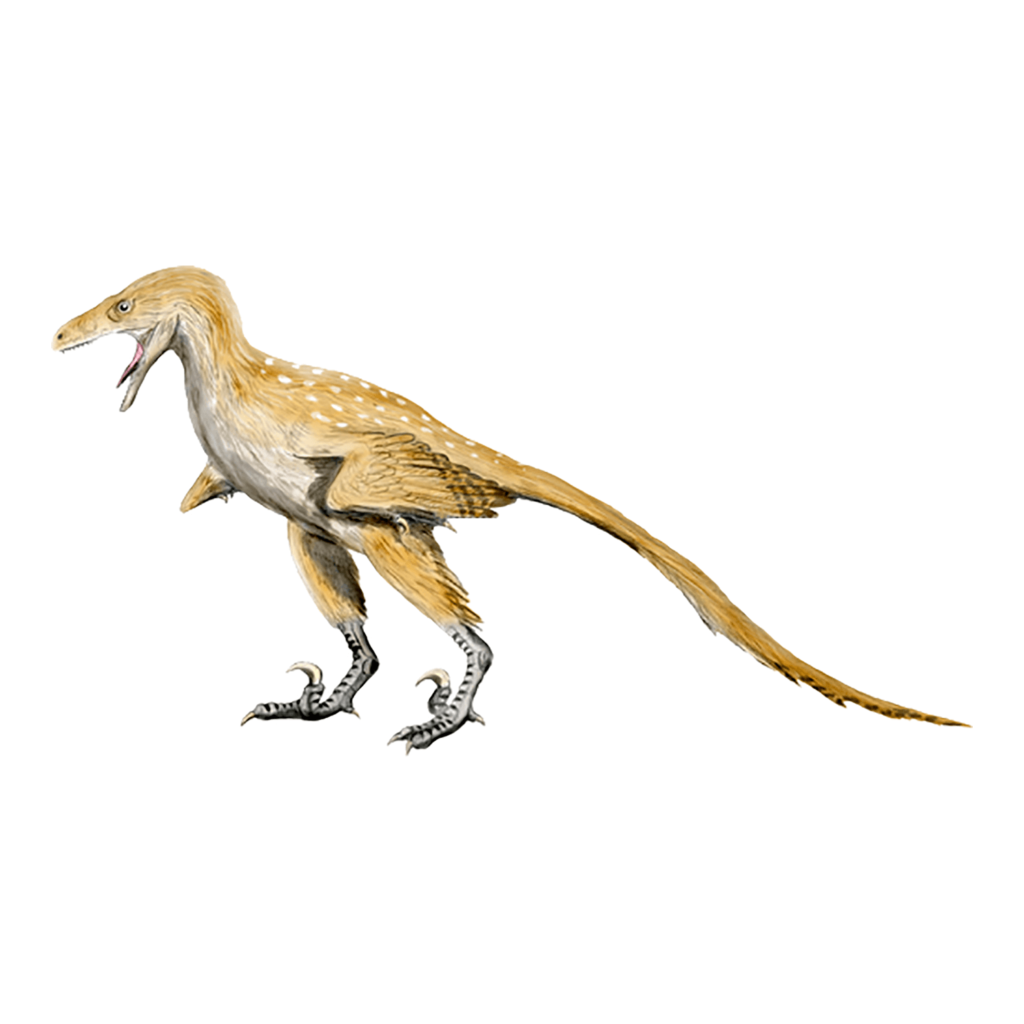
This small dinosaur, which lived during the Early Cretaceous, possessed impressive wings not only on its forelimbs but also on its hindlimbs.
Recent research has revealed that its feathers were black with an iridescent sheen, like a crow’s, and that it was a gourmet hunter that ate everything from fish to birds.
A Crow-Sized “Robber” with Four Wings
Size and Origin of the Name
Its scientific name combines “Micro” (small) and “Raptor” (robber), meaning “Small Robber.”
It measured about 50 to 80 cm in length, reaching a maximum of around 1 meter.
Slightly larger than a pigeon or about the size of a crow, it is one of the smallest dinosaurs.
Unprecedented “Hind Wings”
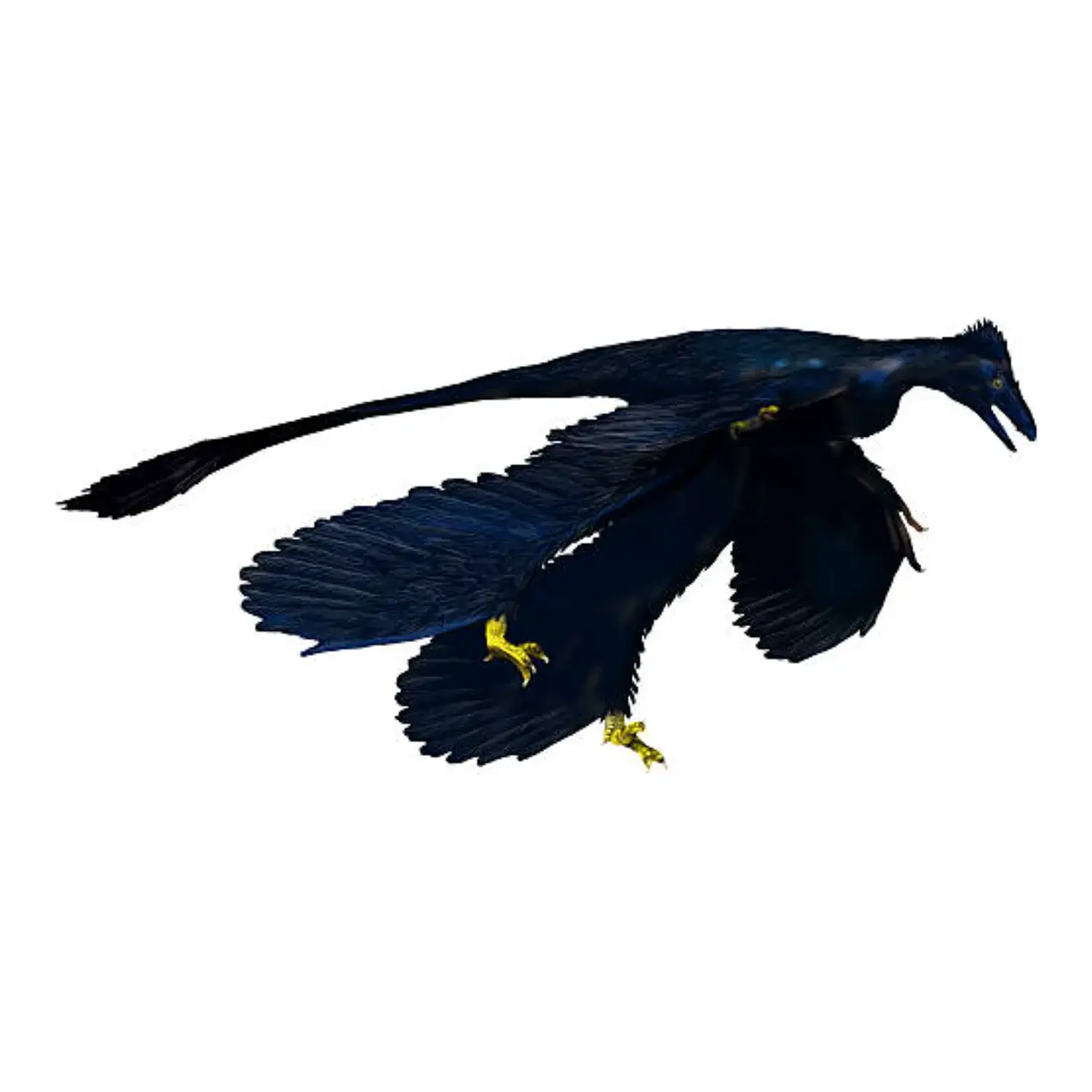
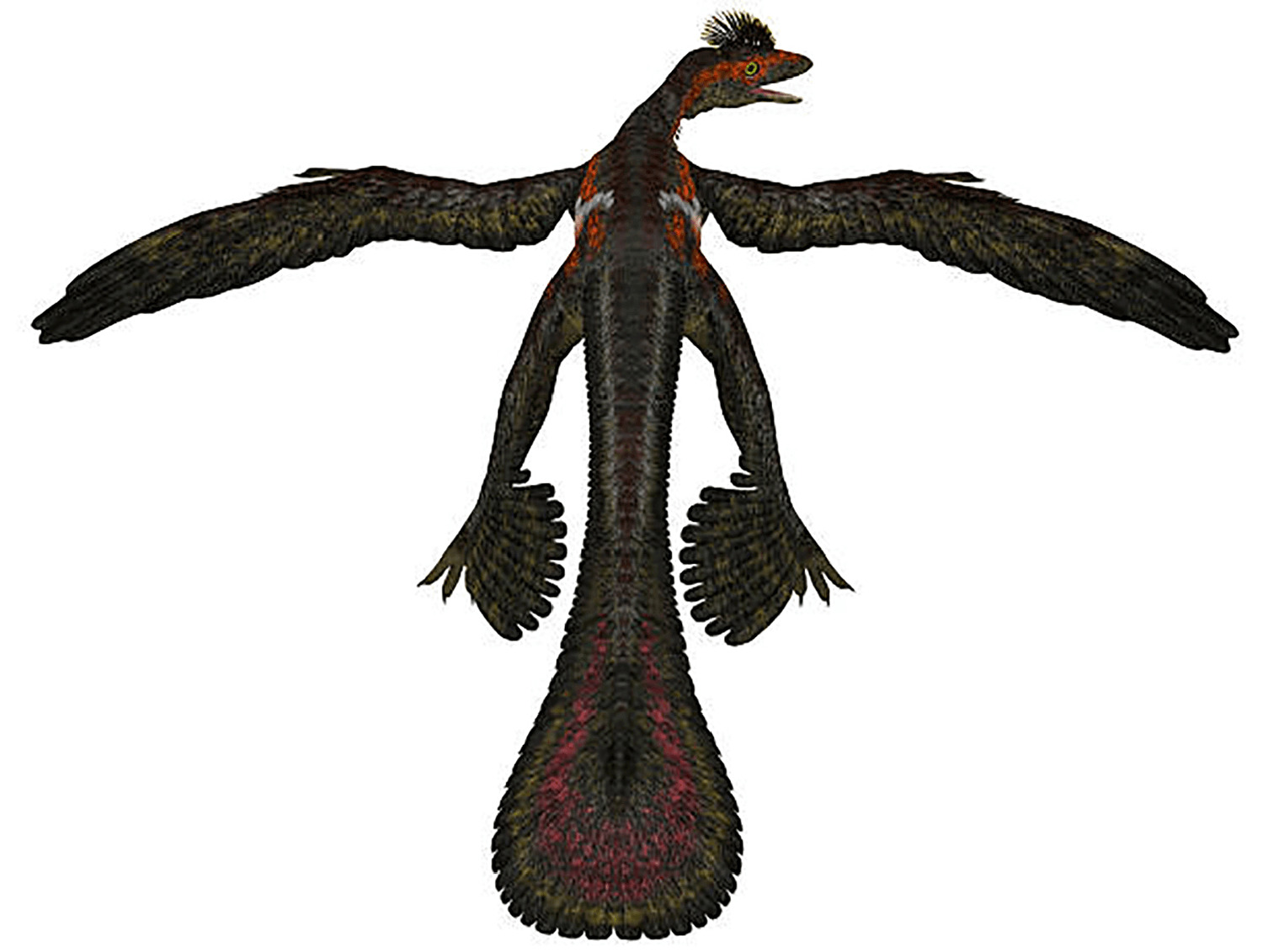
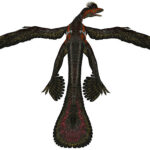
Its most distinctive feature is that long, stiff “flight feathers” grew not only on its forelimbs but also on its hindlimbs.
Long, stiff “flight feathers” grew on its hindlimbs as well
These were not merely feathers for warmth, but wings for flight.
This “four-winged” appearance was a complete form that emerged during the dinosaur’s transition to the skies.
How Did It Fly? Gliding and the “Biplane” Theory
How did the four-winged Microraptor move through the air?
Flapping or Gliding?
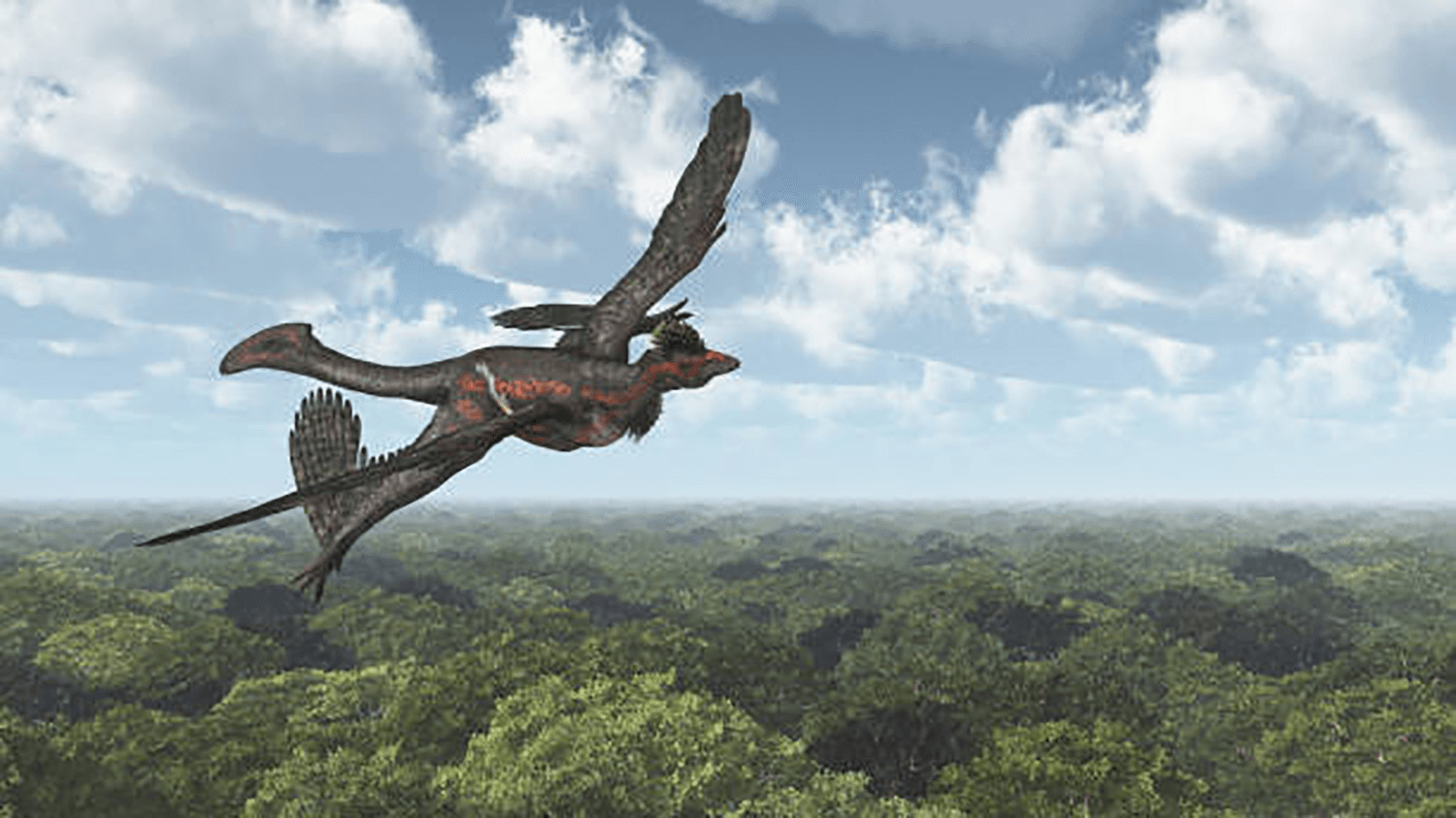
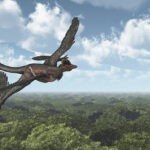
Although its shoulder structure was more developed than that of Archaeopteryx and it is believed to have been capable of flapping, the prevailing theory is that it “glided from trees.”
It is thought that it leaped from high trees like a flying squirrel, using its hind wings to gain stability and lift.
It glided from trees like a flying squirrel
A Biplane-like Style
Initially, a “biplane” style—spreading the hind legs straight out to the sides—was proposed, but the structure of the hip joints made such a spread difficult.
The leading theory now suggests it glided in a “tandem wing” configuration, extending its hind legs beneath or behind the body, and used these limbs to maneuver freely through the forest with sharp turns.
Iridescent Feathers and Proof of “Diurnal Activity”
The “color” of Microraptor has been determined from well-preserved fossils.
A Crow-like Sheen
Analysis of pigment cells (melanosomes) revealed that the feathers were black and possessed a metallic luster that shone with “iridescence” due to light interference.
It had a coloration similar to crows or starlings.
Rejection of the Nocturnal Theory
It was once thought to be nocturnal, but since iridescent feathers are used for display (such as courtship) in sunlight, it is now considered highly likely that they were “diurnal” and active during the day.
The Last Supper: A Gourmet Hunter Eating Birds and Fish
Fossils preserving the stomach contents of Microraptor have revealed a surprising diet.
Birds
It swallowed primitive tree-dwelling birds whole.
Fish
It caught fish at the water’s edge.
Lizards
It also ate ground-dwelling reptiles.
They did not target only specific prey; they were “competent generalists” (predators that eat anything) hunting in trees, on the ground, and by the water.
The high mobility provided by their four wings supported this diverse diet.