
Liaoningosaurus
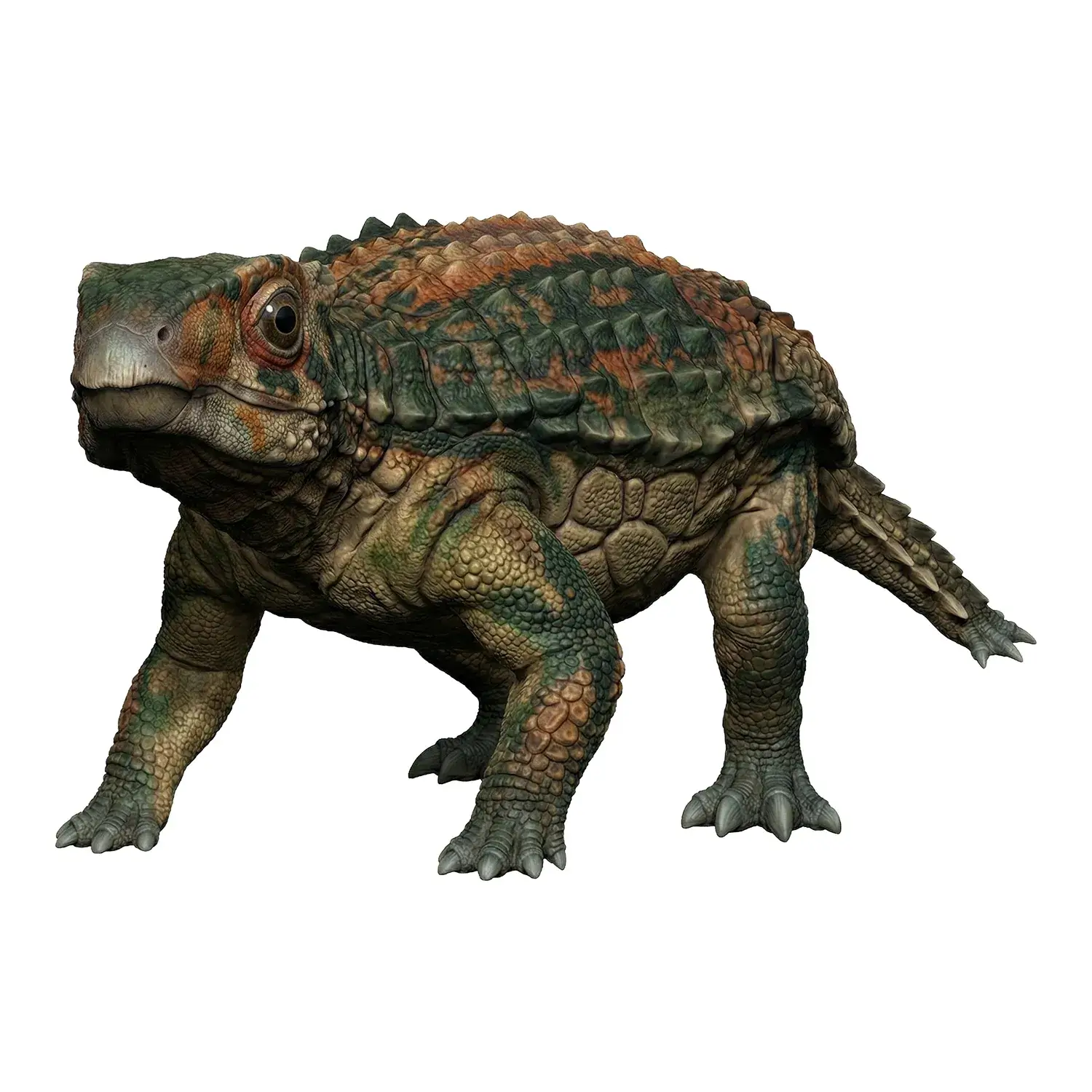
Name Origin
Lizard of Liaoning (Named after Liaoning Province, China)
Family
Nodosauridae
Classification
Diapsida, Ornithischia, Thyreophora
Habitat (Discovery Location)
China
Period
Early Cretaceous
Length
Approximately 31–34 cm
Diet
Piscivore (Fish-eater)
You might also like... 

-
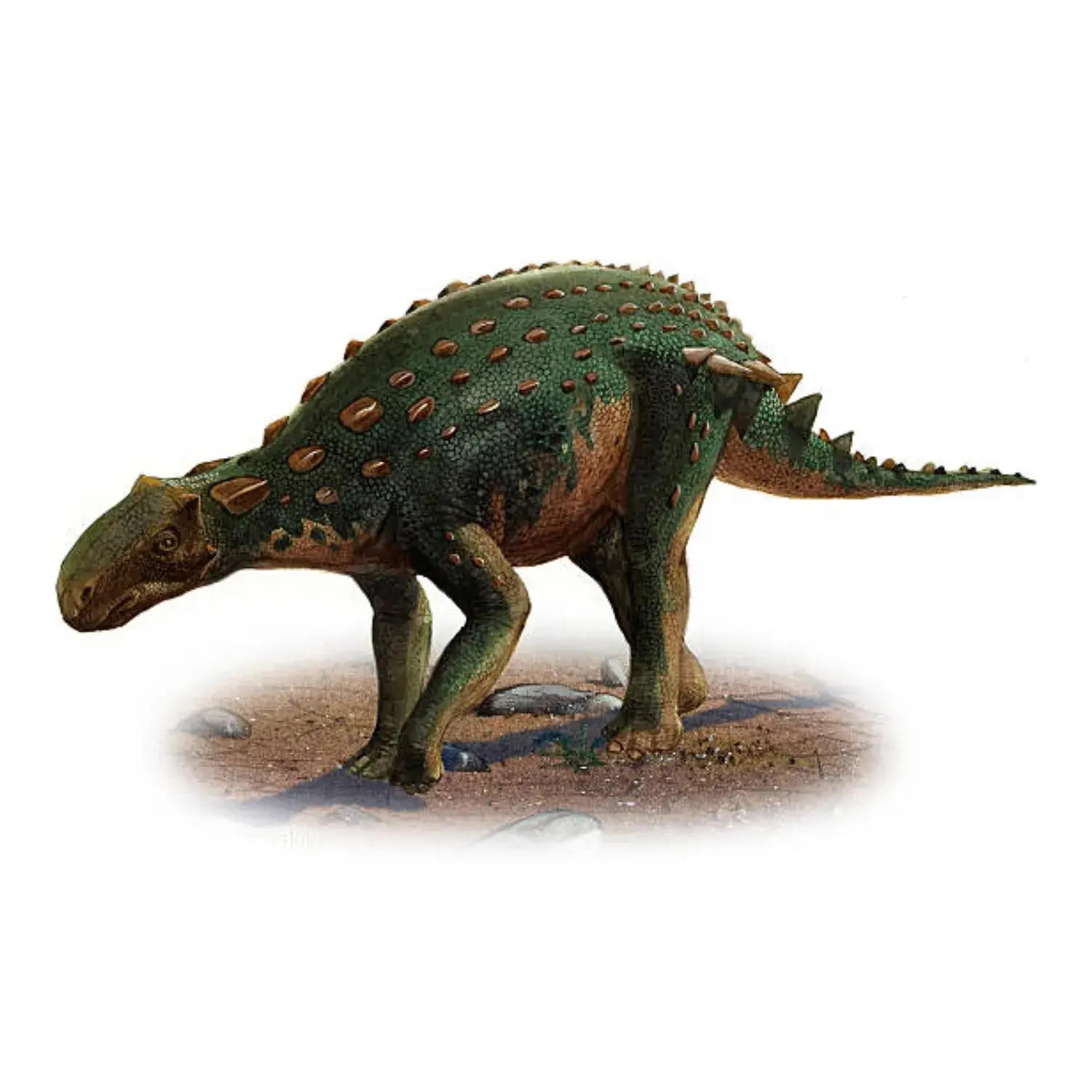
 Tambatitanis
- Classification
- Sauropods
- Characteristics
- Herbivorous
- Era
- Cretaceous period
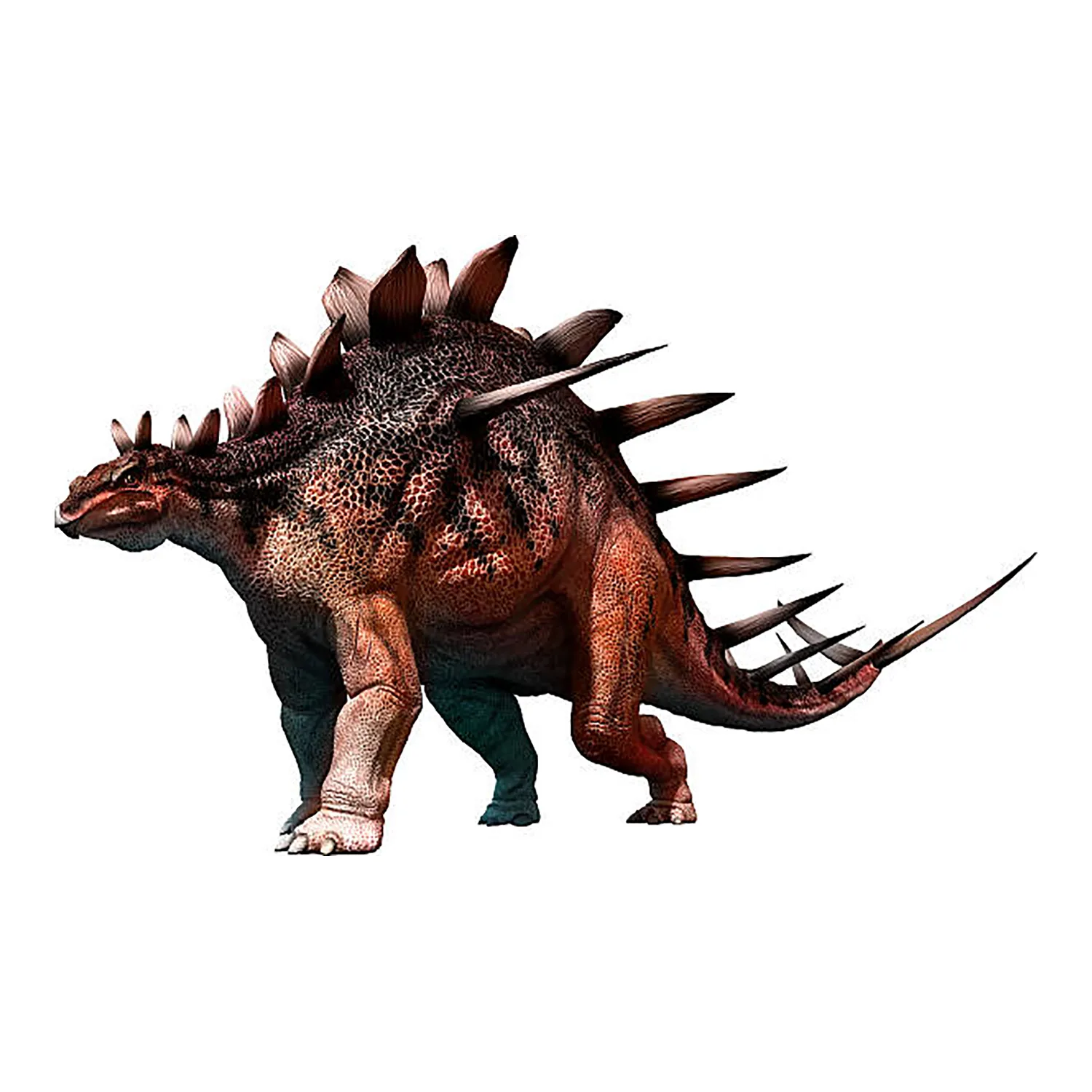
- Rhamphorhynchus
- Classification
- Flying reptiles
- Characteristics
- Carnivorous
- Era
- Jurassic period
- Ichthyosaurus
- Classification
- Marine reptiles
- Characteristics
- Carnivorous
- Era
- Jurassic period
- Avimimus
- Classification
- Theropods
- Characteristics
- Carnivorous
- Omnivorous
- Feathered
- Era
- Cretaceous period
-
Sponsored Links
-
Sponsored Links








![[Latest Research] What Was the Function of Spinosaurus's Giant "Sail"? Exploring the Mysteries of Thermoregulation and Underwater Locomotion](https://dinosaurmuseum.jp/wp/wp-content/uploads/eyecatch_spinosaurus-sail-function_en-1024x512.webp)
![[Latest Discovery] A Third Type of Skin, Neither Scales Nor Feathers? Meet "Haolong dongi," a New Dinosaur Species Covered Entirely in Spikes](https://dinosaurmuseum.jp/wp/wp-content/uploads/eyecatch_dinosaur-spiky-skin-discovery_en-1024x512.webp)

Description
Liaoning Province, China, during the Early Cretaceous.
From the “Jehol Group,” where many well-preserved fossils are found, a strange dinosaur that overturned conventional wisdom was discovered.
It is “Liaoningosaurus.”
Meaning “Lizard of Liaoning,” this dinosaur is a member of the Ankylosauria (armored dinosaurs), but it possesses astonishing features unseen in its relatives, such as an “aquatic lifestyle” and a “piscivorous diet.”
Palm-Sized! The Fossils Found Were “Babies”
The fossils of Liaoningosaurus discovered to date share a certain commonality.
Total Length of Only 30 cm
The fossils found measure only about 31 to 34 cm in length.
Due to the lack of fusion in the spine, these are believed to be fossils of “babies (juveniles)” rather than adults (there is also a theory that they are juveniles of the closely related Chuanqilong).
However, the wonders of evolution were condensed within this tiny body.
The Mystery of Armor Protecting the “Belly” Instead of the Back
Typical armored dinosaurs (such as Ankylosaurus) developed sturdy armor on their backs to protect themselves from external enemies like Tyrannosaurus.
However, Liaoningosaurus underwent the exact opposite evolution.
Protecting the Abdomen, Usually a Weak Point
They developed sturdy armor on their “ventral side (belly)” rather than on their backs.
Why was it necessary to prioritize protecting the belly, which would be a weak point for normal armored dinosaurs? The reason lay hidden in their lifestyle.
Overturning Established Theories! “Aquatic Life” and “Piscivory”
The key to solving the mystery of the belly armor lies in the fact that they lived in the water, not on land.
Turtle-like Aquatic Life
Based on features such as the structure of the hip joints and the long claws on the limbs, it has been determined that Liaoningosaurus highly likely led an “aquatic life” much like a turtle.
The mysterious “belly armor” is thought to have been an adaptation to prevent attacks from below while swimming, or to protect the abdomen from injury against rocks on the water bottom.
Armored Dinosaurs Were Not Just Herbivores?
Even more shocking was the discovery of “large quantities of fish fossils” within the abdominal cavity.
Until then, the established theory was that “all ankylosaurs were herbivores,” but this discovery proved that they (at least the juveniles) were carnivores that ate fish, or omnivores.
They likely swam around like turtles in the water, preying on fish using their sharp claws and beaks.