
Khankhuuluu
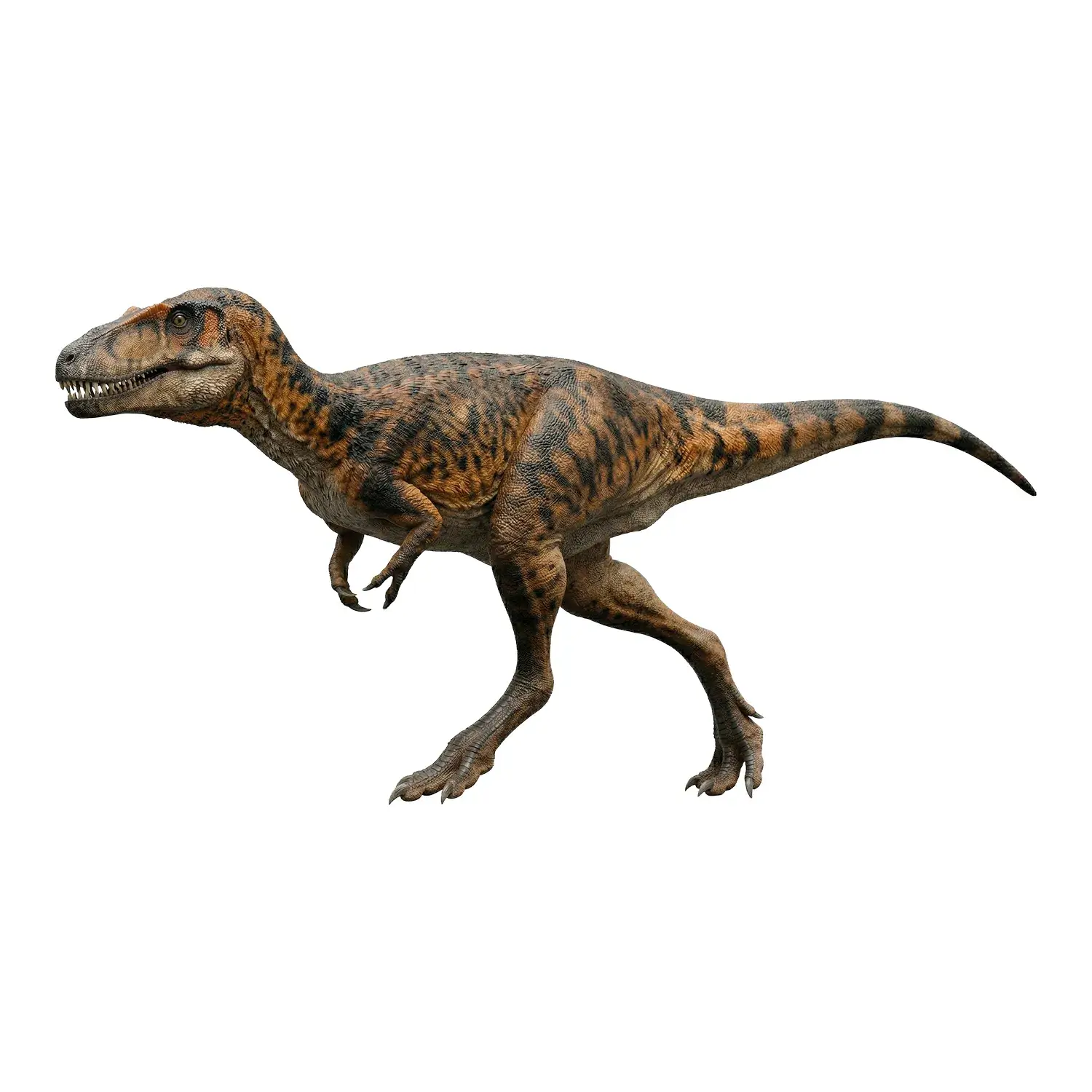
Name Origin
Prince's Dragon
Family
Tyrannosauroidea
Classification
Reptilia, Saurischia, Theropoda
Habitat (Discovery Location)
Mongolia
Period
Approximately 90–86 million years ago (Late Cretaceous)
Length
Approximately 4 meters
Weight
Approximately 500–750 kg
Diet
Carnivore (Meat-eater)
You might also like... 

-
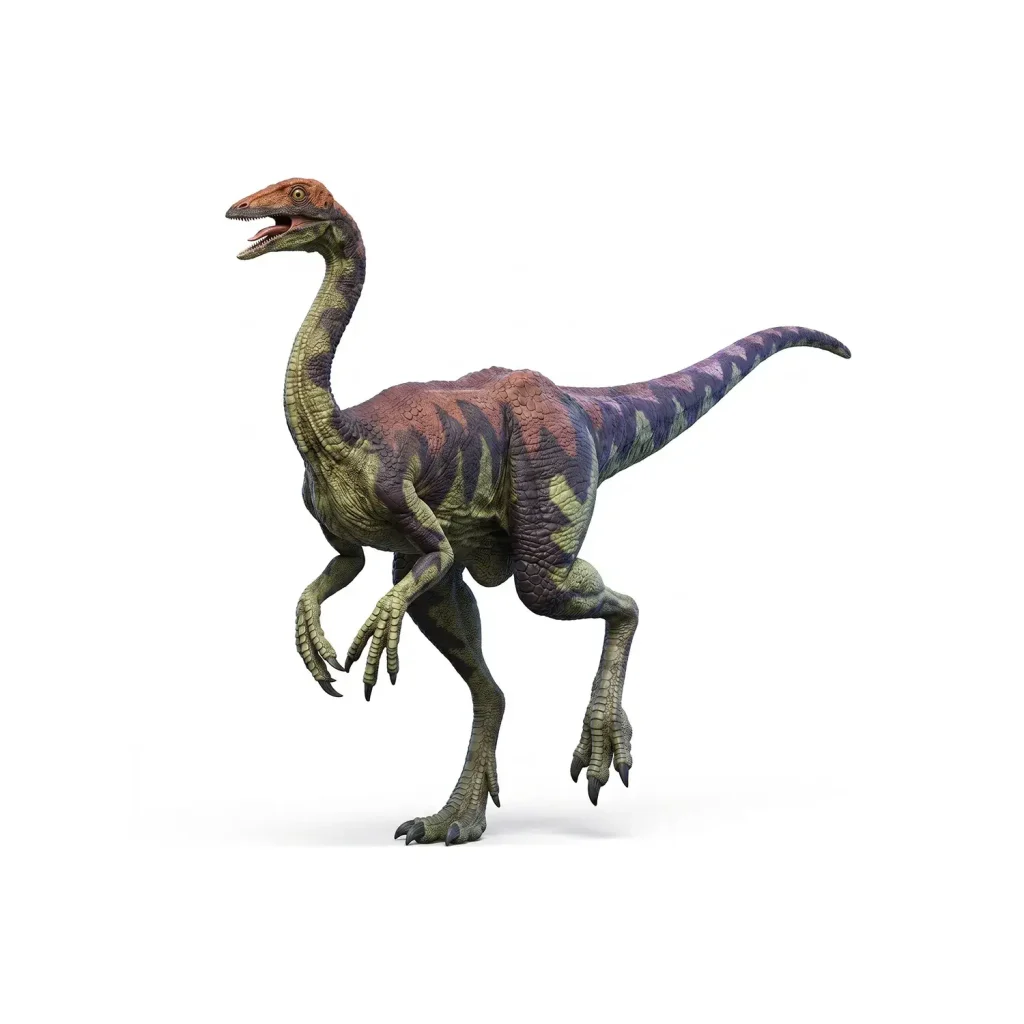
 Archaeornithomimus
- Classification
- Theropods
- Characteristics
- Omnivorous
- Era
- Cretaceous period
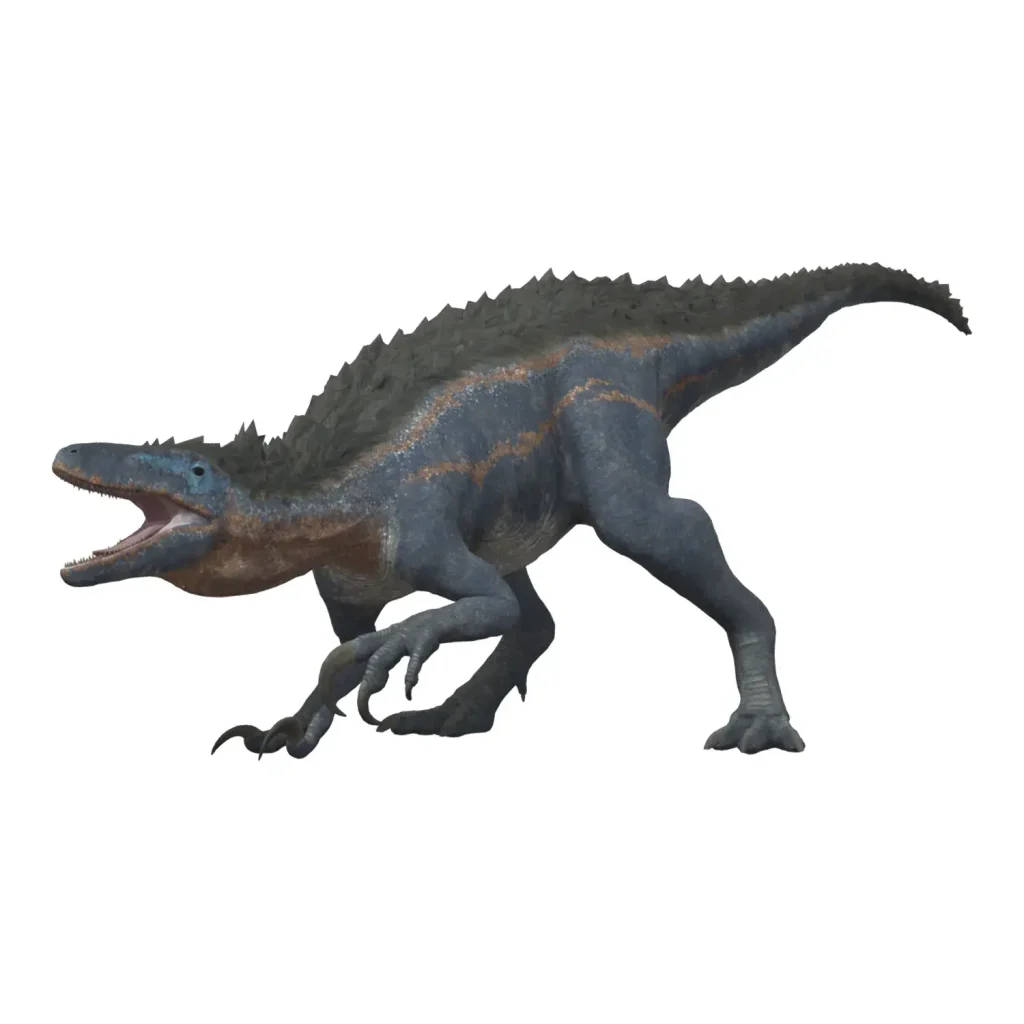
- Maip
- Classification
- Theropods
- Characteristics
- Carnivorous
- Era
- Cretaceous period
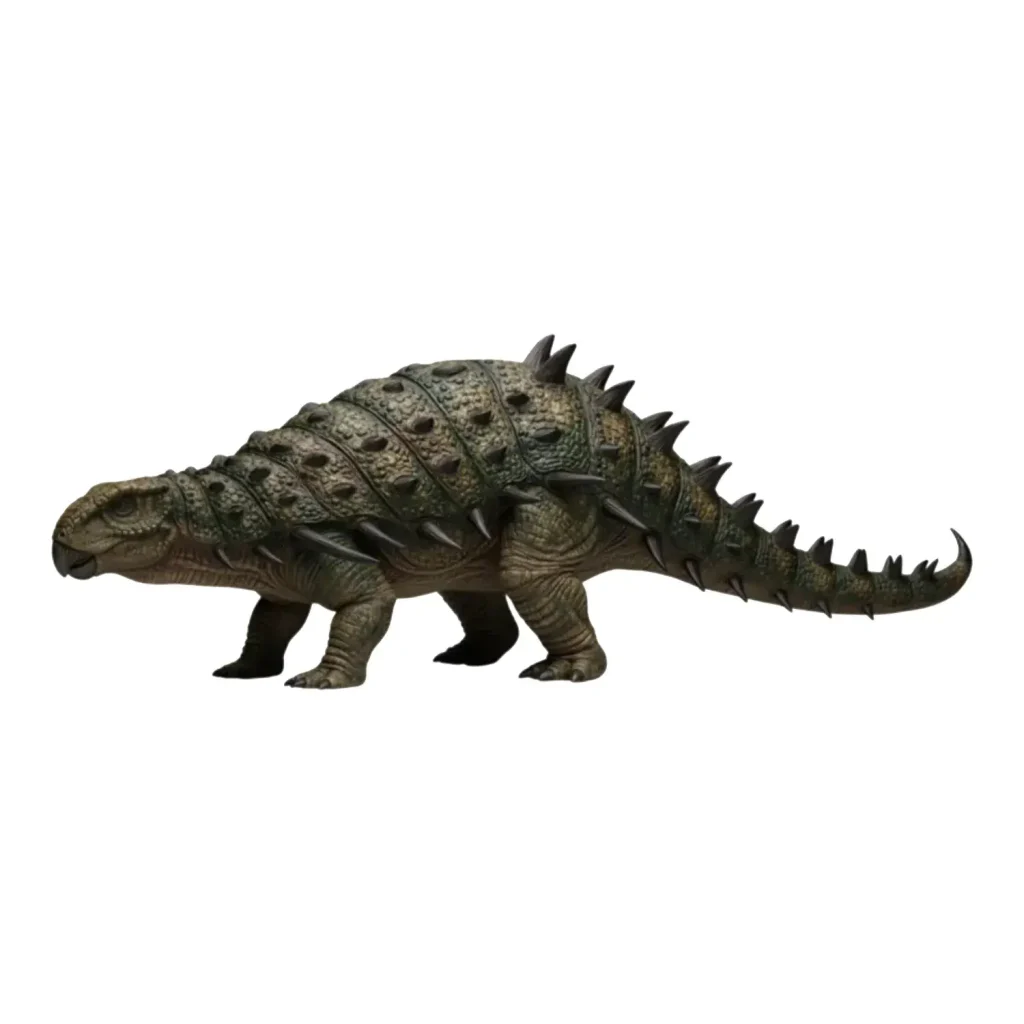
- Hylaeosaurus
- Classification
- Thyreophora
- Characteristics
- Herbivorous
- Era
- Cretaceous period
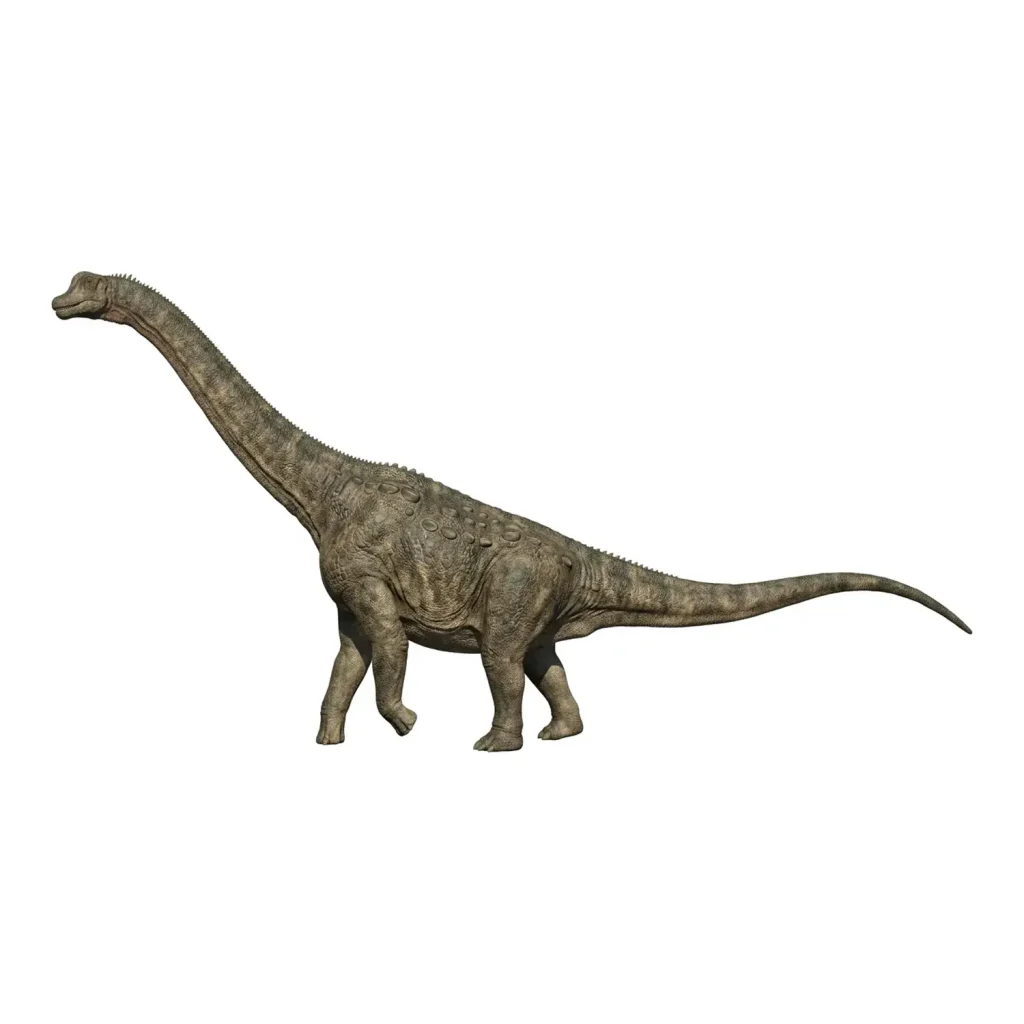
- Paralititan
- Classification
- Sauropods
- Characteristics
- Herbivorous
- Era
- Cretaceous period
-
Sponsored Links
-
Sponsored Links







![[Latest Research] What Was the Function of Spinosaurus's Giant "Sail"? Exploring the Mysteries of Thermoregulation and Underwater Locomotion](https://dinosaurmuseum.jp/wp/wp-content/uploads/eyecatch_spinosaurus-sail-function_en-1024x512.webp)
![[Latest Discovery] A Third Type of Skin, Neither Scales Nor Feathers? Meet "Haolong dongi," a New Dinosaur Species Covered Entirely in Spikes](https://dinosaurmuseum.jp/wp/wp-content/uploads/eyecatch_dinosaur-spiky-skin-discovery_en-1024x512.webp)

Description
In June 2025, a shockwave ran through the paleontological community.
A new species of dinosaur was announced, overturning established theories about the origins of the “strongest dinosaur,” Tyrannosaurus rex.
Its name is “Khankhuuluu mongoliensis.”
Meaning “prince dragon” in Mongolian, this dinosaur is a crucially important existence that fills the “missing link” in Tyrannosaur evolution, which had been a mystery for many years.
Discovered After 50 Years! The Meaning of the “Mongolian Prince”
The discovery of Khankhuuluu has a long history.
An Unidentified Fossil Slumbering in a Museum
The fossil itself was excavated in the Gobi Desert by a joint Soviet-Mongolian expedition in the 1970s.
However, at the time, it was presumed to be “a species of Alectrosaurus,” and it sat slumbering in a museum storage room for half a century without detailed classification.
Revealed as a New Species in a 2023 Re-examination
The turning point came in 2023.
When Jared Voris, a graduate student at the University of Calgary, conducted a re-examination, he identified features distinct from Alectrosaurus (such as the shape and cavities of the nasal bone).
As a result of detailed analysis, it was confirmed to be a new genus and species. It was named Khankhuuluu (“prince dragon”) as a “prince” in the lineage leading to the “king,” T. rex.
An Appearance Like an “Eternal Juvenile” and the Key to Evolution
Khankhuuluu lived during the Late Cretaceous period, about 90 to 86 million years ago.
Its appearance bore no resemblance to the later tyrannosaurs.
A Slender, Petite Speedster
Size
Estimated length of about 4 meters (13.1 feet) and weight of 500 to 750 kg (1,100 to 1,650 lbs).
This is less than one-tenth the weight of a Tyrannosaurus.
Characteristics
Instead of thick, bone-crushing teeth, it had “blade-like teeth for tearing flesh,” and possessed “fleet-footed” legs where the tibia was longer than the femur.
Evolution Through Heterochrony
These features are actually strikingly similar to the “juveniles” of large tyrannosaurs.
It is believed that Khankhuuluu adopted a strategy called “paedomorphosis,” maintaining slender, juvenile-like features even as it grew into adulthood.
Through this, unlike the tyrannosaurs that grew massive and stood at the apex, they established their status as “mesopredators” (intermediate predators) that hunted prey with agile movements.
Three Round Trips Between Asia and North America? The Drama of Intercontinental Migration
The discovery of Khankhuuluu has also unraveled the mystery of how tyrannosaurs spread across the globe.
They undertook mass migrations between Asia and North America at least three times.
The First Migration (Up to 85 Million Years Ago)
From Asia to North America.
Ancestors like Khankhuuluu expanded their range and began their own unique evolution in North America.
The Second Migration (Around 79 Million Years Ago)
A “reverse import” from North America back to Asia.
Here, they diverged into the slender “Alioramini tribe” and the power-type “ancestors of Tarbosaurus.”
The Third Migration (Around 73 Million Years Ago)
The power-type that evolved in Asia returned to North America once again.
This line ultimately evolved into the strongest dinosaur in history, Tyrannosaurus rex.
In short, tyrannosaurs had their roots in Asia and were forged into the ultimate apex predators through repeated intercontinental migrations.