
Jianchangosaurus
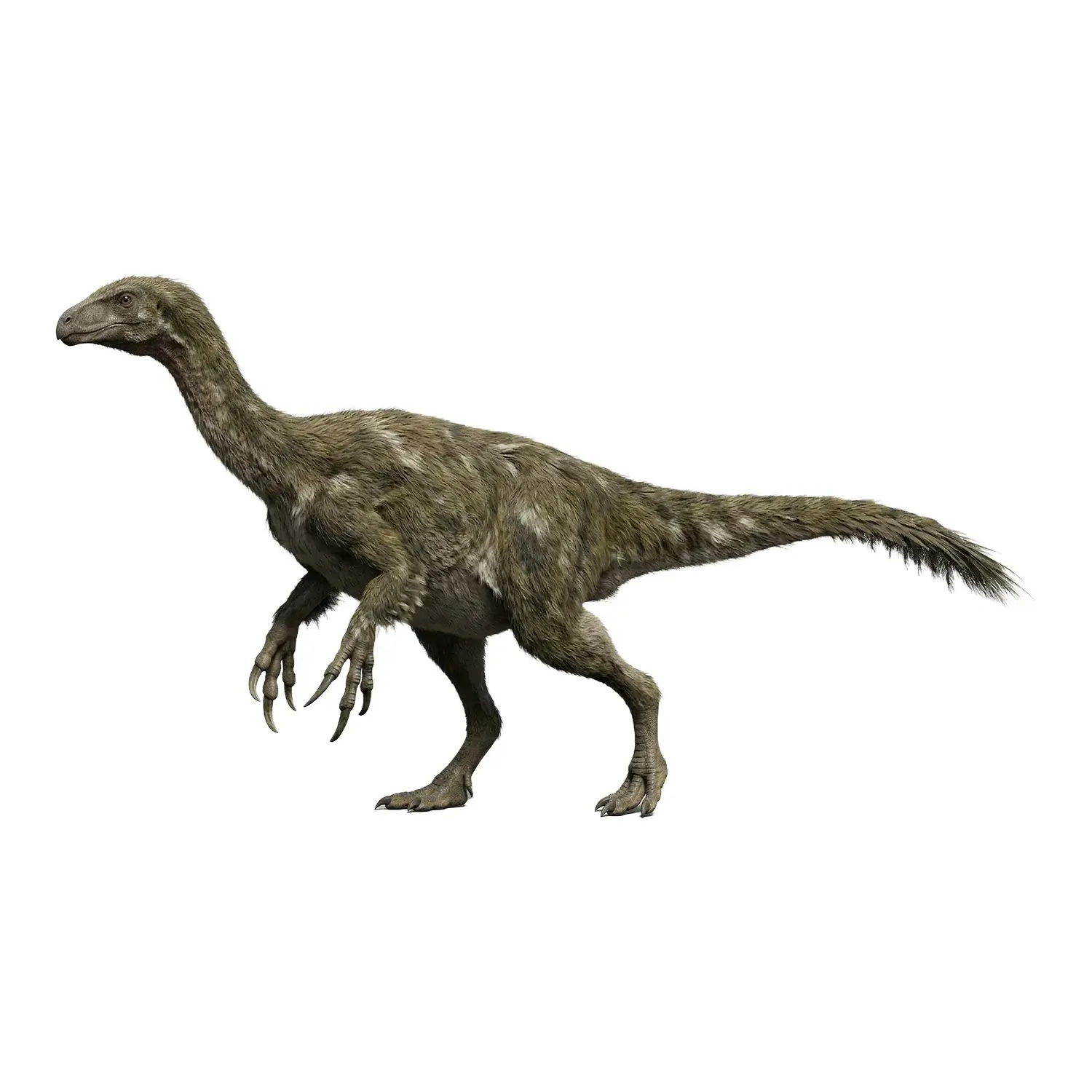
Name Origin
Jianchang Lizard
Classification
Diapsida, Saurischia, Theropoda
Habitat (Discovery Location)
China
Period
Approximately 125 million years ago (Early Cretaceous)
Length
Approximately 2 meters
Weight
Approximately 20 kilograms
Diet
Herbivore (Plant-eater)
You might also like... 

-
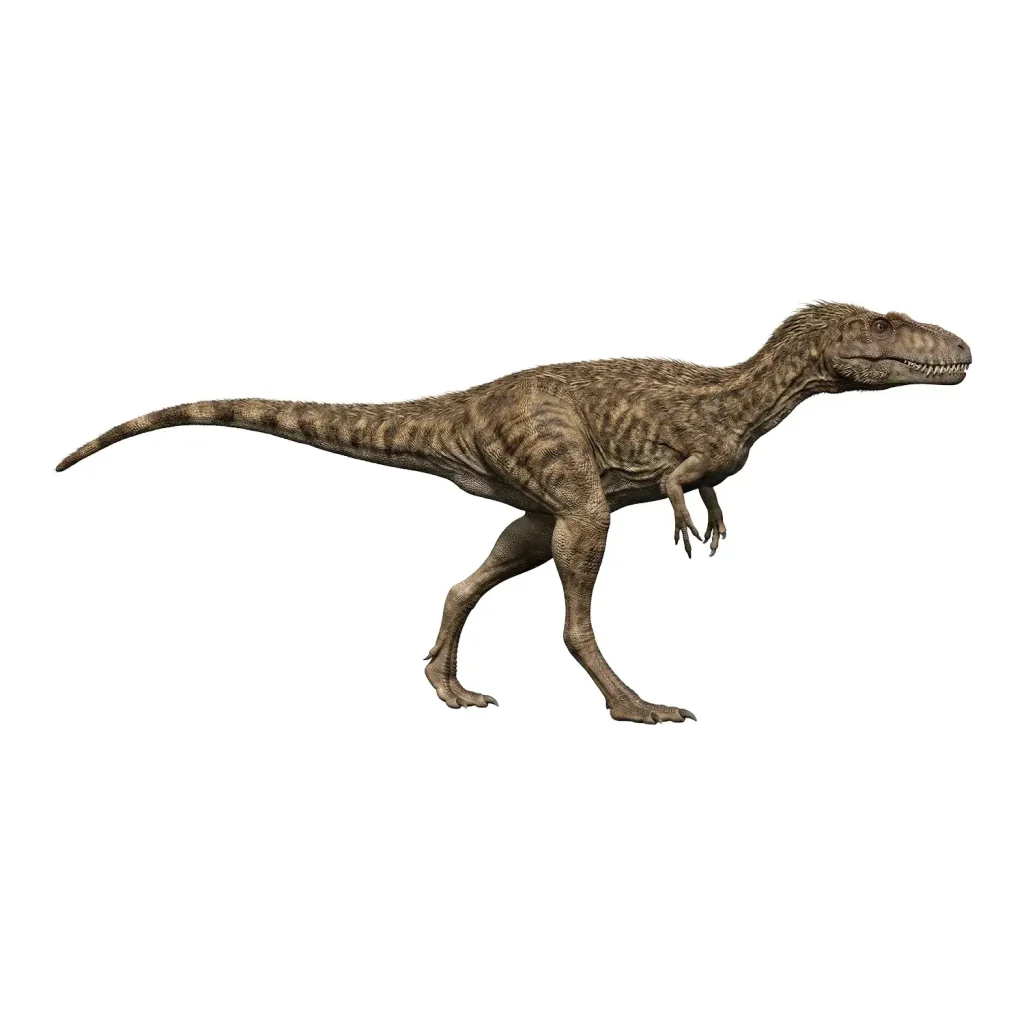
 Moros
Moros- Classification
- Theropods
- Characteristics
- Carnivorous
- Era
- Cretaceous period
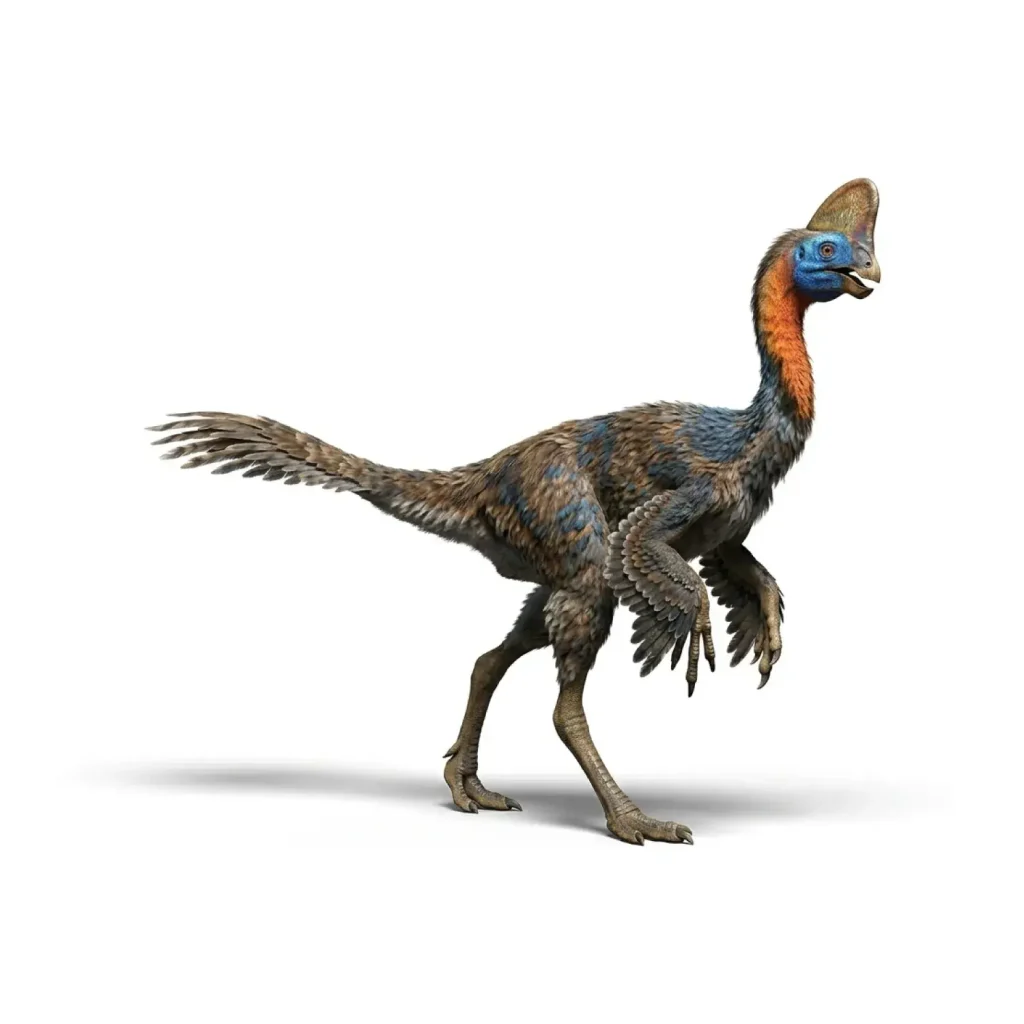
- Corythoraptor
- Classification
- Theropods
- Characteristics
- Herbivorous
- Omnivorous
- Era
- Cretaceous period
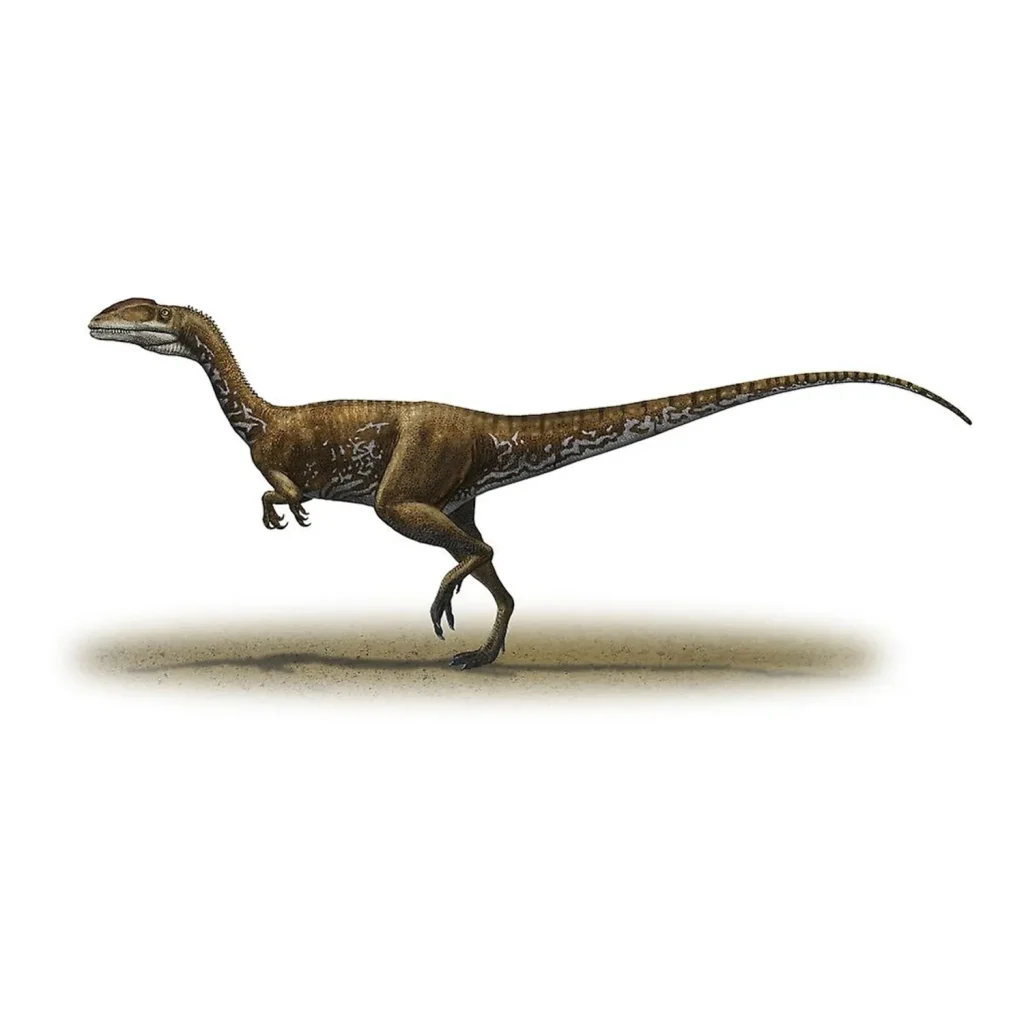
- Megapnosaurus
- Classification
- Theropods
- Characteristics
- Carnivorous
- Era
- Jurassic period
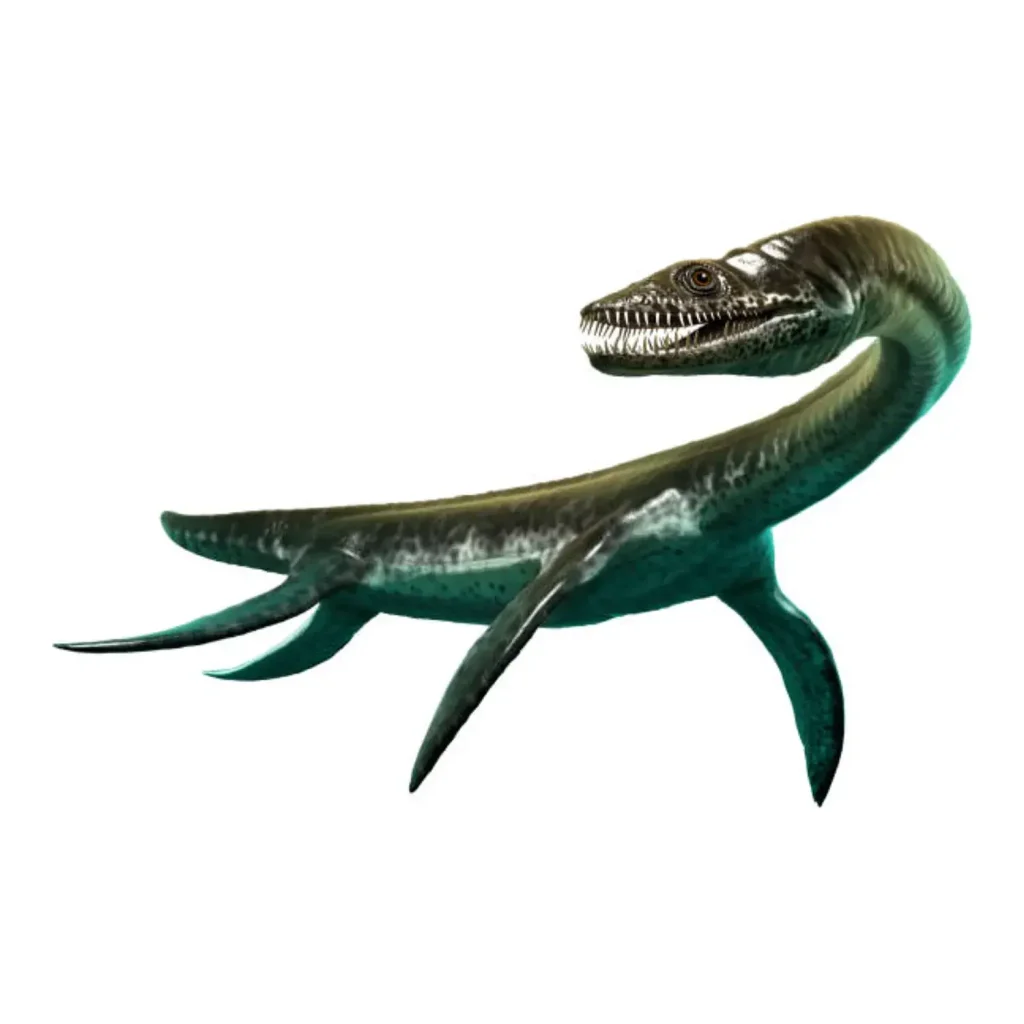
- Plesiosaurus
- Classification
- Marine reptiles
- Characteristics
- Carnivorous
- Era
- Jurassic period
-
Sponsored Links
-
Sponsored Links









![[Latest Research] What Was the Function of Spinosaurus's Giant "Sail"? Exploring the Mysteries of Thermoregulation and Underwater Locomotion](https://dinosaurmuseum.jp/wp/wp-content/uploads/eyecatch_spinosaurus-sail-function_en-1024x512.webp)
![[Latest Discovery] A Third Type of Skin, Neither Scales Nor Feathers? Meet "Haolong dongi," a New Dinosaur Species Covered Entirely in Spikes](https://dinosaurmuseum.jp/wp/wp-content/uploads/eyecatch_dinosaur-spiky-skin-discovery_en-1024x512.webp)



Description
When people think of “Therizinosaurus and its kin,” many likely imagine strange herbivorous dinosaurs with giant claws walking in a lumbering fashion.
However, in the early stages of their evolution, there existed a dinosaur with a completely different appearance.
That is “Jianchangosaurus.”
Discovered in Liaoning Province, China, this dinosaur had a slender body, ran around agilely, and already showed advanced adaptation to herbivory.
Discovered in Liaoning Province! Important Fossils of Early Therizinosaurs
Fossils of Jianchangosaurus were discovered in the “Jehol Biota (approximately 125 million years ago)” in Liaoning Province, China, known as a treasure trove of feathered dinosaurs.
A Miraculous Specimen with Almost the Entire Body
The discovered specimen was a juvenile (young individual), but it was extremely well-preserved, with almost the entire body including the skull and lower jaw intact.
In 2013, it was described as a new genus and species by an international team including the Henan Geological Museum and Hokkaido University, and was named after Jianchang County, the place of discovery.
No Giant Claws? The Fleet-Footed “Reaper”
Jianchangosaurus possessed physical characteristics completely different from the later giant therizinosaurs.
A Sleek and Fast Runner
Total length approximately 2 meters, weight approximately 20 kilograms (estimated).
Noteworthy is the length of its legs.
The shin bone (tibia) was about 1.5 times the size of the thigh bone (femur), which is a characteristic of legs suited for running.
In contrast to later species that evolved into heavyweights, they had the ability to run around agilely with their slender bodies.
Early Adaptation to Herbivory: Beak and Teeth
Therizinosaurs are a group that switched from carnivory to herbivory, and Jianchangosaurus had already achieved advanced adaptation at this early stage.
Beak
The tip of the upper jaw had no teeth and was covered with a keratinous beak.
Specialized Teeth
The upper and lower teeth were tightly packed and structured to efficiently cut plant fibers.
This indicates the possibility that they adapted to herbivory starting with “mouth function” before acquiring massive digestive organs (a thick torso).
Display and Courtship Using Feathers
Clear impressions of feathers were left on the fossil.
These are “long, broad filamentous feathers” reaching 2 to 3 millimeters in width and approximately 10 centimeters in length.
Unlike the related species Beipiaosaurus, it is known that these feathers stood almost perpendicular to the body surface.
These unique feathers may have been used not only for insulation but also for appealing to the opposite sex (display) or intimidation.
A Distinct Species? Or a Juvenile Beipiaosaurus?
Regarding its classification, debate continues to this day.
The Most Basal in Asia?
When initially described, it was considered the most primitive species in Asia, but later research positioned Japan’s “Fukuivenator” as more basal.
Emergence of the Synonym Theory
Furthermore, in recent years, a theory has emerged that Jianchangosaurus is not a distinct species but a juvenile (synonym) of Beipiaosaurus from the same era.
Since the discovered specimen is a growing individual, it has been pointed out that the differences in characteristics might be changes due to growth.
A Mirror Reflecting the Transitional Period of Evolution
Although the debate over whether Jianchangosaurus is a distinct species has not been settled, its academic value remains unshaken.
They teach us that long before therizinosaurs became “monsters with giant claws,” they had adapted to herbivory using speed and specialized teeth as weapons.
The figure sprinting through the forests 125 million years ago is a precious existence symbolizing the diversity of theropod evolution.