
Field Guide to Prehistoric Carnivores: Beyond T. rex! The Full Story of the Hunters That Ruled Land, Sea, and Sky
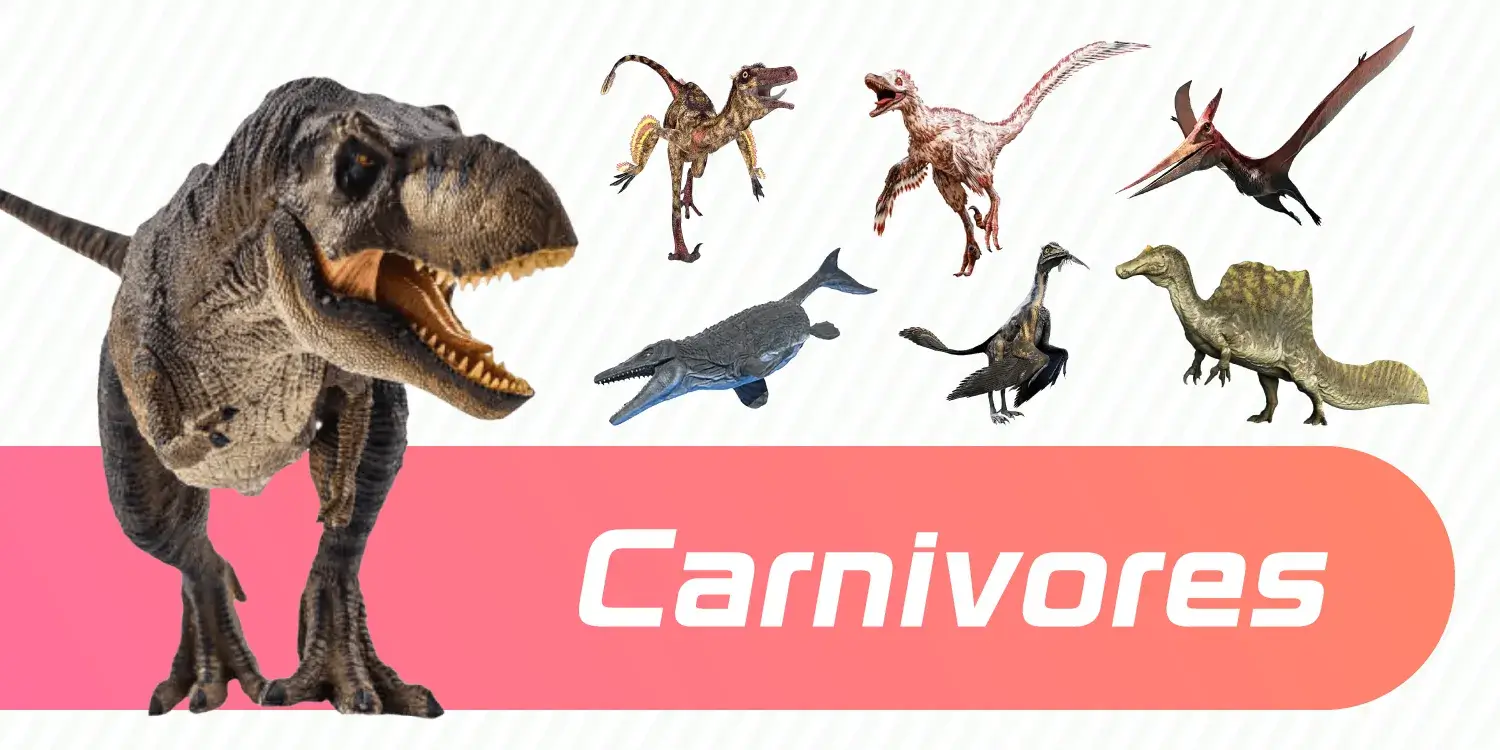
When you hear “carnivorous dinosaur,” giant predators like Tyrannosaurus and Allosaurus probably come to mind.
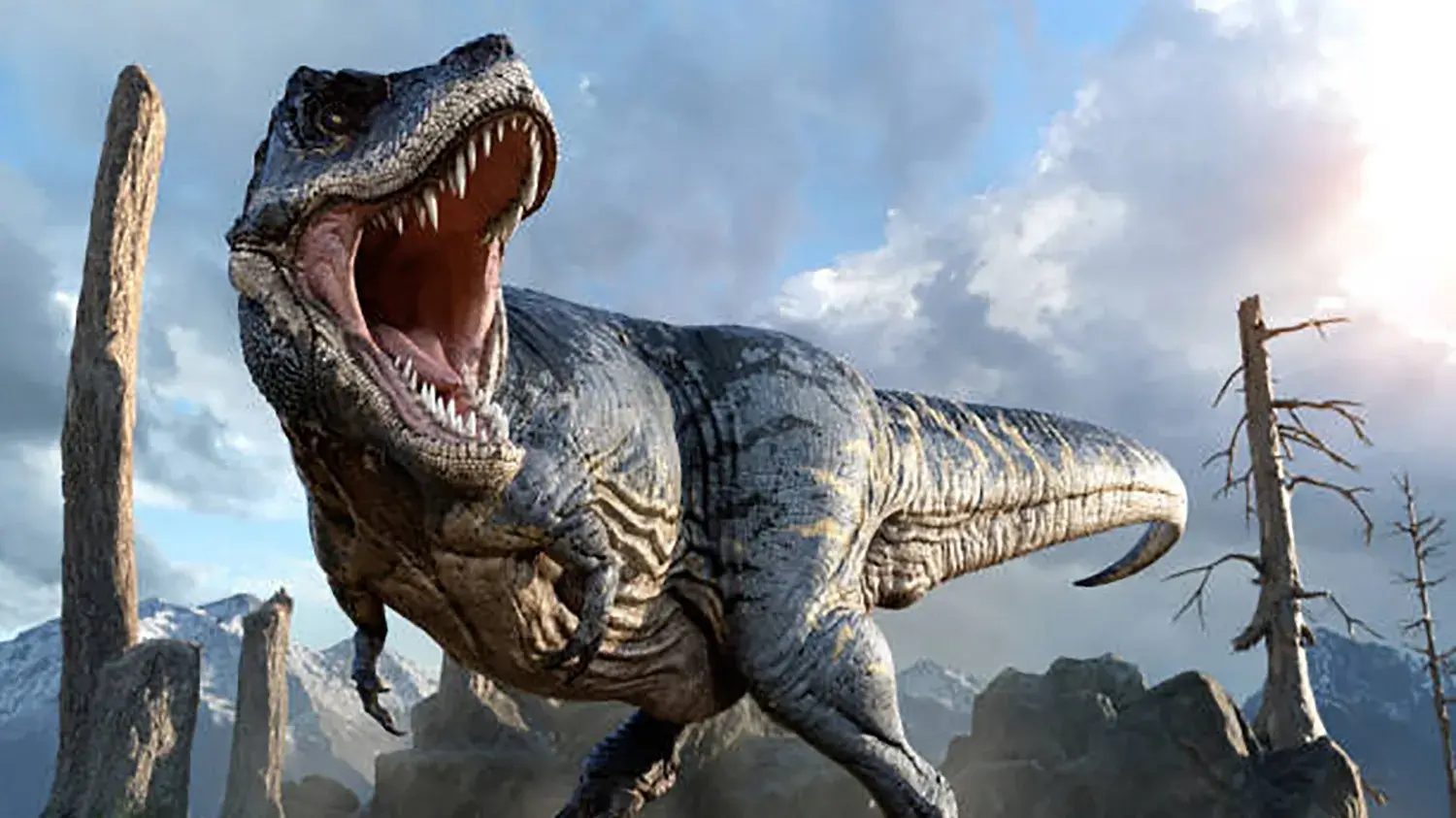
Tyrannosaurus, a representative carnivorous dinosaur
Called “theropods,” they reigned at the top of the terrestrial ecosystem during the Mesozoic Era.
However, the rulers of the ancient Earth were not just the kings of the land.
Surprisingly diverse carnivorous animals existed, including pterosaurs soaring in the sky and marine reptiles lurking in the sea.
In this article, we explain the rulers of the ancient Earth field by field, from the unknown ecology of theropods—the protagonists of the dinosaur era—to the hunters that dominated the sky and sea.
[Land] The Pinnacle of Diversity! The Bipedal Kings “Theropods”
Theropods are a group of reptiles belonging to the order Saurischia.
Their most distinctive feature is “bipedal locomotion” using developed legs.
They underwent unique evolution in both the Northern Hemisphere (Laurasia) and the Southern Hemisphere (Gondwana), thriving all over the world.
Diversification of Size and Diet
Their evolution was not limited to just being “carnivorous.”
Size Diversity
They ranged from massive terrestrial monsters like Tyrannosaurus to agile small dinosaurs like Velociraptor and Stenonychosaurus.
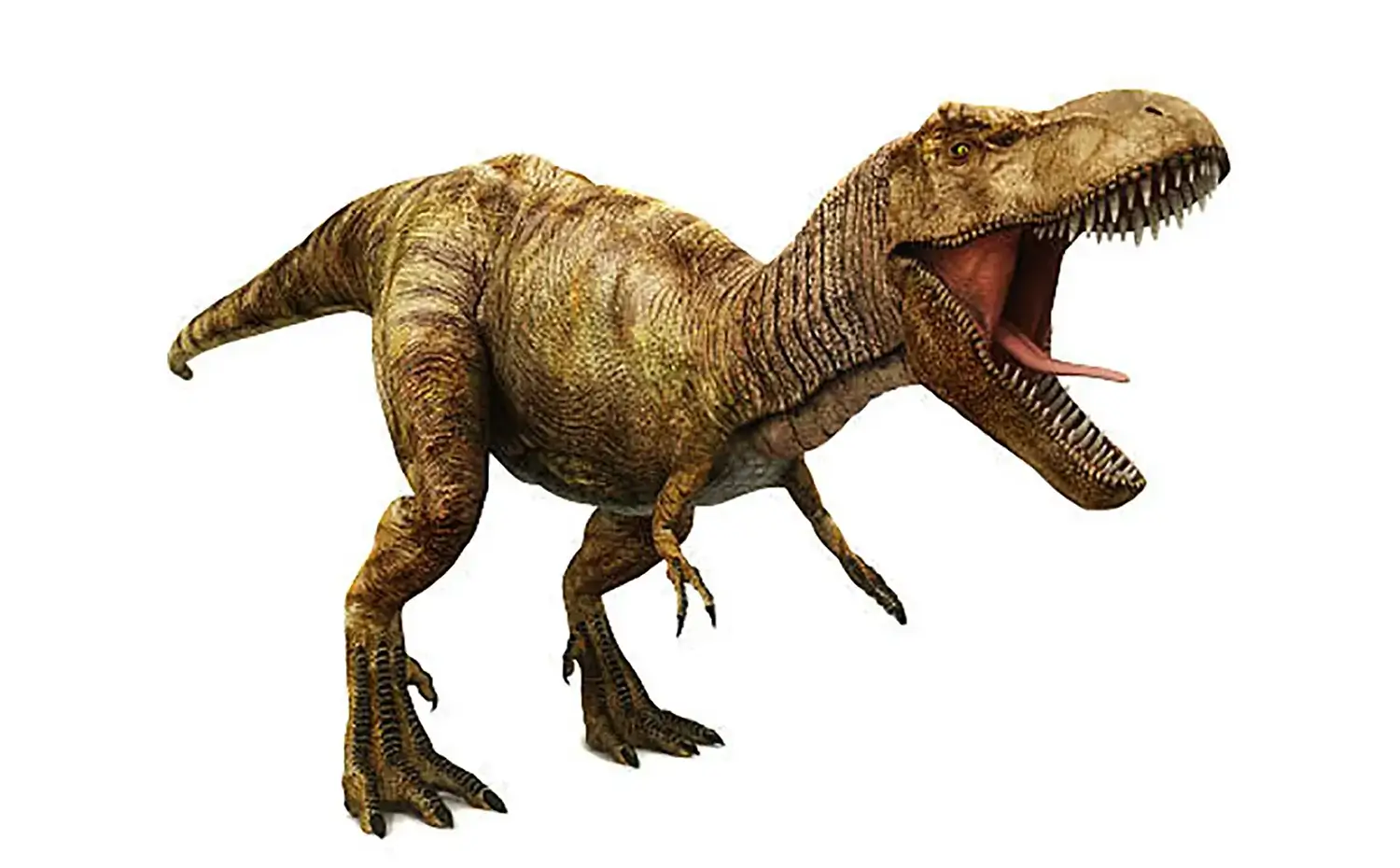
Tyrannosaurus
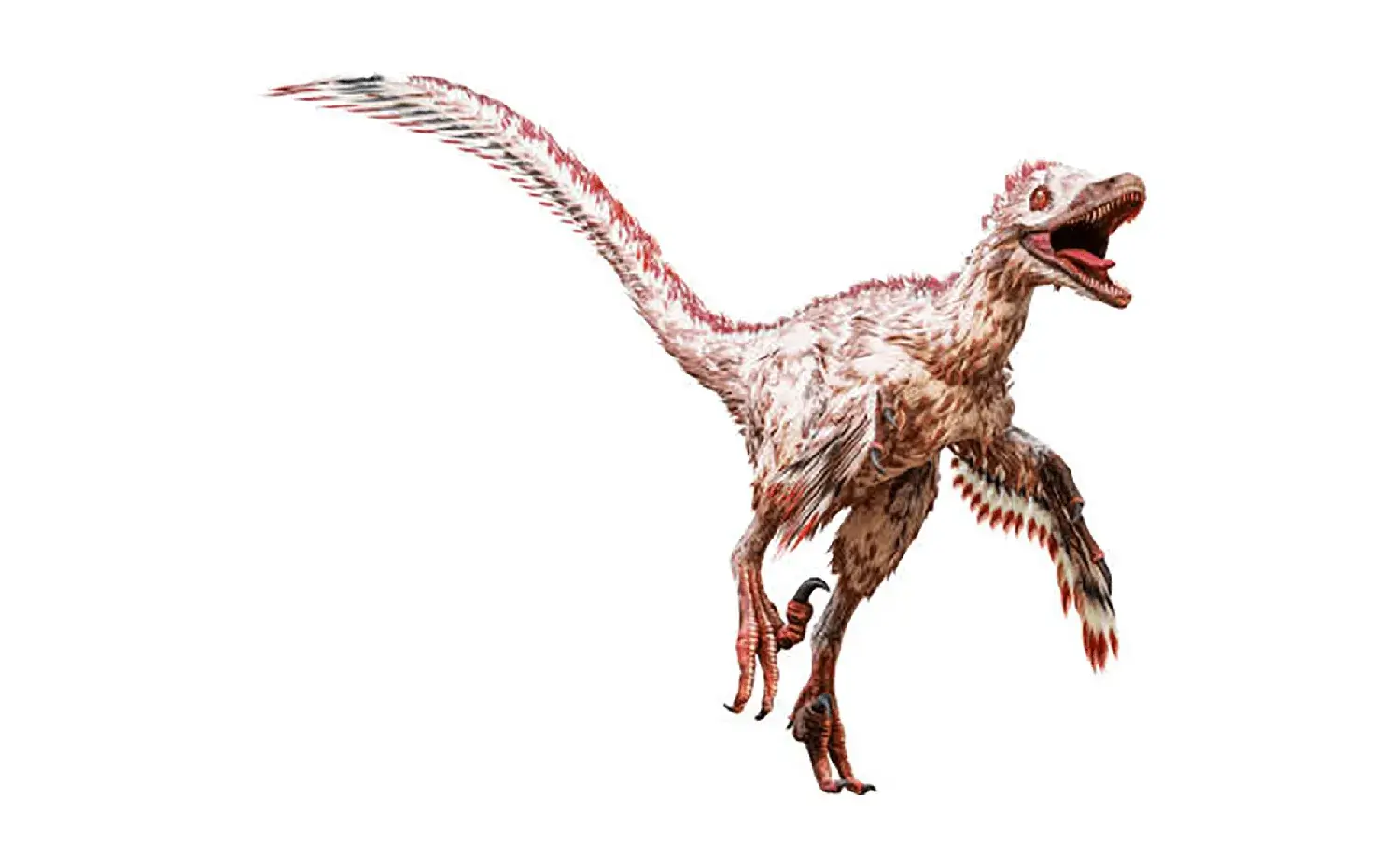
Velociraptor
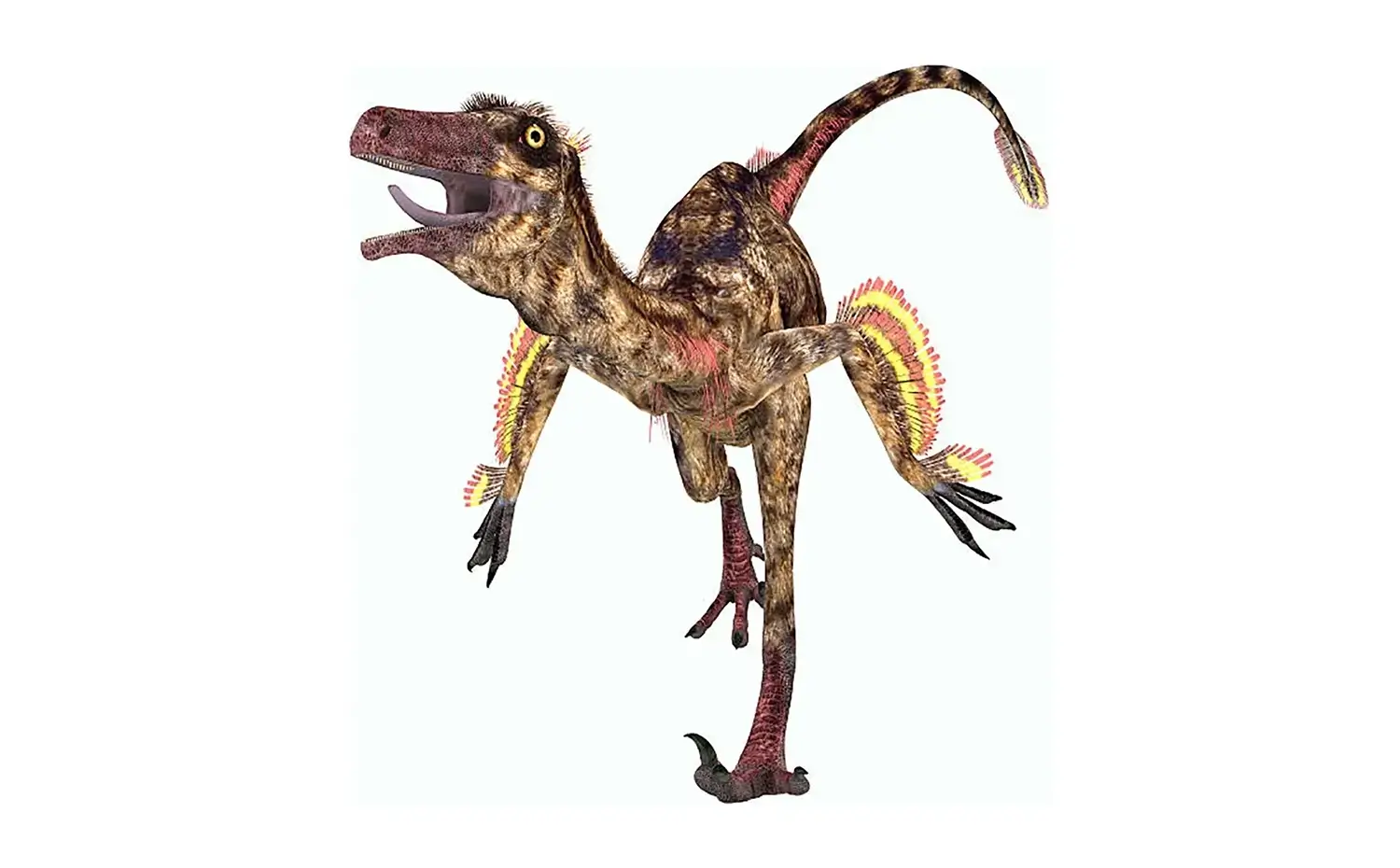
Stenonychosaurus
Dietary Diversity
While basically carnivorous, there were species like Spinosaurus that primarily ate fish, and others that changed to omnivorous or herbivorous diets during their evolution.
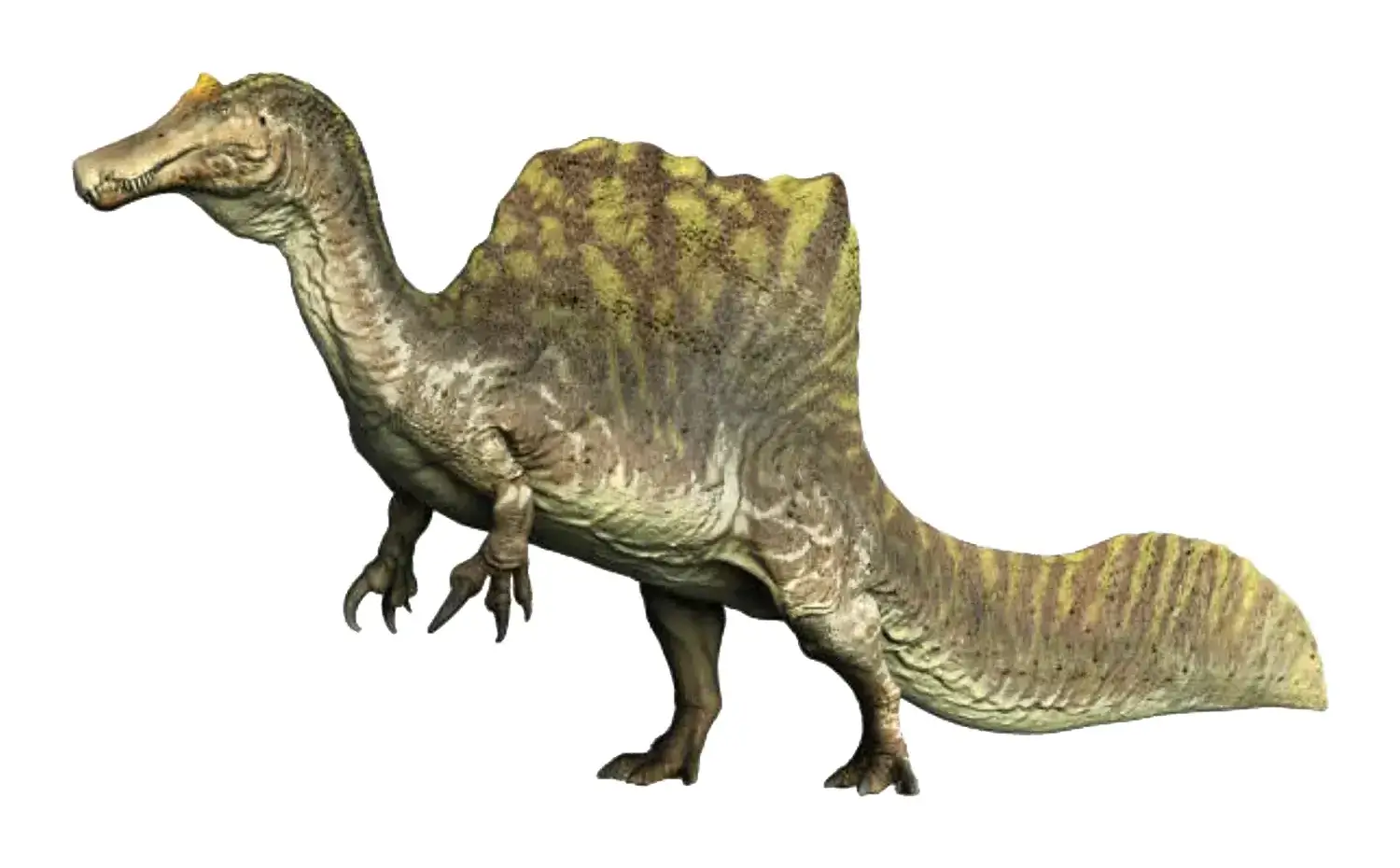
Spinosaurus
Feathered Dinosaurs and Evolution into Birds
The biggest topic in recent years is the “feathered dinosaurs” discovered in China and Mongolia.
Early feathers are thought to have been used for insulation and display (appealing to the opposite sex), not for flying.
Modern birds evolved from “avialans,” a subgroup of theropods, meaning that birds today continue to live as part of the theropod group.
[Sky] From Giant Pterosaurs to Archaeopteryx! Rulers of the Sky
While theropods fought for supremacy on the ground, the sky was also a hunting ground for carnivores.
Prosperity of Pterosaurs
Dominating the sky were “pterosaurs,” reptiles of a lineage different from dinosaurs.
Pterodactyloids
Large species such as Quetzalcoatlus and Pteranodon.
With huge wings, they flew freely through the sky, hunting prey.
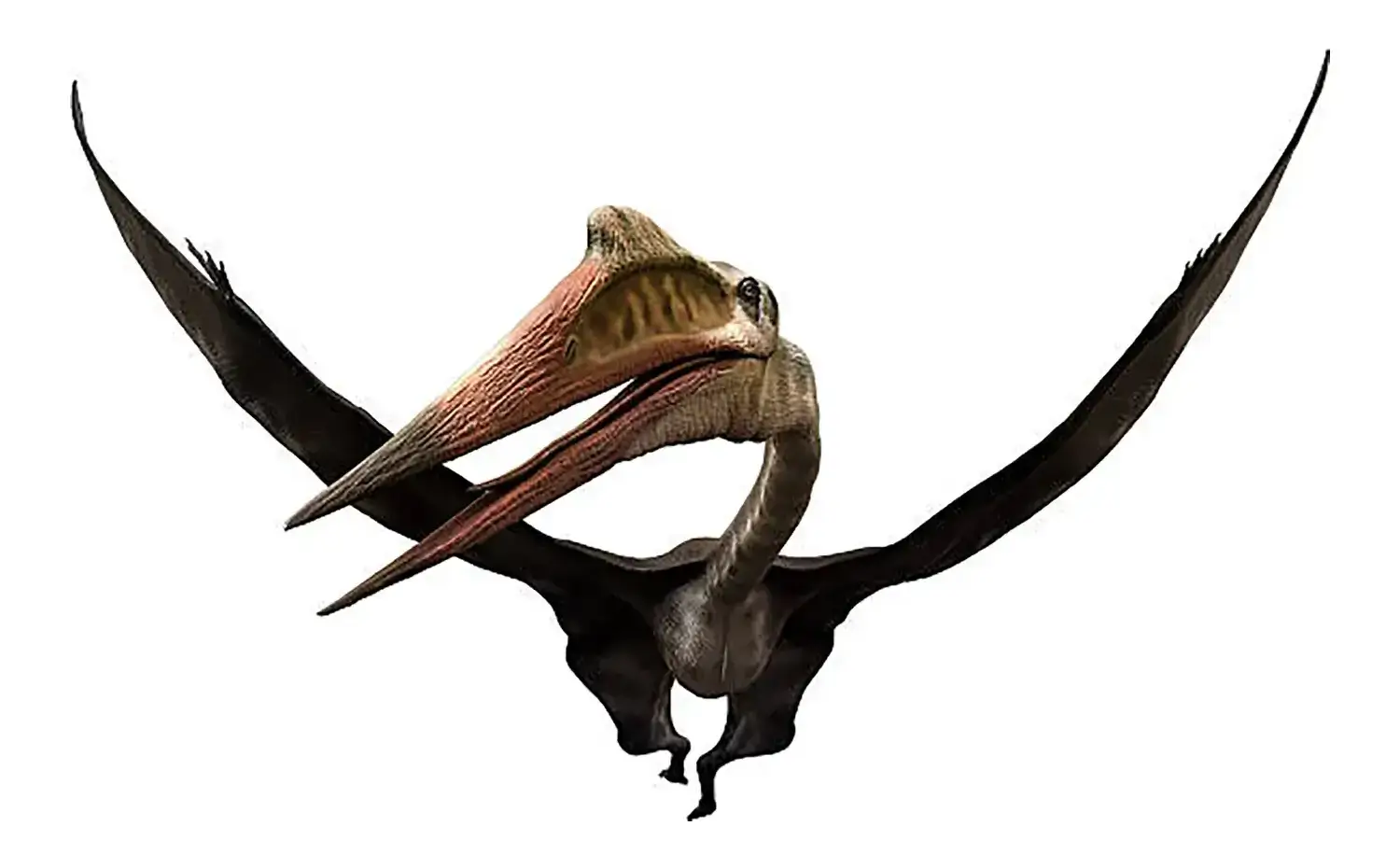
Quetzalcoatlus
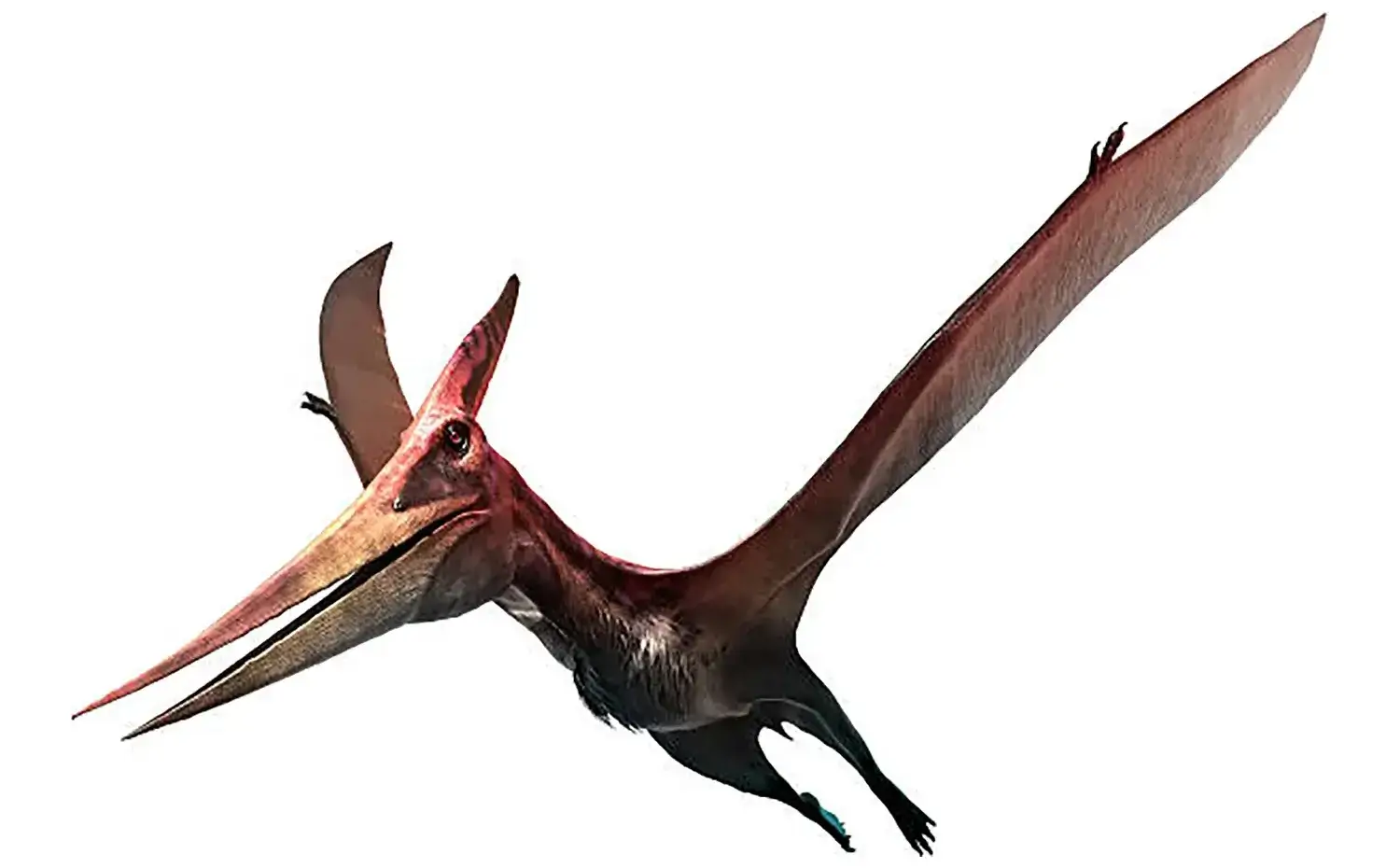
Pteranodon
Rhamphorhynchoids
Smaller species that utilized superior maneuverability to dance through the air.
Arrival of Archaeopteryx
In this era, “ancient birds,” considered ancestors of modern birds, also appeared.
A representative example, Archaeopteryx, was a carnivore eating fish and insects, and is a significant existence showing the process of evolution from dinosaur to bird.
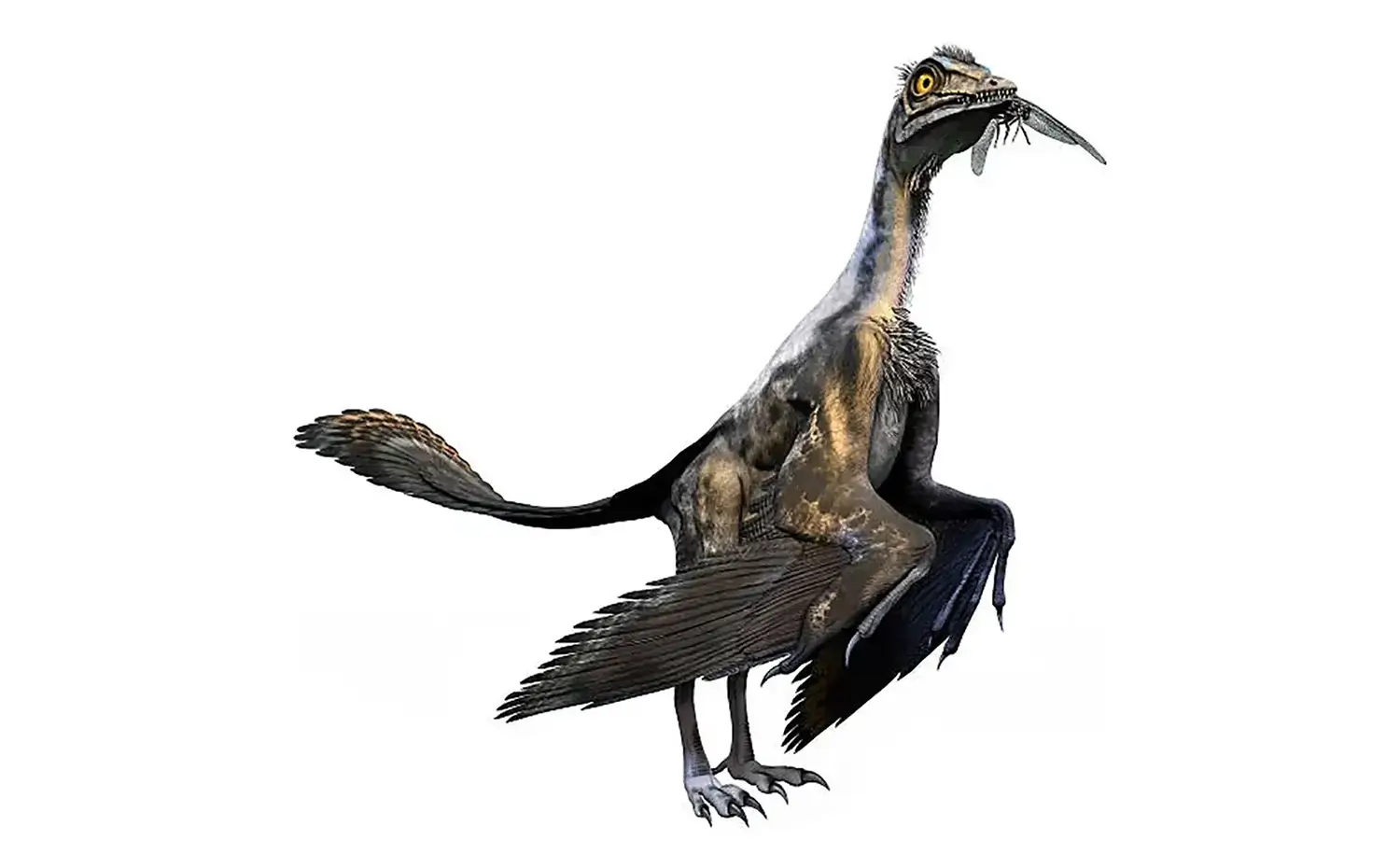
Archaeopteryx
[Sea] Shark-Like Figures? Ferocious “Marine Reptiles”
Turning our gaze to the sea, there lived “marine reptiles” that had evolved to resemble modern sharks.
Underwater Hunters
They possessed streamlined bodies like fish, with large mouths and sharp teeth like crocodiles.
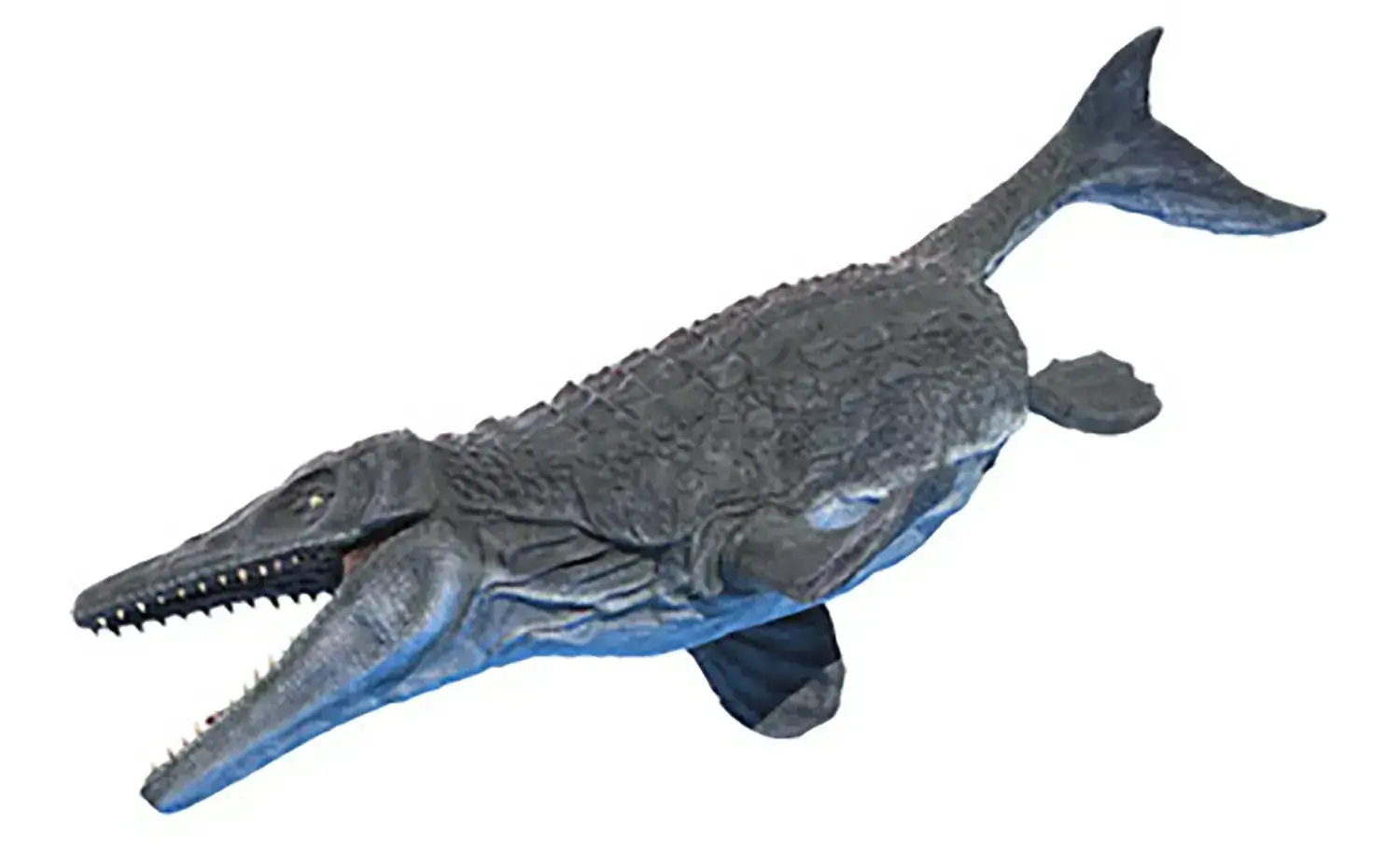
Mosasaurus, a representative marine reptile
Feeding mainly on aquatic animals like fish, they dominated the ancient seas as ferocious hunters that let no prey escape.
Summary: A World of Evolution Beyond Imagination
The ancient Earth was a dynamic world where super-sized carnivores, unimaginable today, flourished.
- Land: Theropods that conquered with bipedalism
- Sky: Pterosaurs and ancient birds that spread their wings and soared
- Sea: Marine reptiles that swam freely
By learning about the diverse carnivores of the land, sea, and sky—not just star dinosaurs like Tyrannosaurus and Tarbosaurus—the image of the ancient Earth will come back to life more vividly.









![[Latest Research] What Was the Function of Spinosaurus's Giant "Sail"? Exploring the Mysteries of Thermoregulation and Underwater Locomotion](https://dinosaurmuseum.jp/wp/wp-content/uploads/eyecatch_spinosaurus-sail-function_en-1024x512.webp)
![[Latest Discovery] A Third Type of Skin, Neither Scales Nor Feathers? Meet "Haolong dongi," a New Dinosaur Species Covered Entirely in Spikes](https://dinosaurmuseum.jp/wp/wp-content/uploads/eyecatch_dinosaur-spiky-skin-discovery_en-1024x512.webp)