
Chindesaurus
Name Origin
Lizard of Chinde (meaning "ghost" or "evil spirit" in the local indigenous language)
Family
Herrerasauridae
Classification
Diapsida, Saurischia, Theropoda
Habitat (Discovery Location)
United States
Period
Approximately 212 million years ago (Late Triassic)
Length
Approximately 2.4 meters
Weight
Approximately 50 kg
Diet
Carnivore
You might also like... 

-
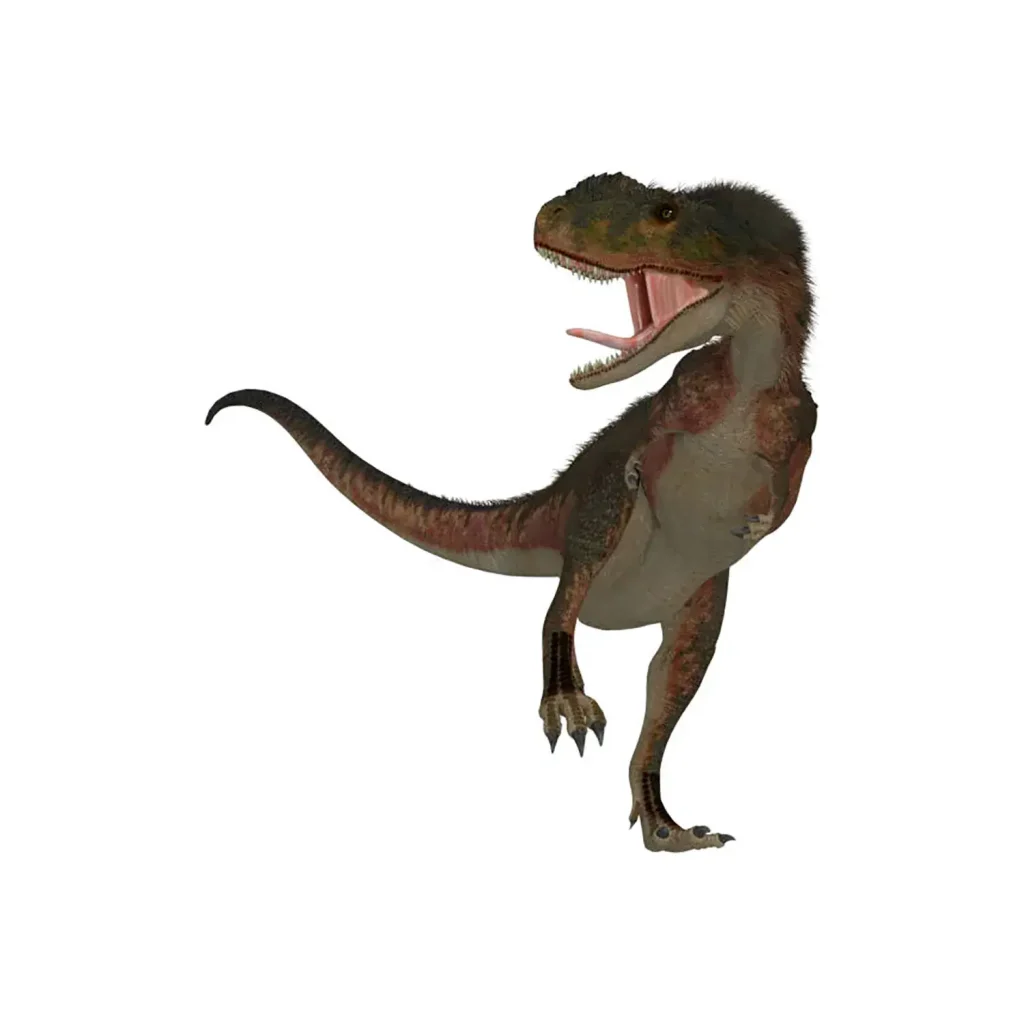
 Rugops
- Classification
- Theropods
- Characteristics
- Carnivorous
- Era
- Cretaceous period
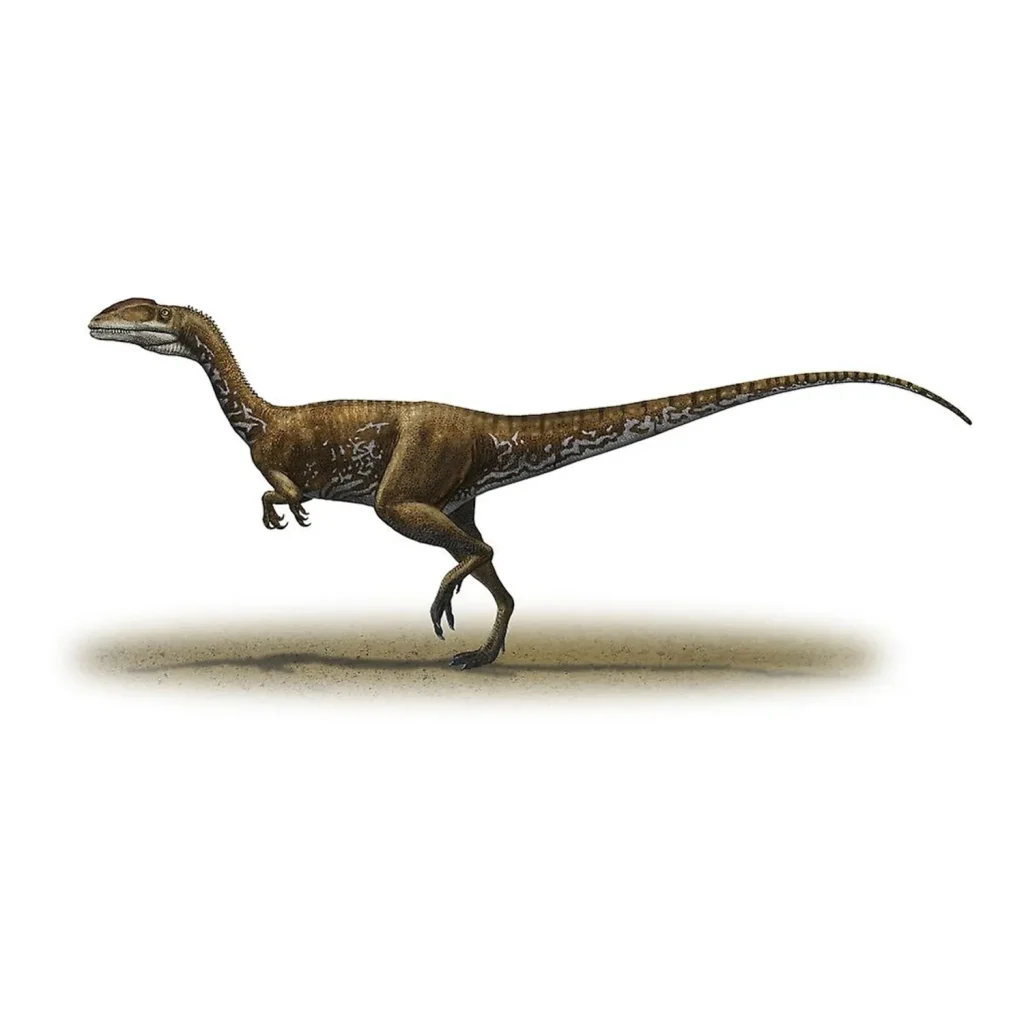
- Megapnosaurus
- Classification
- Theropods
- Characteristics
- Carnivorous
- Era
- Jurassic period
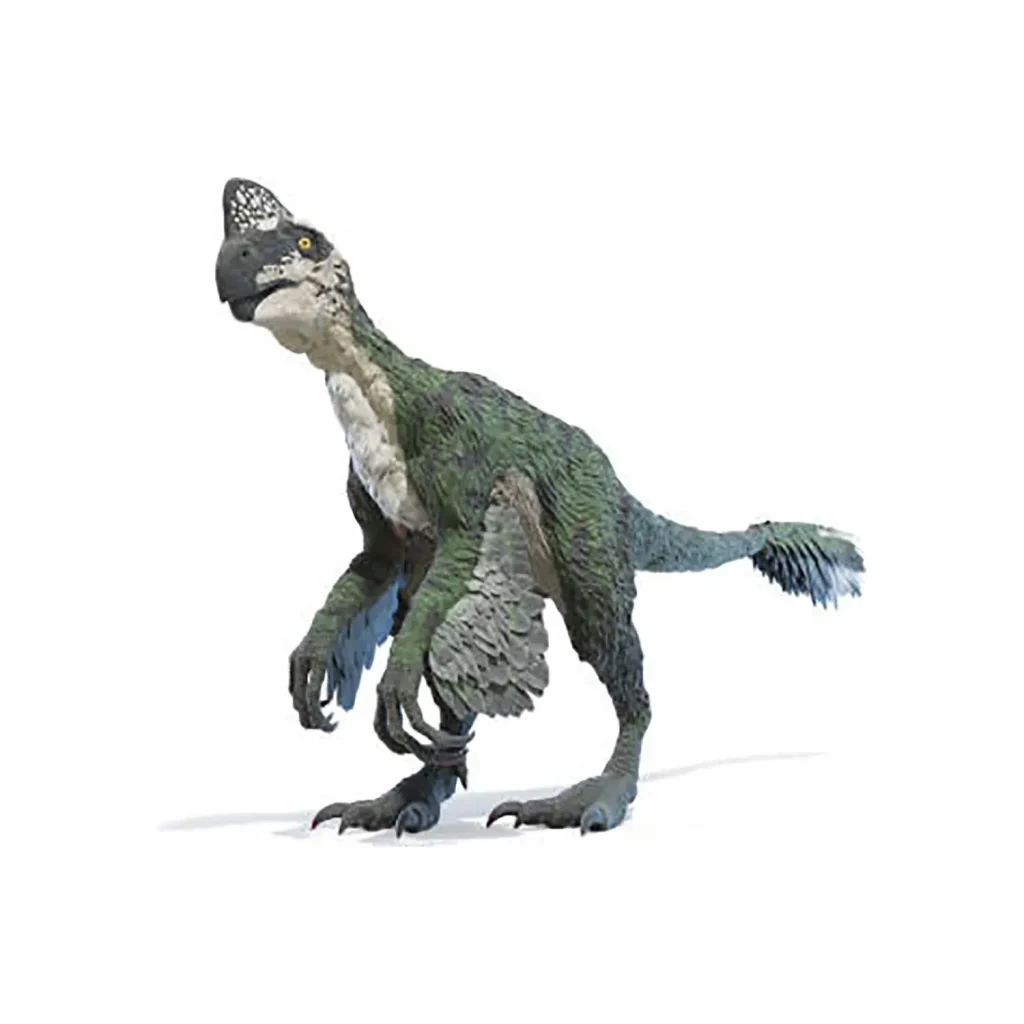
- Oviraptor
- Classification
- Theropods
- Characteristics
- Omnivorous
- Feathered
- Era
- Cretaceous period
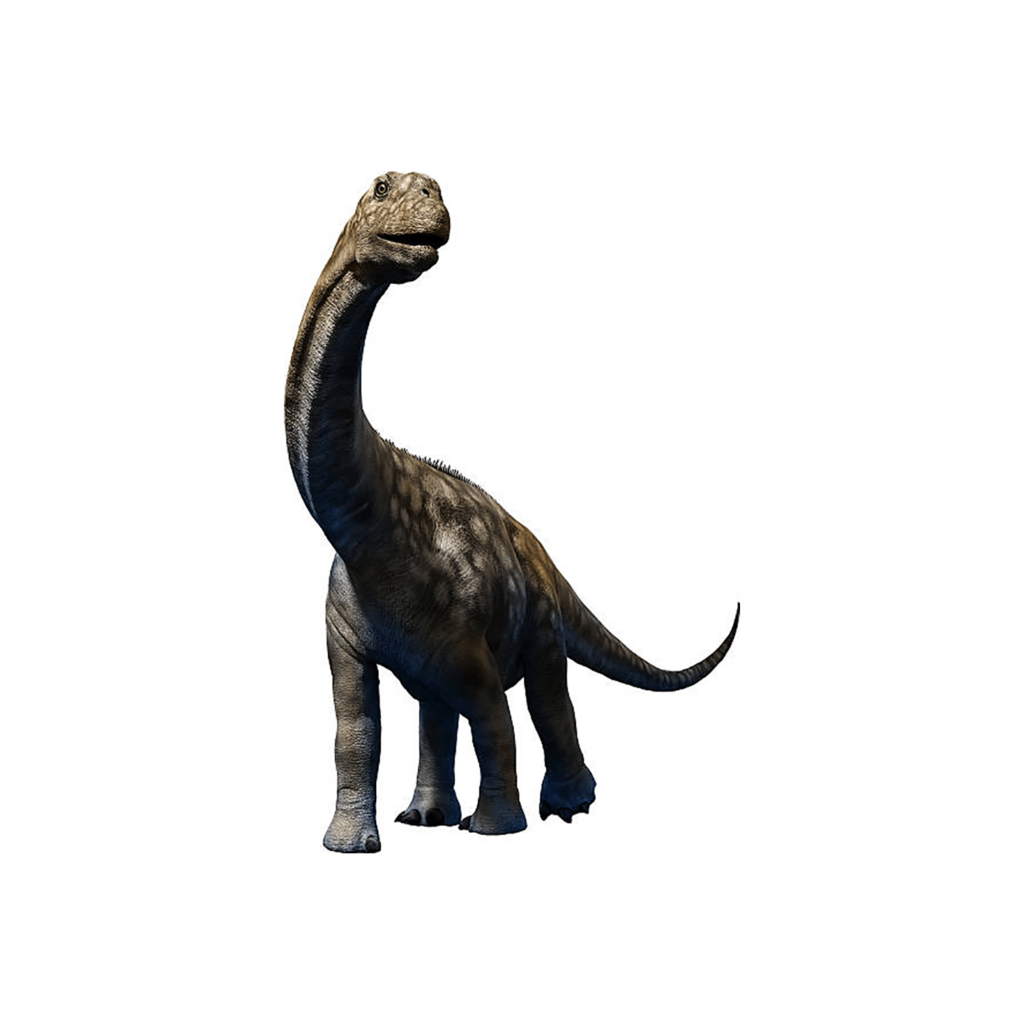
- Argentinosaurus
- Classification
- Sauropods
- Characteristics
- Herbivorous
- Era
- Cretaceous period
-
Sponsored Links
-
Sponsored Links






![[Latest Research] What Was the Function of Spinosaurus's Giant "Sail"? Exploring the Mysteries of Thermoregulation and Underwater Locomotion](https://dinosaurmuseum.jp/wp/wp-content/uploads/eyecatch_spinosaurus-sail-function_en-1024x512.webp)
![[Latest Discovery] A Third Type of Skin, Neither Scales Nor Feathers? Meet "Haolong dongi," a New Dinosaur Species Covered Entirely in Spikes](https://dinosaurmuseum.jp/wp/wp-content/uploads/eyecatch_dinosaur-spiky-skin-discovery_en-1024x512.webp)
Description
The North American continent during the Triassic period.
From the Chinle Formation located in the present-day state of Arizona, United States, fossils of great importance for understanding the evolution and distribution of dinosaurs have been discovered.
This is “Chindesaurus,” a dinosaur discovered in 1984 and given a name meaning “ghost” or “evil spirit” in an indigenous language.
They served as definitive proof that the “Herrerasaurids,” which were supposed to have flourished in South America, had also expanded into the Northern Hemisphere.
An Important North American Discovery Bearing the Name of “Ghost”
Name Origin and Discovery
The scientific name Chindesaurus is derived from “Chinde,” a word meaning “ghost” or “evil spirit” in the language of indigenous people such as the Navajo.
It was discovered by Bryan Small of the University of California in 1984 and formally described in 1995.
Contrary to its terrifying name, their fossils are vital clues telling the history of dinosaur migration.
Nickname: “Gertie”
Actually, this dinosaur has a friendly anecdote that contrasts with its scientific name.
When first discovered, the American media nicknamed this dinosaur “Gertie,” after the classic animated film Gertie the Dinosaur.
Making headlines, they were the center of attention at the time.
From South to North? The First Herrerasaurid in the Northern Hemisphere
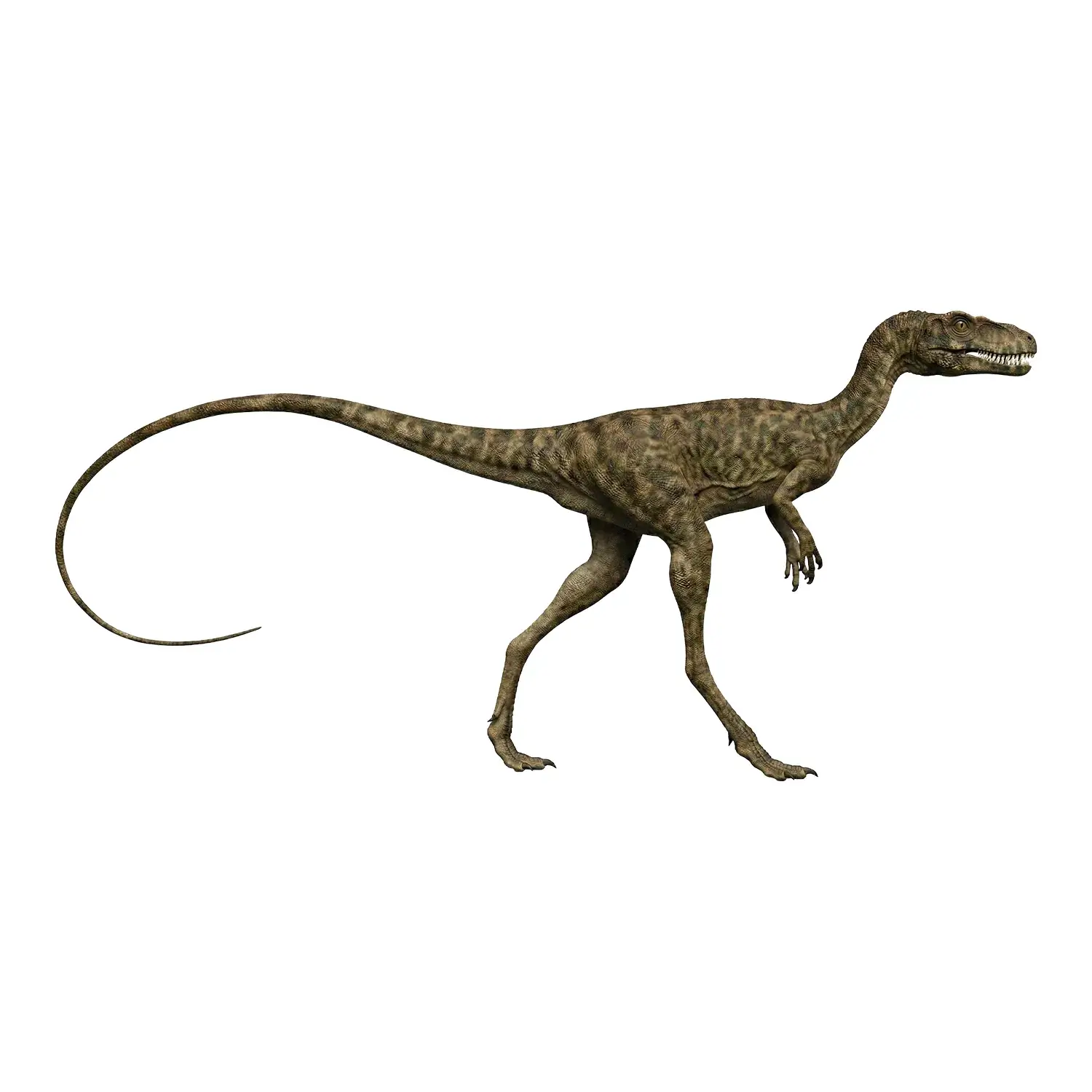
Chindesaurus is a carnivorous dinosaur approximately 2.4 meters long, but its classification is its most significant feature.
Proof of Expansion into the Northern Hemisphere
They are a related species (Herrerasauridae) to the early dinosaur “Herrerasaurus,” known from places like Argentina.
Many Herrerasaurids had been found in South America, but there were no prior discovery records in the Northern Hemisphere.
Therefore, Chindesaurus holds extremely high significance as the “first Herrerasaurid discovered in the Northern Hemisphere.”
Mystery of Survival and Migration
Its habitat era is estimated to be approximately 212 million years ago (Late Triassic).
This is a later era than the South American Herrerasaurus (approx. 220 million years ago).
This suggests the possibility that some Herrerasaurids originating in the Southern Hemisphere moved north to North America and continued to survive there.
They are counted among the oldest class of dinosaurs found in North America.
Long Legs and a Whip-Like Tail
Its physical characteristics share many commonalities with early dinosaurs.
Long Hind Limbs
Particularly striking are its very long hind limbs.
Short Torso
In contrast to the long legs, the torso had a relatively short and compact shape.
Tail
It possessed a long tail that was flexible like a whip.
Chindesaurus, an ancient witness telling the story of the great dinosaur migration from South to North.
The “Ghost” found in the wilderness of Arizona conveys to us the dynamic history of how dinosaurs spread across the Earth during the Triassic period.