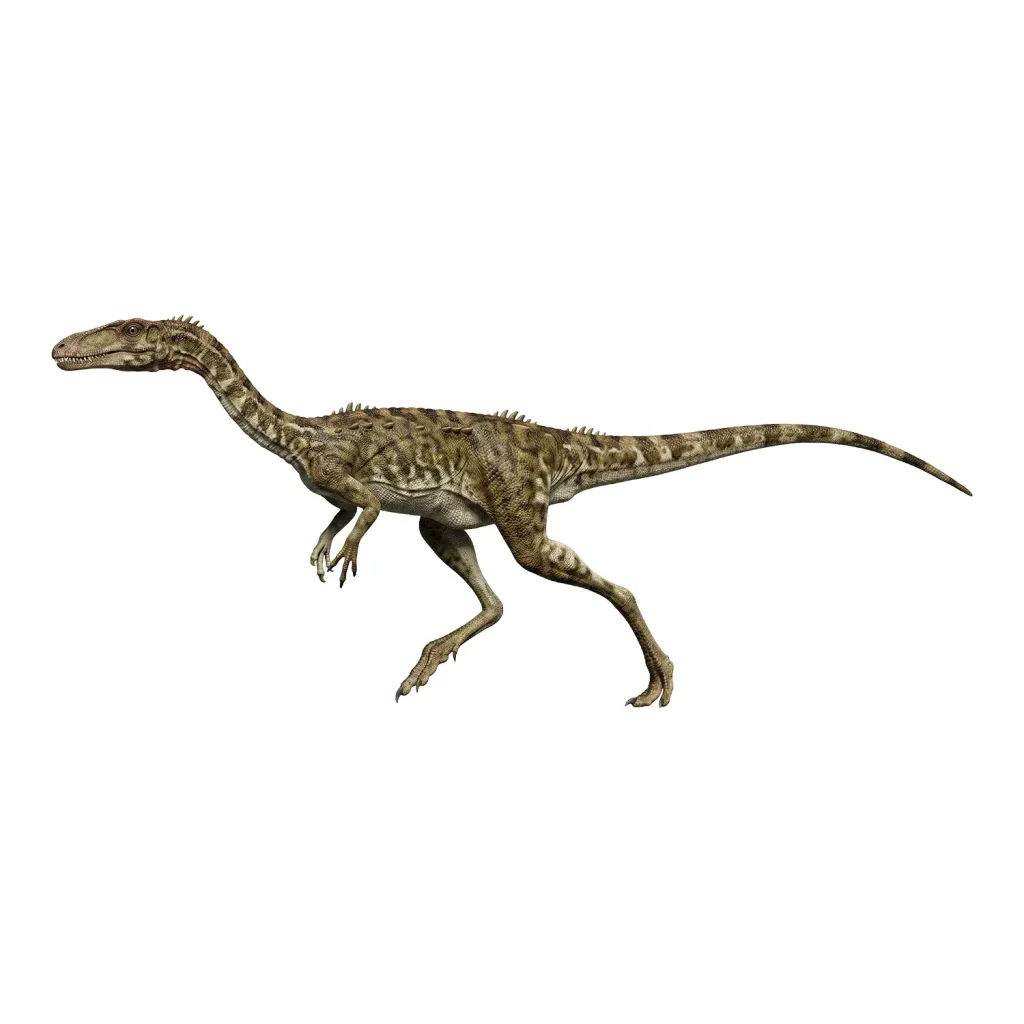
Coelophysis
Name Origin
Hollow Form
Family
Coelophysidae
Classification
Saurischia, Theropoda
Habitat (Discovery Location)
United States, South Africa, China
Period
Approximately 230–200 million years ago (Late Triassic – Early Jurassic)
Length
Approximately 3 meters
Weight
Less than 30 kg
Diet
Carnivore (Meat-eater)
You might also like... 
-
 Hypsilophodon
- Classification
- Ornithopoda
- Characteristics
- Herbivorous
- Era
- Cretaceous period
-
 Tazoudasaurus
- Classification
- Sauropods
- Characteristics
- Herbivorous
- Era
- Jurassic period
- Elaphrosaurus
- Classification
- Theropods
- Characteristics
- Carnivorous
- Era
- Jurassic period
- Megapnosaurus
- Classification
- Theropods
- Characteristics
- Carnivorous
- Era
- Jurassic period
-
Sponsored Links
-
Sponsored Links



![[Latest Research] What Was the Function of Spinosaurus's Giant "Sail"? Exploring the Mysteries of Thermoregulation and Underwater Locomotion](https://dinosaurmuseum.jp/wp/wp-content/uploads/eyecatch_spinosaurus-sail-function_en-1024x512.webp)
![[Latest Discovery] A Third Type of Skin, Neither Scales Nor Feathers? Meet "Haolong dongi," a New Dinosaur Species Covered Entirely in Spikes](https://dinosaurmuseum.jp/wp/wp-content/uploads/eyecatch_dinosaur-spiky-skin-discovery_en-1024x512.webp)
Description
About 230 million years ago, on the North American continent during the Late Triassic period.
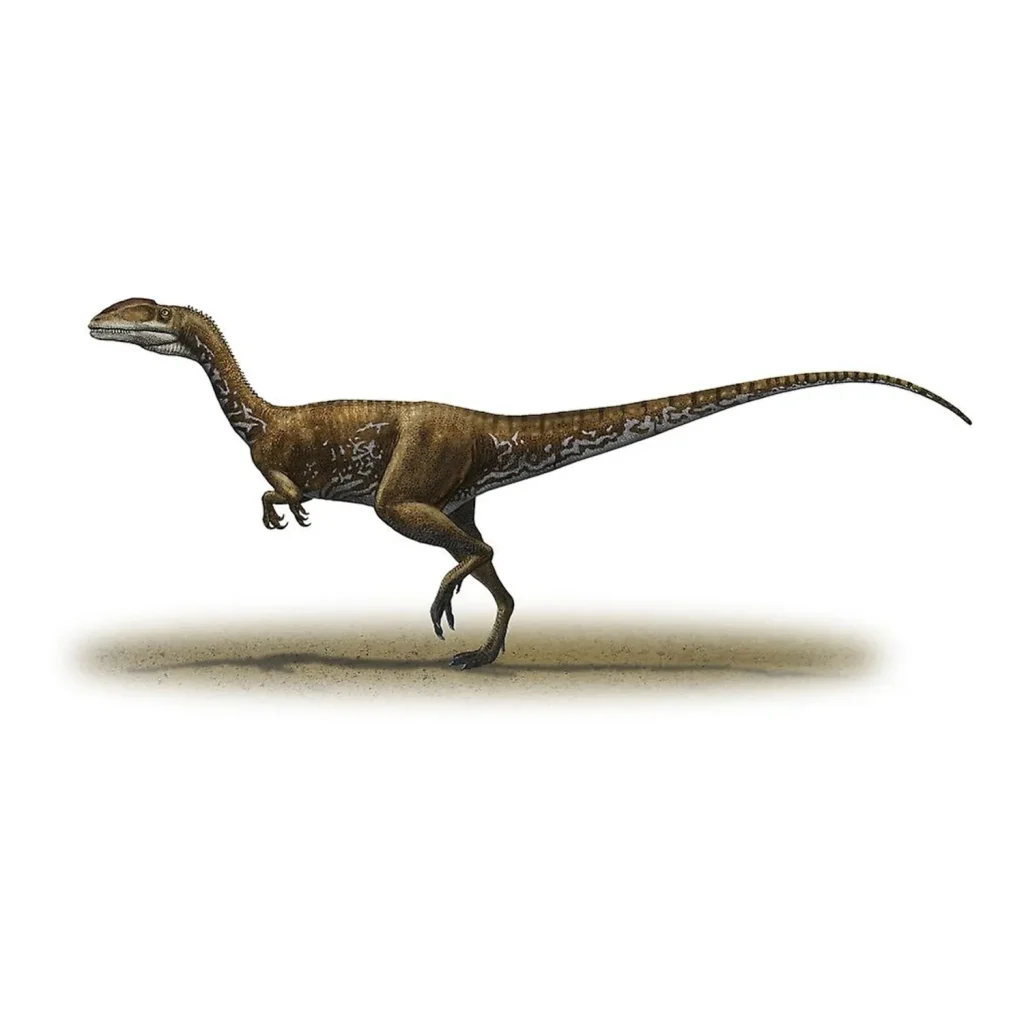
In this “dawn” that marked the beginning of the dinosaur era, a small carnivorous dinosaur sprinted lightly across the land: “Coelophysis.”
Once a mysterious entity, the discovery of a massive number of fossils at “Ghost Ranch” in the United States catapulted it to the forefront of dinosaur research.
“Hollow Form” and a Sleek, Swift Runner
Origin of the Scientific Name
The scientific name Coelophysis means “Hollow Form” in Greek.
True to its name, the interiors of their bones were hollow.
This structure, which dramatically reduced weight while maintaining strength, is a characteristic shared with modern birds and served as a vital weapon for their success as agile hunters.
Physical Characteristics
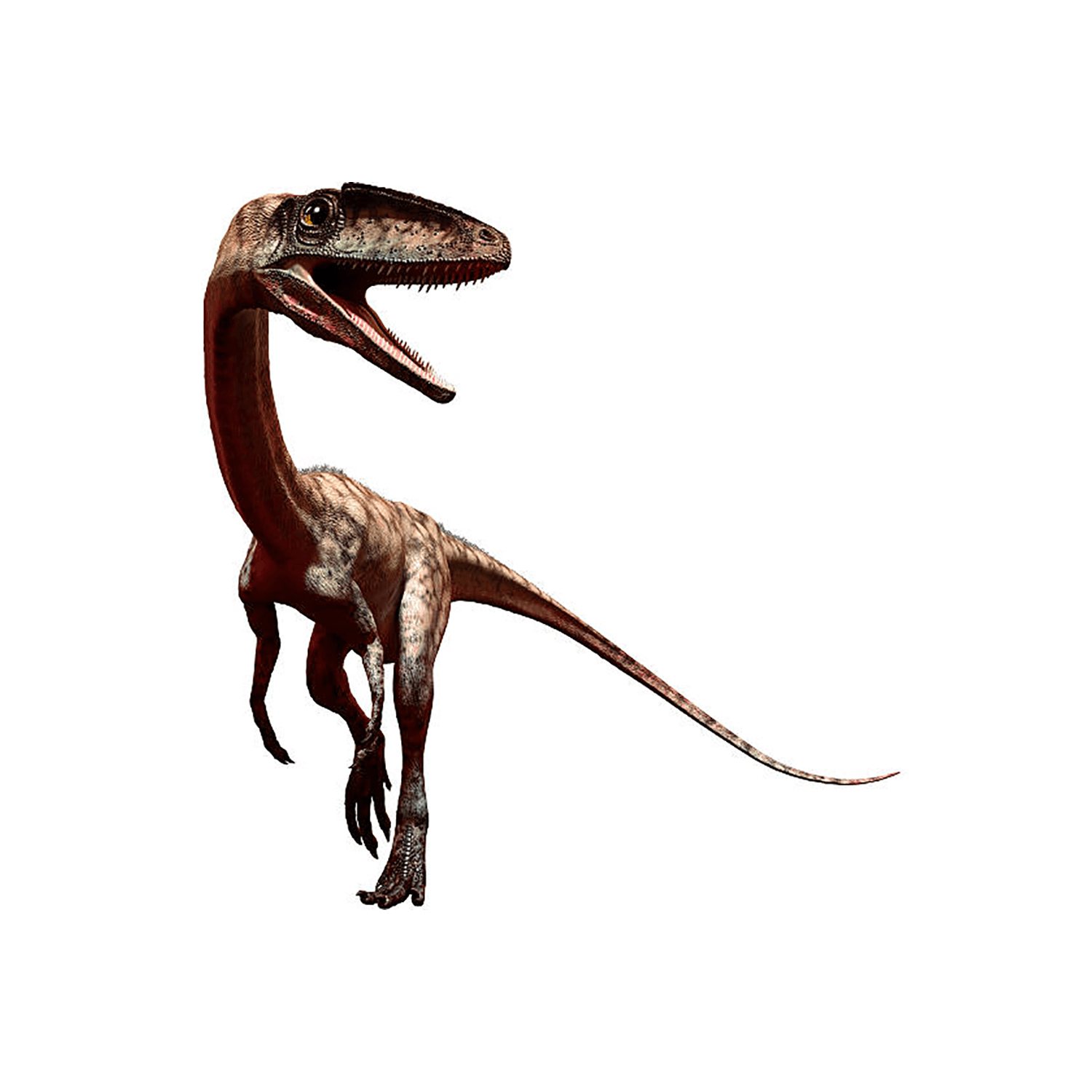
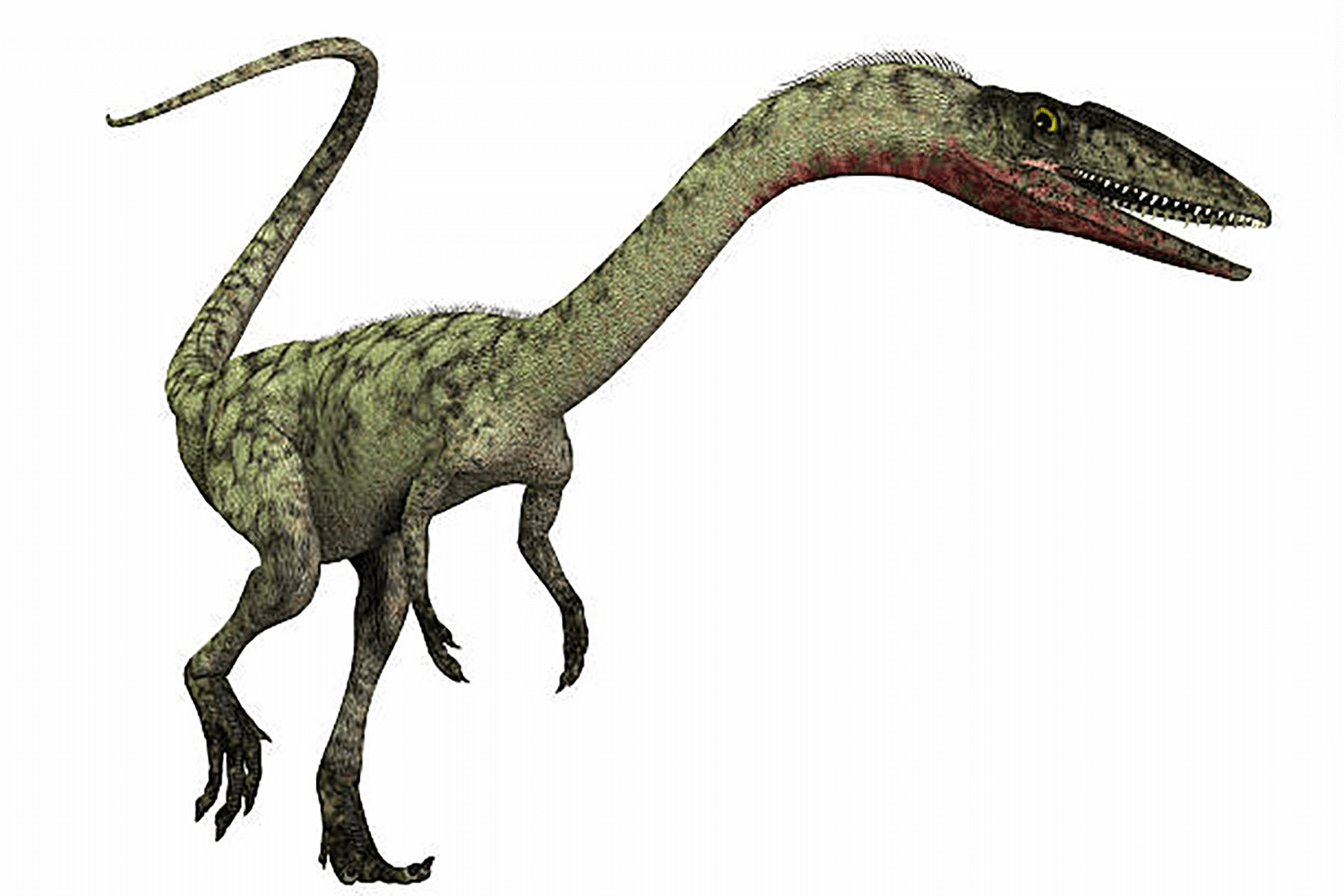
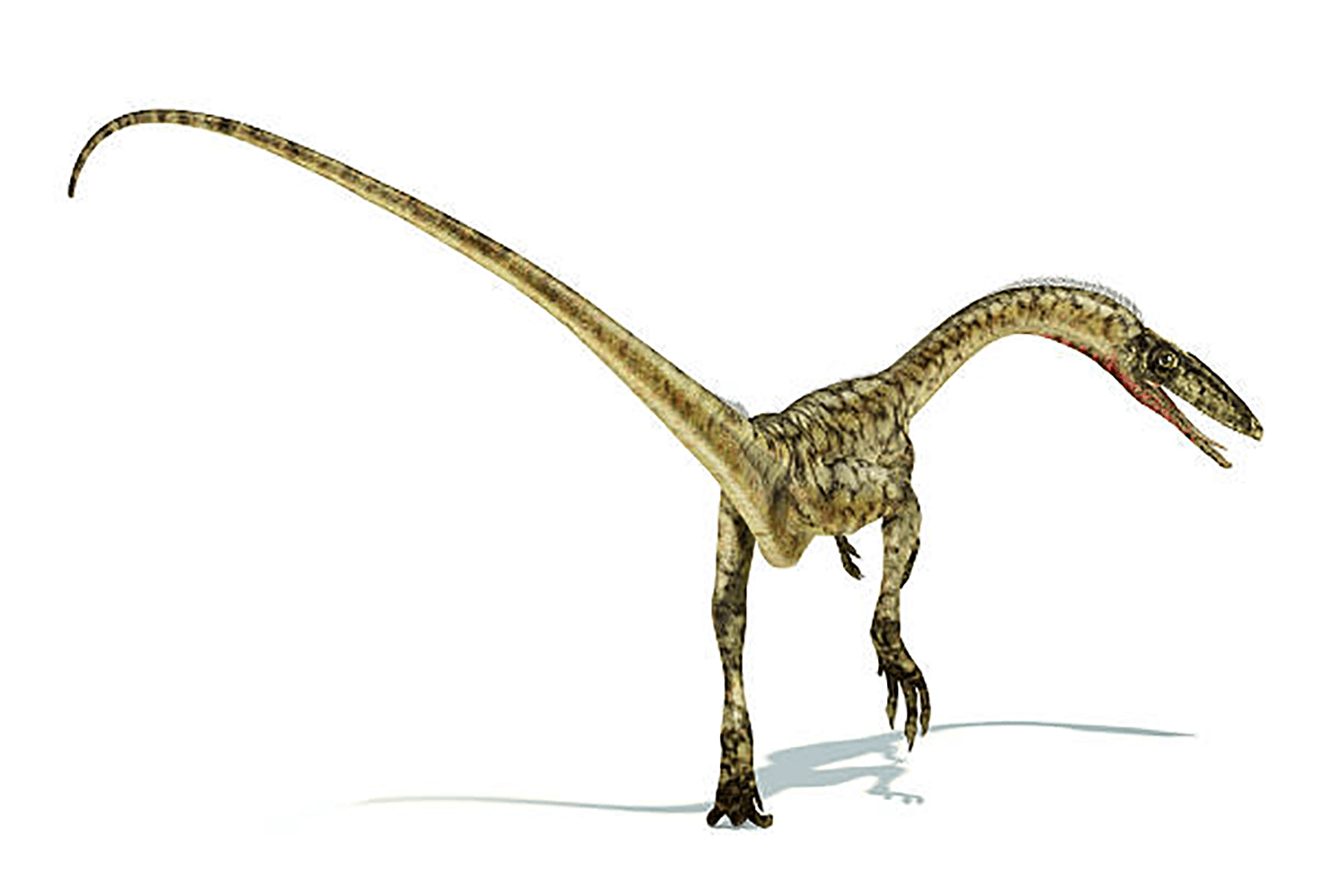
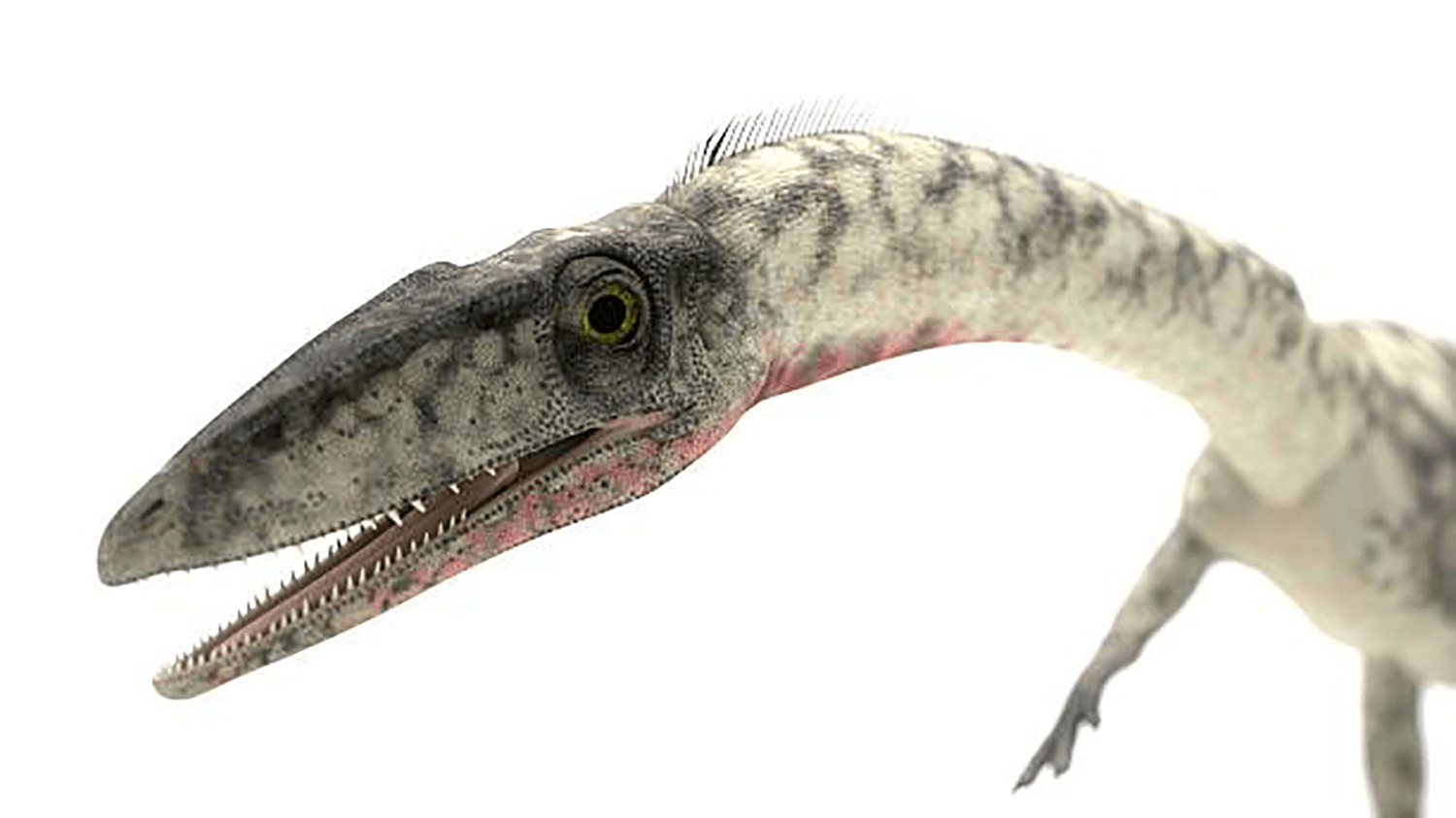
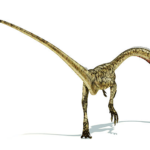
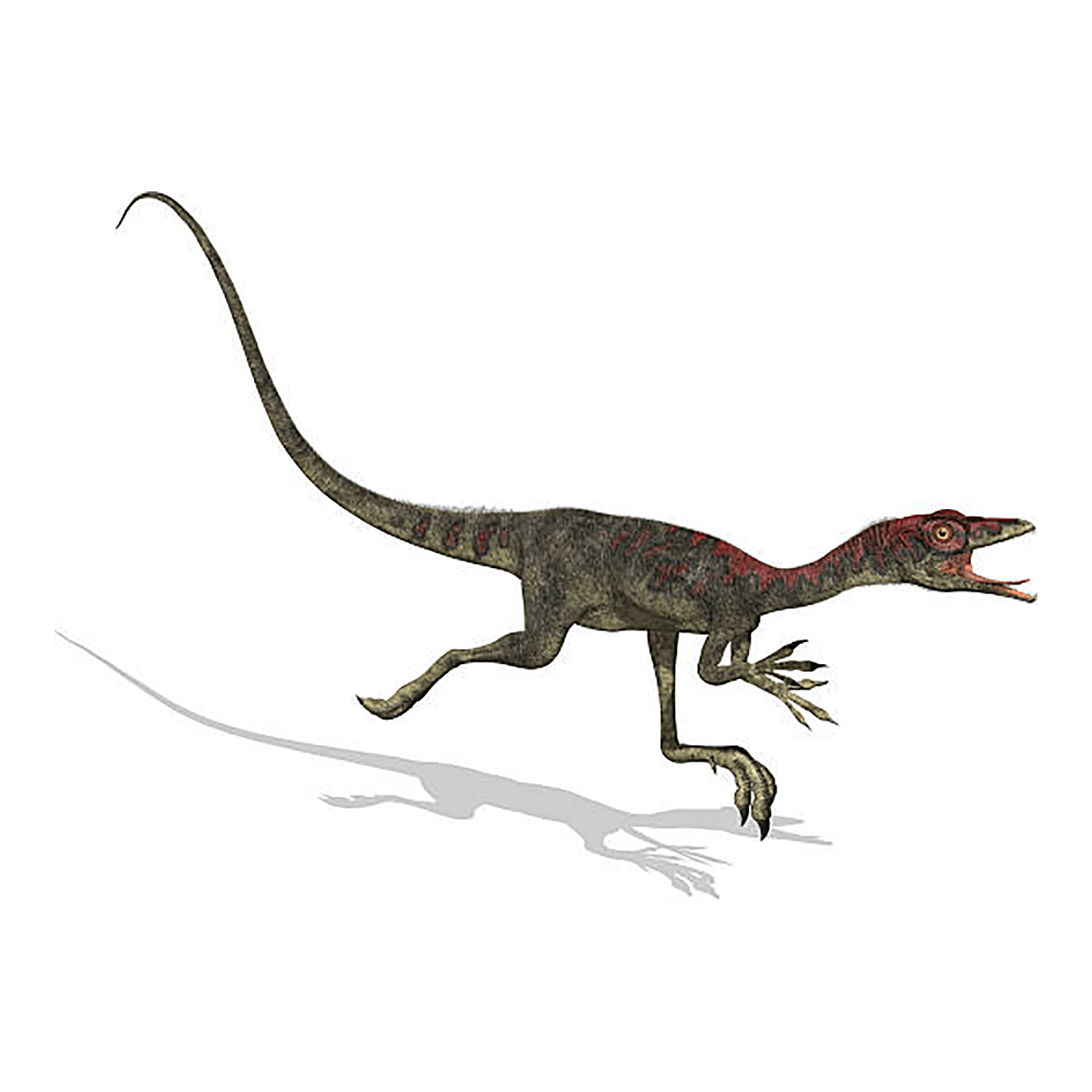
Its total length was about 3 meters.
About the size of Deinonychus, it possessed an extremely slender physique.
It possessed an extremely slender physique
Using its long neck, tail, and powerful hind legs, it is believed to have been capable of running at speeds of 30 km/h.
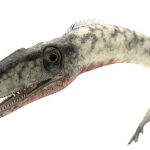
Additionally, its forelimbs had three fingers equipped with sharp claws, and with over 100 serrated teeth lining its upper and lower jaws, it never let prey escape.
With over 100 serrated teeth lining its jaws, it never let prey escape
The Miracle of Ghost Ranch and the “Rioarribasaurus Incident”
Mass Death of Over 500 Individuals
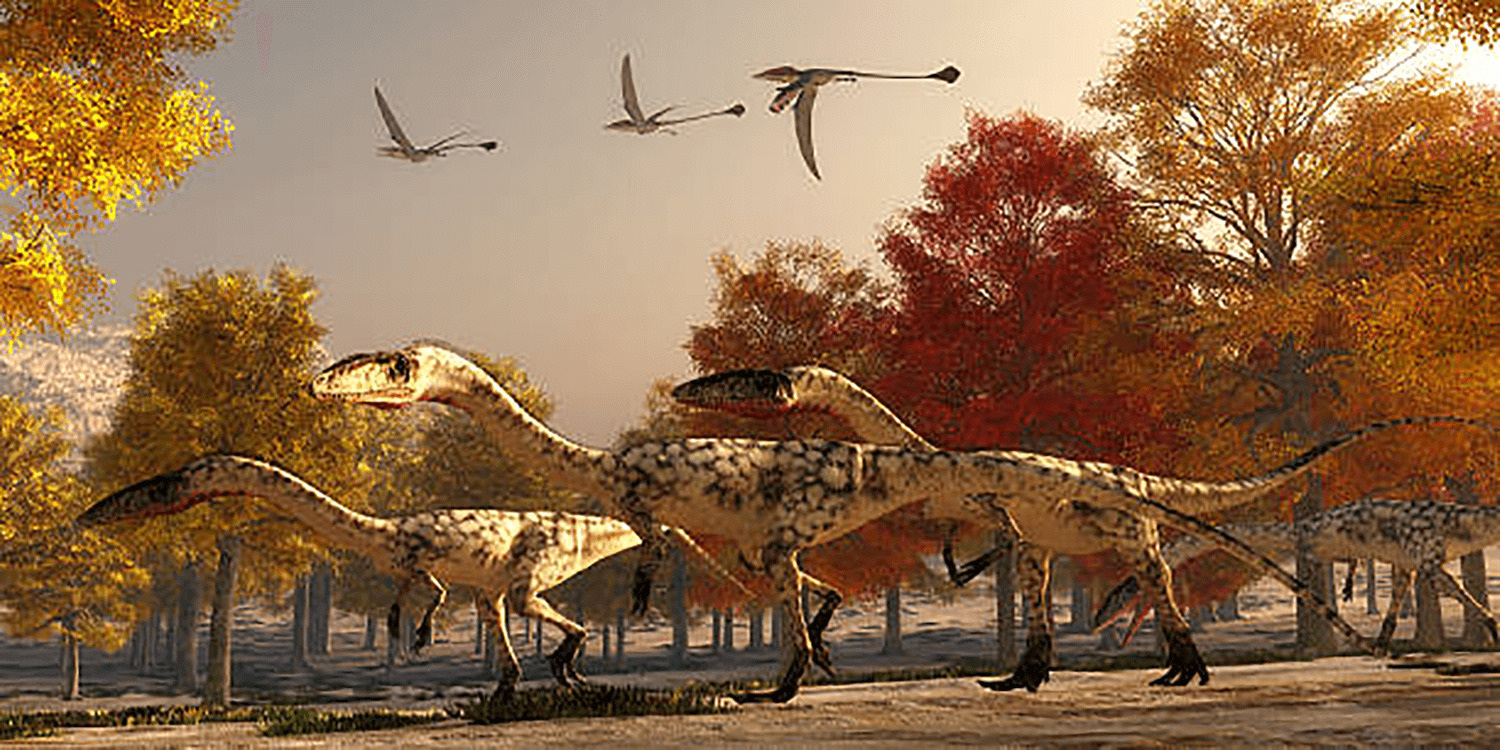
In 1947, Edwin Colbert discovered a “bone bed” containing fossils of over 500 Coelophysis individuals at “Ghost Ranch” in New Mexico.
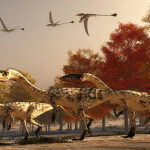
It is speculated that an entire herd was swallowed and deposited by a sudden flood. This became a precious discovery that included individuals of various growth stages, from children to adults.
Controversy Over the Scientific Name
This discovery later triggered a controversy known as the “Rioarribasaurus Incident.”
Suspicions arose that the initially discovered holotype and the Ghost Ranch specimens were different species, and for a time, the new name “Rioarribasaurus” was proposed.
However, a solution was ultimately reached to redesignate the Ghost Ranch specimen as the “neotype,” and the name Coelophysis was preserved.
Alleged “Cannibalism” and True Diet
Juvenile Bones in the Stomach?
The most sensational aspect of the Ghost Ranch discovery was the small bones found in the abdominal region of an adult.
Initially, this was taken as evidence that it “ate its own children (cannibalism),” and for a long time, Coelophysis was featured in illustrated books as a “cruel cannibal dinosaur.”
New Discoveries Clearing Its Name
However, recent reanalysis has overturned this established theory.
It was revealed that the bones in the stomach were not juveniles, but rather early crocodylomorphs such as “Hesperosuchus.”
It was not eating its own kind, but merely preying on small crocodile relatives.
After more than half a century, the stigma of “child killer” was finally cleared.
Actual Diet
Using their sharp teeth and agility, they hunted lizards, mammals, and small crocodylomorphs, while also appearing to have a side as scavengers that scavenged the leftovers of large carnivorous dinosaurs.