
Dracorex


Name Origin
Dragon King
Family
Pachycephalosauridae
Classification
Diapsida, Ornithischia, Marginocephalia
Habitat (Discovery Location)
United States
Period
Late Cretaceous
Length
Approximately 3 meters
Diet
Herbivore
You might also like... 

-
 Ornithomimus
- Classification
- Theropods
- Characteristics
- Herbivorous
- Omnivorous
- Era
- Cretaceous period
- Euoplocephalus
- Classification
- Thyreophora
- Characteristics
- Herbivorous
- Era
- Cretaceous period
- Frenguellisaurus
- Classification
- Theropods
- Characteristics
- Carnivorous
- Era
- Triassic period
- Patagotitan
- Classification
- Sauropods
- Characteristics
- Herbivorous
- Era
- Cretaceous period
-
Sponsored Links
-
Sponsored Links









![[Latest Research] What Was the Function of Spinosaurus's Giant "Sail"? Exploring the Mysteries of Thermoregulation and Underwater Locomotion](https://dinosaurmuseum.jp/wp/wp-content/uploads/eyecatch_spinosaurus-sail-function_en-1024x512.webp)
![[Latest Discovery] A Third Type of Skin, Neither Scales Nor Feathers? Meet "Haolong dongi," a New Dinosaur Species Covered Entirely in Spikes](https://dinosaurmuseum.jp/wp/wp-content/uploads/eyecatch_dinosaur-spiky-skin-discovery_en-1024x512.webp)
Description
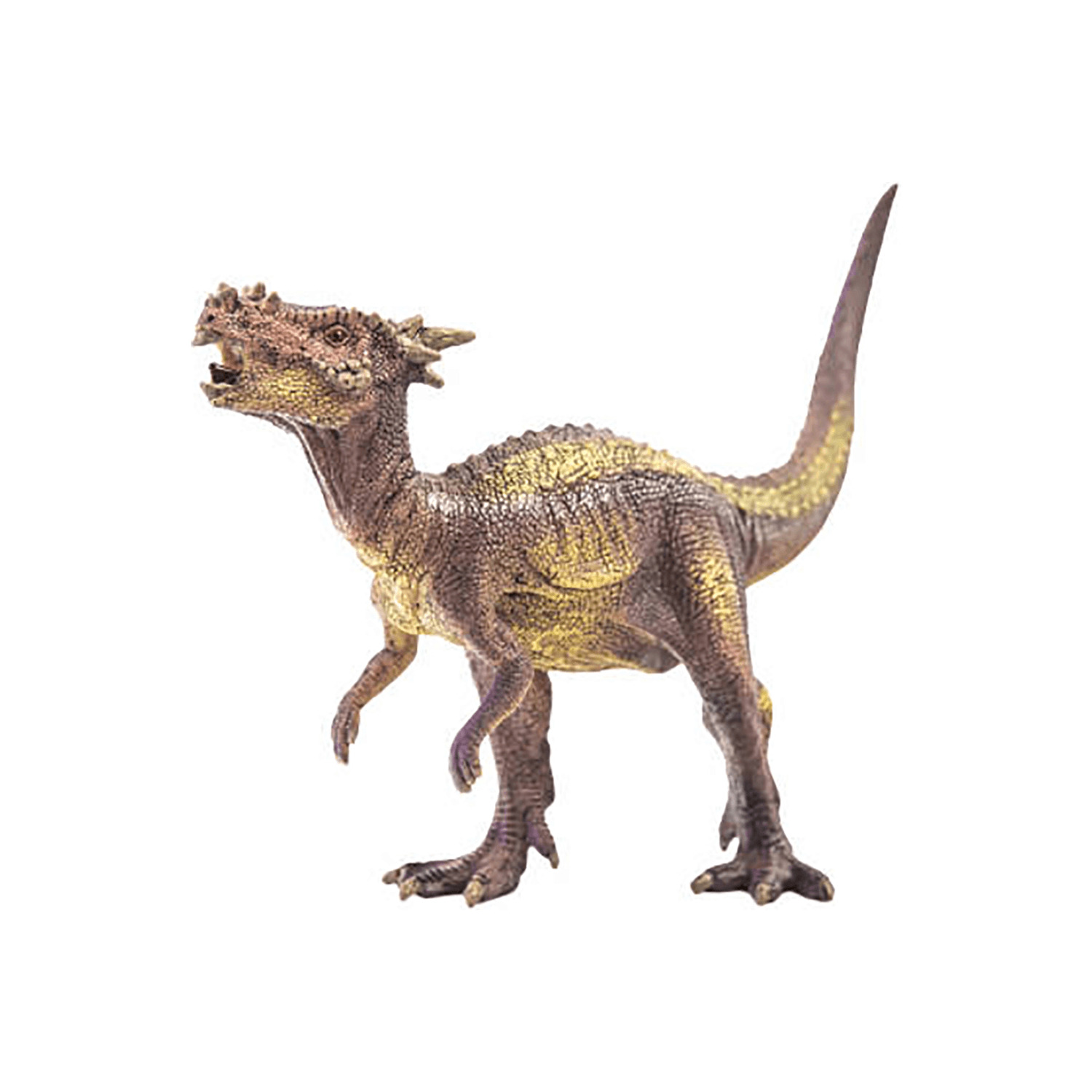
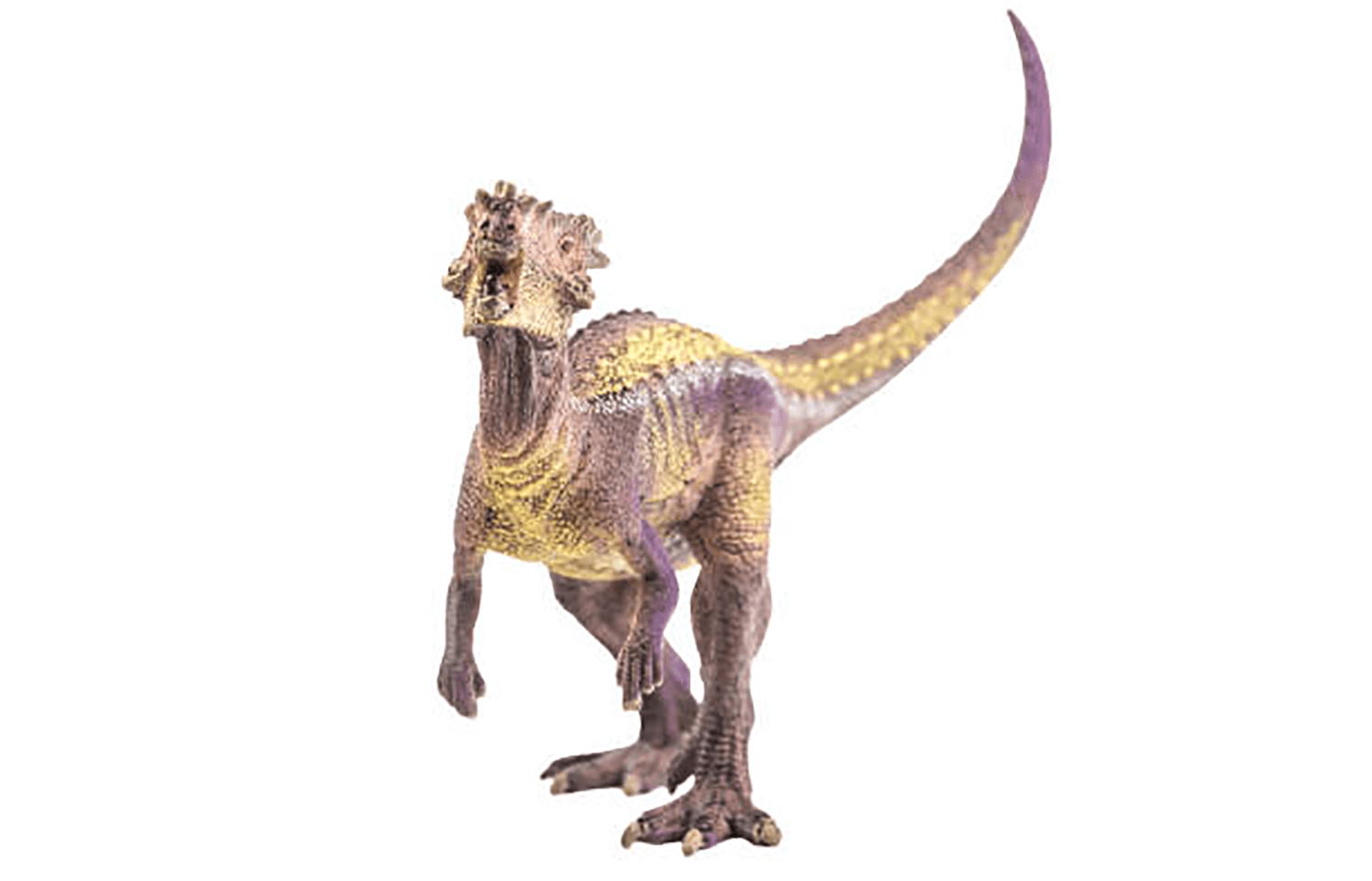
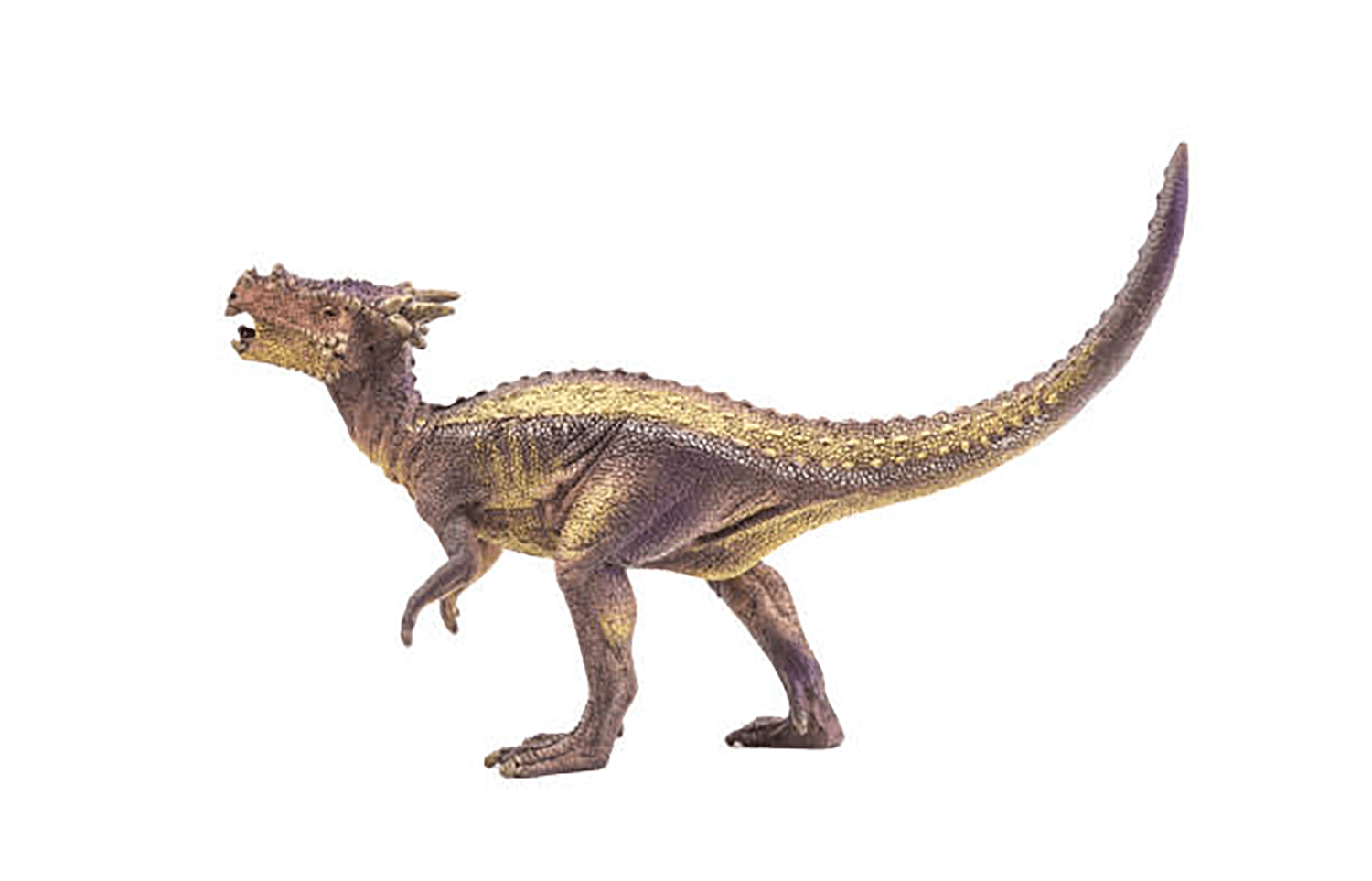
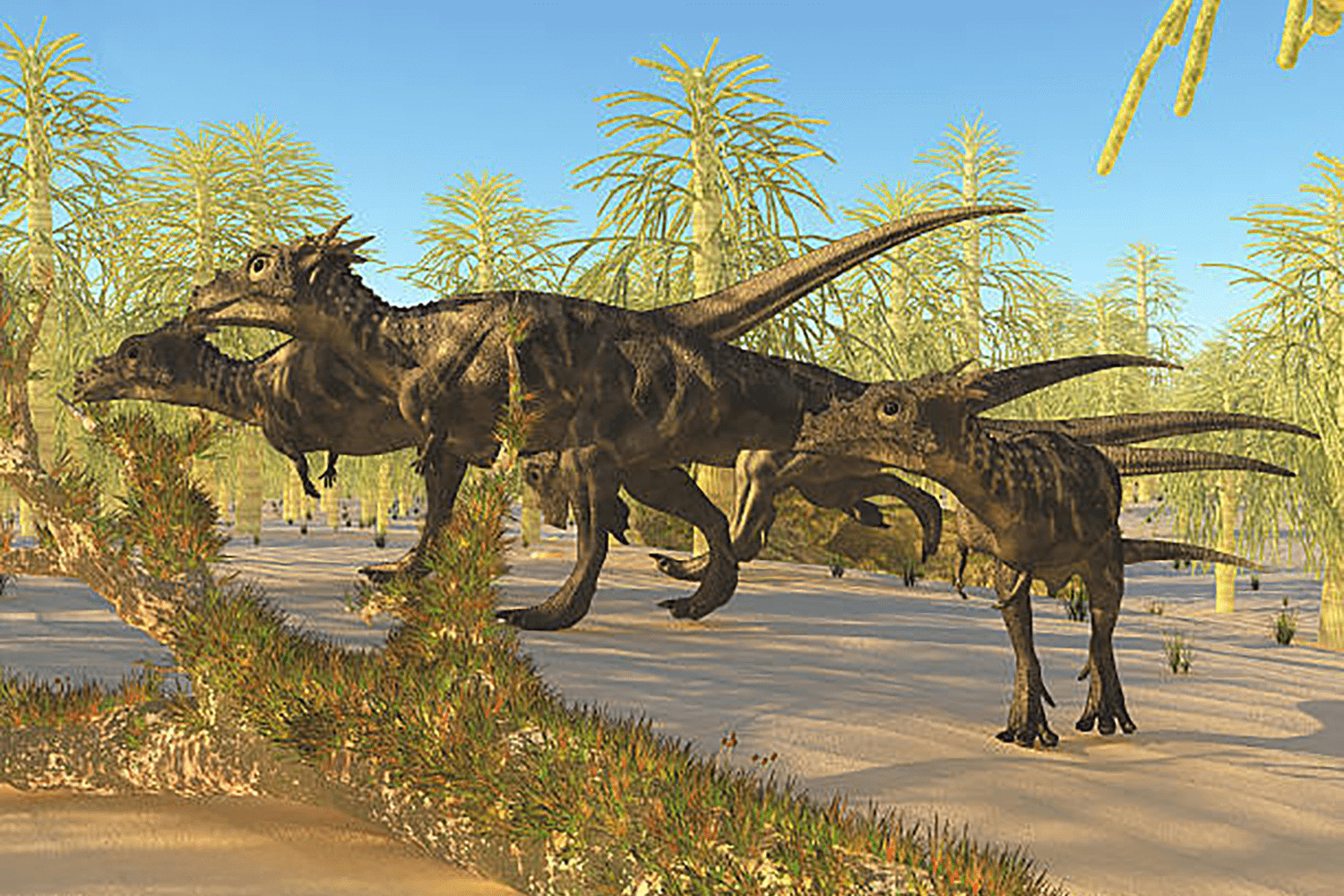
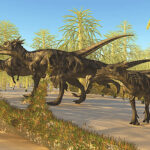
Living on the North American continent during the Late Cretaceous period was a dinosaur that looked as if it had stepped right out of a fantasy world.
Its name is “Dracorex.”
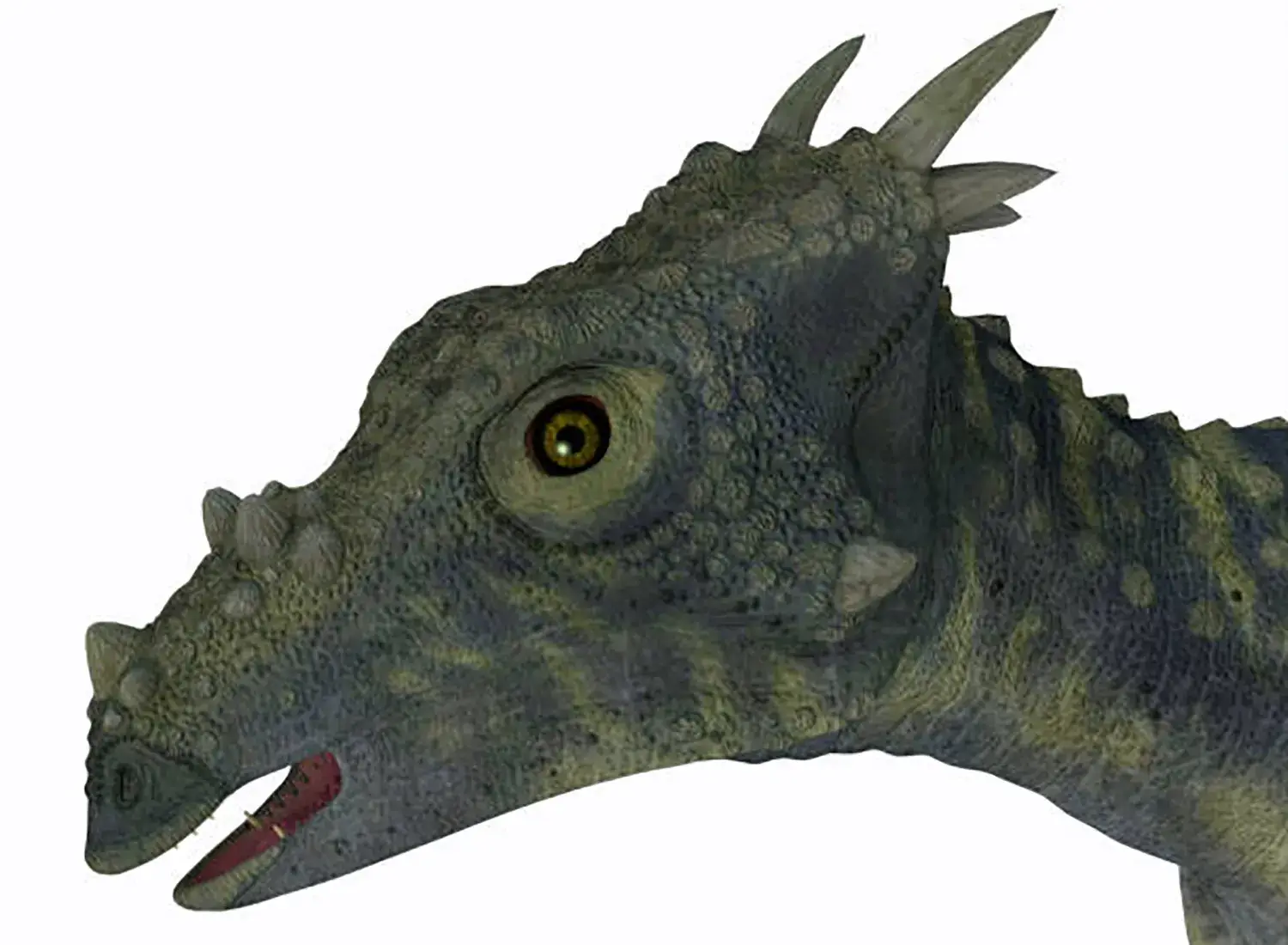
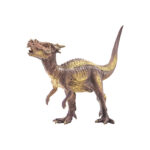
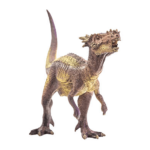
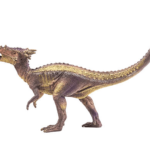
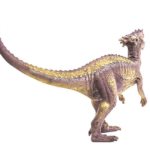
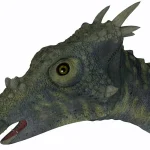
Although its head was flat, the back of its skull was covered in countless sharp horns, giving it the exact appearance of a legendary “Western dragon.”
However, hidden within this dinosaur is a story even more dramatic than its appearance—involving a connection to a world-famous wizard and a surprising theory that shakes its very existence.
“Dragon King of Hogwarts”: A Name Inspired by Harry Potter
“Dragon Bones” That Surprised Even Paleontologists
The fossil of Dracorex was first discovered in 2003 in South Dakota, USA.
Upon seeing the discovered skull, renowned paleontologist Robert Bakker was reportedly astounded by its dragon-like shape and exclaimed, “This is a dragon’s bone!”
Meaning and Origin of the Scientific Name
When formally described in 2006, this dinosaur was given a very unique scientific name:
“Dracorex hogwartsia.”
In other words, the name means “Dragon King of Hogwarts.”
Thanks to this witty naming and its visuals resembling a fantasy creature, Dracorex instantly captured the hearts of dinosaur fans.
A Shocking Theory: “Does Dracorex Not Exist?”
However, a few years after its discovery, paleontologist Jack Horner, known for supervising the movie Jurassic Park, announced a shocking hypothesis that overturned the existence of this “Dragon King.”
The theory was that “an independent species called Dracorex does not exist; it is merely a juvenile (child) Pachycephalosaurus.”
Basis for the Suspicion
Unlike Pachycephalosaurus, famous as the “bone-headed dinosaur” with a domed skull, Dracorex has a flat head with no dome.
At a glance, they look like different species, but detailed analysis pointed out the following:
All Fossils are “Children”
Dracorex fossils are small in size, indicating a high possibility that they are growing juveniles.
Matching Parts
When comparing the skeleton with Pachycephalosaurus and Stygimoloch from the same era, characteristics other than the horns and dome match perfectly.
From this, a new diagram of “a dinosaur that changes its appearance dramatically as it grows” emerged.
From Dracorex to Pachycephalosaurus: A Dramatic Transformation
Jack Horner’s theory is now well-established, and the three dinosaurs once thought to be independent species are now believed to be different growth stages of a single species, “Pachycephalosaurus.”
If likened to humans, the growth stages are as follows:
Early Teens (Juvenile) = Dracorex
The period when the head is flat, but the horns on the back of the head are growing long and sharp.
This appearance was mistaken for a “dragon.”
Late Teens (Sub-adult) = Stygimoloch
The period when the dome on the top of the head begins to swell, but the horns on the back of the head still remain long.
It used to be called the independent species “Stygimoloch.”
Adult = Pachycephalosaurus
The dome on the head fully grows and becomes massive.
As a trade-off, the horns on the back of the head are absorbed, becoming shorter and rounder.
In short, Dracorex was essentially a nickname given to “Pachycephalosaurus during its childhood.”
Value Remains Even as an Illusion: A Carnivorous Childhood?
As an independent species, “Dracorex” is destined to disappear from taxonomy.
However, its discovery provided extremely valuable evidence.
Detailed examination of the Dracorex skull revealed that sharp triangular teeth resembling those of theropods (carnivorous dinosaurs) grew in the front of the jaw.
It was revealed that sharp triangular teeth resembling those of theropods (carnivorous dinosaurs) were growing.
While adult Pachycephalosaurus are considered fully herbivorous, during their childhood (the Dracorex phase), they may have been omnivorous, eating insects and small animals to ingest high-nutrition food for rapid body growth.
The name “Dragon King of Hogwarts” may become a phantom in academic terms, but the “story of growth” told by its bones has vividly changed our view of dinosaurs, just like magic.