Fabrosaurus
Name Origin
Fabre's Lizard (Named after the biologist)
Family
Fabrosauridae
Classification
Diapsida, Ornithischia
Habitat (Discovery Location)
Lesotho, South Africa
Period
Approximately 199–189 million years ago (Early Jurassic)
Length
Approximately 1 meter
Weight
Approximately 18 kg
Diet
Herbivore
You might also like... 
-
 Khankhuuluu
- Classification
- Theropods
- Characteristics
- Carnivorous
- Era
- Cretaceous period
- Rugops
- Classification
- Theropods
- Characteristics
- Carnivorous
- Era
- Cretaceous period
- Eotyrannus
- Classification
- Theropods
- Characteristics
- Carnivorous
- Era
- Cretaceous period
- Pyroraptor
- Classification
- Theropods
- Characteristics
- Carnivorous
- Era
- Cretaceous period
-
Sponsored Links
-
Sponsored Links

![[Latest Research] What Was the Function of Spinosaurus's Giant "Sail"? Exploring the Mysteries of Thermoregulation and Underwater Locomotion](https://dinosaurmuseum.jp/wp/wp-content/uploads/eyecatch_spinosaurus-sail-function_en-1024x512.webp)
![[Latest Discovery] A Third Type of Skin, Neither Scales Nor Feathers? Meet "Haolong dongi," a New Dinosaur Species Covered Entirely in Spikes](https://dinosaurmuseum.jp/wp/wp-content/uploads/eyecatch_dinosaur-spiky-skin-discovery_en-1024x512.webp)
Description
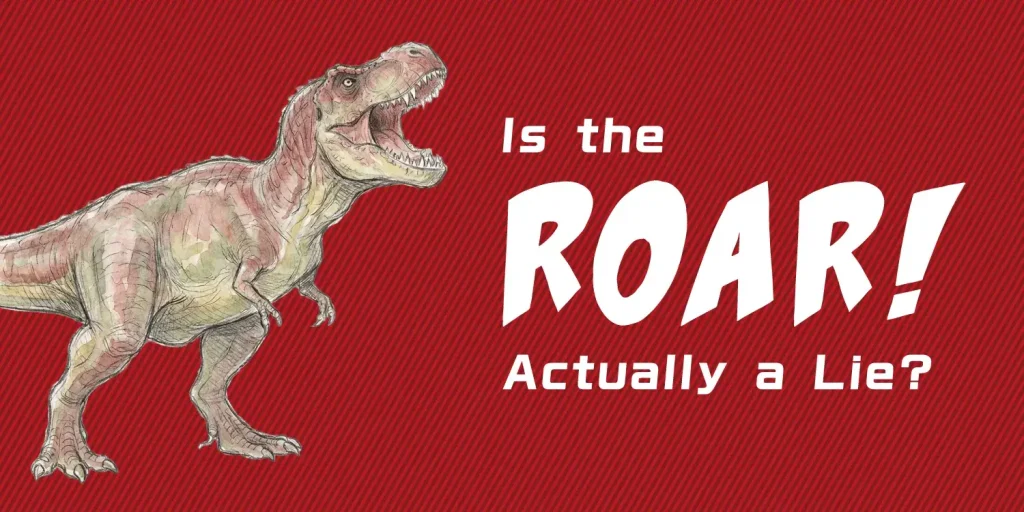
Did you know there is a dinosaur named after Jean-Henri Fabre, who is world-famous for his “Souvenirs Entomologiques”?
This is “Fabrosaurus,” which lived in Africa during the Early Jurassic period.
Although it is an important species considered a distant ancestor of dinosaurs like Triceratops, this dinosaur currently faces a complicated situation where its “name might disappear.”
“Fabre’s Lizard”: Dedicated to an Entomologist
Origin of a Rare Name
The scientific name Fabrosaurus was coined in 1964 by French paleontologist Leonard Ginsburg.
The name is derived from the French naturalist and entomologist Jean-Henri Fabre.
It literally translates to “Fabre’s Lizard,” and is known as a very rare case where a dinosaur is named after an entomologist.
Scanty Fossils
The fossil that served as the basis for this name was extremely fragmentary, consisting only of a part of a “lower jawbone” equipped with a few teeth.
This fact is the trigger for the potential “disappearance of the name” described below.
The Biggest Mystery: Is It the Same Dinosaur as Lesothosaurus?
One cannot discuss Fabrosaurus without addressing its relationship with “Lesothosaurus,” which lived in the same region (such as Lesotho) at the same time.
Two of a Kind
The two are extremely similar in appearance and ecological characteristics.
However, while Fabrosaurus fossils are fragmentary, Lesothosaurus is known from the discovery of numerous well-preserved fossils.
Possibility of the Name Disappearing
Currently, many researchers believe that “Fabrosaurus and Lesothosaurus may actually be the same dinosaur (synonyms).”
This is because the Fabrosaurus fossil is too poor to fully prove unique characteristics.
If they are determined to be the same species, the name “Lesothosaurus,” which has better specimens, may take precedence, and the name Fabrosaurus could disappear as a nomen dubium (doubtful name).
Human Child Size! A Runner with “Mammal-like Legs”
Although they are in a taxonomic crisis, their physical abilities were excellent and specialized for their environment.
Agile Escape Artist
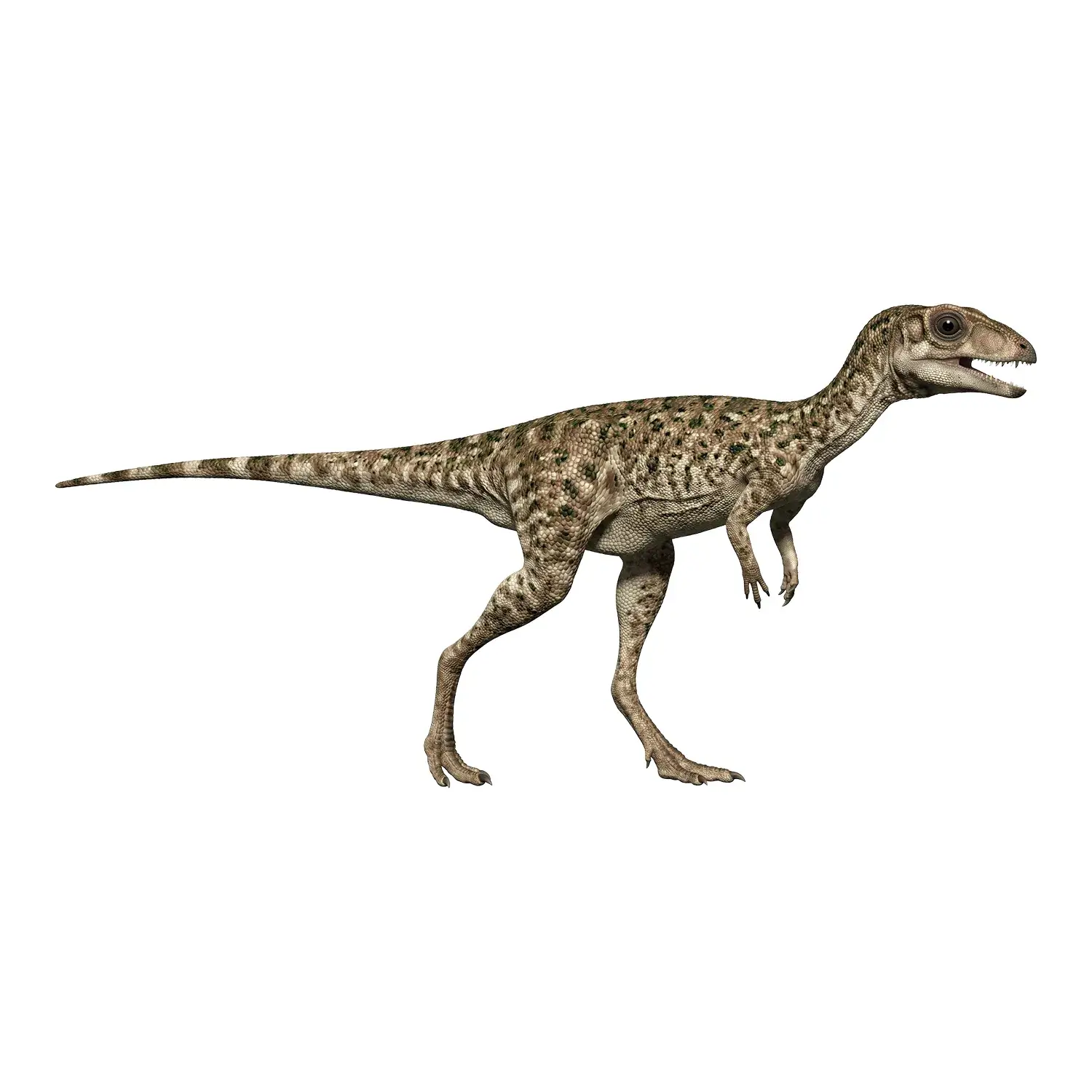
It was about 1 meter in length and weighed approximately 18 kg.
Standing only about as tall as a human child, its bones were hollow to reduce weight.
Carnivorous dinosaurs like Megapnosaurus existed in Africa at that time, but since Fabrosaurus had no weapons, it protected itself solely by “running away.”
Distinctive Leg Structure
Bipedal in nature, their hind limbs did not splay out to the sides like reptiles, but extended vertically beneath the torso like mammals.
It is believed that they sprinted at considerable speeds by utilizing this efficient running structure, along with spring-like long hind legs and a tail used for balance.
Primitive Ornithischian: No Cheeks and Poor at Chewing
Fabrosaurus belongs to an extremely early group of Ornithischia (herbivorous dinosaurs), which would prosper in later eras.
No Cheeks
Unlike later dinosaurs such as the duck-billed dinosaurs, they did not have developed “cheeks” to hold plants in their mouths.
Simple Teeth
They possessed only small, pointed, simple teeth and could only move their jaws up and down to “slice” vegetation.
They seemingly adopted a simple eating style of biting off plants growing on the ground and swallowing them whole.