
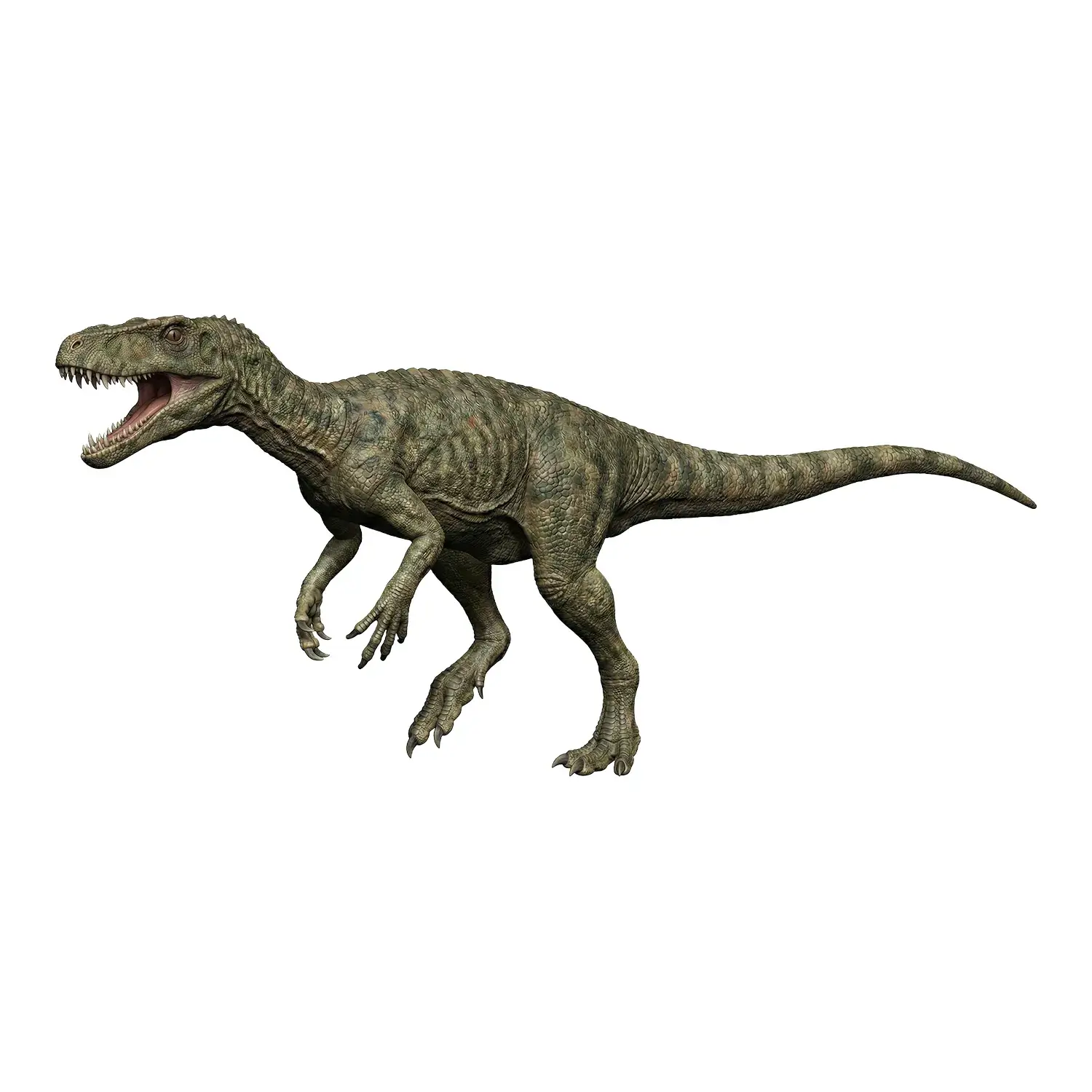
Frenguellisaurus
Name Origin
Frenguelli's Lizard (Named after the scientist Joaquín Frenguelli)
Family
Herrerasauridae
Classification
Diapsida, Saurischia, Theropoda
Habitat (Discovery Location)
Argentina
Period
Approximately 228 million years ago (Late Triassic)
Length
Approximately 6 meters
Diet
Carnivore (Meat-eater)
You might also like... 

-
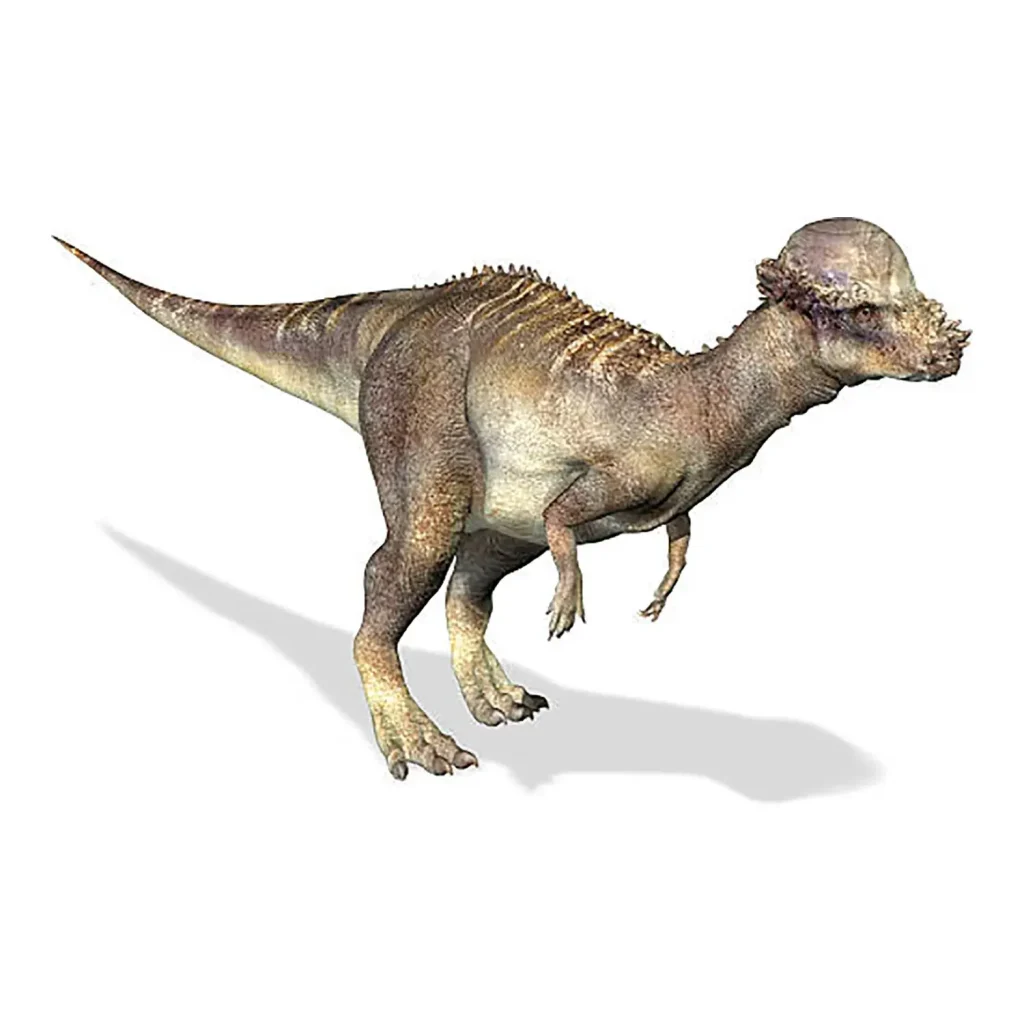
 Pachycephalosaurus
- Classification
- Marginocephalia
- Characteristics
- Herbivorous
- Era
- Cretaceous period
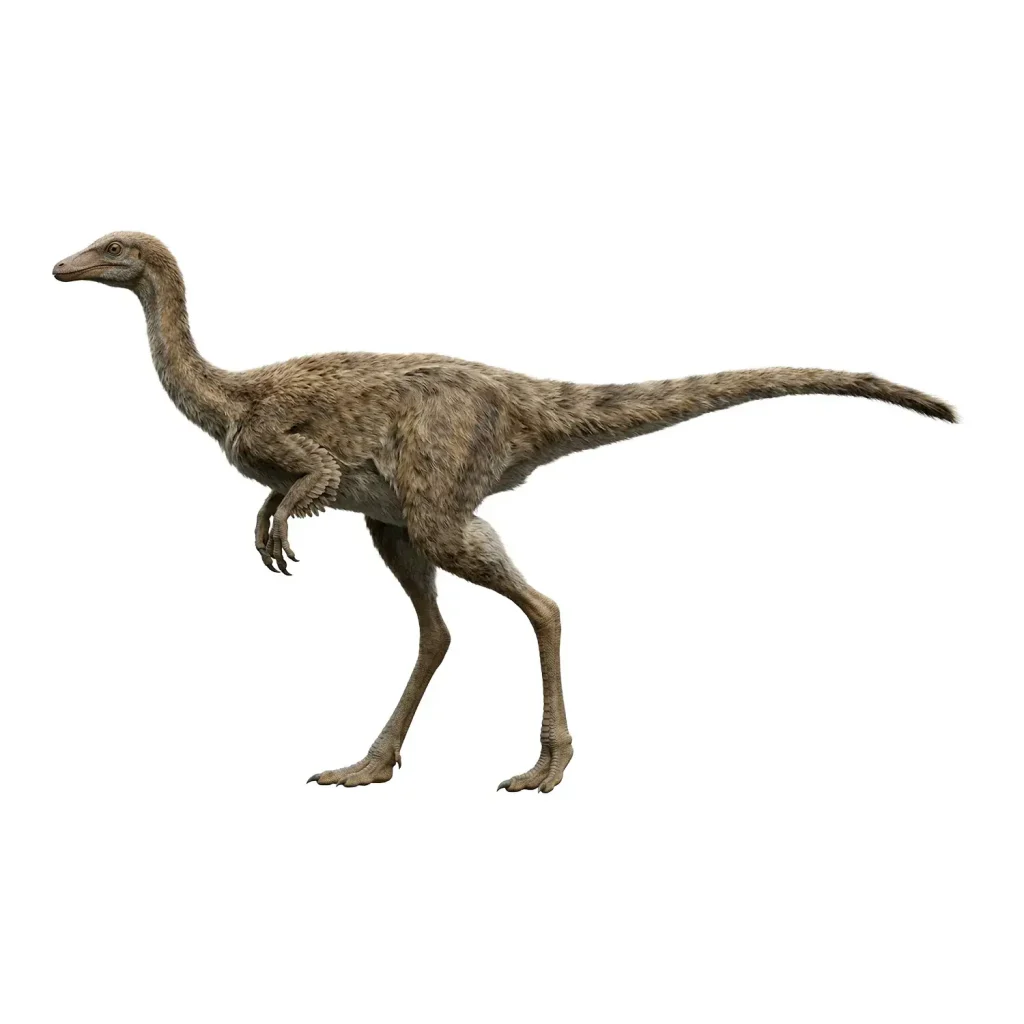
- Sinornithomimus
- Classification
- Theropods
- Characteristics
- Omnivorous
- Feathered
- Era
- Cretaceous period
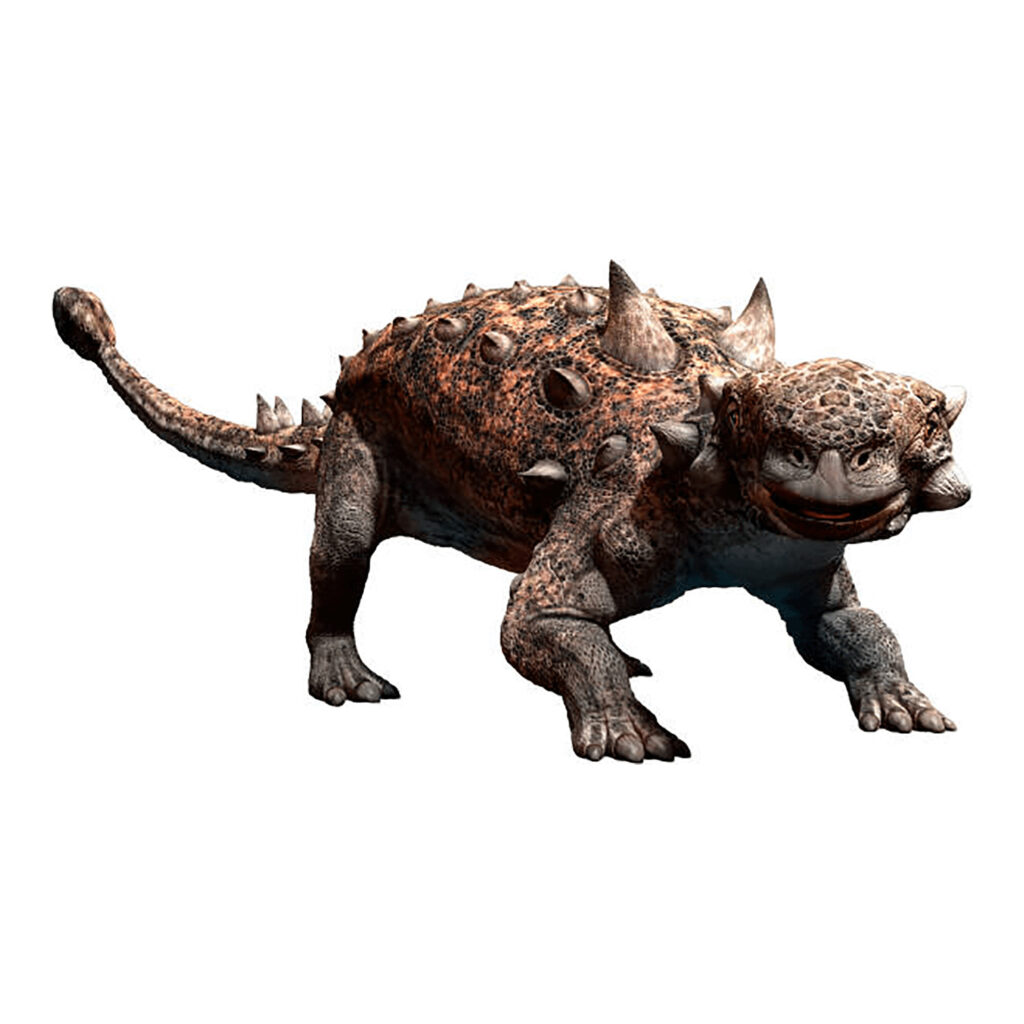
- Euoplocephalus
- Classification
- Thyreophora
- Characteristics
- Herbivorous
- Era
- Cretaceous period
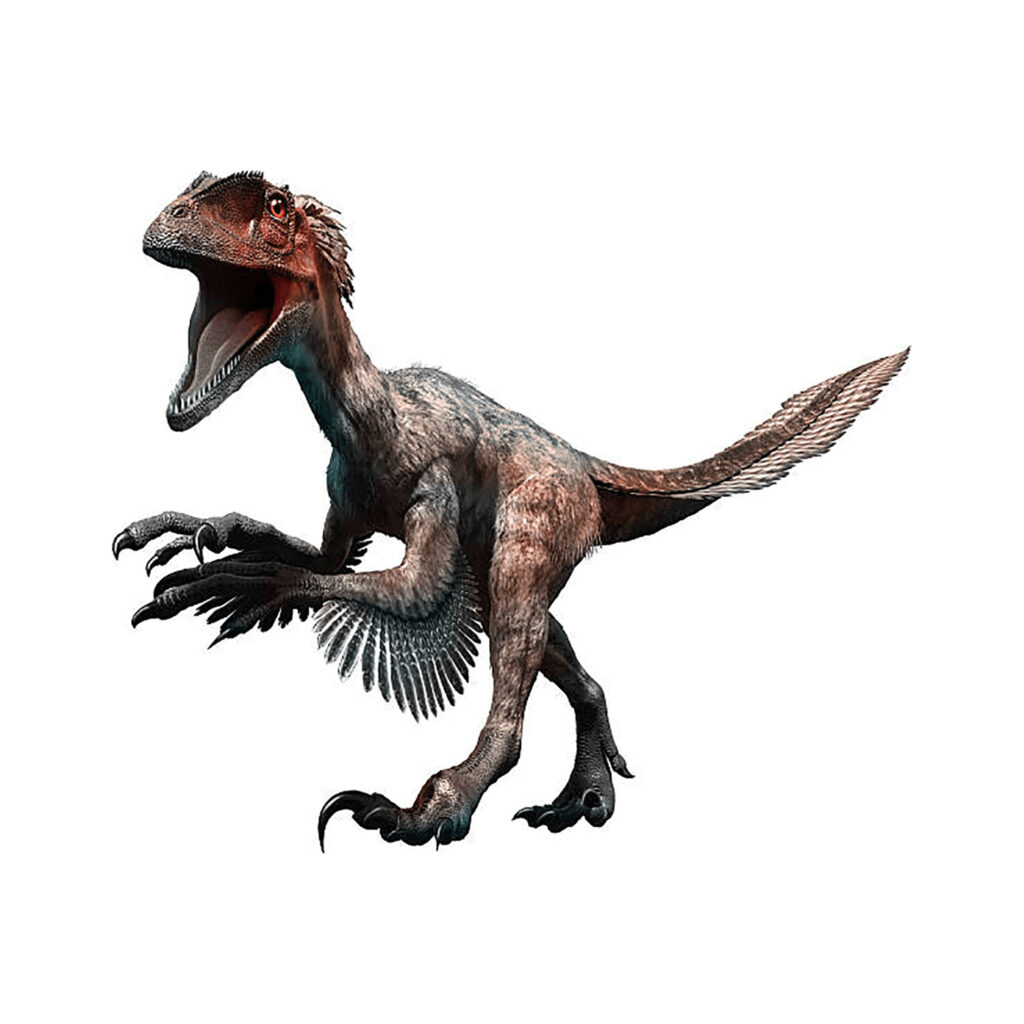
- Deinonychus
- Classification
- Theropods
- Characteristics
- Carnivorous
- Feathered
- Era
- Cretaceous period
-
Sponsored Links
-
Sponsored Links









![[Latest Research] What Was the Function of Spinosaurus's Giant "Sail"? Exploring the Mysteries of Thermoregulation and Underwater Locomotion](https://dinosaurmuseum.jp/wp/wp-content/uploads/eyecatch_spinosaurus-sail-function_en-1024x512.webp)
![[Latest Discovery] A Third Type of Skin, Neither Scales Nor Feathers? Meet "Haolong dongi," a New Dinosaur Species Covered Entirely in Spikes](https://dinosaurmuseum.jp/wp/wp-content/uploads/eyecatch_dinosaur-spiky-skin-discovery_en-1024x512.webp)

Description
Frenguellisaurus was one of the largest carnivorous dinosaurs of its time, living in Argentina during the Late Triassic (about 228 million years ago), the dawn of the dinosaur era.
Discovered in the “Ischigualasto Formation,” this dinosaur possessed a body larger than the famous Herrerasaurus. However, a debate has continued for many years regarding its true identity: “Is it actually the same dinosaur as Herrerasaurus?”
Relationship with Herrerasaurus: A Different Species or a Fully Grown Form?
The greatest characteristic of Frenguellisaurus lies in the ambiguity of its classification.
This is because it looks extremely similar to the primitive dinosaur “Herrerasaurus” that lived in the same era and region.
The Prevailing “Synonym” Theory
Since many skeletal features match those of Herrerasaurus, many researchers believe that “Frenguellisaurus is merely a fully grown Herrerasaurus.”
If this theory is correct, the scientific name Frenguellisaurus would become invalid and be subsumed into Herrerasaurus.
Grounds for Being a Distinct Species
On the other hand, features that clearly distinguish the two have also been confirmed.
In particular, the structure of the lower jaw and a unique “constriction” are not seen in Herrerasaurus.
Therefore, it is still sometimes treated as an independent species, and the debate over its true identity remains unsettled.
A 6-Meter “Earliest Giant”
Although there are taxonomic debates, it is an undeniable fact that Frenguellisaurus possessed an exceptionally massive body for the Triassic period.
Largest of Its Time
Its estimated total length is about 6 meters.
While small compared to large theropods of later eras, it was an overwhelming “giant” by Late Triassic standards.
In the Ischigualasto Formation where they were found, they boasted a size a cut above the rest and reigned at the top of the ecosystem.
Incidentally, the scientific name means “Frenguelli’s Lizard,” named after the Argentine paleontologist Dr. Joaquín Frenguelli.
The Apex Predator’s Table: Targeting Scaphonyx
As the rulers of that time, what did they eat to maintain their massive bodies?
Main Diet: “Scaphonyx”
Large quantities of “Scaphonyx (rhynchosaurs),” herbivorous reptiles measuring 1 to 3 meters in length, have been found in the geological layers where it was discovered.
It is believed that the slow-moving Scaphonyx was the perfect “staple food” for Frenguellisaurus with its powerful jaws.
Possibility of Piscivory (Fish-Eating)
Additionally, based on the unique “constriction” in the jawbone and the characteristics of its sharp teeth, a theory has been proposed that they preyed on fish at the water’s edge, much like modern crocodiles.