
Imperobator
Name Origin
Latin for "Strong warrior"
Classification
Diapsida, Saurischia, Theropoda
Habitat (Discovery Location)
Antarctica
Period
Approximately 70 million years ago (Late Cretaceous)
Length
Approximately 3 to 4 meters
Diet
Carnivore (Meat-eater)
You might also like... 

-
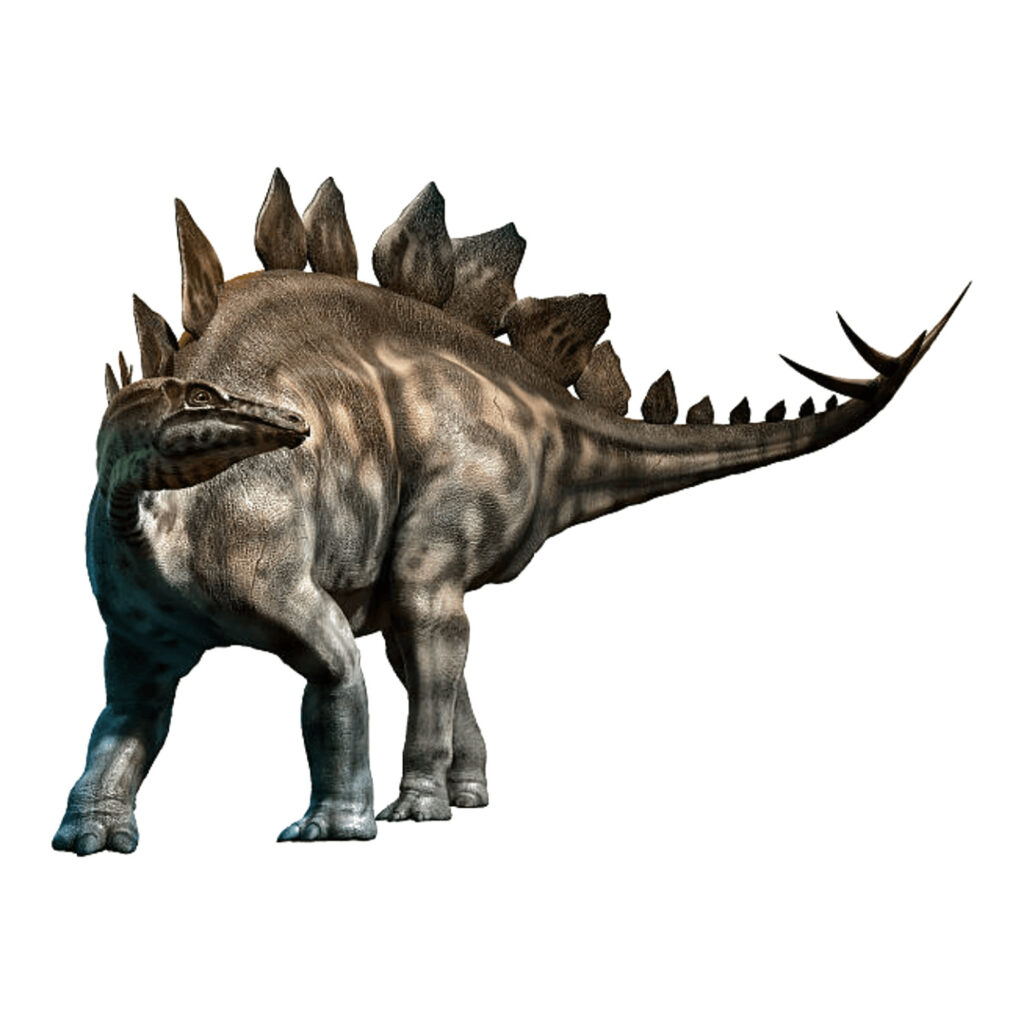
 Stegosaurus
- Classification
- Thyreophora
- Characteristics
- Herbivorous
- Era
- Jurassic period
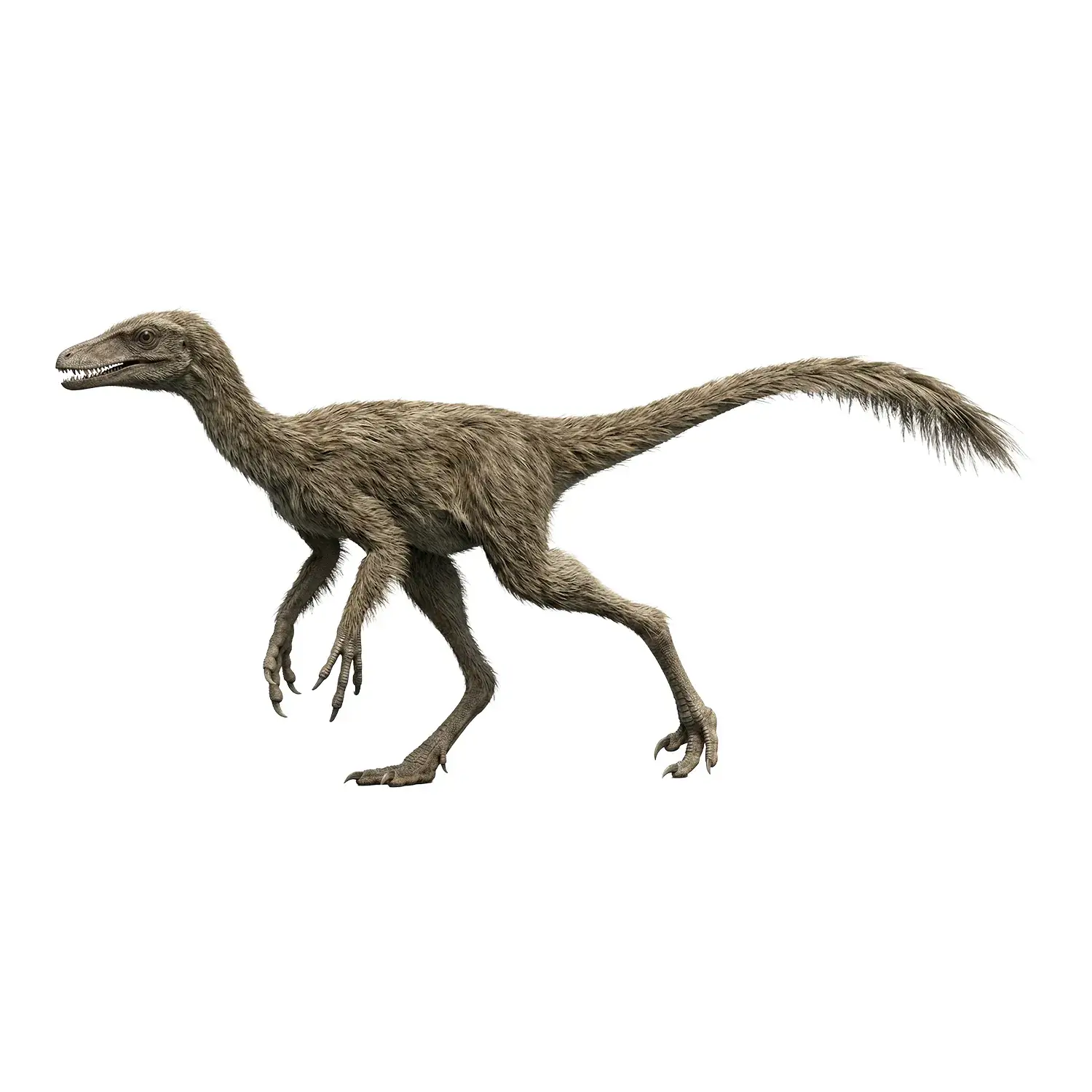
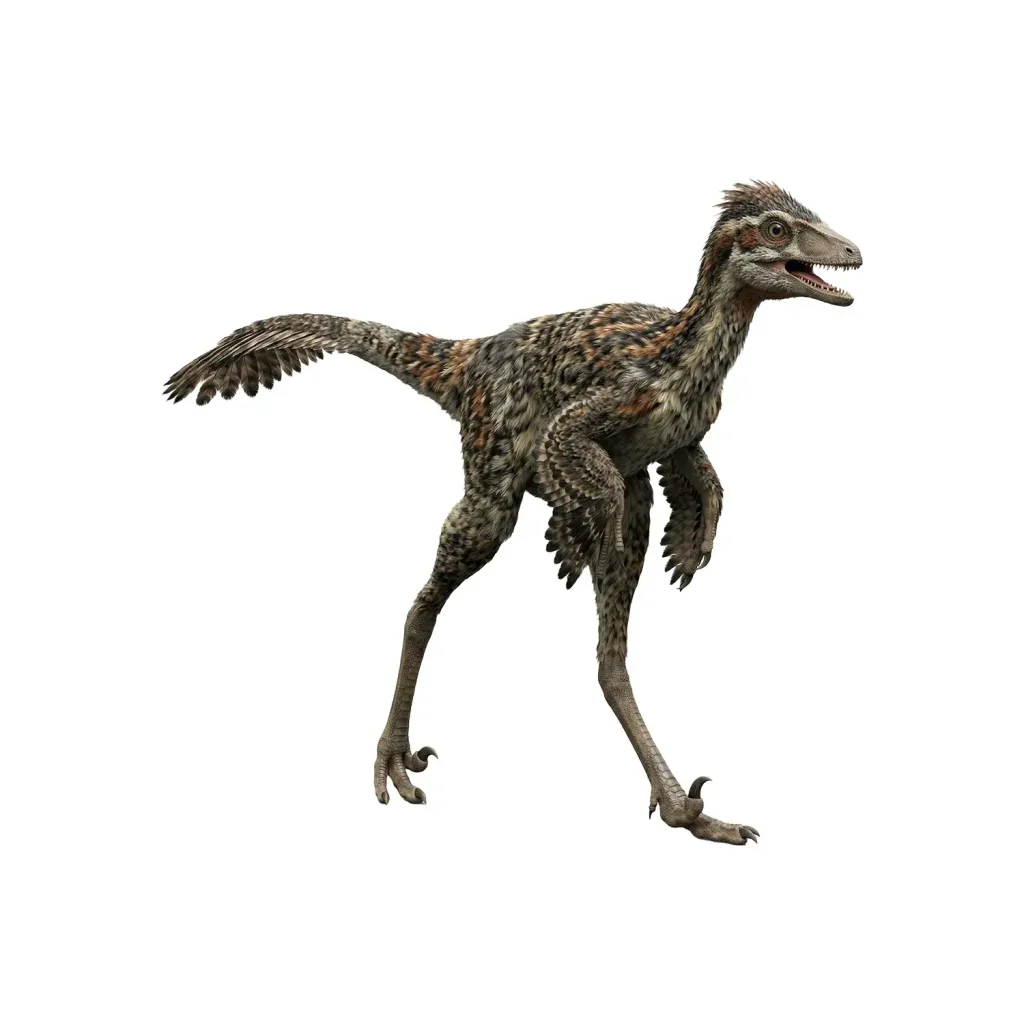
- Sinovenator
- Classification
- Theropods
- Characteristics
- Carnivorous
- Feathered
- Era
- Cretaceous period
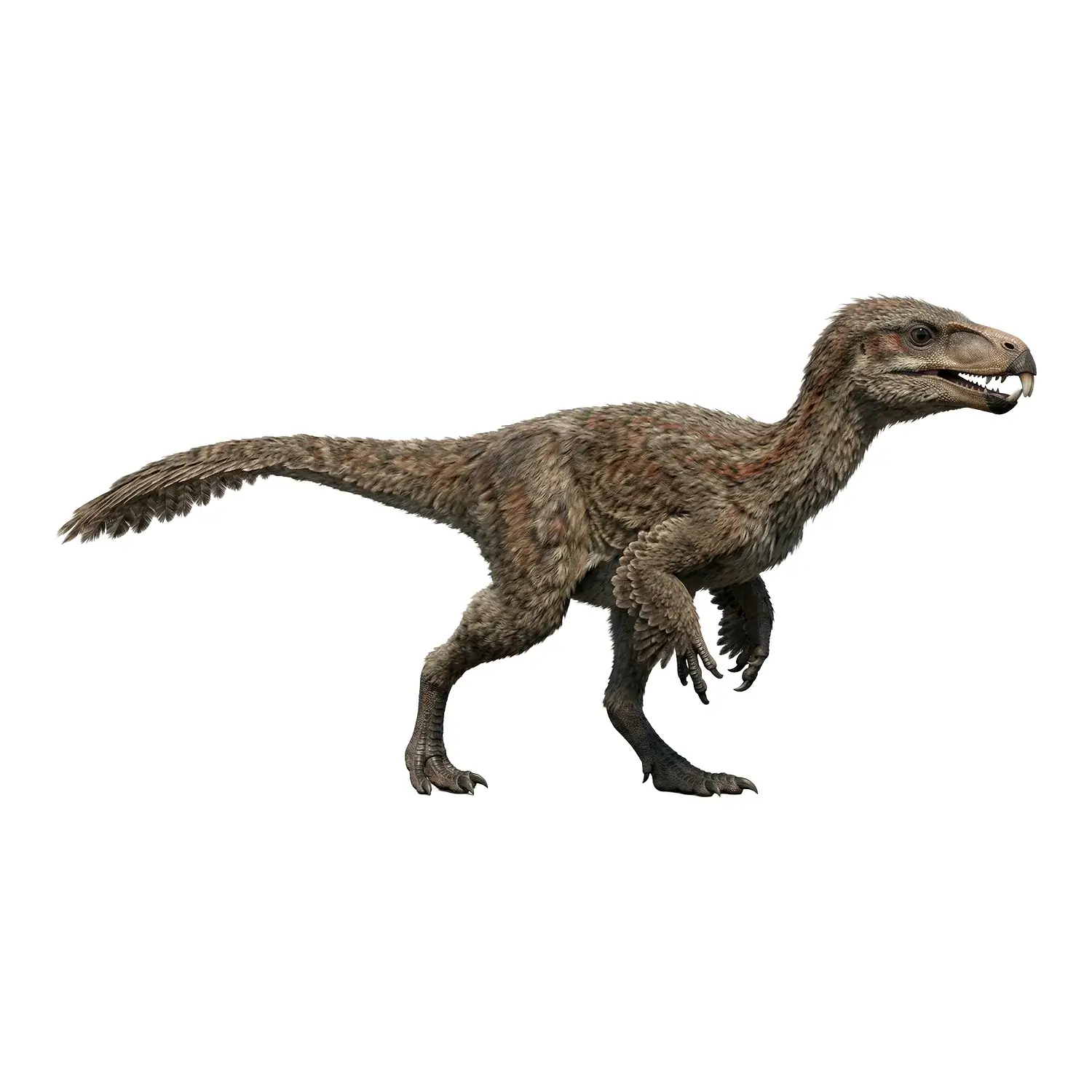
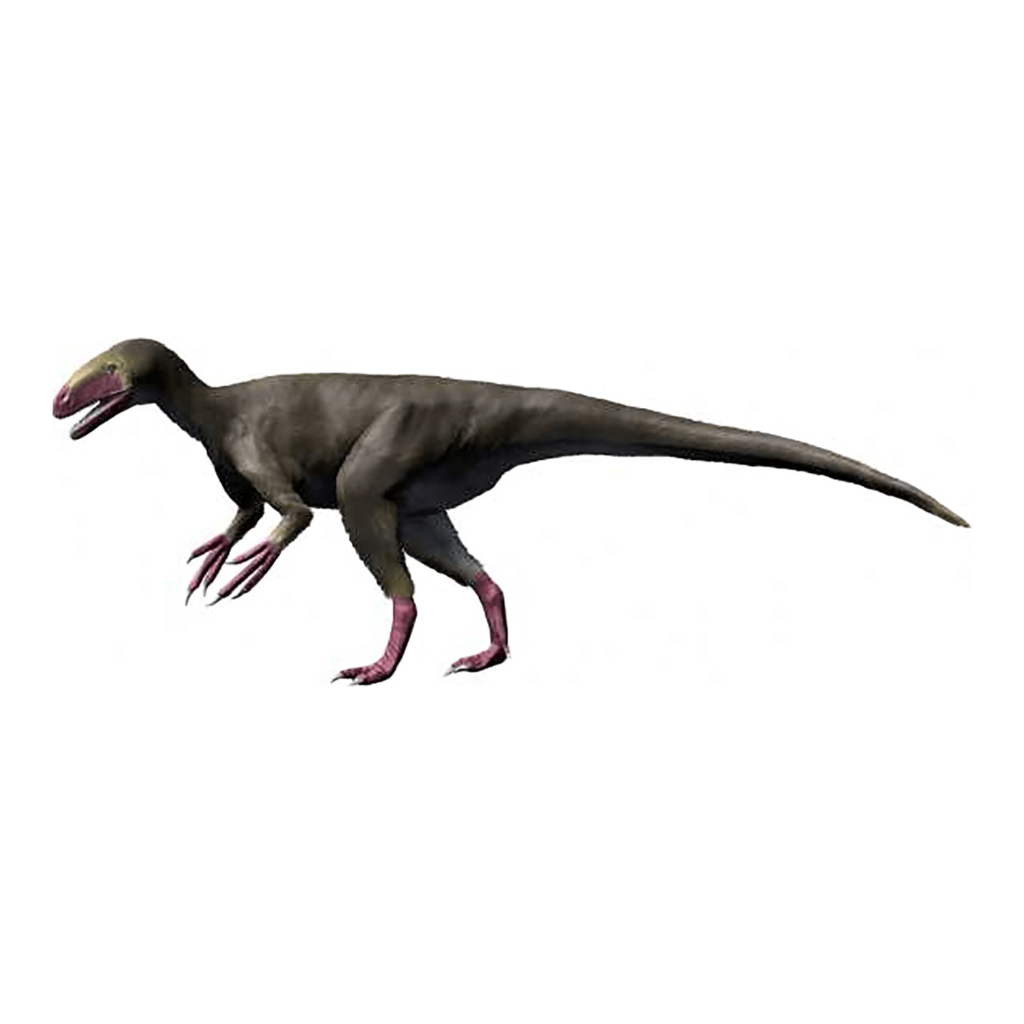
- Eotyrannus
- Classification
- Theropods
- Characteristics
- Carnivorous
- Era
- Cretaceous period
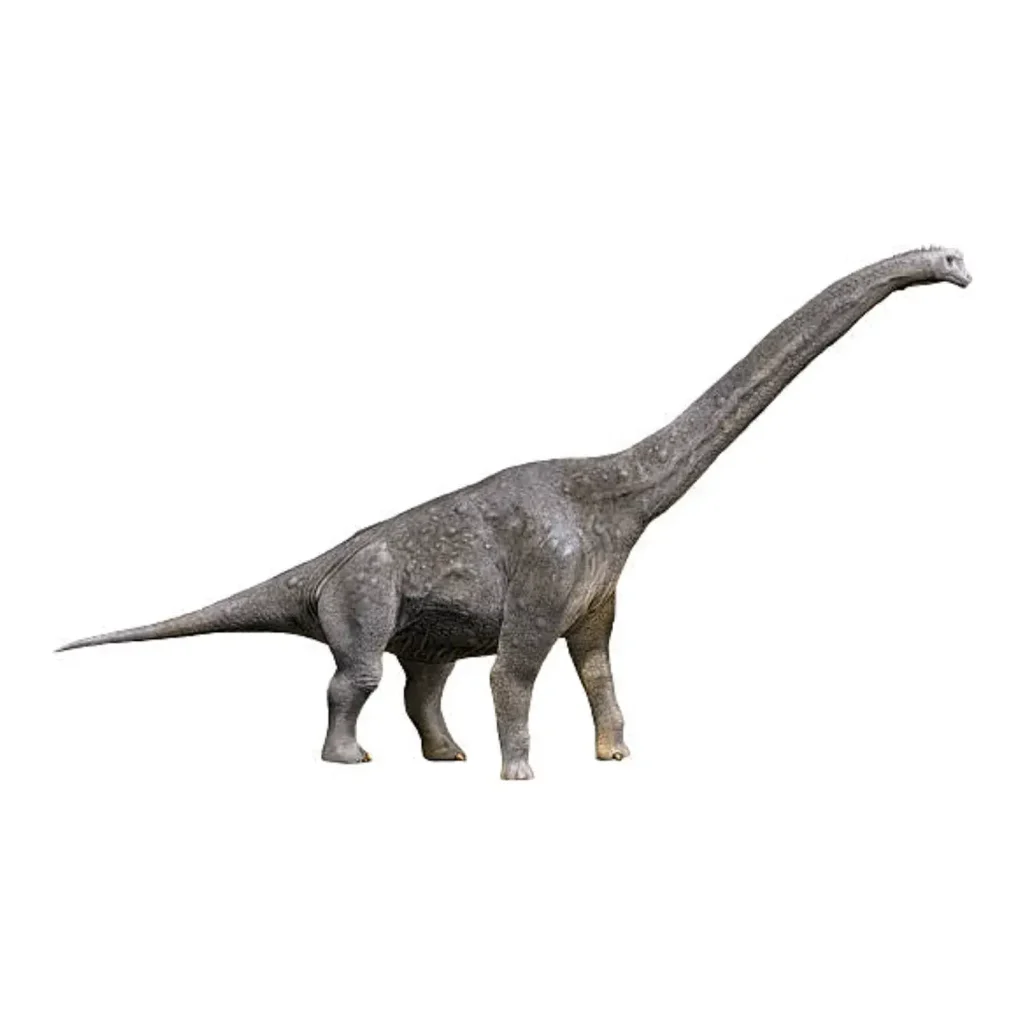
- Giraffatitan
- Classification
- Sauropods
- Characteristics
- Herbivorous
- Era
- Jurassic period
-
Sponsored Links
-
Sponsored Links









![[Latest Research] What Was the Function of Spinosaurus's Giant "Sail"? Exploring the Mysteries of Thermoregulation and Underwater Locomotion](https://dinosaurmuseum.jp/wp/wp-content/uploads/eyecatch_spinosaurus-sail-function_en-1024x512.webp)
![[Latest Discovery] A Third Type of Skin, Neither Scales Nor Feathers? Meet "Haolong dongi," a New Dinosaur Species Covered Entirely in Spikes](https://dinosaurmuseum.jp/wp/wp-content/uploads/eyecatch_dinosaur-spiky-skin-discovery_en-1024x512.webp)
Description
Today, “Antarctica” is a freezing continent locked in thick ice and snow.
However, if you rewind time to the Late Cretaceous period about 70 million years ago, a lush green forest thickly overgrown with conifers and ferns spread across the land.
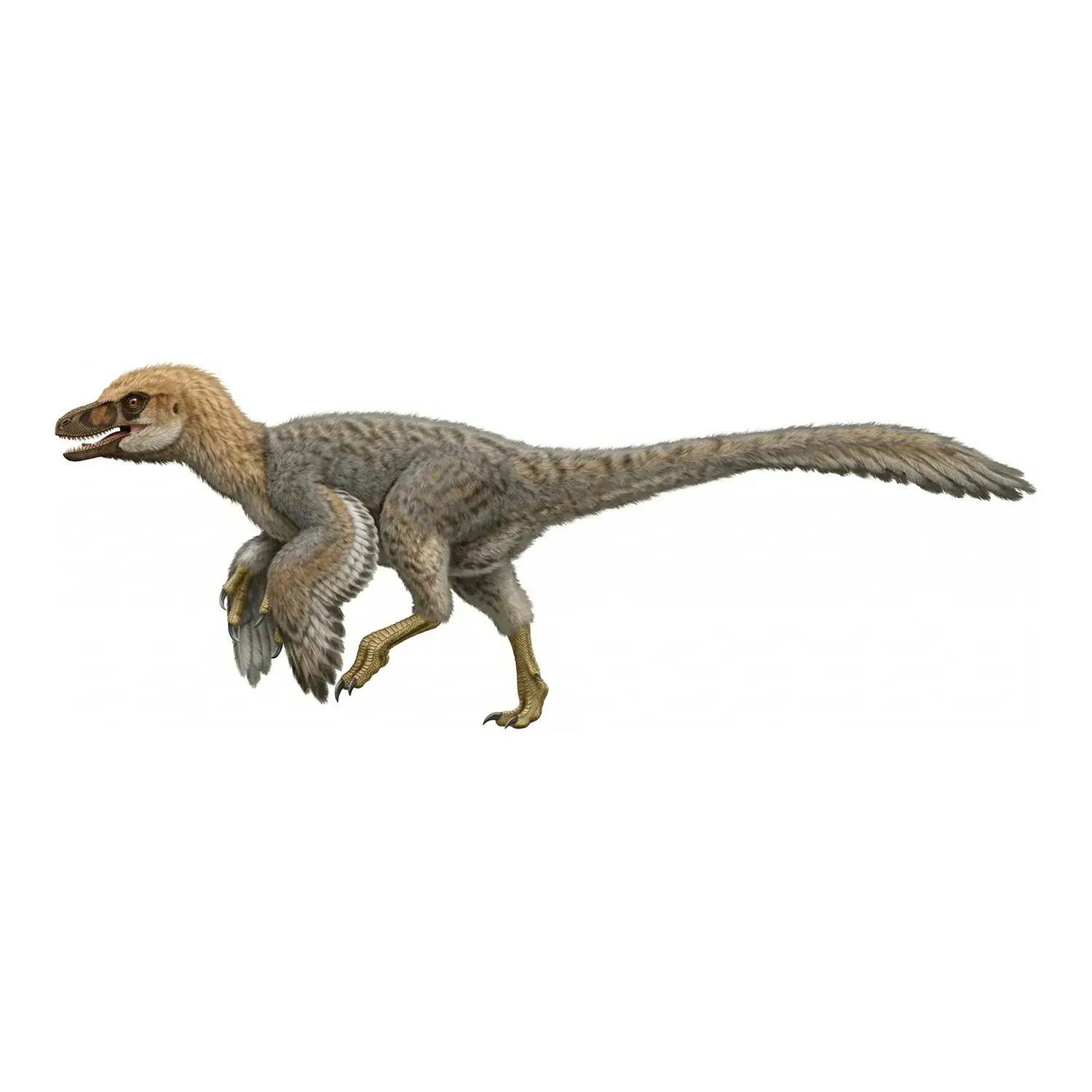
The theropod dinosaur that swiftly dashed across this ancient Antarctic continent and reigned at the top of the ecosystem is “Imperobator.”
Origin of Its Name
The scientific name Imperobator means “strong warrior” in Latin.
It was named in honor of their proud stature, having survived the harsh polar environment characterized by the midnight sun and the polar night.
History of Discovery and the “Raptor” Misconception
Fossils of Imperobator were discovered in 2003 by a team of American paleontologists (including Judith Ely and James Case) on James Ross Island (Snow Hill Island Formation), located east of the Antarctic Peninsula.
The discovered fossils were fragmentary, consisting of parts like a portion of the left hind limb, but due to the robustness of the skeleton, it was initially presumed to be a “large dromaeosaurid (a so-called raptor).”
Because of this, when it was announced in 2007, it was nicknamed the “Naze Dromaeosaur.”
However, as a result of detailed research, it was revealed that it lacked the “sickle claw” (a giant crescent-shaped claw) on the second toe, which is the defining characteristic of raptors, making it clear that this nickname was inaccurate.
Formal Description and Two Debates Surrounding Its Classification
Although it was formally named “Imperobator” in 2019, debates regarding its classification continue in the paleontological community today.
Theory 1: A Basal Position in Paraves
The namers, Ely and Case, classified it in “Paraves” (a group closer to birds), positing it as more primitive than the family Dromaeosauridae, based on reasons such as the absence of a sickle claw, the smooth surface of the second metatarsal, and the shape of the pelvis.
Theory 2: A Basal Megaraptoran
Paleontologist Andrea Cau and others pointed out that the fossils alone lack the evidence to classify it as a paravian.
Taking into account the results of phylogenetic analyses and the geographical factor of the Gondwana supercontinent at the time, they have proposed the hypothesis that it may be a basal species of “Megaraptora,” a group of carnivorous dinosaurs that uniquely thrived in the Southern Hemisphere.
Characteristics of a “Pursuit” Predator Dashing Through the Dark Forest
The total length of Imperobator is estimated to be around 3 to 4 meters, making it an extremely valuable presence as a medium-sized carnivorous dinosaur living in Antarctica at the time.
Although no skull has been found, there is no doubt that it was an excellent hunter based on the structure of its hind limbs.
Powerful Propulsion
The hind limb fossils bear traces of highly developed muscle attachment sites, indicating that it ran powerfully across the ground.
Pursuit-Style Hunting
Because it lacked a sickle claw to deal fatal blows, it is highly likely that it was not an “ambush” predator striking from the bushes, but rather a “pursuit” predator that relentlessly tracked down its prey using excellent endurance.
Primary Prey
It is presumed to have preyed upon small ornithopods living in the rich forests, pterosaurs soaring in the sky, and primitive mammals.
Survival Strategies Born from Adaptation to an Extreme Environment
Although Antarctica was warm and humid at the time, it experienced the same harsh sunlight conditions as today: the “midnight sun” (summers when the sun never sets) and the “polar night” (winters when the sun never rises).
To hunt even during the polar night season, which plunged the land into bluish-black darkness for several months, it is thought that Imperobator had highly developed senses of smell and hearing to detect the movements and scents of prey, in addition to its vision.
It has also been pointed out that they may have hunted cooperatively in packs to survive the harsh winters, or undertaken “migration”-like movements according to the seasons.
Challenging the Limits of Life: Overturning Common Sense in Dinosaur Evolution
The existence of Imperobator has presented paleontology with two important facts.
Evidence of Advanced Metabolic Capabilities
The fact that it endured months of darkness and low temperatures overturns the old conventional wisdom that “dinosaurs could only live in warm climates,” strongly suggesting the possibility that they possessed endothermy (advanced metabolic capabilities) akin to birds and mammals.
Unique Evolution on an Isolated Continent
It is a symbol of an “evolutionary experiment” in which it uniquely altered its form while adapting to the environment within the closed space of Antarctica, which became isolated following the breakup of the supercontinent Gondwana.
A skull or a complete torso has not yet been found.
However, beneath the ice of the Antarctic continent, where sub-zero winds howl, many dramas of dinosaurs that blended into the darkness of the polar night and dashed powerfully through the forests must still lie sleeping.