
Monolophosaurus
Name Origin
Single-crested Lizard
Classification
Diapsida, Saurischia, Theropoda
Habitat (Discovery Location)
China
Period
Middle Jurassic
Length
Approximately 5–7.5 meters
Weight
Approximately 700 kg
Diet
Carnivore (Meat-eater)
You might also like... 

-
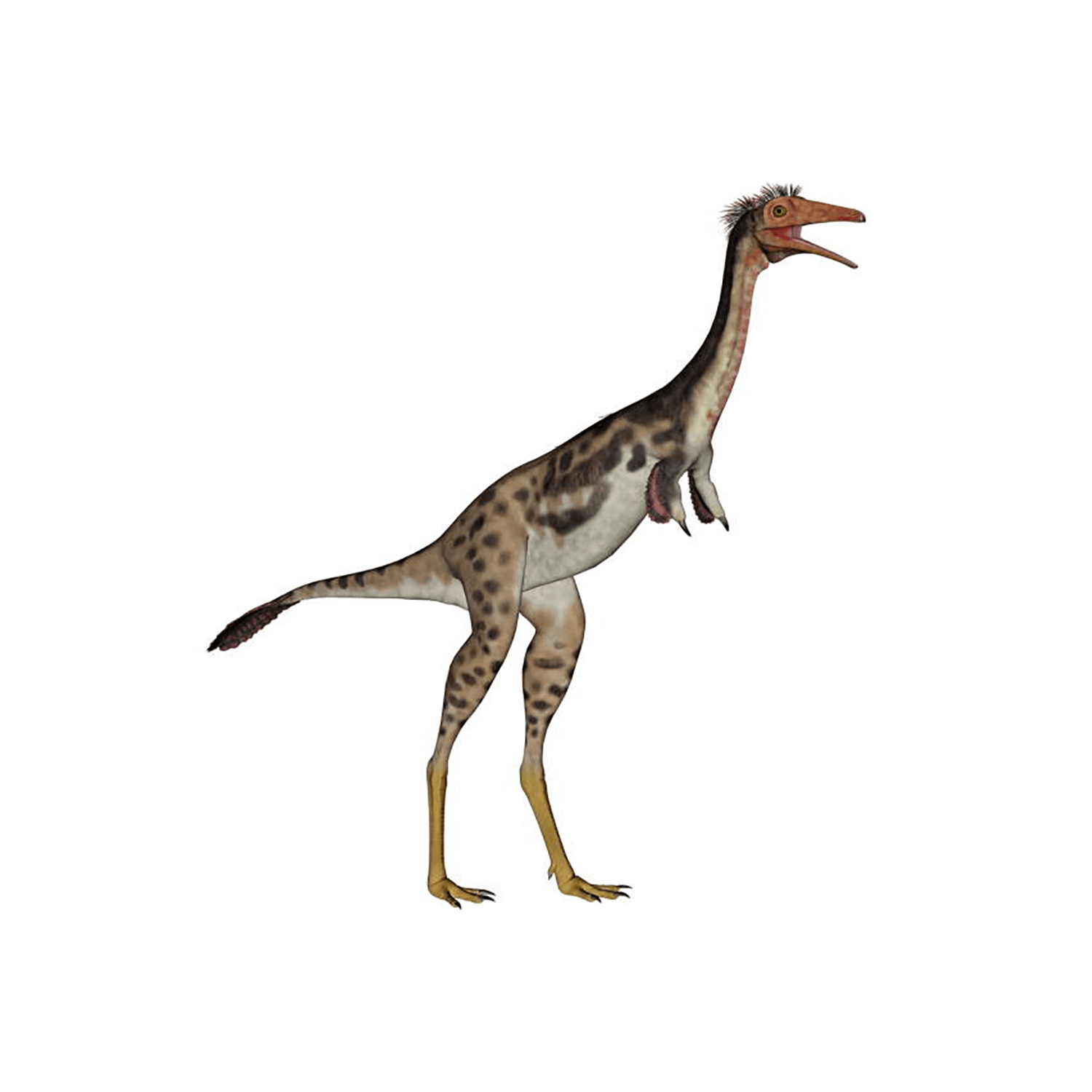
 Herrerasaurus
- Classification
- Saurischia
- Characteristics
- Carnivorous
- Era
- Triassic period
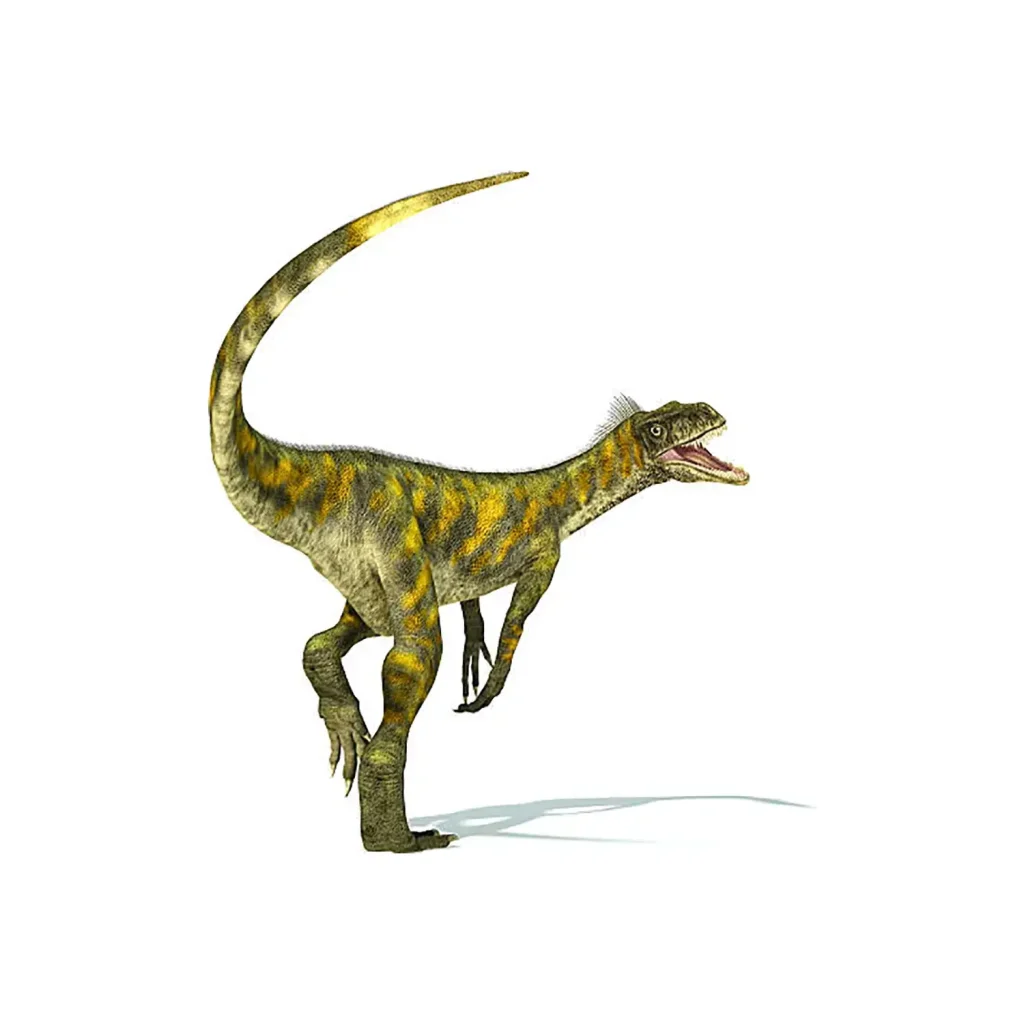
- Proceratosaurus
- Classification
- Theropods
- Characteristics
- Carnivorous
- Era
- Jurassic period
- Massospondylus
- Classification
- Sauropods
- Characteristics
- Herbivorous
- Era
- Jurassic period
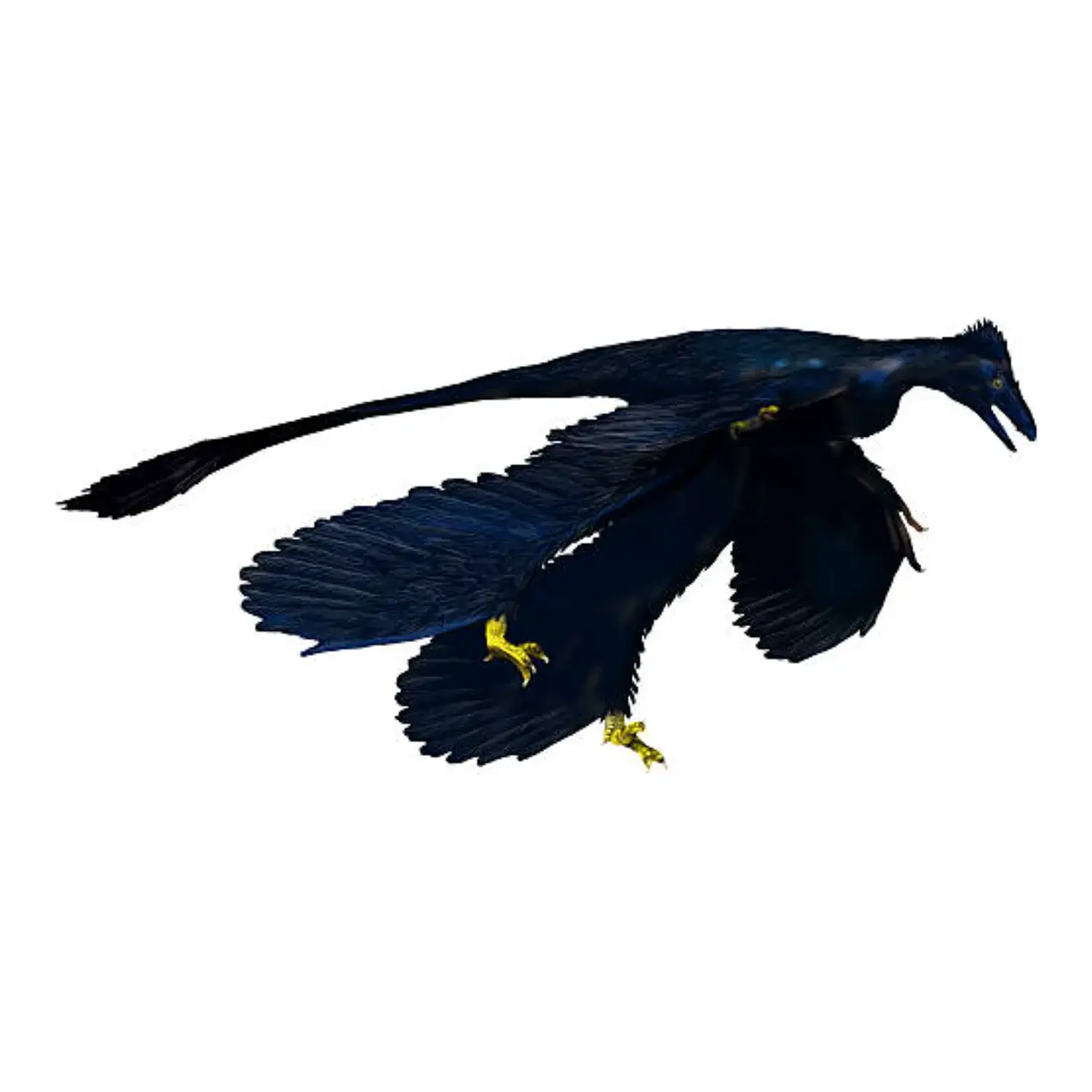
- Eudimorphodon
- Classification
- Flying reptiles
- Characteristics
- Carnivorous
- Era
- Triassic period
-
Sponsored Links
-
Sponsored Links









![[Latest Research] What Was the Function of Spinosaurus's Giant "Sail"? Exploring the Mysteries of Thermoregulation and Underwater Locomotion](https://dinosaurmuseum.jp/wp/wp-content/uploads/eyecatch_spinosaurus-sail-function_en-1024x512.webp)
![[Latest Discovery] A Third Type of Skin, Neither Scales Nor Feathers? Meet "Haolong dongi," a New Dinosaur Species Covered Entirely in Spikes](https://dinosaurmuseum.jp/wp/wp-content/uploads/eyecatch_dinosaur-spiky-skin-discovery_en-1024x512.webp)
Description
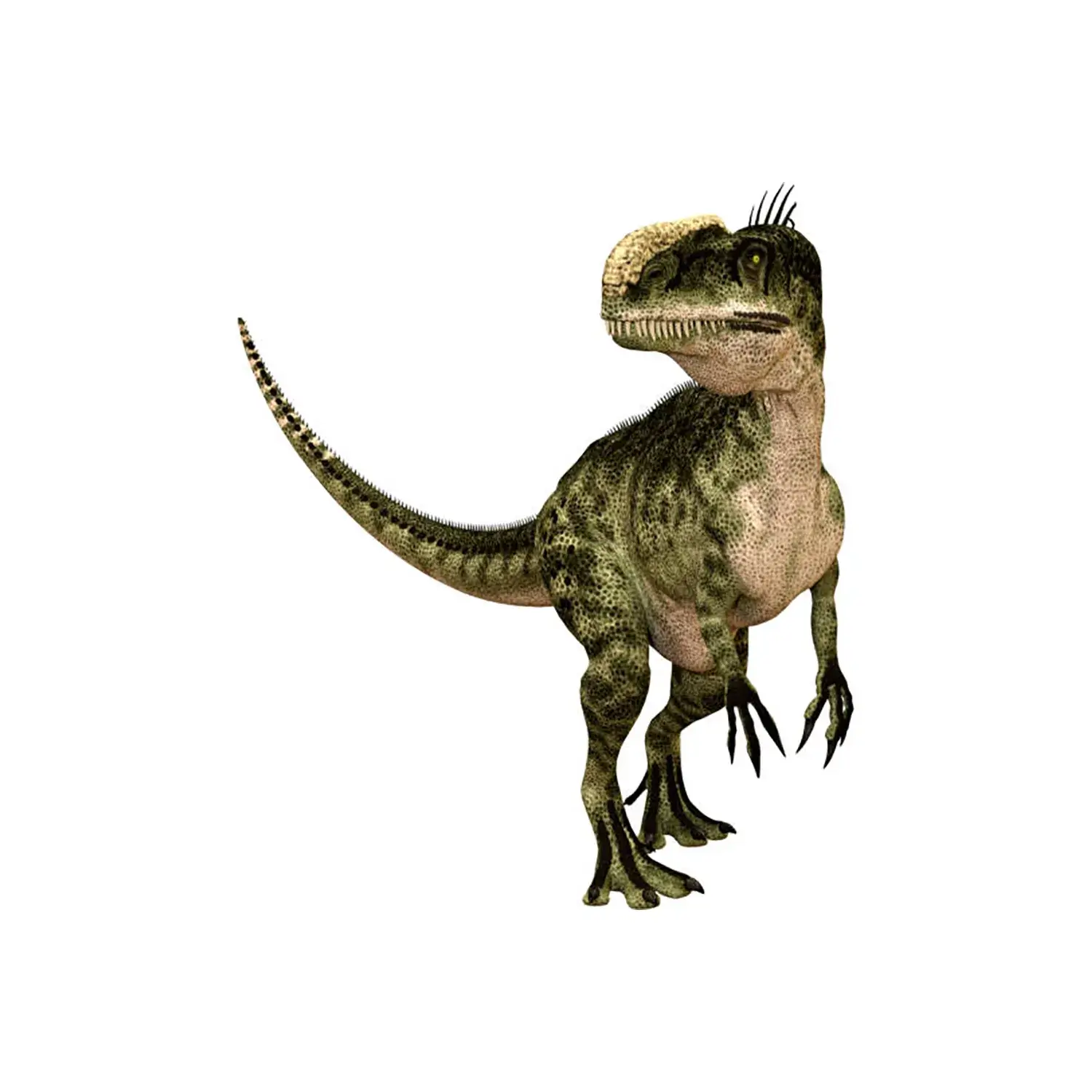
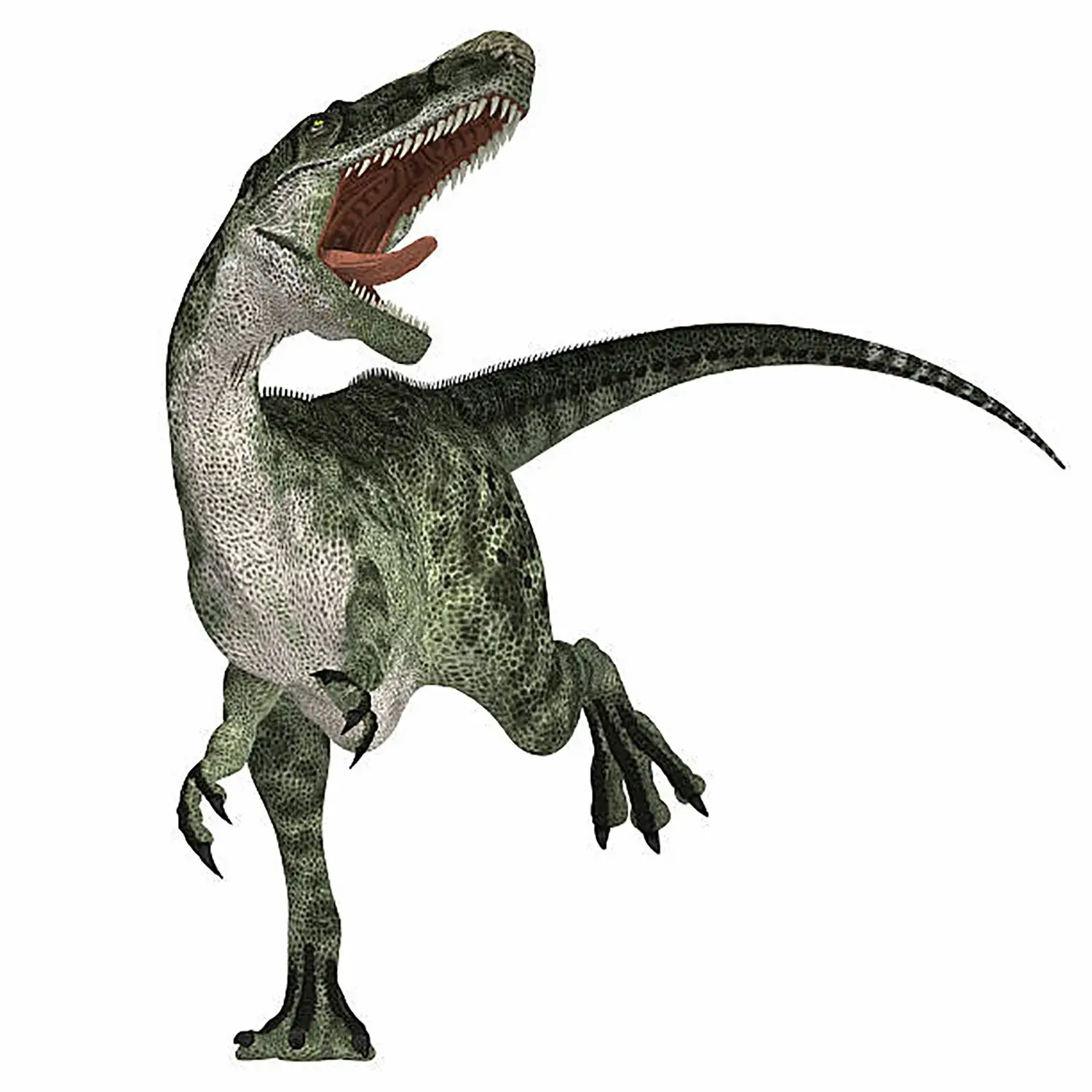
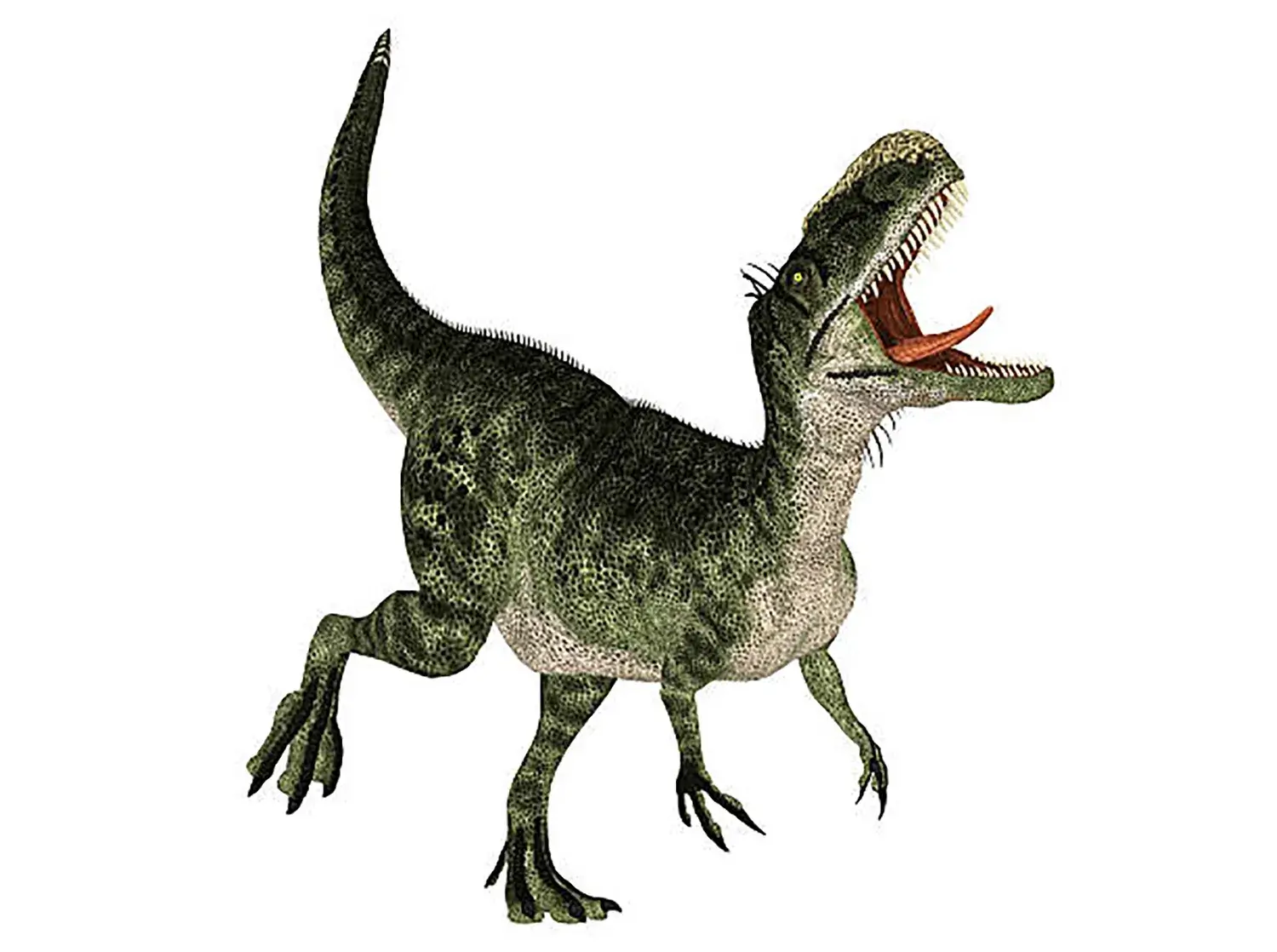
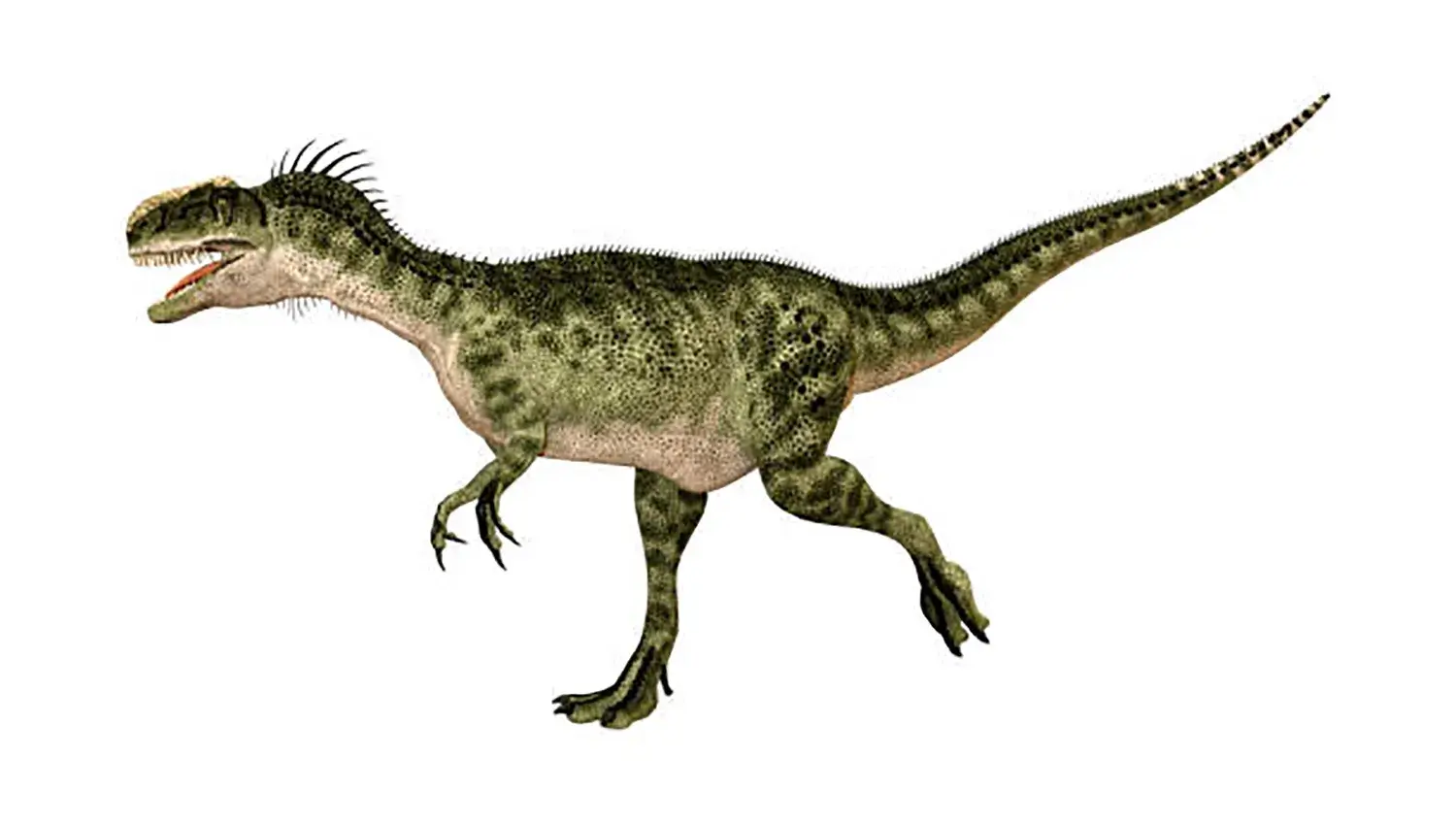
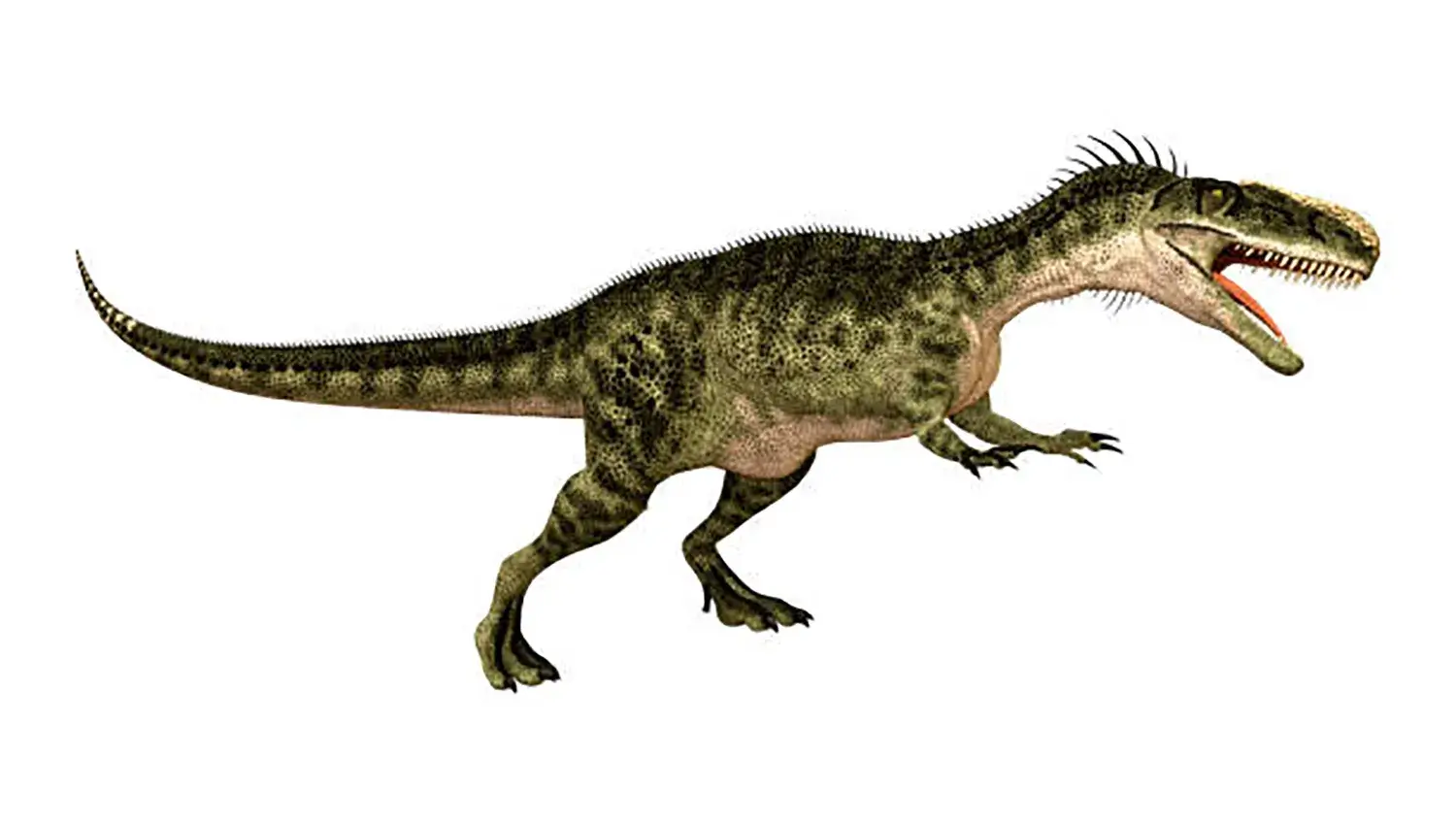
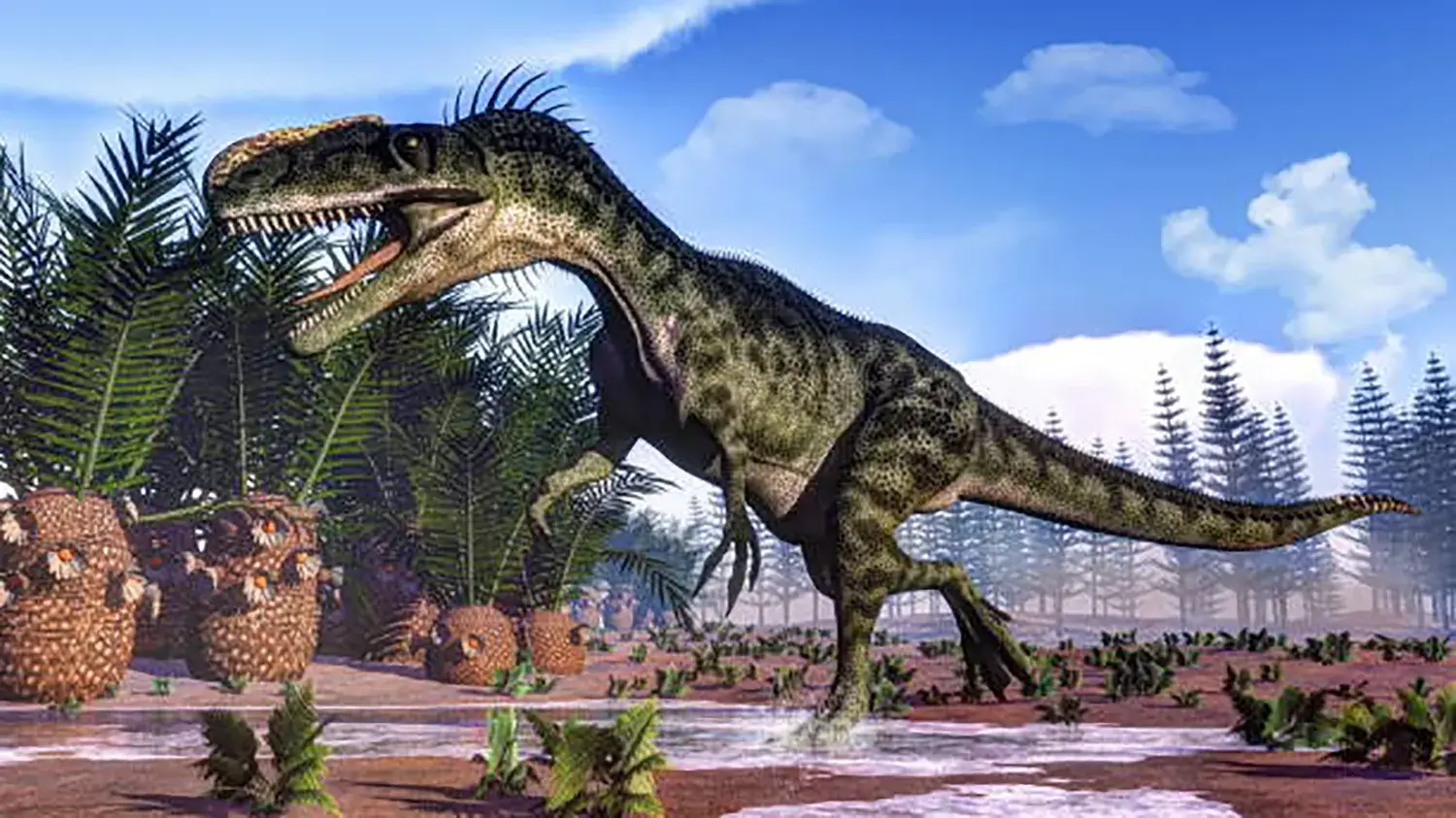
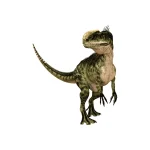
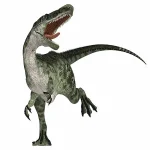
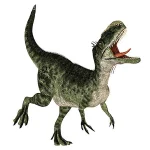
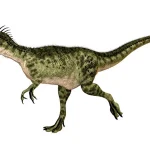
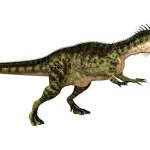
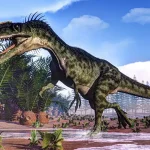
Monolophosaurus is a medium-sized carnivorous dinosaur that reigned in Asia (China) during the Middle Jurassic.
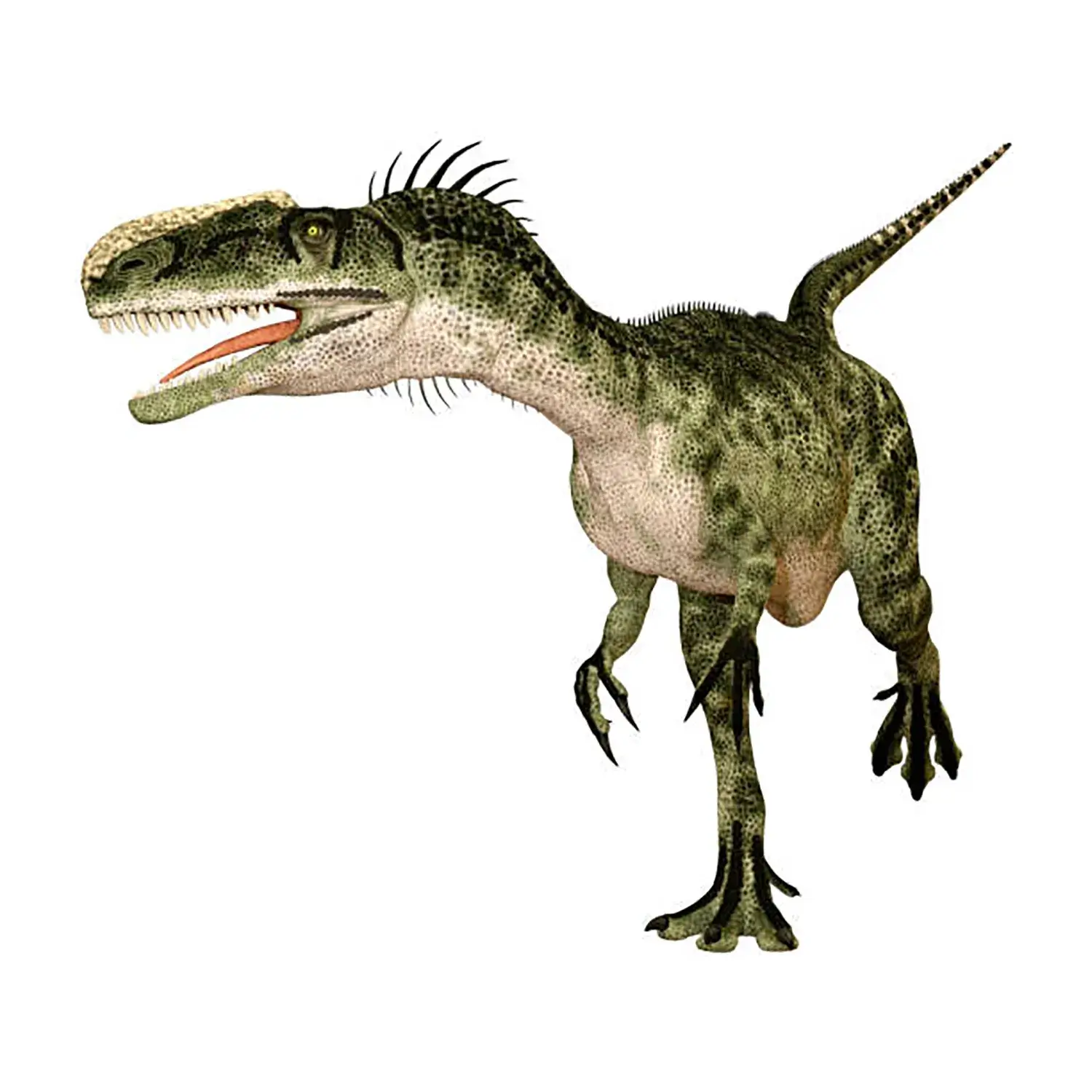
Discovered by chance during an oil exploration survey, this dinosaur is known for its unique appearance featuring a “single crest” on its head.
Although more than 40 years have passed since its discovery, only one fossil specimen has been found.
Discovered by Chance During a Desert Oil Survey! The Precious “Sole Specimen”
There was an unexpected drama behind the discovery of Monolophosaurus.
Discovery in 1981
The setting was the Junggar Basin in the Xinjiang Uygur Autonomous Region, China.
In 1981, a team conducting geological surveys for oil drilling accidentally discovered the fossil.
It was later studied by paleontologist Dr. Zhao Xijin and others, and described as a new species.
The Remaining Skull and Lost Limbs
Only one fossil specimen was found, and it was an incomplete skeleton.
Although most of the tail and limb bones were not found, the “skull,” which is most important for classification, remained in near-perfect condition.
While the reconstruction of the full body involves some speculation, it remains an extremely valuable specimen for understanding the ecosystem of that time.
What Was the Role of Its Greatest Feature, the “Hollow Crest”?
The scientific name Monolophosaurus means “Single-crested Lizard.”
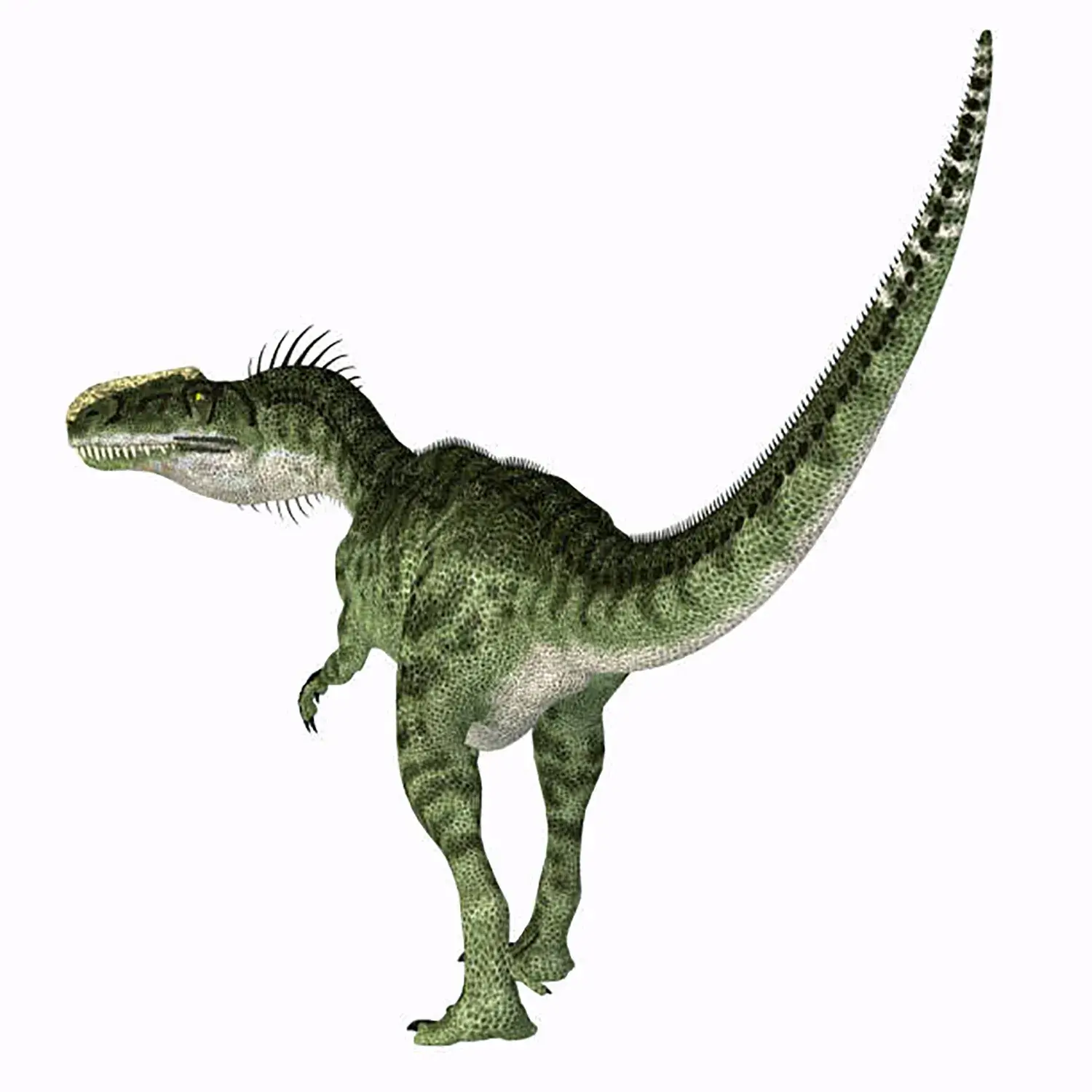
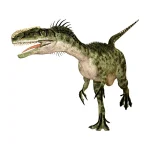
As the name suggests, it possessed a single crest stretching long down the center of its head (from above the eyes to the tip of the nose).
It possessed a single crest stretching long from above the eyes to the tip of the nose.
Precise Internal Structure
This crest was not a skin decoration but a protrusion formed by deformed nasal and lacrimal bones.
CT scans revealed that the inside was not solid bone but “hollow,” connecting to the nasal cavity.
Three Leading Theories on Function
Because it lacked strength, it could not be used as a weapon (for head-butting), but it is believed to have served the following roles:
Display Theory
To appeal to the opposite sex or for intimidation.
Vocalization/Amplifier Theory
Using the inside as a resonating chamber to amplify distinctive calls.
Thermoregulation Theory
A radiator function to release or absorb heat through blood.
Note that since there is only one fossil, it cannot be determined whether there was sexual dimorphism (differences between males and females) regarding the crest.
Close to Allosaurus? A 5–7.5m Long Hunter
Physical Characteristics
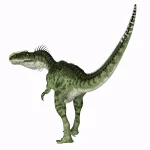
Monolophosaurus is a medium-sized carnivorous dinosaur with a total length of about 5 to 7.5 meters.
Although the head was large, it was narrow in width, and the overall physique was slender.
The mouth was lined with sharp teeth, but a distinct feature is that the teeth in the upper jaw grew only “forward of the eyes.”
Changes in Classification
In the past, due to features of its teeth and claws, it was thought to be a relative of Allosaurus (Allosauridae), a representative species of the Jurassic.
Recent research, however, generally places it as a species of “Tetanurae” (stiff tails), occupying a slightly more primitive position.
It flourished as a predator at the top of the food chain in China at that time.