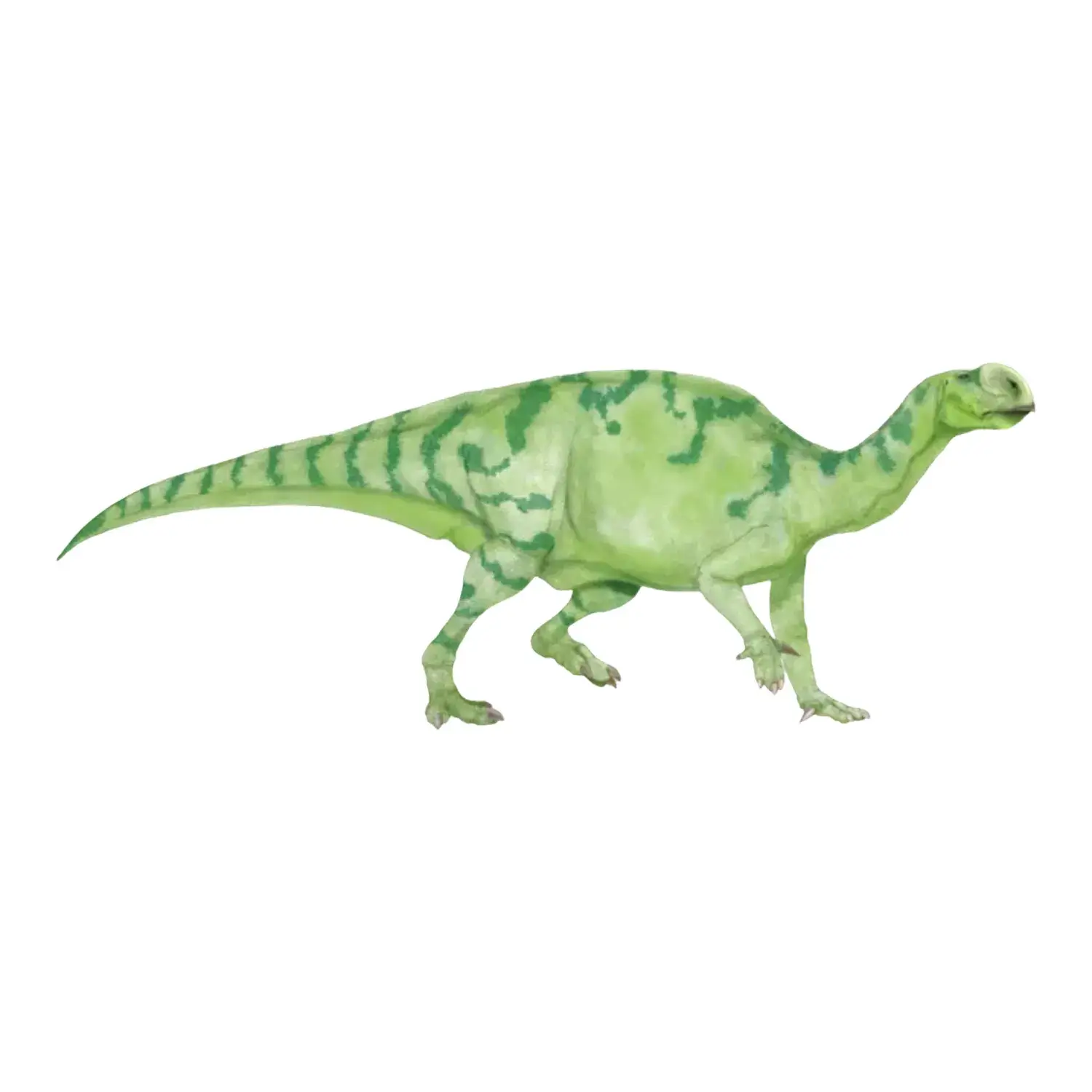
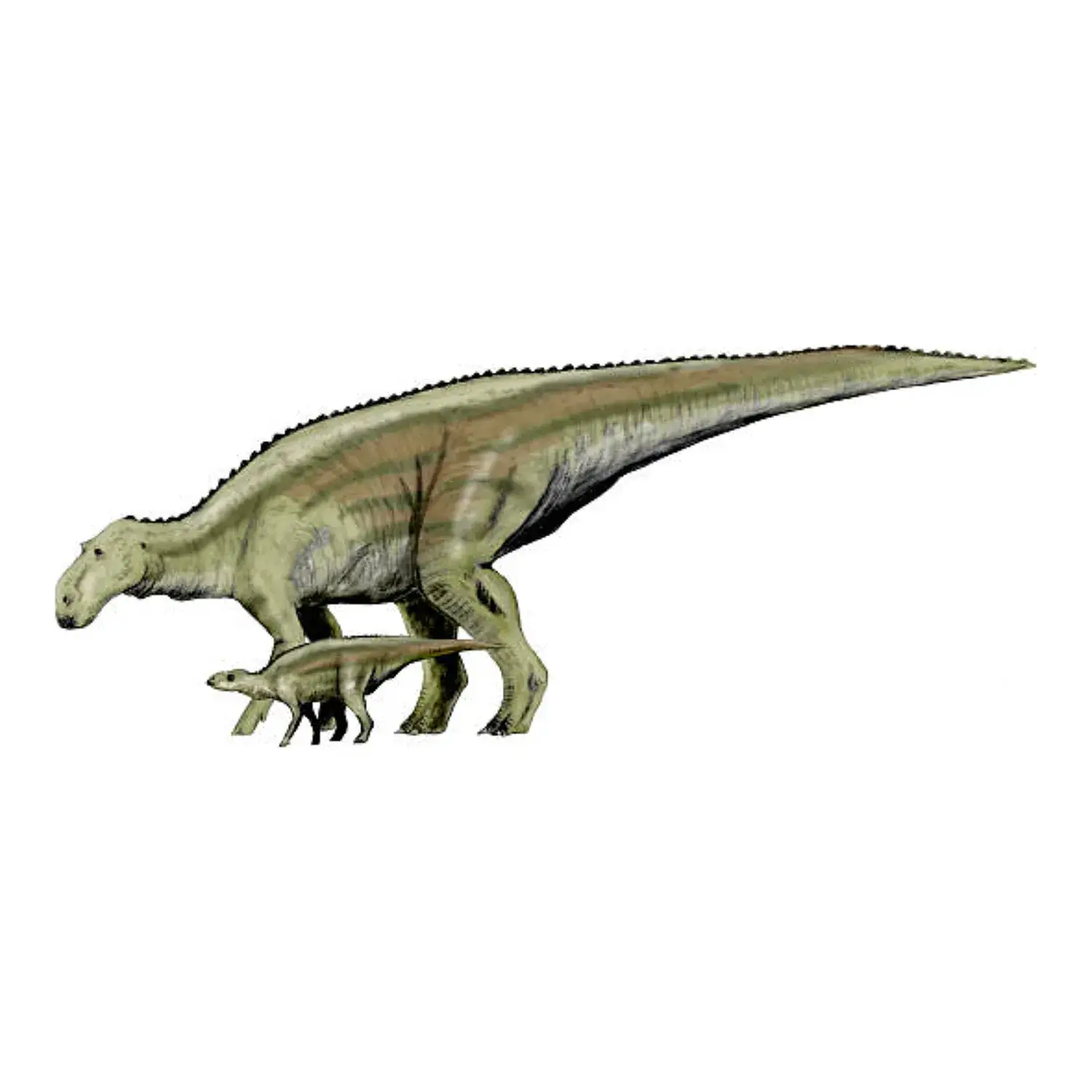
Muttaburrasaurus
Name Origin
Lizard of Muttaburra (Named after the town of Muttaburra)
Family
Rhabdodontidae
Classification
Diapsida, Ornithischia, Ornithopoda
Habitat (Discovery Location)
Australia
Period
Approximately 100 million years ago (Early Cretaceous)
Length
Approximately 10 meters
Weight
Approximately 2.8 tons
Diet
Herbivore
You might also like... 

-
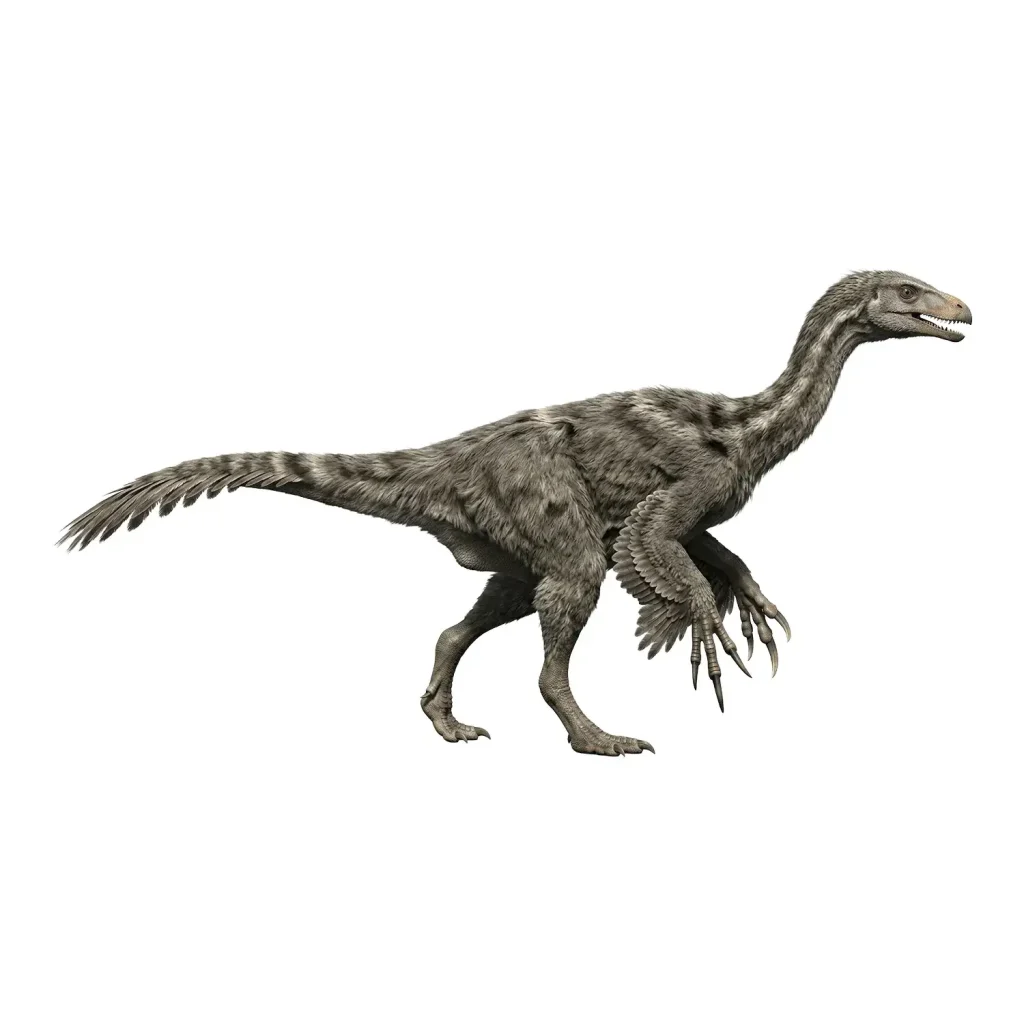
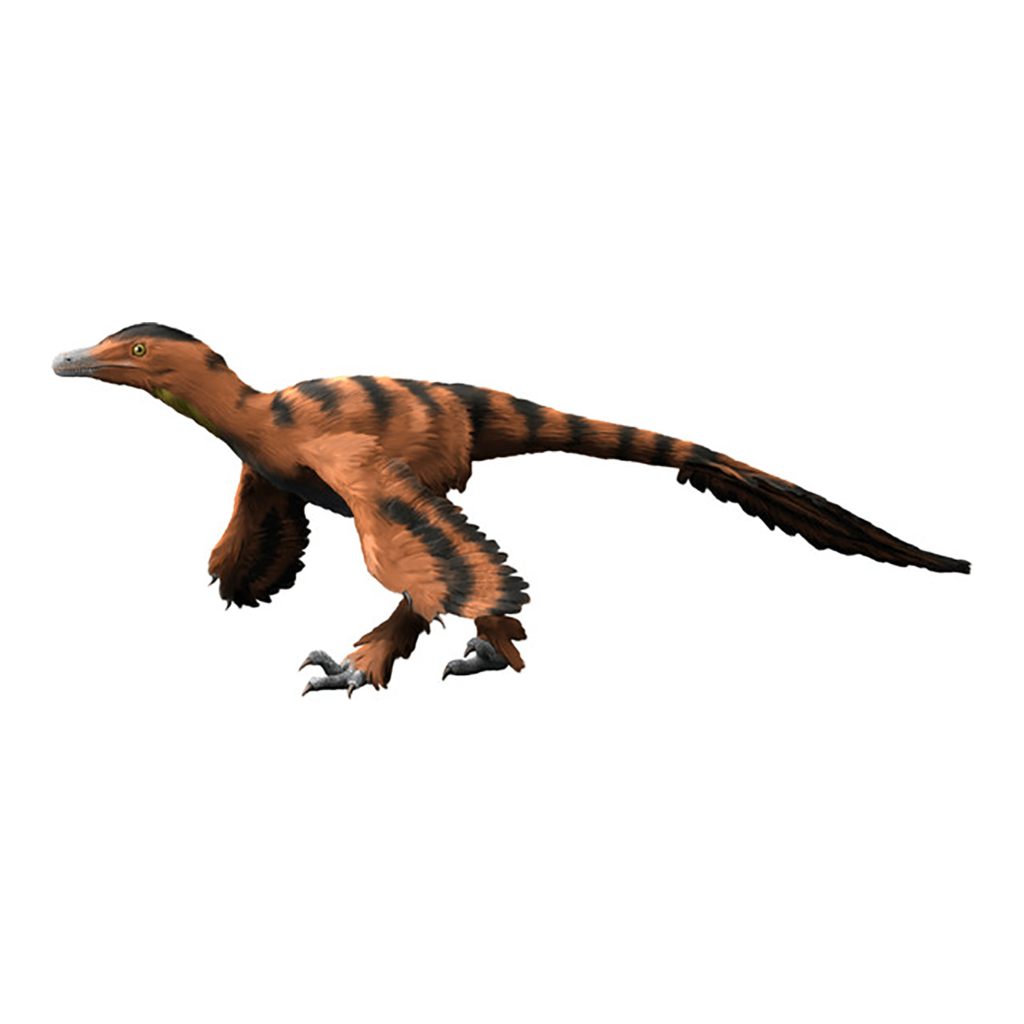
 Falcarius
- Classification
- Theropods
- Characteristics
- Herbivorous
- Feathered
- Era
- Cretaceous period
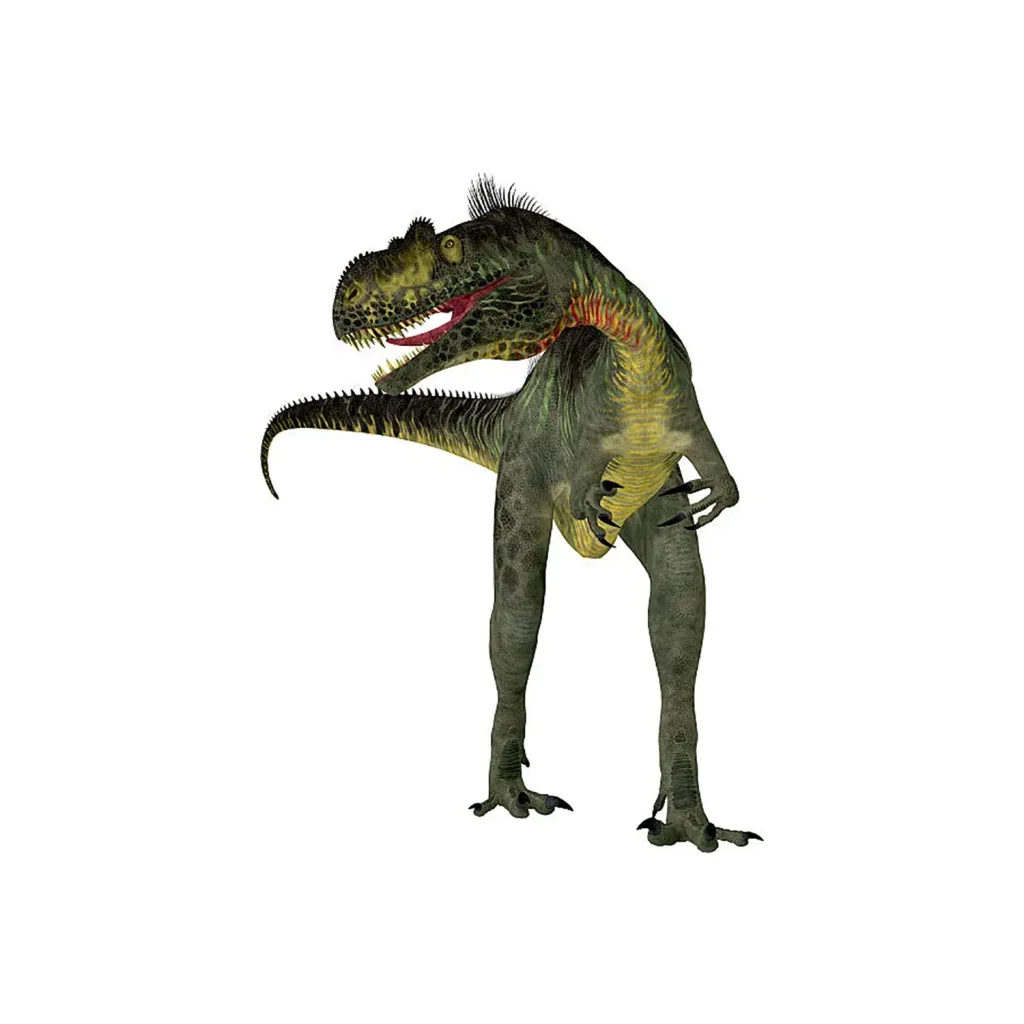
- Megalosaurus
- Classification
- Theropods
- Characteristics
- Carnivorous
- Era
- Jurassic period
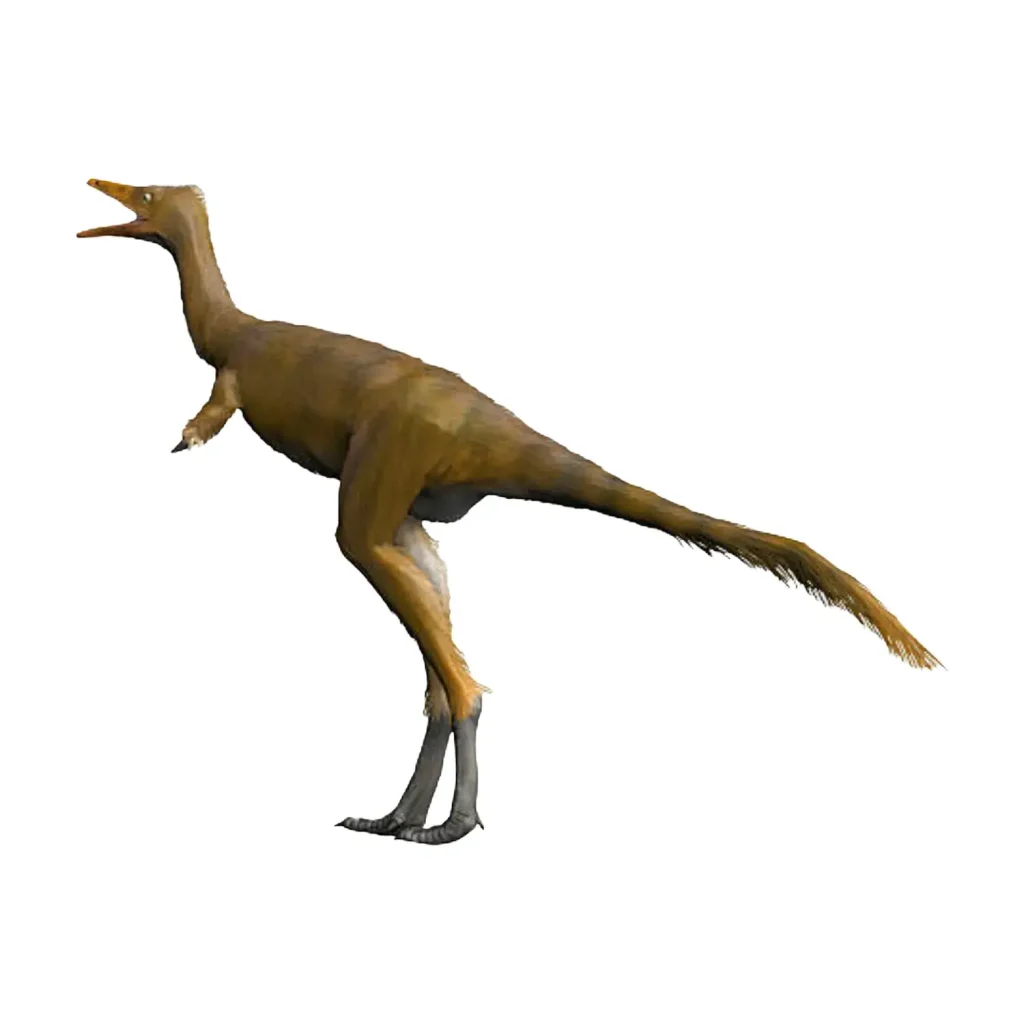
- Shuvuuia
- Classification
- Theropods
- Characteristics
- Carnivorous
- Feathered
- Era
- Cretaceous period
- Sinornithosaurus
- Classification
- Theropods
- Characteristics
- Carnivorous
- Feathered
- Era
- Cretaceous period
-
Sponsored Links
-
Sponsored Links

![[Latest Research] What Was the Function of Spinosaurus's Giant "Sail"? Exploring the Mysteries of Thermoregulation and Underwater Locomotion](https://dinosaurmuseum.jp/wp/wp-content/uploads/eyecatch_spinosaurus-sail-function_en-1024x512.webp)
![[Latest Discovery] A Third Type of Skin, Neither Scales Nor Feathers? Meet "Haolong dongi," a New Dinosaur Species Covered Entirely in Spikes](https://dinosaurmuseum.jp/wp/wp-content/uploads/eyecatch_dinosaur-spiky-skin-discovery_en-1024x512.webp)
Description
During the Early Cretaceous (about 100 million years ago), the Australian continent had a relatively warm environment, with temperatures similar to modern-day Sapporo or Sakhalin.
It was in this land that “Muttaburasaurus,” boasting one of the largest sizes among ornithopods discovered in Australia, evolved uniquely.
Reaching a total length of 10 meters, this dinosaur looks like Iguanodon at first glance, but it possessed a strange “hollow bump” on its nose and powerful teeth resembling those of a ceratopsian.
“Too Big for Cow Bones” Found on a Ranch and Opalized Fossils
Muttaburasaurus is one of Australia’s most iconic dinosaurs.
There is an episode regarding its discovery that is unique to this region.
The Story of Discovery
In 1963, Doug Langdon, a rancher in Muttaburra, Queensland, discovered strange bones on his land.
Feeling they were “too big to be cow bones,” he asked a museum to investigate, and they turned out to be dinosaur fossils.
Later, in 1981, about 20 years after the discovery, it was formally named after the location and the discoverer.
Although the forelimbs are incomplete, it is one of the most complete skeletons found in Australia.
A Dinosaur Turned Gem
Additionally, fossils discovered in New South Wales possessed a very beautiful characteristic.
Usually, fossils are replaced by minerals, but in this region, parts of the bones were replaced by “opal.”
It can truly be called a “dinosaur turned into a gem” born from the Australian earth.
The Biggest Mystery! What Was the Role of the “Hollow Nose”?
The greatest feature of Muttaburasaurus is its unique facial appearance.
There was an elliptically raised “bony bump” on the upper part of the nose (snout).
The inside was hollow and bulged largely forward, and the following three roles are conjectured.
Amplifier Theory
They used the hollow section as a resonating chamber to create distinctive calls to communicate with others.
Olfactory Aid Theory
The olfactory organs inside were developed, making it a high-performance nose for sniffing out food or enemies.
Display Theory
It was a decoration used to appeal to the opposite sex by inflating the skin to change its appearance.
The Evolutionary Mystery of Having “Ceratopsian Teeth” Despite Looking Like Iguanodon
They also contain many mysteries regarding classification.
They were once thought to be close relatives of Iguanodon or hadrosaurs, but the structure inside their mouths was decisively different from them.
“Slicing” Instead of “Grinding”
While the teeth of general Iguanodon types are shaped for grinding plants, Muttaburasaurus teeth had a sharp structure suitable for “slicing (shearing)” plants.
This is a characteristic actually closer to ceratopsians like Triceratops.
Unique Diet and Classification
With developed jaw muscles and sharp teeth, they likely sliced and ate hard plants like cycads, and the possibility of omnivory—eating small animals—has also been pointed out.
Currently, they are considered to be relatives of “Rhabdodon,” which is more primitive than Iguanodon, but they can be called a symbol of unique evolution born from the isolated environment of Australia.